
In This Article
You know that gut feeling when you’re cruising down the highway in your favorite pair of Levi’s? That little voice telling you something’s not quite right? Listen to it. Regular denim might look tough, but when you’re sliding across asphalt at 45 mph, it’ll shred like tissue paper in under a second. I learned this the hard way during a minor spill on my way to work—what started as a simple low-side left me with road rash that took weeks to heal, all because I thought my “thick” jeans would protect me.
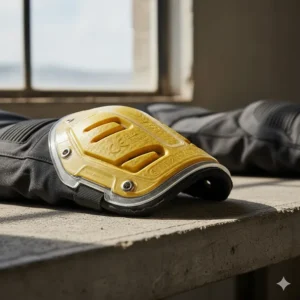
The difference between regular jeans and motorcycle jeans isn’t just marketing hype. Studies reveal that proper riding jeans reinforced with aramid fibers can withstand abrasion seven times longer than traditional denim. That’s the difference between walking away with a bruise or requiring skin grafts. Modern motorcycle jeans combine cutting-edge materials like Kevlar, Cordura, and Dyneema with CE-rated impact armor to create pants that look like everyday denim but perform like serious protective gear. Whether you’re a weekend warrior, daily commuter, or adventure seeker, the right pair of jeans for motorcycle riding can literally save your skin while keeping you comfortable and stylish off the bike.
Quick Comparison Table
| Product | Protection Rating | Armor Included | Price Range | Best For |
|---|---|---|---|---|
| Rider Protec® Aramid Jeans | CE Level 1 | Yes (Hip & Knee) | $70-$90 | Budget Conscious Riders |
| MetaArmor CE Class A Jeans | CE Class A | Yes (Hip & Knee) | $80-$110 | All-Around Protection |
| Klim K Fifty 2 | AA | Yes (Hip, Knee, Tailbone) | $300-$350 | Premium Performance |
| Hive Moto Ladies Jeans | CE Approved | Yes (Hip & Knee) | $85-$120 | Women Riders |
| REV’IT! Moto 2 | CE Level 1 | Yes (Hip & Knee) | $280-$320 | Tapered Fit Enthusiasts |
| Newfacelook Aramid Jeans | High Durability | Yes (Hip & Knee) | $75-$95 | Casual Style Seekers |
| Aramid Reinforced All-Season | CE Armor Compatible | Yes (Hip & Knee) | $65-$85 | Year-Round Riders |
💬 Just one click – help others make better buying decisions too!😊
Top 7 Motorcycle Jeans: Expert Analysis
1. Rider Protec® Men’s Motorcycle Riding Jeans – Best Budget Option
If you’re new to riding or working with a tight budget, these jeans punch way above their weight class. The Rider Protec® Aramid Jeans feature discreet aramid protective lining strategically placed in key impact zones, making them look like regular casual jeans while delivering serious protection.
Key Specifications:
- Aramid protective lining in impact zones
- Removable CE armor (knees & hips)
- Heavy-duty YKK zippers
- Double-stitched construction
Price Range: $70-$90
Riders consistently praise these for their breathable design that prevents heat buildup during summer rides. The armor pockets allow quick removal, making the transition from riding to everyday wear seamless. One customer noted they wore these for a 500-mile trip through Texas heat and never felt overheated.
✅ Pros: Affordable, breathable aramid lining, looks like regular jeans
✅ Pros: Removable armor for versatility, YKK quality zippers
✅ Pros: Great for beginners and casual riders
❌ Cons: Not AAA-rated for extreme protection
❌ Cons: Limited color options
2. MetaArmor Motorcycle Jeans – Best All-Around Value
The MetaArmor CE Class A Jeans represent the sweet spot between protection and price. With 60% aramid fiber and 40% polyester inner lining, these deliver reliable protection without breaking the bank.
Key Specifications:
- 60% aramid fiber / 40% polyester lining
- CE-certified hip and knee protectors
- 98% ring-spun cotton / 2% spandex outer shell
- Adjustable knee armor pockets
Price Range: $80-$110
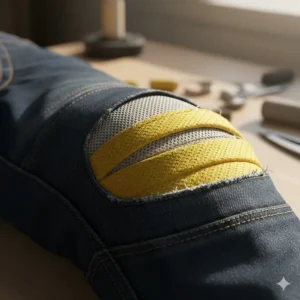
What sets these apart is the adjustable knee pocket system that lets you fine-tune armor placement based on your riding position. The breathable mesh lining prevents sweat buildup while maintaining protection. Multiple riders report these jeans fitting true to size with enough stretch for comfortable all-day wear.
✅ Pros: CE-certified protection at mid-range price
✅ Pros: Adjustable armor pockets for custom fit
✅ Pros: Breathable mesh lining for comfort
❌ Cons: Slightly heavier than single-layer options
❌ Cons: Break-in period required
3. Klim K Fifty 2 – Premium Performance Leader
For riders who refuse to compromise, the Klim K Fifty 2 delivers top-tier protection with understated style. These jeans hide their protective features so well that nobody would guess they’re built for serious riding.
Key Specifications:
- Heavy-duty Cordura denim backed by DuPont Kevlar
- D3O EVO knee and hip armor (CE-rated)
- Poron XRDA tailbone protection
- Straight-leg fit with no visible protective seams
Price Range: $300-$350
The magic of the K Fifty 2 lies in how Klim conceals CE-rated armor within a clean, casual design. The straight-leg cut works perfectly for riders tired of baggy or overly skinny options. One long-distance tourer mentioned wearing these for 10-hour riding days without any discomfort. The Cordura-Kevlar combination provides exceptional slide protection while maintaining the flexibility needed for long rides.
✅ Pros: Premium materials with excellent abrasion resistance
✅ Pros: Complete armor package including tailbone
✅ Pros: Clean design with no telltale motorcycle styling
❌ Cons: Premium price point
❌ Cons: May run large in waist sizing
4. Hive Moto Ladies Motorcycle Jeans – Best for Women Riders
Finally, a pair of motorcycle riding jeans designed specifically for female riders! The Hive Moto Ladies Jeans combine CE-approved armor with a flattering, feminine fit that actually works for women’s bodies.
Key Specifications:
- Premium stretch denim construction
- CE-approved knee and hip armor
- Designed for female body proportions
- Available in multiple sizes
Price Range: $85-$120
Women riders consistently rave about the fit of these jeans. Unlike unisex options that gap at the waist or bind at the thighs, these are tailored to female proportions. The stretch denim provides excellent mobility without sacrificing protection. One commuter mentioned she can wear these to work and nobody realizes they’re protective gear.
✅ Pros: Finally, proper fit for women riders
✅ Pros: CE-approved protection without bulk
✅ Pros: Versatile enough for daily wear
❌ Cons: Limited availability in some sizes
❌ Cons: Stretch denim may wear faster than reinforced options
5. REV’IT! Moto 2 – Best Tapered Fit
The REV’IT! Moto 2 nails the modern tapered aesthetic while delivering solid protection. If you’re into contemporary denim styles that narrow at the ankle, these are your answer.
Key Specifications:
- Cordura Denim with stretch materials
- SEESMART CE Level 1 armor (hips & knees)
- Tapered fit from knee to ankle
- Stretch panels for mobility
Price Range: $280-$320
Tapered-fit jeans benefit riders by keeping excess material from flapping in the wind and ensuring armor stays properly positioned during a crash. The REV’IT! construction combines style with substance—Cordura denim provides abrasion resistance while stretch panels maintain agility. Riders with athletic builds particularly appreciate the extra room in the thighs combined with the slimmer ankle profile.
✅ Pros: Modern tapered style that’s on-trend
✅ Pros: Excellent armor positioning for impact
✅ Pros: Cordura denim for superior protection
❌ Cons: Tapered ankles may not work over tall boots
❌ Cons: Higher price for Level 1 armor
6. Newfacelook Motorcycle Jeans – Best Casual Style
The Newfacelook Aramid Jeans prove you don’t have to look like a Power Ranger to stay protected. These deliver aramid reinforcement in critical areas while maintaining a classic denim appearance.
Key Specifications:
- Aramid reinforcement (hip, thighs, knees)
- Removable knee and hip pads included
- Regular fit design
- Suitable for all outdoor activities
Price Range: $75-$95
What makes these special is their versatility. Beyond motorcycling, riders use these for cycling, hiking, and camping because they’re genuinely comfortable. The aramid lining protects against abrasions, cuts, and heat without the bulk of traditional protective pants. Several commuters report wearing these for 8+ hour workdays without any discomfort.
✅ Pros: Classic styling works everywhere
✅ Pros: Versatile for multiple activities
✅ Pros: Aramid protection at budget price
❌ Cons: No CE rating certification
❌ Cons: Armor may shift during aggressive riding
7. Aramid Reinforced Dirt Bike Riding Jeans – Best All-Season Performance
For riders who refuse to let weather dictate their schedule, these All-Season Aramid Jeans deliver year-round protection with maximum versatility.
Key Specifications:
- Aramid lining, tear-resistant and wear-resistant
- Suitable for all seasons
- Includes 2 knee pads and 2 hip protectors
- Slim fit design
Price Range: $65-$85
The all-season design works brilliantly—breathable enough for summer heat, yet substantial enough for cooler weather when layered. Riders appreciate the carefully selected breathable denim fabric that ensures comfort across temperature ranges. The universal sizing (XXS to 4XL) means almost anyone can find their fit. One adventure rider mentioned using these across three seasons without any performance issues.
✅ Pros: Incredible value for year-round protection
✅ Pros: Wide size range accommodates most riders
✅ Pros: Includes full armor package
❌ Cons: Generic branding may lack long-term support
❌ Cons: Quality control can vary between batches
Protection Level Comparison
| Safety Rating | Protection Level | Best For | Impact Force Transmitted |
|---|---|---|---|
| Class AAA | Maximum | Track days, aggressive riding | < 9 kN (back) / < 18 kN (limbs) |
| Class AA | High | Highway, sport riding | < 12 kN (back) / < 25 kN (limbs) |
| Class A | Moderate | Urban commuting | < 18 kN (back) / < 35 kN (limbs) |
| No Rating | Basic | Casual, low-speed riding | Varies significantly |
Material Technology Benefits
| Material Type | Abrasion Resistance | Breathability | Weight | Cost |
|---|---|---|---|---|
| Single-Layer (Dyneema/Armalith) | Excellent (AAA) | High | Light | $$ |
| Cordura Denim | Very Good (AA) | Good | Medium | $ |
| Aramid Lined | Good (A-AA) | Moderate | Heavy | $ |
| Regular Denim | Poor | High | Light | $ |
Understanding Motorcycle Jeans Technology
What Makes Motorcycle Jeans Different?
The evolution of motorcycle jeans represents a quantum leap in rider safety. Unlike regular denim that provides virtually no protection, modern best motorcycle jeans incorporate advanced materials that can mean the difference between a minor incident and a hospital stay. According to Wikipedia’s comprehensive guide on motorcycle protective equipment, thick, tough leather provides the most abrasion resistance in a crash, but fabrics such as Cordura, Kevlar and ballistic nylon provide significant protection too.
Regular denim has a tensile strength that gives out in under one second of sliding on asphalt at highway speeds. Testing reveals traditional jeans begin tearing through at around 0.8 seconds of abrasion. Compare that to aramid-reinforced motorcycle riding jeans that can withstand seven seconds or more of sliding—that extra time can prevent severe road rash and potentially save your life. Research on motorcycle safety confirms that traveling on a motorcycle carries a much higher risk of death or injury than driving the same distance in a car, making protective gear essential. Think of it like the difference between a paper bag and a Kevlar vest.
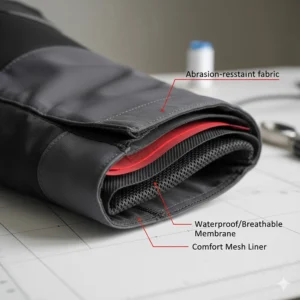
The construction of protective riding jeans typically falls into two categories. Double-layer or lined jeans feature regular denim on the outside with aramid fiber reinforcement sewn into high-impact zones like the seat, hips, and knees. This approach offers solid protection at a more accessible price point but can feel bulkier and less breathable. According to comprehensive research on motorcycle riding gear, single-layer jeans, the newer technology, weave protective fibers like Dyneema, Armalith, or Cordura directly into the denim itself, creating a lighter, more breathable garment with protection throughout the entire pant, not just in specific zones.
The Science Behind Impact Protection
The Motorcycle Safety Foundation emphasizes that jackets meant for motorcyclists are typically made of leather or specialized man-made fabrics like cordura or Kevlar. These jackets typically include padding on the elbow, spine, and shoulder regions. The same principles apply to motorcycle jeans—impact protection comes from CE-rated armor at critical points.
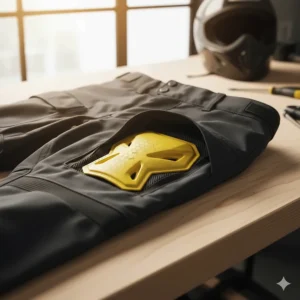
Modern motorcycle armor utilizes viscoelastic materials that remain soft and flexible during normal movement but instantly harden upon impact. Brands like D3O, SAS-TEC, and RHEON have revolutionized rider comfort by creating armor that you barely notice until you need it. These materials work through phase change—upon impact, the molecules lock together to form a rigid structure that dissipates force, then return to their flexible state. It’s like having a liquid that turns solid when struck.
According to the European standard EN 1621-1, if the force transmitted through the armor is less than 35 kN then the armor (all armor except back) can attain an EN-1621-1 rating. Level 1 armor transmits less than 35 kN of force, while Level 2 (the superior option) transmits less than 20 kN. For context, that’s roughly the difference between getting hit with a baseball versus a tennis ball at the same speed—both hurt, but one causes significantly more damage.
🔍 How to Choose the Right Motorcycle Jeans
Consider Your Riding Style
Your riding habits should dictate your jean selection. Commuters who split time between bike and office benefit most from single-layer jeans with sleek profiles that work in professional settings. Weekend warriors tackling twisty mountain roads need maximum abrasion protection with AAA-rated options. Adventure riders covering long distances require comfort features like stretch panels and breathable linings. Sport bike enthusiasts should prioritize slim or tapered fits that reduce wind drag and keep armor properly positioned during aggressive riding.
Different scenarios demand different features. Urban riders navigating stop-and-go traffic appreciate removable armor they can ditch for all-day comfort at the destination. Touring riders need weather resistance and multiple pockets for storing essentials. Off-road enthusiasts benefit from reinforced knees that can withstand repeated contact with the bike’s tank.
Safety Ratings Explained
The European standard EN 17092 replaced the older EN 13595 in 2020, establishing clear protection levels for motorcycle garments. Class AAA provides the highest protection, comparable to leather racing suits. Class AA offers excellent protection suitable for most street riding. Class A meets minimum requirements for protective garments—adequate for low-speed urban environments but not ideal for highway riding.
Think of safety ratings like sunscreen SPF—higher numbers mean more protection, but you need to match the protection level to your exposure. A Class A rating might work for your 25 mph commute through city streets, but hitting the interstate at 70 mph demands at least AA protection. I always recommend erring on the side of more protection because you never plan for the crash that changes everything.
Fit and Comfort Matters
Here’s the brutal truth: the best motorcycle jeans are the ones you’ll actually wear. Uncomfortable gear stays in your closet, leaving you vulnerable. When trying on jeans, sit in a riding position—squat down, raise your knees, twist your torso. The armor should stay in place without binding or creating pressure points. Check that the waistband sits high enough to prevent exposed skin when leaning forward.
Different cuts suit different body types. Straight-leg fits work for most riders and accommodate boots easily. Slim fits appeal to younger riders and those with athletic builds but can restrict movement. Tapered fits provide modern styling while reducing wind resistance. Relaxed fits prioritize comfort for larger riders or those wanting extra room for layering underneath.
Pay attention to rise—the distance from crotch to waistband. Low-rise jeans might look cool but will expose your lower back in riding position, defeating the purpose of protective pants. Mid to high-rise options maintain coverage and typically include longer armor pockets that stay positioned correctly during dynamic riding.
Material Selection Guide
Aramid fibers like Kevlar, Twaron, and Technora provide excellent abrasion resistance at reasonable prices. These materials handle repeated washing and daily wear while maintaining protective properties. However, aramid alone doesn’t provide impact protection—you need armor for that.
Cordura, a branded nylon fabric, offers superior tear strength and abrasion resistance compared to regular denim. Cordura denim blends the protective benefits with the look and feel of traditional jeans. It breathes better than pure aramid liners, making it ideal for warm-weather riding.
Dyneema and Armalith represent the cutting edge of protective fibers. These ultra-high-molecular-weight polyethylene materials provide exceptional strength-to-weight ratios. Dyneema is actually 15 times stronger than steel by weight while remaining incredibly lightweight and flexible. Single-layer jeans using these materials achieve AAA ratings without the bulk of traditional lined options.
The weave pattern matters too. Denser weaves provide better abrasion resistance but reduce breathability. Stretch denim adds comfort but may compromise protection if the elastane content exceeds 5%. Look for specifications listing the exact fiber composition and GSM (grams per square meter)—higher GSM generally means more protection.
🎯 Ready to Find Your Perfect Fit?
Don’t compromise on safety or comfort! The motorcycle jeans featured in this guide represent the best options available in 2025, carefully selected based on protection ratings, real-world testing, and rider feedback. Click on any product name above to explore detailed specifications, customer reviews, and current pricing. Remember: the best protective gear is the gear you’ll actually wear every ride!
Maintenance and Care Tips
Washing and Storage
Proper care extends the life of your motorcycle jeans significantly. Always remove armor before washing—the foam or viscoelastic materials can degrade in washing machines. Turn jeans inside out to protect the outer fabric and reduce fading. Use cold water on gentle cycles with mild detergent. Harsh chemicals and bleach damage aramid fibers and compromise their protective properties.
Never machine dry motorcycle jeans. The high heat degrades protective materials and can cause shrinkage that affects armor pocket positioning. Line dry or lay flat in a well-ventilated area away from direct sunlight. UV radiation breaks down aramid fibers over time, reducing their effectiveness. Store jeans in a cool, dark place when not in use.
The temptation to dry clean might seem logical for expensive jeans, but many dry cleaning solvents damage protective fibers. If the manufacturer’s label specifically approves dry cleaning, proceed—otherwise, stick to hand or machine washing with cold water.
When to Replace Your Riding Jeans
Even without visible damage, motorcycle jeans have a finite lifespan. Aramid fibers degrade with UV exposure, repeated washing, and general wear. Most manufacturers recommend replacement every 3-5 years, even with minimal use. Track your mileage—jeans worn for 10,000+ miles of riding have likely experienced enough friction and environmental exposure to warrant replacement.
Visible signs demanding immediate replacement include thinning fabric in high-wear areas, separated or fraying seams, compromised armor pockets where padding shifts excessively, and fading that indicates UV degradation of protective materials. If you’ve taken a spill, replace the jeans even if damage isn’t visible—internal fiber structure can be compromised without external evidence.
Armor should be replaced after any impact, just like motorcycle helmets. The viscoelastic materials undergo irreversible changes when absorbing impact force. They might look fine, but their protective capability is spent. Think of armor like airbags—once deployed, they’re done.
Style Guide: Looking Good On and Off the Bike
Matching Jeans with Riding Gear
The beauty of modern motorcycle jeans lies in their versatility. Dark indigo and black washes work with virtually any riding jacket color. Lighter blue washes pair well with brown or tan leather jackets for a classic Americana aesthetic. If you’re rocking a sport-inspired textile jacket with bold colors, stick to neutral jean colors that don’t compete for attention.
Boot compatibility matters immensely. Straight-leg and relaxed-fit jeans accommodate taller riding boots without bunching. Tapered jeans work better with low-profile urban riding shoes or sneaker-style boots. If you wear protective boots with reinforced ankle cups, ensure your jeans have enough leg opening to fit over them comfortably.
Consider the complete outfit system. Your jeans should overlap with your jacket by several inches when seated in riding position. This prevents exposed skin gaps that could lead to abrasion injuries. Many riders use jacket-to-pant connection zippers for maximum coverage during aggressive riding.
Transition from Bike to Daily Life
One of the biggest advantages of best motorcycle jeans over traditional riding pants is their social acceptability. You can wear these to restaurants, offices, and social gatherings without looking like you just stepped off a spaceship. Choose jeans with minimal visible branding or protective seam lines for maximum versatility.
Removable armor systems prove invaluable for riders who spend significant time off the bike. Pop out the armor when you arrive at your destination, and nobody will notice you’re wearing protective gear. Some riders keep a second pair of casual pants at work, but with the right jeans, that’s unnecessary.
The key is selecting jeans that match your typical wardrobe style. If you usually wear slim-cut denim, choose tapered motorcycle riding jeans. Prefer loose-fitting workwear? Opt for relaxed or straight-leg options. The best protective jeans are the ones you’ll actually want to wear even when you’re not riding.
Budget vs. Premium: What’s Worth the Investment?
Breaking Down Price Tiers
Budget-friendly options ($60-$100) typically feature aramid-lined construction with basic removable armor. These work perfectly for casual riders, new motorcyclists, or those riding primarily in urban environments at moderate speeds. You’re sacrificing advanced features like stretch panels, premium zippers, and higher-tier armor, but getting solid core protection.
Mid-range jeans ($100-$200) step up with better construction quality, CE-certified armor, improved fit options, and often incorporate Cordura denim for enhanced protection. This price point offers the best value for most riders—significantly better protection than budget options without the premium price tag.
Premium options ($200-$400) deliver top-tier materials like single-layer Dyneema or Armalith, AAA safety ratings, Level 2 armor, and exceptional build quality with features like waterproof membranes and reinforced seams. These make sense for daily riders, long-distance tourers, or anyone spending serious time in the saddle where comfort and protection justify the investment.
Cost-Per-Mile Analysis
Here’s how I think about the economics: A $300 pair of premium motorcycle jeans worn regularly for three years over 15,000 miles costs $0.02 per mile. That same investment split across hospital bills, lost wages, and recovery time after a serious crash? Priceless. The cheapest gear is the gear you’re wearing when you need it.
Consider that quality jeans last significantly longer than budget options. Premium stitching, better materials, and superior construction mean you might replace budget jeans twice in the time one premium pair lasts. Suddenly that price difference shrinks considerably when you factor in actual lifespan.
Don’t forget the opportunity cost. Those budget jeans that never quite fit right or feel comfortable? They’ll stay in your closet while you ride in regular denim, negating any protection they might have offered. Sometimes paying more upfront ensures you’ll actually use the gear consistently.
✨ Don’t Miss These Exclusive Deals!
🔍 Take your motorcycle safety to the next level with these carefully selected protective jeans. Click on any highlighted item to check current pricing and availability on Amazon. These products will help you create authentic protection your body will thank you for on every ride! Whether you’re commuting daily or planning weekend adventures, investing in proper gear means investing in your safety and peace of mind.
Common Mistakes to Avoid
Sizing Errors
The most frequent mistake riders make is ordering their regular jean size. Motorcycle jeans with armor pockets need slightly different sizing to accommodate protective inserts. Most manufacturers provide specific sizing charts—use them instead of assuming your normal size will work. When in doubt, order two sizes and return one rather than guessing wrong.
Another critical error is ignoring inseam length. Motorcycle jeans should be slightly longer than regular jeans because your knees bend when riding. Too short, and the armor shifts out of position, leaving you vulnerable. Too long, and excess fabric bunches awkwardly or catches on footpegs.
Compromising on Safety Features
I’ve met riders who remove armor immediately after purchase because “it’s uncomfortable” or “makes the jeans look bulky.” This defeats the entire purpose of motorcycle jeans. If the armor bothers you that much, you bought the wrong jeans. Keep shopping until you find options with slim, flexible armor that stays comfortable.
Some riders opt for jeans without hip armor to save money or bulk, focusing only on knee protection. This is shortsighted—hip impacts are extremely common in motorcycle crashes and can cause serious, life-altering injuries. The small savings or comfort gain isn’t worth the risk.
Neglecting Break-In Period
Quality motorcycle jeans, especially those with aramid linings or single-layer protective fabrics, require a break-in period. They’ll feel stiff initially and might seem uncomfortable for the first few wears. Give them time to conform to your body before judging fit and comfort. Many riders dismiss perfectly good jeans after one wear because they expect instant comfort like regular denim.
Regional Considerations for US Riders
Climate Zones
Riders in the Southwest face intense heat and sun exposure. Prioritize light-colored jeans with excellent breathability and maximum UV protection for the aramid fibers. Single-layer options work best here, as lined jeans trap too much heat during summer months.
Southeast humidity demands moisture-wicking properties. Look for jeans with mesh linings or ventilation panels. Waterproof options make sense for Florida’s daily afternoon thunderstorms.
Northern states need versatility. All-season jeans that layer well under overpants for winter riding but remain comfortable in summer prove most practical. Consider darker colors that hide road salt stains during winter months.
West Coast riders enjoy mild climates but face diverse conditions from foggy San Francisco mornings to scorching Central Valley afternoons. Mid-weight jeans with good temperature regulation suit most situations.
Legal and Insurance Considerations
While no US state mandates protective pants (only helmets in most jurisdictions), wearing proper gear can affect personal injury claims after accidents. Insurance adjusters sometimes argue that failure to wear appropriate protective equipment constitutes contributory negligence, potentially reducing compensation.
Moreover, some motorcycle insurance companies offer premium discounts for riders who consistently wear full protective gear. Check with your insurer—those savings on motorcycle jeans could offset the purchase cost over time.
✨ Upgrade Your Riding Safety Today!
🏍️ Ready to invest in protection that actually works? These top-rated motorcycle jeans combine cutting-edge safety technology with everyday style. Browse our expert selections above to find the perfect pair for your riding needs. Your future self will thank you for making safety a priority—click any product name to check live pricing and customer reviews!
The Environmental Impact of Motorcycle Jeans
Sustainable Materials
The motorcycle gear industry is slowly embracing sustainability. Some manufacturers now use recycled aramid fibers or plant-based protective materials. While these sustainable options currently cost more and may not match the protection levels of traditional materials, they represent the future direction of the industry.
Durability itself is environmentally friendly. A pair of high-quality motorcycle jeans lasting 5+ years beats buying cheap replacements annually. The embedded carbon footprint of manufacturing and shipping multiple cheap pairs exceeds one premium pair significantly.
Consider brands committed to responsible manufacturing practices. Some companies have adopted programs to recycle old gear, reclaiming protective fibers for reuse. Others have achieved certifications for fair labor practices and reduced environmental impact in their production facilities.
FAQ
❓ Can you wear motorcycle jeans every day?
❓ How long do motorcycle jeans last?
❓ Are motorcycle riding jeans better than leather pants?
❓ Do I really need armor in my motorcycle jeans?
❓ Can you wash motorcycle jeans in a washing machine?
Conclusion: Making the Right Choice for Your Riding Needs
Selecting the perfect motorcycle jeans involves balancing protection, comfort, style, and budget. The seven options reviewed here represent the best available in 2025, each excelling in different categories. Budget-conscious riders will appreciate the Rider Protec® and Aramid Reinforced options delivering solid protection under $100. Mid-range buyers should consider the MetaArmor or Hive Moto jeans for their excellent value proposition. Premium seekers can’t go wrong with the Klim K Fifty 2 or REV’IT! Moto 2, which justify their higher prices through superior materials and construction.
Remember that the best motorcycle jeans are the ones you’ll actually wear consistently. Don’t compromise on fit or comfort—uncomfortable gear stays in your closet, leaving you vulnerable. Invest in quality gear that matches your riding style, climate, and body type. The small price difference between adequate and excellent protection pales in comparison to the cost of even minor road rash treatment.
Your skin can’t grow back, but your bank account can recover from buying proper gear. Make the smart choice—protect yourself with quality motorcycle riding jeans and enjoy every ride knowing you’re prepared for whatever the road throws at you. Whether you’re navigating city traffic, carving canyon roads, or touring cross-country, the right jeans provide peace of mind that lets you focus on the pure joy of riding.
Recommended for You
- 7 Best Armored Motorcycle Pants 2025 – Expert Reviews & Buying Guide
- 7 Best Womens Motorcycle Pants 2025 – Safety & Style Guide
- 7 Best Motorcycle Pants for Men 2025 | Expert Reviews & Guide
Disclaimer: This article contains affiliate links. If you purchase products through these links, we may earn a small commission at no additional cost to you.
✨ Found this helpful? Share it with your friends! 💬🤗
