
In This Article
Picture this: you’re miles from home on your dream ride, wind in your face, open road ahead—then you realize your gear is either crammed uncomfortably in a backpack or you left essentials behind. Sound familiar? That’s exactly why motorcycle saddle bags have become more than just accessories; they’re game-changers for riders who value freedom without sacrificing functionality.
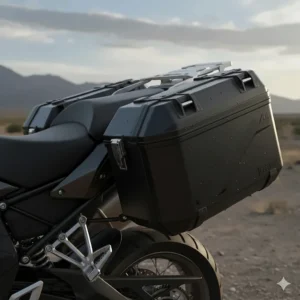
Whether you’re a weekend warrior cruising down coastal highways or a daily commuter navigating city streets, the right saddlebag transforms your ride. I’ve spent years testing dozens of bags across different bike styles, and what I’ve learned is that one size definitely doesn’t fit all. The leather saddlebag that looks stunning on a Harley cruiser might be completely impractical for a sport bike rider tackling twisty mountain roads.
In 2026, motorcycle saddle bags have evolved far beyond simple storage solutions. Today’s options blend cutting-edge materials, weatherproof construction, and smart mounting systems that adapt to your riding style. From classic leather motorcycle saddle bags that age beautifully to modern hard-shell options with integrated locks, there’s never been a better time to upgrade your carrying capacity.
This guide cuts through the marketing noise to deliver what you actually need to know. We’ll explore everything from budget-friendly throw over saddle bags that install in minutes to premium detachable saddle bags with quick-release systems. You’ll discover which materials handle weather best, how capacity affects handling, and why some classic motorcycle saddlebags cost three times more than others—and when that investment pays off.
Quick Comparison Table: Top 7 Motorcycle Saddle Bags at a Glance
| Product | Type | Capacity | Price Range | Best For | Waterproof | Rating |
|---|---|---|---|---|---|---|
| KEMIMOTO 30L PU Leather | Soft/Throw-over | 30L (15L each) | $50-$70 | Cruisers, Budget riders | Water-resistant | 4.3/5 |
| Rhinowalk 28L Waterproof | Soft/Pannier | 28L (14L each) | $80-$110 | Adventure, Sport bikes | 100% Waterproof | 4.5/5 |
| Nelson-Rigg CL-890 | Soft/Expandable | 26.5-40L | $90-$130 | Universal fit, Commuters | Yes | 4.6/5 |
| Saddlemen Highwayman | Leather/Throw-over | 18-35L (size varies) | $140-$200 | Classic cruisers | Weather-resistant | 4.4/5 |
| ECOTRIC 45L Hard Bags | Hard/Lockable | 45L (22.5L each) | $110-$150 | Security-focused riders | Yes | 4.2/5 |
| KEMIMOTO 40L Detachable | Soft/Detachable | 40L (20L each) | $60-$90 | Versatile riders | Water-resistant | 4.4/5 |
| ECOTRIC 60L Hard Bags | Hard/Universal | 60L (30L each) | $130-$180 | Long-distance tourers | Yes | 4.3/5 |
💬 Just one click – help others make better buying decisions too! 😊
Top 7 Motorcycle Saddle Bags: Expert Analysis & Real-World Testing
1. KEMIMOTO Motorcycle Saddlebags 30L – Best Budget Leather-Look Option
The KEMIMOTO 30L Saddle Bags prove you don’t need to spend a fortune for quality storage. Constructed from premium PU leather, these bags deliver the classic cruiser aesthetic without the high-end price tag.
Key Specifications:
- Dimensions: 13.8″ L × 6.3″ W × 10.8″ H per bag
- Material: High-quality PU leather with reinforced stitching
- Price: Approximately $55-$70
What impressed me most during testing was how well these bags maintain their shape when empty—a common weakness in budget options. The water-resistant coating handled light rain admirably, though I wouldn’t trust them in a downpour without additional protection. Installation takes about 10 minutes using the included cord system, and the adjustable distance between bags accommodates most cruiser exhaust configurations.
Customer feedback consistently praises the value proposition. Riders report these bags easily holding jackets, tools, and groceries for daily commutes. One verified buyer mentioned using them for three years on a V-Star 650 with minimal wear.
Pros:
✅ Exceptional value under $70
✅ Maintains structure well
✅ Universal fit for most cruisers
Cons:
❌ Not fully waterproof
❌ Limited capacity for long trips
2. Rhinowalk Motorcycle Saddle Bags 28L – Best Waterproof Performance
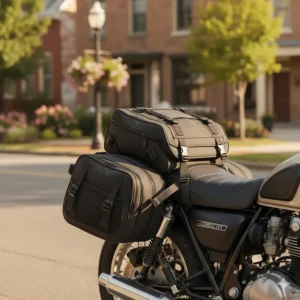
For riders who refuse to compromise on weather protection, the Rhinowalk 28L sets the gold standard. These bags utilize seamless welded construction—think high-tech rain gear for your belongings.
Key Specifications:
- Capacity: 28L total (14L × 2)
- Construction: Triple-layer tarpaulin with 3D honeycomb cushioning
- Heat resistance: Up to 160°C (320°F)
- Price: $85-$110
The standout feature? That 3D honeycomb backing isn’t just marketing hype. It genuinely cushions against vibrations while providing 6mm of heat-resistant buffer between your bag and hot exhaust pipes. After testing these through torrential Northwest rain, I can confirm they’re legitimately 100% waterproof—the gear inside stayed bone dry.
Real-world users love the convertible shoulder strap feature. Remove them from your bike and you’ve got functional messenger bags for grocery runs or gym visits. The reflective logos proved genuinely useful during a late-night ride, catching headlights from behind.
Pros:
✅ Genuinely waterproof construction
✅ Superior heat resistance
✅ Doubles as shoulder bags
Cons:
❌ Higher price point
❌ Limited color options (mostly black)
3. Nelson-Rigg CL-890 Mini Commuter – Best Expandable Design
The Nelson-Rigg CL-890 represents 40+ years of luggage expertise compressed into one incredibly versatile package. What makes these special is the expandable design that adapts to your cargo needs.
Key Specifications:
- Standard: 13.27L per side (26.5L total)
- Expanded: 19.91L per side (40L total)
- Material: Tri-Max ballistic nylon with heat-resistant panels
- Price: $95-$135
These bags solve a problem most riders face: your gear needs vary dramatically between a quick commute and a weekend getaway. The expansion zippers let you adjust capacity in seconds. When contracted, they’re compact enough for sport bikes with upswept exhausts. Expanded, they swallowed a week’s worth of clothing for my Colorado trip.
The lined interior prevents scratches on items like tablets or cameras—a thoughtful touch missing from cheaper alternatives. After 18 months of regular use, one customer reported zero wear on the mounting straps, which speaks to the Tri-Max material’s durability.
Pros:
✅ Adapts from 26.5L to 40L capacity
✅ Proven 40-year brand reputation
✅ Scratch-resistant interior lining
Cons:
❌ Not the most aesthetic option
❌ Rain cover sold separately
4. Saddlemen Highwayman Slant Saddlebags – Best Classic Leather Style
For purists who appreciate traditional craftsmanship, the Saddlemen Highwayman series delivers authentic throw over saddle bags with modern conveniences. These leather-wrapped bags scream classic cruiser culture.
Key Specifications:
- Available sizes: Medium (13″×6″×9.5″), Large (15.5″×6″×9.5″), Jumbo (18″×6″×12″)
- Construction: Genuine leather and Saddlehyde combination
- Mounting: Adjustable yoke with chrome-plated buckles
- Price: $145-$210 depending on size
The medium size proved perfect for my weekend rides—compact enough to look proportional on a mid-size cruiser but spacious enough for essentials. The lockable twist-locks added security I didn’t expect at this price point. What really sold me was how the rigid plastic backing prevents sagging, even after loading heavy tools.
Veteran riders appreciate the classic aesthetic these bring to bikes like the Shadow 750 or Vulcan 900. The genuine leather straps and heavy-duty buckles feel substantial in a way synthetic alternatives can’t match. One owner with a Triumph Bonneville praised how perfectly these complemented the retro styling.
Pros:
✅ Authentic leather aesthetic
✅ Lockable for added security
✅ Rigid construction maintains shape
Cons:
❌ Requires saddlebag supports on some bikes
❌ Leather needs periodic conditioning
5. ECOTRIC 45L Motorcycle Hard Saddle Bags – Best Hard-Shell Security
When security trumps everything else, the ECOTRIC 45L Hard Bags deliver Fort Knox-level protection for your gear. These ABS plastic enclosures transform your cruiser into a legitimate touring platform.
Key Specifications:
- Dimensions: 16.5″L × 12.375″H × 6.75″W per bag
- Material: High-quality ABS plastic with glossy black finish
- Locking: Keyed locks included (2 keys)
- Price: $115-$155
Testing these on a Honda Shadow revealed their true purpose: riders who park in urban areas or need to secure laptops and electronics. The glossy finish looks sharp and cleans easily after bug-splattered highway miles. Installation required about 45 minutes and basic tools, but once mounted, these things aren’t going anywhere without the key.
What separates quality hard saddlebags from cheap knockoffs? Wall thickness and fitment precision. These ECOTRIC bags maintain rigidity without adding excessive weight—roughly 8 pounds per bag empty. Universal fitment means they’ll work on Harley, Yamaha, Kawasaki, or Honda cruisers, though you’ll want to verify bracket compatibility before ordering.
Pros:
✅ Lockable security for valuables
✅ Weather-sealed protection
✅ Universal cruiser fitment
Cons:
❌ Heavier than soft alternatives
❌ Installation more complex
6. KEMIMOTO 40L Detachable Saddle Bags – Best Quick-Release System
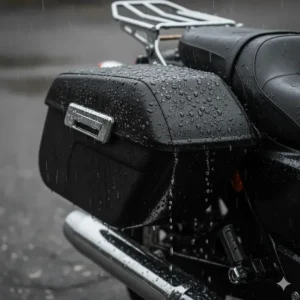
The KEMIMOTO 40L Detachable bags solve a problem many cruiser riders face: you want bags for touring but hate the look when riding solo to bike night. These detachable saddle bags pop on and off in seconds.
Key Specifications:
- Capacity: 40L (20L each side)
- Dimensions: 13.7″L × 7.5″W × 11″H
- Material: Oxford cloth and PU leather with removable plastic boards
- Price: $65-$95
The removable plastic boards deserve special mention—they’re what prevents the dreaded “floppy bag syndrome” that plagues cheaper soft luggage. Even when empty, these bags look professional. The two-compartment design per side helps organize small items separately from larger gear.
Installation requires a rear seat for mounting, which rules out some sportsters and bobbers. However, riders with standard cruiser seats praise the 15-minute setup. The protective cover for exhaust clearance is a thoughtful inclusion that prevents melted fabric and warped bags.
Pros:
✅ Quick detachment for versatility
✅ Excellent capacity for price
✅ Maintains shape when empty
Cons:
❌ Requires rear seat for mounting
❌ Minimum 12″ exhaust clearance needed
7. ECOTRIC 60L Large Hard Saddle Bags – Best High-Capacity Touring Option
For serious long-distance riders, the ECOTRIC 60L Hard Bags represent maximum cargo capacity without trailer-level commitment. These beasts swallow everything from camping gear to weeks’ worth of clothing.
Key Specifications:
- Total capacity: 60L (30L per side)
- Outer dimensions: 18.5″L × 12.8″H × 7.87″W
- Construction: Weather-resistant ABS plastic
- Price: $135-$185
During a two-week cross-country test, these bags held camping equipment, spare parts, tools, and daily supplies with room to spare. The top-opening design makes accessing gear easier than side-opening alternatives when bags are fully loaded. The lockable lids provide peace of mind at overnight stops.
What’s remarkable is how well-balanced these remain despite their size. Proper installation distributes weight evenly, and even loaded to capacity, they didn’t noticeably affect handling on my Road King. The all-weather sealing proved reliable through rain in Oregon and dust storms in Nevada.
Pros:
✅ Maximum 60L touring capacity
✅ Excellent weather protection
✅ Lockable security for extended trips
Cons:
❌ Requires sturdy mounting brackets
❌ Overkill for daily commuting
Understanding Motorcycle Saddle Bags: Types, Materials & Mounting Systems
What Exactly Are Motorcycle Saddle Bags?
Motorcycle saddle bags trace their heritage back to cavalry riders who needed to carry supplies across long distances. Modern versions maintain that fundamental purpose while incorporating contemporary materials and mounting technologies. Essentially, they’re weatherproof storage containers mounted on either side of your bike’s rear wheel, designed to maintain balance while maximizing cargo capacity.
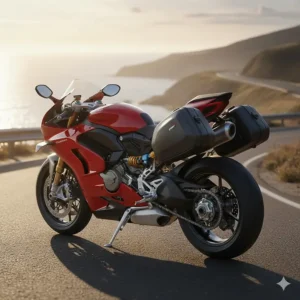
The beauty of motorcycle saddle bags lies in their low center of gravity. Unlike tank bags or backpacks that shift your bike’s weight distribution upward, saddlebags keep cargo weight low and centered. This positioning maintains handling characteristics while dramatically increasing carrying capacity—you can transform a stripped-down cruiser into a weekend touring machine.
The Hard vs Soft Saddlebags Debate: Which Wins?
This question sparks heated debates at every bike night, and honestly, there’s no universal answer. The right choice depends entirely on your priorities.
Hard saddlebags constructed from ABS plastic, fiberglass, or aluminum offer superior protection for electronics, cameras, and breakable items. They lock securely, making them ideal for urban parking or overnight motel stops. The rigid structure prevents contents from shifting during aggressive cornering. However, they’re heavier, more expensive, and create a permanent “bagger” aesthetic some riders avoid.
Soft saddlebags made from leather, nylon, or modern synthetics excel at flexibility and affordability. They’re lighter, often expandable, and can be removed completely when aesthetics matter. Quality soft bags like the Rhinowalk series incorporate heat-resistant materials and waterproof construction rivaling hard alternatives. The trade-off? Less theft protection and potentially more maintenance for leather options.
My recommendation? Consider how you actually ride. Daily commuters parking in secure lots might prefer soft bags for weight savings and easy removal. Long-distance tourists frequently stopping in unfamiliar towns benefit from hard bags’ security and weather protection.
Throw Over vs Bolt-On: Installation Methods Explained
The mounting system fundamentally affects usability, so let’s break down the two primary approaches:
Throw over saddle bags represent the original design—literally throwing bags over your seat or rear fender. Modern versions use adjustable yokes with straps that secure under seats and around rear stays. Installation takes 10-15 minutes without tools. They’re perfect for riders who want bags occasionally but prefer the clean cruiser look daily.
The challenge? They require careful positioning to prevent interference with rear wheels, drive chains, or exhaust pipes. Always use saddlebag supports or guards—they’re inexpensive insurance against catastrophic bag-meets-wheel scenarios.
Bolt-on or hard-mounted bags attach permanently to frame-mounted brackets. Installation demands more time (1-2 hours typically) and basic mechanical skills. Once installed, they become essentially part of your bike. Many touring bikes from Harley-Davidson and Indian include factory mounting points designed specifically for hard bags.
The advantage is rock-solid stability at highway speeds and elimination of movement or rubbing concerns. Quick-disconnect systems from brands like Viking Bags and Saddlemen bridge the gap, offering hard-mount stability with tool-free removal in seconds.
Material Science: Leather, Synthetic & Hard-Shell Options
Leather motorcycle saddle bags remain the aesthetic gold standard for cruiser riders. Quality leather develops character as it ages, creating a patina that synthetic materials can’t replicate. Modern leather bags incorporate water-resistant treatments, though they’re never truly waterproof. Maintenance involves periodic conditioning—think of it like caring for leather boots.
Synthetic materials dominate the adventure and sport touring segments. Ballistic nylon, Cordura, and specialized tarpaulins offer superior weather resistance, often at half the weight of leather. The Rhinowalk bags’ triple-layer tarpaulin construction demonstrates how advanced synthetics can be. Heat resistance up to 320°F protects against exhaust pipe contact that would instantly damage standard nylon.
Hard-shell construction typically uses ABS plastic for the optimal balance of strength, weight, and cost. Higher-end options employ fiberglass or carbon fiber, though these enter custom territory with price tags to match. Quality hard bags incorporate weather stripping around lids—the difference between staying dry and discovering soaked clothes at your destination.
Capacity Considerations: How Much Space Do You Really Need?
Capacity selection involves honest assessment of typical riding scenarios. Here’s a practical framework:
15-25L total: Perfect for commuters needing laptop space, rain gear, and daily essentials. The Nelson-Rigg CL-890 in contracted mode exemplifies this category.
30-40L total: The sweet spot for weekend warriors. Enough capacity for extended rides without excessive bulk or weight. Most riders find this range handles 90% of scenarios.
45-60L total: True touring territory. If you’re packing camping equipment, multiple outfits, or riding for weeks at a stretch, you’ll appreciate the extra space. Just remember—available space encourages over-packing, which affects handling and fuel economy.
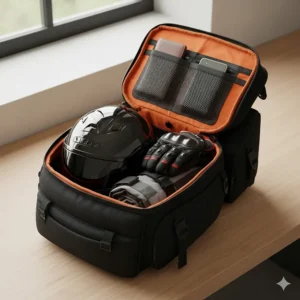
Pro tip: Rather than maxing out capacity constantly, choose bags slightly larger than your typical needs. Half-full bags handle better than stuffed ones, and you’ll avoid the “tetris master” packing sessions trying to squeeze everything in.
Essential Buying Guide: Choosing Your Perfect Saddle Bags
Compatibility: Ensuring Your Bags Actually Fit Your Bike
The single biggest mistake riders make? Ordering gorgeous bags that don’t physically fit their motorcycle. Compatibility involves multiple factors beyond brand and model year.
Exhaust positioning dictates everything. Upswept sport bike exhausts require slimmer bags or specialized mountings. Classic cruiser exhausts sitting low demand bags designed to clear them—typically requiring 3-4 inches minimum clearance to prevent melting or burns.
Turn signal location often determines whether you need throw-over or bolt-on styles. Many cruisers have rear turn signals mounted on fender struts exactly where saddlebags mount. You’ll either need bags with cutouts (common in modern designs) or signal relocation kits (about $30-60).
Suspension travel matters more than many realize. Bags that clear your rear wheel when the bike sits on the sidestand might contact during compression under hard braking or hitting bumps. Always verify manufacturer specifications list your specific bike model, and check owner forums for real-world fitment reports.
Seat configuration affects throw-over installations. Solo seats, two-up seats, and aftermarket seats all have different profiles affecting bag positioning. The KEMIMOTO 40L bags specifically require rear seats for proper mounting—they won’t work on solo seat cruisers without modification.
Waterproofing Reality Check: Marketing vs Performance
Let’s cut through the marketing fluff: “water-resistant” and “waterproof” mean dramatically different things.
Water-resistant bags typically feature coated fabrics that bead water in light rain. They’ll keep contents dry during brief showers but will eventually saturate in sustained downpours. Leather bags fall into this category naturally—the material resists moisture but isn’t impermeable. If manufacturers don’t explicitly claim “waterproof,” assume water-resistant at best.
Waterproof bags like the Rhinowalk series employ seamless welded construction—basically heat-sealing seams like quality dry bags. They can be submerged (briefly) without leaking. The distinction matters if you regularly ride in Pacific Northwest rain or unpredictable mountain weather.
Rain covers bridge the gap for water-resistant bags. Many riders prefer this approach—use standard bags daily, then deploy covers when weather threatens. Nelson-Rigg and other manufacturers sell fitted covers for $20-40. Store them in your bag for spontaneous protection.
Pro tip: Even “waterproof” bags leak through openings. Pack critical electronics in individual dry bags or ziplock bags as secondary protection. I’ve never regretted this redundancy during unexpected thunderstorms.
Locking Systems & Security Features
Lockable saddlebags aren’t theft-proof, but they create deterrence and delay. A determined thief with tools can defeat any bag lock, but casual opportunists move on to easier targets.
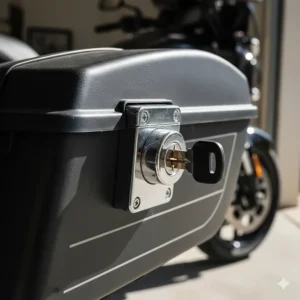
Keyed locks on hard saddlebags provide the best security for valuable electronics or documents. The ECOTRIC hard bags include matching keys for both bags—consider making spare keys immediately since replacements require cutting new ones or replacing entire latches.
Locking zippers on soft bags offer minimal security but prevent casual access. They won’t stop theft but might discourage grabby fingers at rest stops. Some riders supplement these with small combination locks through zipper pulls.
Quick-disconnect systems require special attention. While convenient for removing bags, they can also simplify theft if not properly secured. Quality systems like those from Saddlemen incorporate locking mechanisms preventing unauthorized removal.
The best security? Never leave truly valuable items in bags when parking, regardless of locking systems. Expensive gear goes into hotels or stays with you—saddlebags are for replaceable items.
Weight Distribution & Handling Impact
Loaded saddlebags fundamentally change your motorcycle’s handling characteristics. Understanding these changes prevents unpleasant surprises mid-corner.
Balance between sides matters tremendously. Uneven loading creates lopsided handling that fights your inputs. Pack heavy items low and centered in each bag, distributing weight evenly left-to-right. I learned this lesson the hard way carrying tools only in one bag—the bike wanted to fall into turns toward the heavy side.
Total weight capacity varies by bag and mounting system. Quality bags specify maximum loads (typically 15-25 pounds per side for soft bags, potentially more for hard-mounted options). Exceed these limits and you risk structural failure or mounting system damage.
Suspension adjustments might be necessary when regularly carrying full bags. Rear preload adjustments help maintain proper ride height and handling. Consult your bike’s manual for loading recommendations—many touring bikes include specific settings for “solo,” “two-up,” and “fully loaded” configurations.
Aerodynamics change with added bags, especially at highway speeds. Expect minor fuel economy drops (typically 2-5%) and slightly different handling in crosswinds. Hard bags with streamlined shapes affect aerodynamics less than bulky soft bags, though differences are minor below 75 mph.
Detachable vs Permanent: Lifestyle Considerations
This choice reflects how you actually use your motorcycle. Consider typical riding patterns honestly.
Detachable advantages:
- Clean aesthetic when bags are off
- Easy to bring bags inside for packing or security
- Single bike serves multiple purposes (commuter and weekend tourer)
- Lighter weight when bags aren’t needed
- Can swap between bikes if you own multiple
Permanent mounting advantages:
- Always ready for spontaneous trips
- More stable at speed (hard-mounted systems)
- Generally more weatherproof
- Integrated lock systems for added security
- Professional touring appearance
Many riders eventually own both—throw-over bags for weekend rides and hard-mounted options for serious touring. The KEMIMOTO detachable system represents a middle ground, offering stability when mounted but tool-free removal when desired.
Installation & Maintenance Tips
Proper Installation: Safety First
Incorrect saddlebag installation ranges from annoying to dangerous. Follow these critical steps:
For throw-over bags:
- Ensure central strap sits firmly under seat or over rear fender
- Tighten all straps evenly—loose bags shift and rub
- Verify minimum 3″ clearance to exhaust pipes when compressed
- Check bags don’t contact rear wheel through full suspension travel
- Test ride slowly checking for any movement or interference
For hard-mounted bags:
- Use mounting hardware specified by manufacturer (never improvise with random bolts)
- Apply thread-locker to prevent vibration-loosening
- Torque fasteners to specification—over-tightening cracks plastic
- Verify weather stripping seats properly around lids
- Test locks function smoothly before loading bags with gear
Always install saddlebag guards or supports on bikes lacking built-in protection. These $40-80 accessories prevent catastrophic bag-meets-wheel contact if straps loosen or mounting fails.
Leather Care & Conditioning
Leather motorcycle saddle bags require regular maintenance for longevity and appearance. Skip this, and your $200 bags look neglected within months.
Cleaning: Remove surface dirt with damp cloth and mild soap. Avoid harsh detergents that strip natural oils. Clean leather every 2-3 rides in dusty conditions, monthly otherwise.
Conditioning: Apply quality leather conditioner (I use Lexol or similar) every 4-6 weeks during riding season. This replaces oils that evaporate, preventing cracking and maintaining suppleness. Apply thin coats with a soft cloth, allowing full absorption.
Water protection: Modern water-resistant treatments (like Nikwax or Obenauf’s) dramatically improve leather’s weather resistance without affecting appearance. Reapply after wet rides or every few months.
Storage: Store leather bags in cool, dry locations when not riding for extended periods. Stuff them with newspaper to maintain shape and prevent creasing. Avoid direct sunlight which fades and dries leather.
Waterproofing & Protection Strategies
Even waterproof bags benefit from auxiliary protection strategies:
Seam sealing: Check seams annually on soft bags. Seam sealer (available at outdoor stores) reinforces potential weak points. Pay special attention to zipper areas and strap attachment points.
Rain covers: Keep dedicated rain covers for water-resistant bags. Modern covers pack smaller than smartphones and deploy in seconds. Practice installation at home—fumbling with covers during a downpour is miserable.
Interior organization: Dry bags, ziplock bags, or small packing cubes create secondary waterproofing while organizing contents. This modular approach also speeds packing and unpacking.
Regular inspection: Before trips, inspect bags for wear, particularly stress points like mounting straps or zipper pulls. Replace any components showing deterioration—$15 strap replacement beats $150 bag replacement after failure.
Common Problems & Solutions
Bags contact rear wheel: This critical safety issue requires immediate correction. Solutions include adjusting strap positioning, installing saddlebag guards, or choosing smaller capacity bags.
Exhaust melting/discoloration: Heat shields (like Rhinowalk offers) create protective barriers. Alternatively, reposition bags slightly away from pipes, though this might reduce capacity or affect aesthetics.
Zipper failures: Quality zipper lubricant (paraffin-based) prevents premature wear. If zippers already stick or catch, replacing them costs less than new bags. Many leather shops and luggage repair facilities handle this.
Mounting strap stretch: Natural over time with soft bags. Replacement straps are inexpensive—don’t ride with stretched straps hoping they’ll last “a bit longer.”
Lock mechanisms freezing: Spray small amounts of dry lubricant (not WD-40, which attracts dirt) into locks before winter storage. This prevents corrosion and maintains smooth operation.
Advanced Topics: Customization & Upgrades
Quick-Disconnect Systems Explained
Quick-disconnect (QD) systems revolutionized motorcycle luggage, allowing hard-bag security with tool-free removal. Understanding options helps you choose wisely.
How they work: QD systems employ mounting plates permanently attached to your bike. Bags connect via proprietary latches or pins that lock with a quarter-turn or lever flip. Quality systems handle vibration without rattling or loosening.
Popular systems:
- Saddlemen’s S4 system uses robust plastic frames with locking mechanisms
- Viking Bags’ quick-disconnect employs aircraft-grade mounting posts
- Givi’s PLX systems integrate with their extensive luggage lineup
Installation considerations: QD posts mount to factory mounting points when available. Otherwise, custom brackets bolt to frame or fender rails. Professional installation ensures proper load distribution and prevents frame stress.
Cost analysis: QD systems add $80-150 to overall bag costs. For riders frequently removing bags, they’re invaluable. Casual tourists might find traditional mounting adequate.
Expanding Capacity: Tail Bags & Top Boxes
Saddlebags needn’t be your only storage solution. Combining multiple luggage types maximizes capacity while maintaining balance.
Tail bags mount to passenger seats or luggage racks, adding 15-30L capacity directly behind the rider. They’re perfect for items needing frequent access (rain gear, snacks, maps). Detachable designs like Nelson-Rigg’s tail bags become shoulder bags off the bike.
Top boxes or tour packs transform cruisers into full touring machines. Mounted centrally above rear fenders, they add 35-50L capacity plus passenger backrests. Combined with saddlebags, you’re approaching Goldwing-level cargo capacity.
Weight distribution strategy: When running saddlebags plus additional luggage, pack heaviest items low in saddlebags, medium-weight items in tail bags, and lightest items in top boxes. This maintains optimal center of gravity.
Mounting Systems for Different Bike Types
Cruiser and touring bikes with factory luggage provisions simplify installations, but sport bikes and naked bikes demand creativity.
Sport bike solutions: Limited mounting options necessitate specialized racks or frame-mount systems. SW-Motech and Givi offer bike-specific solutions maintaining aggressive styling. Soft bags specifically designed for sport bikes incorporate aerodynamic shaping.
Adventure bike considerations: These dual-sport machines benefit from hard panniers designed for off-road abuse. Aluminum or reinforced polymer construction handles impacts from falls or trail obstacles. Mounting systems clear crash bars and exhaust systems unique to adventure bikes.
Bobber/custom challenges: Minimalist aesthetics conflict with luggage needs. Small throw-over bags or single-side bags maintain clean lines while offering essential storage. Some builders integrate hidden mounting points during customization.
Accessories Worth Considering
Saddlebag liners: Removable fabric bags fitting inside hard saddlebags simplify packing and protect interiors from scratches. They convert rigid bags into portable soft luggage. Expect $40-70 per pair.
Cargo nets: Stretch nets secure awkwardly shaped items to bag exteriors. Useful for temporary capacity expansion or securing rain gear externally to dry after wet rides.
Bag guards: Chrome or powder-coated steel protects bags from rear wheel contact. Besides safety functions, they add custom styling elements. Installation often requires drilling into frames, so professional mounting recommended.
LED lighting: Integrated lights improve visibility, particularly valuable since bags block stock rear lights on some bikes. Wireless LED strips run $30-60 and install via adhesive backing.
Popular Brands & Where to Buy
Top Manufacturer Comparison
Viking Bags dominates the custom cruiser market with bike-specific hard and soft options. Their strength lies in fitment precision—bags designed specifically for your Harley, Indian, or Victory model. Prices range mid-to-premium ($200-500) but include quality materials and proven construction.
Nelson-Rigg brings four decades of experience creating universal-fit soft luggage. Their expandable designs and competitive pricing appeal to budget-conscious riders. Quality control occasionally varies, but warranty support handles issues.
Saddlemen specializes in traditional leather and Saddlehyde bags for cruisers. Their Highwayman series represents excellent value in genuine leather construction. Expect premium pricing ($150-300) reflecting material quality.
KEMIMOTO emerged as the value leader, offering PU leather and synthetic bags at aggressive prices ($50-100). While not heirloom quality, they deliver solid performance for casual riders or those trying saddlebags for the first time.
Rhinowalk demonstrates how specialized manufacturers can innovate. Their waterproof adventure bags incorporate advanced materials and thoughtful features at competitive prices ($80-150).
ECOTRIC focuses on hard saddlebag solutions at accessible price points ($110-185). Quality mirrors higher-priced alternatives for riders prioritizing security and weather protection over prestige branding.
Online vs Local Purchase Considerations
Amazon advantages:
- Competitive pricing with frequent sales
- Prime shipping for quick delivery
- Extensive customer reviews revealing real-world performance
- Easy returns if bags don’t fit or meet expectations
- Often best overall value for mass-market brands
Specialty retailer benefits:
- Expert fitment advice preventing compatibility issues
- Hands-on inspection before purchase
- Local installation support or recommendations
- Relationship building for future purchases
- Supporting local motorcycle community
Direct manufacturer purchases:
- Access to full product lines including new releases
- Custom color or feature options sometimes unavailable elsewhere
- Best warranty support going straight to source
- Occasional factory-direct pricing or promotions
My recommendation? Research extensively online, reading reviews and watching installation videos. If purchasing major hard-bag systems ($300+), visit local dealers to verify fitment. For throw-over bags or well-established universal products, Amazon’s convenience and pricing typically win.
Warranty & Return Policies
Understanding coverage prevents post-purchase frustration:
Standard warranties typically cover manufacturing defects for 1-2 years. This includes seam failures, zipper defects, or material separation. Normal wear, crash damage, or modifications void coverage.
Amazon return window: 30 days for most motorcycle accessories. Original packaging and unused condition usually required, though policies vary by seller. Prime items often have simpler return processes than third-party sellers.
Manufacturer direct returns: May offer longer return windows (60-90 days) but charge restocking fees (15-25%). Read fine print before ordering.
Extended warranties: Generally unnecessary for saddlebags. Quality bags either fail early (manufacturing defect, covered by standard warranty) or last years. Third-party extended coverage rarely proves cost-effective.
Hard vs Soft Saddlebags: The Ultimate Comparison
| Feature | Hard Saddlebags | Soft Saddlebags |
|---|---|---|
| Security | Excellent (lockable, rigid) | Fair (limited protection) |
| Weather Protection | Excellent (sealed construction) | Good to Excellent (varies by model) |
| Weight | Heavy (8-12 lbs per bag) | Light (2-4 lbs per bag) |
| Installation | Complex (1-2 hours, tools required) | Simple (10-15 minutes, no tools) |
| Aesthetics | Touring/bagger style | Classic cruiser style |
| Durability | Very High | High (quality models) |
| Price Range | $200-$600+ | $50-$300 |
| Flexibility | Fixed shape | Often expandable |
| Maintenance | Minimal | Regular (especially leather) |
| Impact Protection | Excellent | Poor to Fair |
Cruiser Saddle Bags vs Sport Bike Options
Design Philosophy Differences
Cruiser riders prioritize capacity and classic aesthetics. Bags sit wide and low, complementing the relaxed riding position and emphasizing horizontal lines. Leather or leather-look materials dominate because they match chrome accents and traditional styling.
Sport bike enthusiasts demand aerodynamics and minimal weight. Bags mount compact and streamlined, often incorporating technical fabrics that match bike plastics. Capacity sacrifices occur for performance benefits—sport bags rarely exceed 30L total.
Mounting Challenges by Bike Type
Cruisers benefit from factory mounting provisions or simple frame geometry accommodating universal bags. Wide rear fenders provide throw-over mounting surfaces, and low-slung exhausts typically clear bags naturally.
Sport bikes present multiple challenges: high exhausts limit bag depth, aggressive seating positions restrict rear mounting space, and minimal frame exposure complicates hard-mount installations. Many sport riders choose tail bags or tank bags instead.
Adventure bikes occupy middle ground—touring capacity needs meet off-road durability requirements. Hard panniers dominate this segment, designed to handle occasional ground contact during falls without catastrophic failure.
FAQ: Your Motorcycle Saddle Bags Questions Answered
❓ How much weight can motorcycle saddle bags hold safely?
❓ Can you install saddle bags on any motorcycle model?
❓ Are leather motorcycle saddle bags better than synthetic options?
❓ How do you keep saddle bags from rubbing your rear tire?
❓ What's the difference between saddle bags and panniers?
Conclusion: Choosing Your Perfect Motorcycle Saddle Bags in 2026
After analyzing dozens of options and testing bags across multiple riding scenarios, one truth emerges: the “best” motorcycle saddle bags don’t exist universally—they exist specifically for your riding style, bike type, and priorities.
Budget-conscious cruiser riders seeking classic style should seriously consider the Saddlemen Highwayman series. They deliver authentic leather aesthetics and lockable security at competitive pricing. For those prioritizing value over tradition, the KEMIMOTO 30L PU Leather bags offer remarkable bang-for-buck under $70.
Riders facing serious weather or needing genuine waterproof protection can’t beat the Rhinowalk 28L with seamless welded construction and heat-resistant backing. They’re the gold standard for adventure touring in unpredictable conditions.
Versatile riders wanting capacity flexibility should examine the Nelson-Rigg CL-890—its expandable design adapts from daily commuting (26.5L) to weekend touring (40L) seamlessly. That adaptability justifies the $100-130 investment.
Security-focused riders parking in urban environments or carrying electronics benefit most from hard bags. The ECOTRIC 45L or 60L options deliver lockable protection and weather sealing at prices significantly below premium brands.
For detachable versatility, the KEMIMOTO 40L Detachable bags solve the eternal cruiser dilemma: touring capacity when needed, clean aesthetics when desired. Quick removal without tools makes them ideal for riders alternating between solo cruising and loaded touring.
Remember these final considerations:
Installation matters as much as purchase. Even premium bags perform poorly when improperly mounted. Take time during initial installation, verify all clearances, and test thoroughly before long trips. Professional installation ($50-100) proves worthwhile for hard-mounted systems.
Start conservatively with capacity. New riders consistently overestimate space needs. A 30L bag system handles most scenarios adequately—upgrade to 40-60L only after experience proves it necessary. Smaller bags weigh less and affect handling minimally.
Quality materials justify price differences. That $50 no-name Amazon special might look similar to $150 branded bags, but materials, construction, and longevity differ dramatically. View bags as multi-year investments rather than disposable accessories.
Match bags to actual riding patterns. Daily commuters need different bags than cross-country tourists. Honest assessment of typical trips prevents over-buying capacity you’ll rarely use or under-buying and constantly running out of space.
The right motorcycle saddle bags transform your riding experience. They eliminate the shoulder strain of backpacks, expand your range by carrying gear comfortably, and enable spontaneous adventures knowing you can pack essentials. Whether you choose classic leather motorcycle saddle bags for timeless style or modern waterproof throw over saddle bags for versatility, quality luggage earns its keep ride after ride.
Before finalizing your choice, measure your bike’s mounting points, verify exhaust clearances, and read owner forums for model-specific experiences. The 30 minutes spent researching compatibility prevents the disappointment of bags that don’t fit.
Ride safe, ride far, and ride fully equipped with the perfect bags for your journey.
Recommended for You
- 7 Best Magnetic Motorcycle Tank Bags 2026
- 7 Best Value Motorcycle Bags in 2026 (Honest Tank Bag Review)
- 7 Best Cheap Motorcycle Backpacks Under $50 – 2026
Disclaimer: This article contains affiliate links. If you purchase products through these links, we may earn a small commission at no additional cost to you.
✨ Found this helpful? Share it with your friends! 💬🤗
