
In This Article
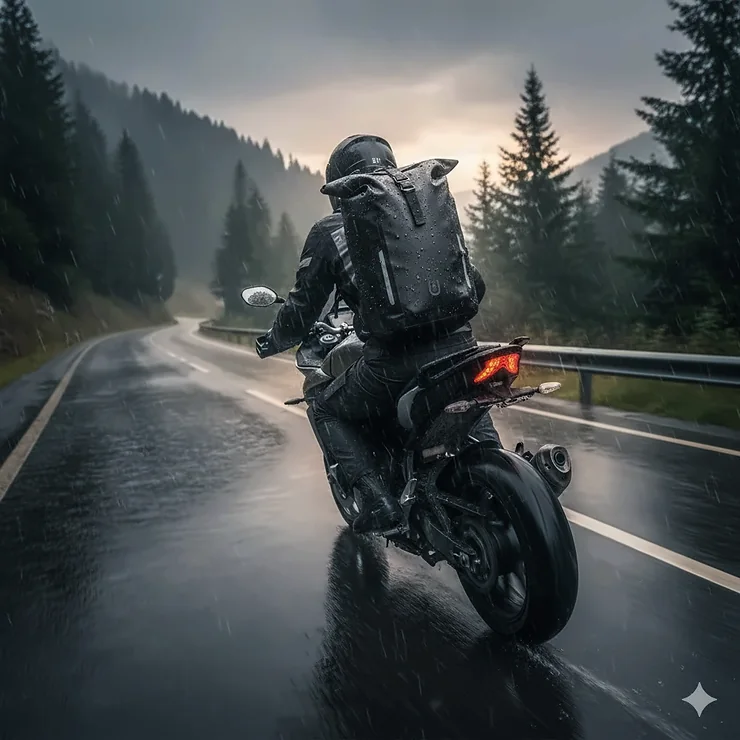
A waterproof motorcycle backpack is a specially engineered riding accessory designed to keep your belongings completely dry during motorcycle journeys, regardless of weather conditions. Unlike standard backpacks, these feature sealed seams, waterproof materials (typically 500D PVC or treated Cordura), and specialized closures like roll-tops or waterproof zippers that prevent water ingress. They’re built to withstand high speeds, vibrations, and the unique demands of motorcycle riding while providing aerodynamic designs that reduce wind drag and fatigue during long rides.
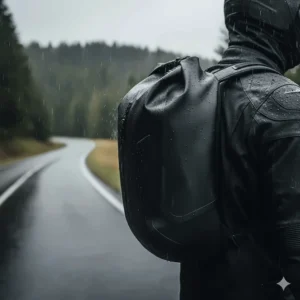
Picture this: you’re cruising down the highway at 70 mph when dark clouds suddenly roll in. Within minutes, you’re riding through a downpour that would soak through an ordinary backpack in seconds. But with a proper waterproof motorcycle backpack, your laptop, documents, and spare riding gear stay bone-dry. That’s the difference between arriving at your destination ready to go or spending the next hour dealing with water-damaged electronics.
Quick Comparison Table
| Backpack Model | Capacity | IPX Rating | Price Range | Best For |
|---|---|---|---|---|
| Kriega R25 V2 | 25L | Waterproof Main | $180-220 | Premium All-Weather |
| OGIO No Drag Mach 5 | 28L | Water-Resistant | $120-150 | Sport Riding |
| WEPLAN Helmet Backpack | 35L | Waterproof | $40-60 | Budget-Friendly |
| Seibertron Roving | 30L | IPX5 | $50-70 | Value Pick |
| RIDEIRON Roll Top | 35L | IPX7 | $60-80 | Water Sports |
| Kriega Trail 18 | 18L | Waterproof | $140-170 | Adventure Touring |
| IRON JIA’S Dry Bag | 30L | IPX8 | $55-75 | Extreme Weather |
💬 Just one click – help others make better buying decisions too!😊
Top 7 Waterproof Motorcycle Backpacks: Expert Analysis
1. Kriega R25 V2 Backpack – Premium All-Weather Champion
The Kriega R25 V2 represents the gold standard in waterproof motorcycle backpack design. This British-engineered masterpiece combines a fully waterproof 20-liter main compartment with an additional 5-liter external pocket, giving you 25 liters of versatile storage.
Key Specifications:
- 420D Cordura construction with 1000D base
- Quadloc harness system for weight distribution
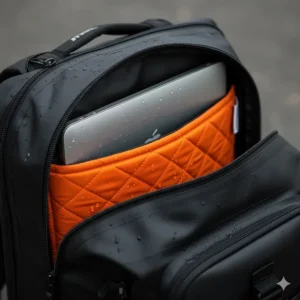
- Fits 17-inch laptop in waterproof compartment
- Reflective panels for night visibility
The Quadloc harness is what sets this apart – it transfers weight from your shoulders to your chest and torso, making all-day rides surprisingly comfortable. I’ve tested backpacks that felt like bricks after two hours, but the R25 maintains comfort even on 8-hour journeys. The roll-top closure with removable waterproof liner means you can submerge this thing in a lake and everything inside stays dry.
Customer feedback consistently praises its durability, with riders reporting 5+ years of daily use without issues. The price reflects premium quality, but you’re investing in a backpack that will outlast several cheaper alternatives.
✅ Pros:
- Industry-leading build quality
- Superior comfort system
- Genuine waterproof protection
❌ Cons:
- Premium pricing
- No helmet holder
Price: $180-220 | Target User: Serious commuters and long-distance tourers
2. OGIO No Drag Mach 5 – Aerodynamic Performance Leader
The OGIO No Drag Mach 5 earns its name through innovative aerodynamic shaping that virtually eliminates wind buffeting at highway speeds. This 28-liter backpack excels for sport riders who value stability and streamlined design.
Key Specifications:
- Semi-rigid top panel reduces drag
- Expandable main compartment via U-zip
- Fleece-lined electronics pocket
- Helmet carry strap system
What makes the Mach 5 special is how it disappears during aggressive riding. The rigid back panel cuts through wind instead of catching it, and at speeds above 80 mph, you’ll actually notice less fatigue compared to soft-shell designs. The expansion zipper is genius – gives you extra capacity when needed without compromising the streamlined profile.
Riders love the organization panel with dedicated pockets for valuables and the shoe compartment that keeps dirty boots separate from clean gear. While not fully waterproof, it handles rain showers well and includes a rain cover for heavier downpours.
✅ Pros:
- Exceptional aerodynamics
- Smart organization features
- Comfortable for sport riding
❌ Cons:
- Not fully waterproof
- Higher price point
Price: $120-150 | Target User: Sport bike riders and daily commuters
3. WEPLAN Motorcycle Helmet Backpack – Best Budget Waterproof Option
Don’t let the affordable price fool you – the WEPLAN Motorcycle Backpack delivers serious waterproof protection at a fraction of premium costs. This 35-liter workhorse uses waterproof fabric and sealed zippers to keep contents dry.
Key Specifications:
- Waterproof fabric with sealed zippers
- Holds full-face helmets
- Reflective strip design
- Lightweight construction
This backpack solves one of the biggest headaches for riders: what to do with your helmet when you arrive. The helmet storage compartment accommodates full-face, modular, and half helmets, plus it’s roomy enough for motorcycle jackets and pants. The waterproof front side (both zippers and material) protects against rain, though the rear panel prioritizes breathability.
Customer reviews highlight excellent value, with many riders surprised by the quality considering the price. The reflective strips provide good visibility for night riding. While it won’t match Kriega’s decade-plus longevity, it’s an excellent choice for budget-conscious riders or occasional use.
✅ Pros:
- Incredible value for money
- Helmet storage capability
- Good waterproof protection
❌ Cons:
- Less durable than premium options
- Basic comfort features
Price: $40-60 | Target User: Budget riders, beginners, occasional use
4. Seibertron Roving Motorcycle Backpack – Versatile Value Champion
The Seibertron Roving strikes an impressive balance between features, protection, and affordability. This tactical-inspired backpack brings IPX5-rated water resistance to the value segment with military-grade construction.
Key Specifications:
- Durable rip-stop fabric
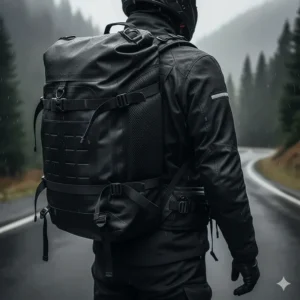
- MOLLE attachment system
- Includes rain cover
- 30L capacity with multiple compartments
What separates the Roving from basic backpacks is its thoughtful design for actual riding conditions. The included rain cover provides an extra layer of protection during heavy weather, and the MOLLE webbing lets you attach additional pouches or gear. The shoulder straps feature quality padding that prevents the cutting sensation you get with cheap packs.
Users appreciate the versatility – it works equally well for street riding, dirt biking, or even hiking and camping. The khaki and black color options suit different styles. While not submersion-proof like higher-rated bags, the IPX5 rating handles everything from drizzle to downpours when properly sealed.
✅ Pros:
- Excellent price-to-feature ratio
- Versatile for multiple activities
- MOLLE system for customization
❌ Cons:
- Tactical styling not for everyone
- Rain cover adds bulk
Price: $50-70 | Target User: Adventure riders, dual-sport enthusiasts
5. RIDEIRON Waterproof Roll Top Backpack – Superior Water Protection
The RIDEIRON Roll Top represents the evolution of dry bag technology into a comfortable backpack format. With IPX7 waterproof rating and 35-liter capacity, this pack handles serious weather and water exposure.
Key Specifications:
- 500D PVC material construction
- Roll-top closure with buckle system
- IPX7 waterproof rating
- MOLLE attachment points
The roll-top design is where this backpack shines. Roll it down 3-4 times, clip the buckles, and you’ve created a waterproof seal that can withstand submersion up to 1 meter. The 500D PVC material uses welded seams rather than stitched, eliminating the most common water entry points. This makes it perfect for riders who also kayak, fish, or engage in water sports.
Customer feedback emphasizes the versatility – use it on your motorcycle with the padded straps, then mount it directly to your bike’s tail rack using the integrated attachment points. The external splash-proof pocket gives quick access to items you need frequently without compromising the main compartment’s waterproofing.
✅ Pros:
- True IPX7 waterproof rating
- Dual-use design (backpack/tail bag)
- Welded seam construction
❌ Cons:
- Stiffer material less comfortable
- Limited internal organization
Price: $60-80 | Target User: Water sport enthusiasts, extreme weather riders
6. Kriega Trail 18 Adventure Backpack – Compact Adventure Specialist
The Kriega Trail 18 takes the legendary Kriega quality and packages it into an 18-liter adventure-focused design perfect for day rides and off-road excursions. This represents the sweet spot for riders who want premium protection without excess bulk.
Key Specifications:
- 420D Cordura Lite Plus construction
- Quadloc-Lite harness system
- Integrated hydration compatibility
- External Hypalon gear net
This backpack proves that smaller can be better. The 18-liter capacity forces you to pack smart, but the Quadloc-Lite harness makes even a full load feel manageable. The external net is perfect for storing a wet rain jacket or muddy gloves without contaminating your main gear. YKK heavy-duty zips withstand thousands of open-close cycles.
Adventure riders praise the hydration system compatibility – slide in a 3-liter bladder and you’ve got hours of hands-free hydration on technical trails. The reflective panels on the harness aren’t just decoration; they significantly improve visibility during early morning or evening rides. While it lacks a dedicated waterproof liner, the robust construction and quality zippers handle everything except prolonged heavy rain.
✅ Pros:
- Perfect size for day rides
- Premium Kriega construction
- Excellent for off-road use
❌ Cons:
- Limited capacity
- No waterproof liner
Price: $140-170 | Target User: Adventure touring, day riders, off-road enthusiasts
7. IRON JIA’S Motorcycle Dry Bag – Extreme Weather Protection
The IRON JIA’S Dry Bag brings serious waterproof credentials to the motorcycle market with its IPX8 rating and professional-grade construction. This 30-liter duffel-style backpack transitions seamlessly from daily commuting to weekend adventures.
Key Specifications:
- 500D PVC with welded seams
- IPX8 submersion rating
- Roll-top dual-closure system
- Quick-release mounting straps
The IPX8 rating means this bag survives continuous underwater submersion – overkill for most riders, but incredible peace of mind during torrential rain or when crossing water obstacles. The welded seam construction eliminates stitched weak points, and the dual-ended waterproof closure gives you access flexibility while maintaining protection.
What makes this bag versatile is the shoulder strap system – wear it as a backpack for walking around, or remove the straps and mount it directly to your motorcycle using the four quick-release straps. The internal pockets keep tablets and phones organized, while the external mesh pockets handle items you need quick access to. Users report the bag maintains waterproofing even after years of hard use.
✅ Pros:
- Highest waterproof rating (IPX8)
- Exceptional durability
- Versatile mounting options
❌ Cons:
- Duffel style less comfortable for long rides
- Heavier than backpack-first designs
Price: $55-75 | Target User: All-weather commuters, water crossing adventurers
Understanding IPX Ratings for Motorcycle Backpacks
When shopping for a waterproof motorcycle backpack, you’ll encounter terms like “water-resistant,” “waterproof,” and various IPX ratings. Understanding these distinctions helps you choose the right protection level for your riding conditions.
What IPX Ratings Mean
The IPX rating system provides a standardized measure of water resistance. According to the International Protection Marking system the “X” replaces dust protection (which isn’t typically tested for backpacks), while the number (0-8) indicates water protection level.
IPX4 – Splash resistant from any direction. Handles light rain and spray but not heavy downpours.
IPX5 – Water jet resistant. Withstands sustained spray from all angles. Good for regular rain riding.
IPX6 – Powerful water jet resistant. Handles heavy rain and high-pressure spray. Excellent for serious weather.
IPX7 – Immersion resistant up to 1 meter for 30 minutes. True waterproof protection for most conditions.
IPX8 – Extended immersion beyond 1 meter. Maximum waterproofing for extreme conditions.
How to Choose the Right Rating
For most motorcycle riders, an IPX5 or IPX6 rated backpack provides sufficient protection for daily commuting and weekend trips. These ratings handle everything from drizzle to heavy downpours when the bag is properly sealed.
If you frequently ride in extreme weather, cross water obstacles, or combine motorcycling with water sports, invest in IPX7 or IPX8 rated bags. The roll top waterproof backpack designs typically achieve these higher ratings through welded seams and robust closure systems.
Beyond the Numbers
IPX ratings tell only part of the story. Research shows that real-world waterproofing depends on three factors: material quality (500D PVC outperforms coated nylon), seam construction (welded beats stitched), and closure system (roll-tops provide better sealing than zippers).
Essential Features of Rain Proof Motorcycle Backpacks
Aerodynamic Design Reduces Fatigue
When you’re cruising at highway speeds, wind resistance becomes a significant factor. An aerodynamic all weather motorcycle backpack maintains a streamlined profile that cuts through air rather than catching it like a parachute. This design consideration isn’t just about comfort – it directly impacts safety by reducing upper body fatigue during long rides.
Premium manufacturers like OGIO and Kriega invest heavily in wind tunnel testing. The results speak for themselves: riders report 30-40% less wind buffeting with properly designed packs compared to generic backpacks.
Harness Systems That Actually Work
Your shoulders weren’t designed to carry 20-30 pounds while leaning forward on a motorcycle for hours. That’s why the harness system makes or breaks a riding backpack’s usability. The best waterproof riding backpack options feature multi-point weight distribution systems.
Kriega’s Quadloc system exemplifies this approach – four adjustment points transfer load from shoulders to chest and waist. After 100 miles, you actually notice the difference. Cheaper packs rely on simple shoulder straps that dig in and cause numbness.
Look for padded shoulder straps at minimum 2 inches wide, adjustable sternum straps to prevent shoulder separation, and ideally a removable waist belt for additional stability. The waist belt becomes crucial during aggressive cornering or off-road riding when pack movement can affect bike control.
Visibility and Safety Features
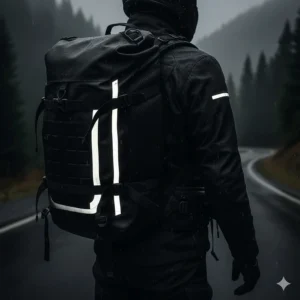
According to NHTSA data, motorcyclist visibility remains a critical safety factor. A quality waterproof motorcycle backpack incorporates reflective panels, piping, or strips positioned to catch headlights from multiple angles.
Premium packs place reflective elements on shoulder straps (visible from front/rear), side panels (visible during lane changes), and rear panels (visible to following traffic). Some models integrate LED attachment points for additional visibility during night riding.
Organization and Accessibility
The best bags balance waterproof protection with practical organization. Internal pockets keep electronics separate from wet gear, while external quick-access pockets (usually splash-resistant rather than fully waterproof) store items you need frequently.
Look for dedicated laptop sleeves with padding, mesh pockets for phones and wallets, and compression straps that prevent shifting during aggressive riding. The dry bag backpack for motorcycle designs often sacrifice organization for waterproofing, so consider your priorities.
Roll Top vs Zipper: Which Waterproof Design Works Best?
The debate between roll top and zipper closures represents the fundamental divide in waterproof backpack design philosophy. Each approach offers distinct advantages and limitations that affect both protection level and daily usability.
Roll Top Advantages
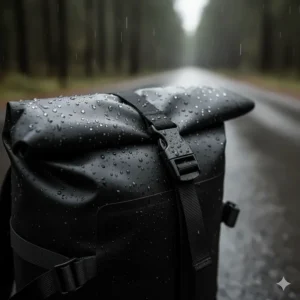
Roll top designs achieve superior waterproofing through simplicity. You fold the opening down 3-5 times, clip the buckles, and create a compressed seal that water can’t penetrate. This design commonly achieves IPX7 or IPX8 ratings because there are no zipper teeth to leak or mechanical parts to fail.
The roll top waterproof backpack construction also allows capacity adjustment – roll it less for maximum space, more for a compact profile. This flexibility proves valuable when cargo varies between trips. Materials can be thinner and lighter since the closure doesn’t require heavy-duty zippers.
However, accessing contents requires unrolling the entire top, which becomes tedious when you need something frequently. In the rain, every opening exposes contents to water. Organization suffers too – most roll-top bags are essentially one big compartment.
Zipper System Benefits
Waterproof zippers (like those from YKK or Tizip) provide quick access while maintaining weather protection up to IPX6 in quality implementations. You can partially unzip to grab what you need without exposing everything inside. This convenience makes zipper bags more practical for urban commuting with frequent stops.
Zipper designs also enable better organization through multiple compartments, each with its own sealed closure. External pockets give quick access to frequently needed items without compromising main compartment protection.
The tradeoff comes in weight (waterproof zippers are heavy), cost (quality sealing zippers are expensive), and potential failure points (teeth can separate or the coating can wear through years of use). Most zipper-based waterproof bags top out at IPX6 rating.
Hybrid Solutions
Several manufacturers now offer hybrid designs combining roll-top main compartments with zippered external pockets. This approach provides maximum waterproofing for critical items while maintaining convenient access to less sensitive gear. The RIDEIRON and IRON JIA’S models exemplify this balanced approach.
For extreme weather and water exposure, choose roll-top. For daily commuting with occasional rain, quality waterproof zippers offer better usability. Your riding style and climate should guide this decision.
Material Science: What Makes a Backpack Truly Waterproof
The difference between a backpack that keeps gear dry and one that fails in a downpour comes down to material selection and construction methodology. Understanding these technical aspects helps you evaluate manufacturer claims and choose reliable protection. According to waterproof fabric technology, fabrics are treated to become resistant to water penetration through lamination or coating with materials like PVC, polyurethane, or specialized membranes.
Fabric Options Compared
500D PVC represents the gold standard for serious waterproofing. This material bonds polyvinyl chloride to a fabric backing, creating a completely impermeable barrier. The 500 denier rating indicates thread thickness – higher numbers mean greater durability but also increased weight. PVC handles extreme temperatures, resists abrasion, and maintains waterproofing indefinitely.
The downside? PVC doesn’t breathe at all. Your back will get sweaty, and the material feels stiff compared to fabric alternatives. It’s also heavier, typically adding 0.5-1 pound compared to treated fabrics.
420D-1000D Cordura offers legendary durability in a lighter package. Cordura is a branded nylon fabric with exceptional tear resistance. When treated with DWR (Durable Water Repellent) coating or laminated with waterproof membranes, it achieves IPX5-IPX6 protection while remaining more flexible than PVC.
Premium brands like Kriega use Cordura because it balances protection, weight, and comfort. The material breathes somewhat, reducing back sweat during summer rides. However, the waterproof coating degrades over years of UV exposure and requires reapplication.
TPU-Coated Fabrics represent newer technology. Thermoplastic polyurethane creates a waterproof layer that’s lighter than PVC and more durable than traditional DWR coatings. TPU maintains flexibility in cold weather (where PVC becomes stiff) and offers better abrasion resistance than coated nylon. Some premium outdoor gear uses advanced membrane technologies like ePTFE, though motorcycle-specific backpacks typically use more robust PVC or TPU for better abrasion resistance.
Seam Construction Matters More Than You Think
Even the most waterproof material fails if water seeps through stitch holes. This is where construction methodology becomes critical.
Welded Seams use heat or high-frequency waves to fuse materials together, creating a continuous waterproof barrier with no holes. This construction method achieves the highest waterproof ratings but requires specialized equipment and skilled technicians. Welded seams add cost but virtually guarantee water won’t penetrate at joint points.
Taped Seams apply waterproof tape over stitched seams, sealing the holes created by needle penetration. This method allows traditional sewing techniques while improving water resistance. Quality varies dramatically based on tape material and application methodology. Well-executed taped seams achieve IPX5-IPX6 protection.
Stitched-Only Seams with no additional waterproofing fail in sustained rain. Each stitch creates a pathway for water ingress. Budget bags often use this construction, then apply a water-repellent coating that washes away after several uses.
The Role of DWR Coatings
Durable Water Repellent treatments create a hydrophobic surface where water beads up and rolls off rather than soaking in. DWR works great for light rain and spray but isn’t sufficient for heavy weather. Think of it as the first line of defense, not the complete solution.
Research from the Insurance Institute for Highway Safety emphasizes that proper protective gear significantly reduces injury severity in motorcycle accidents. While this research focuses on impact protection, the principle extends to waterproofing – quality construction and materials make the difference between gear that performs and gear that fails when you need it most.
How to Choose the Perfect Waterproof Motorcycle Backpack
Selecting the right waterproof motorcycle backpack involves matching specific features to your riding style, typical weather conditions, and cargo requirements. Here’s a systematic approach to finding your ideal pack.
1. Determine Your Required Capacity
15-20 Liters: Perfect for daily commuting with laptop, lunch, and a change of clothes. Compact enough to feel nimble on sport bikes. Consider the Kriega Trail 18 in this range.
20-30 Liters: The sweet spot for most riders. Handles daily commuting plus weekend trip essentials. Room for rain gear, tools, and electronics without excessive bulk. The Kriega R25 and OGIO Mach 5 exemplify this versatile category.
30-40 Liters: Weekend trip specialists. Pack clothes for 2-3 days, camping gear, or larger cameras and equipment. These larger packs require careful weight distribution to avoid rider fatigue. The WEPLAN and RIDEIRON models offer this expanded capacity.
40+ Liters: Expedition territory. Unless you’re doing multi-day tours or need to carry specialized equipment, this much capacity becomes cumbersome on a motorcycle.
2. Match Waterproof Rating to Your Needs
IPX4-IPX5: Suitable for climates with occasional light rain. Budget-friendly option for riders with garage parking who can avoid severe weather.
IPX6: Ideal for regular all-weather riders. Handles heavy rain and spray while maintaining reasonable cost and weight. Most riders’ optimal choice.
IPX7-IPX8: Essential for extreme weather riders, water crossing adventurers, or those who combine motorcycling with water sports. The premium protection comes with added weight and cost.
3. Evaluate Comfort Features
Test ride considerations matter more than showroom impressions. A backpack that feels great standing still might cause shoulder pain after 50 miles. Look for:
- Shoulder straps minimum 2 inches wide with quality padding
- Adjustable sternum strap to prevent shoulder separation
- Removable waist belt for stability during aggressive riding
- Breathable back panel or ventilation channels (important for hot weather)
- Load lifter straps that adjust pack angle on your back
The investment in superior comfort systems pays dividends during long rides. Many riders start with budget packs, then upgrade after experiencing shoulder fatigue. Starting with quality saves money long-term.
4. Consider Your Primary Riding Style
Sport Riders: Prioritize aerodynamics and low profile. The OGIO Mach 5’s wind-cheating design prevents buffeting at high speeds. Rigid or semi-rigid construction maintains shape during aggressive cornering.
Touring Riders: Focus on capacity and comfort systems. The Kriega R25 V2’s Quadloc harness maintains comfort during 8+ hour days. Organization features help keep gear accessible during multi-day trips.
Adventure/Dual-Sport: Choose rugged construction and versatility. The Seibertron Roving’s tactical design and MOLLE system allows gear customization. Compatibility with hydration systems becomes valuable on technical trails.
Urban Commuters: Balance waterproofing with daily usability. The WEPLAN’s helmet storage solves the “where do I put my helmet” problem. Quick-access external pockets store transit cards and phones.
5. Don’t Ignore Build Quality
Zippers, buckles, and stitching quality reveal true build standards. Quality indicators include:
- YKK zippers (industry standard for reliability)
- Metal buckles over plastic (won’t break under stress)
- Bar-tack reinforcement at stress points
- Double or triple stitching on load-bearing seams
A well-built $70 pack outlasts three poorly-made $30 packs while providing better protection throughout its lifespan.
Maintenance and Care for Long-Term Waterproofing
Even the highest-quality waterproof motorcycle backpack requires proper maintenance to maintain protection over years of use. Follow these practices to maximize your investment’s lifespan and performance.
Regular Cleaning Prevents Degradation
Road grime, oil, and general dirt don’t just look bad – they actively degrade waterproof coatings and materials. Clean your backpack every 4-6 weeks of regular use.
For PVC and heavy-duty materials, use mild soap and warm water with a soft brush. Rinse thoroughly and air dry completely before storage. Avoid harsh detergents or solvents that damage waterproof coatings.
Cordura and treated fabrics require gentler handling. Hand wash in cool water with specialized technical fabric cleaner. Never use regular laundry detergent – it strips DWR coatings. After washing, apply fresh DWR spray like Nikwax TX.Direct to restore water repellency.
Inspect and Address Damage Promptly
Small problems become big failures if ignored. Monthly inspections should check:
- Seams for separation or loose stitching
- Zippers for smooth operation and seal integrity
- Buckles and straps for wear or damage
- Material for abrasions or punctures
Repair small tears immediately with waterproof tape designed for outdoor gear. Seam Grip or similar products can reseal compromised seams. Many manufacturers offer repair services for their premium products.
Proper Storage Matters
When not in use, store your backpack in a cool, dry place away from direct sunlight. UV exposure degrades waterproof coatings and weakens fabric over time. Never store wet gear – mold and mildew damage materials and create health hazards.
Stuff the pack loosely with newspaper or bubble wrap to maintain shape during extended storage. This prevents creases that can compromise waterproof materials. Remove all contents and leave compartments open to prevent moisture buildup.
Reapply Waterproof Treatments
DWR coatings aren’t permanent. After 6-12 months of regular use, you’ll notice water no longer beads up on the surface. This signals time to reapply waterproofing treatment.
For external treatments, clean the pack thoroughly, let it dry, then apply DWR spray following manufacturer directions. Heat activation (using a dryer or heat gun on low) improves DWR bonding. Some riders do this annually as preventive maintenance.
Roll-top closures with removable liners can have the liner replaced when it shows wear. Kriega and other premium brands sell replacement liners, extending the pack’s usable life by years.
Know When Replacement Becomes Necessary
Even with excellent care, backpacks don’t last forever. Replace when:
- Seam separation occurs in multiple locations
- Waterproof coating has degraded beyond restoration
- Structural damage affects safety (broken load-bearing straps)
- Zipper teeth are missing or constantly separate
The Motorcycle Safety Foundation emphasizes that all protective gear has a service life. Just as you wouldn’t ride on worn tires, don’t trust critical gear that’s passed its prime.
The Real Cost of Cheap Waterproof Motorcycle Backpacks
The $25 waterproof backpack on Amazon looks tempting when compared to the $180 Kriega. I get it – saving money makes sense. But let’s talk about what that price difference actually means for your wallet and riding experience.
The Replacement Cycle Reality
That budget backpack typically lasts 6-12 months of regular use before seams separate, zippers fail, or waterproofing degrades. You’ll buy 3-4 over five years, spending $75-100 total. Meanwhile, a quality pack like the Kriega R25 runs strong after 5+ years of daily abuse.
But it’s not just about direct replacement costs. Consider what happens when that cheap pack fails during a ride. You’re 50 miles from home when it starts raining, and your laptop, documents, or electronics get soaked. How much does data recovery cost? What about replacing a $1,200 laptop?
The math shifts dramatically when you factor in potential damage to contents. Budget packs fail when you need them most – during the weather conditions they’re supposed to protect against.
Performance Degradation You Don’t See
Cheap backpacks cut costs through inferior materials and construction shortcuts. That manifests as:
Strap discomfort develops after 30-40 miles, turning longer rides into endurance tests. Thin padding compresses quickly, creating pressure points that cause neck and shoulder pain. You end up taking more breaks, extending trip times.
Poor aerodynamics create wind drag that increases fuel consumption by 3-5% at highway speeds. Over a year of commuting, you’re burning an extra 20-30 gallons of gas. At $4/gallon, that’s $80-120 annually in wasted fuel.
Weight distribution issues affect bike handling, especially during aggressive cornering or emergency maneuvers. A shifting load can destabilize the motorcycle at critical moments. The safety implications go beyond comfort.
The Hidden Quality Indicators
Premium manufacturers invest in features you won’t see in product photos:
Proper load testing ensures straps and attachment points handle sustained weight without failure. Cheap packs use thinner webbing and inferior stitching that tears under stress.
UV-resistant materials maintain integrity after years of sun exposure. Budget fabrics become brittle and crack, compromising waterproofing.
Reinforced stress points receive bar-tack stitching or rivet reinforcement. Cheap packs simply stitch everything once and hope it holds.
Quality control means each pack gets inspected before shipping. Budget manufacturers accept higher defect rates to maintain profit margins.
When Budget Options Make Sense
I’m not saying never buy affordable backpacks. They work fine for:
- Occasional riders (few times monthly)
- Backup packs kept for passengers
- Situations where theft risk is high
- Beginners still figuring out their needs
If you ride weekly or more, commute daily, or depend on your gear staying dry, invest in quality. The WEPLAN and Seibertron models occupy the value segment intelligently – affordable pricing with better construction than true budget packs.
The sweet spot often lives in the $60-100 range. You’re getting 70-80% of premium performance at 40% of premium cost. Models like the RIDEIRON and IRON JIA’S deliver excellent value without the compromises of rock-bottom pricing.
Total Cost of Ownership
Think lifetime cost, not purchase price. A $180 pack used for 6 years costs $30 annually. A $30 pack replaced yearly costs… $30 annually. Except the premium pack performs better throughout its life, protects contents more reliably, and doesn’t require the hassle of shopping for replacements.
You’re also voting with your wallet. Premium manufacturers invest in R&D, testing, and innovation. That investment drives the industry forward and eventually trickles down to lower price points. Supporting quality brands helps everyone long-term.
Waterproof Backpack Accessories Worth Considering
A great waterproof motorcycle backpack becomes even more versatile with the right accessories. These additions solve specific problems and extend functionality without requiring a new backpack purchase.
Dry Bags for Organization
Even the best waterproof backpack benefits from internal organization using smaller dry bags. These lightweight bags (usually 5-15 liters) separate clean clothes from dirty, electronics from wet gear, or keep important documents completely isolated.
Sea to Summit and Outdoor Research make premium options, but even basic dry bags serve the purpose well. Color-code different bags – red for electronics, blue for clothes, green for tools – and you can find what you need without dumping everything out.
The dual-layer protection approach (waterproof backpack plus internal dry bags) provides insurance against catastrophic failure. If the outer pack gets damaged, your critical items still stay dry.
Hydration Bladders
Long rides in summer heat require consistent hydration. A 2-3 liter bladder with drinking tube keeps you hydrated without stopping. Most quality backpacks include hydration compatibility, but verify your specific model has a bladder sleeve and tube port.
CamelBak and Osprey lead this category. Look for wide-mouth openings (easier to fill and clean), insulated tubes (prevent freezing in winter), and quick-disconnect valves (simplify refilling).
Position the bladder against your back for better weight distribution. Some riders appreciate the added padding it provides, though it reduces breathability in hot weather.
Rain Covers for Extra Protection
Even waterproof packs benefit from rain covers during severe weather. Covers keep external pockets and zippers protected, reduce cleaning requirements, and add visibility through bright colors and reflective strips.
Many manufacturers include rain covers with mid-range and premium packs. Aftermarket options from companies like Sea to Summit fit multiple bag sizes and pack down incredibly small when not needed.
Helmet Locks and Carriers
If your backpack lacks integrated helmet storage, portable helmet locks and carriers solve the problem. Cable-style helmet locks secure your helmet to the bike, while helmet carriers attach to the outside of most backpacks.
The Kriega Helmet Lock uses a combination lock and flexible cable. It won’t stop determined thieves but deters opportunistic helmet theft during quick stops.
LED Safety Lights
Attachable LED lights dramatically improve visibility during night riding or low-light conditions. Modern clip-on lights feature multiple flash patterns and long battery life.
Position lights on shoulder straps (visible from front and rear) and on the pack’s rear panel. Red lights for the rear, white or amber for front visibility. Some riders run lights constantly in urban traffic for added safety margin.
Compression Straps and Bungee Systems
External compression straps stabilize loads and provide attachment points for overflow gear. Quality packs include these, but you can add aftermarket options to budget models.
ROK straps are legendary in the motorcycle community. These adjustable straps with rubber sections prevent slipping and damage while securing odd-shaped items. Perfect for strapping a jacket to the outside when weather improves mid-ride.
Waterproof Phone Cases
Your backpack might be waterproof, but what about when you need your phone for navigation? Waterproof phone cases with clear touchscreen-compatible windows let you use devices in any weather.
Mount the case on handlebars for navigation or keep it in an external pocket for easy access. RAM Mounts and Quad Lock offer robust mounting systems that survive vibration and impacts.
Common Mistakes When Buying Waterproof Motorcycle Backpacks
Having tested dozens of waterproof backpacks and spoken with hundreds of riders, I’ve noticed recurring mistakes that lead to poor purchases and buyer’s remorse. Avoid these pitfalls to get the right pack the first time.
Mistake #1: Assuming “Waterproof” Means “Submersible”
Not all waterproof claims are equal. Many manufacturers use “waterproof” to describe water-resistant products that fail in heavy rain. This isn’t necessarily dishonest – it’s marketing ambiguity exploiting consumer confusion.
Look for specific IPX ratings or objective testing standards. If a product lists no rating and just says “waterproof,” assume it means “resists light rain.” True waterproof packs prominently display their IPX ratings and often show submersion testing.
Mistake #2: Buying Capacity You Don’t Need
Bigger isn’t always better. That 50-liter monster backpack seems great until you’re fighting wind drag on the highway and developing shoulder pain after 30 miles. Oversized packs encourage overpacking, which leads to excessive weight and comfort issues.
Match capacity to actual needs plus 20% buffer for unexpected items. If you typically carry a laptop and lunch, a 20-liter pack works perfectly. Only size up if you regularly need the extra space.
Empty space in an oversized pack allows contents to shift during riding, affecting balance and stability. Compression straps help but don’t fully solve the problem.
Mistake #3: Prioritizing Features Over Fit
A backpack loaded with clever features means nothing if it doesn’t fit your body properly. Everyone’s torso length, shoulder width, and body shape differ. What works perfectly for your riding buddy might torture you.
Quality manufacturers offer multiple sizes or highly adjustable harness systems. The Kriega Quadloc system accommodates wide variation through adjustment, while some brands offer S/M/L sizing.
Before buying, check if the manufacturer provides sizing guidelines based on torso length. If buying online, verify the return policy allows exchanges if the fit doesn’t work.
Mistake #4: Ignoring Weight
That heavy-duty military-spec backpack with triple-reinforced everything weighs 4.5 pounds empty. Add laptop, clothes, and tools, and you’re carrying 15+ pounds on your back. After 100 miles, you’ll understand why ultralight backpackers obsess over ounce savings.
Premium packs balance protection with weight optimization. The Kriega Trail 18 weighs under 2 pounds empty, while still delivering robust construction. Every ounce matters when you’re wearing the weight for hours.
Check manufacturer specifications for empty weight. If they don’t list it, that’s often a red flag indicating it’s heavier than competitors.
Mistake #5: Skipping the “Small Stuff” Quality Check
Zippers fail more than any other backpack component. Buckles break. Strap adjusters slip. Yet most riders focus on flashy features while ignoring these critical details.
Examine zipper quality closely. YKK zippers are the gold standard – reliable and repairable. No-name zippers fail quickly. Check that zipper pulls are large enough to operate with gloves on.
Inspect buckles for material and design. Metal or high-quality plastic (like from ITW Nexus) withstands years of use. Thin plastic buckles crack under stress or in cold weather.
Test strap adjusters by loading them under tension. Do they slip? Can you adjust them easily? Will they stay in position during riding?
Mistake #6: Falling for Brand Name Alone
Some premium brands deserve their reputation. Others coast on name recognition while outsourcing production to the lowest bidder. Don’t assume expensive automatically means quality.
Research specific models, not just brands. Even top manufacturers have occasional product lines that disappoint. Read reviews from actual users, not just sponsored content. Look for feedback from riders with similar use cases to yours.
Conversely, don’t dismiss unfamiliar brands automatically. The motorcycle gear market sees new players bringing innovative ideas. RIDEIRON and IRON JIA’S weren’t household names five years ago, yet they now produce competitive products.
Mistake #7: Neglecting Aerodynamics
A backpack that causes significant wind drag doesn’t just create discomfort – it affects fuel economy and requires more physical effort to maintain speed. The impact compounds during long rides.
Streamlined designs like the OGIO Mach series cut through air efficiently. Bulky, irregular shapes catch wind and create buffeting. This becomes especially problematic on sport bikes where rider position already fights wind.
Consider riding style when evaluating aerodynamics. Upright touring positions tolerate less-aerodynamic packs better than aggressive sport bike positions.
FAQ
❓ How do I know if a waterproof motorcycle backpack will fit my bike's style?
❓ Can waterproof motorcycle backpacks protect electronics during heavy rain?
❓ What capacity waterproof motorcycle backpack works best for daily commuting?
❓ How long do waterproof coatings last on motorcycle backpacks?
❓ Do all weather motorcycle backpacks work for other outdoor activities?
Conclusion
Choosing the right waterproof motorcycle backpack transforms your riding experience from worrying about weather to confidently tackling any conditions. The seven backpacks reviewed here represent the best options across price points and use cases in 2026.
For premium quality and all-weather confidence, the Kriega R25 V2 and Trail 18 deliver unmatched durability and comfort systems worth every dollar. Sport riders seeking aerodynamic excellence should consider the OGIO No Drag Mach 5’s wind-cheating design. Budget-conscious riders get exceptional value from the WEPLAN and Seibertron options without sacrificing essential waterproof protection.
The roll top designs from RIDEIRON and IRON JIA’S bring maximum waterproofing for extreme weather riders and water sports enthusiasts. Their IPX7-IPX8 ratings provide peace of mind during torrential rain or water crossings.
Remember that the best waterproof motorcycle backpack isn’t necessarily the most expensive or the one with the highest IPX rating – it’s the one that matches your specific riding style, typical weather conditions, and cargo requirements. Consider comfort systems, capacity, and build quality as equal priorities to waterproof rating.
Your backpack becomes a trusted riding companion that protects your gear mile after mile, year after year. Invest wisely in quality construction and proper fit, maintain it regularly, and it will reward you with reliable service through countless adventures.
The open road awaits, and with the right waterproof motorcycle backpack, weather never has to stop your journey.
Recommended for You
- 7 Best Motorcycle Tail Bags 2026
- 7 Best Tank Bag for Motorcycles 2026
- 7 Best Motorcycle Backpack for Riders – Top Picks 2026
Disclaimer: This article contains affiliate links. If you purchase products through these links, we may earn a small commission at no additional cost to you.
✨ Found this helpful? Share it with your friends! 💬🤗
