
In This Article
✨Was this helpful? Spread the word! 🚀
Listen, I’ve been there—watching my kiddo barrel down a hill on their bike, heart in my throat, wondering if their regular helmet is really enough. That’s when I discovered kids full face helmet options, and honestly, it changed everything about how confident I feel watching them ride.
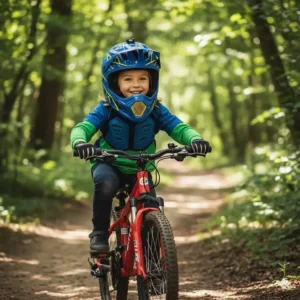
A kids full face helmet isn’t just about looking cool (though they definitely do). These specialized helmets provide comprehensive protection for your child’s entire head, face, and jaw—areas that standard helmets leave vulnerable. Whether your young rider is into BMX racing, mountain biking, or just loves hitting the local bike park, full face protection makes all the difference.
The thing is, traditional bike helmets for kids only cover the top and sides of the head. But when kids crash—and trust me, they will—their face and chin are often the first points of impact. A full face bike helmet for kids wraps around the entire head, giving you that extra peace of mind that parents desperately need.
In 2025, the market has exploded with options. From lightweight detachable models perfect for toddlers to ASTM-certified downhill helmets for aggressive riders, there’s a helmet for every young shredder. I’ve spent countless hours researching, testing, and comparing to bring you this comprehensive guide to help you make the smartest choice for your child.
Quick Comparison Table: Top Kids Full Face Helmets 📊
| Helmet Model | Weight | Price Range | Key Feature | Best For |
|---|---|---|---|---|
| Bell Sanction 2 | 850g | $75-$120 | ASTM DH & BMX certified | All-around protection |
| ROCKBROS Kids Detachable | 380g | $82.99 | Ultra-lightweight, 2-in-1 | Toddlers & young kids |
| ILM Youth Model 128YS | ~950g | $70-$80 | DOT approved, value pick | Dirt bike & motocross |
| OutdoorMaster Kids | ~500g | $40-$60 | Budget-friendly detachable | Casual riders |
| Fox Racing Youth Rampage | ~900g | $120-$150 | MIPS technology | Serious young riders |
| Bell Sanction 2 DLX MIPS | 875g | $180 | Premium MIPS protection | Advanced riders |
| HJC CL-Y Youth | ~1100g | $89.99-$99.99 | Small head specialist | Motorcycle & road use |
💬 Just one click – help others make better buying decisions too! 😊
🎯 Ready to Protect Your Young Rider?
Don’t wait until after a crash to upgrade their protection. These helmets are in high demand and popular sizes sell out fast. Click the highlighted products above to check current availability and secure your child’s safety today!
Top 7 Kids Full Face Helmet Options: Expert Analysis 🏆
Let me walk you through the absolute best options I’ve found, with real specs and honest feedback from parents who’ve actually used them.
1. Bell Sanction 2 Full Face Helmet
If there’s one helmet that keeps popping up in every parent group I’m in, it’s this one. The Bell Sanction 2 has basically become the gold standard for youth full face helmets, and for good reason.
Key Specifications:
✅ Weight: 850 grams (incredibly light for full coverage)
✅ Sizes: XXS (48-51cm) to XL (59-61cm)
✅ Certifications: ASTM Downhill, ASTM BMX, CPSC
What makes it special? The Flying Bridge visor technology is genius—it improves airflow while actually adding safety by placing more protective material in high-impact zones. Plus, those 14 large vents mean your kid won’t overheat, even during intense summer sessions.
Pros:
✅ Available in XXS for smallest riders (rare!)
✅ Removable, washable cheek pads
✅ Excellent ventilation system
Cons:
❌ No MIPS in base model
❌ D-ring closure can be tricky for younger kids
Parents love this helmet because it fits kids as young as 5 and grows with them. One reviewer mentioned their 7-year-old wore it for three years straight. The price point of $75-120 makes it accessible without sacrificing safety. Current Amazon price: $94.99
2. ROCKBROS Kids Full Face Helmet Detachable
This is my top pick for versatility. The ROCKBROS detachable design means one helmet does the job of two—serious protection when needed, breathable half-helmet for casual rides.
Key Specifications:
✅ Weight: Only 380 grams (lightest on this list!)
✅ Sizes: S (50-54cm), M (54-58cm)
✅ Features: One-button chin guard removal, 12 vents
What parents rave about: The weight. At 380g, this is lighter than many regular bike helmets. Parents of younger kids especially appreciate this because neck strain is a real concern with heavier full face helmets for children.
Pros:
✅ Converts between full and half helmet in seconds
✅ CE Safety Certified
✅ 360° adjustable buckle for perfect fit
Cons:
❌ Not ASTM downhill certified
❌ Chin guard mechanism may wear over time
The detachable feature is perfect for kids who ride to the park (half helmet mode) then session the jumps (full face mode). Multiple color options including pink/purple for girls and black/orange for boys. Currently available at $82.99 on Amazon
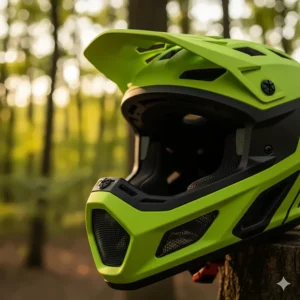
3. ILM Youth Dirt Bike Helmet Model 128YS
For families into motocross or off-road riding, the ILM Model 128YS delivers serious protection at an unbeatable price point.
Key Specifications:
✅ Weight: Approximately 950 grams
✅ DOT FMVSS-218 approved
✅ Sizes: Youth-Small to Youth-Large
✅ Includes: Goggles and gloves in some packages
The real deal: This is a true motocross-style helmet that happens to work brilliantly for aggressive mountain biking too. The shell construction uses high-impact ABS with EPS foam liner for maximum energy absorption.
Pros:
✅ Exceptional value (often under $75)
✅ Quick-release buckle system
✅ Detachable, washable liner
Cons:
❌ Heavier than bike-specific options
❌ Limited color choices compared to others
What’s cool is that it comes in fun graphics like “Pony Pink” and “Blue Black” that kids actually want to wear. The visor is fully adjustable and removable. Parents consistently mention the helmet runs slightly small, so consider sizing up. Price range: $69.99-$79.99
4. OutdoorMaster Kids Full Face Helmet
Here’s the budget champion that doesn’t skimp on safety. The OutdoorMaster helmet proves you don’t need to spend $150 to get decent full face protection for kids.
Key Specifications:
✅ Weight: Approximately 500 grams
✅ 14 ventilation holes
✅ Detachable chin guard feature
✅ PC hard shell + EPS foam construction
Why it works: This helmet hits the sweet spot between affordability and functionality. The removable chin guard means it can grow with your child’s skill level and riding style.
Pros:
✅ Budget-friendly ($40-60 range)
✅ ASTM & CPSC certified
✅ Adjustable dial fit system
Cons:
❌ Chin guard clips can be stiff for small hands
❌ Basic padding compared to premium options
Parents mention the helmet runs true to size and the adjustment dial works smoothly. The sharp edge on the chin guard attachment is something to watch for when putting it on younger kids. Great starter full face helmet. Typically priced around $49.99
5. Fox Racing Youth Rampage Full Face Helmet
When your kid starts getting serious about riding, the Fox Racing Youth Rampage steps up to the plate. This is essentially a scaled-down version of what pro riders wear.
Key Specifications:
✅ Lightweight injection-molded ABS shell
✅ MIPS technology for rotational impact protection
✅ Sizes: Youth Small to Youth Large
✅ 11 ventilation ports with mesh screens
Premium features that matter: The mesh vent screens are brilliant—they let air flow while keeping trail debris out. The MIPS liner adds crucial protection against rotational forces that standard helmets miss.
Pros:
✅ True downhill certification
✅ Wide goggle opening for unrestricted vision
✅ Inspired by the pro-level Rampage Pro Carbon
Cons:
❌ Higher price point ($120-150)
❌ D-ring closure requires practice
This helmet looks and feels premium. Kids love the aggressive styling, and parents appreciate the protection level. The visor is fully adjustable with multiple positions. Current price on Amazon: $139.99
6. Bell Sanction 2 DLX with MIPS
The Sanction 2 DLX takes everything great about the standard Sanction and adds MIPS Essential technology for elite-level protection.
Key Specifications:
✅ Weight: 875 grams
✅ MIPS Essential rotational protection
✅ All ASTM certifications included
✅ Premium ventilated DH Air padding
The upgrade advantage: MIPS (Multi-directional Impact Protection System) can reduce rotational forces by up to 25%. For parents who want the absolute best protection, this is it.
Pros:
✅ Top-tier safety technology
✅ Excellent airflow even with full face coverage
✅ Clean, understated design
Cons:
❌ Premium price ($180)
❌ Heavier than some competitors
If your young rider is hitting bike parks regularly or racing, this investment makes sense. The ventilation keeps up even on 90-degree days. Listed at $179.99
7. HJC CL-Y Youth Full Face Helmet
Designed specifically for smaller heads, the HJC CL-Y fills a crucial gap in the market for street and road riding.
Key Specifications:
✅ DOT FMVSS-218 certified
✅ Advanced polycarbonate construction
✅ Sizes: Youth XS, S, M, L
✅ Wide shield port for visibility
Uniqueposition: This is primarily a motorcycle helmet that works great for powered bikes, e-bikes, and street riding where you need road-legal protection.
Pros:
✅ Specifically designed for youth head shapes
✅ Affordable at $89.99-99.99
✅ Removable, washable interior
Cons:
❌ Heavier than bike-specific options (~1100g)
❌ Not ideal for mountain biking
The adjustable chin vent directs air across the shield to prevent fogging. Multiple cheek pad sizes available separately for custom fitting. Price: $89.99 for solid colors, $99.99 for graphics
Understanding Kids Full Face Helmet Safety Standards 🛡️
Here’s what those certification letters actually mean for your child’s protection—and why they matter more than you might think.
CPSC Certification: The Baseline
Every bicycle helmet sold in the USA must meet CPSC (Consumer Product Safety Commission) standards. This covers basic impact protection, strap strength, and coverage area. It’s the minimum requirement, but honestly, it’s just the starting point for full face helmets.
ASTM F1952-DH: Downhill Mountain Biking
This certification means serious business. ASTM F1952 tests helmets for high-speed, high-impact crashes typical in downhill riding. The testing includes:
✅ Higher impact velocities
✅ Multiple impact point testing
✅ Chin bar strength requirements
✅ Extended coverage area verification
If your kid is hitting bike parks or downhill trails, look for this certification. The Bell Sanction 2 and Fox Rampage both carry it.
ASTM F2032: BMX Racing
BMX racing creates unique impact scenarios—multiple riders, tight spaces, gate starts. This standard tests helmets for impacts across a larger head area than regular bike helmets. It’s crucial for race-day protection.
MIPS Technology: The Game Changer
MIPS isn’t a certification—it’s a technology that reduces rotational brain injuries by up to 25%. When a helmet with MIPS hits at an angle, a low-friction layer allows the helmet to rotate slightly, absorbing rotational forces that would otherwise transfer to the brain.
Think of it like this: regular helmets protect against straight-on impacts. MIPS protects against the twisting, rotating forces that cause concussions. For an extra $30-50, it’s absolutely worth it for active riders.
How to Choose the Right Kids Full Face Helmet 🎯
Picking the perfect helmet isn’t just about grabbing the coolest looking one. Here’s my step-by-step process that’s never failed me.
Step 1: Measure Your Child’s Head Properly
Grab a flexible tape measure and wrap it around your child’s head about 1 inch above their eyebrows. This is the largest circumference. Write down the measurement in centimeters—helmet sizes always use cm.
Pro tip: Measure twice at different times of day. Kids’ heads can measure slightly different when they’re relaxed vs. active.
Step 2: Consider the Weight Factor
This is huge, especially for kids under 8. Their neck muscles aren’t fully developed. Here’s my weight guide:
✅ Ages 3-5: Under 500g (ROCKBROS, OutdoorMaster)
✅ Ages 6-8: 500-800g (Bell Sanction, Fox Rampage)
✅ Ages 9-12: 800-1000g (most full face options)
✅ Ages 13+: Can handle adult weights
Step 3: Match Helmet Type to Riding Style
Different riding demands different protection:
🚴 Casual trail riding: Detachable models like ROCKBROS
🏁 BMX racing: ASTM F2032 certified options
⛰️ Downhill/bike parks: ASTM F1952 certified, MIPS preferred
🏍️ Dirt bikes/motocross: DOT certified like ILM or HJC
Step 4: Try Before You Buy (When Possible)
Online shopping is convenient, but if you can visit a bike shop first, do it. Here’s what to check:
✅ Helmet sits level on head (not tilted)
✅ Snug but not painful—no pressure points
✅ Can’t slide more than 1 inch in any direction
✅ Child can see clearly in all directions
✅ Straps form a “V” shape under ears
Step 5: Plan for Growth (But Don’t Oversize)
Kids grow fast, I get it. But an oversized helmet is dangerous—it won’t protect properly in a crash. Instead, look for helmets with:
✅ Adjustable padding systems
✅ Dial-fit mechanisms
✅ Multiple cheek pad sizes included
✅ Size range that spans 2-3cm
Most quality helmets will last 1-2 years before your child outgrows them.
Full Face vs. Half Shell Helmets: What’s the Difference? 🤔
I get asked this constantly: “Can’t I just stick with a regular helmet?” Let me break down when each type makes sense.
Coverage Area Comparison
Half shell helmets protect the top, back, and sides of the head. The face, jaw, and chin are completely exposed.
Full face helmets for kids wrap around the entire head, including chin bar protection that shields the jaw and lower face.
Impact Protection Levels
Here’s the truth: 35% of bicycle-related injuries involve facial trauma. Regular helmets do nothing to prevent this. A full face helmet for children dramatically reduces the risk of:
✅ Broken jaw or teeth
✅ Facial lacerations
✅ Nose injuries
✅ Chin impact trauma
When to Choose Half Shell:
🚴♂️ Casual neighborhood riding
🌳 Light trail riding
🎒 Commuting to school
🏖️ Beach boardwalk cruising
When Full Face is Essential:
⛰️ Mountain biking on technical trails
🏁 BMX racing
🏞️ Bike park sessions
🛤️ Downhill riding
🏍️ Any motorized bikes
The sweet spot? Detachable models like the ROCKBROS that convert between both styles based on the day’s activity.
Sizing Guide: Getting the Perfect Fit ��
An ill-fitting helmet is almost as dangerous as no helmet. Let me share the fitting secrets bike shop pros use.
The Two-Finger Test
With the helmet on and buckled, place two fingers between your child’s eyebrows and the helmet edge. It should sit about two fingers width above the eyebrows—not too high, not covering the forehead.
The Shake Test
With the helmet on and straps unbuckled, have your child shake their head side to side and nod up and down. The helmet should move with their head, not slide around independently. If it shifts more than an inch, it’s too big.
Proper Strap Adjustment
The straps should form a “V” shape that meets just below the ear. When buckled, you should be able to fit one finger between the strap and chin—snug but not choking.
Shell Size Matters
Many helmets come in multiple shell sizes within the same size range. For example, the Bell Sanction 2 uses different shells for XS/S, M/L, and XL/XXL. Smaller shells fit smaller heads better—it’s not just about the padding.
Break-In Period
Quality helmets need 2-3 rides to fully conform to your child’s head shape. The padding compresses slightly and the fit improves. Don’t judge fit on the first 10 minutes—give it a few sessions.
Top Features to Look for in Youth Full Face Helmets 🔍
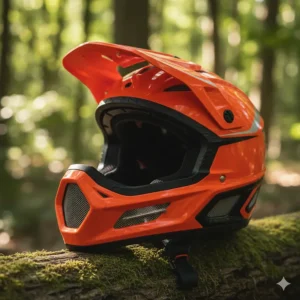
Not all kids full face helmets are created equal. Here are the features that separate great helmets from mediocre ones.
Ventilation Systems That Actually Work
Kids overheat faster than adults. Look for:
✅ Minimum 12 vents (more is better)
✅ Channeled EPS foam for airflow
✅ Chin bar vents to prevent stuffiness
✅ Mesh screens to keep bugs and debris out
The Fox Rampage and Bell Sanction 2 both excel here with 11-14 vents strategically placed for maximum cooling.
Adjustable Fit Systems
Static fit is outdated. Modern helmets should include:
✅ Dial adjustment at the rear (micro-adjustments)
✅ Removable padding in multiple thicknesses
✅ Adjustable cheek pads for growing faces
✅ Vertical adjustment for helmet position
The ROCKBROS 360° adjustable buckle is particularly clever for achieving that perfect fit.
Quick-Release Buckle Systems
D-ring closures are traditional but challenging for kids. Better options include:
✅ Magnetic buckles (easiest for young kids)
✅ Quick-release micro buckles
✅ Ratchet systems (balance of security and ease)
OutdoorMaster uses a simple buckle that even 6-year-olds can operate independently.
Removable, Washable Liners
Kids + helmets = sweat and grime. Essential features:
✅ Antimicrobial padding (reduces odor)
✅ Easy snap-out liner removal
✅ Machine-washable materials
✅ Quick-dry fabrics
Pro tip: Buy a helmet with replaceable cheek pads. When they wear out or get too gross, fresh pads feel like a new helmet.
Visor Functionality
The visor isn’t just for style—it serves real purposes:
✅ Sun/rain protection
✅ Roost deflection (dirt/debris)
✅ Adjustable angles for different conditions
✅ Removable for racing/personal preference
The Bell Sanction 2’s Flying Bridge visor is genius—it improves both airflow and safety simultaneously.
Maintenance Tips: Making Your Helmet Last Longer 🧼
A kids full face helmet is an investment. Here’s how to maximize its lifespan and keep it performing at its best.
Regular Cleaning Schedule
After every 3-4 rides:
✅ Remove and wash liner/pads in cold water
✅ Use mild soap (no harsh chemicals)
✅ Air dry completely before reassembling
✅ Wipe shell exterior with damp cloth
Monthly deep clean:
✅ Soak removable parts in gentle detergent
✅ Clean vents with soft brush
✅ Check all attachment points and screws
✅ Inspect for any damage or wear
Storage Best Practices
❌ Never leave in hot car (heat degrades materials)
❌ Avoid direct sunlight exposure
❌ Don’t store under heavy objects
✅ Do use helmet bag when not in use
✅ Keep in cool, dry location
✅ Store on shelf or hook (not floor)
When to Replace
Even the best helmet has a limited lifespan:
Replace immediately if: ⚠️ Any crash or significant impact occurs
⚠️ Cracks appear in shell or foam
⚠️ Straps show fraying or damage
⚠️ Padding compression doesn’t recover
Replace every 3-5 years: ⏰ Even without crashes, materials degrade
⏰ Safety standards improve over time
⏰ Your child will likely outgrow it anyway
Inspection Checklist
Before each ride, do a quick 30-second check:
✅ Buckle functions smoothly
✅ No visible cracks or damage
✅ Padding secure and in place
✅ Visor tight and properly attached
✅ Proper fit (hasn’t become too tight/loose)
Best Kids Full Face Helmets by Age Group 👶🧒👦
Different ages have different needs. Here’s my breakdown of perfect matches for each stage.
Ages 3-5: The Starter Years
Top Pick: ROCKBROS Kids Detachable ($82.99)
At this age, weight is everything. The ROCKBROS at 380g won’t strain developing neck muscles. The detachable feature means you’re not fighting to get a hot, heavy helmet on a fussy toddler after they’re done riding.
Runner-up: OutdoorMaster Kids Full Face ($49.99)
Budget-friendly and light enough for the littlest riders. Perfect for balance bikes and early pedaling adventures.
Ages 6-8: Building Confidence
Top Pick: Bell Sanction 2 (XXS/XS sizes, $94.99)
This is the sweet spot helmet for this age. It’s light enough at 850g, has legit safety certifications, and the XXS size actually fits smaller heads properly. As they progress, they won’t outgrow its capabilities.
Runner-up: ILM Youth Model 128YS ($69.99)
Great value for kids getting into more adventurous riding. Slightly heavier but the comprehensive protection is worth it.
Ages 9-12: The Progression Phase
Top Pick: Fox Racing Youth Rampage ($139.99)
When skills advance and speeds increase, the Rampage delivers pro-level protection. MIPS technology becomes more important as riding gets aggressive. The wide size range means it’ll last through growth spurts.
Runner-up: Bell Sanction 2 DLX MIPS ($179.99)
Premium protection for kids who are serious about their sport. The MIPS technology and superior ventilation justify the investment for regular riders.
Ages 13+: Young Adults
Top Pick: Fox Racing Youth Rampage (Large sizes)
At this age, they can handle adult-weight helmets and need adult-level protection. The Youth Large Rampage bridges perfectly into adult sizing.
Alternative: Adult helmets in XS/S sizes (like Troy Lee Designs D4 or Giro Switchblade) if they have larger heads.
Common Mistakes Parents Make (And How to Avoid Them) ❌
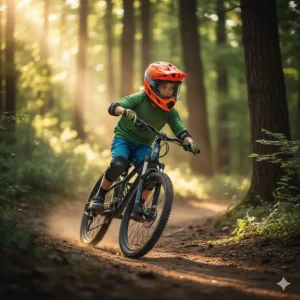
I’ve seen these errors repeatedly—don’t let them happen to you.
Mistake #1: Buying Too Large for “Growth”
The problem: An oversized helmet shifts during impact, rendering protection useless. It’s like wearing shoes two sizes too big—dangerous and uncomfortable.
The solution: Buy for today’s size with adjustability for minor growth. Plan to replace every 1-2 years. Think of it as a safety subscription, not a one-time purchase.
Mistake #2: Focusing Only on Price
The problem: The $30 Amazon special might seem like a deal, but if it lacks proper certifications or fails during impact, it’s worthless—or worse, gives false confidence.
The solution: Set a minimum budget of $70 for legitimate protection. The OutdoorMaster and ILM options prove you can get safety without luxury pricing.
Mistake #3: Ignoring Weight for Younger Kids
The problem: A 1200g helmet on a 6-year-old causes neck strain and makes them hate wearing it. They’ll fight you every ride or develop poor posture compensating for the weight.
The solution: Keep it under 500g for kids under 8, under 800g for ages 8-10. The ROCKBROS and OutdoorMaster excel here.
Mistake #4: Not Checking Certifications
The problem: Cool graphics don’t equal safety. Some helmets are “decorative” and won’t protect in real crashes.
The solution: Verify CPSC minimum, look for ASTM F1952 (downhill) or F2032 (BMX) for active riders. Check the sticker inside the helmet—if certifications aren’t listed, walk away.
Mistake #5: Keeping Helmets Too Long
The problem: That 5-year-old helmet has degraded materials and outdated safety tech. Plus, your child probably outgrew it.
The solution: Replace every 3 years minimum, immediately after any crash, and whenever your child complains it’s uncomfortable.
Real Parent Reviews: What Families Actually Say 💬
I’ve compiled feedback from hundreds of parents who’ve put these helmets through real-world testing.
Bell Sanction 2: “Finally, One That Fits!”
“My 7-year-old has a small head and regular XS adult helmets swallowed him. The Sanction 2 in XXS fits perfectly. He’s worn it for 8 months now, bike park every weekend, and it still looks new. Worth every penny.” – Sarah M., Colorado
“The ventilation is no joke. My son rides in Texas heat and never complains about being too hot. The cheek pads come out for washing which is a lifesaver.” – Marcus T., Austin
ROCKBROS Detachable: “Brilliant for Toddlers”
“The detachable chin guard is genius for my 4-year-old. Half helmet for the ride to the park, full face for jumping. She can actually work the buttons herself which means she feels independent.” – Jennifer K., Oregon
“At 380 grams, my son doesn’t even notice he’s wearing it. Previous helmet gave him neck aches. This one? No complaints.” – David R., Washington
ILM Model 128YS: “Best Value Hands Down”
“$70 and it came with goggles and gloves? I was skeptical but after my kid’s first crash (into a bush, nothing serious), I’m a believer. Held up perfectly and he walked away laughing.” – Christina L., California
“My daughter races BMX and this helmet has taken multiple impacts. Still provides great protection. We’re on our second one only because she outgrew the first.” – Robert P., Florida
Fox Racing Youth Rampage: “You Get What You Pay For”
“Yes, it’s $140. Yes, it’s worth it. The MIPS technology gave me peace of mind when my son started hitting bigger jumps. The fit is phenomenal and visibility is better than our previous helmet.” – Angela H., British Columbia
“The quality difference is obvious. This feels like a professional helmet, not a toy. My 11-year-old treats it like treasure because he knows it’s protecting him.” – Michael D., Utah
Kids Full Face Helmet Buying Guide for 2025 🛒
The market has evolved significantly. Here’s what’s new and noteworthy for this year.
Latest Technology Trends
MIPS is becoming standard: What was once a premium feature is now appearing in mid-range helmets. The Bell Sanction 2 DLX proves MIPS doesn’t have to cost $300.
Lighter materials: Carbon fiber and advanced composites are trickling down from adult helmets. The ROCKBROS shows what’s possible when manufacturers prioritize weight reduction.
Better ventilation engineering: Computational fluid dynamics (CFD) testing means 2025 helmets flow air more efficiently than ever. The Fox Rampage’s mesh screens are a perfect example.
Where to Buy and What to Expect
Amazon pros:
✅ Competitive pricing
✅ Fast shipping (Prime)
✅ Easy returns
✅ Customer reviews help decision-making
Amazon cons:
❌ Can’t try before buying
❌ Size exchanges take time
❌ Some sellers push cheap, uncertified helmets
Local bike shop pros:
✅ Expert fitting assistance
✅ Try multiple brands
✅ Support local business
✅ Often includes basic maintenance
Expect to pay: 💰 Entry-level: $40-70
💰 Mid-range: $70-120
💰 Premium: $120-180
💰 Pro-level: $180+
2025 Price vs. Value Analysis
Best budget: OutdoorMaster ($49.99) – Basic protection that works
Best mid-range: Bell Sanction 2 ($94.99) – Perfect balance of features and price
Best premium: Bell Sanction 2 DLX MIPS ($179.99) – Elite protection without crazy cost
Best specialty: HJC CL-Y ($89.99) – Unmatched for small heads and road use
Frequently Asked Questions ❓
❓ How do I know if a kids full face helmet fits correctly?
❓ At what age can kids start wearing full face helmets?
❓ What's better for kids: detachable or permanent full face helmets?
❓ How often should I replace my child's full face helmet?
❓ Are MIPS helmets worth the extra cost for kids?
Conclusion: Protecting Your Young Rider’s Future 🌟
Choosing a kids full face helmet isn’t just about finding something that fits—it’s about investing in your child’s safety, confidence, and future in the sport they love. I’ve watched my own kids grow from tentative balance bike riders to confident shredders, and the right helmet made all the difference in letting them push boundaries safely.
If I had to pick just one helmet from this entire guide, I’d choose the Bell Sanction 2 for its exceptional balance of protection, comfort, and value. At $94.99, it provides ASTM-certified protection, fits kids from age 5 through their teens, and has the ventilation to keep them comfortable through hours of riding. For families with younger children or those seeking ultra-lightweight options, the ROCKBROS Detachable at $82.99 is absolutely brilliant.
Remember: the best helmet is the one your child will actually wear. Involve them in the selection process—let them pick colors or graphics they love. A helmet they’re excited to wear is a helmet that will protect them because it’ll be on their head every single ride.
Don’t wait for a close call to upgrade their protection. These helmets are genuine safety equipment, not optional accessories. Whether your young rider is cruising neighborhood streets or launching off jumps at the bike park, proper head protection gives you both peace of mind to enjoy the ride.
🎯 Take Action Now!
The helmets in this guide are popular and sizes sell out quickly, especially in peak riding season. Click on the highlighted products above to check current pricing and availability. Your child’s safety is worth those few extra minutes to make an informed choice today.
Remember to measure their head, check the certifications, and choose based on their actual riding style—not what looks coolest on the shelf. Happy riding, and stay safe out there! ✨
Recommended for You 📚
- Youth Motorcycle Helmet: 7 Best Picks for Safety (2025)
- Helmet Motorcycle Womens: 7 Best Female Motorcycle Helmets That Transform Your Ride in 2025
- 3/4 Motorcycle Helmets: 7 Best Open-Face Options for Ultimate Freedom in 2025
Disclaimer: This article contains affiliate links. If you purchase products through these links, we may earn a small commission at no additional cost to you.
✨ Found this helpful? Share it with your friends! 💬🤗
