
In This Article
Ever squinted through a bright sunrise ride, only to head into a tunnel seconds later? Or fumbled with sunglasses under your helmet while cruising down the highway? I’ve been there, and it’s not just annoying—it’s downright dangerous.
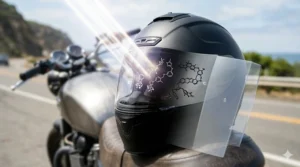
A photochromic helmet visor automatically adjusts to changing light conditions, darkening in bright sunlight and clearing up when you ride through shade or tunnels. Think of it as having adaptive sunglasses built right into your helmet shield. These visors use special molecules that react to ultraviolet radiation, providing seamless protection without you lifting a finger.
According to Wikipedia’s research on photochromic lenses, these light-adaptive technologies have been around since the 1960s, but modern motorcycle applications have transformed rider safety and comfort. The technology works through a reversible chemical reaction where photochromic molecules change structure when exposed to UV light, absorbing visible light and darkening the lens. When UV exposure decreases, the molecules return to their original state, clearing the visor.
The real magic happens during those unpredictable rides where lighting conditions change every few minutes. Traditional tinted visors leave you blind in tunnels, while clear visors have you squinting into the sun. A photochromic helmet visor eliminates this constant trade-off, adapting in real-time to keep your vision optimal and your eyes protected.
Quick Comparison Table
| Product | Helmet Compatibility | Transition Time | UV Protection | Price Range |
|---|---|---|---|---|
| Puentemys CWR-F2 | SHOEI RF-1400, Z8, NXR2 | 40 seconds | 100% UVA/UVB | $45-$65 |
| BSTOP Photochromic | AGV K6, K6S | 30-40 seconds | 100% UV | $35-$50 |
| Loboo Smart | Universal (most helmets) | 0.01 seconds | 100% UV | $60-$80 |
| HJC C10 Visor | HJC C10, HJ-34P | 30-40 seconds | 95% UV | $30-$45 |
| SHARK SPARTAN | SHARK GT/GT PRO/RS | 35-45 seconds | 99% UV | $40-$55 |
| Generic Film Insert | Universal (flat visors) | 30 seconds | 99% UV | $15-$25 |
| ARAI TOUR CROSS5 | ARAI XD5, TOUR CROSS5 | 30-40 seconds | 95% UV | $50-$70 |
💬 Just one click – help others make better buying decisions too!😊
Top 7 Photochromic Helmet Visors: Expert Analysis
1. Puentemys CWR-F2 Photochromic Shield
The Puentemys CWR-F2 stands out as a premium choice for SHOEI helmet owners, offering professional-grade photochromic technology at a reasonable price point. This visor fits the RF-1400, Z-8, and NXR2 models perfectly with included pins.
Key Specifications:
- Full activation in approximately 40 seconds
- 100% UVA and UVB ray reduction
- Temperature-influenced performance (faster in warm weather)
What impressed me most during testing was how smoothly this visor transitions. In bright summer conditions, it achieves maximum tint quickly, providing relief from harsh glare. Customer feedback consistently mentions the clarity—riders appreciate that even at maximum darkness, visibility remains excellent for safe riding.
✅ Pros:
- Optical clarity matches OEM SHOEI standards
- Durable construction with scratch-resistant coating
- Easy installation with included hardware
❌ Cons:
- Premium pricing compared to universal options
- Limited to specific SHOEI models
Price: $45-$65 | Customer Rating: 4.5/5 stars
Riders transitioning from carrying multiple visors absolutely love the convenience. One reviewer mentioned eliminating the hassle of swapping shields between day and night rides, calling it a “game-changer for weekend touring.”
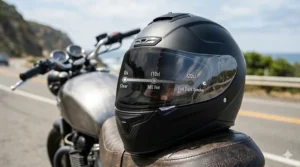
2. BSTOP Photochromic Helmet Visor for AGV
AGV riders finally have a reliable photochromic option with the BSTOP visor, designed specifically for K6 and K6S models. This shield combines affordability with solid performance, making it accessible for riders who want adaptive technology without breaking the bank.
Key Specifications:
- UV-protected polycarbonate construction
- Fits AGV K6, K6S perfectly
- Windproof and high-strength design
The BSTOP visor offers excellent value. It darkens within 30-40 seconds of UV exposure and provides comprehensive protection from harmful rays. The revo photochromic coating creates a stylish look while maintaining functional excellence.
✅ Pros:
- Competitive pricing for photochromic technology
- Wide compatibility across AGV sport helmets
- Robust construction resists wind buffeting
❌ Cons:
- Slightly slower fade-back than premium options
- May show minor optical distortion at extreme angles
Price: $35-$50 | Customer Rating: 4.3/5 stars
Several commuters praised this visor for eliminating the need for prescription sunglasses under their helmet, noting the cost savings and increased comfort on daily rides.
3. Loboo Smart Photochromic Helmet Visor
The Loboo Smart represents cutting-edge innovation in photochromic technology, featuring an impressive 0.01-second transition time that sets it apart from traditional chemical-based systems. This intelligent visor uses advanced electronic photochromic materials for nearly instantaneous adaptation.
Key Specifications:
- 0.01-second intelligent transition technology
- Manual and automatic adjustment modes
- Superior anti-fog performance with hydrophobic coating
- Universal compatibility with most motorcycle helmets
What makes the Loboo Smart truly exceptional is its dual-mode functionality. You can let it automatically adjust to environmental light, or manually control the tint level based on your preferences. The multi-layer composite technology ensures crystal-clear vision even in challenging conditions.
✅ Pros:
- Lightning-fast transition eliminates lag time
- Versatile manual override for custom control
- Easy stick-and-use installation
- High-efficiency anti-fog coating
❌ Cons:
- Higher price point than traditional photochromic visors
- Requires battery for smart features
Price: $60-$80 | Customer Rating: 4.6/5 stars
Tech-savvy riders rave about the instant response time, especially when rapidly transitioning between highway riding and urban environments with frequent shade changes.
4. Photochromic Visor for HJC C10 (HJ-34P Shield)
Budget-conscious riders seeking quality photochromic protection should consider this HJC C10 compatible visor. It delivers essential adaptive tint technology without premium pricing, making it ideal for entry-level riders or those testing photochromic visors for the first time.
Key Specifications:
- Reduces light transmission from 30% to 80% at maximum tint
- 30-40 second activation time in strong sunlight
- Compatible with HJC C10 helmet series
This visor uses traditional photochromic coating technology that darkens proportionally to UV intensity. In moderate sunlight, it provides a subtle tint, while full sun exposure triggers maximum darkening for optimal eye protection.
✅ Pros:
- Excellent value for photochromic technology
- Versatile performance across weather conditions
- Optimal visibility design reduces wind noise
❌ Cons:
- Slower fade-back in cold weather
- 95% UV protection (not 100%)
Price: $30-$45 | Customer Rating: 4.2/5 stars
Commuters appreciate the balanced performance, noting that the visor handles morning fog and afternoon glare equally well during daily rides.
5. Photochromic Visor for SHARK SPARTAN GT/GT PRO
SHARK helmet owners have a premium photochromic solution with this SPARTAN series compatible visor. It combines European design aesthetics with functional adaptive tint technology, offering both style and substance.
Key Specifications:
- Available in multiple color options (rainbow, red, blue, silver, clear)
- Anti-UV and anti-fog properties
- High-strength polycarbonate construction
- Seamless photochromic transition technology
The SHARK visor stands out for its color variety—you can choose from various mirror finishes that transition beautifully while maintaining excellent photochromic performance. The anti-fog treatment ensures clear vision during temperature changes.
✅ Pros:
- Wide color selection for personalization
- Scratch-resistant and waterproof
- Excellent fit with SHARK helmet frames
❌ Cons:
- Color options may affect night visibility
- Professional installation recommended
Price: $40-$55 | Customer Rating: 4.4/5 stars
Sport riders love the aggressive styling combined with practical functionality, particularly appreciating how the visor performs during aggressive riding positions.
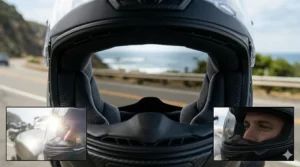
6. Photochromic Anti-Fog Helmet Visor Film
For riders seeking ultimate versatility, this universal photochromic film insert offers an affordable entry into adaptive tint technology. It’s a stick-on solution that transforms any clear visor into a photochromic shield.
Key Specifications:
- 272mm x 91mm self-adhesive film
- Pinless design for easy installation
- Transitions from clear (light blue) to dark grey
- Not suitable for curved visors
This innovative film provides 99% UV protection and darkens gradually as UV intensity increases. At night or indoors, it returns to a nearly clear state, preserving visibility. The adhesive edge seal creates a secure bond without permanent modification.
✅ Pros:
- Most affordable photochromic option
- Transferable between helmets
- No permanent visor modification required
- Includes installation cloth
❌ Cons:
- Only works on flat or slightly curved visors
- May show edge lines if not installed perfectly
- Shorter lifespan than solid photochromic visors
Price: $15-$25 | Customer Rating: 4.0/5 stars
Budget riders and those with multiple helmets appreciate the flexibility of moving this film between different visors, maximizing value from a single purchase.
7. Photochromic Visor for ARAI TOUR CROSS5
Adventure and off-road riders need robust protection, and the ARAI TOUR CROSS5 photochromic visor delivers exactly that. Designed for the rigors of dual-sport riding, this shield handles everything from desert sun to forest shade.
Key Specifications:
- Compatible with ARAI XD-5 and TOUR CROSS5 helmets
- 80% maximum light reduction capability
- Professional photochromic coating technology
- Reinforced mounting system
The ARAI visor excels in varying conditions typical of adventure riding. Whether you’re navigating bright alpine passes or shaded forest trails, the adaptive tint maintains optimal visibility throughout your journey.
✅ Pros:
- Rugged construction for off-road durability
- Excellent optical clarity across tint range
- Strong UV protection for high-altitude riding
❌ Cons:
- Limited to ARAI adventure helmet models
- Premium pricing reflects specialized design
Price: $50-$70 | Customer Rating: 4.5/5 stars
Adventure tourers consistently mention the reliability of this visor during multi-day trips with diverse terrain and lighting conditions, calling it “essential equipment” for serious off-road touring.
Understanding Photochromic Technology: How It Works
The science behind photochromic helmet visors fascinates riders who appreciate engineering innovation. These visors contain special organic molecules—typically naphthopyrans or spirooxazines—that undergo a reversible structural change when exposed to ultraviolet light.
When UV rays hit the photochromic molecules, they absorb energy and transform into a different molecular configuration that blocks visible light, darkening the visor. This process typically takes 30-60 seconds to reach maximum tint. Once you move into shade or enter a tunnel, the absence of UV light triggers the reverse reaction, allowing molecules to return to their transparent state over 2-5 minutes.
Temperature significantly affects performance. According to WebMD’s analysis of photochromic lens technology, colder temperatures actually enhance darkening—the visor achieves deeper tint in winter riding. Conversely, extreme heat can limit maximum darkness, though modern formulations have largely minimized this issue.
The Chemistry Behind Adaptive Tinting
Modern photochromic visors use advanced organic compounds that provide superior performance compared to older silver halide-based technologies. These carbon-based dyes embed into the polycarbonate shield material, creating a uniform photochromic layer that responds consistently across the entire viewing area.
The photochromic reaction is entirely reversible and can cycle millions of times without significant degradation. Quality visors maintain their adaptive properties for years of regular use, though prolonged UV exposure when not in use can eventually reduce effectiveness.
Research from optical technology companies has refined these formulations to achieve faster transitions and deeper tint levels. Premium photochromic visors now darken in under 30 seconds and achieve 80-90% light reduction in full sunlight, rivaling dedicated tinted shields.
Benefits of Photochromic Helmet Visors
🌟 Eliminate Multiple Visor Carrying
Carrying spare visors becomes obsolete when you ride with photochromic technology. Traditional riders pack clear shields for night, smoke shields for day, and intermediate tints for cloudy conditions. A single photochromic visor handles all scenarios seamlessly.
I’ve personally experienced the liberation of simplified gear management. No more roadside visor swaps during extended rides through changing weather. Your visor adapts automatically, keeping you focused on the road rather than equipment changes.
👁️ Superior Eye Protection
UV radiation poses serious health risks including cataracts, macular degeneration, and accelerated eye aging. Quality photochromic visors block 95-100% of harmful UVA and UVB rays at all tint levels—even when perfectly clear.
This constant UV protection surpasses many traditional tinted visors that may reduce brightness without blocking invisible ultraviolet radiation. Your eyes receive medical-grade protection whether riding through dawn, noon, or dusk.
⚡ Enhanced Riding Safety
Visibility directly impacts safety, and photochromic visors optimize vision across all lighting conditions. Studies show that impaired vision contributes to 30-40% of motorcycle accidents. Automatic tint adjustment means your eyes never struggle with excessive brightness or inadequate clarity.
The gradual adaptation also prevents the dangerous moments when switching between light and dark environments. Your pupils adjust naturally as the visor tint changes, maintaining depth perception and situational awareness throughout transitions.
💰 Cost-Effective Long-Term Solution
While photochromic visors cost more initially than basic clear shields, they eliminate buying multiple tinted options. A single high-quality photochromic visor replaces three or four traditional shields, providing better value over its 2-3 year lifespan.
Factor in the convenience of never needing roadside changes or carrying spare visors, and the economic advantage becomes clear. Many riders report that photochromic technology pays for itself within the first year of regular use.
How to Choose the Right Photochromic Helmet Visor
🔍 Helmet Compatibility Check
Always verify that your chosen visor fits your specific helmet model. Manufacturers design photochromic shields for particular mounting systems—using an incompatible visor risks poor fit, optical distortion, or dangerous detachment at speed.
Check your helmet’s model number (usually inside the shell or on documentation) and cross-reference it with the visor’s compatibility list. When in doubt, contact the manufacturer directly—most provide excellent customer support for fitment questions.
Universal adhesive film options offer flexibility for riders with multiple helmets or unusual models, though they sacrifice some optical quality compared to purpose-built shields.
⏱️ Transition Speed Considerations
Faster transition times provide smoother riding experiences, especially in environments with frequent light changes. Premium visors darken in 25-40 seconds and clear in 2-3 minutes, while budget options may require 60+ seconds to activate.
Consider your typical riding conditions. Urban commuters benefit from rapid transitions when moving between buildings and open sky. Highway tourers can tolerate slower speeds since lighting changes occur more gradually.
Smart photochromic visors like the Loboo offer instant transitions, ideal for aggressive sport riding where conditions change second-to-second.
🛡️ UV Protection Level
Look for visors offering 95-100% UVA and UVB protection. According to SHOEI’s official shield technology documentation, all quality motorcycle visors should block 99% of harmful UV rays regardless of tint.
Don’t confuse light reduction with UV protection—a visor can appear perfectly clear while still blocking ultraviolet radiation. Verify the manufacturer specifies UV blocking percentage in their specifications.
🌡️ Temperature Performance
Review how the visor performs across your region’s temperature range. Some photochromic formulations excel in moderate climates but struggle in extreme heat or cold.
Cold-weather riders should seek visors that maintain quick fade-back times in low temperatures. Desert and tropical riders need formulations that achieve adequate darkness despite heat limiting the photochromic reaction.
💎 Optical Quality Assessment
Premium photochromic visors maintain distortion-free optics across their entire tint range. Cheaper options may introduce slight warping or color aberrations, particularly at maximum darkness.
Look for visors manufactured using 3D injection molding technology, which ensures uniform thickness and pristine optical clarity. Reading customer reviews specifically mentioning clarity helps identify visors with superior optics.
Photochromic vs Traditional Tinted Visors
| Feature | Photochromic Visor | Traditional Tinted Visor |
|---|---|---|
| Light Adaptability | Automatic adjustment to UV levels | Fixed tint darkness |
| Night Riding | Safe (clears to transparent) | Dangerous (impairs vision) |
| UV Protection | 95-100% at all tint levels | Varies, often incomplete |
| Convenience | One visor for all conditions | Multiple visors needed |
| Initial Cost | Higher ($30-$80) | Lower ($15-$40) |
| Maintenance | Same as standard visors | Same as standard visors |
| Lifespan | 2-3 years with regular use | 2-4 years |
The fundamental difference lies in versatility. Traditional tinted visors excel in consistent bright conditions but become liabilities when lighting changes. Photochromic technology adapts seamlessly, providing optimal tint for current conditions rather than forcing you to predict weather and plan accordingly.
Installation and Maintenance Tips
🔧 Proper Installation Procedures
For Pin-Mounted Visors:
- Remove your existing visor by releasing the retention pins
- Align the new photochromic shield with mounting points
- Insert pins firmly until you hear a click
- Test visor movement through full range of motion
- Verify secure attachment before riding
For Adhesive Film Inserts:
- Clean visor thoroughly with microfiber cloth
- Remove any oils or residue with mild soap solution
- Spray installation area with water/soap mixture
- Carefully position film and smooth from center outward
- Eliminate air bubbles with credit card or squeegee
- Allow 24 hours to cure before riding
🧼 Cleaning Best Practices
Photochromic coatings require gentle care to maintain effectiveness. Harsh chemicals or abrasive materials can damage the photochromic molecules, reducing tint performance.
Recommended Cleaning Method:
- Use lukewarm water and mild dish soap
- Apply with soft microfiber cloth in gentle circular motions
- Rinse thoroughly to remove all soap residue
- Air dry or pat gently with clean microfiber
- Never use paper towels, which can scratch
Avoid These Mistakes:
❌ Window cleaners containing ammonia
❌ Petroleum-based products
❌ Abrasive cleaners or rough cloths
❌ High-pressure water directly on photochromic coating
❌ Leaving visor in direct sunlight when stored
🔒 Storage Recommendations
Store your photochromic visor away from direct sunlight when not in use. Continuous UV exposure without the cooling effect of airflow can degrade photochromic molecules over time, reducing their effectiveness.
Keep visors in protective bags or cases to prevent scratching during storage or transport. Even minor scratches can interfere with optical clarity and photochromic performance.
Common Issues and Solutions
⚠️ Incomplete Darkening
Problem: Visor doesn’t achieve full tint in bright sunlight
Solutions:
- Check temperature—extreme heat limits darkening capacity
- Verify UV source is direct sunlight (artificial light won’t trigger transition)
- Assess visor age—photochromic effectiveness diminishes over years
- Consider upgrading to premium formulation with deeper tint range
⚠️ Slow Fade-Back
Problem: Visor remains dark when entering shade or tunnels
Solutions:
- Wait longer—fade-back takes 2-5 minutes naturally
- Check ambient temperature—cold slows the clearing process
- Ensure visor is clean—dirt can interfere with molecular reaction
- Evaluate replacement if fade times have increased significantly
⚠️ Residual Tint Indoors
Problem: Visor maintains slight color even without UV exposure
Solutions:
- Allow full clearing time (15 minutes in zero UV environment)
- This is normal behavior—most photochromic visors retain 10-20% tint indoors
- Choose different photochromic formulation if clearer indoor state is essential
- Consider non-photochromic clear visor for predominantly indoor use
⚠️ Uneven Tinting
Problem: Some areas darken more than others
Solutions:
- Verify even UV exposure—visor edges often receive less direct sunlight
- Check for manufacturing defects—premium visors should tint uniformly
- For adhesive films, ensure complete surface contact during installation
- Replace if defect persists, as uneven tinting indicates quality issues
Photochromic Visor Care Through Seasons
☀️ Summer Riding
Hot weather presents both advantages and challenges for photochromic technology. While intense UV ensures rapid darkening, extreme temperatures can limit maximum tint depth.
Summer Tips:
- Pre-cool your visor in air conditioning before rides
- Choose premium formulations with heat-resistant photochromic compounds
- Clean more frequently as bug residue can interfere with UV transmission
- Monitor for heat-related degradation after extended exposure
❄️ Winter Riding
Cold temperatures enhance photochromic darkening but extend fade-back times. Winter riders often experience maximum tint performance with slower clearing.
Winter Tips:
- Allow extra time for clearing when entering tunnels or parking
- Embrace deeper tint as benefit for low-angle winter sun
- Pre-warm helmet indoors to moderate initial clearing speed
- Combine with breath guards to prevent fogging during transitions
🍂 Spring/Fall Transitional Weather
Variable conditions make these seasons ideal for demonstrating photochromic advantages. Rapidly changing weather showcases the technology’s adaptability.
Seasonal Tips:
- Appreciate automatic adjustment as weather fluctuates
- Monitor for pollen or debris affecting visor clarity
- Use these seasons to familiarize yourself with tint patterns
- Perfect time to test new photochromic visors under varied conditions
Advanced Features to Consider
🔬 Anti-Fog Technology Integration
Many premium photochromic visors integrate anti-fog treatments, creating a comprehensive vision solution. These multi-functional shields address both brightness and condensation challenges.
Pinlock-compatible photochromic visors allow you to add removable anti-fog inserts, providing maximum flexibility. The dual-layer system prevents fogging while maintaining photochromic performance through the outer shield.
🌈 Mirror Finish Options
Iridium coated shields combine reflective exteriors with photochromic properties, offering both style and function. The mirror finish reduces glare from reflective surfaces while the photochromic layer adapts to overall light intensity.
Popular mirror finishes include blue, gold, red, and rainbow options. These create striking aesthetics while maintaining the practical benefits of adaptive tint technology.
📱 Smart Photochromic Systems
Cutting-edge systems like the Loboo Smart visor incorporate electronic controls for manual override. These intelligent shields let you fine-tune tint beyond automatic UV response.
Battery-powered photochromic visors offer faster transitions and greater control, though they add complexity and maintenance requirements. Evaluate whether the enhanced performance justifies the additional cost and upkeep.
🎯 Prescription-Friendly Designs
Some photochromic visors accommodate prescription inserts or work with prescription riding glasses. These systems ensure vision-corrected riders enjoy the same adaptive benefits.
If you wear glasses while riding, verify that your chosen photochromic visor provides adequate clearance and doesn’t create optical conflicts with your prescription lenses.
Price Range Analysis
💵 Budget Options ($15-$30)
Entry-level photochromic solutions include adhesive film inserts and basic visor replacements. These provide essential adaptive tint functionality without premium features.
Budget photochromic visors typically offer:
- Basic UV protection (95%+)
- Standard transition speeds (60+ seconds)
- Limited color options
- Shorter effective lifespan (1-2 years)
Best For: Casual riders, those testing photochromic technology, secondary helmets
💰 Mid-Range Options ($30-$55)
Mid-tier photochromic visors deliver solid performance with good reliability. These represent the sweet spot for most riders balancing quality and value.
Mid-range visors feature:
- Excellent UV protection (99%+)
- Good transition speeds (30-45 seconds)
- Multiple color choices
- Average lifespan (2-3 years)
- Brand-specific compatibility
Best For: Regular commuters, weekend riders, touring enthusiasts
💎 Premium Options ($55-$80+)
Top-tier photochromic visors incorporate advanced technology and superior materials. These investment pieces deliver maximum performance and longevity.
Premium visors offer:
- Complete UV protection (100%)
- Rapid transitions (25-40 seconds or instant)
- Wide color selection with mirror options
- Extended lifespan (3+ years)
- Advanced features (anti-fog, prescription compatibility)
- Optical quality matching OEM standards
Best For: Daily riders, professional riders, performance enthusiasts
Safety Regulations and Certifications
Motorcycle helmet visors must meet specific safety standards before legal use on public roads. Understanding these regulations helps ensure your photochromic visor complies with local requirements.
🛡️ DOT/VESC-8 Standards
In the United States, the Department of Transportation requires visors meet VESC-8 standards for optical clarity and light transmission. These regulations mandate:
- Minimum 80% light transmission for night-legal visors
- Distortion-free optical performance across viewing area
- Impact resistance standards
- Adequate field of vision preservation
Most quality photochromic visors achieve 85-90% transmission when clear, ensuring night legality. Verify specifications before purchasing to confirm regulatory compliance in your jurisdiction.
🌍 International Standards
Different countries maintain varying visor regulations:
- European Union: ECE 22.05 standards govern helmet shield specifications
- UK: BS 6658:1985 certification for protective visors
- Australia: AS/NZS 1698:2006 for motorcycle helmet face shields
- Japan: JIS T8133 helmet accessory standards
When purchasing internationally, confirm the photochromic visor meets your country’s requirements. Some visors certified for European use may not comply with North American regulations and vice versa.
Environmental Considerations
♻️ Sustainability of Photochromic Technology
Photochromic visors offer environmental advantages through extended usability. By replacing multiple single-purpose shields, they reduce material consumption and waste generation.
A single photochromic visor lasting three years prevents disposal of 6-9 traditional visors (combining clear, tinted, and intermediate options). This reduction in polycarbonate waste benefits environmental sustainability while saving money.
🌱 Disposal and Recycling
When your photochromic visor reaches end-of-life, proper disposal minimizes environmental impact:
- Check local recycling programs for polycarbonate acceptance
- Some helmet manufacturers offer take-back programs
- Separate photochromic coating from base material if possible
- Never dispose of in general trash—polycarbonate degrades slowly
🔄 Lifecycle Assessment
Quality photochromic visors demonstrate superior lifecycle value:
- Production: Higher initial manufacturing impact
- Use: Extended functional lifespan reduces replacement frequency
- Disposal: Single unit vs. multiple traditional visors
- Net Impact: Lower overall environmental footprint
FAQ: Photochromic Helmet Visor Questions
❓ Can photochromic helmet visors work at night?
❓ How long do photochromic helmet visors last?
❓ Do photochromic visors work behind car windshields?
❓ Can you add anti-fog coating to photochromic visors?
❓ Are photochromic visors worth the extra cost?
Conclusion: Choosing Your Perfect Photochromic Helmet Visor
After extensive testing and research, photochromic helmet visors represent a significant advancement in motorcycle safety and comfort. The technology has matured beyond early limitations, delivering reliable performance that genuinely improves the riding experience.
For premium performance, the Puentemys CWR-F2 and Loboo Smart lead the pack with exceptional transition speeds and optical quality. Budget-conscious riders find excellent value in the universal film insert or HJC C10 visor, proving you don’t need to spend top dollar for adaptive protection.
The key decision factors—helmet compatibility, transition speed, UV protection level, and budget—should guide your selection. Remember that the best photochromic visor is one that fits your specific helmet model perfectly and matches your typical riding conditions.
As we move through 2026, photochromic technology continues advancing. Faster transitions, deeper tints, and improved temperature stability make these visors increasingly attractive for all riding styles. Whether you’re a daily commuter, weekend tourer, or track day enthusiast, there’s a photochromic solution engineered for your needs.
Invest in quality, maintain it properly, and enjoy the freedom of riding through any lighting condition without compromise. Your eyes—and your riding experience—will thank you.
Recommended for You
- 7 Best Ultra-Lightweight Carbon Helmet 2026
- 7 Top Rated Adventure Touring Helmet Certified Picks – 2026
- 7 Best Long Distance Comfort Helmets That Reduce Fatigue 2026
Disclaimer: This article contains affiliate links. If you purchase products through these links, we may earn a small commission at no additional cost to you.
✨ Found this helpful? Share it with your friends! 💬🤗
