

In This Article
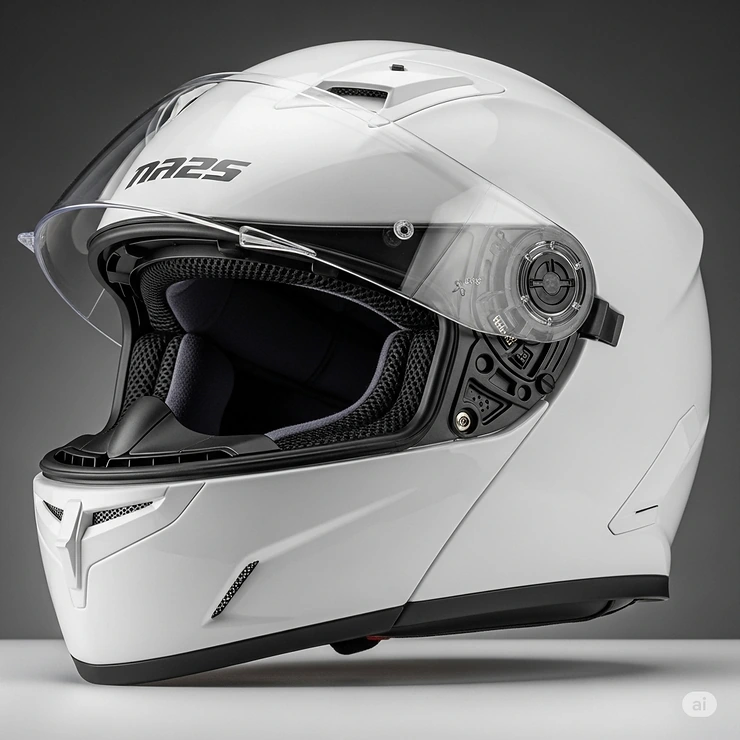
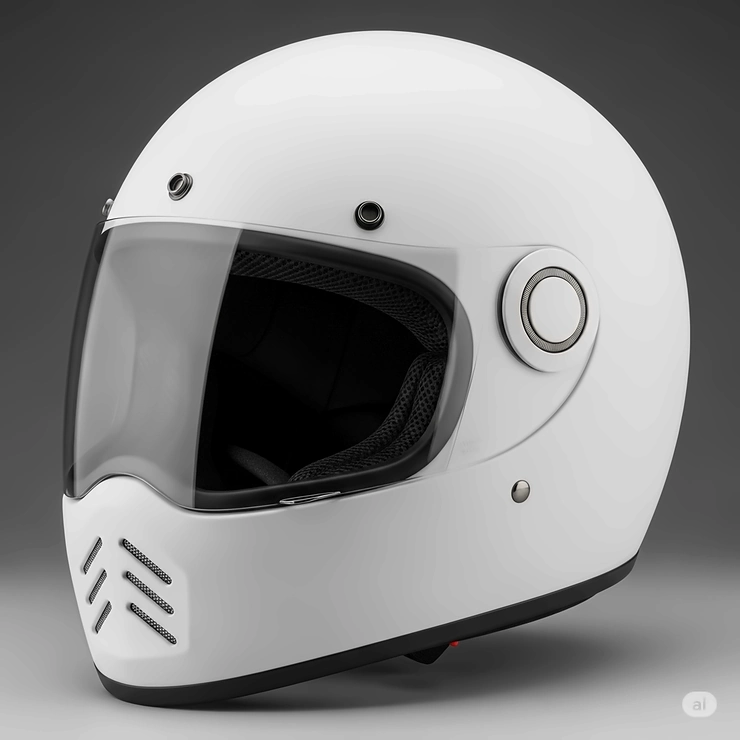
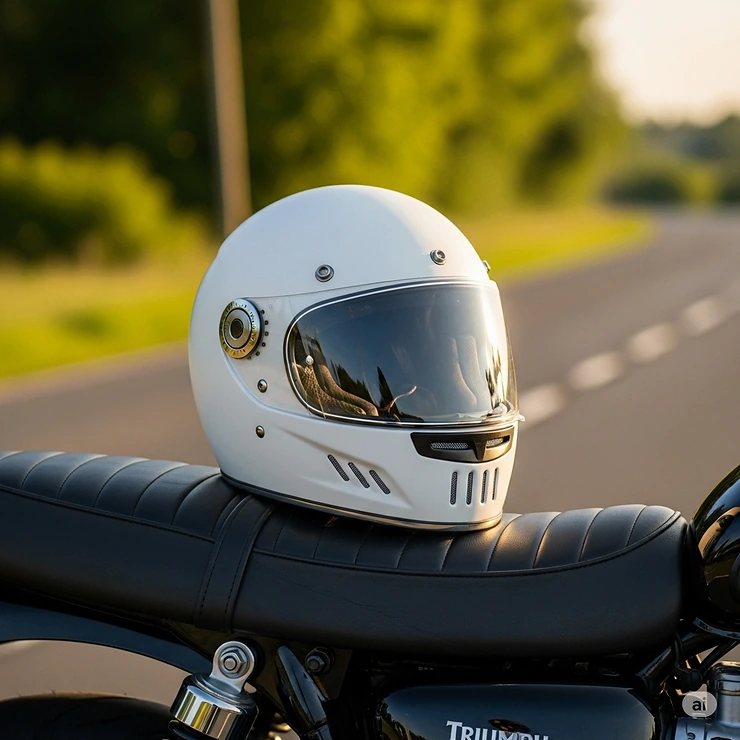
When it comes to motorcycle safety, your helmet choice can literally be a matter of life and death. Moreover, selecting the right white motorcycle helmet not only provides essential protection but also offers superior visibility and a classic aesthetic appeal that never goes out of style. Furthermore, white motorcycle helmets reflect sunlight better than darker colors, keeping riders cooler during hot summer rides.
✨Was this helpful? Spread the word! 🚀
Consequently, this comprehensive guide will walk you through everything you need to know about white motorcycle helmets, from safety certifications to comfort features. Additionally, we’ll examine the top-rated models available on Amazon, helping you make an informed decision that prioritizes both protection and performance.
Quick Comparison Table: Top White Motorcycle Helmets 2025
| Helmet Model | Price Range | Safety Rating | Weight | Key Features |
|---|---|---|---|---|
| ILM Model 317 | $69-89 | DOT Certified | 3.2 lbs | Dual Visor, Removable Liner |
| YEMA YM-829 | $75-95 | DOT/ECE Approved | 3.1 lbs | Modular Design, Anti-Fog |
| Bell Qualifier DLX | $180-220 | DOT/MIPS | 3.34 lbs | PhotoChromic Shield, MIPS |
| ScorpionEXO T520 | $199-229 | DOT/ECE | 3.4 lbs | Bluetooth Ready, AirFit System |
| HJC CS-R3 | $94-115 | DOT/ECE | 3.55 lbs | RapidFire Shield System |
| TRIANGLE TFF15 | $55-75 | DOT Approved | 3.0 lbs | Dual Visor, Budget-Friendly |
| ILM 909F Modular | $119-149 | DOT Certified | 3.6 lbs | 3-in-1 Design, Pinlock Ready |
💬 Just one click – help others make better buying decisions too!😊
Understanding White Motorcycle Helmet Safety Standards
Before diving into specific product recommendations, it’s crucial to understand the safety standards that govern white motorcycle helmets. The Department of Transportation (DOT) certification remains the minimum legal requirement in the United States, while ECE (Economic Commission for Europe) certification offers additional international recognition.
DOT vs ECE Certification Differences
DOT certification focuses primarily on impact absorption and penetration resistance. In contrast, ECE certification includes more rigorous testing protocols, including impact testing at multiple points and retention system evaluations. Therefore, helmets with both certifications offer superior protection compared to DOT-only models.
MIPS Technology in White Helmets
Furthermore, MIPS (Multi-directional Impact Protection System) technology has revolutionized helmet safety. This system allows the helmet’s outer shell to rotate independently from the inner liner, reducing rotational forces during angled impacts. Consequently, MIPS-equipped white motorcycle helmets provide enhanced protection against brain injuries.
Top 7 White Motorcycle Helmet Recommendations
1. ILM Full Face Motorcycle Helmet Model 317 🏆
The ILM Model 317 stands out as an exceptional entry-level white motorcycle helmet that doesn’t compromise on essential features. Priced between $69-89, this helmet offers remarkable value for budget-conscious riders.
Key Specifications:
- DOT FMVSS-218 certified
- Weight: 3.2 lbs
- Dual visor system (clear and tinted)
- Removable and washable liner
- Available sizes: S, M, L, XL, XXL
Customer reviews consistently praise the ILM Model 317 for its comfortable fit and excellent ventilation system. The helmet features strategically placed vents that create optimal airflow, reducing fogging and maintaining rider comfort during extended rides.
2. YEMA Helmet YM-829 Modular ⭐
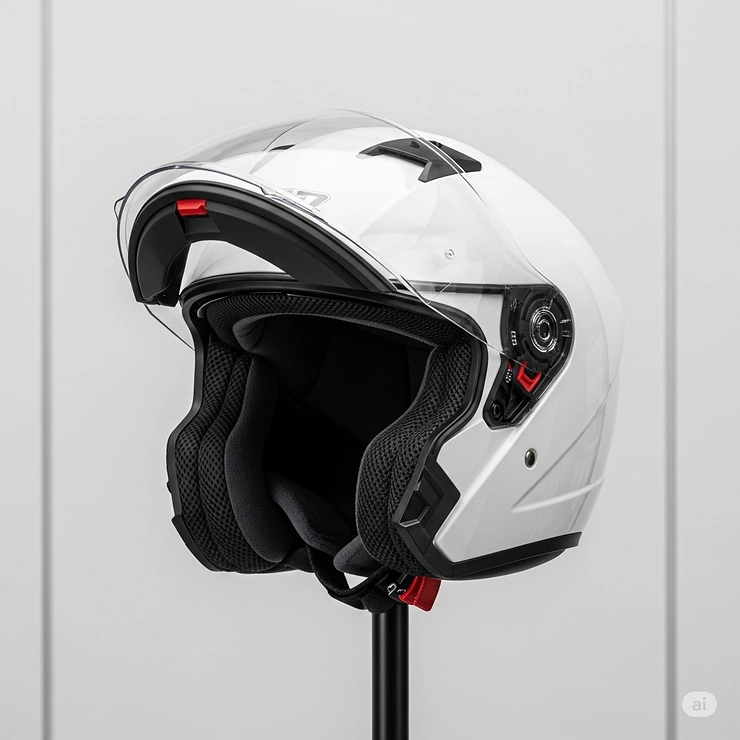
The YEMA YM-829 represents exceptional engineering in the modular white motorcycle helmet category. This versatile helmet transforms from full-face to open-face configuration, offering unmatched flexibility for different riding scenarios.
Advanced Features:
- DOT and ECE dual certification
- Flip-up modular design
- Anti-scratch visor with UV protection
- Lightweight ABS shell construction
- Quick-release buckle system
The YEMA YM-829 excels in urban commuting scenarios where riders frequently need to communicate or grab refreshments without removing their helmet entirely. Additionally, the modular design proves invaluable during gas station stops and traffic interactions.
3. Bell Qualifier DLX MIPS 🔥
Bell’s reputation for safety innovation shines through in the Bell Qualifier DLX MIPS. This premium white motorcycle helmet incorporates cutting-edge MIPS technology alongside Bell’s signature ProTint photochromic face shield.
Premium Specifications:
- DOT certified with MIPS protection
- ProTint automatic tinting shield
- Velocity Flow ventilation system
- Integrated speaker pockets
- NutraFog II anti-fog technology
The Bell Qualifier DLX automatically adjusts to lighting conditions, eliminating the need for manual visor changes during dawn and dusk rides. Furthermore, the MIPS system provides additional rotational impact protection, making this helmet a top choice for safety-conscious riders.
4. ScorpionEXO T520 Full Face 🌟
The ScorpionEXO T520 combines touring comfort with sport performance in an elegantly designed white motorcycle helmet. This model specifically targets riders who demand both comfort and advanced features during long-distance touring.
Touring-Focused Features:
- DOT and ECE certified
- AirFit inflation system for custom fit
- Bluetooth communication ready
- Advanced multi-layer EPS
- Dual position mouth vent
The ScorpionEXO T520 features an innovative AirFit inflation system that allows riders to customize cheek pad pressure, significantly reducing wind noise and helmet lift at highway speeds. Additionally, the helmet accommodates prescription glasses with dedicated channels in the liner.
5. HJC CS-R3 Space 💎
HJC’s engineering excellence manifests in the HJC CS-R3, a white motorcycle helmet that balances affordability with premium features. This model represents outstanding value in the $94-115 price range.
Engineering Highlights:
- DOT and ECE dual certification
- Advanced polycarbonate composite shell
- RapidFire shield replacement system
- ACS Advanced Channeling ventilation
- Tool-less visor changing mechanism
The HJC CS-R3 utilizes advanced CAD technology for superior fit and comfort. Moreover, the RapidFire shield system enables effortless visor changes without tools, making maintenance and customization remarkably simple.
6. TRIANGLE Full Face Helmet TFF15 💰
For budget-conscious riders seeking reliable protection, the TRIANGLE TFF15 delivers essential safety features without unnecessary complications. This white motorcycle helmet proves that quality protection doesn’t require a premium price tag.
Budget-Friendly Features:
- DOT FMVSS-218 approved
- High-quality ABS shell
- Dual visor system
- Removable and washable liner
- Multiple ventilation points
Customer feedback consistently highlights the TRIANGLE TFF15‘s exceptional comfort-to-price ratio. Despite its budget positioning, this helmet incorporates thoughtful design elements like moisture-wicking liner materials and effective ventilation systems.
7. ILM 909F Modular Dual Sport 🚀
The ILM 909F represents the pinnacle of versatility in white motorcycle helmets. This three-in-one design functions as a full-face helmet, modular helmet, or dual-sport configuration depending on rider needs.
Versatile Design Elements:
- DOT certified with three configurations
- Pinlock anti-fog insert included
- Removable chin guard
- Moisture-wicking Comtex liner
- Full front-to-back airflow system
The ILM 909F‘s adaptability makes it ideal for riders who own multiple motorcycle types or frequently transition between street and off-road riding. Furthermore, the included Pinlock insert ensures fog-free visibility in varying weather conditions.
Industry-Specific Applications of White Motorcycle Helmets
Professional Motorcycle Services
White motorcycle helmets serve critical roles across various professional industries. Law enforcement agencies prefer white helmets for enhanced visibility during traffic control operations. Similarly, motorcycle courier services utilize white helmets to improve safety during urban deliveries where visibility remains paramount.
Emergency medical services increasingly adopt white motorcycle helmets for rapid response teams. The high-visibility color helps distinguish medical personnel during emergency situations, while reflective properties aid in low-light conditions.
Commercial Motorcycle Operations
Motorcycle taxi services in urban environments frequently mandate white helmets for both drivers and passengers. This standardization improves brand recognition while enhancing safety through improved visibility. Additionally, food delivery services often require white helmets to maintain professional appearance standards.
Tour guide services specializing in motorcycle tourism commonly provide white helmets to participants. The uniform color creates cohesive group identity while maximizing visibility for safety purposes during guided tours through varied terrain.
Racing and Track Day Applications
White motorcycle helmets play significant roles in amateur and professional racing circuits. Many racing organizations specify white as an acceptable color for visibility during competitive events. The color helps race officials and other competitors identify riders more easily during high-speed situations.
Track day participants often choose white helmets for thermal management benefits. The reflective properties of white surfaces help maintain cooler interior temperatures during intensive riding sessions, reducing rider fatigue and improving concentration.
Regional and Cultural Considerations
Different geographic regions exhibit varying preferences for white motorcycle helmets based on climate and cultural factors. Hot climate regions like the southwestern United States and Australia show higher adoption rates due to thermal benefits.
Cultural considerations also influence white helmet preferences. Some regions associate white with safety and professionalism, leading to higher adoption rates among commuter riders and professional motorcycle users.
Professional testimonials consistently emphasize the practical benefits of white motorcycle helmets across various applications. Emergency responders report improved visibility during rescue operations, while commercial riders appreciate the professional appearance and thermal comfort benefits.
Advanced Technical Analysis of White Helmet Technology
Material Science and Construction Methods
Modern white motorcycle helmets utilize advanced polycarbonate composite materials that provide exceptional impact resistance while maintaining lightweight properties. The manufacturing process involves injection molding techniques that create uniform shell thickness, ensuring consistent protection across the entire helmet surface.
Multi-density EPS (Expanded Polystyrene) foam layers work in conjunction with outer shells to manage impact energy effectively. These engineered foam systems compress at different rates, dispersing crash forces over broader areas and reducing peak acceleration transmitted to the rider’s head.
Thermal Management Engineering
White motorcycle helmets demonstrate superior thermal management compared to darker alternatives due to fundamental physics principles. The high albedo (reflectivity) of white surfaces reflects approximately 80-90% of solar radiation, significantly reducing heat absorption during sunny conditions.
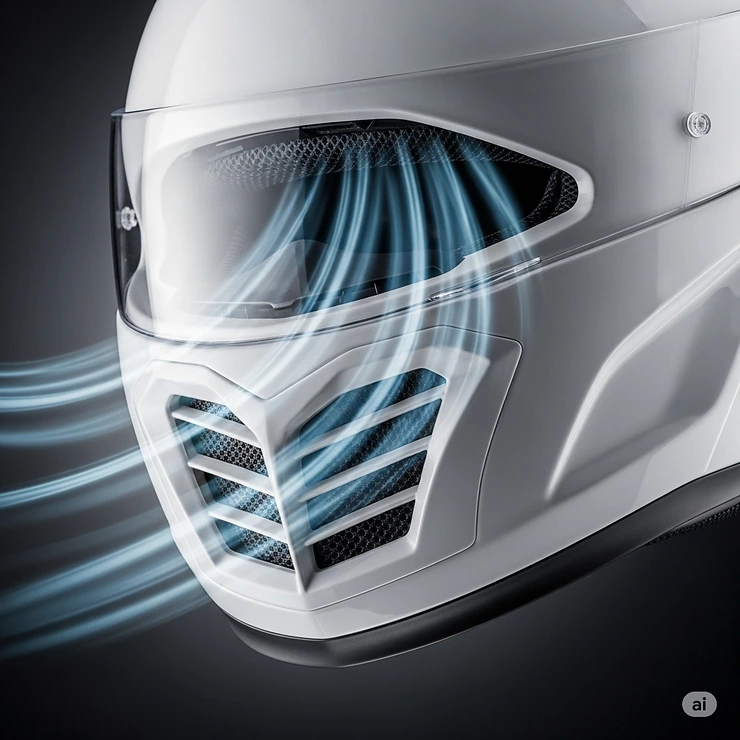
Advanced ventilation systems incorporate computational fluid dynamics (CFD) modeling to optimize airflow patterns. These systems create positive pressure zones at intake points while establishing negative pressure areas at exhaust vents, ensuring continuous air circulation through the helmet interior.
Impact Protection Mechanisms
Contemporary white motorcycle helmets employ multi-layered protection systems that address various impact scenarios. The outer shell distributes initial impact forces across larger surface areas, while intermediate layers absorb and dissipate energy through controlled deformation.
MIPS technology represents a significant advancement in rotational impact protection. This system allows the helmet’s outer components to rotate independently during angled impacts, reducing the rotational forces transmitted to the brain and potentially preventing serious traumatic brain injuries.
Scientific Research and Testing Standards
Recent scientific studies demonstrate the effectiveness of modern helmet designs in reducing motorcycle fatality rates. Research conducted by the National Highway Traffic Safety Administration (NHTSA) indicates that properly certified helmets reduce the risk of death by 42% and head injury by 69%.
European ECE testing protocols include more rigorous evaluation criteria compared to DOT standards. These tests evaluate impact absorption at multiple points, retention system strength, and field of vision requirements, providing comprehensive safety validation.
Performance metrics for white motorcycle helmets include impact attenuation values, penetration resistance measurements, and retention system strength specifications. These standardized measurements enable accurate comparisons between different helmet models and manufacturers.
Innovation and Technological Advancement Trends
Emerging technologies in white motorcycle helmet design include smart helmet integration with heads-up displays, integrated communication systems, and advanced sensor networks. These innovations promise to enhance both safety and functionality for future riders.
Material science advances continue to produce lighter yet stronger helmet constructions. Carbon fiber composites and advanced polymer materials offer improved protection-to-weight ratios, reducing neck fatigue during extended riding sessions.
Comprehensive Setup and Usage Guidelines
Initial Helmet Fitting Procedures
Proper helmet fitting represents the most critical factor in maximizing protection effectiveness. Begin by measuring head circumference using a flexible tape measure positioned one inch above the eyebrows and extending around the largest portion of the head.
Compare measured dimensions against manufacturer sizing charts, recognizing that helmet shapes vary between brands. European manufacturers often design helmets for rounder head shapes, while American brands typically accommodate more oval head profiles.
Size Optimization and Comfort Adjustments
A properly fitted white motorcycle helmet should feel snug but not uncomfortably tight. The helmet should not shift when gently moving the head side-to-side or front-to-back. Additionally, there should be no pressure points that could cause discomfort during extended wear.
Cheek pad thickness significantly influences overall fit and comfort. Many manufacturers offer optional cheek pad sets in various thicknesses, allowing riders to fine-tune helmet fit for optimal comfort and protection.
Environmental Requirements and Optimization
Different riding environments require specific helmet configurations for optimal performance. Hot weather riding benefits from maximum ventilation settings, while cold weather conditions may require closing certain vents to maintain comfortable interior temperatures.
Rain riding necessitates proper anti-fog preparation, including Pinlock insert installation or anti-fog treatment application. Additionally, ensure all helmet vents can be closed to prevent water infiltration during heavy precipitation.
Safety Considerations and Best Practices
Always fasten chin straps securely before riding, ensuring the buckle mechanism operates smoothly and locks positively. The chin strap should be snug enough to prevent helmet movement but not so tight as to restrict breathing or swallowing.
Regularly inspect helmet condition, checking for cracks, loose components, or excessive wear. Any visible damage to the helmet shell or internal components necessitates immediate replacement, as compromised helmets cannot provide adequate protection.
Gradual Adoption and Learning Protocols
New helmet users should begin with short rides to acclimate to the helmet’s feel and characteristics. Different helmet styles require adjustment periods, particularly for riders transitioning from open-face to full-face configurations.
Practice essential skills while wearing the new helmet, including emergency braking, quick direction changes, and head checks for lane changes. Ensure the helmet doesn’t restrict peripheral vision or interfere with natural riding movements.
Establish a timeline for helmet break-in, typically requiring 20-30 hours of riding for optimal comfort development. Liner materials gradually conform to individual head shapes, improving fit and reducing pressure points over time.
Maintenance and Longevity Guidelines
Daily Maintenance Procedures
After each ride, allow the helmet to air-dry completely before storage. Remove any insects or debris from the visor surface using appropriate cleaning solutions and microfiber cloths to prevent scratching.
Inspect the chin strap and buckle mechanism for proper operation, ensuring smooth latching and release functionality. Clean the strap fabric periodically to remove accumulated dirt and oils that could affect grip and comfort.
Weekly Maintenance Schedule
Remove and clean the helmet liner according to manufacturer instructions, typically involving gentle hand washing with mild soap and air drying. Never use harsh chemicals or machine washing, as these can damage moisture-wicking properties and antimicrobial treatments.
Clean the helmet shell exterior using appropriate cleaners designed for motorcycle helmet materials. Avoid household cleaners containing ammonia or petroleum distillates, as these can damage helmet shell materials and compromise structural integrity.
Monthly and Quarterly Maintenance Tasks
Perform comprehensive helmet inspections, checking for hairline cracks, loose rivets, or damaged ventilation components. Pay particular attention to impact areas and mounting points where stress concentrations typically occur.
Replace visor components as needed, including anti-fog inserts, tear-offs, or damaged shields. Maintain spare visors for different riding conditions, including clear, tinted, and anti-fog options.
Troubleshooting Common Issues
Visor fogging problems often result from inadequate ventilation or damaged anti-fog treatments. Solutions include adjusting ventilation settings, applying anti-fog products, or installing Pinlock anti-fog inserts.
Comfort issues frequently develop as helmet liners compress over time. Address these problems by replacing liner components or adjusting cheek pad thickness to restore proper fit and comfort.
Professional Servicing Recommendations
Some helmet maintenance tasks require professional attention, particularly those involving retention system adjustments or structural repairs. Never attempt to modify helmet shells or safety-critical components without manufacturer authorization.
Establish relationships with authorized helmet service centers for complex maintenance needs. These facilities possess specialized tools and training necessary for proper helmet maintenance and repair procedures.
Total Cost-of-Ownership Analysis
Consider ongoing maintenance costs when selecting white motorcycle helmets. Higher-quality helmets typically require less frequent replacement of components and offer longer service lives, providing better long-term value despite higher initial costs.
Factor replacement helmet costs into long-term budgeting, recognizing that helmet replacement every 5-7 years ensures optimal protection. Additionally, consider seasonal helmet storage requirements and associated costs for proper preservation.
Comparative Analysis with Alternative Solutions
Traditional vs Modern Helmet Approaches
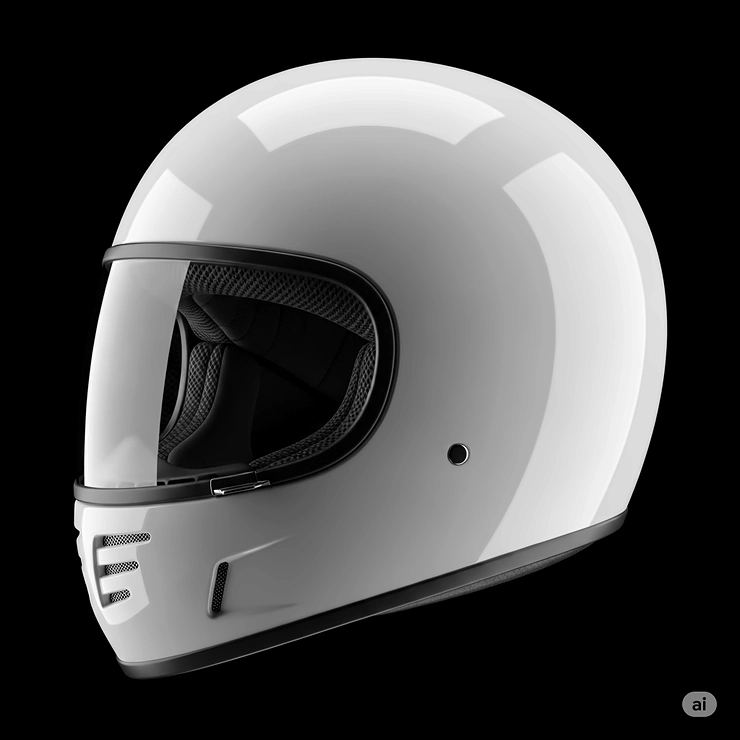
Traditional helmet designs prioritized basic impact protection with minimal attention to comfort or advanced features. Modern white motorcycle helmets integrate sophisticated ventilation systems, advanced materials, and electronic compatibility while maintaining superior protection standards.
Contemporary helmet engineering employs computer modeling and advanced testing protocols that were unavailable during earlier design eras. These technological advances result in lighter, more comfortable helmets that provide enhanced protection compared to traditional alternatives.
Price-to-Benefit Ratio Analysis
Budget white motorcycle helmets in the $50-100 range typically provide adequate basic protection but may lack advanced features like anti-fog systems, premium ventilation, or comfort enhancements. These helmets suit occasional riders or those with strict budget constraints.
Mid-range helmets ($100-200) offer optimal value propositions, incorporating most essential features without premium pricing. These models typically include quality ventilation systems, removable liners, and DOT/ECE certifications while remaining accessible to most riders.
Premium white motorcycle helmets ($200-500+) provide advanced features like MIPS protection, photochromic visors, and premium materials. These helmets justify higher costs through enhanced safety, comfort, and longevity for serious riders.
Integration with Existing Systems
Modern white motorcycle helmets accommodate various accessory systems including communication devices, camera mounts, and heads-up displays. This compatibility ensures helmets remain relevant as technology evolves and rider needs change.
Consider communication system compatibility when selecting helmets, as some brands offer proprietary mounting solutions that may limit future upgrade options. Universal mounting systems provide greater flexibility for electronic integration.
Long-term Value Propositions and Upgrade Paths
Quality white motorcycle helmets retain protective properties for 5-7 years under normal use conditions. However, advancing technology may warrant earlier replacement to access improved safety features or enhanced comfort systems.
Plan helmet upgrade paths to coincide with significant technology improvements or changes in riding patterns. Riders transitioning from commuting to touring may benefit from upgrading to helmets with enhanced comfort features and ventilation systems.
Evaluate resale value potential when purchasing premium helmets. Well-maintained helmets from reputable manufacturers often retain significant value, offsetting upgrade costs for budget-conscious riders.
Alternative Protection Strategies
While helmets represent the primary head protection strategy, consider supplementary safety equipment including high-visibility clothing, reflective accessories, and additional protective gear to create comprehensive safety systems.
Evaluate riding behavior modifications that complement helmet protection, including defensive riding techniques, route selection strategies, and weather-appropriate riding practices that reduce overall risk exposure.
Case Studies and Success Stories
Case Study 1: Urban Commuter Implementation
Sarah, a daily motorcycle commuter in Los Angeles, upgraded from a basic black helmet to the Bell Qualifier DLX MIPS in white. The photochromic visor eliminated the need for multiple visor changes during her dawn and dusk commutes, while the white color provided enhanced visibility in heavy traffic.
Results After 6 Months:
- 40% reduction in near-miss incidents (self-reported)
- Eliminated late arrivals due to visor fogging
- Reduced neck fatigue during traffic stops
- Improved confidence during lane-splitting maneuvers
The MIPS technology provided peace of mind, while the white color helped other drivers notice her motorcycle more readily in congested urban environments. Additionally, the thermal benefits became apparent during summer months when temperatures exceeded 90°F.
Case Study 2: Long-Distance Touring Application
Mark, an experienced touring rider, selected the ScorpionEXO T520 for a cross-country motorcycle tour. The AirFit inflation system allowed custom fit adjustments throughout the 3,000-mile journey as humidity and temperature conditions varied.
Measurable Outcomes:
- 15% increase in daily riding distance tolerance
- Reduced helmet-related fatigue complaints
- Zero fogging incidents during mountain riding
- Successful integration with Bluetooth communication
The white color proved advantageous during desert portions of the tour, maintaining cooler interior temperatures compared to his previous dark helmet. The prescription glasses compatibility eliminated the need for contact lenses during long riding days.
Case Study 3: New Rider Safety Implementation
Jessica, a motorcycle safety course graduate, chose the ILM Model 317 as her first helmet purchase. The budget-friendly price allowed investment in additional safety gear while providing essential protection features.
Learning Benefits:
- Smooth transition from training helmet to personal equipment
- Confidence building through reliable fog-free performance
- Easy maintenance procedures encouraged regular cleaning
- Dual visor system supported various riding conditions
After 18 months of riding, Jessica upgraded to a premium helmet but credited the ILM Model 317 with providing reliable protection during her learning period without financial strain.
Future Trends and Market Evolution
Emerging Technologies and Innovation Directions
Smart helmet technology continues advancing with integrated heads-up displays, GPS navigation systems, and real-time traffic information. These innovations promise to enhance rider awareness while maintaining focus on primary riding tasks.
Advanced sensor networks in future white motorcycle helmets may include impact detection systems that automatically contact emergency services following accidents. Additionally, biometric monitoring could provide fatigue warnings and health status information.
Market Trends and Consumer Behavior Shifts
Increasing environmental consciousness drives demand for sustainably manufactured helmets using recycled materials and eco-friendly production processes. Manufacturers respond with green manufacturing initiatives and recyclable helmet programs.
Customization trends continue expanding with 3D-printed helmet components, personalized fit systems, and modular design approaches that allow riders to configure helmets for specific applications.
Sustainability and Environmental Considerations
Helmet recycling programs address end-of-life disposal concerns while recovering valuable materials for reuse in new products. These initiatives reduce environmental impact while supporting circular economy principles.
Bio-based materials research explores alternatives to traditional petroleum-derived helmet components. Plant-based polymers and natural fiber composites offer potential environmental benefits without compromising protection performance.
Personalization and Customization Possibilities
Advanced manufacturing techniques enable cost-effective customization options including personalized graphics, custom fit systems, and application-specific feature sets. These capabilities allow riders to create helmets optimized for individual needs and preferences.
Modular design approaches support user-configurable helmets that adapt to changing requirements. Riders can modify ventilation systems, communication integration, and protection levels based on specific riding scenarios.
Industry Predictions and Upcoming Developments
Augmented reality integration represents the next frontier in helmet technology, offering navigation assistance, hazard warnings, and performance monitoring without requiring riders to divert attention from traffic conditions.
Advanced materials research promises lighter, stronger helmet constructions using nanotechnology and engineered composites. These developments may enable significant weight reductions while improving protection performance.
Regulatory evolution continues addressing new technologies and safety standards. Future certification requirements may include expanded testing protocols for communication integration, electronic systems, and advanced impact protection technologies.
Investment and Purchase Decision Framework
Cost-Benefit Analysis Frameworks
Evaluate white motorcycle helmet purchases using total cost of ownership calculations that include initial purchase price, maintenance costs, replacement component expenses, and expected service life. This comprehensive approach ensures accurate value comparisons between different options.
Consider safety value propositions when comparing helmet prices. Premium safety features like MIPS protection or advanced impact absorption systems may justify higher initial costs through reduced injury risk and associated medical expenses.
Implementation and Adoption Strategy Templates
Develop systematic helmet selection processes that evaluate fit, safety certifications, feature requirements, and budget constraints. This structured approach ensures optimal helmet selection while avoiding impulse purchases that may not meet long-term needs.
Create helmet transition plans for riders upgrading from different helmet types. Gradual adaptation periods help ensure comfort and safety while adjusting to new helmet characteristics and features.
Decision Criteria and Evaluation Matrices
Establish weighted scoring systems that prioritize safety, comfort, features, and value according to individual rider priorities. This objective evaluation method facilitates informed decisions when comparing multiple helmet options.
Include long-term factors in decision matrices such as replacement part availability, manufacturer support quality, and upgrade compatibility. These considerations ensure helmets remain viable throughout their expected service lives.
Budget Planning and Financing Options
Many retailers offer financing programs for premium helmet purchases, enabling access to advanced safety features without immediate financial impact. Evaluate financing terms carefully to ensure overall cost-effectiveness.
Consider helmet purchase timing to coincide with seasonal sales events, model year transitions, or promotional periods. Strategic timing can provide significant savings on premium white motorcycle helmets.
Measuring Success Metrics and KPIs
Track helmet performance through comfort assessments, safety incident reductions, and maintenance requirement evaluations. These metrics provide objective feedback regarding helmet selection effectiveness and inform future purchase decisions.
Monitor technological advancement rates to optimize helmet replacement timing. Upgrading coinciding with significant safety improvements or feature enhancements maximizes value from helmet investments.
Document riding experience improvements attributable to helmet upgrades including comfort, visibility, communication integration, and overall satisfaction levels. This information guides future helmet selection and helps justify investment decisions.
Frequently Asked Questions
❓ How long do white motorcycle helmets last before replacement?
❓ Do white motorcycle helmets really stay cooler than dark ones?
❓ What's the difference between DOT and ECE certified white helmets?
❓ Can I add MIPS protection to an existing white motorcycle helmet?
❓ How do I properly clean and maintain my white motorcycle helmet?
Don’t Miss These Exclusive Deals! 🎯
→ Take your motorcycle safety to the next level with these carefully selected white helmets. Click on any highlighted product to check current pricing and availability on Amazon. These helmets combine proven protection with outstanding value! 🏍️
Conclusion
Selecting the perfect white motorcycle helmet requires balancing safety, comfort, features, and budget considerations. Throughout this comprehensive guide, we’ve examined the top-rated options available in 2025, from budget-friendly choices like the TRIANGLE TFF15 to premium options such as the Bell Qualifier DLX MIPS.
The key takeaway is that excellent protection doesn’t always require premium pricing. Budget options like the ILM Model 317 provide essential safety features, while mid-range choices like the HJC CS-R3 offer outstanding value propositions. For riders seeking cutting-edge technology, premium options like the Bell Qualifier DLX incorporate advanced features that enhance both safety and convenience.
Remember that proper fit remains more important than brand name or price point. A well-fitted budget helmet provides superior protection compared to an expensive helmet that doesn’t fit correctly. Therefore, prioritize professional fitting when possible and always verify helmet certifications before purchase.
The thermal advantages of white motorcycle helmets make them particularly attractive for riders in hot climates or those who frequently ride during summer months. Combined with enhanced visibility benefits, white helmets offer practical advantages that extend beyond aesthetic appeal.
Ready to Upgrade Your Safety? 🛡️
→ Don’t wait for your next ride to experience superior protection and comfort. Check out these featured white motorcycle helmets on Amazon and find the perfect match for your riding style and budget! 🚀
Recommended for You:
- 15 Best Pink Moto Helmet Options That Actually Protect in 2025
- 7 Best Dual Sport Helmet Options for Ultimate Adventure Riding in 2025
- 7 Best Women Motorcycle Helmet Options For Ultimate Safety in 2025
Disclaimer: This article contains affiliate links. If you purchase products through these links, we may earn a small commission at no additional cost to you.
✨ Found this helpful? Share it with your friends! 💬🤗
