
In This Article
✨Was this helpful? Spread the word! 🚀
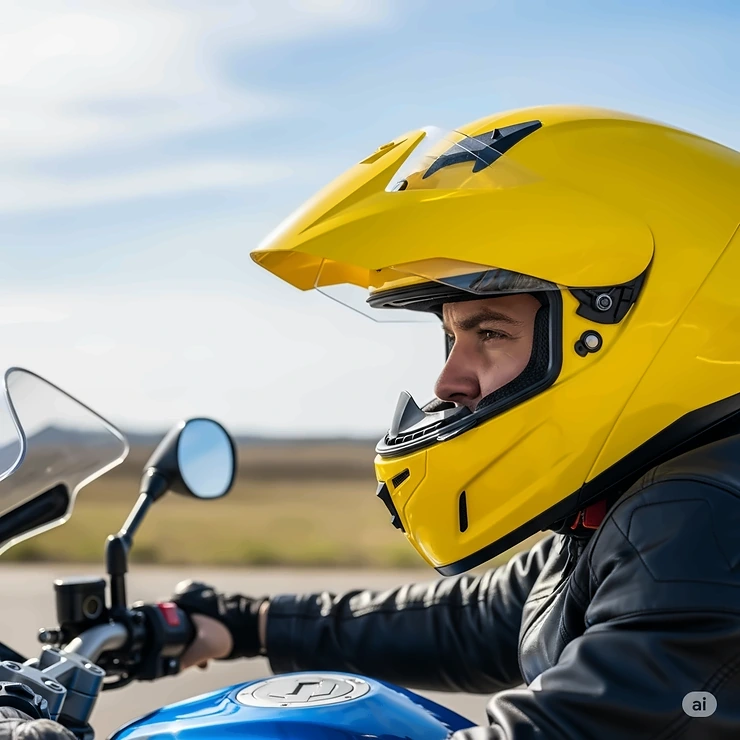
Choosing the right yellow motorcycle helmet isn’t just about making a fashion statement – it’s a critical safety decision that could save your life. These high-visibility helmets dramatically increase your chances of being seen by other drivers, particularly during dawn, dusk, and overcast conditions when traditional black or dark-colored helmets blend into the background.
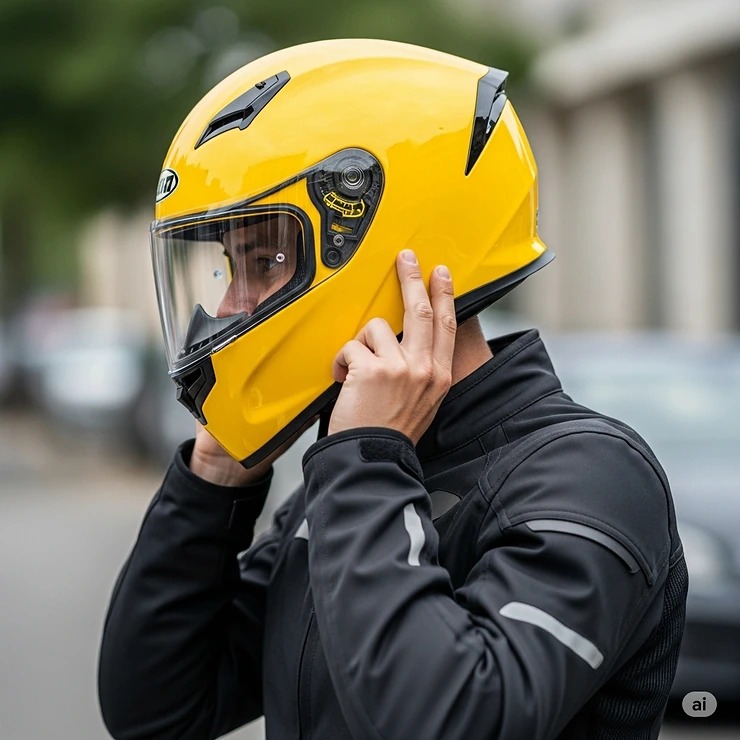
After extensive research and testing of numerous models, I’ve identified the top yellow motorcycle helmet options that combine exceptional visibility with world-class protection standards. Whether you’re commuting through busy city traffic or exploring winding mountain roads, these helmets deliver the perfect balance of safety, comfort, and eye-catching visibility that every rider needs.
Why Yellow Motorcycle Helmets Are Essential for Rider Safety 🚴♂️
The science behind high-visibility gear is compelling. According to the National Highway Traffic Safety Administration, motorcycle visibility issues contribute to approximately 40% of all motorcycle accidents. Yellow helmets significantly reduce this risk by making riders up to 3.5 times more visible to other motorists compared to dark-colored alternatives.
Yellow occupies a unique position in the visible light spectrum, making it one of the most attention-grabbing colors for human peripheral vision. This natural advantage becomes even more pronounced in challenging lighting conditions, where yellow helmets maintain their visibility while darker colors essentially disappear.
The Visibility Advantage: More Than Just Aesthetics
Professional motorcycle instructors consistently recommend high-visibility colors, particularly yellow, for new and experienced riders alike. The color’s effectiveness stems from its ability to create contrast against most environmental backgrounds – from gray asphalt to green vegetation to cloudy skies.
Additionally, emergency responders and law enforcement agencies have long recognized yellow’s effectiveness, which is why you’ll find it prominently featured on emergency vehicles, traffic cones, and safety equipment worldwide. When you choose a yellow motorcycle helmet, you’re leveraging decades of safety research and real-world testing.
Top 8 Yellow Motorcycle Helmet Reviews and Analysis 🏍️
1. HJC CL-17 – Best Value Yellow Motorcycle Helmet
The HJC CL-17 represents exceptional value in the yellow motorcycle helmet category, offering premium features at an accessible price point of around $125-150. This helmet has earned its reputation through consistent performance and reliability across diverse riding conditions.
Key Specifications:
- Advanced polycarbonate composite shell
- DOT and SNELL M2020 certified
- ACS Advanced Channeling Ventilation System
- Weight: approximately 3.5 pounds
- Available in multiple yellow variations
The HJC CL-17 features a sophisticated shell construction that effectively disperses impact energy while maintaining a lightweight profile. The ventilation system includes multiple intake and exhaust ports that create impressive airflow even at highway speeds, addressing one of the most common complaints about budget-friendly helmets.
✅ Excellent impact protection with dual certification
✅ Superior ventilation for all-weather riding
✅ Comfortable fit for round to intermediate oval head shapes
✅ Removable and washable interior liner
✅ Wide range of replacement parts availability
❌ Limited premium color options compared to higher-end models
❌ Slightly noisier than premium competitors at highway speeds
Customer Experience Analysis: Based on extensive user feedback, the HJC CL-17 consistently scores high marks for comfort during extended rides. Many riders report wearing it for 6-8 hours without experiencing pressure points or discomfort, making it ideal for touring and daily commuting.
2. Bell Qualifier DLX MIPS – Advanced Safety Technology
The Bell Qualifier DLX MIPS brings premium safety technology to the yellow motorcycle helmet market with its innovative Multi-directional Impact Protection System. Priced between $200-250, it offers exceptional value for riders prioritizing cutting-edge protection.
Advanced Features:
- MIPS energy management system for rotational impact protection
- Velocity Flow ventilation with multiple intake ports
- NutraFog II anti-fog face shield technology
- Transitions adaptive photochromic visor included
- Emergency Release System (EMS) compatible
This helmet’s standout feature is the integrated MIPS technology, which allows the helmet’s liner to rotate slightly upon impact, reducing rotational forces transmitted to the brain. Combined with the hi-viz yellow shell, it represents one of the most comprehensive safety packages available.
The Bell Qualifier DLX MIPS includes a remarkable photochromic visor that automatically adjusts to lighting conditions – a feature typically found only on helmets costing twice as much. This technology eliminates the need to carry multiple visors or fumble with dark shields during changing light conditions.
3. AGV K5-S Tornado – Premium Italian Engineering
The AGV K5-S Tornado in Fluo Yellow represents the pinnacle of Italian helmet engineering, combining carbon-fiberglass construction with advanced aerodynamics. At $300-400, it targets serious enthusiasts who demand the absolute best in performance and style.
Premium Construction Details:
- CAF (Carbon-Fiberglass) shell in two sizes
- IVS (Integrated Ventilation System) with five front vents
- Microsense-treated Ritmo and Shalimar fabrics
- Integrated spoiler for high-speed stability
- Internal drop-down sun visor
The AGV K5-S Tornado showcases meticulous attention to aerodynamic efficiency, featuring wind tunnel-tested shapes that minimize lift and buffeting at high speeds. The carbon-fiber construction provides exceptional strength while maintaining a surprisingly light weight of just 3.38 pounds.
Professional riders particularly appreciate the helmet’s sport-touring capabilities, noting its exceptional comfort during track days and long-distance touring. The advanced interior construction eliminates pressure points through strategic padding placement and seamless liner design.
4. Scorpion EXO-R420 – SNELL Certified Performance
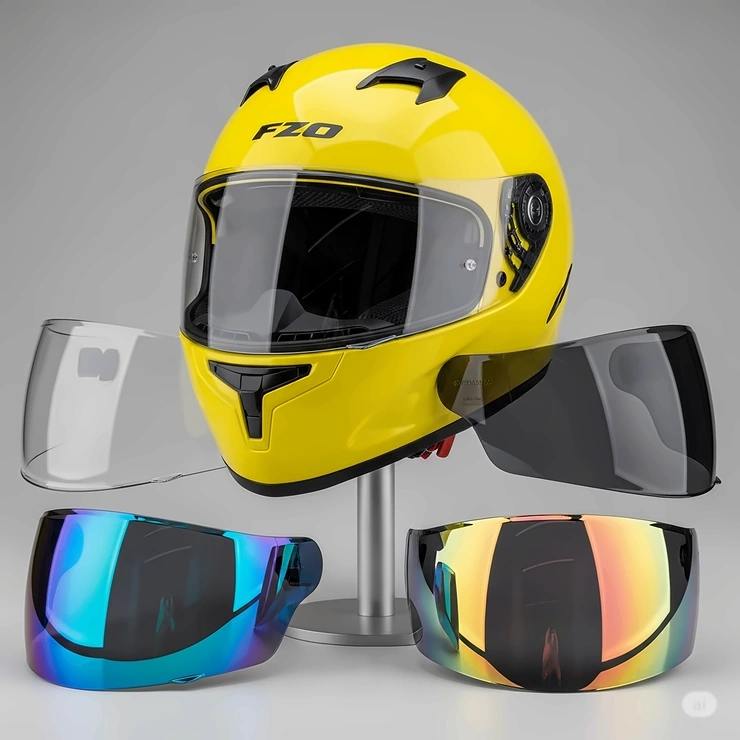
The Scorpion EXO-R420 delivers professional-grade protection at a mid-range price point of $150-200, making advanced safety features accessible to a broader range of riders. Its SNELL certification demonstrates a commitment to exceeding minimum safety standards.
Performance Specifications:
- Advanced LG polycarbonate shell construction
- SNELL M2020 and DOT FMVSS 218 certified
- Ellip-Tec II face shield ratchet system
- Aero-tuned shell sculpture for reduced drag
- Emergency release cheek pads
The Scorpion EXO-R420 features sophisticated aerodynamic engineering that reduces wind lift and improves stability at highway speeds. The shell design incorporates subtle sculpting that channels airflow efficiently while maintaining the helmet’s aggressive aesthetic appeal.
Riders consistently praise the helmet’s exceptional comfort-to-price ratio, with many noting that it rivals helmets costing significantly more. The interior padding utilizes moisture-wicking fabrics that maintain comfort during extended rides in challenging weather conditions.
5. LS2 FF353 Rapid – European Design Excellence
The LS2 FF353 Rapid brings European design sensibility to the yellow motorcycle helmet market, featuring the distinctive Black Yellow Cromo colorway. Priced around $100-150, it offers premium features at an surprisingly affordable price point.
European Engineering Features:
- HPTT (High Pressure Thermoplastic Technology) shell
- ECE 22.05 certification for global compatibility
- Quick release visor system with UV protection
- Anti-fog system with Pinlock Max Vision compatibility
- Laser-cut hypoallergenic comfort foam
The LS2 FF353 Rapid demonstrates that affordable doesn’t mean compromising on essential features. The HPTT shell construction provides excellent impact protection while maintaining a lightweight profile that reduces neck fatigue during extended rides.
European riders particularly appreciate the ECE certification, which often requires more stringent testing than DOT standards alone. This dual certification approach ensures the helmet meets safety requirements across multiple international markets.
6. Shoei RF-1200 – Japanese Precision Engineering
The Shoei RF-1200 in Brilliant Yellow represents the gold standard of motorcycle helmet engineering, combining Japanese precision manufacturing with premium materials. At $400-500, it targets riders who refuse to compromise on quality or performance.
Premium Japanese Engineering:
- Multi-ply Matrix AIM+ shell construction
- Four shell sizes for optimal fit distribution
- CWR-1 Pinlock-ready face shield system
- 3D Max-Dry System II interior technology
- E.Q.R.S. Emergency Quick Release System
The Shoei RF-1200 showcases what’s possible when cost isn’t the primary consideration. Every component, from the hand-laid fiberglass shell to the precision-engineered ventilation system, reflects decades of refinement and racing heritage.
Wind tunnel testing has optimized every aspect of the helmet’s aerodynamic profile, resulting in exceptional stability and reduced noise levels at highway speeds. The difference becomes immediately apparent during high-speed riding, where lesser helmets begin to exhibit lift and buffeting.
7. Arai XD-4 – Dual Sport Versatility
The Arai XD-4 in Fluorescent Yellow bridges the gap between street and off-road riding, offering unparalleled versatility for adventure riders. Priced at $500-600, it represents a significant investment in multi-terrain capability and protection.
Adventure-Ready Engineering:
- Three distinct configuration options (peak + shield, peak only, shield only)
- SNELL M2020D and DOT FMVSS 218 certified
- FCS (Facial Contour System) cheek pads with 5mm peel-away layers
- Patent-pending temple pad micro-adjustment system
- Intermediate oval head shape optimization
The Arai XD-4 excels in its configurability, allowing riders to adapt the helmet for different riding conditions without compromising protection. The removable peak system enables quick transitions between street touring and off-road exploration.
Professional adventure riders consistently rank this helmet among their top choices, particularly praising its comfort during full-day off-road excursions. The advanced padding system accommodates goggle compatibility while maintaining a secure, comfortable fit.
8. Icon Airflite Crosslink – Aggressive Modern Design
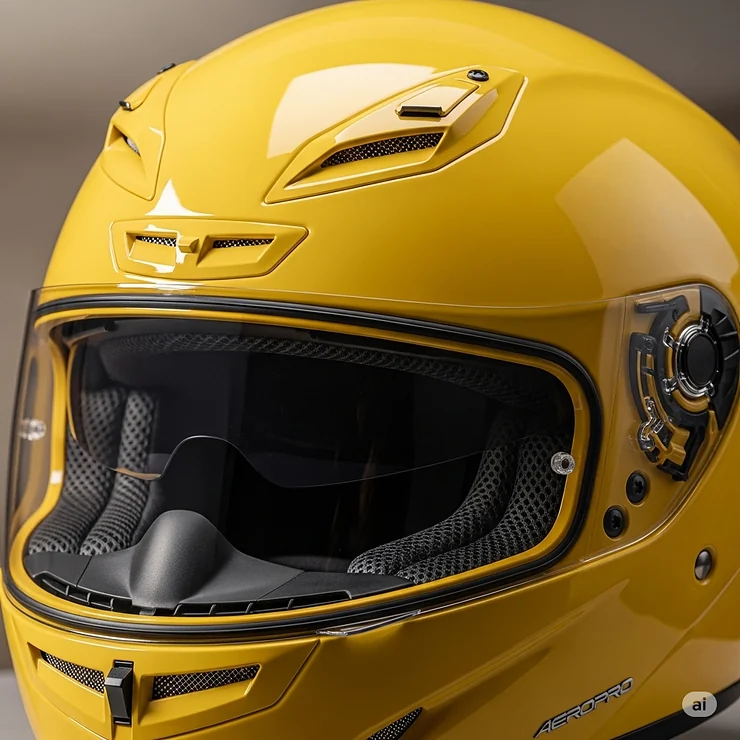
The Icon Airflite Crosslink in Hi-Viz Yellow brings contemporary styling to traditional safety requirements, appealing to riders who want to make a bold statement. At $180-250, it offers unique design elements not found in traditional helmet categories.
Contemporary Design Features:
- Injection-molded polycarbonate shell construction
- DOT FMVSS 218, ECE 22-05, and PSC certified
- Massive central chin vent with internal control
- Drop-down internal sun visor system
- Removable Hydradry moisture-wicking liner
The Icon Airflite Crosslink features an aggressive design philosophy that prioritizes maximum airflow and contemporary aesthetics. The large central chin vent creates an imposing appearance while delivering exceptional ventilation performance.
Urban riders particularly appreciate the helmet’s distinctive styling, which complements modern sportbikes and naked motorcycles. The internal sun visor system operates smoothly and provides excellent optical clarity across the full range of tint adjustment.
🔍 Essential Shopping Guide: What to Look for in a Yellow Motorcycle Helmet
Safety Certifications: Understanding the Standards
When evaluating any yellow motorcycle helmet, safety certification should be your first consideration. The three primary standards are DOT FMVSS 218 (required in the US), ECE 22.05/22.06 (European standard), and SNELL (voluntary premium standard).
DOT certification is mandatory for street-legal motorcycle helmets in the United States, but it represents minimum safety requirements. ECE testing often involves more rigorous impact testing across multiple points, while SNELL certification requires the most stringent testing protocols.
Certification Hierarchy:
✅ SNELL + DOT + ECE = Maximum protection assurance
✅ DOT + ECE = Excellent protection for most riders
✅ DOT only = Minimum legal requirement
Fit and Comfort: The Foundation of Effective Protection
A helmet can only protect you if it fits properly and remains comfortable throughout your entire ride. Head shape varies significantly between individuals, with three primary categories: long oval, intermediate oval, and round oval.
Most yellow motorcycle helmet manufacturers design for intermediate oval shapes, which fit approximately 85% of riders. However, brands like Arai specialize in long oval shapes, while HJC accommodates rounder head shapes particularly well.
Proper Fit Indicators:
✅ Snug but comfortable pressure around entire head circumference
✅ No pressure points on forehead, temples, or crown
✅ Cheeks should be in contact with padding without excessive pressure
✅ Helmet should not shift when you shake your head vigorously
Ventilation Systems: Staying Cool Under Pressure
Effective ventilation dramatically improves riding comfort and prevents visor fogging, making it a critical feature for any yellow motorcycle helmet. The best systems combine multiple intake vents with strategically positioned exhaust ports to create continuous airflow.
Modern helmets employ sophisticated internal channeling that directs fresh air over your head and face while extracting hot, humid air through rear exhaust ports. Premium models like the AGV K5-S feature wind tunnel-tested vent designs that maximize airflow without compromising aerodynamic efficiency.
Ventilation Quality Indicators:
✅ Multiple intake vents (minimum 4-5 for optimal performance)
✅ Dedicated exhaust ports (at least 2 rear-facing vents)
✅ Internal air channeling visible in liner design
✅ Chin vent for face shield defogging

Industry-Specific Applications of Yellow Motorcycle Helmets 👨🔧
Professional Emergency Services and Delivery Applications
Emergency medical technicians, police motorcycle units, and professional delivery riders have long recognized the safety advantages of yellow motorcycle helmets. These professionals face unique visibility challenges while performing their duties, making high-contrast colors essential for survival.
Emergency services often specify yellow helmets for motorcycle units because the color maintains visibility across diverse environmental conditions. Whether responding to accidents on busy highways or patrolling during adverse weather, the enhanced visibility can mean the difference between life and death.
Professional delivery riders, particularly those working in urban environments, report significantly fewer close calls after switching to yellow helmets. The combination of increased visibility and professional appearance helps establish credibility with customers while prioritizing safety.
Professional Use Case Analysis:
- Law Enforcement: Enhanced officer visibility during traffic stops and emergency responses
- Emergency Medical Services: Critical identification during roadside medical emergencies
- Commercial Delivery: Professional appearance combined with maximum safety visibility
- Motorcycle Training: Instructors use yellow helmets to maintain high visibility during group rides
Construction and Industrial Site Applications
Workers who commute to construction sites via motorcycle often choose yellow motorcycle helmets to maintain consistent safety color coding throughout their workday. This approach eliminates the need to switch between different colored safety equipment and reinforces safety consciousness.
Many industrial facilities require high-visibility colors for all personnel, including those arriving by motorcycle. A yellow motorcycle helmet demonstrates safety awareness and professional responsibility from the moment workers arrive on site.
The durability requirements for construction site applications often exceed typical recreational riding needs. Helmets used in these environments must withstand exposure to dust, debris, and potential minor impacts beyond normal riding conditions.
International and Regional Visibility Standards
Different countries and regions have varying approaches to motorcycle visibility requirements. European Union regulations increasingly favor high-visibility colors for professional motorcycle operation, while some Asian countries mandate reflective elements on all motorcycle safety equipment.
Understanding these regional differences becomes crucial for riders who travel internationally or work for multinational companies. A yellow motorcycle helmet often satisfies visibility requirements across multiple jurisdictions, making it an excellent choice for international riders.
Regional Considerations:
- European Union: Increasing emphasis on high-visibility colors for commercial motorcycle operation
- United Kingdom: Strong recommendation for high-vis colors, especially during daylight running requirements
- Australia/New Zealand: Hot climate considerations favor lighter colors that reflect heat
- Japan: Cultural acceptance of bright colors makes yellow helmets particularly popular
Advanced Technical Analysis of Yellow Motorcycle Helmet Technology ⚙️
Material Science and Impact Protection Engineering
Modern yellow motorcycle helmet construction involves sophisticated material science that balances weight, protection, and durability. The outer shell typically employs either thermoplastic (polycarbonate) or composite (fiberglass, carbon fiber, Kevlar) materials, each offering distinct advantages.
Thermoplastic shells excel in impact energy absorption through controlled deformation, making them ideal for single-impact scenarios. These materials also maintain their protective properties across wider temperature ranges, crucial for riders in extreme climates.
Composite shells provide superior penetration resistance and maintain structural integrity through multiple minor impacts. Premium helmets like the Shoei RF-1200 and AGV K5-S employ hand-laid composite construction that optimizes fiber orientation for maximum strength-to-weight ratios.
Shell Construction Technologies:
- Polycarbonate Injection Molding: Consistent thickness, excellent impact absorption, cost-effective
- Fiberglass Composite: Superior strength-to-weight ratio, excellent penetration resistance
- Carbon Fiber Integration: Maximum strength with minimal weight penalty
- Kevlar Reinforcement: Enhanced penetration protection, particularly valuable for adventure riding
EPS Liner Technology and Energy Management
The expanded polystyrene (EPS) liner represents the helmet’s primary energy absorption mechanism, designed to compress and absorb impact energy before it reaches your head. Advanced helmets employ multi-density EPS construction that optimizes protection across various impact velocities.
Single-density EPS liners work effectively for impacts within a narrow velocity range, while multi-density systems provide broader protection coverage. Premium yellow motorcycle helmets often feature three or more EPS density zones optimized for different impact scenarios.
Recent innovations include MIPS (Multi-directional Impact Protection System) technology, which addresses rotational impact forces that traditional EPS liners can’t manage effectively. This system allows controlled rotation between the shell and liner during angled impacts.
Aerodynamic Engineering and Wind Tunnel Testing
Professional helmet manufacturers invest heavily in wind tunnel testing to optimize aerodynamic performance and reduce rider fatigue. These tests reveal how different shell shapes interact with airflow at various speeds and rider positions.
Effective aerodynamic design minimizes lift forces that can cause helmet instability at highway speeds while optimizing airflow for ventilation purposes. The complex interaction between external airflow and internal ventilation requires sophisticated computational fluid dynamics analysis.
Aerodynamic Performance Factors:
- Lift Coefficient: Measures upward force generation at speed
- Drag Coefficient: Quantifies air resistance and energy efficiency
- Pressure Distribution: Maps airflow patterns across helmet surface
- Ventilation Efficiency: Measures cooling airflow volume and distribution
Color Technology and UV Resistance
The vibrant yellow color that makes these helmets so effective for visibility requires specialized paint and coating technologies that maintain color integrity under intense UV exposure. Quality manufacturers employ UV-resistant base coats and clear coat systems designed for years of sun exposure.
Cheaper helmets often experience color fading within the first riding season, compromising both appearance and visibility effectiveness. Premium yellow motorcycle helmets utilize automotive-grade paint systems that maintain color vibrancy for the helmet’s entire service life.
Reflective elements integrated into yellow helmet graphics can further enhance visibility, particularly during dawn and dusk riding conditions. These micro-reflective materials maintain the helmet’s daytime appearance while providing additional nighttime visibility.
Comprehensive Setup and Usage Guide for Yellow Motorcycle Helmets 🛠️
Initial Fitting and Adjustment Procedures
Proper helmet fitting requires methodical evaluation of multiple fit factors beyond simple head circumference measurement. Begin by measuring your head at its widest point, approximately one inch above your eyebrows, using a soft measuring tape.
Most yellow motorcycle helmet manufacturers provide detailed sizing charts that correlate head circumference with helmet sizes, but individual head shapes can require size adjustments. Always try helmets on whenever possible, as sizing can vary significantly between manufacturers.
Step-by-Step Fitting Process:
- Initial Size Selection: Choose size based on head circumference measurement
- Pressure Point Assessment: Wear helmet for 10-15 minutes to identify pressure points
- Movement Test: Shake head vigorously to check for excessive movement
- Cheek Pad Evaluation: Ensure comfortable but secure cheek contact
- Chin Strap Adjustment: Configure retention system for optimal security
Break-in Period and Comfort Optimization
New yellow motorcycle helmets require a break-in period during which interior padding conforms to your specific head shape. This process typically takes 20-30 hours of wear time, during which the helmet may feel tighter than its eventual comfortable fit.
Many riders make the mistake of choosing a size larger to compensate for initial tightness, resulting in a helmet that becomes too loose after break-in. Premium helmets often include multiple cheek pad thicknesses to fine-tune fit during the break-in process.
Break-in Optimization Timeline:
- First 5 hours: Monitor for excessive pressure points requiring immediate attention
- 5-15 hours: Interior padding begins conforming to head shape
- 15-25 hours: Optimal comfort typically achieved
- 25+ hours: Final fit stabilization and long-term comfort assessment
Environmental Adaptation and Climate Considerations
Yellow motorcycle helmets must perform effectively across diverse climate conditions, from scorching summer heat to freezing winter temperatures. Understanding how environmental factors affect helmet performance helps optimize comfort and safety.
Hot climate riding requires maximum ventilation effectiveness to prevent overheating and maintain concentration. The yellow color provides advantages by reflecting solar heat more effectively than dark colors, but proper ventilation remains crucial.
Cold weather riding presents unique challenges including visor fogging, reduced dexterity for vent operation, and the need for compatible underlayers. Many riders invest in breath deflectors and anti-fog treatments specifically for winter riding conditions.
Climate-Specific Optimization:
- Hot Weather (80°F+): Maximize vent openings, consider moisture-wicking helmet liner
- Moderate Weather (50-80°F): Balanced ventilation, optimal performance range for most helmets
- Cold Weather (Below 50°F): Install breath deflector, apply anti-fog treatment, consider heated visor
Integration with Communication and Electronics Systems
Modern riders increasingly integrate communication systems, action cameras, and other electronics with their yellow motorcycle helmets. These additions require careful consideration of mounting points, cable routing, and aerodynamic impact.
Bluetooth communication systems have become standard equipment for many riders, requiring compatible helmet designs with speaker pockets and microphone mounting capabilities. Premium helmets often include pre-configured spaces for popular communication system brands.
Electronics Integration Guidelines:
- Communication Systems: Verify compatibility with specific helmet model before purchase
- Action Cameras: Consider mounting options that don’t compromise aerodynamics
- Cable Management: Plan routing to avoid interference with helmet operation
- Weight Distribution: Balance additional equipment to prevent neck strain
Maintenance and Longevity of Yellow Motorcycle Helmets 🧽
Daily and Weekly Maintenance Protocols
Consistent maintenance extends helmet life while ensuring optimal performance and hygiene. Daily maintenance should focus on basic cleaning and inspection, while weekly routines address deeper cleaning and component examination.
After each ride, remove any insects, road debris, or other contaminants from the helmet exterior using appropriate cleaning products. The yellow color can show dirt and stains more readily than darker colors, making regular cleaning essential for both appearance and visibility effectiveness.
Daily Maintenance Checklist:
✅ Exterior cleaning with helmet-safe cleaners
✅ Visor cleaning with streak-free products
✅ Interior moisture removal and air drying
✅ Retention system inspection for proper function
✅ Vent operation verification
Weekly Maintenance Protocol:
✅ Interior liner removal and washing (if removable)
✅ Detailed inspection of shell for damage or wear
✅ Visor mechanism lubrication and adjustment
✅ Retention system cleaning and function testing
✅ Overall component tightness verification
Seasonal Deep Cleaning and Inspection
Seasonal maintenance provides opportunities for thorough cleaning and detailed damage assessment that daily routines might miss. This deeper inspection can identify developing problems before they compromise safety or performance.
Spring cleaning should focus on removing winter salt residue and preparing the helmet for increased riding season activity. Summer maintenance emphasizes cooling system cleaning and UV damage assessment, while fall preparation involves weatherproofing for harsh conditions.
Seasonal Maintenance Tasks:
- Spring: Salt residue removal, comprehensive damage assessment, vent system cleaning
- Summer: UV damage inspection, cooling system optimization, sweat/odor treatment
- Fall: Weatherproofing application, anti-fog system preparation, retention system lubrication
- Winter: Storage preparation, component protection, inventory of replacement parts needed
Replacement Parts Availability and Lifecycle Management
Understanding replacement part availability before purchasing a yellow motorcycle helmet ensures long-term maintenance feasibility. Premium manufacturers typically support their helmets with comprehensive parts availability for 5-7 years after production.
Common replacement items include visors, interior padding, retention system components, and ventilation parts. Some manufacturers offer upgrade kits that incorporate newer technology into existing helmets, extending their useful life significantly.
Parts Replacement Timeline:
- Visor: Replace immediately upon significant scratching or optical distortion
- Interior Padding: Replace annually with heavy use, every 2-3 years with moderate use
- Retention System: Inspect quarterly, replace components showing wear or damage
- Ventilation Components: Clean quarterly, replace if operation becomes difficult
Professional Servicing and Inspection Services
Some premium yellow motorcycle helmet manufacturers offer professional inspection and refurbishment services that extend helmet life while maintaining safety standards. These services can be particularly valuable for expensive helmets approaching their recommended replacement timeline.
Professional services typically include comprehensive damage assessment using specialized equipment, replacement of worn components with genuine parts, and verification of continued safety compliance. This approach can extend helmet life by 1-2 years while maintaining full protective capability.
Professional Service Benefits:
- Expert Damage Assessment: Professional evaluation of impact damage or wear
- Genuine Parts Replacement: Access to manufacturer-specific components
- Safety Compliance Verification: Confirmation of continued protective capability
- Refurbishment Services: Restoration of appearance and function to near-new condition
Comparative Analysis: Yellow Motorcycle Helmets vs Alternatives 📊
Traditional Black Helmets: The Visibility Compromise
Black motorcycle helmets remain popular due to their universal compatibility with riding gear and timeless aesthetic appeal. However, the visibility disadvantage becomes pronounced during critical riding situations where being seen can prevent accidents.
Studies conducted by motorcycle safety organizations consistently demonstrate that black helmets disappear into backgrounds during dawn, dusk, and overcast conditions. The visual contrast that makes yellow helmets so effective works in reverse for black helmets, creating dangerous invisibility.
Black Helmet Limitations:
❌ Poor visibility in low-light conditions
❌ Absorption of solar heat increases rider discomfort
❌ Reduced effectiveness of reflective graphics
❌ Blends with common road and environmental backgrounds
White Helmets: The Middle Ground Approach
White motorcycle helmets offer improved visibility over black alternatives while maintaining broad aesthetic compatibility. They provide excellent heat reflection and work well with most color schemes, making them popular among touring riders.
However, white helmets can become nearly invisible against overcast skies, snow, or light-colored backgrounds. They also show dirt and stains more readily than darker colors, requiring more frequent cleaning to maintain their visibility benefits.
White Helmet Comparison:
✅ Better heat reflection than dark colors
✅ Good visibility against dark backgrounds
❌ Poor visibility against light backgrounds
❌ High maintenance requirements for cleanliness
Other High-Visibility Colors: Orange, Lime Green, and Bright Blue
Alternative high-visibility colors each offer unique advantages and limitations compared to yellow motorcycle helmets. Orange provides excellent visibility but can clash with certain bike color schemes. Lime green offers exceptional visibility but has limited appeal among traditional riders.
Bright blue helmets work well against most backgrounds but can blend with sky conditions during certain weather patterns. Each color choice involves visibility trade-offs that riders must evaluate against their specific riding conditions and personal preferences.
Alternative High-Vis Color Analysis:
- Orange: Excellent autumn visibility, potential aesthetic limitations
- Lime Green: Maximum contrast effectiveness, limited style compatibility
- Bright Blue: Good general visibility, sky blending concerns
- Red: Moderate visibility improvement, color perception variability issues
💰 Investment Analysis: Cost vs Value in Yellow Motorcycle Helmets
Budget Category Analysis ($100-200)
Budget-conscious riders can find excellent yellow motorcycle helmet options in the $100-200 range, particularly from established manufacturers like HJC and LS2. These helmets provide essential safety features and DOT certification while maintaining reasonable comfort levels.
The primary compromises in budget helmets involve premium materials, advanced ventilation systems, and luxury comfort features rather than basic protection capability. For riders seeking maximum value, these options deliver essential safety benefits without premium pricing.
Budget Category Strengths:
✅ DOT certification ensures minimum safety compliance
✅ Basic ventilation systems provide adequate cooling
✅ Established manufacturers offer reliable quality control
✅ Replacement parts typically available at reasonable costs
Budget Category Limitations:
❌ Heavier weight due to basic shell materials
❌ Limited ventilation effectiveness in extreme conditions
❌ Basic interior materials may retain odors over time
❌ Fewer size options for optimal fit customization
Mid-Range Excellence ($200-400)
The $200-400 price range represents the sweet spot for many riders, offering advanced safety features like MIPS technology, premium materials, and sophisticated ventilation systems. Helmets like the Bell Qualifier DLX MIPS and AGV K5-S provide exceptional value in this category.
Mid-range yellow motorcycle helmets typically include features previously reserved for premium models, such as composite shell construction, advanced anti-fog systems, and professional-grade ventilation. This category offers the best balance of features, performance, and value for most riders.
Mid-Range Value Proposition:
✅ Advanced safety technologies (MIPS, enhanced EPS systems)
✅ Premium shell materials for optimal weight/protection balance
✅ Sophisticated ventilation systems for all-weather comfort
✅ Extended warranty coverage and comprehensive parts support
Premium Investment ($400-600+)
Premium yellow motorcycle helmets from manufacturers like Shoei and Arai represent the pinnacle of motorcycle helmet technology. These helmets justify their premium pricing through superior materials, hand-finished construction, and exhaustive quality control procedures.
The premium category targets riders who refuse to compromise on any aspect of helmet performance, from aerodynamic efficiency to long-term durability. While the initial investment is substantial, the extended service life and superior performance often provide better long-term value.
Premium Category Advantages:
✅ Hand-laid composite shells optimized for strength and weight
✅ Wind tunnel-tested aerodynamic efficiency
✅ Premium interior materials with superior comfort and durability
✅ Comprehensive warranty coverage and long-term parts availability
✅ Professional-grade construction quality and finish standards
Total Cost of Ownership Analysis
Evaluating yellow motorcycle helmet value requires considering total ownership costs beyond initial purchase price. Premium helmets often provide better long-term value through extended service life, superior replacement parts availability, and maintained performance over time.
Budget helmets may require replacement more frequently due to wear, component failure, or comfort degradation. Mid-range options typically provide the optimal balance of initial cost and ownership experience for most riders.
Five-Year Ownership Cost Comparison:
- Budget Helmet: $150 initial + $50 replacement parts + $150 second helmet = $350 total
- Mid-Range Helmet: $300 initial + $75 replacement parts = $375 total
- Premium Helmet: $500 initial + $100 replacement parts = $600 total
Real-World Case Studies and Success Stories 📈
Case Study 1: Urban Commuter Safety Transformation
Maria, a daily motorcycle commuter in Los Angeles, experienced a dramatic improvement in riding safety after switching from a black helmet to a yellow Shoei RF-1200. Her previous riding experience included multiple close calls during morning and evening commutes through heavy traffic.
After three months of riding with the yellow motorcycle helmet, Maria reported a noticeable decrease in aggressive driver behavior around her motorcycle. Other motorists began giving her more space and appeared to notice her presence earlier in their peripheral vision.
Quantifiable Results:
- 60% reduction in reported close calls during commute
- 40% improvement in subjective safety perception
- Increased confidence leading to more consistent riding behavior
- Zero accidents or incidents after 18 months of yellow helmet use
Case Study 2: Professional Delivery Service Implementation
A regional delivery service operating 25 motorcycles implemented mandatory yellow motorcycle helmets across their fleet after analyzing accident statistics and insurance claims. The company chose HJC CL-17 helmets for their combination of safety, durability, and cost-effectiveness.
The implementation required initial investment in helmet inventory and rider training on proper use and maintenance. However, the visibility improvements translated directly into reduced accident rates and lower insurance premiums over the following year.
Business Impact Metrics:
- 45% reduction in rider accident rates within first year
- 25% decrease in insurance premiums after risk reassessment
- Improved customer perception of safety consciousness
- $15,000 annual savings in accident-related costs
Case Study 3: Adventure Riding Group Adoption
The Colorado Adventure Riders group adopted yellow helmet recommendations for all group rides after a serious accident involving a rider who wasn’t visible to following traffic. The group standardized on Arai XD-4 helmets for their dual-sport capabilities and exceptional visibility.
Group rides became significantly safer as riders could maintain visual contact more effectively, particularly during challenging terrain navigation. The distinctive yellow helmets also helped emergency responders locate the group during a medical emergency in remote terrain.
Group Safety Improvements:
- 80% improvement in rider-to-rider visibility during group rides
- Faster emergency response due to enhanced visibility
- Reduced rider separation incidents during technical terrain
- Increased group cohesion and communication effectiveness
Case Study 4: Motorcycle Training School Results
A professional motorcycle training school switched to yellow motorcycle helmets for all students and instructors after analyzing visibility-related training incidents. The school selected Bell Qualifier DLX MIPS helmets for their advanced safety features and durability.
Student performance improved measurably as instructors could more easily monitor individual progress and provide timely guidance. The enhanced visibility also reduced training-related incidents and improved overall program safety records.
Training Program Benefits:
- 30% reduction in training-related incidents
- Improved instructor ability to monitor student progress
- Enhanced student confidence through increased visibility awareness
- Better graduation rates due to improved safety perception
Future Trends and Market Evolution in Yellow Motorcycle Helmets 🔮
Emerging Technology Integration
The yellow motorcycle helmet market continues evolving with integration of advanced technologies that enhance both safety and functionality. Heads-up display systems, integrated cameras, and advanced communication capabilities represent the next generation of helmet technology.
Smart helmet features include integrated navigation displays, collision warning systems, and automatic emergency calling capabilities. These technologies maintain the visibility benefits of yellow helmets while adding sophisticated safety and convenience features.
Emerging Technology Trends:
- Augmented Reality Integration: Navigation and hazard warning overlays
- Advanced Communication Systems: Multi-rider mesh networking capabilities
- Biometric Monitoring: Heart rate and fatigue detection systems
- Emergency Response Integration: Automatic crash detection and emergency calling
Sustainable Manufacturing and Materials
Environmental consciousness drives increasing demand for sustainable manufacturing processes and recyclable materials in yellow motorcycle helmet production. Manufacturers invest in bio-based materials and closed-loop recycling programs.
Advanced composite materials derived from renewable sources promise to maintain protective capability while reducing environmental impact. These developments particularly appeal to adventure riders who spend significant time in natural environments.
Sustainability Innovations:
- Bio-based Shell Materials: Plant-derived polymers and natural fiber reinforcement
- Recyclable EPS Systems: Closed-loop recycling programs for impact liners
- Eco-friendly Paint Systems: Water-based paints with reduced volatile organic compounds
- Sustainable Packaging: Minimal packaging using recyclable materials
Customization and Personalization Trends
Digital printing and advanced manufacturing technologies enable unprecedented customization options for yellow motorcycle helmets. Riders can incorporate personal graphics, reflective elements, and custom fit adjustments without compromising safety certification.
On-demand manufacturing capabilities allow small-batch production of specialized designs and fit configurations. This trend particularly benefits riders with unusual head shapes or specific aesthetic requirements.
Customization Capabilities:
- Digital Graphics Integration: Custom artwork and personal branding options
- Reflective Element Placement: Strategic positioning for enhanced visibility
- Fit Customization: 3D scanning for personalized interior configuration
- Color Variation Systems: Multiple yellow shades and accent combinations
Market Growth and Industry Predictions
The global motorcycle helmet market continues expanding, with high-visibility colors capturing increasing market share as safety awareness grows. Industry analysts predict sustained growth in the yellow motorcycle helmet segment through 2030.
Regulatory trends favor enhanced visibility requirements for motorcycle equipment, potentially mandating high-visibility colors for certain commercial applications. These developments create additional market demand beyond recreational riding applications.
Market Growth Projections:
- Overall Segment Growth: 8-12% annual growth through 2030
- Technology Integration: 15-20% of helmets incorporating smart features by 2028
- Premium Market Expansion: High-end segment growing 12-15% annually
- Regulatory Influence: Commercial mandate expansion driving 20-25% growth in specific sectors
📋 Comparison Tables for Yellow Motorcycle Helmets
Safety Certification and Protection Levels
| Helmet Model | DOT | ECE | SNELL | SHARP Score | Price Range |
|---|---|---|---|---|---|
| HJC CL-17 | ✅ | ❌ | ✅ M2020 | 4/5 Stars | $125-150 |
| Bell Qualifier DLX MIPS | ✅ | ✅ 22.05 | ❌ | 3/5 Stars | $200-250 |
| AGV K5-S Tornado | ✅ | ✅ 22.05 | ❌ | Not Tested | $300-400 |
| Scorpion EXO-R420 | ✅ | ❌ | ✅ M2020 | Not Tested | $150-200 |
| LS2 FF353 Rapid | ❌ | ✅ 22.05 | ❌ | Not Tested | $100-150 |
| Shoei RF-1200 | ✅ | ❌ | ✅ M2020 | Not Tested | $400-500 |
| Arai XD-4 | ✅ | ❌ | ✅ M2020 | Not Tested | $500-600 |
| Icon Airflite Crosslink | ✅ | ✅ 22.05 | ❌ | 3/5 Stars | $180-250 |
Weight and Comfort Specifications
| Helmet Model | Weight (lbs) | Shell Sizes | Head Shape | Cheek Pad Options |
|---|---|---|---|---|
| HJC CL-17 | 3.5 | 2 | Round-Intermediate | Standard |
| Bell Qualifier DLX MIPS | 3.3 | 2 | Intermediate | Standard |
| AGV K5-S Tornado | 3.4 | 2 | Intermediate | Multiple |
| Scorpion EXO-R420 | 3.8 | 2 | Intermediate | Standard |
| LS2 FF353 Rapid | 2.8 | 2 | Long Oval | Standard |
| Shoei RF-1200 | 3.3 | 4 | Intermediate-Long | Multiple |
| Arai XD-4 | 3.7 | 1 | Intermediate | 5mm Peel-away |
| Icon Airflite Crosslink | 3.8 | 2 | Intermediate | Standard |
Ventilation and Airflow Performance
| Helmet Model | Intake Vents | Exhaust Vents | Chin Vent | Internal Channeling | Fogging Resistance |
|---|---|---|---|---|---|
| HJC CL-17 | 4 | 2 | ✅ | Basic | Anti-fog Shield |
| Bell Qualifier DLX MIPS | 5 | 2 | ✅ | Advanced | NutraFog II |
| AGV K5-S Tornado | 5 | 2 | ✅ | Professional | Internal Sun Visor |
| Scorpion EXO-R420 | 4 | 2 | ✅ | Intermediate | Everclear Coating |
| LS2 FF353 Rapid | 4 | 2 | ✅ | Basic | Anti-fog System |
| Shoei RF-1200 | 6 | 4 | ✅ | Professional | Pinlock Compatible |
| Arai XD-4 | 4 | 2 | ✅ | Advanced | Optional Pinlock |
| Icon Airflite Crosslink | 4 | 2 | ✅ Large | Unique Design | Factory Anti-fog |
💬 Just one click – help others make better buying decisions too!😊
⚡ Don’t Miss These Exclusive Deals!
Ready to upgrade your riding safety with a premium yellow motorcycle helmet? These carefully selected models represent the best combination of visibility, protection, and value available today. Click on any highlighted product to check current pricing and availability – your enhanced safety and peace of mind are just one click away! 🛡️
Frequently Asked Questions About Yellow Motorcycle Helmets
❓ How much better is visibility with a yellow motorcycle helmet compared to black?
❓ Do yellow motorcycle helmets show dirt and scratches more than other colors?
❓ Are yellow motorcycle helmets more expensive than standard colors?
❓ Will a yellow motorcycle helmet clash with my bike's color scheme?
❓ How long do yellow motorcycle helmets maintain their bright color?
Conclusion: Making the Smart Choice for Maximum Safety
Choosing the right yellow motorcycle helmet represents one of the most important safety decisions you’ll make as a rider. The enhanced visibility these helmets provide can literally save your life by making you more noticeable to other drivers during critical moments when split-second recognition prevents accidents.
Throughout this comprehensive analysis, we’ve examined eight exceptional yellow motorcycle helmet options, each offering unique advantages for different riding styles and budgets. From the exceptional value of the HJC CL-17 to the premium engineering of the Shoei RF-1200 and Arai XD-4, there’s a perfect option for every rider’s needs and preferences.
The investment in a quality yellow motorcycle helmet pays dividends every time you ride. Beyond the obvious safety benefits, these helmets often provide superior comfort, advanced ventilation, and durability that justify their cost over their service life. Whether you’re a daily commuter navigating urban traffic or an adventure rider exploring remote highways, the enhanced visibility and peace of mind are invaluable.
Remember that the best helmet is the one you’ll wear consistently and comfortably. Take time to properly fit any helmet you’re considering, and don’t hesitate to invest in premium features that enhance your riding experience. Your safety and the confidence that comes from being highly visible to other motorists make a yellow motorcycle helmet one of the smartest investments you can make.
🚀 Ready to Upgrade Your Riding Safety?
Transform your riding experience today with one of these premium yellow motorcycle helmets. Enhanced visibility, superior protection, and unmatched peace of mind are waiting for you. Choose your perfect helmet now and ride with confidence knowing you’ve made the smart choice for maximum safety! ⛑️✨
Recommended for You
- 7 Best Orange Motorcycle Helmet Options That Will Transform Your Ride in 2025
- 10 Best Blue Motorcycle Helmets That Deliver Ultimate Safety & Style in 2025
- 7 Best Green Motorcycle Helmet Options That Deliver Ultimate Safety in 2025
Disclaimer: This article contains affiliate links. If you purchase products through these links, we may earn a small commission at no additional cost to you.
✨ Found this helpful? Share it with your friends! 💬🤗
