
In This Article
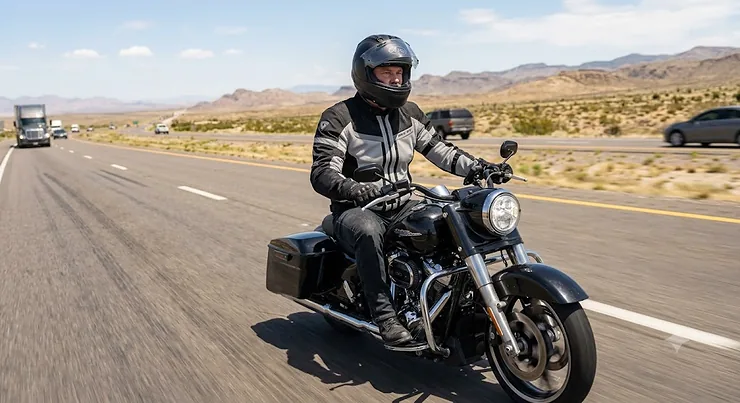
There’s a very specific kind of misery that comes from riding in July wearing the wrong jacket. Your torso turns into a convection oven, sweat pools somewhere it has no business pooling, and every red light feels like a personal attack from the universe. A best mesh motorcycle jacket fixes that problem without asking you to trade away protection. A mesh motorcycle jacket is a riding garment built from perforated or open-weave textile panels that let air pass directly through to your skin, typically reinforced with abrasion-resistant fabric and CE-certified armor at the shoulders, elbows, and back. That’s the short version — the long version is that not all mesh is created equal, and picking the wrong one means choosing between “cool but flimsy” and “protective but stifling.” Riders lose an outsized share of skin and confidence to bad gear decisions, and the National Highway Traffic Safety Administration has long emphasized proper protective clothing as a core piece of rider safety alongside helmets and gloves. This guide breaks down seven real mesh jackets — from budget-friendly commuter options to premium adventure-ready builds — and explains exactly what separates a genuinely good best mesh motorcycle jacket from a marketing photo with mesh sewn onto it. We’ll cover armor ratings, liner systems, full mesh versus partial mesh construction, and the mistakes that send riders back to the return counter. By the end, you’ll know which jacket actually matches your riding style, your budget, and the kind of heat you’re trying to survive.
Quick Comparison Table
| Jacket | Best For | Armor | Price Range |
|---|---|---|---|
| REAX Alta 2 | Daily urban commuting | CE Level 2 shoulder/elbow | $220-$260 |
| Joe Rocket Phoenix Ion | First-time buyers on a budget | CE-approved shoulder/elbow | $150-$180 |
| Tourmaster Intake Air | Three-season versatility | CE Level 2 Safe-Tech | $180-$230 |
| Icon Mesh AF CE | Lightest full mesh chassis | CE Level 1 D3O | $170-$210 |
| Alpinestars T-GP Plus R v4 Airflow | Sport riders who want a sharp fit | CE-certified DFS Lite | $280-$330 |
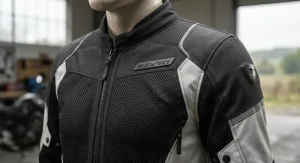
| REV’IT! Eclipse 2 | Maximum airflow on city streets | CE Level 1 SeeSmart | $300-$350 |
| Klim Marrakesh | Long-distance adventure touring | D3O IP Ghost | $420-$460 |
Looking at the spread above, there’s a clear pattern: the cheaper jackets lean on simpler mesh weaves and Level 1 armor, while jackets north of $280 start adding stretch-panel engineering, upgraded impact foam, and pant-connection systems built for hours in the saddle. The REAX Alta 2 and Tourmaster Intake Air sit in a sweet spot where you get real CE Level 2 protection without premium-jacket pricing, which is exactly why they show up so often in commuter recommendations. If your budget caps out under $200, the Joe Rocket Phoenix Ion and Icon Mesh AF CE still deliver certified armor — you’re just trading some stretch and refinement for the lower price tag.
💬 Bookmark this comparison — you’ll want to reference it again once you see the full breakdown below!
💬 Just one click — help others make better buying decisions too!😊
Top 7 Mesh Motorcycle Jackets: Expert Analysis
1. REAX Alta 2 Mesh Jacket — best balance of armor and everyday comfort
The REAX Alta 2 rebuilds the brand’s popular 2018 original around a 600D ripstop and 750D hard mesh chassis with 1200D reinforcement stitched into the impact zones — the kind of layered construction that keeps the jacket breathable in the panels that matter least and tough in the ones that matter most. Real-world translation: the mesh sections handle stop-and-go traffic heat while the reinforced shoulders and elbows shrug off a low-speed tumble a thinner all-mesh jacket wouldn’t survive. The jacket ships with AXIAL AX2 Air CE Level 2 armor at the shoulders and elbows, which is a meaningfully higher protection tier than the CE Level 1 armor found in several competitors on this list. Reviewers consistently praise the REAX Alta 2‘s 32% increase in torso and arm stretch over the original Alta, and multiple sources note it runs slightly small, so sizing up is the common recommendation. This is a jacket for riders who want serious commuting protection without stepping into premium pricing — beginners will appreciate the straightforward feature set, while veteran riders will notice the small quality-of-life touches like the auto-locking YKK zippers and dedicated glasses pocket.
Pros:
- ✅ CE Level 2 armor beats many jackets in this price bracket
- ✅ Removable 100% waterproof liner adds three-season flexibility
- ✅ 32% more stretch than the original Alta for a freer fit
Cons:
- ❌ Runs small — most buyers recommend sizing up
- ❌ No back protector included standard
At around $220-$260, the REAX Alta 2 delivers CE Level 2 protection for less than most competitors charge for CE Level 1, making it one of the strongest value plays in the mesh category.
2. Joe Rocket Phoenix Ion — most affordable full mesh entry point
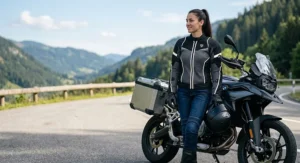
The Joe Rocket Phoenix Ion is built on FreeAir polyester mesh reinforced with Dynax fabric at the upper back, ribs, and forearms, which keeps the airflow generous while still giving the impact zones something tougher than raw mesh to work with. In practice, that means the torso and back stay cool at highway speeds while the shoulder and elbow areas get real structural backup before the CE-approved armor even comes into play. Externally accessible armor pockets mean you can swap or upgrade the shoulder and elbow protectors without dismantling the liner, and the jacket includes both a two-stage waterproof liner and an insulated zip-out vest liner — an unusually complete liner system at this price point. This is the pick for new riders assembling a first gear kit or anyone who wants a dedicated summer jacket without a big financial commitment. Buyers consistently describe the fit as running true to American sizing, and the layered liner setup earns repeat praise for making the jacket usable well outside of peak summer.
Pros:
- ✅ Two full liners (waterproof + insulated) included at a budget price
- ✅ Externally accessible armor for easy inspection or upgrades
- ✅ Removable spine pad ready for an optional CE back protector
Cons:
- ❌ Base armor is CE-approved but not the highest available tier
- ❌ Fewer premium touches like stretch-zone engineering
Priced in the $150-$180 range, the Joe Rocket Phoenix Ion is the jacket to recommend when someone asks for a genuinely protective mesh jacket that won’t strain a first-gear budget.
3. Tourmaster Intake Air — best three-season liner system
The Tourmaster Intake Air takes a “short waist, sporty textile” approach with a mostly mesh outer shell paired to a Reissa waterproof, breathable zip-out liner and a separate zip-out thermal vest liner. What that layering means for you: strip both liners for peak-summer riding, add the thermal vest for a chilly morning commute, or zip in the waterproof layer when the forecast turns against you — one jacket doing the job of three. CE Level 2 Safe-Tech armor covers the shoulders and elbows, with a removable EVA foam back pad and an optional upgraded back protector available separately. Riders in hot, arid climates report the jacket flows air well even at lower speeds, which matters more than headline specs suggest — plenty of “high airflow” jackets only really breathe once you’re doing 50 mph. The tradeoff some owners note is a bit more heft than the mesh jacket it replaced, attributed directly to the increased armor coverage — a fair trade for most commuters, less so for riders chasing the lightest possible setup.
Pros:
- ✅ CE Level 2 armor plus a genuine three-season liner system
- ✅ Zippered intake vents and back exhaust vents for active airflow
- ✅ Accordion stretch panels at the back and elbows for mobility
Cons:
- ❌ Heavier than pure summer-only mesh jackets
- ❌ Some buffeting reported when riding with the liner installed
Expect to pay in the $180-$230 range, which is honest value for a jacket engineered to work from spring through fall, not just the three hottest months.
4. Icon Mesh AF CE — lightest full mesh chassis on this list
Icon built the Mesh AF CE around what it calls an Iron Weave mesh chassis, prioritizing airflow above nearly everything else while still meeting CE certification requirements. What that tradeoff means practically: this is one of the airiest jackets in this roundup, built for riders whose primary complaint about mesh jackets is that they still don’t flow enough air. Impact protection comes from a full suite of D3O protectors covering the shoulders and elbows — D3O’s shear-thickening foam stays soft and flexible during normal riding, then stiffens on impact, which lets Icon keep the jacket light without sacrificing certified protection. Reviewers who specifically test hot-weather gear describe the Mesh AF CE as a standout “cheap mesh jacket with real CE armor,” which lines up with its position as one of the more affordable full mesh options carrying certified protection rather than foam-only armor. This is the jacket for riders in genuinely brutal heat — Southwest desert commuters, delivery riders, or anyone whose summer rides regularly cross into the high 90s.
Pros:
- ✅ Iron Weave mesh chassis prioritizes maximum airflow
- ✅ D3O impact protectors at shoulders and elbows included standard
- ✅ Competitively priced for a full mesh, CE-certified design
Cons:
- ❌ Minimal storage compared to touring-oriented jackets
- ❌ Less structure/stretch engineering than premium sport jackets
At roughly $170-$210, the Icon Mesh AF CE earns its spot for riders who treat airflow as the single most important spec on the sheet.
5. Alpinestars T-GP Plus R v4 Airflow Jacket — best sport fit with serious ventilation
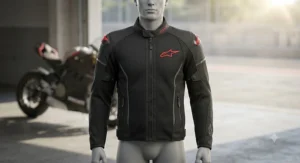
The Alpinestars T-GP Plus R v4 Airflow is built from 450D poly-fabric with extensive mesh and perforated panels across the chest, back yoke, and lower sleeves, targeting sport riders who want a tapered fit rather than a boxy commuter cut. The pre-curved arms and 3D pattern silhouette matter more than they sound — on a sport bike’s forward-leaning riding position, a jacket cut for an upright commuter posture bunches and pulls exactly where you don’t want restriction. DFS Lite shoulder protectors handle friction control at the point of first contact, and the jacket carries a full CE Category II EN17092-4 Class A certification, putting it on the more rigorous end of the EN 17092 scale. It’s also Tech-Air 5 and Tech-Air 3 airbag-ready, a detail that matters if you’re planning to eventually add an airbag vest to your setup. Track-day and canyon riders report the armor feels notably more flexible than the semi-rigid foam found in some competing jackets, while still delivering confident coverage with an aftermarket back protector installed.
Pros:
- ✅ Sport-tapered fit with pre-curved arms for aggressive riding positions
- ✅ CE Category II EN17092-4 Class A certification
- ✅ Tech-Air 5 and Tech-Air 3 airbag-compatible
Cons:
- ❌ Sport cut runs tighter and less forgiving for larger frames
- ❌ Back protector sold separately, not included standard
Priced around $280-$330, this is the pick for riders who spend more time in a sport-bike crouch than sitting upright in traffic.
6. REV’IT! Eclipse 2 Jacket — most airflow you can buy in a street jacket
The REV’IT! Eclipse 2 replaced its predecessor’s solid textile back strip with a full mesh back panel, and that single change defines the jacket: huge polyester mesh sections span the chest, inner arms, and now the entire back for airflow that reviewers describe as “flooding” at highway speed. REV’IT!’s proprietary SeeSmart CE Level 1 armor covers the shoulders and elbows, and it’s noticeably thinner and more flexible than the older Knox armor the original Eclipse used, with room built in for an optional back protector. Long-term testers single this jacket out as the top choice for pure street riding in serious heat, though the same reviewers note it’s missing the 3D air-mesh spacer fabric found in REV’IT!’s pricier jackets, meaning the armor pockets themselves don’t ventilate quite as well as the mesh panels around them. What most buyers overlook here is that this is explicitly a street jacket rather than a highway-mile eater — testers consistently pair it with a different jacket for long-distance slab riding and reserve the Eclipse 2 for city and canyon days.
Pros:
- ✅ Full mesh back panel for the most airflow in this lineup
- ✅ SeeSmart CE Level 1 armor is thinner and more flexible than older designs
- ✅ Jacket-to-pant connection loops for a complete riding suit
Cons:
- ❌ Armor pockets lack the 3D spacer mesh found in pricier REV’IT! jackets
- ❌ Better suited to city/street riding than long highway stretches
At around $300-$350, the REV’IT! Eclipse 2 is the answer whenever someone specifically asks which jacket flows the most air without giving up CE certification.
7. Klim Marrakesh Jacket — premium adventure-touring mesh build
The Klim Marrakesh takes a different approach than the rest of this list: rather than large open mesh panels, it uses extensive perforated and ventilated fabric across the whole chassis, which changes how the airflow behaves. Owners who’ve compared it directly to panel-mesh jackets describe the Klim Marrakesh as flowing less noticeable air at a given speed but staying comfortable across a much wider temperature range — from near-freezing mornings up into the high 90s on the same trip. That versatility comes from Klim’s low-profile D3O IP Ghost armor, updated specifically to cut bulk and weight versus older rigid pads, plus a design built to pair with matching Marrakesh riding pants for a full adventure-touring kit. Customer ratings sit around 4.5 out of 5 across roughly 90 reviews on major retail sites, a strong showing for a jacket in this price tier. This is the jacket for riders doing multi-day adventure routes where conditions swing wildly and a dedicated summer-only jacket would mean packing a second layer anyway.
Pros:
- ✅ Comfortable across a far wider temperature range than panel-mesh jackets
- ✅ Low-profile D3O IP Ghost armor cuts bulk and weight
- ✅ Strong 4.5-star customer rating across a large review sample
Cons:
- ❌ Noticeably higher price than every other jacket on this list
- ❌ Less dramatic airflow “flood” than open mesh-panel designs at low speed
Running roughly $420-$460, the Klim Marrakesh is a premium buy — but for adventure riders covering serious mileage across changing conditions, the versatility often justifies the gap.
Practical Usage Guide: Setting Up Your Mesh Jacket the Right Way
Buying the right jacket is only half the job — how you set it up in the first 30 days determines whether it actually performs. Start by testing the liner system before you need it: zip in the waterproof and thermal liners at home, check that the sleeves still move freely, and confirm the jacket-to-pant connection zipper (if equipped) actually mates with your riding pants. A surprising number of returns happen because a rider discovers a fit conflict on the first cold morning instead of in the driveway. Adjust the waist and sleeve straps to snug — not tight — since a mesh jacket that’s too loose lets air balloon the fabric at speed, which both wastes cooling potential and reduces how well the armor stays positioned over your joints. If your jacket has a removable back protector pocket like the REAX Alta 2 or Tourmaster Intake Air, don’t skip it; a jacket without back coverage leaves your spine as the single least-protected area on your body. Wash mesh jackets according to the manufacturer’s care tag, usually a gentle cycle with the armor removed, since armor foam can degrade or lose flexibility in a washing machine. Store the jacket somewhere dry with the liner zipped back in — mesh left compressed in a saddlebag for months tends to develop weaker weave integrity at the fold points, which slowly erodes the abrasion protection you paid for.
Real-World Scenario: Which Mesh Jacket Actually Fits Your Ride
Picture three riders shopping at the same time. The first is a college student commuting eight miles daily on a used 300cc bike through stop-and-go city traffic — for that rider, the budget-conscious Joe Rocket Phoenix Ion or Icon Mesh AF CE makes the most sense, since daily short trips don’t demand premium touring features, just reliable CE armor and enough airflow to survive traffic lights in July. The second rider is a weekend canyon carver who wants a jacket that matches an aggressive sport-bike posture — the Alpinestars T-GP Plus R v4 Airflow or the REV’IT! Eclipse 2 fit that profile, offering sport-tapered cuts and armor built for a more athletic riding position rather than an upright commuter stance. The third rider is planning a two-week adventure route from the desert Southwest up into higher, cooler elevations — that’s exactly the situation the Klim Marrakesh was engineered for, where a single jacket needs to handle both baking afternoons and chilly mountain mornings without a wardrobe change. None of these choices are wrong; they’re just matched to different frequencies of use, budgets, and riding environments, which is the entire point of shopping by scenario instead of by spec sheet alone.
Problem → Solution Guide: Common Mesh Jacket Headaches
Problem: The jacket feels great at 60 mph but bakes you at stoplights. This is a mesh-placement issue, not necessarily a bad jacket — panels concentrated on the chest and back rely on forward airflow to work, so a jacket like the REV’IT! Eclipse 2 with mesh distributed front, back, and inner arms will perform better in stop-and-go traffic than one relying on a single large front panel.
Problem: Armor shifts around during rides. Usually a fit issue rather than an armor failure — tighten the waist and sleeve adjusters so the jacket sits snug enough that the shoulder and elbow pockets stay aligned with your joints through your full range of motion.
Problem: The liner won’t zip back in cleanly after washing. Check that the liner zipper teeth are fully dry and lightly waxed if they’re sticking; forcing a damp zipper is the most common cause of liner zipper failure on jackets like the Tourmaster Intake Air.
Problem: The jacket runs small out of the box. Multiple owners of the REAX Alta 2 specifically flag this — order one size up rather than assuming your usual size will fit true.
Problem: Mesh feels flimsy compared to a leather jacket. That’s expected — mesh always trades some abrasion resistance for airflow, which is exactly why CE armor at the impact points matters more here than in a full leather suit.
How to Choose a Mesh Motorcycle Jacket
- Start with your climate, not the price tag. A rider in Phoenix has different priorities than a rider in coastal Oregon, even if both want a mesh motorcycle jacket.
- Confirm the CE rating before anything else. Look for at least CE Level 1 armor at the shoulders and elbows; CE Level 2 is meaningfully better if your budget allows it.
- Check the mesh distribution, not just the mesh percentage. Two jackets can both claim “extensive mesh” while performing very differently in stop-and-go traffic versus highway cruising.
- Decide if you need a liner system. If you’ll ride the same jacket into cooler months, prioritize a removable waterproof and thermal liner combo.
- Try before you commit to sizing. Mesh jackets fit differently than leather due to stretch panels — several jackets on this list, including the REAX Alta 2, run smaller than expected.
- Match the cut to your bike. Sport bikes reward a tapered, pre-curved-arm fit like the Alpinestars T-GP Plus R v4 Airflow; upright commuters do fine with a straighter commuter cut.
- Budget for a back protector if it’s not included. Several jackets, like the REV’IT! Eclipse 2, ship with room for one but sell it separately — don’t skip this step.
Full Mesh vs Partial Mesh Panel: Which Layout Actually Wins
This is one of the most misunderstood distinctions shoppers run into. A full mesh motorcycle jacket uses open-weave mesh across nearly the entire chassis — chest, back, and arms — maximizing airflow but generally trading away some overall abrasion resistance compared to a jacket that mixes mesh with solid textile. A partial mesh jacket with mesh panels concentrated at specific zones, often the chest and inner arms, keeps a tougher solid-textile back and shoulders while still venting the areas that generate the most body heat. The Icon Mesh AF CE and REV’IT! Eclipse 2 lean toward the full mesh end of the spectrum, prioritizing maximum airflow, while the Klim Marrakesh takes a more balanced perforated-panel approach that trades a little peak airflow for a wider comfortable temperature range. Neither layout is objectively superior — a full mesh jacket wins for pure stop-and-go heat survival, while a partial mesh or perforated design wins for riders who need one jacket to handle both 95-degree afternoons and 55-degree mornings on the same trip. The honest advice: match the layout to how often your riding temperature actually swings, not to which jacket looks like it has the most visible mesh in product photos.
Airflow and Breathability: What Airflow Motorcycle Jackets Really Deliver in Practice
Marketing copy loves the phrase “maximum airflow,” but what actually determines how breathable mesh moto jacket feels on your skin comes down to three things: mesh density, panel placement relative to your riding position, and whether the armor pockets themselves are ventilated or just solid foam blocking the mesh behind them. A perforated riding jacket like the Alpinestars T-GP Plus R v4 Airflow uses strategically placed perforations on the chest, back yoke, and forearms specifically because those zones sit in direct airflow at riding speed, while areas that don’t benefit as much stay solid for structure. The REV’IT! Eclipse 2‘s reviewers specifically noted that while the mesh panels flow air excellently, the armor pockets themselves lack the 3D spacer mesh found in the brand’s pricier jackets — meaning even a jacket with excellent mesh coverage can still trap heat right where the armor sits. Practically speaking, riders who do a lot of low-speed city riding should prioritize jackets with mesh across the back and inner arms, since chest-only mesh depends heavily on forward speed to push air through. Riders doing mostly highway miles have more flexibility, since even moderate mesh coverage flows well once you’re cruising at 50-plus mph.
CE Mesh Motorcycle Jacket Ratings and Abrasion Protection Explained
Every jacket on this list is CE certified, but “CE certified” covers a wide range of actual protection levels, and understanding the mesh jacket abrasion protection rating system will save you from assuming all armored mesh jackets are equal. The current standard, EN 17092, classifies garments into Class AAA, AA, A, and lower tiers based on abrasion resistance, seam strength, tear resistance, and impact protection, as detailed by testing body SATRA, which runs the actual lab testing behind many of these certifications. Class AAA and AA garments require armor at the elbows, shoulders, and back as a mandatory baseline, while lower classes like Class A trade some abrasion resistance for lighter, more breathable construction — which is exactly the compromise most mesh motorcycle jackets are built around. The Alpinestars T-GP Plus R v4 Airflow carries a Class A rating under EN17092-4, positioning it as basic-but-certified protection optimized for lightweight summer riding rather than track-day slide resistance. Separately, the armor itself carries its own EN 1621 rating (commonly Level 1 or Level 2), which measures impact absorption independently from the jacket’s overall abrasion class — a jacket can have a lower garment class while still using Level 2 armor, exactly as the REAX Alta 2 and Tourmaster Intake Air demonstrate. Bottom line: always check both numbers, the garment class and the armor level, rather than assuming “CE certified” alone tells the whole story.
Mesh Jackets for Every Type of Rider
Not every rider needs the same thing from a mesh motorcycle jacket with mesh panels, even within the same budget range. Daily commuters riding shorter distances in heavy traffic benefit most from jackets with mesh concentrated at the back and inner arms, since that’s where stop-and-go heat builds fastest — the REAX Alta 2 and Joe Rocket Phoenix Ion both fit this pattern well. Sport riders spending weekends on twisty roads want a tapered, athletic cut with armor engineered for a forward-leaning position, which points toward the Alpinestars T-GP Plus R v4 Airflow. Long-distance touring and adventure riders need versatility more than peak airflow, since conditions change constantly across a multi-day route — the Klim Marrakesh‘s balanced perforated construction and wide comfort range earns its premium price specifically for this use case. New riders building a first gear kit should prioritize value and certified armor over brand prestige, making the Joe Rocket Phoenix Ion and Icon Mesh AF CE sensible starting points. And riders who simply want the coolest possible street jacket for city riding, prioritizing airflow above all else, consistently land on the REV’IT! Eclipse 2 as the benchmark.
Common Mistakes When Buying a Mesh Motorcycle Jacket
The single most common mistake is buying based on how much visible mesh a jacket shows in photos rather than checking the actual CE rating underneath it — a jacket covered in decorative mesh with weak or missing armor offers a false sense of security that a genuinely certified jacket, even with less visible mesh, will beat every time. A close second is skipping the liner system question entirely, then discovering the jacket is unusable once temperatures drop in fall, forcing an unplanned second jacket purchase. Sizing is another frequent trap — several jackets in this category, including the REAX Alta 2, run smaller than standard sizing charts suggest, and ordering true-to-chart without checking reviews leads to returns. Riders also commonly under-budget for a back protector, assuming it’s included when many jackets, like the REV’IT! Eclipse 2, ship with only a pocket for one sold separately. Finally, plenty of buyers skip trying the jacket in a riding position entirely, only to discover at highway speed that the cut binds across the shoulders or rides up at the waist — a mistake that a five-minute in-store fitting, arms extended forward, would have caught. NHTSA’s ongoing research into rider behavior continues to note that protective clothing use varies widely among riders, which underscores why picking gear you’ll actually want to wear every ride matters as much as the spec sheet.
Long-Term Cost and Maintenance of Mesh Gear
A mesh jacket’s total cost of ownership extends well past the sticker price, and understanding it helps you judge real value rather than just upfront cost. Budget jackets like the Joe Rocket Phoenix Ion typically run $150-$180 and deliver strong value for riders logging fewer annual miles, but heavier daily use can wear mesh weave and zippers faster than a more reinforced build. Mid-range options like the REAX Alta 2 and Tourmaster Intake Air, priced $180-$260, tend to hold up better under frequent commuting thanks to heavier-denier reinforcement at stress points, effectively lowering the cost-per-wear over a multi-year ownership period. Premium jackets like the Klim Marrakesh, at $420-$460, cost roughly double or triple the budget tier upfront, but their versatility across seasons can eliminate the need for a separate three-season jacket entirely — for a rider who’d otherwise buy two jackets, the premium option may actually work out cheaper over several years. Regardless of price tier, extending a mesh jacket’s usable life comes down to basics: hand-wash or gentle-cycle the shell with armor removed, air-dry rather than machine-dry, and store it un-compressed so the mesh weave doesn’t develop weak points at fold creases. Heat exposure matters too — the CDC’s guidance on heat stress is written for outdoor workers, but the same hydration and acclimatization principles apply directly to anyone spending hours in hot-weather gear, mesh jacket or not.
Frequently Asked Questions
❓ Are mesh motorcycle jackets actually safe in a crash?
❓ What's the difference between CE Level 1 and Level 2 armor?
❓ Can I wear a mesh jacket in cold weather?
❓ How much should I expect to pay for a good mesh motorcycle jacket?
❓ Do mesh jackets run true to size?
Conclusion
Choosing the best mesh motorcycle jacket really comes down to matching three things honestly: your riding environment, your budget, and how much versatility you actually need across the seasons. If you’re commuting daily in serious heat on a tight budget, the Joe Rocket Phoenix Ion or Icon Mesh AF CE get you certified protection without overspending. If you want the strongest armor-to-price ratio for regular use, the REAX Alta 2 and Tourmaster Intake Air deliver CE Level 2 protection with real liner versatility. Sport riders chasing a proper athletic fit should look hard at the Alpinestars T-GP Plus R v4 Airflow, while anyone chasing the single coolest street jacket available keeps landing on the REV’IT! Eclipse 2 for good reason. And if your riding covers serious mileage across shifting conditions, the Klim Marrakesh‘s premium price buys genuine year-round flexibility that cheaper jackets simply can’t match. Whichever you choose, don’t let the mesh fool you into skipping the fundamentals — check the CE rating, confirm the armor level, and try it in a riding position before you commit. The right jacket should disappear into the background of a great ride, not remind you it’s there every time you hit a red light in August.
✨ Don’t Miss These Exclusive Deals!
🔍 Take your summer riding gear to the next level with these carefully selected mesh jackets. Click on any highlighted pick above to check current pricing and availability. The right jacket will keep you cool, protected, and confident on every ride this season!
Recommended for You
- Commuter Motorcycle Jacket: 7 Picks That Won’t Wreck 2026
- Touring motorcycle jacket textile: 7 Best Picks for 2026 Riders
- Adventure Motorcycle Jacket 2026: 7 Battle-Tested Picks That Won’t Fail You
Disclaimer: This article contains affiliate links. As an Amazon Associate, I earn from qualifying purchases. If you purchase products through these links, we may earn a small commission at no additional cost to you.
✨ Found this helpful? Share it with your friends! 💬🤗
