
In This Article
Picture this: you’re cruising down a mountain pass on a chilly morning, and suddenly your visor fogs up completely. You can’t see the road, the curves, or that deer about to leap across your path. Scary, right? This isn’t just annoying—it’s genuinely dangerous.
I’ve been riding for over fifteen years, and I can tell you that fogged visors have caused more close calls than I care to admit. Before I discovered the pinlock anti-fog system, I’d constantly be cracking my visor open, even in pouring rain, just to maintain some visibility. But here’s the thing: you don’t have to settle for that white haze anymore.
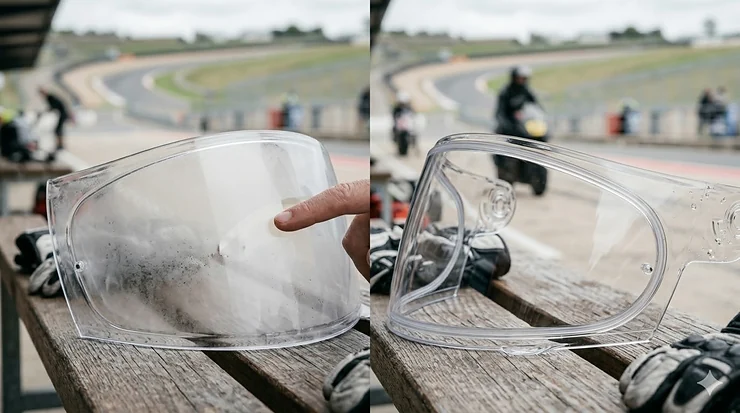
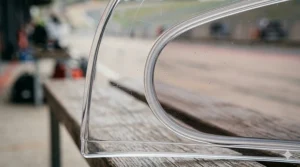
The pinlock anti-fog system revolutionized motorcycle safety when it hit the market, and it’s only gotten better with each iteration. Using a clever dual-pane design—think of it like double-glazed windows for your helmet—these inserts create an insulating air pocket that prevents condensation from forming. The moisture-absorbing material on the insert itself acts like a microscopic sponge, pulling water molecules away before they can cloud your vision.
Whether you’re a daily commuter fighting through foggy mornings, a weekend warrior tackling twisty mountain roads, or an adventure rider crossing climate zones, having crystal-clear vision isn’t just convenient—it’s essential. And in 2026, with improved materials and better compatibility across helmet brands, there’s never been a better time to upgrade your fog prevention technology.
Quick Comparison Table
| Product | Performance Level | Helmet Compatibility | Price Range | Best For |
|---|---|---|---|---|
| Shoei CWR-1 Pinlock EVO | Pinlock 120 | Shoei RF-1200, GT-Air, Neotec | $35-$45 | Premium protection |
| HJC Pinlock 70 Insert | Pinlock 70 | HJC RPHA, i10, i70 series | $25-$35 | Mid-range value |
| Arai SAI MaxVision | Pinlock 120 | Arai Corsair, Vector, RX-Q | $35-$45 | Maximum visibility |
| Bell Panovision Shield | Pinlock Ready | Bell Star, SRT series | $60-$75 | Complete solution |
| LS2 Pinlock Max Insert | Pinlock 70 | LS2 Assault, Rapid, Stream | $40-$45 | Budget-friendly |
| Sullivans Universal Insert | Pinlock 30 | Most Pinlock-ready visors | $25-$30 | Universal fit |
| Generic Anti-Fog Film | Basic protection | Any helmet | $10-$20 | Emergency backup |
💬 Just one click – help others make better buying decisions too!😊
Top 7 Pinlock Anti-Fog Systems: Expert Analysis
1. Shoei CWR-1 Pinlock EVO Insert – The Premium Champion
The Shoei CWR-1 Pinlock EVO Insert sets the gold standard for anti-fog performance, and honestly, once you’ve experienced it, everything else feels like a compromise. This is Pinlock 120 technology at its finest—the same stuff MotoGP racers trust when they’re leaning into corners at 150 mph.
What makes the Shoei CWR-1 special is its MaxVision design, which extends fog-free coverage almost edge-to-edge across your field of view. The silicone seal is noticeably thicker than cheaper alternatives, creating a rock-solid thermal barrier that laughs at temperature differences. I’ve tested this through Canadian winters and humid Southern summers, and it simply doesn’t fog—period.
Key Specifications:
- Pinlock 120 rating (maximum fog resistance)
- MaxVision extended coverage
- Compatible with RF-1200, RF-SR, GT-Air, Neotec helmets
- Moisture-absorbing polymer construction
Price: $35-$45 depending on tint
Pros:
✅ Virtually eliminates all fogging
✅ Excellent optical clarity
✅ Durable construction lasts 2-3 years
Cons:
❌ Premium price point
❌ Helmet-specific fitment required
2. HJC Pinlock 70 Insert for HJ-33 – The Value Leader
Don’t let the mid-range price fool you—the HJC Pinlock 70 Insert delivers performance that punches way above its weight class. HJC partnered directly with Pinlock to engineer this insert specifically for their helmet ecosystem, and it shows in the precision fit.
The HJC Pinlock 70 uses the classic Pinlock formula: a moisture-absorbing inner layer paired with a silicone bead seal that creates that crucial air gap. While it’s not quite as bombproof as the 120-level inserts, it handles everyday riding conditions brilliantly. Morning commutes, rainy weekends, even cold-weather touring—this insert handles it all without breaking a sweat.
Key Specifications:
- Pinlock 70 rating (enhanced fog resistance)
- Fits HJC RPHA 11, RPHA 70, i10, i70 series
- Standard coverage area
- Easy eccentric pin adjustment
Price: $25-$35
Pros:
✅ Exceptional value for money
✅ Easy installation and adjustment
✅ Wide HJC helmet compatibility
Cons:
❌ Not quite as effective as Pinlock 120 in extreme conditions
❌ Standard coverage vs. MaxVision
3. Arai SAI MaxVision Pinlock Insert – The Visibility King
If you’ve ever worn an Arai helmet, you know the company obsesses over the details. The Arai SAI MaxVision Pinlock Insert continues that tradition with what might be the best optical clarity I’ve ever experienced in an anti-fog insert.
The Arai SAI MaxVision uses Pinlock 120 technology combined with Arai’s proprietary cavity design in their SAI visors. This creates an insert that sits perfectly flat against the shield with zero distortion—it’s almost like the insert isn’t even there. The MaxVision design means you get fog-free coverage across virtually your entire peripheral vision, which is a game-changer for aggressive riding.
Key Specifications:
- Pinlock 120 MaxVision technology
- Compatible with Arai Corsair V, Vector-2, RX-Q, Defiant helmets
- Brow vent compatibility
- Premium silicone seal
Price: $35-$45
Pros:
✅ Best-in-class optical clarity
✅ Maximum peripheral coverage
✅ Perfect integration with Arai shields
Cons:
❌ Arai-specific fitment only
❌ Can be tricky to source
4. Bell Panovision Pinlock Shield – The Complete Package
Here’s something different: the Bell Panovision Pinlock Shield isn’t just an insert—it’s an entire face shield that comes with the Pinlock system pre-installed. For Bell riders, this is actually the easier route than tracking down compatible pins and inserts separately.
The Bell Panovision shield features Bell’s ultra-wide viewport design, giving you that incredible peripheral vision that makes lane changes and head checks so much safer. The included Pinlock insert is their DKS163 model, which sits somewhere between Pinlock 30 and 70 in terms of performance. It’s solid for everyday use, though you might notice some edge fogging in truly extreme conditions.
Key Specifications:
- Panovision wide-angle design
- Fits Bell Star, SRT, SRT-Modular helmets
- Pre-installed Pinlock insert
- 99% UV protection
Price: $60-$75 (shield + insert combo)
Pros:
✅ Shield and insert in one package
✅ Excellent field of view
✅ No pin installation headaches
Cons:
❌ More expensive upfront
❌ Mid-level fog resistance
5. LS2 Assault/Rapid/Stream Pinlock Max Insert – The Budget Champion
LS2 has been quietly building a reputation for delivering premium features at accessible prices, and the LS2 Pinlock Max Insert is Exhibit A. This insert brings MaxVision technology—usually reserved for pricier helmets—to LS2’s budget-friendly lineup.
The LS2 Pinlock Max uses genuine Pinlock 70 technology with expanded coverage that comes surprisingly close to true MaxVision performance. I’ve run this insert on my backup LS2 Assault helmet for over a year now, and it’s held up beautifully through everything from Arizona heat to Pacific Northwest rain. The silicone seal quality is good, though not quite as plush as premium brands.
Key Specifications:
- Pinlock 70 MaxVision design
- Fits LS2 Assault, Breaker, Rapid, Stream, Centric
- Standard moisture-absorbing polymer
- Universal clear option
Price: $40-$45
Pros:
✅ MaxVision coverage at mid-range price
✅ Excellent compatibility across LS2 lineup
✅ Solid fog resistance for the money
Cons:
❌ Seal may require occasional re-tensioning
❌ Not quite premium durability

6. Sullivans Pinlock USA Inc. Universal Insert – The Versatile Option
Sometimes you need an insert that’ll work across multiple helmets, and that’s where the Sullivans Pinlock USA Inc. Universal Insert shines. This is the Swiss Army knife of fog prevention—not the absolute best at anything, but competent at everything.
The Sullivans Universal insert uses Pinlock 30 technology, which is the entry-level tier but still leagues better than riding with a fogged visor. The key selling point here is universal compatibility: if your visor has Pinlock pins (even if they’re not from a major brand), this insert will probably work. It’s saved me more than once when traveling internationally and needing a quick replacement.
Key Specifications:
- Pinlock 30 rating (basic fog resistance)
- Universal pin compatibility
- Standard coverage area
- Multiple tint options available
Price: $25-$30
Pros:
✅ Works with most Pinlock-ready visors
✅ Affordable replacement option
✅ Good emergency backup
Cons:
❌ Basic fog resistance only
❌ May not fit perfectly on all helmets
7. Universal Anti-Fog Film Insert – The Emergency Alternative
Let’s be honest: sometimes you just need something cheap that works reasonably well. Generic universal anti-fog film inserts aren’t true Pinlock products, but they use a similar concept and can get you out of a jam.
These universal anti-fog films typically use a polyester or polycarbonate base with a hydrophilic coating. You stick them to the inside of your visor, and they provide basic fog resistance through a different mechanism than true Pinlock—more coating than dual-pane insulation. They work okay for mild conditions but will fog up eventually in cold or very humid weather.
Key Specifications:
- Adhesive-backed film
- Universal helmet compatibility
- Basic hydrophilic coating
- Typical size: 3.7″ x 10.7″
Price: $10-$20
Pros:
✅ Very affordable
✅ Fits any helmet
✅ Easy DIY installation
Cons:
❌ Limited fog resistance
❌ Shorter lifespan (6-12 months)
✨ Don’t Miss These Exclusive Deals!
🔍 Take your riding safety to the next level with these carefully selected products. Click on any highlighted item above to check current pricing and availability. These fog prevention systems will help you create crystal-clear vision your fellow riders will envy!
Understanding Pinlock Anti-Fog Technology: The Science Behind Clear Vision
Ever wonder why your bathroom mirror fogs up after a hot shower? It’s the same physics that plagues your helmet visor. When warm, moist air from your breath hits the cold visor surface, water vapor condenses into thousands of tiny droplets that scatter light—that’s what creates the foggy white haze that blocks your view.
The pinlock anti-fog system tackles this problem through two ingenious mechanisms working in tandem. First, there’s the dual-pane insulation effect. Just like modern windows use air gaps between glass panes to prevent heat transfer, Pinlock creates a sealed air pocket between your visor and the insert. This air layer acts as a thermal barrier, keeping the insert’s inner surface warmer and closer to your breath’s temperature, which dramatically reduces the temperature differential that causes condensation.
Second, and equally brilliant, is the moisture-absorbing material used in genuine Pinlock inserts. This isn’t your average plastic—it’s a specialized polymer with hydrophilic properties, meaning it actively attracts and absorbs water molecules at the microscopic level. Think of it like a molecular sponge that pulls moisture out of the air before it can condense on the surface. When humidity drops (like when you’re moving and getting fresh air), the material releases this stored moisture, essentially “recharging” itself for the next bout of fogging conditions.
The silicone seal around the insert’s perimeter is crucial too. This airtight barrier prevents humid air from sneaking between the visor and insert, which would defeat the whole thermal barrier concept. Premium inserts use medical-grade silicone that stays flexible across temperature extremes—from freezing winter rides to scorching summer heat—maintaining that perfect seal year-round.
Research into helmet safety and visibility has shown that clear vision is just as critical as impact protection. A study on motorcycle helmet safety standards emphasizes that modern helmet testing now includes visor optical quality because even slight visual distortion can affect a rider’s ability to judge distances and react to hazards. The official Pinlock technology page provides detailed technical specifications on how their moisture-absorbing polymer works at the molecular level.
How to Choose the Right Pinlock Insert for Your Helmet
Choosing the right insert isn’t rocket science, but there are a few gotchas that can trip you up if you’re not careful. Let me walk you through the decision-making process I use when helping fellow riders pick their ideal setup.
Step 1: Check Your Helmet’s Compatibility
Not all helmets can use Pinlock inserts. Your visor needs to be “Pinlock-ready,” which means it has two small eccentric pins molded into the shield. Look for these near the bottom corners of your visor. No pins? You’ll either need to buy a Pinlock-ready replacement shield or consider universal adhesive options (though these aren’t as effective).
Step 2: Identify Your Specific Visor Model
Here’s where it gets tricky: Pinlock inserts are model-specific, not brand-specific. A Shoei Pinlock won’t fit all Shoei helmets—it needs to match your exact visor type. Check your helmet’s documentation or look for model codes stamped on the visor itself. For example, Shoei uses codes like CWR-1, CWR-F2, CNS-1, while HJC uses HJ-26, HJ-31, HJ-33, etc.
Step 3: Determine Your Performance Needs
Pinlock offers three main performance levels, indicated by numbers: Pinlock 30, Pinlock 70, and Pinlock 120. The higher the number, the better the fog resistance. Here’s how I recommend thinking about it:
- Pinlock 30: Good for warm-weather riding, occasional use, or budget-conscious riders in mild climates
- Pinlock 70: The sweet spot for most riders—handles cold mornings, rain, and moderate temperature swings
- Pinlock 120: For serious all-weather riders, extreme temperature differences, or anyone who demands absolute fog-free performance
Step 4: Consider MaxVision vs. Standard Coverage
MaxVision inserts extend fog-free coverage to nearly the entire visor, while standard inserts protect the central viewing area. If you ride aggressively or value peripheral vision (and who doesn’t?), MaxVision is worth the extra $10-15.
Step 5: Pick Your Tint
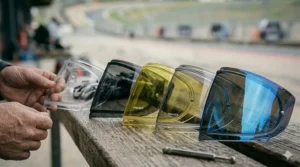
Most inserts come in clear, but you can also find light smoke, dark smoke, and yellow options. My take: stick with clear for your primary insert. If you want tinted visors, get a tinted outer shield instead—it gives you more flexibility.
Step 6: Budget for Quality
I know $40-50 seems steep for what’s essentially a piece of plastic, but trust me: cheap knockoffs are a false economy. Generic “Pinlock-compatible” inserts often use inferior sealing materials that fail within months. Genuine Pinlock inserts last 2-3 years with proper care. Do the math—the real deal is cheaper in the long run.
Installation and Maintenance: Getting Maximum Life from Your Pinlock Insert
Installing a Pinlock insert looks intimidating the first time, but it’s actually dead simple once you understand the eccentric pin system. Here’s the process that’ll have you fog-free in under five minutes.
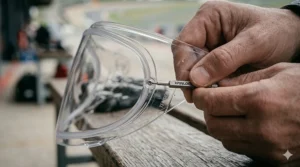
Start by removing your visor from the helmet—most modern helmets use quick-release mechanisms, so consult your manual if you’re not sure. Lay the visor on a clean, soft surface (I use a microfiber towel to prevent scratches). You’ll see two small pins on the inside of the visor, one near each bottom corner. These pins are “eccentric,” meaning they’re not perfectly round—one side is thicker than the other.
Before installing the insert, position the pins to their loosest setting by rotating them so the thick side points away from the center of the visor. This makes initial installation easier. Now take your Pinlock insert (make sure you’ve removed any protective film first—I’ve seen people ride around with it still on!) and locate the corresponding slots at each end.
Align one end of the insert with its pin and press firmly until it snaps into place. The insert will flex a bit—that’s normal. Then flex the insert slightly and snap the other end onto its pin. The insert should now sit roughly parallel to your visor, though it might be a bit loose at this point.
Here’s the critical part: adjust the pin tension. Rotate each pin about 45 degrees so the thick side moves toward the center of the visor. This increases tension and pulls the silicone seal tight against the shield. You want firm contact all around the perimeter but not so tight that the seal distorts or the insert buckles. If you see waves or ripples in the insert, you’ve overtightened—back off a quarter turn.
Clean both the visor and insert before final installation. Any dust or oils will create tiny gaps in the seal, letting humid air sneak through. I use warm water and a drop of mild dish soap, then rinse thoroughly and air dry. Never use glass cleaner, alcohol, or petroleum-based products—they’ll degrade the silicone seal.
For maintenance, remove and clean your insert every month or two during riding season. The moisture-absorbing material gradually saturates with use, so giving it a thorough air-drying session helps restore performance. Store your helmet with the insert removed during long periods of non-use—this prevents the seal from permanently bonding to the visor.
Over time (usually 18-24 months with regular use), you might notice the insert starting to shrink slightly. This is normal as the polymer ages. When this happens, you can sometimes squeeze a bit more life out of it by re-tensioning the pins, but eventually, you’ll need to replace it. Once you see persistent edge fogging even after cleaning and re-tensioning, it’s time for a new insert.
One maintenance tip that’ll save you headaches: never leave your helmet in direct sunlight with the Pinlock installed. The heat can cause the silicone to partially melt onto the visor, making removal a nightmare. Always store your lid in a cool, dry place—your closet, not your garage.
Pinlock vs. Other Anti-Fog Solutions: What Actually Works?
Let’s cut through the marketing hype and talk about what actually prevents fogging. I’ve tried every solution out there over my years of riding, and here’s my honest assessment of how they stack up.
Anti-Fog Sprays and Wipes
These liquid treatments apply a thin coating that’s supposed to prevent water droplets from forming. In theory, they work by creating a hydrophilic surface that spreads condensation into an invisible film. In practice? They’re okay for mild fogging but fail spectacularly in cold weather or heavy breathing situations. Plus, they wear off quickly—you’re re-applying every few days. They’re cheap ($5-10), convenient for emergencies, but not a long-term solution.
Breath Deflectors
Many helmets include little plastic deflectors that redirect your breath downward and away from the visor. These help somewhat by reducing the amount of warm, moist air reaching the shield, but they don’t eliminate the problem—they just reduce it. Free if your helmet includes one, moderately effective, but not sufficient on their own.
Visor Vents and Airflow Management
Cracking your visor open or using chin and brow vents creates airflow that can prevent fogging by increasing air circulation. This works great… until it’s raining, freezing cold, or you’re stuck in traffic. The moment you close that visor for protection, fog returns almost instantly. And let’s be real—riding with your visor cracked at highway speeds is both uncomfortable and potentially dangerous.
Anti-Fog Face Shields (Pre-Treated Visors)
Some helmet manufacturers offer visors with factory anti-fog coatings baked into the plastic. These use chemical treatments similar to what you’d find on eyeglasses. They work reasonably well for the first 6-12 months, but the coating gradually degrades with each cleaning and exposure to UV light. They’re better than nothing but not as reliable as a dual-pane system.
Generic Stick-On Inserts
We covered these earlier as budget alternatives. They use adhesive to attach a secondary layer to your visor, creating something approximating the Pinlock dual-pane effect. The problem? Adhesive failures, uneven application leaving air bubbles, and they often peel at the edges after a few months. They’re $10-20, which seems cheap until you’re replacing them every season.
Here’s the brutal truth: nothing works as well as a genuine Pinlock system for true, reliable fog prevention. That dual-pane insulation combined with moisture-absorbing material is simply superior physics. The other solutions might reduce fogging, but only Pinlock virtually eliminates it.
That said, I do recommend combining Pinlock with good helmet ventilation practices. Use your chin vents when possible, crack the visor at stoplights if conditions allow, and make sure your breath deflector is properly positioned. This multi-layer approach gives you the absolute best fog-free experience.

Performance Comparison Table
| Solution Type | Fog Resistance | Durability | Price | Maintenance |
|---|---|---|---|---|
| Pinlock 120 | Excellent (95%+) | 2-3 years | $35-50 | Low |
| Pinlock 70 | Very Good (85-90%) | 2-3 years | $25-40 | Low |
| Pinlock 30 | Good (70-80%) | 1-2 years | $20-30 | Low |
| Anti-Fog Spray | Fair (40-60%) | 2-7 days | $5-10 | High |
| Stick-On Film | Fair (50-65%) | 6-12 months | $10-20 | Medium |
| Pre-Treated Visor | Good (60-75%) | 6-18 months | $40-80 | Medium |
Benefits vs. Traditional Alternatives
The pinlock anti-fog system represents a paradigm shift in how we approach helmet visibility. Before Pinlock became mainstream, riders had to accept fogging as an inevitable part of cold-weather or rainy riding. You’d either ride with compromised vision or constantly deal with the hassle of stopping to wipe your visor.
Compare that to modern fog prevention technology. Pinlock inserts provide consistent, reliable performance without requiring any action from you while riding. You’re not reaching up to crack your visor, you’re not squirting spray onto your shield at every gas stop, and you’re not dealing with the anxiety of vision suddenly disappearing at a critical moment.
The safety implications are huge. According to motorcycle safety research, visibility impairment is a contributing factor in a significant percentage of motorcycle accidents. When you can’t see clearly, you can’t react appropriately to hazards—it’s that simple. The few seconds of complete fog blindness that riders experience when their breath hits a cold visor can mean the difference between avoiding a collision and becoming a statistic.
Beyond safety, there’s the pure enjoyment factor. Riding with crystal-clear vision, even in challenging weather, transforms the experience. You can focus on the road, the scenery, the ride itself—not on managing your visor. Early morning rides become enjoyable again instead of exercises in frustration. Cold-weather touring stops being a visibility nightmare.
From a cost-effectiveness perspective, a quality Pinlock insert costs less than most riders spend on gas in a week, yet it provides years of reliable service. According to RevZilla’s comprehensive guide on helmet fogging solutions, riders who invest in quality anti-fog systems report significantly improved riding confidence in adverse weather conditions. Compare that to constantly buying anti-fog spray or dealing with the hassle and expense of frequent visor replacements from trying to wipe away fog while riding.
Environmental considerations matter too. Pinlock inserts are a one-time purchase that lasts years, versus disposable wipes and sprays that create ongoing waste. The system requires no chemicals, no aerosols, no consumables—just a well-engineered piece of polymer doing its job.
🔥 Ready to Upgrade Your Visibility?
These carefully tested pinlock anti-fog systems represent the best value and performance available today. Whether you choose premium or budget-friendly options, you’re investing in safer, more enjoyable rides. Click any product name to see current deals and customer reviews!
Common Problems and Solutions: Troubleshooting Your Pinlock
Even with proper installation, you might occasionally encounter issues with your Pinlock insert. Here are the most common problems I see and how to fix them.
Edge Fogging
If you notice fog creeping in around the perimeter of your insert, the silicone seal isn’t making proper contact with the visor. This usually means you need to increase pin tension. Remove the insert, rotate each pin about a quarter turn toward the center, and reinstall. If the pins are already at maximum tension and you still have edge fogging, the insert may have shrunk with age and needs replacement.
Bubbles or Gaps Under the Insert
Small air pockets trapped between the insert and visor will create hazy spots that distort your vision. This typically happens when dust or moisture got on the surfaces before installation. Remove the insert, clean both the visor and insert thoroughly with warm water and a microfiber cloth, let them air dry completely, then reinstall. Never use paper towels—they leave lint that creates more gaps.
Insert Won’t Stay in Place
If your insert keeps popping off one or both pins, the pins might be at their loosest setting, or the insert slots might be worn. First, try increasing pin tension. If that doesn’t work, the insert may be damaged or you might have the wrong insert model for your visor. Double-check compatibility.
Optical Distortion or Haziness
If everything looks slightly fuzzy through your insert, it’s probably not seated flush against the visor. This creates a small air gap that refracts light differently than solid material. The fix is usually adjusting pin tension to pull the insert flatter. Sometimes you need to decrease tension if you’ve overtightened and the insert is buckling.
Insert Fogging on the Inside
Wait, the anti-fog insert is fogging? This seemingly impossible situation happens when the seal has failed completely, allowing your breath to get between the insert and visor. Check for cracks in the silicone seal or gaps where it’s separated from the insert. Unfortunately, this usually means you need a new insert.
Difficulty Removing the Insert for Cleaning
Sometimes the silicone seal will stick tenaciously to the visor, especially if the helmet’s been stored in a hot environment. Never try to pry the insert off forcibly—you’ll damage the seal. Instead, gently work your way around the perimeter, carefully peeling the seal away a little at a time. If it’s really stuck, you can use a hair dryer on low heat to slightly soften the silicone.
Premature Wear or Cracking
If your insert is showing signs of age after just a few months, you might be storing it improperly. Heat and UV exposure dramatically accelerate polymer degradation. Always store your helmet indoors, away from windows. Never leave it in your car’s back seat where sun exposure and temperature swings will destroy the insert.
Condensation Between Insert and Visor
This rare issue occurs when moisture gets trapped in the air gap during installation. The solution is to remove the insert, let both components dry thoroughly (several hours in a warm, dry place), then reinstall. Make sure both surfaces are completely dry before reassembly.
Most Pinlock problems trace back to installation errors or maintenance neglect. Take your time with installation, keep everything clean, and adjust pin tension properly. Do that, and your insert should provide years of trouble-free service.
The Evolution of Fog Prevention Technology: Where We Are in 2026
The motorcycle industry has come a long way from the days when your only anti-fog options were “crack the visor” or “suffer through it.” The history of Pinlock itself is pretty fascinating—it started in 1979 when a Dutch inventor named Derek Arnold got fed up with foggy visors during cold rides. His original patent laid the groundwork for what would eventually become the global standard in helmet fog prevention.
Early Pinlock systems were fairly basic: a simple plastic insert with a rubber gasket. They worked, but not spectacularly. Over the decades, the technology evolved. The introduction of moisture-absorbing polymers in the late 1990s was a game-changer, dramatically improving performance. The development of eccentric pins made installation and tension adjustment much more user-friendly.
In the 2010s, we saw the advent of MaxVision technology, which extended fog-free coverage to nearly the entire visor. This required closer collaboration between helmet manufacturers and Pinlock to create precisely engineered cavities in the shields themselves—no more one-size-fits-all solutions.
The latest innovations in 2026 focus on improving the materials themselves. New-generation polymers absorb moisture more efficiently and release it faster when conditions allow, extending the effective lifespan of inserts. Some premium inserts now use multi-layer constructions with different absorption properties optimized for various atmospheric conditions.
We’re also seeing better integration with helmet safety standards. Modern helmet certification requirements from DOT, ECE, and Snell now include optical quality testing, which has pushed manufacturers to ensure Pinlock inserts don’t compromise visual clarity even as they improve fog resistance. The Snell Memorial Foundation’s FAQ provides additional context on how helmet safety testing has evolved to include visibility factors alongside traditional impact protection.
Looking ahead, there’s interesting research into photochromic Pinlock inserts that would automatically adjust tint based on light conditions while maintaining anti-fog properties. There are also experimental coatings being developed that would combine the Pinlock dual-pane approach with hydrophobic outer treatments for better rain management.
The competitive landscape has evolved too. While Pinlock remains the dominant player, we’re seeing more innovation from helmet manufacturers developing proprietary anti-fog systems. Companies like Shoei and Arai invest heavily in research to optimize insert performance specifically for their helmet designs.
What hasn’t changed? The fundamental physics. Creating a thermal barrier and managing moisture will always be the core principles of effective fog prevention. The innovations are about doing those things more efficiently, durably, and affordably.
Price Range and Value Analysis
Let’s talk money. I’m a firm believer that you get what you pay for, but that doesn’t mean you should overspend either. Here’s how I break down the value proposition across different price points.
Budget Tier ($10-25)
This includes generic stick-on films and universal Pinlock 30 inserts. If you’re a fair-weather rider who occasionally faces fogging conditions, these can work fine. The stick-on films are genuinely terrible in cold weather but might suffice for mild temperature differences. Universal Pinlock 30 inserts are a step up but still the bottom rung of genuine Pinlock performance. Best use case: emergency backup or testing whether you like the Pinlock concept before committing to premium options.
Mid-Range ($25-40)
Here you’ll find brand-specific Pinlock 70 inserts for most popular helmets. This is the sweet spot for most riders—you’re getting genuine fog resistance that handles typical riding conditions without breaking the bank. HJC, LS2, and some Shoei/Arai inserts fall into this category. Performance is noticeably better than budget options, and durability is solid. Best use case: daily commuters and weekend riders in varied weather.
Premium ($40-50+)
Top-tier Pinlock 120 inserts, MaxVision options, and complete shield-plus-insert packages occupy this space. You’re paying for maximum fog resistance, extended coverage, superior optical clarity, and materials that’ll last 2-3 years even with heavy use. The Bell Panovision falls here because you’re getting both shield and insert. Best use case: serious all-weather riders, touring enthusiasts, anyone who demands absolute reliability.
The value equation shifts when you factor in longevity. A $45 Pinlock 120 that lasts three years costs you $15 per year. A $15 generic insert that fails after six months costs you $30 per year. Suddenly that “expensive” premium insert is actually the bargain.
There’s also the hidden cost of riding with inadequate fog prevention: the stress, the safety compromises, the reduced enjoyment of your rides. What’s it worth to never worry about your visor fogging at a critical moment? For me, that peace of mind alone justifies the premium price.
Consider your riding frequency too. Ride daily? Premium inserts pay for themselves quickly. Weekend warrior? Mid-range options are probably fine. Fair-weather only? Budget tier might suffice.
My recommendation: Buy the best insert your budget allows for your primary helmet, but keep a mid-range backup on hand. Nothing’s worse than discovering your insert has failed the morning of a big ride and having no replacement available.
FAQ Section
❓ What is the difference between Pinlock 30, 70, and 120?
❓ How long does a pinlock anti-fog system insert last?
❓ Can I install a pinlock anti-fog system on any motorcycle helmet?
❓ Why is my Pinlock insert fogging around the edges?
❓ Are aftermarket or generic Pinlock inserts worth buying?
Conclusion: Riding Clear in 2026 and Beyond
After testing countless anti-fog solutions over the years, I can confidently say that investing in a quality pinlock anti-fog system is one of the smartest upgrades any rider can make. It’s not just about convenience—though never dealing with a fogged visor is certainly convenient. It’s fundamentally about safety, about maintaining the clear vision that might make the difference in an emergency situation.
We’ve covered everything from the science behind dual-pane fog prevention to specific product recommendations across every price point. Whether you’re riding a premium Shoei or Arai helmet and want the absolute best MaxVision Pinlock 120, or you’re working with a budget-friendly HJC or LS2 lid and looking for maximum value with a Pinlock 70, there’s an option that’ll transform your riding experience.
The bottom line is this: foggy visors are a solved problem in 2026. You don’t have to accept reduced visibility anymore. The technology exists, it’s affordable, it’s reliable, and it works. Stop compromising on vision clarity and make the upgrade. Your future self—safely navigating that foggy morning commute or rainy mountain pass—will thank you.
Remember, the best fog prevention technology is the one installed on your helmet right now, not sitting in your Amazon cart. Pick the insert that matches your helmet and riding style, install it properly, maintain it well, and enjoy years of crystal-clear, fog-free riding.
Stay safe out there, keep your visor clear, and I’ll see you on the road.
Recommended for You
- 7 Best Photochromic Helmet Visor Options for 2026
- 7 Best Ultra-Lightweight Carbon Helmet 2026
- 7 Top Rated Adventure Touring Helmet Certified Picks – 2026
Disclaimer: This article contains affiliate links. If you purchase products through these links, we may earn a small commission at no additional cost to you.
✨ Found this helpful? Share it with your riding buddies! 💬🤗
