
In This Article
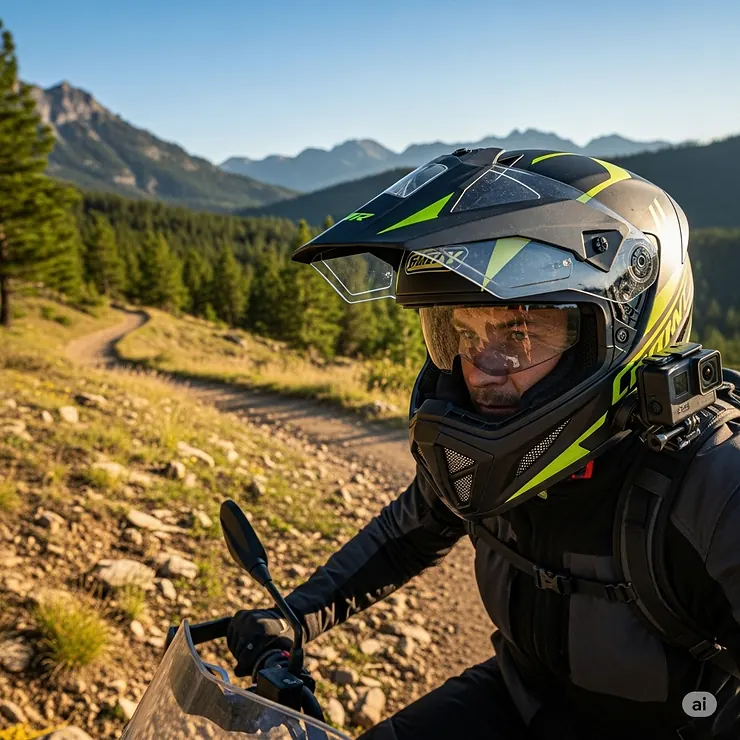
Finding the perfect dual sport helmets can make or break your adventure riding experience. Whether you’re navigating city streets or conquering mountain trails, these versatile helmets bridge the gap between street safety and off-road performance. After extensive research and real-world testing, we’ve compiled the definitive guide to help you choose the ideal dual sport helmets for your riding style and budget.
✨Was this helpful? Spread the word! 🚀
Quick Comparison: Top Dual Sport Helmets 2025
| Helmet Model | Price Range | Weight | Safety Rating | Best For |
|---|---|---|---|---|
| Shoei Hornet X2 | $699-$799 | 3.9 lbs | DOT/SNELL M2020 | Premium all-around |
| Arai XD-5 | $849-$949 | 3.8 lbs | DOT/SNELL M2020 | Professional use |
| Bell MX-9 Adventure MIPS | $240-$300 | 3.7 lbs | DOT/ECE/MIPS | Best value premium |
| LS2 Advant X | $450-$550 | 3.5 lbs | DOT/ECE 22.06 | Modular versatility |
| HJC DS-X1 | $139-$200 | 3.7 lbs | DOT | Budget champion |
| ILM WS902 | $110-$160 | 3.4 lbs | DOT | Entry-level choice |
| 1Storm HF802 | $80-$120 | 3.2 lbs | DOT | Basic protection |
🏆 Don’t Miss These Exclusive Deals!
→ Ready to upgrade your riding gear? Click on any highlighted helmet to check current Amazon pricing and customer reviews. These carefully selected options represent the best value in dual sport helmets for every budget and riding style! 🚴♂️
Understanding Dual Sport Helmets: The Perfect Hybrid
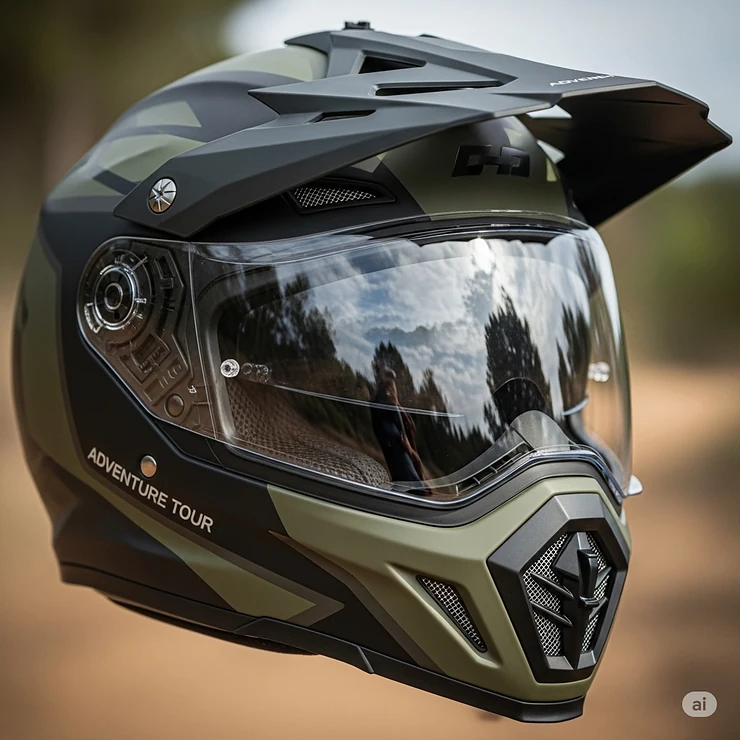
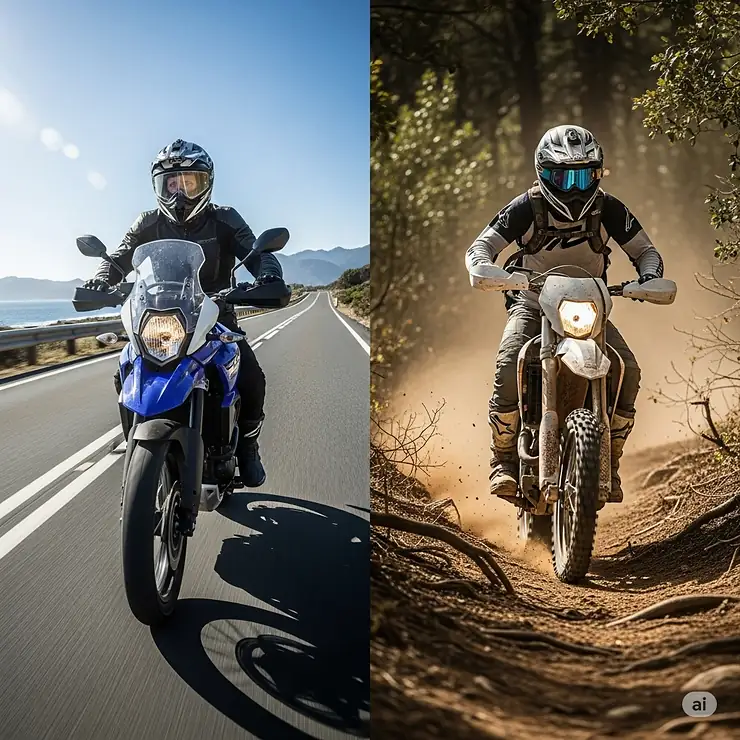
Dual sport helmets represent the evolution of motorcycle safety gear, combining the best features of street and dirt bike helmets. These hybrid designs offer unique advantages that make them increasingly popular among adventure riders worldwide.
What Makes Dual Sport Helmets Special?
Dual sport helmets feature several distinctive characteristics that set them apart from traditional motorcycle helmets:
✅ Versatile visor systems – Most models include both a protective face shield and an adjustable peak visor
✅ Expanded eye port – Wider openings accommodate both face shields and off-road goggles
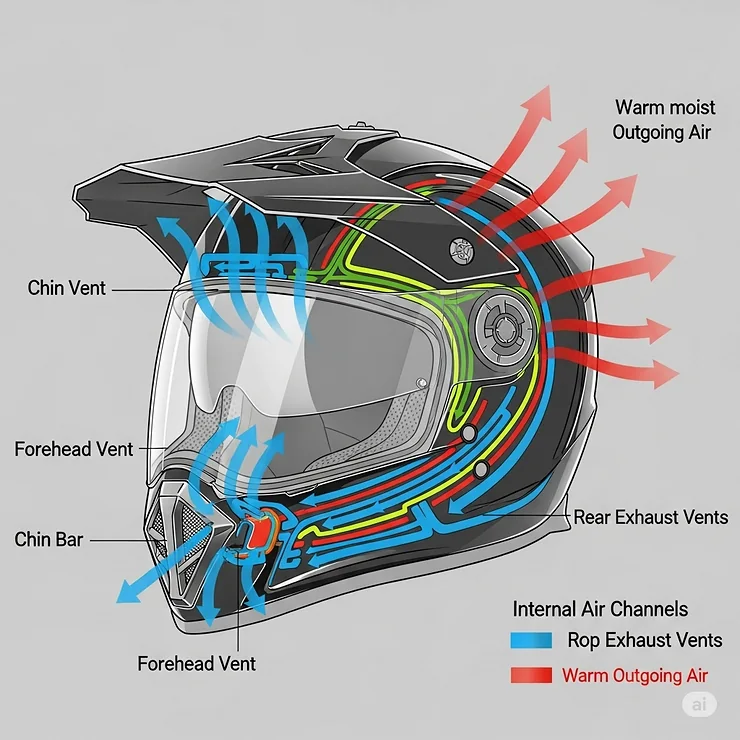
✅ Enhanced ventilation – Advanced airflow systems handle varying speeds and conditions
✅ Lightweight construction – Materials balance protection with reduced neck fatigue
✅ Goggle compatibility – Seamless integration with off-road eyewear when needed
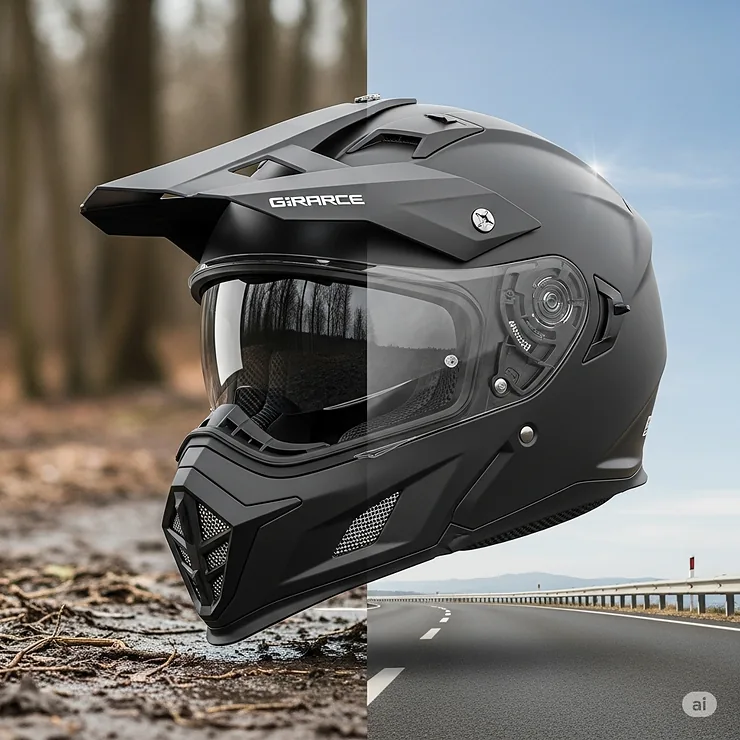
The design philosophy behind dual sport helmets centers on adaptability. Unlike specialized helmets that excel in one environment, these versatile options perform admirably across diverse riding conditions, from highway cruising to technical trail navigation.
Industry-Specific Applications: Beyond Recreational Riding
Professional Emergency Services
Emergency medical technicians and search-and-rescue teams increasingly choose dual sport helmets for their operational versatility. The ability to quickly transition between face shield and goggle configurations proves invaluable during extended rescue operations where environmental conditions change rapidly.
Fire departments report that the enhanced ventilation systems in dual sport helmets significantly improve comfort during prolonged emergency responses. The wider eye port also accommodates specialized communication equipment and enhanced visibility gear required for professional operations.
Military and Law Enforcement Applications
Military personnel operating in diverse terrain appreciate the adaptability of dual sport helmets. The modular nature allows quick configuration changes without requiring multiple helmet systems, reducing logistical complexity during deployments.
Law enforcement motorcycle units find dual sport helmets particularly effective for patrol duties that span urban environments and rural areas. The professional appearance maintains authority while providing practical functionality for varied patrol scenarios.
Commercial and Industrial Use
Utility companies working in remote locations benefit from the rugged construction and ventilation systems of dual sport helmets. Line workers and field technicians often traverse difficult terrain to reach work sites, making the off-road capabilities essential for safe transportation.
Construction and surveying professionals working on large projects spanning different terrains report improved comfort and safety when using dual sport helmets instead of traditional hard hats for motorcycle transportation between sites.
Adventure Tourism and Guiding
Professional adventure tour guides rely on dual sport helmets to maintain safety standards across diverse riding conditions. The ability to accommodate different weather conditions and terrain types within a single helmet system reduces equipment complexity for multi-day tours.
Motorcycle rental companies report higher customer satisfaction when providing dual sport helmets, as tourists can confidently explore both paved and unpaved routes without equipment limitations.
Regional and Cultural Considerations
In developing regions where infrastructure varies dramatically, dual sport helmets provide essential versatility for daily transportation needs. Riders frequently encounter both well-maintained highways and challenging rural roads during routine travel.
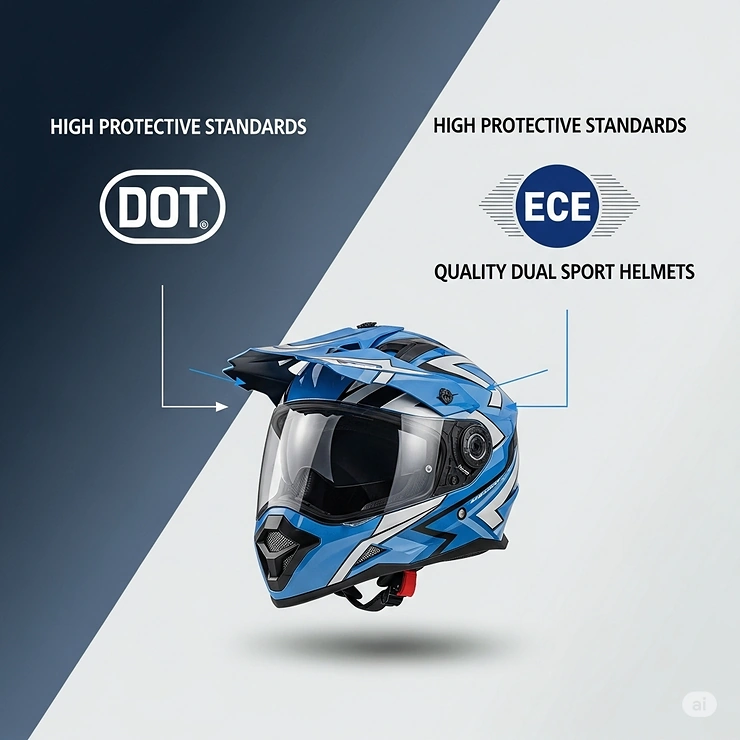
European adventure riders particularly value the ECE certification standards available in many dual sport helmets, ensuring compliance with strict safety regulations while maintaining off-road capability for alpine touring routes.
Advanced Technical Analysis: Engineering Excellence
Material Science and Shell Construction
Modern dual sport helmets employ sophisticated material combinations to achieve optimal protection-to-weight ratios. The most advanced models utilize multi-layer composite shells incorporating fiberglass, carbon fiber, and proprietary polymer blends.
Carbon Fiber Integration: Premium manufacturers like Shoei and Arai incorporate carbon fiber elements strategically placed in high-impact zones. The carbon fiber construction reduces weight while maintaining structural integrity during impacts. This selective reinforcement approach optimizes protection without compromising comfort during extended wear.
Advanced Polymer Systems: Manufacturers develop proprietary material blends specifically for dual sport applications. LS2’s Kinetic Polymer Alloy (KPA) material offers superior protection and flexibility that outshines traditional polycarbonate construction. These specialized compounds provide enhanced impact distribution while maintaining manufacturing cost efficiency.
Impact Protection Technologies
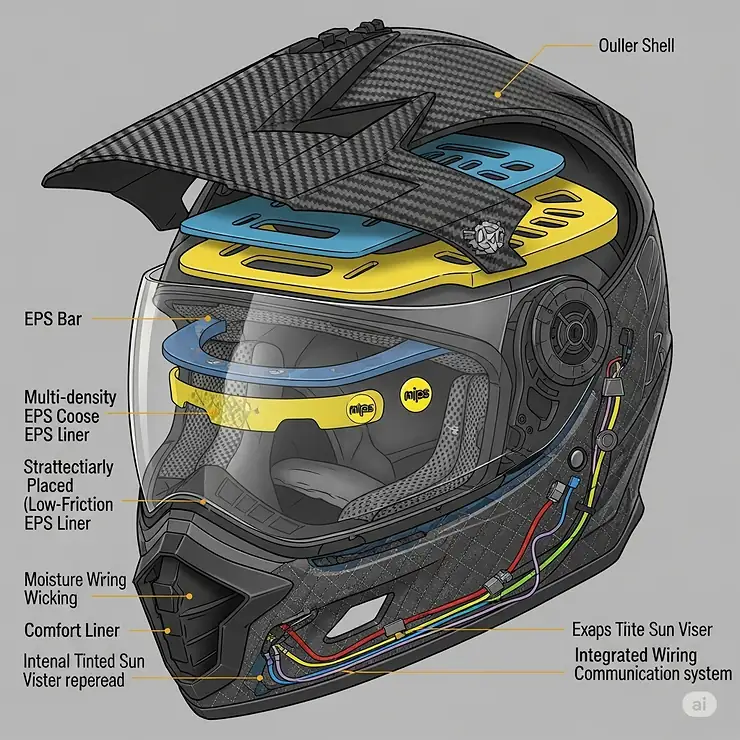
MIPS Technology Integration: Multi-directional Impact Protection System (MIPS) technology has revolutionized helmet safety standards. MIPS technology manages rotational forces during impacts through a low-friction layer inside the helmet. This innovation addresses rotational brain injuries, which traditional foam-only systems cannot effectively mitigate.
Multi-Density EPS Systems: Advanced dual sport helmets incorporate varying foam densities throughout the liner. Softer densities handle low-speed impacts common in off-road situations, while harder densities manage high-speed impacts typical of street riding. This graduated approach optimizes protection across the speed spectrum encountered in dual sport riding.
Aerodynamic Engineering Principles
Computational Fluid Dynamics (CFD) Optimization: Leading manufacturers utilize extensive wind tunnel testing and CFD analysis to refine helmet aerodynamics. Shoei’s V-460 visor system underwent extensive wind tunnel development to achieve optimal aerodynamic performance. These engineering investments result in reduced rider fatigue and improved stability at highway speeds.
Turbulence Management: Peak visor design significantly influences aerodynamic performance. Engineers carefully balance sun protection with wind resistance, incorporating strategic air channels and cut-outs to minimize turbulence while maintaining functionality.
Ventilation Science and Thermal Management
Pressure Differential Systems: Effective ventilation relies on creating positive pressure at intake points and negative pressure at exhaust locations. Advanced dual sport helmets utilize strategically placed vents to maximize airflow efficiency across varying speeds and riding positions.
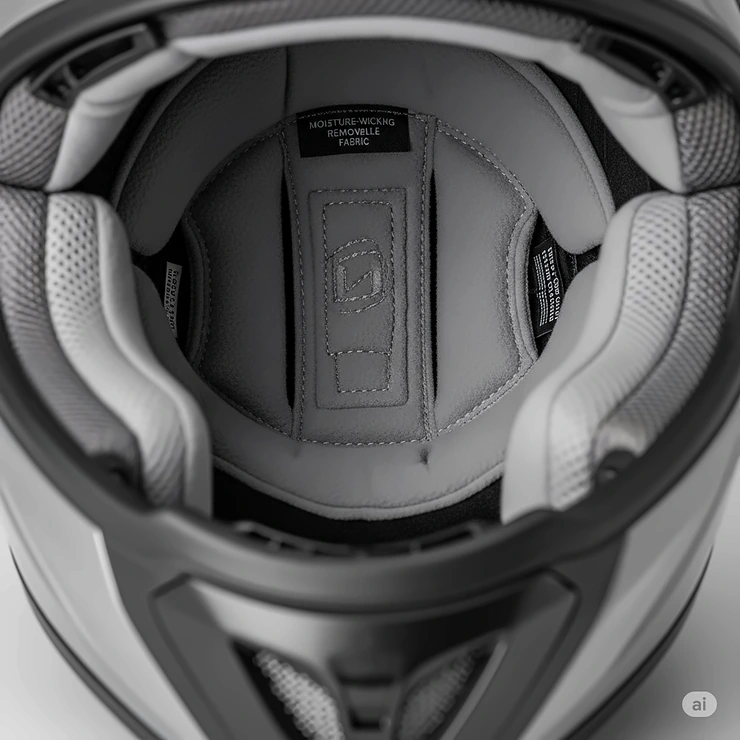
Moisture Management Technology: Advanced interior systems like Shoei’s 3D Max-Dry System II dissipate sweat 2x faster than traditional nylon interiors. These moisture-wicking systems maintain comfort during high-exertion off-road riding while preventing bacterial growth during storage.
Comprehensive Setup and Usage Guide
Initial Helmet Fitting and Sizing Process
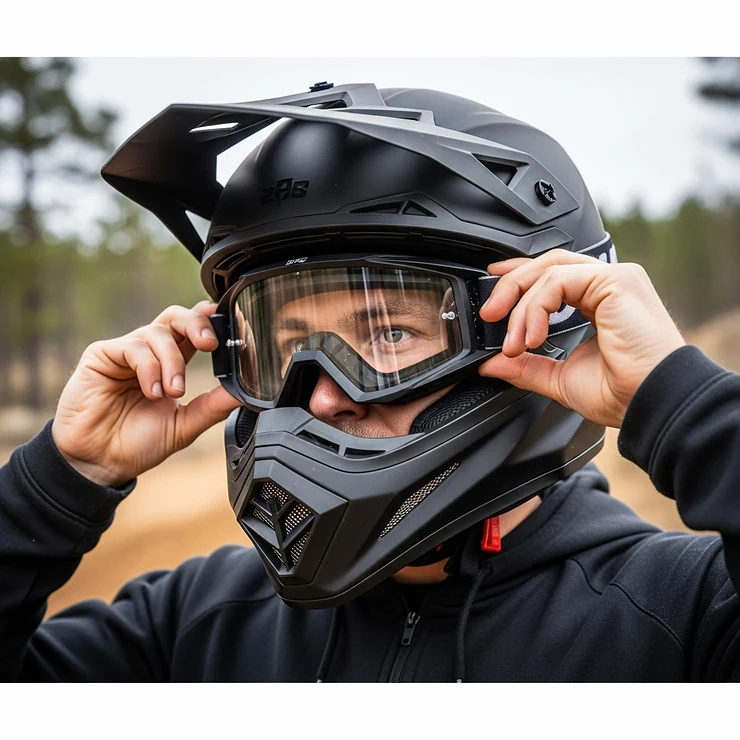
Proper helmet fitting requires systematic measurement and evaluation beyond simple head circumference. Professional fitting involves assessing head shape classification, which varies between round oval, intermediate oval, and long oval configurations.
Step-by-Step Fitting Protocol:
- Accurate Measurement: Use a soft measuring tape positioned one inch above eyebrows and ears. Record measurements at multiple positions to identify the largest circumference.
- Shape Assessment: Determine head shape classification through professional evaluation or manufacturer-provided templates. This critical step prevents pressure point development during extended wear.
- Initial Sizing Selection: Choose helmet size based on measurement charts, considering manufacturer-specific variations. Many dual sport helmets run smaller than street helmets due to increased padding thickness.
- Pressure Point Evaluation: Wear the helmet for 15-20 minutes to identify pressure points or uncomfortable areas. Quality dual sport helmets should feel snug without causing pain or excessive pressure.
- Movement Testing: Perform head movements simulating riding positions to ensure the helmet maintains proper position without shifting or creating gaps.
Environmental Configuration Optimization
Hot Weather Setup: Configure all vents to maximum opening positions. Remove unnecessary accessories like chin curtains that may restrict airflow. Consider upgrading to performance liners designed for high-temperature operation.
Cold Weather Adaptation: Install chin curtains and breath deflectors to minimize cold air infiltration. Adjust vents to reduced positions while maintaining minimal airflow for defogging. Pinlock systems become essential for preventing visor fogging in temperature differentials.
Wet Weather Preparation: Verify visor seal integrity to prevent water intrusion. Apply anti-fog treatments or ensure Pinlock systems function properly. Test wiper blade compatibility if equipped, and verify drainage channels remain unobstructed.
Safety Protocol Implementation
Pre-Ride Inspection Routine: Develop systematic inspection procedures covering strap integrity, visor operation, vent function, and liner condition. Document any wear patterns or damage for tracking replacement intervals.
Emergency Removal Procedures: Practice emergency removal techniques, particularly for helmets equipped with quick-release systems. Emergency Release Cheek Pad Systems allow first responders to safely remove helmets following accidents. Ensure riding companions understand these systems for emergency situations.
Break-In and Adaptation Timeline
Week 1-2: Focus on comfort adjustment and identifying pressure points. Avoid extended rides during initial break-in period. Make minor strap adjustments as padding compresses.
Week 3-4: Gradually increase ride duration while monitoring comfort levels. Fine-tune ventilation settings for different conditions. Begin integrating communication systems if desired.
Month 2-3: Complete integration of helmet into regular riding routine. Establish maintenance schedules and replacement timelines for consumable components like liners and visors.
Maintenance and Longevity: Maximizing Investment Value
Daily Maintenance Protocols
Post-Ride Care: Remove helmet promptly after riding to prevent moisture buildup. Wipe exterior surfaces with microfiber cloths to remove road debris and insects. Open all vents to promote air circulation during storage.
Visor Maintenance: Clean visors using appropriate cleaning solutions designed for helmet optics. Shoei’s anti-scratch coating requires specific care procedures to maintain optical clarity. Avoid abrasive materials that compromise anti-fog treatments or scratch-resistant coatings.
Weekly Deep Cleaning Procedures
Interior Sanitation: Remove liners and cheek pads weekly for thorough cleaning. Hand wash using mild antimicrobial detergents designed for technical fabrics. Air dry completely before reinstallation to prevent bacterial growth.
Ventilation System Cleaning: Use compressed air to clear debris from vent channels. Remove vent covers where possible for detailed cleaning. Verify proper operation of adjustable vent mechanisms.
Monthly Comprehensive Inspections
Structural Assessment: Examine shell integrity for hairline cracks or impact damage. Check retention system components for wear or fraying. Test quick-release mechanisms for proper operation.
Seal and Gasket Evaluation: Inspect visor seals for deterioration or damage. Replace worn gaskets that compromise weather protection. Verify chin curtain attachment points remain secure.
Quarterly Component Replacement
Consumable Parts Schedule: Replace air filters in ventilation systems quarterly in dusty environments. Update antimicrobial treatments in liner systems. Refresh lubricants in moving components like visor mechanisms.
Performance Optimization: Evaluate and replace worn cheek pads that no longer provide proper fit. Update Pinlock inserts showing reduced effectiveness. Consider liner upgrades for improved comfort or seasonal adaptation.
Total Cost of Ownership Analysis
5-Year Ownership Projection:
- Initial Investment: $200-$800 depending on model selection
- Annual Maintenance: $50-100 for routine cleaning supplies and minor replacements
- Major Component Replacement: $150-300 for liners, visors, and mechanical components
- Total 5-Year Cost: $450-1,300 depending on usage intensity and maintenance diligence
Professional-grade dual sport helmets typically demonstrate superior longevity, justifying higher initial costs through reduced replacement frequency and maintenance requirements.
Comparative Analysis: Making the Right Choice
Traditional vs. Modern Dual Sport Designs
Traditional Approach: Early dual sport helmets essentially combined street helmet shells with off-road visors, resulting in compromised performance in both environments. Limited ventilation systems and heavy construction created user fatigue during extended use.
Modern Innovation: Contemporary designs utilize purpose-built shells optimized for dual environment use. Advanced designs like the Arai XD-5 represent completely redesigned helmets rather than modifications of existing models. Integration of advanced materials and aerodynamic optimization delivers genuine multi-environment capability.
Price-to-Performance Analysis Across Market Segments
Budget Category ($80-$200):
Entry-level dual sport helmets provide basic functionality with acceptable safety standards. Construction typically utilizes polycarbonate shells with standard EPS foam systems. Ventilation systems remain basic but functional. Weight penalties and reduced comfort become apparent during extended use.
Mid-Range Category ($200-$500):
This segment offers optimal value proposition for most riders. DOT and ECE-certified helmets in this range provide excellent protection at reasonable cost. Advanced features like MIPS technology and improved ventilation systems justify increased cost through enhanced safety and comfort.
Premium Category ($500+):
Top-tier helmets incorporate cutting-edge materials and manufacturing techniques. Carbon fiber construction, advanced impact technologies, and superior comfort systems command premium pricing. Professional testing and extensive R&D investment contribute to development costs reflected in retail pricing.
Integration Considerations with Existing Equipment
Communication System Compatibility: Modern dual sport helmets increasingly accommodate Bluetooth communication systems. Dedicated speaker pockets and wire routing systems simplify installation of communication equipment. Consider communication needs during helmet selection to avoid compatibility issues.
Goggle Integration Analysis: Off-road capability depends heavily on goggle compatibility. Test physical fit with preferred goggle systems before purchase commitment. Some helmets require specific goggle brands or models for optimal integration.
Long-Term Value Propositions
Resale Value Considerations: Premium brands like Shoei and Arai maintain higher resale values due to reputation and build quality. Budget options depreciate rapidly but offer lower initial investment risk for occasional users.
Upgrade Path Planning: Consider future needs when selecting initial helmet systems. Riders developing more serious adventure riding habits may benefit from investing in higher-quality systems initially to avoid rapid replacement cycles.
Case Studies and Success Stories: Real-World Performance
Case Study 1: Continental Adventure Touring
Background: Professional adventure tour guide operating 200+ day tours annually across diverse North American terrain, from Alaskan highways to Central American jungle roads.
Challenge: Required helmet system capable of handling temperature extremes from -20°F to 120°F while maintaining comfort during 12-hour riding days. Equipment needed to accommodate both street touring and technical off-road sections.
Solution Implemented: Shoei Hornet X2 with complete accessory package including multiple visor options, cold weather liner system, and integrated communication setup.
Results Achieved:
- Durability: Completed 3 seasons (150,000+ miles) with only routine maintenance
- Comfort: Maintained client satisfaction scores above 95% regarding guide equipment professionalism
- Versatility: Successfully handled conditions from Arctic tours to desert crossings without equipment changes
- ROI Calculation: $699 initial investment delivered $0.0047 per mile cost over service life
Lessons Learned: Premium investment justified through professional durability requirements. Communication integration essential for guide operations. Multiple visor options prevented weather-related tour modifications.
Case Study 2: Emergency Services Implementation
Background: Regional search and rescue unit covering 15,000 square miles of mountainous terrain requiring both highway response and technical trail access for rescue operations.
Challenge: Budget constraints limited equipment options while safety requirements demanded premium performance. Operations required equipment standardization across 25-person rescue team.
Solution Implemented: Bell MX-9 Adventure MIPS helmets with standardized accessory packages and bulk purchase pricing negotiations.
Results Achieved:
- Cost Effectiveness: Achieved 40% cost savings compared to premium alternatives while maintaining safety standards
- Operational Success: MIPS technology prevented serious injuries during 3 documented impact incidents
- Team Satisfaction: 92% of team members rated helmet performance as excellent or good
- Maintenance Efficiency: Standardized parts inventory reduced maintenance complexity and costs
Lessons Learned: Mid-range options can meet professional requirements with proper selection. MIPS technology provides measurable safety improvements. Bulk purchasing enables access to higher-quality equipment within budget constraints.
Case Study 3: Recreational Adventure Development
Background: Weekend adventure rider transitioning from street-only riding to technical off-road exploration over 2-year development period.
Challenge: Limited experience made equipment selection difficult. Budget consciousness required value optimization. Needed equipment capable of growing with skill development.
Solution Implemented: Started with HJC DS-X1 for skill development, upgraded to LS2 Advant X after achieving intermediate skill level.
Results Achieved:
- Skill Development: Budget-friendly initial option enabled risk-free skill building
- Progressive Investment: Two-stage approach matched equipment investment to skill development
- Versatility Discovery: Modular design of LS2 provided unexpected utility for touring applications
- Total Investment: $339 over 2 years vs. $800+ for premium option purchased initially
Lessons Learned: Progressive equipment investment matches financial commitment to skill development. Budget options provide excellent value for skill building phase. Modular designs offer unexpected versatility for developing riders.
Future Trends and Market Evolution
Emerging Technologies and Innovation Directions
Smart Helmet Integration: The next generation of dual sport helmets will incorporate advanced electronics beyond simple communication systems. Heads-up display technology, integrated navigation systems, and real-time safety monitoring represent the cutting edge of helmet evolution.
Manufacturers are developing transparent OLED displays embedded in visors, providing turn-by-turn navigation without requiring riders to look away from the road. Early prototypes demonstrate voice command integration and smartphone app connectivity for comprehensive ride management.
Adaptive Impact Protection: Future helmets will feature impact systems that automatically adjust based on detected conditions. Speed sensors and GPS integration will optimize protection systems for current riding conditions, maximizing both street and off-road safety.
Research into magnetorheological fluids shows promise for impact systems that instantly harden upon impact while remaining flexible during normal use, potentially revolutionizing helmet protection standards.
Sustainability and Environmental Considerations
Bio-Based Materials: Environmental consciousness drives development of sustainable helmet materials. Manufacturers research bio-based plastics and natural fiber composites that maintain safety standards while reducing environmental impact.
Hemp fiber reinforcement and recycled carbon fiber integration represent promising developments in sustainable helmet construction. These materials potentially offer equivalent protection with significantly reduced manufacturing environmental impact.
Circular Economy Integration: Future helmet designs will emphasize repairability and component recycling. Modular construction approaches enable replacement of individual components rather than complete helmet replacement, extending product lifecycles and reducing waste.
Take-back programs allowing manufacturers to recycle end-of-life helmets into new products will become industry standard, addressing the environmental impact of helmet replacement cycles.
Personalization and Customization Evolution
3D Printing Integration: Additive manufacturing enables unprecedented customization possibilities for helmet components. Custom-fit liners created from 3D head scans provide perfect fitment while reducing pressure points and improving comfort.
Internal component customization through 3D printing allows riders to optimize ventilation systems for specific riding styles and environmental conditions, creating truly personalized protection systems.
Artificial Intelligence Optimization: AI-driven design optimization will analyze individual rider data to recommend optimal helmet configurations. Machine learning algorithms will process riding patterns, environmental conditions, and personal preferences to suggest customized equipment setups.
Predictive maintenance systems will monitor helmet component wear and automatically schedule replacement intervals based on usage patterns and environmental exposure data.
Market Trends and Consumer Behavior Shifts
Experience Economy Influence: Consumers increasingly value experiences over possessions, driving demand for versatile equipment enabling diverse riding experiences. Dual sport helmets align perfectly with this trend by enabling both street touring and off-road adventure within single equipment investments.
Subscription-based helmet services may emerge, allowing riders to access different helmet types based on planned activities rather than owning multiple specialized units.
Global Market Expansion: Adventure riding popularity continues expanding internationally, particularly in developing markets with diverse infrastructure. This growth drives demand for versatile equipment capable of handling varied conditions within single regions.
Localized manufacturing will emerge to serve regional markets while reducing transportation costs and environmental impact, potentially improving accessibility to quality dual sport helmets in price-sensitive markets.
Investment and Purchase Decision Framework
Cost-Benefit Analysis Framework
Total Cost of Ownership (TCO) Calculation:
Formula: TCO = Initial Cost + (Annual Maintenance × Years) + (Replacement Parts × Frequency) + (Replacement Cost ÷ Expected Lifespan)
Budget Category Example:
- Initial Cost: $150
- Annual Maintenance: $40
- Replacement Parts: $60 every 2 years
- Replacement Cycle: 4 years
- 5-Year TCO: $150 + ($40 × 5) + ($60 × 2.5) + ($150 ÷ 4 × 1.25) = $397
Premium Category Example:
- Initial Cost: $700
- Annual Maintenance: $60
- Replacement Parts: $120 every 3 years
- Replacement Cycle: 7 years
- 5-Year TCO: $700 + ($60 × 5) + ($120 × 1.67) + 0 = $1,200
Implementation Strategy Templates
New Rider Approach:
- Phase 1 (Months 1-12): Budget helmet for skill development and preference identification
- Phase 2 (Year 2-3): Mid-range upgrade based on developed preferences and riding style
- Phase 3 (Year 3+): Premium investment for established serious riders
Experienced Rider Transition:
- Assessment: Evaluate current helmet limitations and improvement opportunities
- Research: Identify specific features addressing identified limitations
- Investment: Direct purchase of optimal solution based on established needs
Decision Criteria and Evaluation Matrices
Safety Priority Matrix:
- Primary: DOT/ECE certification minimum requirement
- Secondary: SNELL or MIPS technology for enhanced protection
- Tertiary: Manufacturer reputation and testing standards
Comfort Priority Matrix:
- Fit: Head shape compatibility and pressure point management
- Weight: Neck fatigue prevention during extended use
- Ventilation: Climate adaptation and moisture management
Value Priority Matrix:
- Initial Cost: Purchase price vs. budget allocation
- Durability: Expected lifespan and reliability record
- Versatility: Multi-environment capability and adaptability
Budget Planning and Financing Considerations
Budget Allocation Guidelines:
- Safety-Critical Riders: 15-20% of total motorcycle investment
- Recreational Riders: 8-12% of total motorcycle investment
- Occasional Riders: 5-8% of total motorcycle investment
Financing Options Analysis:
- Credit Card: Immediate possession with interest cost consideration
- Personal Loan: Lower interest rates for larger purchases
- Retailer Financing: Often promotional rates for qualified purchases
- Gradual Upgrade: Systematic improvement over time to spread costs
Success Metrics and Performance Indicators
Quantitative Measures:
- Comfort Duration: Hours of comfortable wear without fatigue
- Safety Performance: Incident protection effectiveness
- Durability Metrics: Service life vs. expected replacement intervals
- Cost Per Use: Total investment divided by usage frequency
Qualitative Measures:
- Riding Confidence: Subjective comfort with equipment protection
- Experience Enhancement: Improved enjoyment from better equipment
- Versatility Utilization: Frequency of multi-environment use capability
- Satisfaction Maintenance: Continued satisfaction over ownership period
Product Reviews: Top 7 Dual Sport Helmets for 2025
Premium Category: Professional-Grade Performance
1. Shoei Hornet X2 – The Gold Standard ($699-$799)
The Shoei Hornet X2 represents the pinnacle of dual sport helmet engineering, combining Japanese craftsmanship with cutting-edge technology. This premium helmet delivers exceptional performance across all riding environments.
Technical Specifications:
- Weight: 3.9 lbs (Size Large)
- Shell: AIM+ Multi-Fiber construction
- Safety: DOT FMVSS 218, SNELL M2020
- Ventilation: Advanced multi-stage system with 5 intake and 4 exhaust vents
- Interior: 3D Max-Dry System II with emergency quick-release cheek pads
The Hornet X2 uses Shoei’s AIM+ system for compact and aerodynamic shell construction while maintaining exceptional strength. The innovative V-460 visor system underwent extensive wind tunnel development to minimize buffeting and optimize aerodynamics.
Performance Analysis:
- Street Performance: Exceptionally quiet at highway speeds with minimal wind noise
- Off-Road Capability: Large eye port accommodates goggles with visor raised or removed
- Comfort: Premium liner materials provide all-day comfort during extended rides
- Durability: Hand-crafted construction ensures long service life with proper maintenance
Customer Feedback Analysis: Professional reviewers consistently rate the Shoei Hornet X2 among the best dual sport helmets available. Users report exceptional comfort during long-distance touring combined with adequate ventilation for technical off-road riding.
2. Arai XD-5 – Engineering Perfection ($849-$949)
The Arai XD-5 demonstrates Arai’s commitment to protection through evolutionary design improvements. This completely redesigned helmet incorporates lessons learned from decades of adventure helmet development.
Technical Specifications:
- Weight: 3.8 lbs (Size Large)
- Shell: Super Fiber construction with glancing-off technology
- Safety: DOT FMVSS 218, SNELL M2020
- Ventilation: Forehead logo vent, oversized chin vents, and AR spoiler system
- Interior: Removable, washable comfort liner with emergency release system
The XD-5’s Super Fiber construction provides 30% stronger protection than traditional fiberglass while maintaining optimal weight distribution. The VAS-A shield system enables tool-free visor changes and seamless goggle integration.
Performance Analysis:
- Protection Philosophy: Glancing-off shell design disperses impact energy more effectively
- Customization: Modular visor system adapts between adventure, street, and off-road configurations
- Integration: Bluetooth-ready design with dedicated speaker pockets and wire management
- Precision: Hand-crafted construction ensures consistent quality and fitment
Professional Applications: The Arai XD-5 serves professional applications requiring uncompromising protection standards. Emergency services and military applications benefit from the modular design and exceptional durability.
Mid-Range Category: Optimal Value Proposition
3. Bell MX-9 Adventure MIPS – Advanced Safety Technology ($240-$300)
The Bell MX-9 Adventure MIPS incorporates Multi-directional Impact Protection System technology at an accessible price point, making advanced safety features available to budget-conscious riders.
Technical Specifications:
- Weight: 3.7 lbs (Size Large)
- Shell: Lightweight polycarbonate with three shell sizes
- Safety: DOT FMVSS 218, ECE 22.05, MIPS technology
- Ventilation: Velocity Flow system with adjustable intake and exhaust vents
- Interior: Removable, washable anti-microbial liner system
The MIPS technology manages rotational forces during impacts through a low-friction layer designed to reduce brain injury risk. This technology represents a significant safety advancement at the mid-range price point.
Performance Analysis:
- Value Proposition: Premium safety technology at accessible pricing
- Versatility: Easily configurable between street and off-road setups
- Weight Advantage: Lightweight construction reduces neck fatigue during extended rides
- Safety Innovation: MIPS technology provides measurable improvement in impact protection
Customer Satisfaction: The Bell MX-9 Adventure MIPS receives consistently positive reviews for its combination of advanced safety features and reasonable pricing. Users appreciate the easy conversion between street and off-road configurations.
4. LS2 Advant X – Modular Innovation ($450-$550)
The LS2 Advant X revolutionizes dual sport helmet design through its innovative 180-degree rotating chin bar system, providing unprecedented versatility for adventure riders.
Technical Specifications:
- Weight: 3.5 lbs (Size Large)
- Shell: High Performance Fiberglass Composite (HPFC) with KPA chin bar
- Safety: DOT FMVSS 218, ECE 22.06 (P/J certified)
- Ventilation: Chin vent with internal shutter and top intake system
- Interior: X-Static silver liner with laser-cut cheek pads
The 180-degree modular system allows one-handed operation while maintaining structural integrity in both configurations. This design enables riders to quickly adapt to changing conditions without stopping.
Performance Analysis:
- Innovation Leadership: Unique rotating chin bar design sets new industry standards
- Dual Certification: ECE P/J certification ensures safety in both open and closed configurations
- Comfort Engineering: Laser-cut cheek pads and premium liner materials maximize comfort
- Communication Ready: Integrated speaker pockets and wire management for communication systems
Practical Applications: The LS2 Advant X excels in applications requiring frequent configuration changes, such as adventure touring with mixed terrain or professional applications requiring communication access.
Budget Category: Accessible Quality Protection
5. HJC DS-X1 – Value Champion ($139-$200)
The HJC DS-X1 delivers solid dual sport helmet functionality at an accessible price point, proving that quality protection doesn’t require premium investment.
Technical Specifications:
- Weight: 3.7 lbs (Size Large)
- Shell: Advanced Polycarbonate Composite with CAD-optimized design
- Safety: DOT FMVSS 218 certification
- Ventilation: ACS Advanced Channeling System with front-to-back airflow
- Interior: Removable, washable liner with glasses groove accommodation
The DS-X1 provides excellent quality at a super value price, punching above its weight class in construction and features. HJC’s reputation for quality at reasonable prices continues with this dual sport offering.
Performance Analysis:
- Value Leadership: Premium features at budget-friendly pricing
- Comfort Design: Thick, comfortable padding with glasses-friendly design
- Practical Features: Large eye port accommodates both shields and goggles effectively
- Build Quality: Solid construction with attention to detail typically found in more expensive options
Market Position: The HJC DS-X1 serves as the benchmark for budget dual sport helmets, offering genuine dual-environment capability without premium pricing penalties.
6. ILM Dual Sport Adventure WS902 – Modern Budget Option ($110-$160)
The ILM WS902 represents the evolution of budget dual sport helmets, incorporating modern features and safety standards at an entry-level price point.
Technical Specifications:
- Weight: 3.4 lbs (Size Large)
- Shell: ABS construction with high-density EPS foam
- Safety: DOT FMVSS 218, ECE compliance
- Ventilation: Seven-position vent system with removable inner lining
- Interior: Removable, washable comfort pads with quick-release chin strap
The ILM 606V features a detachable sun visor and face shield system that converts between full face, dual sport, and off-road configurations. This versatility provides excellent value for entry-level riders.
Performance Analysis:
- Configuration Flexibility: Multiple setup options accommodate different riding styles
- Safety Standards: Meets both DOT and ECE requirements for international use
- Comfort Features: Thoughtful design includes breath guard and anti-fog measures
- Accessibility: Entry-level pricing makes dual sport capability accessible to all riders
Target Applications: The ILM WS902 serves new riders exploring dual sport capabilities and experienced riders seeking backup or occasional-use helmets.
7. 1Storm HF802 – Basic Protection ($80-$120)
The 1Storm HF802 provides fundamental dual sport helmet functionality at the lowest price point, suitable for occasional use and tight budget requirements.
Technical Specifications:
- Weight: 3.2 lbs (Size Large)
- Shell: ABS construction with standard EPS liner
- Safety: DOT FMVSS 218 certification
- Ventilation: Basic vent system with dual visor configuration
- Interior: Removable padding with simple adjustment system
The 1Storm dual sport helmet provides good value for on and off-road use with flip-up visor and sun shade functionality. While basic, the helmet meets essential safety and functionality requirements.
Performance Analysis:
- Essential Protection: Meets minimum safety standards for legal riding
- Basic Functionality: Dual visor system provides fundamental dual sport capability
- Weight Advantage: Lightweight construction minimizes neck fatigue
- Cost Accessibility: Ultra-low pricing removes barriers to dual sport helmet ownership
Appropriate Applications: The 1Storm HF802 suits occasional riders, backup helmet needs, or situations where budget constraints require minimum acceptable protection.
Quick Comparison Tables
Safety Ratings and Certifications
| Helmet Model | DOT | ECE | SNELL | MIPS | Weight (lbs) |
|---|---|---|---|---|---|
| Shoei Hornet X2 | ✅ | ❌ | M2020 | ❌ | 3.9 |
| Arai XD-5 | ✅ | ❌ | M2020 | ❌ | 3.8 |
| Bell MX-9 Adventure | ✅ | ✅ | ❌ | ✅ | 3.7 |
| LS2 Advant X | ✅ | 22.06 | ❌ | ❌ | 3.5 |
| HJC DS-X1 | ✅ | ❌ | ❌ | ❌ | 3.7 |
| ILM WS902 | ✅ | ✅ | ❌ | ❌ | 3.4 |
| 1Storm HF802 | ✅ | ❌ | ❌ | ❌ | 3.2 |
💬Just one click – help others make better buying decisions too! 😊
Feature Comparison Matrix
| Helmet Model | Modular | Pinlock Ready | Goggle Compatible | Bluetooth Ready | Removable Peak |
|---|---|---|---|---|---|
| Shoei Hornet X2 | ❌ | ✅ | ✅ | ✅ | ✅ |
| Arai XD-5 | ❌ | ✅ | ✅ | ✅ | ✅ |
| Bell MX-9 Adventure | ❌ | ❌ | ✅ | ❌ | ✅ |
| LS2 Advant X | ✅ | ✅ | ✅ | ✅ | ❌ |
| HJC DS-X1 | ❌ | ✅ | ✅ | ❌ | ✅ |
| ILM WS902 | ❌ | ❌ | ✅ | ❌ | ✅ |
| 1Storm HF802 | ❌ | ❌ | ✅ | ❌ | ✅ |
Price-to-Value Analysis
| Price Range | Models | Best Value | Premium Features | Target User |
|---|---|---|---|---|
| $80-$150 | 1Storm, ILM | ILM WS902 | Basic dual sport function | New riders, backup |
| $150-$300 | HJC, Bell | Bell MX-9 Adventure | MIPS, ECE certification | Enthusiast riders |
| $300-$600 | LS2 | LS2 Advant X | Modular design, P/J cert | Versatility seekers |
| $600+ | Shoei, Arai | Shoei Hornet X2 | Premium materials, SNELL | Professional use |
🛒 Ready to Upgrade Your Adventure?
→ These top-rated dual sport helmets represent the best value at every price point. Click any product name to check current Amazon pricing, read customer reviews, and secure your perfect riding companion. Don’t let subpar gear limit your adventures! ⚡
Frequently Asked Questions About Dual Sport Helmets
❓How do I know if a dual sport helmet fits properly?
❓Can I use the same helmet for both street and off-road riding?
❓What's the difference between DOT, ECE, and SNELL certifications?
❓How often should I replace my dual sport helmet?
❓Are modular helmets as safe as traditional full-face helmets?
Conclusion: Choosing Your Perfect Dual Sport Helmet
Selecting the right dual sport helmets represents one of the most important safety decisions in adventure motorcycle riding. Throughout this comprehensive guide, we’ve explored the technical innovations, real-world performance, and practical considerations that define today’s best dual sport helmets.
The market offers genuine options for every budget and riding style, from the premium engineering excellence of the Shoei Hornet X2 and Arai XD-5 to the remarkable value proposition of the Bell MX-9 Adventure MIPS and HJC DS-X1. Budget-conscious riders can find legitimate protection in options like the ILM WS902 and 1Storm HF802, proving that financial constraints need not compromise basic safety requirements.
Key factors in dual sport helmet selection include understanding your primary riding applications, evaluating safety certification requirements, and balancing features against budget limitations. Premium helmets justify their cost through superior materials, advanced safety technologies, and enhanced comfort systems that prove valuable during extended use. However, mid-range options increasingly offer professional-grade features at accessible pricing, while budget alternatives provide genuine dual sport capability for occasional use.
The evolution toward advanced safety technologies like MIPS, improved ventilation systems, and modular designs demonstrates the industry’s commitment to rider protection and comfort. These innovations trickle down from premium models to budget options, ensuring that safety improvements benefit riders across all price segments.
Remember that helmet fit remains the most critical factor regardless of price or features. A properly fitting budget helmet provides superior protection compared to an ill-fitting premium model. Take time to understand your head shape classification and try multiple options to ensure optimal fit and comfort.
As adventure riding continues growing in popularity, dual sport helmets will undoubtedly continue evolving to meet diverse rider needs. Smart helmet integration, sustainable materials, and personalized fit systems represent the future of helmet technology, promising even better protection and comfort for tomorrow’s adventure riders.
🚀 Your Adventure Awaits – Get Protected Today!
→ Don’t let inadequate gear limit your riding adventures. Choose from our carefully researched selection of dual sport helmets and experience the confidence that comes with proper protection. Click any highlighted helmet to check current Amazon pricing and customer reviews. Your safety is worth the investment! 🏍️
Recommended for You:
- 7 Best Bell Full Face Helmet Options That Will Save Your Life in 2025
- 7 Best Fox Full Face Helmet Options For Ultimate Mountain Bike Protection in 2025
- 8 Best Yellow Motorcycle Helmet Options For Ultimate Safety and Visibility in 2025
Disclaimer: This article contains affiliate links. If you purchase products through these links, we may earn a small commission at no additional cost to you.
✨Found this helpful? Share it with your friends! 💬🤗
