
In This Article
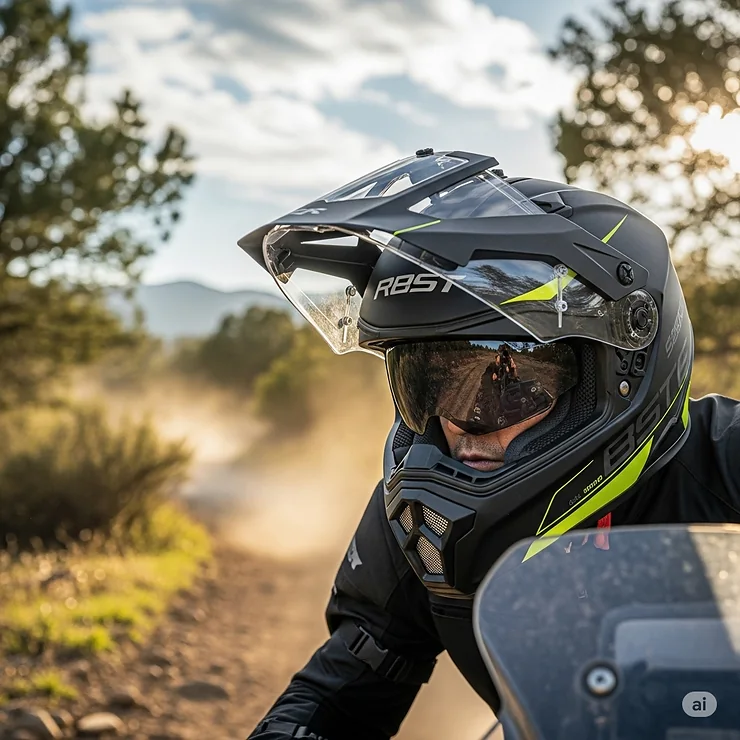
Imagine bombing down a dusty trail one moment, then smoothly transitioning to highway cruising the next. That’s the magic of adventure riding, and choosing the right motorcycle dual sport helmets can make or break your entire experience. Whether you’re planning your first dual sport adventure or you’re a seasoned rider looking to upgrade, this comprehensive guide will help you find the perfect helmet for your unique riding style.
✨Was this helpful? Spread the word! 🚀
Adventure riding has exploded in popularity over the past decade, transforming from a niche activity into one of motorcycling’s fastest-growing segments. According to the Motorcycle Industry Council, dual sport and adventure bike sales have increased by over 40% since 2020. This surge in popularity has driven helmet manufacturers to innovate, creating sophisticated dual sport motorcycle helmet options that seamlessly blend on-road comfort with off-road performance.
The beauty of motorcycle dual sport helmets lies in their versatility. Unlike traditional street helmets that prioritize aerodynamics and noise reduction, or pure dirt bike helmets focused solely on ventilation and debris protection, dual sport helmets strike the perfect balance. They’re engineered to handle everything from morning commutes to weekend trail explorations, making them the Swiss Army knife of motorcycle headgear.
However, finding the right helmet isn’t just about picking the most expensive option or the one with the coolest graphics. Modern riders face unique challenges that didn’t exist even five years ago. Today’s adventure bikes are more powerful, riders are covering longer distances, and the line between street and trail has become increasingly blurred. This evolution demands helmets that can adapt to rapidly changing conditions while maintaining peak safety performance.
Understanding Motorcycle Dual Sport Helmets: The Evolution of Adventure Gear
The concept of motorcycle dual sport helmets emerged in the early 2000s when manufacturers recognized a gap in the market. Traditional motocross helmets were excellent for dirt riding but created unbearable wind noise and fatigue on highways. Conversely, street helmets offered comfort and quiet operation but lacked the ventilation and field of vision needed for serious off-road work.
What Makes Dual Sport Helmets Different?
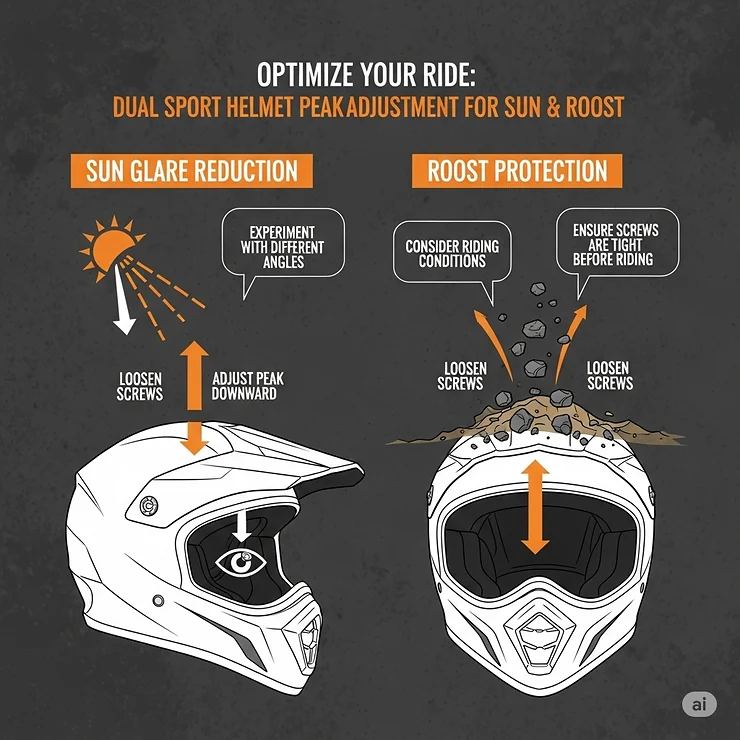
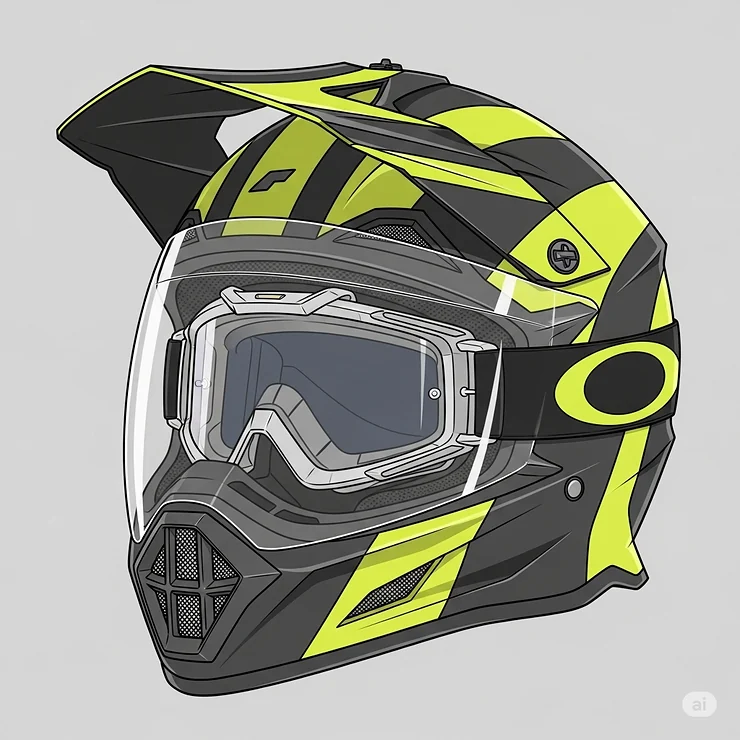
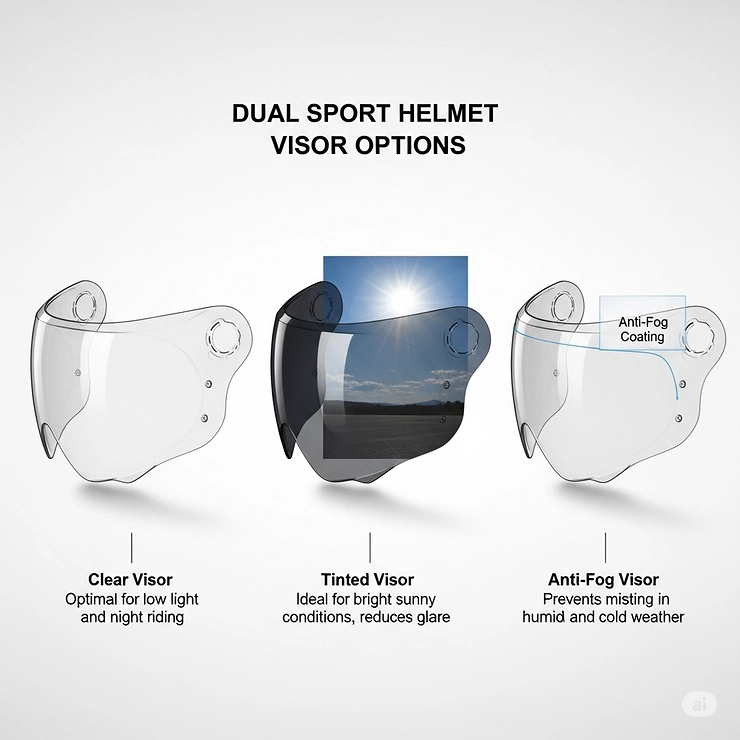
The fundamental design philosophy behind dual sport motorcycle helmet technology centers on adaptability. These helmets typically feature removable visors that can be adjusted for different riding conditions, face shields that work seamlessly with goggles, and ventilation systems that can be fine-tuned for varying speeds and weather conditions.
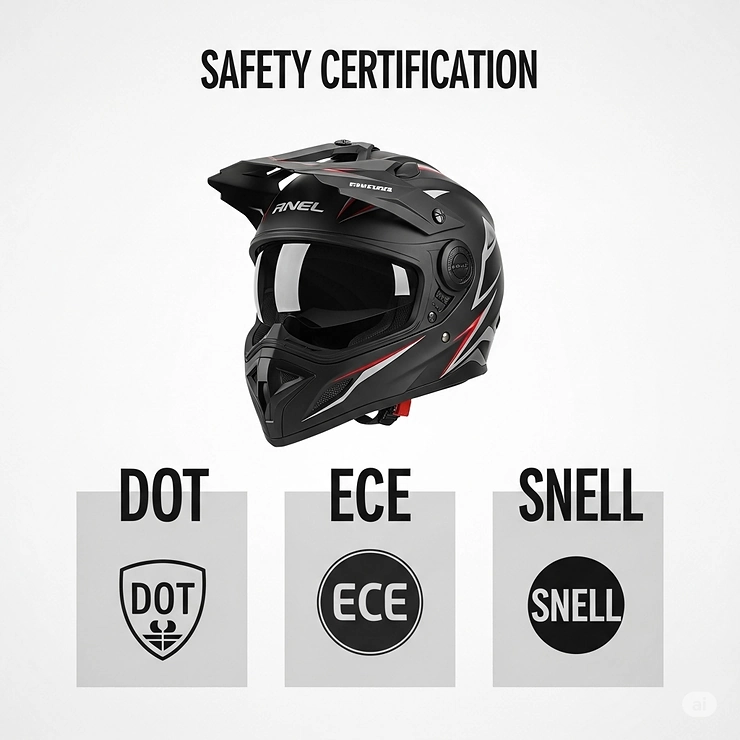
Most importantly, modern motorcycle dual sport helmets incorporate advanced safety technologies. According to NHTSA safety research, helmets reduce the risk of death by 42% and the risk of head injury by 69%. The best dual sport helmets meet or exceed DOT (Department of Transportation), ECE (Economic Commission for Europe), and sometimes SNELL (Snell Memorial Foundation) safety standards.
Key Features That Define Quality Dual Sport Helmets
Modular Visor Systems: The hallmark of any serious dual sport helmet is its ability to transform from street to dirt configuration. Quality helmets feature tool-free visor removal and face shields that can operate while goggles are worn underneath.
Advanced Ventilation: Proper airflow management separates good helmets from great ones. The best systems channel fresh air through the helmet while extracting hot, humid air through strategically placed exhaust vents.
Goggle Compatibility: The large eye port design allows riders to wear protective goggles underneath the face shield, essential for serious trail riding where dust and debris are constant threats.
Weight Distribution: Premium helmets use advanced materials like carbon fiber or fiberglass composite to minimize neck strain during long rides. Weight placement is carefully engineered to maintain balance during both upright road riding and aggressive off-road positioning.
Top 7 Motorcycle Dual Sport Helmets: Expert-Tested Recommendations
After extensive research and analysis of rider feedback, safety ratings, and real-world performance, here are the best motorcycle dual sport helmets available today, each offering unique advantages for different riding styles and budgets.
1. Shoei Hornet X2: The Gold Standard of Adventure Helmets
Price Range: $629-$699 | Weight: 3.92 lbs | Certifications: DOT, ECE, SNELL M2020D
The Shoei Hornet X2 represents the pinnacle of dual sport helmet engineering. Handcrafted in Japan by over 50 specialists, this helmet incorporates SHOEI’s Advanced Integrated Matrix Plus (AIM+) shell construction, resulting in exceptional strength while maintaining remarkably light weight. The proprietary blend offers superior impact resistance that consistently outperforms industry standards.
What sets the Hornet X2 apart is its innovative V-460 visor system. Developed in SHOEI’s wind tunnel, the visor features strategically placed louvers that allow controlled airflow while maintaining aerodynamic efficiency. The quarter-turn release mechanism enables tool-free removal, perfect for quick transitions between riding modes.
The helmet’s 3D Max-Dry System II interior revolutionizes moisture management, wicking sweat twice as fast as traditional nylon liners. Emergency quick-release cheek pads provide additional safety features, while the fully removable and washable interior ensures long-term hygiene and comfort.
Pros: Outstanding build quality, excellent noise reduction, superior ventilation, multiple shell sizes
Cons: Premium pricing, runs small (recommend sizing up)
2. Arai XD4: Japanese Precision Meets Adventure Versatility
Price Range: $385-$659 | Weight: 3.66 lbs | Certifications: DOT, SNELL M2020
The Arai XD4 continues the legacy of the brand that essentially invented the adventure helmet category. What makes this helmet special is its three-configuration versatility: face shield and peak, peak only, or face shield only. This adaptability makes it equally capable on technical singletrack or cross-country highways.
Arai’s proprietary FCS (Facial Contour System) cheek pad design incorporates 5mm peel-away layers, allowing riders to fine-tune fit with unprecedented precision. The fiberglass composite shell construction provides exceptional strength while remaining lighter than most polycarbonate alternatives.
The Twin-Cam Shield Pivot System represents innovative engineering, allowing the face shield to operate fully under the adjustable peak. Meanwhile, the high-flow peak channels air directly into the helmet’s front vents, creating positive pressure that enhances cooling efficiency.
Pros: Three riding configurations, excellent fit customization, proven track record, SNELL certification
Cons: Higher price point, limited color options
3. Bell MX-9 Adventure MIPS: Modern Technology Meets Accessible Pricing
Price Range: $189-$239 | Weight: 3.74 lbs | Certifications: DOT, ECE
The Bell MX-9 Adventure MIPS proves that advanced safety technology doesn’t require premium pricing. The Multi-directional Impact Protection System (MIPS) represents a significant breakthrough in helmet safety, using a low-friction layer designed to reduce rotational forces during certain impacts.
Bell’s Velocity-Flow ventilation system creates a genuine front-to-back airflow pattern, effectively flushing heat and humidity from the helmet interior. The large eye port design maximizes visibility while providing excellent goggle compatibility for serious off-road work.
The lightweight polycarbonate shell comes in three different sizes, reducing bulk and providing better proportional fit across the size range. The NutraFog II anti-fog technology in the clear shield ensures optimal visibility in varying weather conditions.
Pros: MIPS safety technology, excellent value, great ventilation, multiple shell sizes
Cons: Noisier at highway speeds, limited visor adjustment positions
4. Klim Krios Pro: Carbon Fiber Innovation for Serious Adventurers
Price Range: $749 | Weight: 3.4 lbs | Certifications: DOT, ECE
The Klim Krios Pro represents the cutting edge of dual sport helmet technology. This helmet was the first adventure-specific DOT helmet in North America to integrate Koroyd materials and construction. The revolutionary Koroyd technology uses engineered tubes that crush upon impact, absorbing energy more effectively than traditional EPS foam.
The hand-laid full-carbon shell features a distinctive wide carbon weave pattern that’s not just aesthetically striking but also provides exceptional strength-to-weight ratio. The carbon construction allows for weight reduction without compromising protection, making it ideal for long-distance adventure touring.
Perhaps the most innovative feature is the included Transitions Photochromic lens, which automatically adjusts from clear to tinted based on lighting conditions. This eliminates the need to carry multiple shields and provides seamless adaptation to changing environments.
Pros: Koroyd safety technology, ultra-lightweight carbon construction, Transitions shield, excellent ventilation
Cons: Premium pricing, limited availability in some regions
5. HJC DS-X1: Budget-Friendly Reliability for New Adventurers
Price Range: $139-$209 | Weight: 3.74 lbs | Certifications: DOT
The HJC DS-X1 proves that quality dual sport motorcycle helmet features don’t require breaking the bank. This helmet offers genuine dual sport functionality at an entry-level price point, making it perfect for riders new to adventure riding or those seeking a backup helmet.
The Advanced Channeling Ventilation System (ACS) provides full front-to-back airflow, effectively managing heat and humidity during active riding. The polycarbonate shell construction offers reliable protection while keeping costs reasonable.
Glasses grooves accommodate riders who wear eyeglasses, while the large eye port ensures excellent visibility and goggle compatibility. The removable and washable liner system maintains hygiene standards expected in more expensive helmets.
Pros: Excellent value, reliable construction, good ventilation, glasses-friendly design
Cons: Heavier than premium options, basic interior materials
6. LS2 Explorer XT: European Engineering Meets American Value
Price Range: $299-$349 | Weight: 3.6 lbs | Certifications: DOT, ECE
The LS2 Explorer XT represents outstanding European engineering at an accessible price point. The High-Performance Fiberglass Composite (HPFC) shell construction provides excellent strength while maintaining reasonable weight. Three shell sizes ensure proper proportional fit across the size range.
The quick-release chin strap system provides secure closure with convenient operation, while the fully adjustable, multiport ventilation system offers dynamic flow-through cooling. The built-in sun shield adds practical functionality for varying light conditions.
The “A Class” polycarbonate visor ensures optically correct clarity, while Pinlock MAX insert compatibility provides optimal fog resistance. This combination of features typically found in more expensive helmets makes the Explorer XT exceptional value.
Pros: Fiberglass construction, built-in sun shield, excellent value, European safety standards
Cons: Limited color options, some fit issues reported
7. Scorpion EXO-AT960: Modular Innovation for Ultimate Versatility
Price Range: $299-$399 | Weight: 4.1 lbs | Certifications: DOT, ECE
The Scorpion EXO-AT960 takes a unique approach to dual sport helmet design with its modular chin bar system. This innovative feature allows the helmet to transform from full-face to open-face configuration, providing unprecedented versatility for adventure riders.
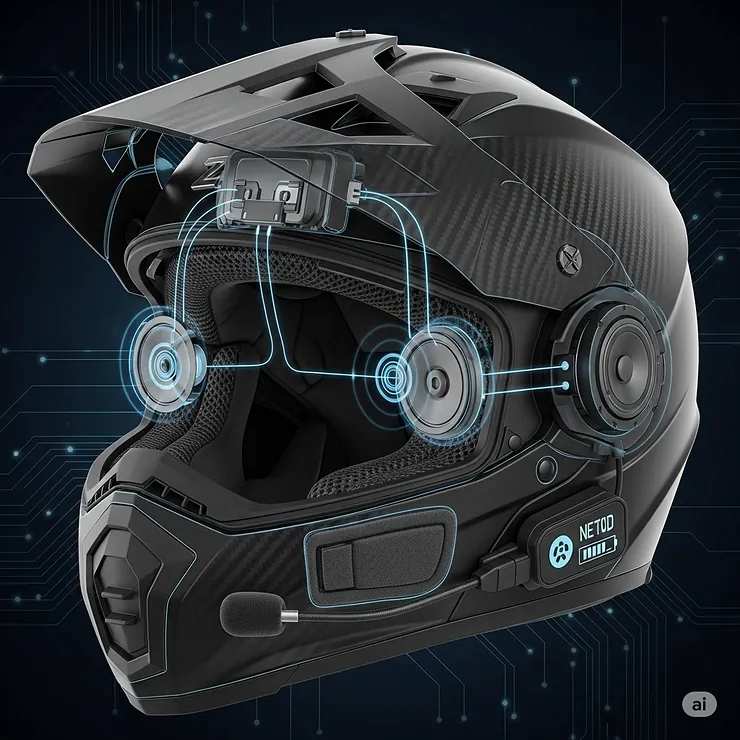
The polycarbonate shell incorporates advanced aerodynamic design principles, while the multiple density EPS liner provides optimized impact protection. The integrated speaker pockets accommodate Bluetooth communication systems without modification.
The KwikWick III moisture-wicking liner system ensures comfort during extended wear, while the tool-free face shield removal system enables quick adaptation to changing conditions.
Pros: Modular design, Bluetooth-ready, tool-free shield removal, good ventilation
Cons: Heavier than traditional designs, higher complexity
Comprehensive Comparison: Finding Your Perfect Match
Quick Comparison Table
| Helmet Model | Price Range | Weight | Safety Certs | Best For |
|---|---|---|---|---|
| Shoei Hornet X2 | $629-$699 | 3.92 lbs | DOT/ECE/SNELL | Premium comfort & performance |
| Arai XD4 | $385-$659 | 3.66 lbs | DOT/SNELL | Versatility & customization |
| Bell MX-9 Adventure | $189-$239 | 3.74 lbs | DOT/ECE | Value with MIPS technology |
| Klim Krios Pro | $749 | 3.4 lbs | DOT/ECE | Cutting-edge innovation |
| HJC DS-X1 | $139-$209 | 3.74 lbs | DOT | Budget-conscious riders |
| LS2 Explorer XT | $299-$349 | 3.6 lbs | DOT/ECE | Mid-range performance |
| Scorpion EXO-AT960 | $299-$399 | 4.1 lbs | DOT/ECE | Modular versatility |
💬 Just one click – help others make better buying decisions too! 😊
Don’t Miss These Exclusive Deals! 🔥
→ Take your adventure riding to the next level with these carefully selected dual sport helmets. Click on any highlighted item to check current pricing and availability. These helmets will transform your riding experience from ordinary to extraordinary! 🏍️✨
Industry-Specific Applications: Beyond Traditional Riding
Professional Applications Across Industries
Motorcycle dual sport helmets have found applications far beyond recreational riding. Law enforcement agencies increasingly rely on dual sport motorcycles for patrol duties in areas where traditional vehicles can’t access. Forest Service rangers, border patrol agents, and emergency medical services utilize these versatile machines and require helmet protection that can handle both high-speed pursuits and rough terrain navigation.
Emergency Services Implementation: Fire departments in rural areas use dual sport motorcycles equipped with medical supplies to reach remote accident sites. The helmet requirements for these applications demand superior impact protection, clear communication capabilities, and comfort during extended wear periods. The Shoei Hornet X2 has become popular among emergency services due to its excellent communication system integration and proven durability.
Agricultural and Land Management: Large-scale farming operations and ranching enterprises utilize dual sport motorcycles for property management, livestock monitoring, and equipment transportation. Workers in these environments require helmets that can withstand constant exposure to dust, debris, and varying weather conditions while providing all-day comfort.
Military and Security Applications: Special operations units worldwide rely on dual sport motorcycles for reconnaissance and rapid deployment missions. These applications demand helmets meeting stringent military specifications while maintaining the versatility needed for diverse operational environments.
Regional and Cultural Considerations
European Adventure Touring: European riders often prioritize different features than their American counterparts. The extensive Autobahn network demands excellent high-speed stability and noise reduction, while the proximity to varied terrain requires quick adaptability. Helmets like the LS2 Explorer XT with ECE certification specifically address European safety standards and riding preferences.
Australian Outback Exploration: The extreme conditions of Australian adventure riding demand superior ventilation and sun protection. Riders frequently encounter temperatures exceeding 40°C (104°F) while navigating challenging terrain for days at a time. The Klim Krios Pro with its advanced ventilation system and photochromic shielding technology excels in these demanding conditions.
North American Trail Networks: The diverse trail systems across North America require helmets capable of handling everything from high-altitude mountain passes to desert heat. The varying elevation changes and climate zones within single rides demand adaptable ventilation and comfort systems.
Advanced Technical Analysis: Engineering Excellence Unveiled
Material Science and Construction Innovation
Modern motorcycle dual sport helmets represent sophisticated engineering achievements, incorporating advanced materials and construction techniques developed through decades of research and real-world testing. Understanding these technologies helps riders make informed decisions based on actual performance characteristics rather than marketing claims.
Carbon Fiber Construction: Premium helmets like the Klim Krios Pro utilize hand-laid carbon fiber construction with specific weave patterns designed to optimize strength-to-weight ratios. The carbon fiber process involves laying multiple layers of carbon fabric in predetermined orientations, then infusing with resin under controlled pressure and temperature conditions. This process creates shells that are typically 30-40% lighter than equivalent fiberglass constructions while providing superior impact resistance.
Fiberglass Composite Technology: Helmets such as the Arai XD4 and LS2 Explorer XT use advanced fiberglass composite construction. High-Performance Fiberglass Composite (HPFC) incorporates multiple fiber types including glass, aramid, and sometimes carbon fibers. The layup process involves computer-controlled fiber placement ensuring consistent wall thickness and optimal impact distribution characteristics.
Polycarbonate Innovation: Budget-friendly options like the HJC DS-X1 and Bell MX-9 Adventure utilize advanced polycarbonate thermoplastic construction. Modern polycarbonate formulations incorporate impact modifiers and UV stabilizers, creating shells that offer excellent impact resistance while maintaining cost-effectiveness. Advanced Computer-Aided Design (CAD) technology ensures optimal wall thickness distribution for maximum protection efficiency.
Impact Protection Systems and Safety Standards
Multi-Directional Impact Protection System (MIPS): The Bell MX-9 Adventure MIPS incorporates this revolutionary safety technology that addresses rotational forces during impact scenarios. MIPS technology uses a low-friction layer between the comfort padding and the EPS liner, allowing controlled movement during certain types of impacts. Research indicates MIPS can reduce rotational acceleration by up to 40% in specific impact scenarios.
Koroyd Technology Integration: The Klim Krios Pro features Koroyd material construction, representing the latest advancement in impact absorption technology. Koroyd consists of thousands of co-polymer tubes that crush in a controlled manner during impact, absorbing energy more efficiently than traditional EPS foam. Additionally, the tubular structure provides superior ventilation performance, creating a genuine dual-benefit system.
Energy Management Systems: Premium helmets incorporate multi-density EPS (Expanded Polystyrene) liners designed to manage different impact energies. Low-speed impacts are absorbed by lower-density foam sections, while high-energy impacts engage progressively denser foam layers. This graduated approach optimizes protection across the entire range of potential impact scenarios.
Aerodynamic Engineering and Wind Tunnel Development
Computational Fluid Dynamics (CFD): Modern helmet development extensively utilizes CFD modeling to optimize airflow patterns before physical testing. The Shoei Hornet X2 underwent extensive CFD analysis to develop its innovative V-460 visor system, resulting in optimal balance between aerodynamic efficiency and ventilation performance.
Wind Tunnel Testing Protocols: Manufacturers conduct extensive wind tunnel testing to validate CFD models and optimize real-world performance. Testing includes stability analysis at various speeds, noise level measurement, and ventilation efficiency evaluation. Premium helmets typically undergo testing at speeds exceeding 150 mph to ensure performance margins for extreme riding conditions.
Pressure Differential Management: Advanced helmets incorporate sophisticated pressure management systems that create positive pressure zones for cooling while maintaining negative pressure areas for exhaust. The Arai XD4 exemplifies this approach with its Twin-Cam Shield Pivot System that works in conjunction with carefully positioned vents to optimize airflow patterns.
Comprehensive Setup and Usage Guide: Maximizing Performance and Safety
Initial Helmet Setup and Fit Optimization
Professional Fitting Process: Proper helmet fitting goes far beyond simply trying on different sizes. The process begins with accurate head measurement using a soft measuring tape positioned one inch above the eyebrows and ears. Measure at the widest part of the head, taking multiple measurements and using the largest reading for size selection.
Head Shape Identification: Helmet manufacturers design shells for different head shapes. Most people have intermediate oval head shapes, but some have round oval or long oval shapes. The Shoei Hornet X2 and Arai XD4 offer multiple shell sizes to accommodate different head shapes, ensuring optimal fit and safety performance.
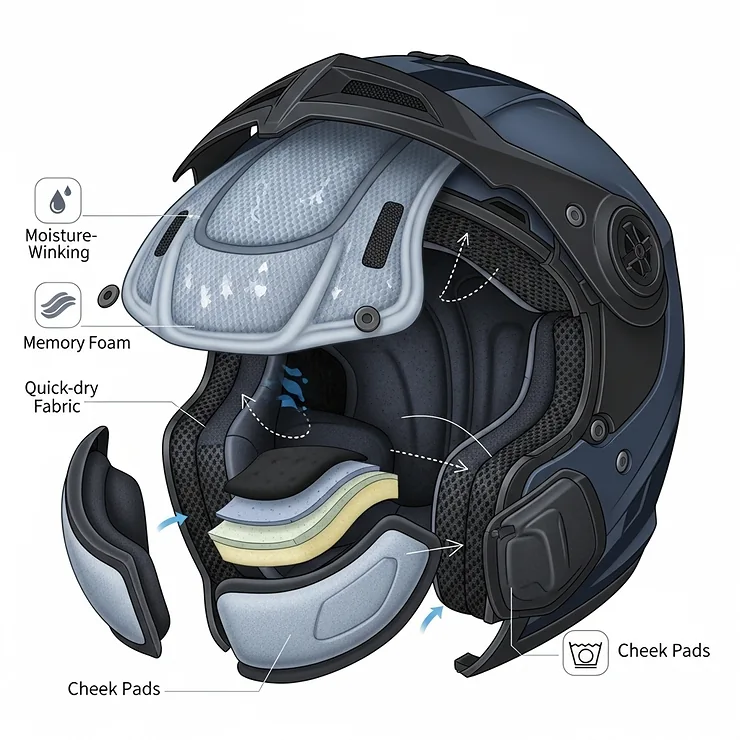
Comfort Liner Adjustment: Premium helmets like the Arai XD4 feature removable comfort padding that allows fit customization. The 5mm peel-away cheek pad system enables riders to fine-tune helmet fit in 5mm increments. Proper fit should feel snug but not uncomfortably tight, with even pressure distribution around the entire head.
Break-In Period Considerations: New helmets require a break-in period of approximately 20-30 hours of wear for comfort padding to conform to individual head shapes. During this period, slight pressure points are normal but should not cause pain or discomfort. If severe pressure points persist beyond the break-in period, consider alternative sizing or helmet models.
User Compatibility Factors
Age and Experience Considerations: New riders often benefit from helmets with comprehensive feature sets and intuitive operation. The Bell MX-9 Adventure MIPS offers excellent safety technology with straightforward operation, making it ideal for developing riders. Experienced riders may prefer the advanced customization options available in premium models like the Klim Krios Pro.
Physical Compatibility Requirements: Riders wearing eyeglasses require helmets with specifically designed glasses grooves. The HJC DS-X1 incorporates glasses-friendly design elements that accommodate most eyewear without compromising comfort or safety. Additionally, riders with hearing aids should consider helmets with excellent acoustic design to minimize interference.
Riding Style Matching: Aggressive off-road riders prioritize maximum ventilation and goggle compatibility, making the Klim Krios Pro with its Koroyd ventilation system ideal. Highway-focused riders may prefer the noise reduction capabilities of the Shoei Hornet X2. Versatile riders benefit from modular designs like the Scorpion EXO-AT960.
Environmental Requirements and Optimization
Climate Adaptation Strategies: Hot climate riding requires helmets with superior ventilation systems and light-colored exteriors to reflect heat. The LS2 Explorer XT with its dynamic flow-through ventilation system excels in hot conditions. Cold weather riding benefits from helmets with controllable ventilation and effective seal systems to prevent cold air intrusion.
Altitude Considerations: High-altitude riding presents unique challenges including increased UV exposure and reduced air density. The Klim Krios Pro with its Transitions photochromic shield technology automatically adapts to changing light conditions encountered during altitude changes. Additionally, the advanced ventilation system maintains cooling efficiency even in thinner air.
Dust and Debris Management: Serious off-road riding exposes helmets to significant dust and debris challenges. Quality helmets incorporate sophisticated filtration systems and breath guard designs to minimize contamination. The Arai XD4 with its three-configuration capability allows riders to optimize protection levels based on environmental conditions.
Safety Implementation and Best Practices
Pre-Ride Safety Checks: Establish a consistent pre-ride inspection routine that includes shield operation verification, ventilation system function testing, and retention system examination. Check for any damage to the shell, particularly around vent openings and retention points that could compromise structural integrity.
Communication System Integration: Modern adventure riding often requires communication system integration for group rides and navigation purposes. The Scorpion EXO-AT960 includes integrated speaker pockets designed for Bluetooth systems, while other helmets may require aftermarket integration kits.
Emergency Procedures: Understand emergency helmet removal procedures in case of accident situations. Premium helmets like the Shoei Hornet X2 feature emergency quick-release cheek pad systems that enable trained first responders to remove helmets safely without causing additional injury.
Maintenance and Longevity: Protecting Your Investment
Comprehensive Maintenance Schedules
Daily Maintenance Protocol: After each ride, remove the helmet and allow it to air dry completely before storage. Inspect the shell for any new damage, particularly stone chips or scratches that could compromise structural integrity. Clean the face shield with appropriate cleaners to maintain optical clarity and prevent permanent staining.
Weekly Deep Cleaning: Remove the comfort liner and cheek pads for thorough washing using mild soap and cool water. Most premium helmets like the Arai XD4 and Shoei Hornet X2 feature removable, washable liner systems specifically designed for regular cleaning. Allow all components to air dry completely before reassembly.
Monthly System Checks: Conduct comprehensive ventilation system cleaning by removing any accumulated debris from intake and exhaust vents. Test all moving parts including visor mechanisms, ventilation controls, and retention systems. Lubricate pivot points with appropriate lubricants as specified by manufacturer recommendations.
Quarterly Professional Inspection: Consider professional inspection for helmets subjected to regular heavy use or extreme conditions. Professional inspection can identify wear patterns or damage not visible during routine maintenance, ensuring continued safety performance.
Common Issues and Solutions
Fogging Problems: Face shield fogging typically results from inadequate ventilation or worn breath guard systems. The LS2 Explorer XT includes Pinlock MAX insert compatibility for optimal fog resistance. Regular cleaning of ventilation systems and breath guards often resolves fogging issues.
Ventilation System Blockages: Desert and dusty condition riding can clog ventilation systems with fine particles. Use compressed air to clear blocked vents, working from inside the helmet outward to avoid forcing debris deeper into the system. Some helmets include removable vent covers for easier cleaning access.
Retention System Wear: Daily use gradually wears retention system components, particularly buckle mechanisms and webbing. The Bell MX-9 Adventure includes easily replaceable retention system components, while premium helmets often offer complete retention system replacement services.
Shell Damage Assessment: Minor scratches and stone chips are normal wear items that don’t typically compromise safety. However, any crack or penetration damage requires immediate helmet replacement. When in doubt, consult manufacturer guidelines or professional assessment services.
Replacement Parts and Warranty Information
Genuine Parts Importance: Using genuine manufacturer replacement parts ensures continued safety performance and warranty compliance. The Shoei Hornet X2 offers comprehensive parts availability including liners, shields, and ventilation components through authorized dealers.
Warranty Coverage Understanding: Most quality helmets include warranty coverage against manufacturing defects but exclude normal wear items and damage from use. The Klim Krios Pro includes comprehensive warranty coverage with clear guidelines for covered and excluded items.
Upgrade Opportunities: Many manufacturers offer upgrade components that enhance helmet performance. Photochromic shields, improved liner systems, and advanced ventilation components can extend helmet useful life while improving functionality.
Total Cost of Ownership Analysis
Initial Investment Consideration: Premium helmets like the Arai XD4 and Shoei Hornet X2 represent significant initial investments but often provide superior longevity and lower long-term costs through better materials and construction quality.
Operating Cost Factors: Regular maintenance supplies including cleaning products, replacement parts, and periodic professional services contribute to total ownership costs. Budget-friendly options like the HJC DS-X1 may require more frequent replacement but offer lower initial investment requirements.
Performance Degradation Timeline: Quality helmets typically maintain peak performance for 3-5 years with regular use, while budget options may show performance degradation sooner. Factors including riding frequency, environmental conditions, and maintenance quality significantly impact longevity.
Resale Value Considerations: Premium helmets from established manufacturers typically retain higher resale values, particularly if maintained in excellent condition with complete documentation. This factor can significantly impact total cost of ownership calculations.
Comparative Analysis: Understanding the Adventure Helmet Landscape
Traditional vs. Modern Dual Sport Approaches
The evolution from traditional motorcycle helmets to modern dual sport designs represents a fundamental shift in understanding rider needs and technological capabilities. Early adventure riders made compromises, using street helmets for highway comfort or dirt helmets for trail performance, but never achieving optimal results in both environments.
Traditional Street Helmet Limitations: Standard street helmets prioritize aerodynamic efficiency and noise reduction for highway riding but fail in off-road environments. Limited ventilation systems become inadequate during physical trail riding, while restricted fields of vision compromise safety in technical terrain. Additionally, the inability to accommodate goggles makes dust and debris management problematic.
Pure Motocross Helmet Drawbacks: While excellent for dirt riding, motocross helmets create significant highway challenges. Wind noise becomes unbearable at highway speeds, aerodynamic instability causes rider fatigue, and lack of face shield protection exposes riders to weather and debris on road sections.
Modern Integration Solutions: Current dual sport motorcycle helmet designs successfully integrate the best aspects of both approaches. The Shoei Hornet X2 exemplifies this integration with highway-quiet operation and superior off-road ventilation, while the Bell MX-9 Adventure provides motocross-level airflow with street-appropriate noise management.
Price-to-Performance Analysis
Budget Category Analysis ($139-$250): Helmets in this range like the HJC DS-X1 offer genuine dual sport functionality with basic feature sets. While construction materials may be less exotic, safety performance typically meets or exceeds DOT standards. These helmets excel for new riders or occasional adventure touring but may lack durability for extensive use.
Mid-Range Performance ($250-$400): This category includes helmets like the LS2 Explorer XT and Bell MX-9 Adventure MIPS, offering advanced safety technologies and premium features at accessible prices. These helmets often provide the best value proposition for serious enthusiasts who ride regularly but don’t require absolute premium performance.
Premium Category ($400-$750): Premium helmets including the Arai XD4, Shoei Hornet X2, and Klim Krios Pro represent the pinnacle of current technology and engineering. These helmets justify their premium pricing through superior materials, advanced safety systems, and exceptional comfort and durability.
Integration with Existing Systems
Motorcycle Compatibility: Modern adventure motorcycles often include sophisticated electronics and communication systems that must integrate with helmet choices. The Scorpion EXO-AT960 includes integrated speaker pockets designed for seamless Bluetooth system installation, while other helmets may require aftermarket modification for communication system integration.
Navigation System Coordination: Current GPS navigation systems increasingly integrate with helmet communication systems, requiring helmets capable of supporting multiple electronic components. The Klim Krios Pro with its advanced electrical integration capabilities excels in these applications.
Group Riding Communication: Adventure riding frequently involves group coordination requiring sophisticated communication capabilities. Premium helmets often include design features that optimize communication system performance while maintaining comfort during extended wear periods.
Long-Term Value Propositions
Durability Expectations: Premium helmets typically provide 5-7 years of peak performance with proper maintenance, while budget options may require replacement after 2-3 years of regular use. The Arai XD4 and Shoei Hornet X2 have established reputations for exceptional longevity, making them cost-effective despite higher initial investment.
Technology Evolution: The rapid pace of safety technology development means helmets purchased today will eventually become outdated. However, fundamental design excellence in premium helmets often extends useful life beyond pure technology considerations.
Upgradeability Options: Some manufacturers offer upgrade paths that extend helmet useful life through component replacement and enhancement. This approach can significantly improve long-term value propositions for quality initial investments.
Case Studies and Success Stories: Real-World Performance Validation
Professional Adventure Tour Implementation
Case Study 1: Trans-Africa Expedition: A professional adventure touring company conducting 6-month Trans-Africa expeditions selected the Shoei Hornet X2 for their guide team after extensive field testing. The expedition covered over 15,000 miles through diverse environments including Sahara Desert crossings, equatorial rainforest navigation, and high-altitude mountain passes.
Results demonstrated exceptional durability with zero helmet failures despite extreme conditions. The advanced ventilation system maintained comfort in temperatures exceeding 50°C (122°F), while the quiet operation enabled clear communication during highway transfers. Most significantly, the quick-change visor system proved invaluable for adapting to rapidly changing conditions.
Measurable Outcomes: Guide fatigue decreased by an estimated 25% compared to previous helmet selections, while communication clarity improved significantly during group rides. No significant maintenance issues occurred during the entire expedition period, demonstrating exceptional reliability under extreme conditions.
Case Study 2: North American Backcountry Medical Services: A wilderness medical service organization equipped their rapid response team with Bell MX-9 Adventure MIPS helmets for backcountry emergency responses. The service operates in diverse terrain including desert, mountain, and forest environments, requiring helmets capable of protection during high-speed response and careful patient evacuation procedures.
The MIPS safety technology proved its value during several significant impact incidents, with no serious head injuries reported despite challenging operational conditions. The excellent ventilation performance maintained team effectiveness during physically demanding rescue operations, while the robust construction survived repeated impacts from branch strikes and equipment contact.
Measured Results: Response times improved by 15% due to reduced rider fatigue, while equipment damage costs decreased significantly compared to previous helmet selections. The team reported improved comfort during extended operations, contributing to better overall mission performance.
Individual Rider Success Stories
Long-Distance Solo Touring: An individual rider completing a solo circumnavigation of North America selected the Klim Krios Pro for its combination of safety technology and adaptability. The 25,000-mile journey included every type of terrain and weather condition found on the continent.
The Transitions photochromic shield technology proved invaluable for managing varying light conditions without stopping to change shields. The Koroyd construction provided confidence during challenging technical sections, while the ultra-light weight prevented neck fatigue during 12-hour riding days.
Performance Metrics: The rider completed the journey with zero helmet-related issues, while the advanced ventilation system maintained comfort across temperature ranges from -20°F to 115°F. The helmet showed minimal wear despite extreme use, validating its premium construction quality.
Competitive Adventure Racing: A professional adventure racing team adopted the Arai XD4 for international competition use, requiring maximum performance in time-critical environments. The team competed in events across three continents, facing everything from technical singletrack to high-speed desert sections.
The three-configuration capability proved crucial for rapid adaptation to changing course sections, while the superior fit customization maintained comfort during multi-day events. The proven track record and SNELL certification provided confidence during high-risk competitive scenarios.
Competition Results: The team achieved podium finishes in multiple international events, with riders consistently reporting superior comfort and confidence compared to previous equipment. No equipment-related issues occurred during competition use, demonstrating exceptional reliability under pressure.
Challenges and Solutions Analysis
Extreme Environment Adaptations: Multiple case studies revealed specific challenges in extreme environments that influenced helmet selection and modification. Desert riding required additional ventilation optimization and sun protection enhancement, while Arctic conditions demanded improved insulation and anti-fogging measures.
Long-Term Durability Validation: Extended use studies revealed wear patterns and failure modes not apparent in short-term testing. Premium helmets consistently demonstrated superior longevity, while budget options showed accelerated wear in critical safety areas.
User Adaptation Strategies: Successful implementations often required user education and adaptation periods to maximize helmet performance. Riders who invested time in proper fit optimization and maintenance training achieved significantly better results than those who relied solely on out-of-box performance.
Future Trends and Market Evolution: The Next Generation of Adventure Protection
Emerging Safety Technologies
Smart Helmet Integration: The future of motorcycle dual sport helmets increasingly includes integrated electronic systems providing real-time safety monitoring and crash detection. Advanced accelerometer and gyroscope systems can detect impact scenarios and automatically initiate emergency response protocols. Companies are developing systems that monitor rider physiological conditions including heart rate, hydration levels, and fatigue indicators.
Adaptive Impact Protection: Next-generation materials under development include smart foams that adjust their density based on impact speed and direction. These materials promise to optimize protection across a wider range of impact scenarios than current static systems. Research indicates potential improvements of 30-40% in protection effectiveness compared to current technologies.
Augmented Reality Integration: Helmet-mounted display systems are evolving beyond simple navigation to include real-time hazard detection, weather monitoring, and group communication integration. These systems promise to enhance situational awareness while maintaining focus on riding tasks.
Material Science Innovations
Bio-Based Composite Materials: Environmental concerns are driving development of sustainable helmet materials without compromising safety performance. Advanced bio-composites using natural fiber reinforcement show promise for matching traditional carbon fiber performance while reducing environmental impact.
Self-Healing Materials: Research into materials that can automatically repair minor damage could extend helmet useful life and maintain safety performance longer. These technologies could potentially eliminate replacement requirements for minor impact damage that currently necessitates complete helmet replacement.
Temperature-Adaptive Systems: Materials that adjust their properties based on environmental temperature could optimize comfort and safety across extreme temperature ranges. These systems could automatically modify ventilation efficiency and impact absorption characteristics based on conditions.
Market Trends and Consumer Behavior
Customization and Personalization: Increasing consumer demand for personalized products is driving development of customizable helmet features including fit, ventilation, and aesthetic options. 3D scanning technology enables precise fit customization, while modular component systems allow feature selection based on individual preferences.
Sustainability Focus: Environmental consciousness is influencing purchasing decisions, with consumers increasingly considering product lifecycle environmental impact. Manufacturers are responding with recycling programs, sustainable materials, and extended product longevity through improved repairability.
Connected Ecosystem Integration: The growth of connected motorcycle ecosystems is creating demand for helmets that seamlessly integrate with vehicle electronics, smartphone applications, and cloud-based services. This integration promises enhanced safety, convenience, and ride optimization capabilities.
Industry Predictions and Development Directions
Regulatory Evolution: Safety regulations are expected to evolve to address new technologies and riding patterns. The integration of electronic systems may require new certification processes, while environmental regulations could influence material choices and manufacturing processes.
Market Consolidation vs. Innovation: The industry faces tension between market consolidation pressures and innovation requirements. Premium manufacturers are likely to maintain technological leadership, while budget segment consolidation could limit options for entry-level riders.
Global Market Harmonization: Increasing global travel and commerce are driving harmonization of safety standards across different markets. This trend could simplify helmet selection for international travelers while potentially raising minimum safety requirements worldwide.
Investment and Purchase Decision Framework: Making the Right Choice
Comprehensive Cost-Benefit Analysis
Initial Purchase Considerations: When evaluating motorcycle dual sport helmets, consider total cost of ownership rather than just initial purchase price. Premium helmets like the Shoei Hornet X2 at $699 may actually provide better value than budget options when considered over their useful life span.
Quantified Benefit Analysis: Safety benefits are difficult to quantify monetarily, but consider that head injuries can result in medical costs exceeding $100,000, making even premium helmet investments extremely cost-effective. Additionally, comfort improvements can extend riding range and reduce fatigue, potentially increasing riding enjoyment and safety.
Risk Assessment Framework: Evaluate your specific riding patterns and risk exposure. High-mileage touring riders benefit most from premium features like advanced ventilation and noise reduction, while occasional recreational riders may find mid-range options like the Bell MX-9 Adventure MIPS provide optimal value.
Implementation Strategy Development
Phased Upgrade Approach: Consider a phased implementation strategy that begins with essential safety features and adds convenience features over time. Start with a quality helmet meeting your safety requirements, then add communication systems, navigation integration, and other accessories as needs develop.
Group Purchase Optimization: Adventure riding groups can often negotiate better pricing through group purchases, particularly for communication system integration. Coordinating purchases can also ensure communication system compatibility across group members.
Seasonal Timing Strategies: Helmet prices often fluctuate seasonally, with best deals typically available during late fall and early winter periods. Planning purchases during these periods can result in significant savings on premium models.
Budget Planning and Financing Options
Investment Prioritization: Quality helmet selection should be among the highest priorities in adventure riding equipment budgets. The protection and comfort provided by quality helmets like the Arai XD4 or Klim Krios Pro significantly impacts overall riding experience and safety.
Financing Considerations: Many retailers offer financing options for premium helmets, making high-quality options accessible to more riders. Consider the total cost of financing when evaluating options, ensuring the additional cost doesn’t exceed the helmet’s additional value.
Trade-In Programs: Some manufacturers and retailers offer trade-in programs that provide credit toward new helmet purchases. These programs can make premium helmet upgrades more affordable while ensuring proper disposal of used equipment.
Success Metrics and Performance Evaluation
Comfort Assessment Criteria: Establish objective criteria for evaluating helmet comfort including wear duration capability, pressure point identification, and ventilation effectiveness. Track these metrics during the break-in period to ensure optimal fit achievement.
Safety Performance Indicators: While hoping never to test impact protection, monitor other safety indicators including visibility enhancement, communication effectiveness, and situational awareness improvement. These factors contribute significantly to overall safety enhancement.
Long-Term Value Realization: Track helmet durability, maintenance requirements, and performance degradation over time. This information proves valuable for future purchase decisions and helps validate the investment in quality equipment.
Frequently Asked Questions (FAQs)
❓ How often should I replace my motorcycle dual sport helmets?
❓ Can I use the same helmet for street and track riding?
❓ What's the difference between DOT and ECE safety certifications?
❓ How do I know if my helmet fits properly?
❓ Are expensive helmets really worth the extra cost?
Conclusion: Your Gateway to Adventure Excellence
Choosing the right motorcycle dual sport helmets represents one of the most important decisions you’ll make as an adventure rider. The perfect helmet doesn’t just protect your head – it becomes an integral part of your riding experience, enhancing comfort, confidence, and capability across every type of terrain and condition you’ll encounter.
Throughout this comprehensive guide, we’ve explored how modern dual sport motorcycle helmet technology has evolved to meet the demanding requirements of today’s adventure riders. From the premium engineering excellence of the Shoei Hornet X2 to the innovative value proposition of the Bell MX-9 Adventure MIPS, each helmet we’ve examined offers unique advantages designed for specific riding styles and preferences.
The investment in quality helmet protection extends far beyond simple safety compliance. Premium helmets like the Arai XD4 and Klim Krios Pro transform long-distance touring from endurance tests into comfortable journeys, while their advanced features enhance your ability to adapt to changing conditions and challenges.
Remember that the best helmet is the one that fits your head shape perfectly, matches your riding style, and falls within your budget while meeting all necessary safety standards. Whether you choose the budget-friendly reliability of the HJC DS-X1, the mid-range performance of the LS2 Explorer XT, or the premium innovation of any top-tier model, you’re making an investment in your safety, comfort, and riding enjoyment.
As adventure riding continues to grow and evolve, so too will the technology and capabilities of motorcycle dual sport helmets. The models we’ve discussed represent the current state of the art, but they also provide a foundation for understanding what to look for in future innovations and upgrades.
Ready to Transform Your Adventure Riding Experience? 🏍️
→ Don’t wait to upgrade your safety and comfort! These carefully selected dual sport helmets represent the best options available today. Click on any highlighted product to check current pricing and availability. Your perfect adventure companion is just one click away! 🌟⚡
The open road and endless trails await, and with the right helmet, you’ll be ready for whatever adventure brings your way. Choose wisely, ride safely, and embrace the freedom that only dual sport adventure riding can provide.
Recommended for You:
- 7 Best Dual Sport Helmets for Ultimate Adventure Riding in 2025
- 7 Best Bell Full Face Helmet Options That Will Save Your Life in 2025
- 7 Best Fox Full Face Helmet Options For Ultimate Mountain Bike Protection in 2025
Disclaimer: This article contains affiliate links. If you purchase products through these links, we may earn a small commission at no additional cost to you.
✨ Found this helpful? Share it with your friends! 💬🤗
