
In This Article
Picture this: It’s 5:30 AM, and you’re heading out for your morning bike commute. The sun hasn’t risen yet, and streetlights cast long shadows across the pavement. A car approaches from behind—will the driver see you in time?
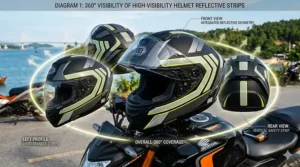
This scenario plays out thousands of times daily across America, and the statistics are sobering. According to the National Highway Traffic Safety Administration, pedestrian and cyclist fatalities continue to rise, with a significant portion of incidents occurring during low-light conditions. High-visibility reflective strips aren’t just accessories—they’re literal lifesavers that can make you visible from over 800 feet away.
Whether you’re a cyclist navigating city streets, a construction worker on highway projects, a runner pounding pre-dawn pavement, or simply someone who values safety during evening dog walks, understanding high-visibility reflective strips is essential. These seemingly simple products harness sophisticated retroreflective technology to bounce light back to its source, creating a bright warning signal that catches drivers’ attention when it matters most.
In this comprehensive guide, I’ll walk you through everything you need to know about high-visibility reflective strips in 2026. From the latest 3M reflective helmet tape innovations to versatile nighttime safety decals, we’ll explore the top products, safety standards, and expert tips to help you make informed decisions about visibility enhancement products that truly work.
Quick Comparison Table: Top High-Visibility Reflective Strips at a Glance
| Product | Type | Best For | Visibility Range | Price Range | Rating |
|---|---|---|---|---|---|
| Elos 3M Reflective Black Stickers | Helmet Tape | Helmets, Bikes | 800+ ft | $15-20 | 4.5/5 |
| Bright Knight Hexagon Stickers | Vinyl Decals | Multi-surface | 1,000+ ft | $12-18 | 4.6/5 |
| AISEY 2″ x 30ft Reflective Tape | Roll Tape | Vehicles, Large Areas | 1,280 ft | $10-15 | 4.4/5 |
| WENFUMUSIC 3-Roll Pack | Multi-purpose Tape | DIY Projects | 800+ ft | $12-16 | 4.3/5 |
| ZEMOZEN Reflective Sash | Wearable Strap | Running, Walking | 800+ ft | $8-12 | 4.5/5 |
| HiVisible 10-Pack Safety Vests | Full Vests | Work Sites, Groups | 800+ ft | $35-50 | 4.6/5 |
| Stuart Reflective Safety Belt | Adjustable Belt | PT, Military, Sports | 600+ ft | $10-14 | 4.4/5 |
💬 Just one click – help others make better buying decisions too!😊
Top 7 High-Visibility Reflective Strips: Expert Analysis
1. Elos 3M Reflective Black Stickers – The Stealth Safety Champion
When it comes to combining style with safety, the Elos 3M Reflective Black Stickers stand in a category of their own. These aren’t your grandmother’s bright orange safety markers—they’re discreet black during the day and transform into brilliant white beacons at night.
Key Specifications:
- 3M Scotchlite technology with 9-year durability rating
- Waterproof and temperature-resistant (-40°F to 180°F)
- Available in regular, combo, and jumbo sizes
Priced around $15-20 depending on the pack size, these stickers use genuine 3M retroreflective material that meets rigorous safety standards. Customer feedback consistently highlights how the black finish maintains helmet aesthetics while providing exceptional nighttime visibility. One cyclist noted, “I’ve been using these for six months through rain and snow—they still reflect like new.”
✅ Pros: Sleek daytime appearance, exceptional durability, trusted 3M technology
❌ Cons: Higher price point, black color less visible in daytime
2. Bright Knight Decals Hexagon Reflective Stickers – Geometric Safety Innovation
The Bright Knight Decals Hexagon Reflective Stickers bring both form and function to visibility enhancement. Made in the USA with 7 mil engineering-grade 3M reflective vinyl, these hexagon-shaped decals offer a 4-year outdoor rating that outlasts most competitors.
Key Specifications:
- Includes 25 full hexagons (1″ x 1.15″), 6 half-hexagons, 6 triangles
- Available in green, red, yellow, and black
- Strong acrylic adhesive withstands pressure washing
At $12-18 per pack, these versatile stickers work equally well on motorcycle helmets, hard hats, bicycles, and vehicles. The geometric pattern creates multiple reflection points, enhancing visibility from various angles. Users appreciate the variety of shapes that allow creative customization while maintaining safety compliance.
✅ Pros: Versatile shape options, Made in USA, excellent value
❌ Cons: Requires heat for removal, smaller coverage area per piece
3. AISEY 2″ x 30ft Reflective Tape – The Workhorse Solution
For projects requiring extensive coverage, the AISEY 2″ x 30ft Reflective Tape delivers professional-grade performance at a consumer-friendly price. This DOT-C2 approved tape meets federal safety standards for conspicuity marking on commercial vehicles.
Key Specifications:
- Full 30-foot roll of 2-inch wide tape
- Outdoor waterproof with fade-resistant properties
- Strong adhesive bonds to metal, plastic, and wood
Typically priced between $10-15, this tape offers exceptional value for marking trailers, mailboxes, stairways, or creating custom safety solutions. Customer reviews frequently mention its robust adhesion—one user reported it surviving two years on an outdoor trailer through harsh winters. The white/silver color provides maximum contrast against dark surfaces.
✅ Pros: Generous length, DOT-C2 certified, affordable
❌ Cons: Permanent adhesive challenging to remove, requires surface preparation
4. WENFUMUSIC 3 Rolls High-Visibility Reflective Tape – The Value Pack Champion
If you need variety without breaking the bank, the WENFUMUSIC 3 Rolls High-Visibility Reflective Tape delivers three different colors—red, silver-white, and fluorescent green—in one convenient package.
Key Specifications:
- Three 10-foot rolls (30 feet total)
- 1-inch width ideal for detailed applications
- Honeycomb pattern surface enhances reflectivity
Priced around $12-16, this multi-pack lets you color-code different applications or match your existing gear. The industrial-strength adhesive withstands extreme temperatures, making it suitable for year-round outdoor use. Users particularly value having multiple colors for organizing equipment or creating multi-colored safety patterns.
✅ Pros: Color variety, great value, versatile applications
❌ Cons: Narrower width, shorter individual rolls
5. ZEMOZEN Reflective Sash – The Runner’s Best Friend
The ZEMOZEN Reflective Sash revolutionizes wearable safety with its adjustable, lightweight design that replaces bulky reflective vests. This innovative product combines 360-degree visibility with freedom of movement.
Key Specifications:
- Adjustable length: 35″-65″ to fit various body types
- Multi-functional keyring carabiner for accessories
- Comfortable, skin-friendly materials
At just $8-12, this sash provides incredible value for runners, cyclists, dog walkers, and anyone active during low-light hours. The reflective strips wrap completely around your torso, ensuring visibility from all angles. Customer feedback emphasizes how it’s “barely noticeable to wear but impossible to miss on the road.” The included carabiner lets you attach keys, lights, or pepper spray without fumbling with pockets.
✅ Pros: Comfortable for extended wear, affordable, highly portable
❌ Cons: Not suitable for high-speed work zones, less durable than vests
6. HiVisible 10 Safety Vests Bulk Pack – The Team Safety Solution
When you need to outfit an entire crew, the HiVisible 10 Safety Vests Bulk Pack provides ANSI-compliant protection at a quantity-friendly price point.
Key Specifications:
- 10 bright yellow vests with 360-degree reflective silver strips
- Universal size fits most adults (S-L)
- Visible from 800+ feet in all weather conditions
Priced between $35-50 for the 10-pack (approximately $3.50-$5.00 per vest), these represent exceptional value for construction companies, event organizers, or volunteer groups. The vests meet high-visibility standards for roadside work and feature breathable mesh fabric that doesn’t trap heat. Bulk purchasers report these work perfectly for warehouse operations, school crossing guards, and emergency preparedness kits.
✅ Pros: Bulk pricing, ANSI-compliant, breathable design
❌ Cons: One-size-fits-all may not accommodate all body types, basic features
7. Stuart Promotional Products Reflective Safety Belt – The Military-Grade Option
The Stuart Promotional Products Reflective Safety Belt brings military-inspired durability to civilian safety applications. Made in the USA with global components, this belt represents American manufacturing quality.
Key Specifications:
- Adjustable up to 52-inch waist
- Secure click-buckle closure
- Available in multiple bright colors with reflective strips
At $10-14, this belt delivers military-spec performance for running, cycling, PT workouts, and outdoor activities. The reflective strips ensure 360-degree visibility while the lightweight design won’t slow you down. Military personnel and first responders particularly appreciate the quick-release buckle and durability through repeated washing. Users note it’s “comfortable enough to forget you’re wearing it but bright enough that cars give you plenty of space.”
✅ Pros: Made in USA, military-grade durability, universal sizing
❌ Cons: Less coverage than vests, primarily for individuals vs. teams
✨ Don’t Miss These Exclusive Deals!
🔍 Take your nighttime safety to the next level with these carefully selected products. Click on any highlighted item to check current pricing and availability. These tools will help you create authentic visibility solutions your family will love!
Understanding Reflective Technology: How High-Visibility Reflective Strips Actually Work
You’ve probably noticed that reflective materials seem almost magical—dull and ordinary during the day, but blazing bright when headlights hit them at night. This isn’t magic; it’s science called retroreflection, and understanding it helps you choose better products.
The Science Behind Retroreflection
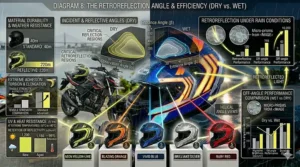
Traditional reflection, like what you see in a mirror, bounces light in many directions. Retroreflective materials, however, use microscopic glass beads or prismatic structures to redirect light back toward its source. When a car’s headlights strike retro-reflective helmet tape on your helmet, the light travels back to the driver’s eyes with remarkable intensity—often appearing 500 times brighter than standard reflective materials. According to 3M’s technical documentation, this retroreflection technology has been refined over decades to maximize visibility in critical safety applications.
Modern high-visibility reflective strips employ two main technologies. Glass bead retroreflection uses thousands of tiny glass spheres embedded in the material, each acting as a miniature lens. Prismatic retroreflection (like 3M’s diamond-grade products) uses geometric patterns of tiny prisms that offer even better performance, especially at wider angles.
Why Color Matters for Visibility
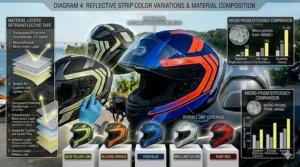
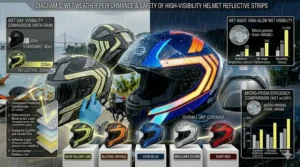
Not all reflective colors perform equally. Silver and white reflective materials typically offer the highest retroreflective efficiency, appearing brightest to drivers. That’s why most nighttime safety decals use silver as their base. However, fluorescent colors—particularly yellow-green and orange-red—excel during daylight and twilight hours by converting UV light into visible light, literally glowing brighter than their surroundings.
The most effective visibility enhancement products combine both technologies. A fluorescent yellow background ensures daytime visibility, while silver reflective strips handle nighttime duties. This dual approach explains why ANSI safety standards require both fluorescent background material and retroreflective strips for professional work environments.
Testing and Certification Standards
When shopping for reflective safety gear, look for products meeting ANSI/ISEA 107-2020 standards. This American National Standard ensures materials meet minimum retroreflectivity requirements measured in candelas per lux per square meter. Class 2 materials must maintain at least 330 cd/lx/m² at entrance angles, while Class 3 requires even higher performance.
DOT-C2 certification indicates compliance with Department of Transportation standards for conspicuity tape on commercial vehicles. Products bearing this mark have passed rigorous testing for color, brightness, and durability under various weather conditions.
Choosing the Right High-Visibility Reflective Strips: A Step-by-Step Guide
Step 1: Identify Your Primary Use Case
Different activities demand different solutions. Cyclists need helmet-mounted reflective helmet graphics that don’t interfere with ventilation, while construction workers require ANSI-compliant vests covering larger body areas. Runners might prefer lightweight reflective sashes, whereas vehicle owners need permanent adhesive tape resistant to car washes and weather.
Step 2: Assess Your Environment
Where will you use these products? Urban environments with streetlights need less reflective area than rural roads with no ambient lighting. Highway work zones moving at 60+ mph require Class 3 visibility (minimum 1,240 square inches of reflective material), while parking lot attendants might only need Class 1 or 2.
Step 3: Consider Durability Requirements
Temporary event staff can use inexpensive disposable vests, but daily commuters need products rated for hundreds of wash cycles and years of UV exposure. Check manufacturer specifications for wash ratings, outdoor durability (usually 3-7 years for quality products), and temperature ranges. Products using 3M Scotchlite technology typically offer superior longevity.
Step 4: Evaluate Attachment Methods
Adhesive-backed retro-reflective helmet tape works perfectly for helmets, bikes, and vehicles but becomes permanent once applied. Sew-on reflective fabric integrates into clothing but requires basic sewing skills. Clip-on or elastic products offer maximum flexibility but may shift during movement.
Step 5: Verify Standards Compliance
For professional use, especially construction and traffic control, ANSI/ISEA compliance isn’t optional—it’s legally required. Even for personal use, certified products ensure tested performance rather than marketing hype. Look for clear labeling indicating ANSI class, DOT approval, or 3M certification.
Step 6: Calculate Total Coverage Needed
More reflective material equals better visibility. Calculate the square inches of reflective coverage you need based on your use case. A cyclist might only need 50-75 square inches on their helmet and backpack, while a road worker needs 310+ square inches for Class 2 compliance.
Step 7: Compare Cost Per Square Inch
Don’t just look at package prices. A $20 roll covering 200 square inches ($0.10 per square inch) offers better value than a $10 pack with 50 square inches ($0.20 per square inch). Calculate actual coverage to compare products fairly.
Installation Tips: Making Your Reflective Strips Last Longer
Surface Preparation Makes the Difference
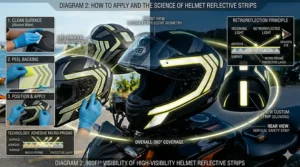
The number one reason adhesive reflective products fail prematurely? Poor surface preparation. Before applying any reflective safety gear with adhesive backing, clean the target surface thoroughly with isopropyl alcohol or a dedicated adhesive prep solution. Remove all dirt, oil, and residue. Even fingerprints contain oils that compromise adhesion.
For helmets and painted surfaces, roughen the area slightly with 400-grit sandpaper to create mechanical grip—but be gentle to avoid damaging the underlying finish. Let surfaces dry completely; even tiny amounts of moisture trap under adhesive and cause eventual delamination.
Temperature and Timing
Adhesive works best when applied at temperatures between 60°F and 90°F. Too cold, and the adhesive won’t flow properly into surface irregularities. Too hot, and you risk premature curing before achieving full contact. If installing visibility enhancement stickers in winter, warm the product and surface with a hair dryer (not too hot!) to improve initial adhesion.
After application, avoid exposing the product to water, extreme temperatures, or stress for at least 24 hours. This curing period allows the adhesive to achieve maximum bond strength. Rushing this step commonly leads to edge lifting and premature failure.
Application Techniques
Start from one end and work across, using a squeegee or credit card to push out air bubbles as you go. Trapped air creates gaps where water can enter, eventually degrading both adhesive and reflective properties. For larger pieces of nighttime safety decals, use the wet application method: spray the surface with a light mist of soapy water, position the decal, then squeegee out water and air together. This technique allows repositioning and prevents bubbles.
Strategic Placement for Maximum Visibility
Don’t just slap reflective materials anywhere. Studies show specific placement patterns dramatically improve driver recognition. On helmets, place reflective helmet graphics on all four sides—front, back, left, and right. The back receives the most light from following vehicles, but side placement helps at intersections.
On bicycles, mount reflective tape on seat posts, pedals, and wheel rims in addition to frames. Moving reflectors (like those on pedals and spokes) create motion patterns that human brains process faster than static reflectors, improving reaction times by up to 25%.
For clothing, horizontal placement at waist and chest level, combined with vertical shoulder placement, creates a recognizable human silhouette. This pattern outperforms random placement by helping drivers subconsciously identify you as a person rather than just “something shiny.”
High-Visibility Reflective Strips vs. Traditional Alternatives
Reflective Strips vs. LED Lights
| Feature | Reflective Strips | LED Lights |
|---|---|---|
| Power Source | None (passive) | Batteries required |
| Visibility Range | 800-1,280 feet | 500-2,000 feet (varies) |
| Durability | 3-9 years | 1-3 years typical |
| Maintenance | None | Battery replacement, charging |
| Cost | $8-50 | $15-100+ |
| Weight | Negligible | 2-8 oz |
| 360° Coverage | Limited to placement | Depends on design |
Both technologies have merit, and many safety experts recommend combining them. Reflective materials provide fail-safe passive protection—they never run out of battery at the worst possible moment. LED lights offer active visibility, helping you be seen even when no direct light source illuminates you. For maximum safety, use night riding safety products that incorporate both technologies.
Reflective Strips vs. Fluorescent Materials
Fluorescent materials excel during daytime and twilight by converting UV light into visible light, appearing brighter than their surroundings. However, they offer zero advantage at night when no UV light is present. Retroreflective materials, conversely, need active illumination (headlights) to function but work brilliantly in darkness.
The smartest approach? Combine them. Fluorescent yellow-green backgrounds provide daylight visibility, while retroreflective strips handle nighttime duties. This dual-technology approach explains why ANSI standards require both for professional visibility enhancement products.
Maintenance and Care: Extending Product Lifespan
Washing and Cleaning
Adhesive-backed high-visibility reflective strips on vehicles and equipment tolerate pressure washing, but avoid directing high-pressure streams at edges where water can work underneath. For clothing with sewn-in reflectives, turn garments inside out and use cold water with mild detergent. Skip the fabric softener—it leaves residues that reduce reflectivity.
Most quality reflective safety gear survives 25-50 wash cycles while maintaining 80% or more of initial retroreflectivity. Beyond that point, performance degrades noticeably. Inspect materials regularly under headlights at night; if brightness has diminished significantly, replacement time has arrived.
Storage Practices
Store reflective products away from direct sunlight when not in use. UV exposure gradually degrades both adhesive and reflective properties. For seasonal items like winter cycling gear, keep them in cool, dark places during off-months. Folding can crack reflective coatings, so hang items when possible or store flat.
When to Replace
Even the best visibility enhancement products eventually need replacement. Replace adhesive-backed items showing edge lifting, discoloration, or significant dirt accumulation that won’t clean away. For sewn-in materials, watch for cracking, peeling, or loss of brightness. As a safety rule, replace items every 2-3 years regardless of apparent condition—the stakes are too high to gamble on degraded protection.
Safety Standards and Regulations You Need to Know
ANSI/ISEA 107-2020: The Gold Standard
The American National Standard for High-Visibility Safety Apparel sets clear requirements for professional-use products. Understanding these classifications helps you choose appropriate products even for personal use.
Class 1 garments provide minimum visibility for tasks where traffic moves slower than 25 mph and workers maintain full attention to approaching vehicles. Think parking lot attendants or warehouse workers. Minimum 155 square inches of background material and 70 square inches of retroreflective material.
Class 2 requirements jump to 775 square inches of background and 201 square inches of retroreflective material. This class suits road construction workers, utility employees, and anyone near traffic moving 25-50 mph. Most high-visibility reflective strips designed for cycling and running aim to meet or exceed Class 2 visibility.
Class 3 demands 1,240 square inches of background material and 310 square inches of retroreflective material, often requiring full sleeves or pant legs. Highway workers, emergency responders, and flaggers in high-speed zones need this maximum visibility level.
DOT Requirements
The Department of Transportation’s Manual on Uniform Traffic Control Devices (MUTCD) mandates Class 2 or 3 apparel for workers on federal-aid highways. States often extend these requirements to all public roads. Even if you’re not a professional worker, understanding these standards helps select products providing adequate personal protection.
Occupational Safety and Health Administration (OSHA) Guidelines
OSHA requires employers to provide high-visibility clothing to workers exposed to vehicular traffic. While OSHA doesn’t write the standards, it references ANSI/ISEA 107 for compliance. The CDC’s PPE information portal provides detailed technical specifications for these standards. If your employer provides visibility enhancement products, they should bear ANSI certification labels indicating tested performance.
Common Mistakes to Avoid When Using Reflective Strips
Mistake #1: Relying Solely on Rear-Facing Reflectives
Many cyclists and runners place all their reflective materials on backsides, assuming danger only comes from behind. However, intersection collisions—where vehicles cross your path from the sides—account for substantial incidents. Always include side-facing reflective helmet graphics and body markers.
Mistake #2: Mixing Low-Quality Products with Premium Ones
Using cheap, non-certified reflective tape alongside quality 3M products creates a false sense of security. The bright reflection from quality materials might blind you to the poor performance of inferior products. Stick with certified products throughout your safety setup.
Mistake #3: Assuming “Reflective” Means “Retroreflective”
Many products marketed as “reflective” use standard reflective coatings that scatter light in all directions—not the focused retroreflection that makes safety products effective. Always look for “retroreflective,” “retro-reflective,” or specific certifications like ANSI or DOT-C2.
Mistake #4: Neglecting Regular Inspection
Dirt, mud, and road grime dramatically reduce reflective performance. Clean your nighttime safety decals regularly with mild soap and water. Inspect for damage, peeling edges, or fading that compromises effectiveness. Remember: degraded protection is sometimes worse than no protection, as it breeds false confidence.
Mistake #5: Forgetting the Whole Safety Picture
High-visibility reflective strips are crucial but represent just one layer of safety. Combine them with proper lighting (front white, rear red for cyclists), defensive movement patterns, and situational awareness. No safety product substitutes for vigilant, defensive behavior in traffic.
Frequently Asked Questions About High-Visibility Reflective Strips
❓ How far can high-visibility reflective strips be seen at night?
❓ Can I use reflective helmet tape on surfaces other than helmets?
❓ Do high-visibility reflective strips work during rainy or foggy conditions?
❓ How long do 3M reflective materials last compared to generic brands?
❓ Are there any legal requirements for wearing reflective gear while cycling?
Conclusion: Investing in Visibility Saves Lives
We started this journey asking whether a driver would see you in the pre-dawn darkness. Now you understand that visibility isn’t left to chance—it’s engineered through smart product selection and proper use of high-visibility reflective strips.
The seven products we’ve explored represent the best options available in 2026, from the sleek Elos 3M Reflective Black Stickers that maintain helmet aesthetics while delivering life-saving visibility, to the budget-friendly ZEMOZEN Reflective Sash that makes every evening run safer. Whether you choose professional-grade AISEY tape for vehicle marking, versatile Bright Knight decals for custom applications, or complete HiVisible vest solutions for team protection, you’re making an investment in safety that pays dividends every single time you venture into low-light conditions.
Remember that the best visibility enhancement products are the ones you’ll actually use consistently. A $50 premium vest sitting in your closet provides zero protection, while a $12 reflective sash worn on every run could save your life. Start with products matching your primary activities, then expand your safety toolkit as needs evolve.
Technology continues advancing rapidly in this field. In 2026, we’re seeing innovations like stretchable reflective fabrics, color-changing thermochromic materials, and hybrid products combining passive retroreflection with active LED illumination. Stay informed about emerging options, but don’t wait for “perfect” products—use proven solutions available today.
Most importantly, recognize that high-visibility reflective strips serve one fundamental purpose: ensuring you get home safely to the people who matter most. That goal transcends any product price point, brand preference, or aesthetic consideration. Be seen. Be safe. Be there for tomorrow’s adventures.
Recommended for You
- 7 Best Rider Communication Package Systems: Complete 2026 Guide
- 7 Best 4K Helmet Camera Reviews 2026
- 7 Best Mesh Intercom Systems 2026: Ultimate Buyer’s Guide
Disclaimer: This article contains affiliate links. If you purchase products through these links, we may earn a small commission at no additional cost to you.
✨ Found this helpful? Share it with your friends! 💬🤗
