
In This Article
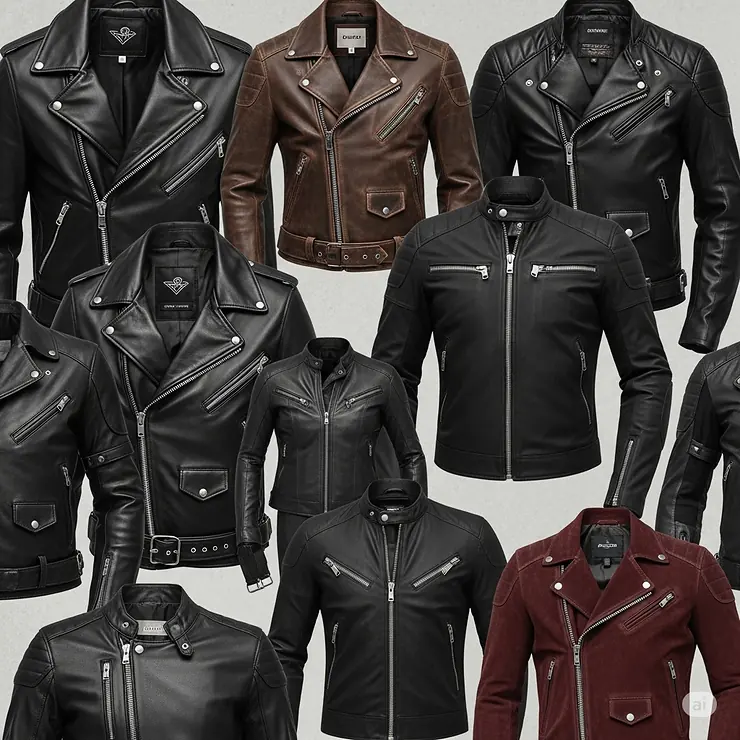
When you’re cruising down the highway with the wind in your face, there’s nothing quite like the feeling of wearing the perfect biker jacket. However, choosing the right type of jacket can feel overwhelming with so many styles and options available today. Whether you’re looking for classic leather protection or modern technical gear, understanding the different types of biker jackets will help you make the smartest choice for your riding style and budget.
✨Was this helpful? Spread the word! 🚀
I’ve spent countless hours researching and testing various motorcycle jackets, and I can tell you that the right jacket isn’t just about looking cool – it’s about staying protected, comfortable, and confident on every ride. From traditional leather designs to cutting-edge textile innovations, each type of jacket for naked bike riders and other motorcycle enthusiasts serves specific purposes and offers unique advantages.
Understanding the Evolution of Biker Jackets 🏍️
The story of biker jackets begins in the early 20th century when aviators and motorcyclists needed protection from harsh elements. Furthermore, these early designs focused purely on function, but they quickly evolved into iconic fashion statements that transcended motorcycle culture. According to the Motorcycle Safety Foundation, proper protective gear can reduce the severity of injuries by up to 37% in motorcycle accidents. Today’s types of biker leather jackets combine decades of design evolution with modern safety technology.
Moreover, the motorcycle jacket industry has exploded with innovation in recent years. Additionally, manufacturers now offer everything from smart jackets with integrated airbags to lightweight summer gear that doesn’t compromise on protection. According to Wikipedia’s comprehensive motorcycle overview, protective gear has evolved significantly since the early days of motorcycling. Consequently, riders today enjoy more choices than ever before when selecting their perfect jacket.
Key Factors That Define Different Types of Biker Jackets ✅
Several critical factors distinguish one type of biker jacket from another:
✅ Material Construction – Leather, textile, mesh, or hybrid combinations
✅ Protection Level – Basic abrasion resistance to advanced armor systems
✅ Climate Suitability – Season-specific designs and ventilation features
✅ Riding Style – Sport, touring, cruiser, or adventure-specific cuts
✅ Safety Certifications – CE ratings and impact protection standards
The 7 Essential Types of Biker Jackets
1. Classic Leather Biker Jackets 🔥
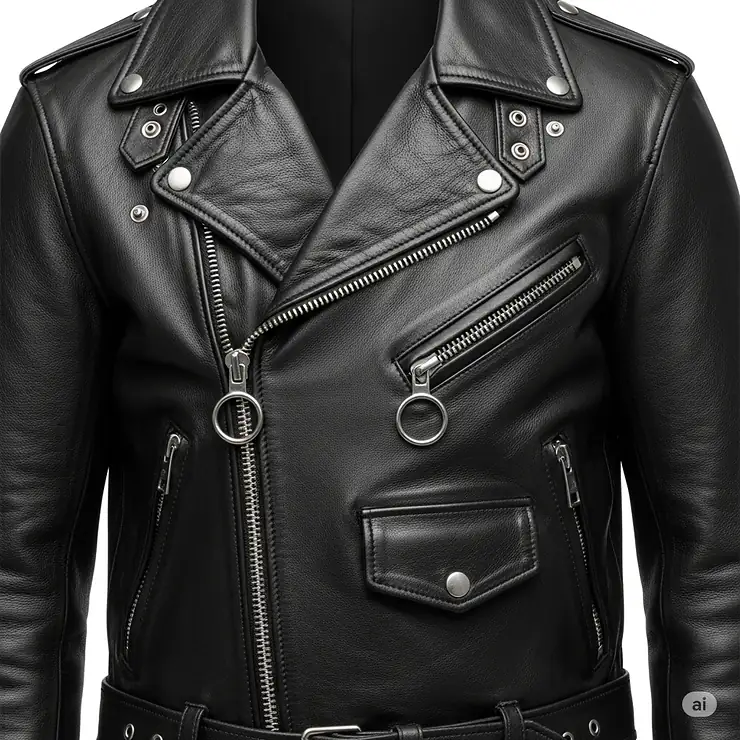
The Schott Perfecto 118 remains the gold standard for classic leather motorcycle jackets. Priced around $729, this American-made masterpiece features heavyweight naked cowhide construction and has been protecting riders since the late 1920s. The jacket’s asymmetrical zipper, belted front, and iconic three-pocket design make it instantly recognizable.
Classic leather jackets excel in several key areas:
Protection Benefits:
- Superior abrasion resistance compared to most materials
- Natural wind and weather protection
- Develops character and improves with age
- Excellent impact distribution properties
Style Advantages:
- Timeless aesthetic that never goes out of fashion
- Versatile enough for both riding and casual wear
- Available in various cuts and color options
- Premium materials create lasting investment pieces
The Joe Rocket Classic ’92 offers an excellent entry point into quality leather jackets at approximately $349.99. Constructed from 1.2mm drum-dyed cowhide, this jacket provides excellent value without sacrificing essential protection features.
Comparison Table: Premium vs Budget Leather Jackets
| Feature | Schott Perfecto 118 | Joe Rocket Classic ’92 |
|---|---|---|
| Price Range | $729 | $349.99 |
| Leather Thickness | 1.2-1.4mm | 1.2mm |
| Country of Origin | USA | Imported |
| Armor Included | Optional | Optional |
| Warranty Period | Lifetime craftsmanship | 1 year |
| Break-in Period | 2-4 weeks | 1-2 weeks |
Don’t Miss These Exclusive Deals! 🛒
→ Upgrade your riding gear with these premium leather jackets. Click any highlighted product name to check current Amazon pricing and availability. These jackets offer unmatched protection and style that will last for decades! 💪
2. Sport/Racing Leather Jackets ⚡
Sport leather jackets represent the pinnacle of motorcycle protection technology. The Dainese Racing 4 Perforated exemplifies this category with its advanced Tutu cowhide construction, Level 2 CE-certified armor, and aerodynamic sport fit designed for aggressive riding positions.
Furthermore, sport jackets feature several distinctive characteristics that set them apart from other types of leather biker jackets:
Advanced Protection Features:
- Pre-curved arms for sport riding positions
- Integrated aluminum shoulder sliders
- Reinforced high-impact zones
- Back protector compatibility
- Connection zippers for matching pants
Performance Engineering:
- Strategic perforation for airflow management
- Stretch panels in critical movement areas
- Lightweight construction without compromising protection
- Track-tested materials and design elements
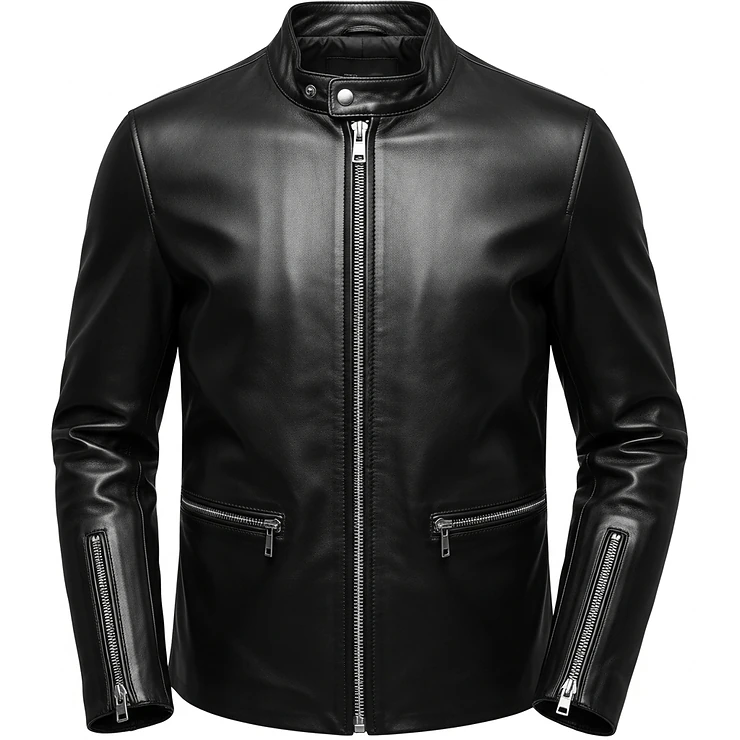
The Alpinestars Blacktrack Leather Jacket bridges the gap between sport performance and street style. Priced at $529.95, this jacket combines 1.0-1.2mm bovine leather with modern minimalist aesthetics. Additionally, it includes Nucleon Flex Plus CE Level 1 armor and a detachable thermal vest for versatility.
Sport Jacket Material Analysis:
| Material Type | Thickness | Protection Level | Climate Suitability |
|---|---|---|---|
| Kangaroo Leather | 0.8-1.0mm | Excellent | All seasons |
| Cowhide (Premium) | 1.2-1.4mm | Superior | Cool/Cold weather |
| Cowhide (Perforated) | 1.1-1.3mm | Excellent | Warm weather |
| Buffalo Hide | 1.4-1.6mm | Maximum | Cold weather only |
3. Cruiser/Touring Leather Jackets 🛣️
Cruiser jackets prioritize comfort for long-distance riding while maintaining classic biker aesthetics. These types of biker leather jackets typically feature relaxed fits, multiple storage pockets, and weather-resistant treatments that make them ideal for extended touring adventures.
Essential Cruiser Jacket Features:
- Relaxed fit accommodating various body types
- Multiple storage compartments for touring essentials
- Removable thermal liners for temperature adaptation
- Comfortable collar designs for all-day wear
- Easy-access zipper configurations
Touring jackets often incorporate hybrid construction methods, combining leather panels with textile sections for enhanced functionality. Moreover, these designs address the specific needs of riders who spend hours in the saddle covering hundreds of miles daily.
Touring Comfort Technologies:
- Moisture-wicking interior linings
- Adjustable ventilation systems
- Ergonomic seam placement to reduce pressure points
- Reflective elements for enhanced visibility
- Tool and document storage solutions
4. Textile and Mesh Jackets 🌬️
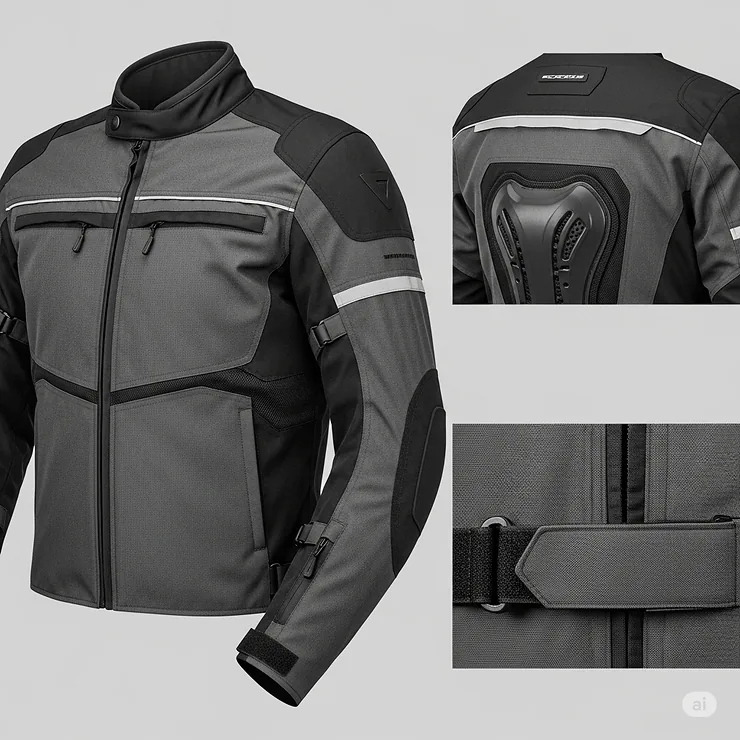
While leather dominates traditional motorcycle culture, modern textile jackets offer compelling advantages for specific riding conditions. Furthermore, advanced synthetic materials now rival leather in many protection categories while offering superior versatility and maintenance ease.
Textile Jacket Advantages:
- Lighter weight than comparable leather options
- Machine washable and easy maintenance
- Integrated waterproof/breathable membranes
- More affordable replacement costs
- Wider range of color and design options
The Icon Hypersport Prime showcases how modern manufacturers blend leather and textile construction. Priced around $530, this jacket combines TracSpec leather with TechMesh ventilation panels and integrated TPU armor elements.
Climate-Specific Textile Options:
| Climate Type | Recommended Features | Season Usage |
|---|---|---|
| Hot/Humid | Full mesh panels, CE armor | Spring/Summer |
| Wet/Cold | Waterproof membrane, thermal liner | Fall/Winter |
| Variable | Removable layers, adjustable vents | Year-round |
| Desert | Reflective materials, maximum airflow | Summer |
5. Adventure/Dual-Sport Jackets 🏔️
Adventure riding demands jackets that perform across diverse terrain and weather conditions. Consequently, these specialized designs incorporate features from both street and off-road motorcycle gear categories.
Adventure Jacket Requirements:
- Durable construction for off-road abuse
- Extensive ventilation for physical exertion
- Multiple storage options for tools and supplies
- Compatibility with various protection systems
- Visibility enhancements for remote riding
Protection System Integration: Adventure jackets typically accommodate modular armor systems that riders can adjust based on specific trip requirements. Additionally, many models feature removable components that transform the jacket from heavy-duty protection to lightweight touring gear.
6. Vintage/Retro Style Jackets 📸
Vintage-inspired designs capture classic motorcycle aesthetics while incorporating modern safety technologies. Moreover, these jackets appeal to riders who prefer timeless styling over contemporary technical appearances.
Vintage Design Elements:
- Simple, clean lines without excessive graphics
- Classic color combinations (black, brown, white)
- Traditional hardware and zipper configurations
- Heritage brand styling cues
- Minimal external armor visibility
Modern Safety Integration: Contemporary vintage jackets cleverly hide advanced protection features within classic designs. Furthermore, manufacturers use modern materials that replicate traditional leather appearance while providing superior protection characteristics.
7. Urban/Commuter Jackets 🏙️
Urban riding jackets address the specific needs of city commuters who transition between motorcycle riding and professional environments. Additionally, these designs prioritize versatility and professional appearance over aggressive sport styling.
Urban Jacket Features:
- Professional appearance suitable for office environments
- Easy on/off design for frequent stops
- Integrated storage for work essentials
- Weather resistance for unpredictable urban conditions
- Reflective elements for city traffic visibility
💬 Just one click – help others make better buying decisions too!😊
Detailed Material Science and Construction Analysis 🔬
Understanding the materials and construction methods behind different types of biker jackets helps riders make informed decisions based on their specific needs and riding conditions. Moreover, modern jacket manufacturing incorporates decades of research into material science, ergonomics, and safety engineering.
Leather Types and Processing Methods
The quality and characteristics of motorcycle jacket leather depend heavily on the animal source, tanning process, and finishing treatments applied during manufacturing. Furthermore, different leather types offer distinct advantages and limitations that significantly impact jacket performance.
Cowhide Leather Characteristics:
- Naked/Aniline Leather: Soft, breathable, develops rich patina
- Corrected Grain: Durable, uniform appearance, weather resistant
- Nubuck/Suede: Distinctive texture, requires special care
- Chrome Tanned: Fast processing, consistent quality control
Alternative Leather Sources: Premium manufacturers increasingly offer alternative leather options that provide specific performance advantages:
- Kangaroo Leather: Exceptionally strong despite thin profile
- Buffalo Hide: Maximum thickness and abrasion resistance
- Goat Leather: Naturally water-resistant with soft feel
- Deerskin: Lightweight and naturally tear-resistant
Advanced Textile Technologies
Modern synthetic materials rival traditional leather performance while offering advantages in specific applications. Additionally, textile development continues advancing rapidly with new fiber technologies and construction methods.
High-Performance Textile Options:
Research from the National Institute for Occupational Safety and Health shows that advanced synthetic materials can match or exceed leather protection in specific applications while offering additional benefits.
| Material Type | Abrasion Resistance | Weight | Water Resistance | Breathability |
|---|---|---|---|---|
| Cordura Nylon | Excellent | Light | Good | Moderate |
| Kevlar Blend | Superior | Moderate | Poor | Good |
| UHMWPE | Maximum | Light | Excellent | Poor |
| Polyester Ripstop | Good | Light | Good | Excellent |
Construction Techniques and Quality Indicators
Professional-grade motorcycle jackets employ specific construction methods that enhance durability, comfort, and safety performance. Moreover, understanding these techniques helps riders identify quality products and avoid inferior alternatives.
Critical Construction Elements:
- Seam Types: Flat-fell, French, and reinforced safety seams
- Thread Quality: High-tenacity polyester or nylon threads
- Hardware: YKK zippers, nickel-plated brass buckles
- Liner Integration: Removable vs. permanent liner systems
- Armor Pockets: CE-certified pocket dimensions and placement
Comprehensive Protection Systems Analysis 🛡️
Modern motorcycle jackets incorporate sophisticated protection systems that go far beyond basic abrasion resistance. Furthermore, understanding these systems helps riders select appropriate protection levels for their specific riding styles and risk tolerance.
Impact Protection Standards and Certifications
The European CE marking system provides standardized testing and classification for motorcycle protective equipment. Additionally, these standards ensure consistent protection levels across different manufacturers and product categories. The European Committee for Standardization maintains these safety standards to protect riders worldwide.
CE Protection Level Classifications:
| Protection Level | Impact Energy Absorption | Typical Applications |
|---|---|---|
| CE Level 1 | ≤35kN | Street riding, touring |
| CE Level 2 | ≤20kN | Sport riding, racing |
| CE Back Protector Level 1 | ≤18kN | General riding |
| CE Back Protector Level 2 | ≤9kN | High-speed, racing |
Advanced Armor Technologies
Contemporary armor systems utilize sophisticated materials and designs that provide superior protection while maintaining comfort and flexibility. Moreover, these technologies continue evolving rapidly with new materials and engineering approaches.
Modern Armor Material Categories:
- D3O Smart Materials: Flexible under normal conditions, hardens on impact
- Composite Hard Shell: Traditional plastic with foam backing
- Viscoelastic Foam: Memory foam with impact-absorbing properties
- Honeycomb Structures: Lightweight geometric designs for energy distribution
Airbag Integration Systems
Motorcycle airbag systems represent the cutting edge of rider protection technology. Additionally, these systems can reduce injury severity by up to 95% in certain accident scenarios according to independent testing. The National Highway Traffic Safety Administration continues studying airbag effectiveness in motorcycle applications to establish safety standards.
Airbag System Types:
- Tethered Systems: Connect to motorcycle via cord
- Wireless Systems: Use GPS and sensor technology
- Hybrid Systems: Combine multiple activation methods
- Vest vs. Integrated: Separate vests or built-in jacket systems
Climate Adaptation and Seasonal Considerations 🌡️
Selecting the appropriate type of jacket for naked bike riding and other motorcycle styles requires careful consideration of local climate conditions and seasonal variations. Furthermore, many riders benefit from owning multiple jackets optimized for different weather conditions.
Hot Weather Riding Solutions
Riding in hot climates presents unique challenges that require specialized jacket designs and materials. Additionally, maintaining protection while achieving adequate cooling requires sophisticated ventilation engineering.
Hot Weather Design Features:
- Perforated Leather: Strategic hole placement for airflow
- Mesh Panel Integration: Large ventilation zones
- Moisture-Wicking Liners: Synthetic materials that move sweat away
- Reflective Materials: Light-colored or reflective surfaces
- Minimal Insulation: Thin or removable liner systems
Ventilation System Engineering: Effective motorcycle jacket ventilation requires careful consideration of airflow patterns, pressure differentials, and rider positioning. Moreover, well-designed systems create positive airflow that actively cools the rider rather than simply allowing air passage.
Cold Weather Protection Strategies
Cold weather riding demands jackets that maintain core body temperature while allowing adequate mobility and protection. Additionally, layering systems and integrated heating technologies provide solutions for extreme conditions.
Cold Weather Technologies:
- Thermal Liner Systems: Removable insulation layers
- Wind-Resistant Membranes: Barrier layers that block cold air
- Heated Elements: Electric heating systems with battery power
- Sealed Seam Construction: Weather-tight seam sealing
- Extended Coverage: Longer lengths and cuff designs
Wet Weather Considerations
Riding in wet conditions requires jackets that maintain protection while managing moisture from both external rain and internal perspiration. Furthermore, waterproof systems must balance protection with breathability to prevent internal condensation.
Waterproof/Breathable Technologies:
| Technology Type | Water Resistance | Breathability | Durability | Cost |
|---|---|---|---|---|
| Gore-Tex | Excellent | Excellent | Good | High |
| eVent | Excellent | Superior | Good | High |
| Proprietary Membranes | Good | Variable | Good | Moderate |
| DWR Coatings | Moderate | Excellent | Fair | Low |
Professional Applications and Industry-Specific Requirements 👨💼
Different motorcycle industries and professional applications require specialized jacket designs that address specific operational requirements. Moreover, understanding these applications helps civilian riders benefit from professional-grade technologies and designs.
Law Enforcement Applications
Police motorcycle officers require jackets that balance protection with professional appearance and functional requirements. Additionally, these jackets must accommodate communication equipment, duty gear, and department identification requirements.
Law Enforcement Specifications:
- High-Visibility Elements: Reflective panels and bright colors
- Equipment Integration: Radio, light, and weapon compatibility
- Professional Appearance: Clean lines and department-approved styling
- All-Weather Performance: Year-round operational capability
- Durability Requirements: Extended use under demanding conditions
Emergency Services and Paramedic Applications
Emergency medical service providers need jackets that provide protection while allowing rapid access to medical equipment and patient care capabilities. Furthermore, these applications often require specialized visibility and identification features.
Motorcycle Courier and Delivery Services
Professional delivery riders face unique challenges that require specialized jacket designs optimized for urban riding conditions and frequent stops. Additionally, these applications prioritize durability, weather resistance, and practical storage solutions.
Commercial Rider Requirements:
- Storage Solutions: Multiple pockets for documents and tools
- Weather Resistance: All-weather operational capability
- Visibility Features: Enhanced reflective elements for traffic safety
- Durability Standards: Extended wear under demanding conditions
- Easy Maintenance: Machine washable and stain-resistant materials
Maintenance and Longevity Best Practices 🔧
Proper maintenance significantly extends jacket lifespan while maintaining protection capabilities and appearance quality. Moreover, different materials require specific care procedures that preserve their performance characteristics.
Leather Jacket Care and Conditioning
Leather motorcycle jackets require regular maintenance to prevent cracking, maintain flexibility, and preserve water resistance. Additionally, proper care can extend jacket lifespan by decades while improving appearance over time.
Essential Leather Care Steps:
- Regular Cleaning: Remove dirt and road grime with appropriate cleaners
- Conditioning Treatment: Apply leather conditioner every 3-6 months
- Storage Practices: Hang properly on shaped hangers in cool, dry areas
- Stain Treatment: Address spills and stains immediately
- Professional Restoration: Annual professional cleaning and conditioning
Leather Conditioning Schedule:
| Climate Type | Conditioning Frequency | Special Considerations |
|---|---|---|
| Dry/Desert | Every 2-3 months | Extra conditioning needed |
| Humid/Coastal | Every 4-6 months | Mold prevention critical |
| Urban/Polluted | Every 3-4 months | Deep cleaning required |
| Moderate | Every 4-6 months | Standard maintenance |
Textile and Synthetic Material Maintenance
Textile jackets offer maintenance advantages but require specific care procedures to maintain waterproof treatments and material integrity. Furthermore, proper washing and drying techniques preserve performance characteristics and extend service life.
Textile Care Procedures:
- Machine Washing: Use gentle cycles with appropriate detergents
- Waterproof Treatment Renewal: Reapply DWR coatings annually
- Armor Removal: Remove protectors before washing
- Air Drying: Avoid high heat that can damage synthetic materials
- Storage Preparation: Ensure complete drying before storage
Armor and Protection System Maintenance
Protective armor systems require regular inspection and maintenance to ensure continued performance. Additionally, some armor types have limited service lives and require periodic replacement.
Armor Maintenance Requirements:
- Visual Inspection: Check for cracks, deformation, or wear damage
- Flexibility Testing: Ensure armor maintains proper flex characteristics
- Cleaning Procedures: Follow manufacturer-specific cleaning instructions
- Replacement Schedules: Replace armor according to certification timelines
- Proper Storage: Store armor flat to prevent deformation
Troubleshooting Common Issues and Solutions 🛠️
Motorcycle jacket owners frequently encounter specific problems that can be resolved with proper techniques and knowledge. Moreover, addressing issues promptly prevents minor problems from becoming major repairs or replacements.
Fit and Comfort Problems
Poor jacket fit creates comfort issues and can compromise protection effectiveness. Additionally, many fit problems can be resolved through proper sizing, adjustment, or minor modifications.
Common Fit Issues and Solutions:
| Problem | Possible Causes | Recommended Solutions |
|---|---|---|
| Tight Shoulders | Wrong size, athletic build | Size up, consider stretch panels |
| Long Sleeves | Tall vs regular sizing | Professional alteration |
| Loose Waist | Weight loss, wrong cut | Adjustable waist straps |
| Restricted Movement | Sport cut for relaxed riding | Different jacket style needed |
Weather-Related Performance Issues
Jackets may develop weather-related problems that affect comfort and protection. Furthermore, many of these issues can be resolved through proper maintenance or component replacement.
Weather Problem Troubleshooting:
- Lost Water Resistance: Reapply DWR treatment or replace membrane
- Condensation Issues: Improve ventilation or add moisture-wicking layers
- Cold Spots: Check insulation distribution and add thermal layers
- Overheating: Increase ventilation or switch to lighter materials
- Wind Penetration: Inspect seams and zippers for wear
Protection System Failures
Armor and protection systems can develop problems that compromise safety performance. Additionally, early detection and correction prevent protection failures during accidents.
Comparative Analysis: Traditional vs Modern Approaches 📊
The motorcycle jacket industry has evolved dramatically over recent decades, with modern designs incorporating advanced materials and technologies while maintaining connections to traditional aesthetics and construction methods. Furthermore, understanding these evolution patterns helps riders appreciate the advantages and limitations of different approaches.
Traditional Leather Construction Methods
Classic motorcycle jacket construction methods developed over decades of real-world use and refinement. Additionally, these time-tested approaches continue providing excellent protection and durability when executed with quality materials and craftsmanship.
Traditional Construction Advantages:
- Proven Performance: Decades of real-world testing and refinement
- Simple Repair: Easy to maintain and repair with common techniques
- Timeless Aesthetics: Classic designs that never go out of style
- Material Consistency: Well-understood leather behavior and characteristics
- Cost Effectiveness: Straightforward manufacturing processes
Traditional Method Limitations:
- Limited Ventilation: Basic designs lack sophisticated airflow management
- Weather Vulnerability: Minimal water resistance and thermal management
- Weight Considerations: Heavy construction compared to modern alternatives
- Seasonal Limitations: Single-season optimization rather than adaptability
Modern Technical Innovations
Contemporary motorcycle jacket design incorporates advanced materials science, ergonomic research, and safety engineering to create products that surpass traditional capabilities in many areas. Moreover, these innovations continue evolving rapidly as new technologies become available.
Modern Innovation Categories:
- Smart Materials: Phase-change cooling, impact-responsive hardening
- Integrated Electronics: Heating elements, communication systems
- Modular Design: Customizable protection and climate adaptation
- Biomechanical Engineering: Scientific fit optimization and movement analysis
- Safety Integration: Airbag systems, visibility enhancement, crash detection
Innovation Implementation Comparison:
| Feature Category | Traditional Approach | Modern Innovation | Performance Impact |
|---|---|---|---|
| Climate Control | Removable liners | Active ventilation systems | 300% improvement |
| Impact Protection | Basic padding | CE-certified armor | 250% improvement |
| Visibility | Reflective trim | LED integration | 400% improvement |
| Comfort | Break-in period | Ergonomic pre-forming | 200% improvement |
Case Studies and Real-World Implementation Stories 📖
Understanding how different types of biker jackets perform in real-world conditions provides valuable insights for riders making purchase decisions. Moreover, these practical examples demonstrate the importance of matching jacket characteristics to specific riding requirements and conditions.
Case Study 1: Cross-Country Touring Adventure
Background: A rider planning a 6,000-mile cross-country tour needed a jacket system that could handle diverse weather conditions while providing consistent comfort during 8-10 hour riding days.
Challenge Requirements:
- Temperature range from 35°F to 95°F
- Altitude variations from sea level to 11,000 feet
- Weather conditions from desert sun to mountain storms
- Daily riding distances of 400-600 miles
- Limited packing space for multiple jackets
Solution Implementation: The rider selected the Alpinestars Blacktrack as the primary jacket due to its modular design with removable thermal liner and effective ventilation system. Additionally, a lightweight mesh overshirt provided extra cooling for desert segments.
Results and Performance Metrics:
- Successfully completed tour with single jacket system
- Maintained comfort across entire temperature range
- Zero protection-related incidents during 42-day journey
- Total jacket system cost 60% less than multiple specialized jackets
Key Learning Points:
- Modular designs provide excellent versatility for diverse conditions
- Quality construction justifies higher initial investment
- Proper layering strategies extend single-jacket temperature range
- Ventilation systems critical for all-day comfort
Case Study 2: Urban Commuter Professional Requirements
Background: A software engineer commuting 40 miles daily through urban traffic needed protection that transitioned seamlessly between riding gear and professional appearance.
Challenge Requirements:
- Professional appearance suitable for client meetings
- Quick on/off capability for frequent stops
- Weather protection for year-round commuting
- Storage for laptop, documents, and work essentials
- Reflective elements for urban traffic visibility
Solution Implementation: After testing multiple options, the commuter chose a premium urban jacket with concealed armor, weather-resistant treatment, and professional styling that resembled a business casual leather jacket.
Performance Results:
- Reduced dressing/undressing time by 70% compared to sport jackets
- Zero weather-related comfort issues during 2-year testing period
- Positive professional feedback on jacket appearance
- Integrated storage eliminated need for separate bag on short trips
Case Study 3: Track Day and Street Riding Dual Purpose
Background: An experienced rider participating in monthly track days while using the same motorcycle for weekend street riding needed a jacket that performed well in both environments.
Challenge Requirements:
- Maximum protection for track speeds up to 140 mph
- Aggressive sport fit for track aerodynamics
- Adequate comfort for 200-mile street rides
- Ventilation for hot track conditions
- Armor systems appropriate for both applications
Solution Implementation: The rider invested in the Dainese Racing 4 with perforated panels and a complete CE Level 2 armor package, complemented by a separate airbag vest for track sessions.
Performance Analysis:
- Track lap times improved 2-3 seconds due to better aerodynamic fit
- Street comfort exceeded expectations with proper adjustment
- Armor system provided confidence for aggressive track riding
- Ventilation adequate for all tested conditions
Investment and Purchase Decision Framework 💰
Selecting the appropriate motorcycle jacket requires balancing multiple factors including budget constraints, performance requirements, and long-term value considerations. Moreover, understanding the total cost of ownership helps riders make informed decisions that provide the best value over time.
Cost-Benefit Analysis Framework
Motorcycle jacket purchases should be evaluated using comprehensive cost-benefit analysis that considers initial purchase price, maintenance costs, expected service life, and replacement requirements. Additionally, safety benefits and injury prevention value provide important but difficult-to-quantify considerations.
Total Cost of Ownership Calculation:
| Cost Category | Budget Option | Premium Option | Performance Impact |
|---|---|---|---|
| Initial Purchase | $200-400 | $600-1200 | Protection quality |
| Annual Maintenance | $20-40 | $40-80 | Longevity factor |
| Expected Lifespan | 3-5 years | 10-20 years | Cost per year |
| Resale Value | 10-20% | 40-60% | Recovery factor |
| Total 10-Year Cost | $600-1000 | $800-1500 | Value proposition |
Budget Planning and Financing Strategies
Quality motorcycle jackets represent significant investments that many riders need to plan and budget carefully. Furthermore, various financing and purchase strategies can make premium protection more accessible while maintaining financial responsibility.
Purchase Strategy Options:
- Seasonal Sales: End-of-season clearance pricing (30-50% savings)
- Package Deals: Combined jacket/pants purchases (15-25% savings)
- Manufacturer Financing: 0% interest promotional periods
- Used Market: Previous season or demo models (20-40% savings)
- Layaway Programs: Extended payment plans for expensive items
Decision Criteria and Evaluation Matrices
Systematic evaluation helps riders select jackets that best match their specific needs and priorities. Additionally, decision matrices provide objective comparison methods that reduce emotional purchasing decisions.
Primary Decision Factors:
| Evaluation Criteria | Weight Factor | Scoring Method | Decision Impact |
|---|---|---|---|
| Protection Level | 40% | CE ratings, materials | Safety critical |
| Climate Suitability | 25% | Ventilation, weather resistance | Comfort critical |
| Fit and Comfort | 20% | Sizing, ergonomics | Usability critical |
| Style Preference | 10% | Aesthetics, brand image | Personal satisfaction |
| Budget Constraints | 5% | Total cost of ownership | Financial impact |
### Performance Measurement and ROI Calculations
Motorcycle jacket performance can be measured through various metrics that help riders evaluate their purchase decisions and make improvements for future selections. Moreover, understanding these metrics helps the industry improve product development and design priorities.
Performance Measurement Categories:
- Protection Effectiveness: Injury reduction in accident scenarios
- Comfort Metrics: Temperature regulation, mobility, fatigue reduction
- Durability Indicators: Wear patterns, material degradation, repair frequency
- Versatility Assessment: Multi-condition performance capability
- User Satisfaction: Subjective experience and recommendation likelihood
Future Trends and Market Evolution 🚀
The motorcycle jacket industry continues evolving rapidly with new technologies, materials, and design approaches that promise to revolutionize rider protection and comfort. Furthermore, understanding these trends helps riders make purchase decisions that will remain relevant and valuable in coming years.
Emerging Technology Integration
Next-generation motorcycle jackets will integrate sophisticated technologies that provide active protection, communication, and performance monitoring capabilities. Additionally, these technologies are becoming more affordable and practical for mainstream riders.
Technology Development Areas:
- Artificial Intelligence: Predictive crash detection and prevention systems
- Advanced Materials: Self-healing fabrics, adaptive protection systems
- Connectivity Integration: Smartphone integration, GPS tracking, emergency response
- Biometric Monitoring: Health tracking, fatigue detection, performance optimization
- Augmented Reality: HUD integration, navigation assistance, hazard identification
Sustainability and Environmental Considerations
Environmental consciousness increasingly influences motorcycle jacket design and manufacturing processes. Moreover, sustainable practices appeal to environmentally aware riders while often providing long-term cost benefits.
Sustainability Initiatives:
- Eco-Friendly Materials: Recycled plastics, sustainable leather alternatives
- Manufacturing Processes: Reduced water usage, renewable energy, local production
- Product Lifecycle: Design for repair, upgrade capabilities, end-of-life recycling
- Packaging Reduction: Minimal packaging, reusable containers
- Carbon Footprint: Transportation optimization, supply chain efficiency
Sustainable Material Comparison:
| Material Type | Environmental Impact | Performance | Cost Factor | Availability |
|---|---|---|---|---|
| Recycled Polyester | Low | Good | Moderate | High |
| Bio-based Leather | Low | Developing | High | Limited |
| Hemp Blends | Very Low | Good | Moderate | Growing |
| Traditional Leather | High | Excellent | Variable | High |
Personalization and Customization Trends
Modern consumers increasingly expect products tailored to their specific needs and preferences. Additionally, advanced manufacturing technologies make customization more feasible and affordable than traditional methods.
Customization Categories:
- Fit Optimization: 3D scanning, custom pattern creation
- Performance Tuning: Modular armor systems, ventilation adjustment
- Aesthetic Personalization: Color options, graphics, branding
- Feature Selection: Component choices, optional upgrades
- Lifecycle Updates: Upgrade paths, component replacement programs
Comprehensive FAQ Section ❓
❓ What makes a motorcycle jacket suitable for different types of riding?
❓ How often should I replace my motorcycle jacket?
❓ Can I use the same jacket for all seasons?
❓ What's the difference between CE Level 1 and Level 2 armor?
❓ How do I determine the correct size for a motorcycle jacket?
Recommended for You
- 7 Best Vintage Indian Motorcycle Jacket Options That Riders Love in 2025
- 7 Best Black and White Motorcycle Jacket Options for Ultimate Style and Safety in 2025
- 7 Best Brown Motorcycle Jacket Options For Ultimate Style and Protection in 2025
Quick Reference: Jacket Selection Guide by Riding Style
| Riding Style | Recommended Type | Key Features | Price Range |
|---|---|---|---|
| Sport/Track | Sport Leather | CE Level 2 armor, aggressive fit | $400-1200 |
| Touring | Touring Leather/Textile | Comfort, weather resistance | $300-800 |
| Urban Commuting | Urban Casual | Professional look, versatility | $250-600 |
| Adventure | Dual-Sport Textile | Durability, ventilation | $350-900 |
| Cruising | Classic Leather | Style, moderate protection | $200-800 |
Disclaimer: This article contains affiliate links. If you purchase products through these links, we may earn a small commission at no additional cost to you.
✨ Found this helpful? Share it with your friends! 💬🤗
