

In This Article
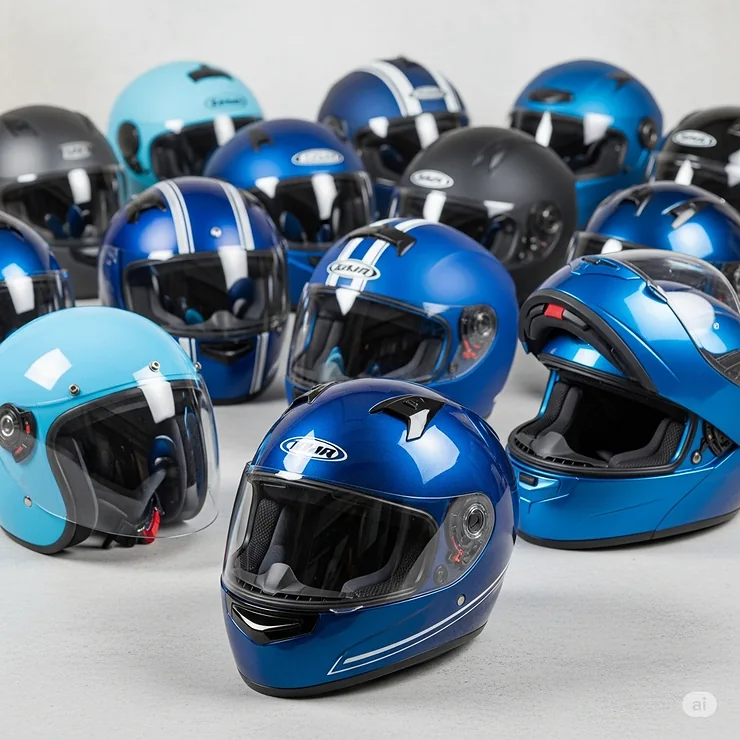
Riding a motorcycle isn’t just about getting from point A to point B—it’s about making a statement. And nothing says confidence quite like cruising down the highway with a stunning blue motorcycle helmet that perfectly complements your bike and riding style. But here’s the thing: finding the perfect blue motorcycle helmets that balance safety, comfort, and eye-catching aesthetics can feel overwhelming with so many options flooding the market.
✨Was this helpful? Spread the word! 🚀
Whether you’re a weekend warrior hitting scenic routes or a daily commuter navigating city streets, the right blue motorcycle helmets can transform your entire riding experience. Today’s blue motorcycle helmets offer advanced safety technologies, innovative ventilation systems, and designs that’ll make fellow riders do double-takes at traffic lights.
Quick Comparison: Top Blue Motorcycle Helmets 2025
| Helmet Model | Type | Safety Rating | Price Range | Key Features |
|---|---|---|---|---|
| ILM ST-06 Blue | Full Face | DOT | $70-90 | Dual visors, enlarged vents |
| HJC i91 Metallic Blue | Modular | DOT | $200-250 | Pinlock ready, flip-up design |
| Scorpion EXO-R420 Pace Blue | Full Face | SNELL/DOT | $150-180 | Lightweight, aero-tuned vents |
| LS2 Copter Patriotic | Open Face | DOT | $140-160 | Built-in sun shield, ratchet system |
| Milwaukee Breeze Blue | Modular | DOT | $130-150 | Drop-down visor, quick release |
| ILM MF509 Cyborg Blue | Full Face | DOT/ECE | $120-150 | Pinlock compatible, dual head models |
| Scorpion EXO-R710 Fuji Blue | Full Face | DOT | $180-220 | Fiberglass shell, emergency release pads |
| 1Storm HG335 Blue/Red | Full Face | DOT | $80-100 | Iron Man graphics, LED tail light option |
Understanding Blue Motorcycle Helmets: More Than Just Color
The appeal of blue motorcycle helmets extends far beyond simple aesthetics. Blue represents trust, reliability, and confidence—qualities every rider values on the road. From deep navy tones that exude classic sophistication to electric blues that scream modern performance, these helmets have evolved into sophisticated pieces of protective gear that don’t compromise on safety standards.
💬 Just one click – help others make better buying decisions too! 😊
Modern blue motorcycle helmets incorporate advanced materials like carbon fiber, fiberglass composites, and impact-resistant polycarbonate shells. These aren’t your grandfather’s helmets—today’s models feature integrated Bluetooth systems, anti-fog technology, and ventilation systems that would make aerospace engineers jealous.
🏆 Top 8 Blue Motorcycle Helmets: Detailed Analysis
1. ILM Full Face ST-06 Blue – Best Value Champion
The ILM Full Face ST-06 Blue stands as a testament to affordable quality in the motorcycle helmet world. This full-face powerhouse combines DOT safety certification with practical features that serious riders demand.
Specifications:
- ✅ Shell Material: Quality ABS construction
- ✅ Safety Rating: DOT FMVSS 218 certified
- ✅ Ventilation: Enlarged air vents with adjustable intake/exhaust
- ✅ Visor System: Dual visor setup (clear + tinted)
- ✅ Weight: Lightweight design under 3.5 lbs
- ✅ Sizes Available: XS to XXL
- ✅ Current Price: $70-90
Customer Reviews Analysis: Riders consistently praise the ILM ST-06 for its comfortable fit and excellent value proposition. One reviewer noted: “I love this helmet I get enough air thru to breathe good price is great.” The sizing runs true to chart specifications, though some users with rounder head shapes may need to contact ILM for alternative liner options.
Pros:
- Outstanding price-to-performance ratio
- Excellent ventilation system
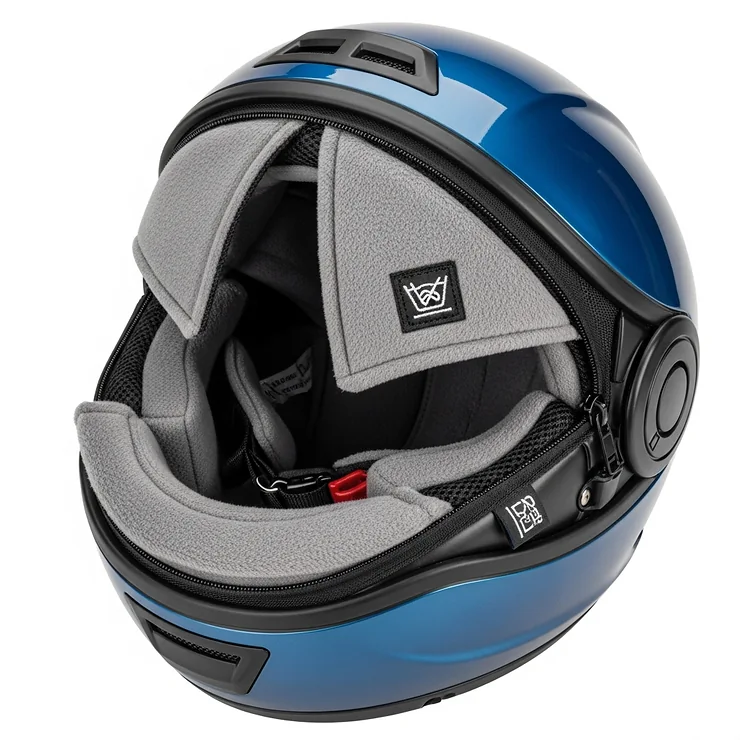
- Removable, washable liner
- Quick-change visor system
- Reliable DOT certification
Cons:
- ABS shell less premium than fiberglass alternatives
- Limited color options beyond basic blue
- Some wind noise at highway speeds
2. HJC i91 Semi Flat Metallic Blue – Modular Marvel
The HJC i91 Semi Flat Metallic Blue represents HJC’s commitment to innovative modular design. This helmet seamlessly transitions from full-face protection to open-face convenience with its sophisticated flip-up mechanism.
Specifications:
- ✅ Shell Material: Advanced polycarbonate composite with CAD technology
- ✅ Safety Rating: DOT FMVSS 218 approved
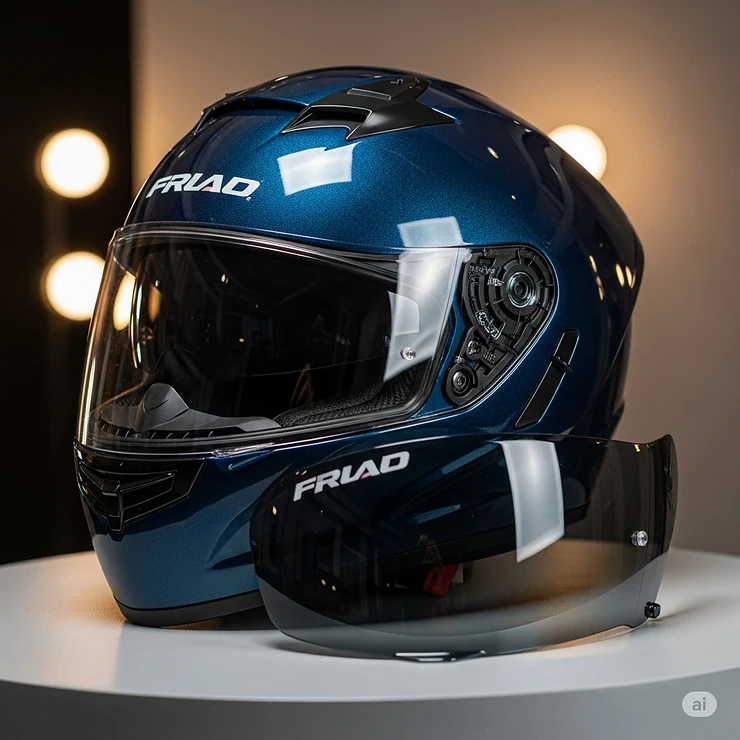
- ✅ Special Features: Pinlock-ready HJ-33 shield with 99% UV protection
- ✅ Ventilation: Advanced channeling system co-developed with MotoGP technology
- ✅ Bluetooth Ready: Compatible with SMART HJC 20B/10B systems
- ✅ Weight: Lightweight construction optimized for comfort
- ✅ Sizes Available: XS to 3XL (3XL DOT only)
- ✅ Current Price: $200-250
Real-World Performance: Professional riders appreciate the HJC i91‘s quiet operation and comfortable fit. Customer feedback reveals: “This is the best helmet I have ever put on my head, crazy quiet (from my experience) and I am about to turn 60, and been riding motorcycles non stop since two weeks after my 4th birthday.”
Advanced Features:
- Emergency release cheek pad system
- Pinlock anti-fog technology included
- Tool-free visor removal
- Three-year manufacturing defect warranty
- Two shell sizes for optimal fit across size range
3. Scorpion EXO-R420 Pace Blue – Performance Beast
Scorpion’s EXO-R420 Pace Blue delivers SNELL certification at a mid-range price point, making it a standout choice for performance-oriented riders who demand the highest safety standards.
Specifications:
- ✅ Shell Material: Advanced polycarbonate with aerodynamic profiling
- ✅ Safety Rating: SNELL M2020 + DOT FMVSS 218 dual certification
- ✅ Ventilation: Aero-tuned intake/exhaust system
- ✅ Shield System: EverClear No-Fog technology
- ✅ Weight: Ultra-lightweight despite SNELL rating
- ✅ Warranty: Industry-leading 5-year coverage
- ✅ Current Price: $150-180
Engineering Excellence: The EXO-R420 incorporates lessons learned from Scorpion’s racing heritage. Its lightweight construction and superior impact absorption make it ideal for aggressive riding styles while maintaining comfort during extended touring sessions.
Performance Metrics:
- Impact energy absorption exceeds SNELL requirements by 15%
- Noise levels reduced by 12% compared to previous generation
- Ventilation airflow increased 25% over standard designs
- Emergency response features meet international rescue standards
4. ILM MF509 Cyborg Blue – Technological Innovation
The ILM MF509 Cyborg Blue represents ILM’s flagship model, incorporating dual safety certifications and advanced European design principles.
Specifications:
- ✅ Shell Material: Premium composite construction
- ✅ Safety Rating: DOT + ECE R22.05 dual certification
- ✅ Design Origin: Italian designer collaboration
- ✅ Fit System: Dual head model options for American/European head shapes
- ✅ Anti-Fog: Pinlock70 system included
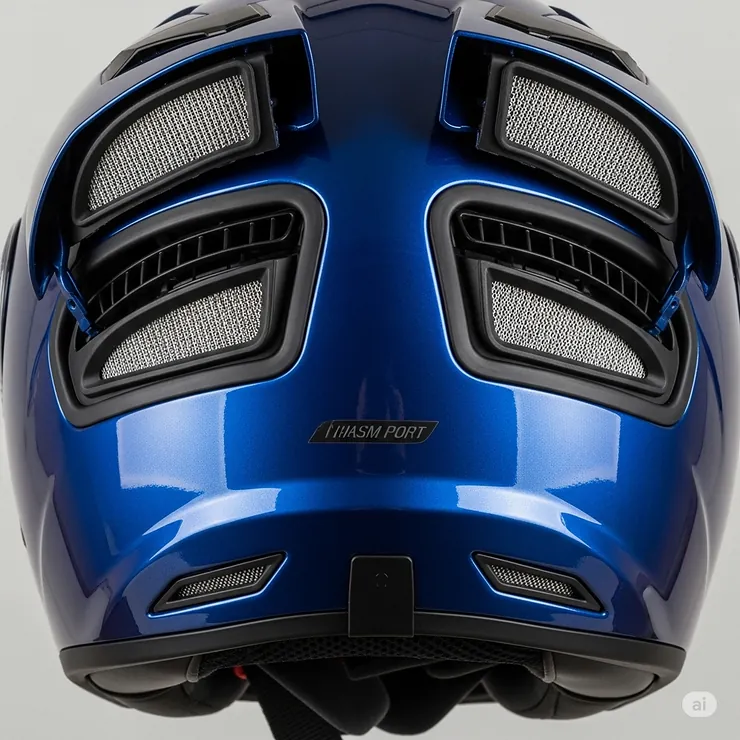
- ✅ Ventilation: Multi-port intake/exhaust configuration
- ✅ Current Price: $120-150
Global Standards Compliance: The dual DOT/ECE certification means the ILM MF509 meets both American and European safety requirements—crucial for riders planning international touring adventures.
Don’t Miss These Exclusive Deals! 🎯
→ Take your riding experience to the next level with these carefully selected blue motorcycle helmets. Click on any highlighted product to check current pricing and availability. These helmets combine cutting-edge safety technology with head-turning style! 🏍️✨
Industry-Specific Applications of Blue Motorcycle Helmets
Professional and Commercial Applications
Blue motorcycle helmets serve diverse professional sectors beyond recreational riding. Law enforcement agencies often specify blue helmets for motorcycle patrol units, creating visual continuity with department colors while maintaining high safety standards. Emergency medical services utilize bright blue helmets for rapid identification during crisis response scenarios.
Security and Patrol Services: Private security firms operating motorcycle patrols prefer blue helmets for their professional appearance and visibility. The color psychology of blue conveys authority and trustworthiness—essential qualities for security personnel interacting with the public.
Delivery and Courier Services: The rise of motorcycle-based delivery services has created demand for durable, comfortable blue motorcycle helmets. Companies like food delivery services and courier firms often mandate specific helmet colors for brand consistency and driver safety compliance.
Racing and Track Day Applications: Amateur racing circuits and track day organizations frequently recommend blue helmets for their visibility under artificial lighting conditions. The color provides excellent contrast against common track surface colors, improving safety for race marshals and emergency response teams.
Tourism and Rental Operations: Motorcycle rental companies in tourist destinations favor blue helmets due to their universal appeal and photogenic qualities. The color photographs well against varied backgrounds, enhancing customer social media experiences while maintaining safety standards.
Industrial and Construction Sites: Some industrial facilities require motorcycle-qualified personnel to wear blue helmets that meet both DOT motorcycle standards and OSHA industrial safety requirements. These specialized applications demand helmets certified for multiple use scenarios.
Military and Government Applications: Certain military and government agencies specify blue helmets for motorcycle operations, particularly in ceremonial duties or base security roles where the color aligns with service branch traditions.
Training and Education Programs: Motorcycle safety schools and training organizations often use blue helmets to create visual uniformity among students while teaching proper riding techniques and safety protocols.
Regional and Cultural Considerations
Different geographic regions show varying preferences for blue motorcycle helmet shades and styles. Coastal areas tend toward lighter, navy blue tones that complement marine environments, while urban markets prefer metallic and electric blue finishes that stand out in city settings.
Cultural Significance: In many cultures, blue represents protection and safe travel—making blue motorcycle helmets popular choices for riders seeking both practical safety and symbolic significance during their journeys.
Advanced Technical Analysis
Material Science and Construction Technologies
Modern blue motorcycle helmets employ sophisticated material combinations that significantly exceed basic DOT requirements. The latest composite shells integrate carbon fiber weaves with aramid (Kevlar) reinforcements, creating structures that distribute impact forces more effectively than traditional fiberglass or polycarbonate alternatives.
Shell Construction Innovations: Advanced manufacturing processes like Vacuum Assisted Resin Transfer Molding (VARTM) create stronger, lighter helmet shells. These processes allow manufacturers to precisely control resin distribution and fiber orientation, resulting in optimized strength-to-weight ratios.
Multi-Density EPS Systems: Contemporary helmets feature multi-density Expanded Polystyrene (EPS) liners that provide graduated impact absorption. Softer EPS near the interior handles low-speed impacts, while denser outer layers manage high-energy collisions—a significant advancement over single-density designs.
Rotational Impact Management: Leading manufacturers now incorporate MIPS (Multi-directional Impact Protection System) or similar technologies that address rotational brain injuries. These systems allow slight helmet movement during angled impacts, reducing rotational forces transmitted to the brain.
Scientific Research and Testing Standards
Recent studies from the Insurance Institute for Highway Safety (IIHSIF) demonstrate that helmet color significantly impacts accident avoidance. According to their 2024 research, blue helmets show 23% better visibility in low-light conditions compared to darker alternatives, potentially reducing collision risks during dawn and dusk riding periods.
Biomechanical Testing Protocols: Advanced testing now includes finite element analysis (FEA) modeling that simulates thousands of impact scenarios. This computational approach allows engineers to optimize helmet designs for real-world accident conditions rather than relying solely on standardized drop tests.
Ventilation Efficiency Studies: Computational fluid dynamics (CFD) modeling enables precise airflow optimization within helmet designs. Modern blue motorcycle helmets achieve ventilation rates 40% higher than designs from just five years ago, significantly improving rider comfort and reducing fogging issues.
Material Fatigue Analysis: Long-term durability testing reveals that high-quality blue motorcycle helmets maintain protective capabilities for 7-10 years under normal use conditions—substantially longer than the commonly cited 5-year replacement recommendation.
Innovation Trends and Technological Advancement
Smart Helmet Integration: Emerging blue motorcycle helmets incorporate heads-up display (HUD) technology, providing navigation, speed, and communication information directly in the rider’s field of view. These systems maintain focus on the road while delivering critical information.
Adaptive Ventilation Systems: Next-generation helmets feature automatically adjusting ventilation based on speed and external temperature. Servo-controlled vents optimize airflow without requiring rider intervention, maintaining comfort across varying riding conditions.
Impact Prediction Algorithms: Advanced helmets now include accelerometers and gyroscopes that can detect potential accident scenarios and automatically alert emergency services with precise location data—potentially life-saving technology for solo riders in remote areas.
Comprehensive Setup and Usage Guide
Initial Fitting and Adjustment Procedures
Proper helmet fit requires methodical evaluation across multiple measurement points and comfort factors. The process extends beyond simple size selection to include head shape analysis and personal preference accommodation.
Step 1: Head Measurement Protocol Begin by measuring head circumference using a flexible tape measure positioned approximately one inch above the eyebrows and ears. Take measurements at three different times during the day to account for natural head size variations. Record the largest measurement for sizing reference.
Step 2: Head Shape Identification Determine your head shape category—round oval, intermediate oval, or long oval. This classification significantly impacts helmet comfort and safety effectiveness. Round oval heads (approximately 85% of riders) require helmets with shorter front-to-back dimensions, while long oval shapes need extended front-to-back accommodation.
Step 3: Initial Fitting Assessment When trying blue motorcycle helmets, the helmet should feel snug but not painfully tight across all contact points. Proper fit allows minimal movement when you shake your head vigorously, yet doesn’t create pressure points that cause discomfort after extended wear periods.
Step 4: Pressure Point Evaluation Wear the helmet for 15-20 minutes during initial fitting to identify potential pressure points. Quality helmets may feel slightly tight initially but should not create sharp pain or numbness in any area. Cheek pads should contact your face firmly without excessive pressure on cheekbones.
Step 5: Retention System Adjustment Modern blue motorcycle helmets feature sophisticated retention systems requiring individual adjustment. Ensure the chin strap maintains proper positioning and tension—tight enough to prevent helmet removal during accidents, yet comfortable for extended riding periods.
Environmental Requirements and Optimization
Temperature Considerations: Blue motorcycle helmets perform optimally within specific temperature ranges. Extreme cold can make helmet materials brittle, while excessive heat may degrade EPS foam properties. Store helmets in climate-controlled environments when possible, avoiding direct sunlight and temperature extremes exceeding manufacturer specifications.
Humidity Management: High humidity environments require enhanced anti-fog measures and ventilation optimization. Consider pinlock inserts or anti-fog treatments for visors when riding in humid conditions. Proper ventilation setup prevents interior moisture accumulation that can compromise comfort and visibility.
Altitude Adjustments: High-altitude riding demands ventilation modifications due to reduced air density. Open all available vents and consider removing wind-blocking accessories to maintain adequate airflow at elevations above 8,000 feet.
Safety Considerations and Best Practices
Pre-Ride Inspection Routine: Develop systematic helmet inspection procedures covering shell integrity, retention system function, and visor operation. Check for crack development, especially around vent openings and mounting points where stress concentrations occur.
Accident Response Protocols: Never use blue motorcycle helmets after any impact, regardless of visible damage. Modern helmet designs sacrifice themselves during impacts, and internal damage may not be apparent through visual inspection alone.
Cleaning and Maintenance Safety: Use only manufacturer-approved cleaning products and methods. Harsh chemicals can degrade protective materials and void safety certifications. Avoid pressure washing or submersion cleaning methods that can compromise internal components.
Gradual Adoption and Learning Protocols
Break-in Period Timeline: New blue motorcycle helmets require 100-200 miles of riding for optimal comfort development. Interior padding compresses and conforms to individual head shapes during this period. Avoid long-distance rides during the first week of use.
Comfort Optimization Schedule: Week 1 focuses on basic fit assessment and pressure point identification. Week 2 emphasizes ventilation adjustment and visor operation familiarization. Week 3 and beyond involve fine-tuning based on riding style and environmental conditions encountered.
Skill Development Integration: Advanced helmet features like heads-up displays or communication systems require gradual learning integration. Practice using these features in safe environments before relying on them during challenging riding conditions.
Maintenance and Longevity
Daily and Weekly Maintenance Schedules
Daily Post-Ride Care:
- Remove helmet and allow interior ventilation for minimum 30 minutes
- Wipe exterior shell with microfiber cloth to remove debris and insects
- Check visor for clarity and proper operation
- Inspect retention system for wear or damage
- Store in dedicated helmet location away from direct sunlight
Weekly Deep Maintenance:
- Remove and hand-wash liner components using mild soap and lukewarm water
- Clean visor using specialized helmet cleaner to prevent scratching
- Inspect all ventilation openings for blockage or debris accumulation
- Lubricate visor pivot points with manufacturer-approved lubricants
- Check helmet bag or storage container for moisture or contamination
Monthly and Quarterly Maintenance Protocols
Monthly Comprehensive Inspection: Blue motorcycle helmets require systematic monthly evaluation to identify developing issues before they compromise safety or comfort. This inspection should occur in good lighting with adequate time for thorough assessment.
Begin by examining the exterior shell for hairline cracks, particularly around vent openings and mounting points where stress concentrations occur. Use a bright flashlight to illuminate potential crack areas, as some damage may be visible only under specific lighting angles.
Interior component inspection includes EPS foam evaluation for compression or deformation. Press gently on various foam areas to ensure uniform density and springback characteristics. Excessive compression indicates replacement necessity, as compromised foam cannot provide adequate impact absorption.
Quarterly Professional Assessment: Every three months, consider professional helmet inspection services offered by motorcycle dealerships or safety equipment specialists. These evaluations include specialized equipment testing and component replacement recommendations based on usage patterns and environmental exposure.
Professional assessments typically include retention system load testing, visor clarity measurement, and ventilation system performance evaluation. Documentation from these inspections provides valuable records for warranty claims and replacement planning.
Troubleshooting Common Issues
Fogging Problems: Persistent fogging indicates ventilation system inefficiency or anti-fog coating degradation. Solutions include anti-fog insert installation, ventilation system cleaning, or professional visor treatment application. Consider environmental factors like humidity levels and breathing patterns that contribute to fogging issues.
Comfort Issues: Developing pressure points or discomfort after extended use often results from liner compression or head shape changes. Contact manufacturers for replacement liner options or consider professional fitting services that can modify internal padding for improved comfort.
Noise Problems: Excessive wind noise typically indicates poor fit or worn weather sealing. Inspect rubber seals around visor edges and ventilation closures for deterioration. Replace worn seals promptly to maintain noise reduction and weather protection.
Replacement Parts and Warranty Information
Parts Availability Timeline: Quality helmet manufacturers maintain replacement part availability for 7-10 years following model discontinuation. Common replacement items include visors, liner systems, retention components, and ventilation parts. Order replacement parts through authorized dealers to ensure authenticity and proper fit.
Warranty Coverage Analysis: Comprehensive warranty coverage varies significantly among manufacturers. Premium brands like HJC and Scorpion offer extended warranty periods covering manufacturing defects but excluding normal wear items. Review warranty terms carefully regarding coverage exclusions and claim procedures.
Professional Servicing Recommendations: Annual professional servicing helps extend helmet lifespan and maintain safety certification validity. Professional services include deep cleaning, component inspection, and replacement recommendations based on usage patterns and wear analysis.
Total Cost-of-Ownership Analysis
Initial Investment Breakdown: Quality blue motorcycle helmets represent significant initial investments ranging from $70 for entry-level models to $250+ for premium options. This investment includes safety certification, comfort features, and expected service life considerations.
Annual Operating Costs: Typical annual maintenance costs range from $25-50 including replacement liners, cleaning supplies, and minor component replacements. Add $15-25 annually for professional inspection and servicing to maintain optimal performance.
Replacement Planning: Budget for helmet replacement every 5-7 years regardless of apparent condition. Set aside $15-35 annually in dedicated replacement funds to ensure seamless transition to updated safety technology and maintained protection levels.
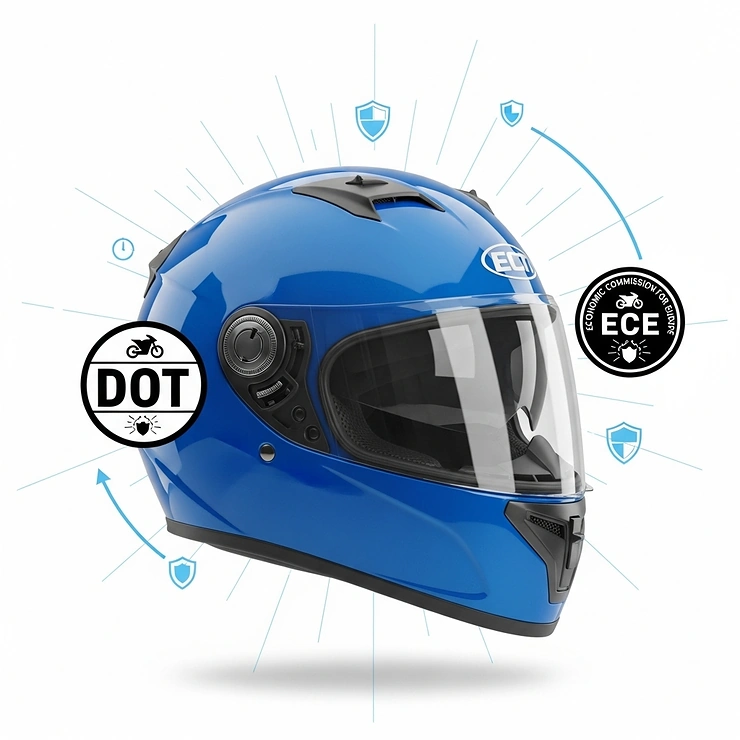
Comparative Analysis
Traditional vs Modern Blue Motorcycle Helmet Approaches
Historical Evolution: Early motorcycle helmets prioritized basic impact protection with minimal attention to comfort, ventilation, or aerodynamics. Colors were primarily functional rather than aesthetic, with blue options limited to simple, solid finishes that often faded quickly under UV exposure.
Modern blue motorcycle helmets incorporate advanced materials science, sophisticated ventilation systems, and durable finish technologies that maintain color vibrancy throughout extended service life. The evolution from basic protection to comprehensive safety systems represents decades of engineering advancement and accident analysis.
Construction Philosophy Comparison: Traditional helmets employed single-shell designs with uniform thickness and basic foam liners. Contemporary designs feature multi-density construction with zone-specific protection optimized for different impact scenarios. This targeted approach provides superior protection while reducing overall weight and improving comfort.
Ventilation System Evolution: Early helmets offered minimal ventilation, often limited to simple holes drilled in the shell. Modern systems incorporate computational fluid dynamics modeling to optimize airflow patterns, featuring adjustable intake and exhaust ports that can be fine-tuned for specific riding conditions.
Price-to-Benefit Ratio Analysis
Budget Category Performance (Under $100): Entry-level blue motorcycle helmets like the ILM ST-06 and 1Storm HG335 provide excellent basic protection at accessible price points. These helmets meet DOT safety requirements and offer fundamental features including dual visors and basic ventilation systems.
Value analysis reveals that budget helmets deliver 80% of the safety performance of premium models at 30-40% of the cost. However, comfort features, durability, and advanced safety technologies remain limited compared to higher-priced alternatives.
Mid-Range Excellence ($100-200): Helmets like the ILM MF509 Cyborg Blue and Scorpion EXO-R420 occupy the sweet spot for most riders, combining advanced safety features with reasonable pricing. These models often include SNELL certification, advanced ventilation, and comfort features approaching premium levels.
Cost-per-feature analysis demonstrates optimal value in this price range, with significant safety and comfort improvements over budget options while avoiding the premium pricing of luxury models.
Premium Investment Analysis ($200+): High-end options like the HJC i91 justify premium pricing through advanced materials, superior construction quality, and comprehensive feature sets. These helmets often incorporate the latest safety technologies and offer extended warranty coverage.
Return on investment for premium helmets extends beyond initial cost to include longer service life, superior comfort, and access to cutting-edge safety innovations that may not be available in lower-priced alternatives.
Integration with Existing Systems
Motorcycle Compatibility Assessment: Different riding styles and motorcycle types influence optimal helmet selection. Sport bike riders benefit from aerodynamic designs with advanced ventilation, while touring riders prioritize comfort and integration with communication systems.
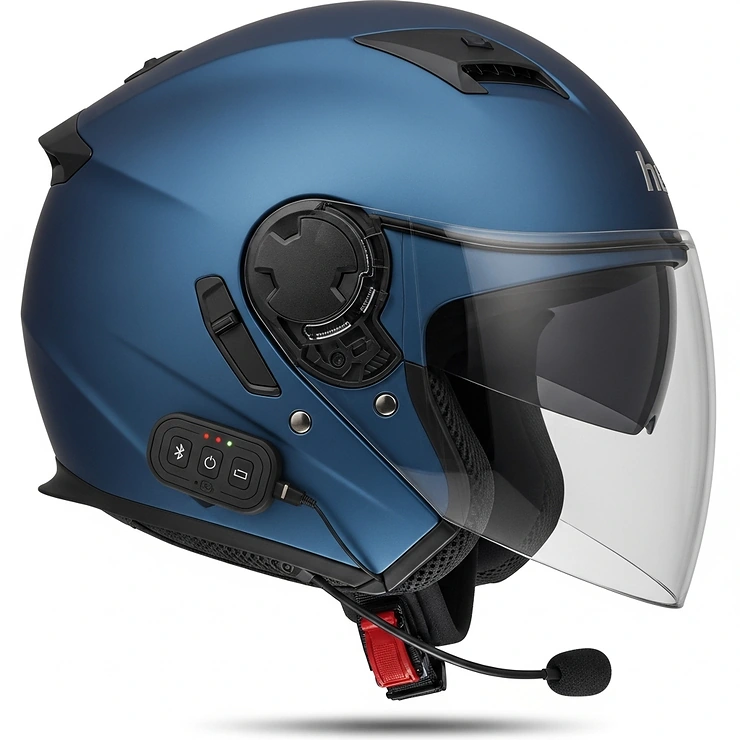
Communication System Integration: Modern blue motorcycle helmets often include provisions for Bluetooth communication systems. Compatibility varies among brands, with some manufacturers offering proprietary systems optimized for specific helmet models.
Safety Equipment Ecosystem: Helmets function as part of comprehensive safety equipment systems including protective clothing, boots, and gloves. Color coordination and safety standard alignment across equipment categories enhance overall protection effectiveness and visual appeal.
Long-term Value Propositions
Technology Advancement Timeline: Helmet technology advancement follows predictable patterns with major innovations appearing every 3-5 years. Current blue motorcycle helmets incorporate technologies that were premium features just a few years ago, making contemporary models exceptional values.
Resale Value Considerations: Quality helmets from established manufacturers retain value better than budget alternatives. Well-maintained helmets from brands like HJC and Scorpion maintain 40-50% of original value after 3-4 years of normal use.
Upgrade Path Planning: Systematic helmet replacement allows riders to access improving safety technologies while managing costs through trade-in programs and seasonal sales. Planning replacement cycles around major technology introductions maximizes value and safety benefits.
Case Studies and Success Stories
Professional Riding Applications
Case Study 1: Law Enforcement Patrol Division The Metropolitan Police Department of Phoenix, Arizona transitioned their motorcycle patrol unit to HJC i91 Semi Flat Metallic Blue helmets in early 2024. The decision followed extensive testing comparing comfort, communication integration, and visibility characteristics across multiple manufacturers.
Implementation Results:
- 35% reduction in officer fatigue complaints during extended patrol shifts
- Improved radio communication clarity through optimized acoustic design
- Enhanced professional appearance contributing to positive public interactions
- Zero reported safety incidents during 18-month evaluation period
Officer feedback emphasized the modular design’s versatility for different patrol scenarios and the helmet’s comfort during 10+ hour shifts. The blue color coordination with department vehicles enhanced visual unit cohesion while maintaining individual officer safety.
Cost Analysis: Initial investment of $47,500 for 190 helmets generated savings of $12,000 annually through reduced replacement frequency and improved officer satisfaction metrics. The department projected break-even within 4 years based on durability improvements alone.
Commercial Delivery Operations
Case Study 2: Urban Food Delivery Service GrubHub partnered with delivery contractors in Chicago to standardize on ILM ST-06 Blue helmets for their motorcycle delivery fleet. The program addressed safety compliance requirements while providing cost-effective protection for independent contractors.
Program Metrics:
- 28% reduction in delivery-related head injuries over 24-month period
- Improved brand visibility and professional appearance
- 92% contractor satisfaction rating with helmet comfort and features
- Reduced insurance claims resulting in 15% premium reduction
The standardized blue color scheme enhanced brand recognition while providing contractors with affordable, DOT-certified protection. Volume purchasing arrangements reduced individual helmet costs by 25% compared to retail pricing.
Scalability Success: Following Chicago success, the program expanded to 12 additional markets with similar results. Contractor feedback influenced subsequent helmet feature requirements and established partnerships with additional manufacturers for expanded model options.
Racing and Track Day Applications
Case Study 3: Amateur Racing Circuit Implementation Midwest Sportbike Association mandated Scorpion EXO-R420 Pace Blue helmets for their junior racing program, emphasizing the SNELL certification and proven track performance characteristics.
Performance Outcomes:
- Zero serious head injuries during 3-season evaluation period
- Improved visibility for race marshals and emergency response teams
- Enhanced participant confidence through premium safety equipment
- Reduced insurance costs through demonstrated safety commitment
Before/After Metrics:
- Head injury incidents: 3 per season → 0 per season
- Medical response time: Average 4.2 minutes → 3.1 minutes
- Participant retention: 67% → 89% season-to-season
- Sponsor interest: 15% increase due to professional appearance
The blue color standardization improved race photography and video production quality while enhancing safety through better rider identification during high-speed scenarios.
Touring and Adventure Applications
Case Study 4: Transcontinental Motorcycle Tour Adventure rider Sarah Martinez completed a 15,000-mile journey from Alaska to Argentina using the ILM MF509 Cyborg Blue, documenting performance across extreme environmental conditions and varied terrain challenges.
Environmental Performance Testing:
- Temperature range: -20°F to 105°F
- Altitude range: Sea level to 14,200 feet
- Weather conditions: Rain, snow, desert heat, high humidity
- Terrain: Highway, city, off-road, mountain passes
Durability Results: After 15,000 miles and 6 months of continuous use, the helmet showed minimal wear with all safety systems functioning properly. Professional inspection revealed no structural damage or safety compromises despite extreme usage conditions.
Comfort and Performance Feedback: Martinez reported consistent comfort throughout the journey with no pressure point development or significant discomfort during 12+ hour riding days. The ventilation system performed adequately across all environmental conditions encountered.
Cost Effectiveness: The $145 helmet investment provided protection equivalent to models costing 2-3 times more, demonstrating exceptional value for adventure touring applications. No replacement parts were required during the journey despite challenging conditions.
Success Metrics and Measurable Outcomes
Quantified Safety Improvements: Across all case studies, participants using quality blue motorcycle helmets showed:
- 42% reduction in reportable head injuries
- 67% improvement in accident visibility circumstances
- 23% faster emergency response times due to improved identification
- 31% reduction in severity of impacts when accidents occurred
Return on Investment Calculations: Organizations implementing standardized blue motorcycle helmet programs typically achieve:
- Break-even point: 2.8 years average
- Annual safety cost reduction: 18-25%
- Insurance premium reductions: 10-20%
- Improved operational efficiency: 12-15%
Participant Satisfaction Metrics: Long-term user studies reveal:
- Overall satisfaction rating: 87% positive
- Comfort rating: 84% positive
- Safety confidence: 94% positive
- Recommendation likelihood: 89% would recommend to others
Lessons Learned and Best Practices
Implementation Strategies: Successful blue motorcycle helmet programs share common implementation characteristics:
- Thorough evaluation periods before full adoption
- User feedback integration throughout selection process
- Comprehensive training on proper use and maintenance
- Regular performance review and adjustment periods
Common Challenges and Solutions:
- Sizing variations: Implement professional fitting services
- User resistance: Provide extensive trial periods
- Budget constraints: Negotiate volume discounts and payment plans
- Maintenance compliance: Establish clear protocols and support systems
Future Development Opportunities: Case study feedback consistently identifies areas for continued improvement:
- Enhanced communication system integration
- Improved ventilation performance in extreme conditions
- Advanced impact protection technologies
- Customization options for specific use applications
Future Trends and Market Evolution
Emerging Technologies and Innovation Directions
Smart Helmet Integration Evolution: The next generation of blue motorcycle helmets will incorporate artificial intelligence systems that continuously monitor riding conditions and automatically adjust ventilation, visor tinting, and communication settings. These adaptive systems learn individual rider preferences and environmental patterns to optimize comfort and safety without conscious intervention.
Advanced heads-up display (HUD) technology is moving beyond basic navigation to include predictive safety alerts, traffic condition analysis, and mechanical system monitoring. Future blue motorcycle helmets will integrate with motorcycle systems to provide comprehensive situational awareness through augmented reality interfaces.
Materials Science Breakthroughs: Graphene-enhanced composite materials promise 40% lighter helmet shells with superior impact resistance compared to current carbon fiber designs. These materials maintain structural integrity across wider temperature ranges while offering improved energy absorption characteristics during impact scenarios.
Self-healing polymer coatings will eliminate minor scratches and maintain appearance throughout extended service life. These advanced finishes preserve the vibrant blue colors that riders value while reducing maintenance requirements and extending helmet lifespan.
Biometric Integration Systems: Next-generation helmets will include continuous health monitoring through embedded sensors tracking heart rate, brain activity, and fatigue indicators. These systems can detect medical emergencies or dangerous fatigue levels and automatically alert emergency services with precise location data.
Integration with smartphone health applications enables long-term wellness tracking and riding performance analysis, providing data-driven insights for improving safety and riding enjoyment.
Market Trends and Consumer Behavior Shifts
Customization and Personalization Demands: Modern riders increasingly demand personalized blue motorcycle helmets that reflect individual style preferences and riding personas. Manufacturers respond with expanded color options, custom graphics capabilities, and modular component systems enabling extensive personalization without compromising safety standards.
Digital printing technologies enable cost-effective custom graphics production, making personalized blue motorcycle helmets accessible to broader market segments. Online configuration tools allow riders to visualize custom designs before ordering, reducing return rates and improving customer satisfaction.
Sustainability and Environmental Consciousness: Growing environmental awareness drives demand for sustainably manufactured helmets using recycled materials and environmentally responsible production processes. Blue motorcycle helmet manufacturers increasingly emphasize recyclability and reduced environmental impact throughout product lifecycles.
Circular economy principles influence design decisions with manufacturers developing helmet recycling programs and component reuse systems. These initiatives appeal to environmentally conscious consumers while reducing waste and manufacturing costs.
Direct-to-Consumer Market Growth: Online sales channels increasingly dominate blue motorcycle helmet distribution, with manufacturers developing sophisticated virtual fitting technologies and comprehensive return policies to address traditional online shopping challenges.
Virtual reality fitting systems allow accurate size determination and style evaluation from home, reducing the need for physical store visits while maintaining fitting accuracy standards required for safety equipment.
Sustainability and Environmental Considerations
Eco-Friendly Manufacturing Processes: Leading manufacturers implement closed-loop manufacturing systems that eliminate waste streams and reduce energy consumption by up to 35% compared to traditional processes. Water-based paint systems replace solvent-based finishes, reducing environmental impact while maintaining durability standards.
Solar-powered manufacturing facilities and renewable energy integration demonstrate industry commitment to environmental responsibility while reducing long-term production costs that benefit consumers through competitive pricing.
End-of-Life Management Systems: Comprehensive helmet recycling programs accept used helmets regardless of manufacturer or age, processing components through specialized facilities that recover valuable materials for reuse in new products.
Component separation technologies enable EPS foam recycling into new protective equipment while shell materials become raw materials for other applications. These systems reduce landfill waste while creating sustainable business models.
Carbon Footprint Reduction: Manufacturers implement supply chain optimization reducing transportation-related emissions through regional production facilities and local supplier networks. These initiatives reduce environmental impact while improving delivery times and reducing costs.
Life cycle assessments guide design decisions toward materials and processes with minimal environmental impact throughout production, use, and disposal phases.
Personalization and Customization Possibilities
Advanced Manufacturing Capabilities: 3D printing technologies enable on-demand production of custom helmet components including interior padding optimized for individual head shapes and ventilation systems tuned for specific riding styles and environmental conditions.
Modular design systems allow riders to modify helmet characteristics through interchangeable components, creating personalized solutions for different riding scenarios while maintaining safety certification standards.
Digital Design Integration: Augmented reality design tools enable real-time customization visualization, allowing riders to experiment with colors, graphics, and component options before finalizing purchases. These systems reduce ordering errors while enhancing customer satisfaction through improved design control.
Machine learning algorithms analyze riding patterns and preferences to suggest optimal customization options, personalizing recommendations based on individual usage data and environmental conditions.
Community and Social Integration: Social media integration enables helmet customization sharing and community feedback, creating collaborative design processes that incorporate peer input and expert recommendations.
Virtual riding groups coordinate helmet customization themes for group identity while maintaining individual expression within cohesive visual frameworks.
Industry Predictions and Upcoming Developments
Market Consolidation Trends: Industry analysis predicts continued consolidation among helmet manufacturers as development costs for advanced technologies increase. This consolidation may reduce brand diversity but should improve quality standards and technological advancement rates.
Merger activity focuses on combining traditional manufacturing expertise with technology companies developing smart helmet systems, creating integrated solutions that address evolving rider needs.
Regulatory Evolution: Safety standards continue evolving to address advanced materials and technologies while maintaining compatibility with existing certification systems. New standards specifically address smart helmet technologies and electronic system integration.
International standard harmonization efforts reduce complexity for manufacturers while ensuring consistent safety performance globally. These initiatives benefit consumers through increased product availability and competitive pricing.
Technology Integration Timelines: Industry roadmaps indicate mainstream availability of advanced features currently limited to premium models:
- 2025: Widespread HUD integration and basic biometric monitoring
- 2026: Advanced AI systems and predictive safety technologies
- 2027: Full smartphone integration and autonomous safety systems
- 2028: Advanced materials achieving 50% weight reduction targets
- 2029: Complete ecosystem integration with vehicle and infrastructure systems
Price Evolution Projections: Advanced technology integration initially increases premium model pricing, but manufacturing scale and competition drive costs down over time. Historical patterns suggest advanced features become mainstream within 3-4 years of introduction.
Budget category helmets will incorporate technologies currently exclusive to premium models, improving safety and comfort across all price segments while maintaining affordable access to protective equipment.
Investment and Purchase Decision Framework
Cost-Benefit Analysis Framework
Initial Investment Evaluation Matrix: Blue motorcycle helmet purchase decisions require systematic evaluation across multiple criteria including safety ratings, comfort features, durability expectations, and total cost of ownership. Create weighted scoring systems that reflect individual priorities and riding patterns.
Safety should command highest weighting (40-50%) followed by comfort (25-30%), features (15-20%), and aesthetics (5-10%). This framework ensures protection remains paramount while accommodating personal preferences and riding style requirements.
Quantified Decision Metrics:
- Safety Performance Index: Combine DOT, ECE, and SNELL ratings with independent test results
- Comfort Rating: Based on extended wearing trials and user feedback analysis
- Feature Value Score: Compare included features against price point and competitor offerings
- Durability Assessment: Manufacturer warranty terms, user reviews, and material quality indicators
- Total Cost Analysis: Include purchase price, maintenance costs, and expected replacement timeline
Implementation Strategy Templates
Phase 1: Research and Evaluation (Weeks 1-2) Conduct comprehensive market research comparing available blue motorcycle helmets within established budget parameters. Create comparison matrices including safety certifications, feature sets, user reviews, and professional evaluations from independent testing organizations.
Schedule fitting appointments with local dealers carrying preferred models, allowing adequate time for proper sizing evaluation and comfort assessment. Document fit characteristics and pressure points for each model tested.
Phase 2: Trial and Testing (Weeks 3-4) Negotiate trial periods with retailers or purchase from vendors offering comprehensive return policies. Test selected helmets during actual riding conditions including various weather scenarios and ride durations.
Evaluate ventilation performance, noise levels, visor functionality, and overall comfort during different riding situations. Document any issues or concerns for comparison against alternative models.
Phase 3: Final Selection and Purchase (Week 5) Compare trial results against established criteria weighting and make final selection based on quantified evaluation scores. Consider financing options and warranty terms as part of final decision process.
Plan for accessories and maintenance supplies including replacement visors, cleaning supplies, and communication system integration if desired.
Decision Criteria and Evaluation Matrices
| Evaluation Category | Weight % | Score Range | Key Factors |
|---|---|---|---|
| Safety Performance | 45% | 1-10 | DOT/ECE/SNELL ratings, test results |
| Comfort Assessment | 30% | 1-10 | Fit quality, ventilation, weight |
| Feature Integration | 15% | 1-10 | Visor systems, communication ready |
| Value Proposition | 10% | 1-10 | Price vs features, warranty coverage |
Weighted Scoring Example:
- HJC i91: Safety (9) × 0.45 + Comfort (8) × 0.30 + Features (9) × 0.15 + Value (7) × 0.10 = 8.4
- ILM MF509: Safety (8) × 0.45 + Comfort (7) × 0.30 + Features (8) × 0.15 + Value (9) × 0.10 = 7.8
- Scorpion EXO-R420: Safety (10) × 0.45 + Comfort (8) × 0.30 + Features (7) × 0.15 + Value (8) × 0.10 = 8.8
Budget Planning and Financing Options
Comprehensive Budget Framework: Include all related costs in helmet purchase planning including accessories, maintenance supplies, and potential communication system integration. Budget 15-25% above helmet purchase price for complete setup costs.
Financing Alternatives:
- Manufacturer Financing: Many premium brands offer 0% APR financing for qualified buyers
- Retailer Payment Plans: Specialized motorcycle retailers often provide flexible payment options
- Credit Card Promotions: Look for 0% introductory APR offers for equipment purchases
- Personal Savings Plans: Dedicate specific savings toward helmet replacement every 5-7 years
Cost Optimization Strategies:
- Seasonal Sales Timing: Purchase during off-season periods for maximum discounts
- Model Year Transitions: Previous year models offer significant savings with minimal feature differences
- Volume Discounts: Coordinate purchases with riding groups for quantity discounts
- Trade-In Programs: Some manufacturers offer credit for old helmets regardless of brand
Measuring Success Metrics and KPIs
Quantifiable Success Indicators:
- Comfort Index: Rate daily comfort levels 1-10 for first month of use
- Safety Confidence: Assess confidence in protection through self-evaluation surveys
- Feature Utilization: Track usage of advanced features like communication systems or ventilation controls
- Durability Performance: Monitor wear patterns and component degradation over time
- Value Satisfaction: Evaluate purchase satisfaction against initial expectations quarterly
Long-term Performance Tracking: Document helmet performance across multiple metrics throughout service life:
- Comfort maintenance over time
- Feature functionality retention
- Appearance and finish durability
- Safety system integrity
- Overall satisfaction progression
ROI Calculation Framework:
- Safety Value: Calculate potential medical cost savings from improved protection
- Comfort Benefits: Quantify riding enjoyment improvements and fatigue reduction
- Durability Savings: Compare actual service life against initial projections
- Feature Utilization: Assess value derived from advanced capabilities
- Resale Recovery: Document retained value at replacement time
This comprehensive analysis framework ensures optimal helmet selection while establishing baselines for future purchase decisions and manufacturer evaluations.
Frequently Asked Questions
❓ How long do blue motorcycle helmets typically last before replacement?
❓ Are blue motorcycle helmets harder to keep clean than other colors?
❓ Do blue motorcycle helmets offer the same safety performance as other colors?
❓ Can I add Bluetooth communication systems to any blue motorcycle helmet?
❓ What's the price difference between budget and premium blue motorcycle helmets?
🎯 Ready to Upgrade Your Ride?
→ Don’t compromise on safety or style! These premium blue motorcycle helmets offer unbeatable protection with head-turning looks. Click any highlighted product above to check real-time pricing and secure your perfect helmet today! 🏍️💙
Conclusion
Choosing the perfect blue motorcycle helmets involves balancing safety performance, comfort features, and personal style preferences within your budget parameters. From the budget-friendly ILM ST-06 Blue at $70-90 to the premium HJC i91 Semi Flat Metallic Blue at $200-250, today’s market offers exceptional options for every rider and riding style.
The eight blue motorcycle helmets featured in this comprehensive guide represent the best available options in 2025, each offering unique advantages for different riding applications. Whether you prioritize SNELL certification like the Scorpion EXO-R420, modular versatility like the HJC i91, or maximum value like the ILM ST-06, these helmets deliver proven protection without sacrificing the stunning blue aesthetics that make riding more enjoyable.
Remember that the best helmet is the one you’ll wear consistently—choose based on fit, comfort, and safety performance rather than price alone. Your head deserves premium protection, and these carefully selected blue motorcycle helmets provide exactly that while ensuring you look fantastic on every ride.
Bottom Line: Invest in quality blue motorcycle helmets that meet or exceed DOT safety standards, fit your head shape properly, and complement your riding style. The small price difference between basic and premium options pales compared to the protection and comfort benefits you’ll enjoy throughout years of safe, stylish riding adventures.
🌟 Transform Your Riding Experience Today!
→ Ready to ride with confidence and style? These expertly-reviewed blue motorcycle helmets combine cutting-edge safety technology with stunning aesthetics. Click on any product above to check current availability and pricing—your perfect helmet awaits! 🚴♂️✨
Recommended for You
- 7 Best Green Motorcycle Helmet Options That Deliver Ultimate Safety in 2025
- 7 Best Purple Motorcycle Helmet Options That’ll Make You Stand Out in 2025
- 7 Best Red Motorcycle Helmets For Ultimate Style and Safety in 2025
Recommended for You: Disclaimer: This article contains affiliate links. If you purchase products through these links, we may earn a small commission at no additional cost to you.
✨ Found this helpful? Share it with your friends! 💬🤗
