
In This Article
You’ve probably stood in a gear shop, helmet in hand, staring at a price tag that made your eyes water — and wondered: is a fiberglass composite shell actually worth it, or am I just paying for the brand name? Fair question. The honest answer? It depends entirely on which helmet you pick and what you need it to do.
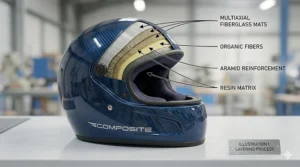
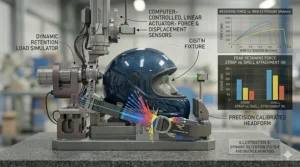
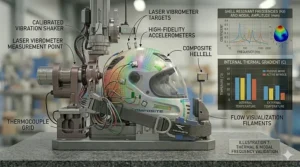
Here’s the thing about a fiberglass composite shell that most product pages won’t tell you: it isn’t just a single material. It’s a carefully engineered layup — thin strands of glass woven into fabric, saturated in resin, built up in multiple plies — that behaves differently under impact than polycarbonate (the plastic used in budget lids) and differently again from carbon fiber (the glamour material at the top of the price bracket). When a fiberglass composite shell takes a hit, it doesn’t crack like polycarbonate or transfer energy as sharply as harder materials. Instead, it deforms slightly and absorbs, distributing that force over a wider area before the inner EPS foam finishes the job. That flex-and-absorb characteristic is why serious riders, track-day regulars, and long-haul tourers keep coming back to glass-reinforced helmets year after year.
What most buyers overlook is the weight advantage. A quality fiberglass construction helmet typically weighs 300–500g less than a comparable polycarbonate design. Over a three-hour interstate run, that difference is the gap between a relaxed neck and a stiff one by mile 200. According to the Snell Memorial Foundation, which sets voluntary (but rigorous) helmet standards in the USA, composite constructions consistently perform above the baseline in penetration resistance tests — a fact worth understanding before you assume any DOT sticker guarantees equivalent protection across all shell types.
This guide covers seven real, currently available fiberglass composite gear options on Amazon — ranging from budget-friendly entry points under $100 all the way to premium fiberglass safety shell helmets pushing $600. Real specs, honest commentary, zero fluff.
Quick Comparison: Fiberglass Composite Shell Helmets at a Glance
| Helmet | Shell Type | Certification | Style | Price Range | Best For |
|---|---|---|---|---|---|
| ILM MF522P | FRP Fiberglass Composite | DOT + ECE | Full Face | $80–$110 | Budget street/touring riders |
| NENKI NK-856 | Fiberglass Shell + EPS | DOT | Full Face | $60–$90 | New riders, daily commuters |
| HJC V60 | CAD Fiberglass Composite | DOT FMVSS 218 | Off-Road/Dual Sport | $120–$160 | Adventure & dual-sport riders |
| Shoei RF-SR | AIM Fiberglass + Organic Fiber | DOT + Snell M2020D | Full Face | $400–$480 | Sport-touring enthusiasts |
| Shoei RF-1400 | AIM+ Fiberglass Composite | DOT + Snell M2020D | Full Face Sport | $500–$620 | Performance street riders |
| ILM Model 890 | GFRP Composite Shell | Snell SA2025 | Auto Racing | $160–$200 | Track/auto racing |
| LEM Modular Fiberglass | Fiberglass Composite | DOT | Modular Flip-Up | $100–$140 | Touring & commuter riders |
What the table above actually tells you: The ILM MF522P punches well above its price range by offering both DOT and ECE certifications — most helmets under $150 carry only DOT. The Shoei RF-1400 costs six times more than the NENKI NK-856, but that premium buys you a Snell M2020D rating, a dramatically more precise shell construction, and aerodynamic engineering tested in wind tunnels. For new riders on a budget, the NK-856 is a legitimate entry point; for anyone putting in serious miles on the interstate, the Shoei tier is where your money protects your neck long-term.
💬 Just one click — help others make better buying decisions too! 😊
✨ Don’t Miss These Exclusive Deals!
🔍 Take your riding safety to the next level with these carefully selected fiberglass composite gear picks. Click on any highlighted product name to check current pricing and availability on Amazon. Your head is the one piece of gear you absolutely cannot afford to cut corners on!
Top 7 Fiberglass Composite Shell Helmets: Expert Analysis
1. ILM Full Face Motorcycle Helmet Lightweight Fiberglass Model MF522P
The MF522P is one of those rare budget helmets that actually earns its place on a serious rider’s head — not just as a backup lid, but as a daily-use workhorse.
The shell is made from FRP (Fiber Reinforced Plastic), which is the technical designation for what most people call a fiberglass composite shell. At roughly 3.2 lbs, it’s noticeably lighter than ABS alternatives in the same price range, and that matters when you’re commuting in summer heat. The dual-visor system includes a Pinlock 30-compatible outer shield and a retractable inner tinted visor — the kind of feature you normally pay $200 more to get. Meets both DOT FMVSS 218 and ECE standards, which is genuinely unusual under $120.
Who is this for? Budget-conscious street riders who want legitimate glass-fiber protection without a second mortgage. It’s particularly well-suited to commuters doing daily runs of 10–40 miles who need a comfortable, fog-resistant setup without paying premium prices. The removable, washable liner is a practical bonus for year-round riders.
Buyers frequently note the quality finish feels above what the price suggests, and the dual visor setup is called out as a standout convenience feature. Some users mention the fit runs slightly narrow for wider head shapes, so sizing up is worth considering.
✅ Dual DOT + ECE certification
✅ Pinlock-compatible outer visor included
✅ Removable/washable liner
❌ Narrow fit can be uncomfortable for wider heads
❌ Ventilation adequate but not exceptional in high heat
Around $80–$110 — exceptional value for a dual-certified fiberglass construction helmet.
2. NENKI Full Face Motorcycle Helmet Fiberglass Shell NK-856
The NK-856 is the most accessible entry point into glass-reinforced helmet territory on Amazon, and it’s been a consistent best-seller long enough that its reputation is now genuinely earned rather than algorithmically manufactured.
The fiberglass shell + EPS construction hits the basic trifecta: lighter than ABS, more impact-absorbent than polycarbonate, and meaningfully more durable in tip-over and low-speed drop scenarios. At roughly 3.08 lbs, it won’t fatigue your neck on a 60-minute commute. The eight-vent system (chin intake plus rear exhausts) provides reasonable airflow for moderate temperatures. DOT certified, dual visors (iridium outer + inner sun shield), removable washable liner.
What most buyers overlook: the aerodynamic shell profile actively reduces wind resistance at highway speeds. It’s not a wind-tunnel marvel, but compared to the blocky geometry of cheap ABS lids, the NK-856 sits quieter on your head at 65 mph. The fit accommodates an intermediate oval head shape best — round or long-oval riders may find pressure points.
This helmet is ideal for new riders on their first street bike, teens, or riders needing a spare helmet for a passenger. It’s honest about what it is: a solid, safe, affordable composite fiberglass gear option rather than a premium touring lid.
Customers praise the build quality for the price point and frequently mention the iridium visor as a standout touch. Sizing tends to run true to standard helmet sizing charts.
✅ Fiberglass shell at an entry-level price
✅ 8-vent ventilation system
✅ Iridium outer visor included
❌ DOT only (no ECE or Snell)
❌ Fit best for intermediate oval heads only
In the $60–$90 range — the most affordable real fiberglass composite shell on this list.
3. HJC V60 Solid Off-Road Motorcycle Helmet with IS-10 Internal Visor
HJC’s V60 occupies a genuinely interesting slot in the fiberglass helmet market: it’s an off-road-styled dual-sport helmet built on an advanced CAD-designed fiberglass composite shell, available at a mid-range price that undercuts most comparable offerings from premium brands.
The CAD-designed shell here isn’t marketing language — HJC uses computer-aided design to map stress distribution across the shell geometry, which means wall thickness is optimized rather than uniform. The result is a shell that is simultaneously lighter and structurally more efficient than helmets built to older templates. The Double D-ring chin strap and goggle-friendly design are practical off-road touches, while the IS-10 anti-scratch drop-down internal visor makes it genuinely versatile for road use too. DOT FMVSS 218 certified.
For adventure riders doing mixed highway-and-dirt days, this is probably the most pragmatic choice on this list. The glass-reinforced helmet construction handles the rough treatment that off-road use demands — tip-overs, visor slaps from branches, trail dust — with better long-term durability than polycarbonate alternatives. The moisture-wicking quick-dry liner is a legitimate feature for extended riding days.
One thing worth knowing: this helmet runs a bit tight for riders who usually wear 2XL in Shoei or Arai. Trying one size up from your usual measurement is worth considering.
Buyers consistently praise the field of view and the ease of switching between the internal visor and goggles. Build quality is frequently described as above what the price suggests.
✅ CAD-optimized fiberglass composite shell
✅ Goggle-compatible design
✅ IS-10 anti-scratch internal drop-down visor included
❌ Runs small in larger sizes
❌ Off-road styling won’t suit all street riders aesthetically
Typically in the $120–$160 range — strong mid-range value for adventure and dual-sport riders.
4. Shoei RF-SR Full Face Motorcycle Helmet
When people say “you get what you pay for,” the Shoei RF-SR is the helmet they should be pointing at. This is where glass-fiber technology stops being a budget differentiator and starts becoming a craft.
The AIM (Advanced Integrated Matrix) shell is Shoei’s proprietary system: multiple interwoven layers of fiberglass and organic fibers combined with resin in a hand-laid process. That last part matters — no machine can replicate the precision of a skilled technician laying up composite plies by hand, adjusting tension and overlap at each layer. The result is a shell that weighs less while absorbing more, compared to mass-produced fiberglass construction helmets. Dual certifications: DOT FMVSS 218 and Snell M2020D, which is among the most demanding voluntary safety standards in the world. The Pinlock EVO fog-resistant shield and patented spring-loaded wind/waterproof seal system are premium touches that eliminate the fogging and buffeting that cheaper lids battle constantly.
The RF-SR is the right helmet for intermediate-to-advanced sport-touring riders who put in 5,000+ miles per year and want a lid that performs as well at hour six as it did at hour one. The ergonomics are exceptional — the emergency cheek-pad removal system is a sobering but genuinely important feature for crash scenarios.
Buyers across hundreds of reviews consistently cite the quiet ride and precision fit as the standout experiences. The weight reduction versus competitors in the same tier is genuinely noticeable.
✅ Hand-laid AIM fiberglass + organic fiber shell
✅ DOT + Snell M2020D dual certified
✅ Pinlock EVO shield included
❌ Premium price (around $400–$480)
❌ Narrower fit profile may not suit all head shapes
In the $400–$480 range — a serious investment that serious riders consider entirely reasonable.
5. Shoei RF-1400 Full Face Motorcycle Helmet
If the RF-SR is where Shoei’s fiberglass composite gear philosophy matures, the RF-1400 is where it peaks. This is the current flagship sport helmet from a brand that has been building composite shells longer than most helmet companies have existed — and the RF-1400 is the most refined expression of that expertise.
The AIM+ shell (an evolution of the standard AIM layup) achieves a 6% reduction in aerodynamic lift and a 4% reduction in drag compared to the already-excellent RF-1200 it replaced. In practical terms: at highway speeds, this helmet doesn’t push your head back or flutter in crosswinds. The carefully calibrated multi-intake/exhaust ventilation system creates positive pressure airflow inside the helmet rather than just passive holes — think of it as an HVAC system versus an open window. Snell M2020D and DOT certified. The CW-1 face shield base plate allows five-stage micro-adjustment for precisely eliminating wind noise at the shield perimeter — something that sounds like a luxury detail until you’ve ridden 200 miles with wind hiss drilling into your ears.
This helmet is built for performance riders: track day participants, canyon carvers, interstate mile-eaters who want the best fiberglass safety shell available without stepping up to carbon fiber pricing.
Buyers consistently describe the RF-1400 as the quietest helmet they’ve ever worn, with multiple reviewers calling the aerodynamic stability “confidence-inspiring” at speeds above 80 mph.
✅ AIM+ shell — most advanced fiberglass composite construction in this guide
✅ Wind-tunnel optimized aerodynamics
✅ Snell M2020D + DOT certified
❌ Premium-tier pricing ($500–$620)
❌ Not the ideal choice for casual or low-speed urban commuting (overkill)
In the $500–$620 range — the pinnacle of production fiberglass composite shell engineering for street use.
6. ILM Snell SA2025 Full Face Auto Racing Helmet Lightweight Fiberglass Model 890
Most of the helmets on this list are built for public roads. The ILM Model 890 is built for when things go catastrophically wrong at 100+ mph on a race circuit — which means it operates to a completely different standard.
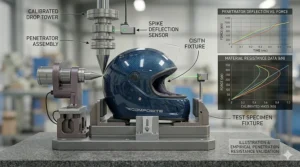
The GFRP (Glass Fiber Reinforced Plastic) composite shell carries the Snell SA2025 certification, the current gold standard for closed-wheel auto racing helmets. SA-rated helmets must pass fire resistance tests, multi-impact tests, and rollbar impact tests that motorcycle certifications don’t require. The Double D-ring closure, HANS/HNR M6 threaded insert compatibility, tear-off post buttons on the visor, and fire-retardant high-density EPS padding are all features that exist for one reason: keeping a driver alive and intact in a serious crash. The 40mm sunshade film at the visor top addresses a real track-day problem — sun position at pit exits and banking turns.
Critical advisory: The ILM 890 is manufactured for automobile racing use only and is not designed for public road use. This isn’t just a liability disclaimer — the shell geometry, ventilation, and visor design are all optimized for a car cockpit environment, not an open-air motorcycle.
For amateur club racers, autocross enthusiasts, or kart racers seeking a Snell SA2025-certified glass-reinforced helmet without Arai or Bell pricing, this is a compelling option. Customer feedback consistently praises the comfort padding and the value for a fully SA2025-certified composite.
✅ Snell SA2025 certified — highest auto racing standard
✅ HANS compatible with M6 threaded inserts
✅ Fire-retardant EPS padding
❌ Not for road use — auto racing applications only
❌ No aerodynamic ventilation for open-air use
In the $160–$200 range — remarkable value for a fully Snell SA2025 certified GFRP composite racing helmet.
7. LEM Modular Motorcycle Helmets Fiberglass Full Face Flip-Up
The LEM Modular fills a gap that most fiberglass composite shell roundups ignore: the flip-up/modular rider who wants genuine composite construction without paying Shoei prices.
Modular helmets are enormously popular among touring and commuter riders because the flip-up chin bar transforms the helmet from full-face protection to open-face convenience in one motion — useful at gas stations, toll booths, and coffee stops. The problem is most modular helmets use polycarbonate shells to keep weight manageable, since the hinge mechanism adds mass. LEM’s modular uses a fiberglass composite shell, keeping overall weight competitive while offering meaningfully better impact absorption characteristics than the polycarbonate-modular helmets in the same price bracket. DOT certified, with a retractable inner sun visor and removable comfort liner for washing.
The spec sheet won’t tell you this, but the hinge quality on budget modulars is frequently the first thing to degrade — LEM uses a solid chin-bar release mechanism that reviewers describe as secure without being frustrating to operate with gloves on. That’s not a given at this price tier.
This is the right choice for daily commuters, touring riders who stop frequently in traffic, or anyone who wears glasses and finds full-face helmets inconvenient for long-lens situations. The fiberglass construction helmet keeps the lid manageable on long hauls.
Buyers praise the flip mechanism and sun visor convenience, noting that the fiberglass weight advantage over typical modulars is genuinely perceptible after an hour in the saddle.
✅ Fiberglass composite shell in a modular/flip-up design
✅ Retractable sun visor
✅ DOT certified with removable liner
❌ DOT only (no Snell or ECE)
❌ Relatively new brand with limited long-term durability data
In the $100–$140 range — the best modular fiberglass safety shell option at this price point.
How to Choose the Right Fiberglass Composite Shell Helmet: A Buyer’s Framework
Shopping for a fiberglass construction helmet without a clear framework is how you end up spending $500 on a track-day lid you’ll wear three times a year, or $70 on a commuter lid that gives you a headache every Tuesday. Here’s the actual decision logic.
Step 1 — Match Certification to Use Case
DOT (FMVSS 218) is the US legal baseline for public road use. It’s a minimum threshold, not a quality guarantee. Snell M2020D (motorcycle street) and Snell SA2025 (auto racing) are voluntary standards that are significantly more demanding — multi-impact tests, rollbar protocols, and stricter penetration resistance. If you’re doing track days, Snell is worth the extra cost. For daily commuting on public roads, DOT + ECE dual certification (like the ILM MF522P) is a genuinely solid standard without Snell pricing.
Step 2 — Understand the Shell Construction Spectrum
Not all “fiberglass composite shells” are equal. Budget FRP shells (NENKI, ILM MF522P) use standard E-glass layups with polyester resin. Mid-range designs (HJC V60) use CAD-optimized geometry to make the same materials perform more efficiently. Premium shells (Shoei AIM and AIM+) combine fiberglass with organic fibers (aramid/Kevlar threads woven in) and use hand-laid construction for consistency no machine achieves. The real-world difference: premium composite shells typically weigh 100–200g less than budget FRP at the same protection level.
Step 3 — Get the Fit Right First
A $600 Shoei that doesn’t fit properly is less safe than a $100 ILM that fits perfectly. Fiberglass composite gear at every price tier is available in multiple shell sizes — a quality brand will offer XS through XXL across 2–3 shell molds, not one shell stuffed with different padding. Check whether the brand offers multiple shell sizes (Shoei does; some budget brands don’t) and measure your head circumference before ordering.
Step 4 — Factor in Your Riding Style
| Riding Style | Recommended Pick | Why |
|---|---|---|
| Daily city commuting | LEM Modular or ILM MF522P | Convenience + value |
| Long-distance touring | Shoei RF-SR | Quiet, comfortable for hours |
| Performance street/canyon | Shoei RF-1400 | Aerodynamic stability at speed |
| Adventure/dual-sport | HJC V60 | Off-road durability + versatility |
| New rider / first helmet | NENKI NK-856 | Real fiberglass protection at entry price |
| Auto/kart racing | ILM Model 890 | Snell SA2025 without premium pricing |
Step 5 — Budget Realistically for Long-Term Value
A $100 polycarbonate helmet replaced every 3 years costs more over a decade than a $400 Shoei replaced every 5–7 years. Fiberglass composite shell helmets tend to outlast polycarbonate alternatives because the shell doesn’t degrade as quickly with UV exposure and age. It’s a total cost of ownership calculation worth doing before defaulting to the cheapest option.
Real-World Scenario Guide: Which Helmet for Which Rider?
The Urban Commuter — 15 Miles Each Way, Mixed Traffic
Best pick: LEM Modular Fiberglass or ILM MF522P
Meet Alex, who rides a Honda CB500F into downtown Chicago five days a week. The stop-and-go reality of urban riding means helmet-on/helmet-off happens a dozen times a day — at parking garages, coffee shops, the office. For Alex, the LEM Modular’s flip-up chin bar is genuinely transformative. The fiberglass composite shell keeps the weight manageable despite the hinge mechanism, and the retractable sun visor handles the morning-commute glare that catches riders at low angles between buildings. Budget: $100–$140.
If Alex doesn’t need the flip-up convenience, the ILM MF522P delivers dual DOT/ECE certification with an integrated sun shield for $80–$110 — arguably the best value in glass-fiber protection currently on Amazon.
The Weekend Sport-Tourer — Multi-Day Trips, Highway Miles
Best pick: Shoei RF-SR
Picture Dana, who rides a Yamaha FJ-09 for weekend escapes: 300-mile days, mountain passes, occasional light rain. What Dana needs isn’t just impact protection — it’s noise management over 5-hour days, a fog-proof shield that works in cool morning mountain air, and comfort that doesn’t degrade by mile 250. The Shoei RF-SR’s AIM composite shell delivers all three. The Pinlock EVO shield eliminates fogging; the multi-density EPS construction actually cushions vibration from rough road surfaces; the Snell M2020D certification provides confidence for the occasional spirited canyon section. Dana will wear this helmet for 7+ years. The $400–$480 price amortizes to under $65/year. That’s actually cheap.
The Track Day Enthusiast — HPDE & Autocross
Best pick: ILM Model 890 (auto racing) or Shoei RF-1400 (motorcycle track)
For Marcus, who runs his Miata at regional SCCA autocross events, the ILM Model 890’s Snell SA2025 certification is not optional — most track organizations require SA-rated helmets for time-attack and road racing. The GFRP composite shell, HANS compatibility, and fire-retardant padding check every box at a price ($160–$200) that doesn’t require financing. For motorcycle track days, the RF-1400’s aerodynamic stability and Snell M2020D certification make it the natural choice.
Fiberglass Composite Shell vs. Polycarbonate vs. Carbon Fiber: The Honest Comparison
You’ll see all three shell materials at every gear shop, and the marketing language around each is thoroughly confused. Here’s what the materials actually mean in practice, independent of brand spin:
| Property | Polycarbonate | Fiberglass Composite | Carbon Fiber |
|---|---|---|---|
| Weight | Heaviest | Medium-light | Lightest |
| Impact absorption | Good — flexes widely | Very good — controlled flex | Excellent — minimal flex, stiff |
| Durability / UV aging | Degrades faster | Resists UV well | Excellent |
| Price range | $50–$300 | $70–$700+ | $300–$2000+ |
| Repairability | Difficult | Possible | Difficult |
| Best for | Budget, casual use | All-round best value | Racing, weight-critical use |
The analysis behind those rows: Polycarbonate helmets (like the HJC i90 or budget lids under $100) flex considerably during impact, which dissipates energy — but they deform more permanently and can crack or craze in a serious impact or after a few seasons of UV exposure. Fiberglass composite shells sit in the sweet spot: the controlled deformation absorbs impact efficiently without the brittleness of carbon fiber under unconventional impact angles (carbon fiber helmets perform brilliantly in standard test impacts but can fracture in complex multi-angle crash scenarios). Carbon fiber is genuinely superior in weight at equivalent protection — but that advantage narrows at the premium fiberglass tier (Shoei AIM+ is competitive with entry carbon in real weight measurements).
The bottom line: for the vast majority of riders, a quality glass-reinforced helmet offers the best real-world balance of protection, durability, and value. Carbon fiber’s weight advantage becomes meaningful only for very high-mileage riders or racers where every gram is optimized.
Features That Actually Matter (And the Marketing Noise You Can Ignore)
After reviewing dozens of fiberglass construction helmets, here’s what separates a genuinely better lid from a better-marketed one:
Matters enormously:
- Number of shell sizes — A brand offering 4+ shell sizes means your large head gets a large-head-shaped shell, not a medium shell stuffed with extra foam. Shoei offers multiple AIM shell sizes. Some budget brands offer one.
- EPS density variation — Multi-density EPS liners (two or more foam densities in different helmet zones) outperform single-density designs in managing both high-energy and low-energy impacts. Check for this in specs.
- Certification level — DOT is mandatory. Snell or ECE addtion means the helmet was tested by a third party, not self-certified.
- Liner removability — A washable liner isn’t a luxury feature. A helmet worn daily develops odor and bacterial buildup. All seven helmets in this guide have removable liners; many budget competitors don’t.
Mostly marketing noise:
- Claimed ventilation percentages — “30% more airflow” is unmeasurable by the buyer and unverifiable in real-world conditions. Airflow depends on riding speed and head position as much as vent count.
- “Aerodynamic” shapes at commuting speeds — Below 50 mph, aerodynamic differences between helmet shapes are essentially imperceptible. This feature matters at 70+ mph.
- Weight to the gram — Helmets claiming “lightest in class” based on 20-gram differences are selling you precision that your neck muscles cannot detect. Differences under 150g are irrelevant in daily use.
✨ Don’t Miss These Exclusive Deals!
🔍 Whether you’re a new rider eyeing the NENKI NK-856 or a seasoned tourer ready to invest in a Shoei RF-SR, click any highlighted product name to check live pricing and availability on Amazon. Protection this good shouldn’t stay in your cart.
Fiberglass Composite Shell Maintenance: Making Your Investment Last
A $400 Shoei that’s improperly maintained will fail before a well-kept $100 ILM. Here’s how to extend the life of any glass-reinforced helmet:
First 30 days:
- Never use petroleum-based cleaners or solvents on the shell — they degrade the resin matrix. Mild soap and water only.
- Check that the chin strap ratchet or D-ring moves freely before every ride. A binding strap is a safety failure waiting to happen.
- Avoid leaving the helmet on the bike’s mirror or tank bag rack — a single tip-off at low speed can cause internal EPS damage that’s invisible externally but meaningful to protection.
Ongoing maintenance schedule:
- Wash the liner monthly if riding daily (more frequently in summer). Most liners survive 50+ gentle machine wash cycles — hand-wash is gentler.
- Inspect the shell for hairline cracks at the vent cutouts every season. Stress cracks propagate from sharp-edged openings; a crack at a vent is not cosmetic.
- Replace the visor scratching seal (the thin rubber strip around the face opening) every 2–3 years. It degrades with UV and reduces the waterproof seal.
When to replace: The Snell Foundation and most manufacturers recommend replacing any helmet after a significant impact — even if it looks fine. The EPS liner compresses permanently in an impact and does not recover. A helmet that has absorbed a crash impact provides significantly reduced protection in a second impact, even if the shell shows no external damage. Beyond impact events: replace fiberglass composite shell helmets every 5–7 years regardless of condition, as resin systems age and the organic fiber components in premium shells gradually degrade.
Common Mistakes When Buying a Fiberglass Construction Helmet
Mistake 1: Buying purely by price The cheapest fiberglass composite shell on Amazon is still better than a cheap polycarbonate lid — but there’s a reason the Shoei RF-1400 costs six times more than the NENKI NK-856. That price differential buys multiple shell mold sizes, hand-laid construction, a Snell third-party certification, and aerodynamic engineering. Buy the best fiberglass construction helmet your budget genuinely supports, not the cheapest one that passes the DOT checkbox.
Mistake 2: Ignoring head shape Most riders assume their head is “medium oval” — the helmet industry default. In reality, head shapes vary significantly. A helmet that fits an intermediate oval perfectly creates pressure points on a long-oval head after 30 minutes. Always check brand-specific fit guides. Shoei publishes detailed head shape guidance; budget brands typically don’t. If ordering online without trying on first, check the return policy carefully.
Mistake 3: Conflating “fiberglass” with “safe” Fiberglass composite shell construction is superior to polycarbonate construction, but construction alone doesn’t guarantee safety performance. A well-designed DOT + Snell polycarbonate helmet outperforms a poorly designed fiberglass composite shell with DOT-only certification. Certification level matters as much as material type.
Mistake 4: Keeping a helmet too long The CPSC and Snell Foundation both flag five to seven years as the outer limit for helmet retirement, regardless of visible condition. This isn’t planned obsolescence — it’s materials science. Resin systems oxidize; foam compresses over time from daily thermal cycling; UV degrades shell surfaces even when clean. A well-used 8-year-old helmet is not the same protection device it was on purchase day.
Mistake 5: Skipping the shake test Before every ride, hold the helmet on your head with both hands and shake side-to-side and front-to-back. The helmet should move with your head, not independently. If padding compression has degraded the fit, the helmet is no longer correctly positioned on your head during an impact — which defeats the engineering.
FAQ: Fiberglass Composite Shell Helmets
❓ What is a fiberglass composite shell in a motorcycle helmet?
❓ Are fiberglass composite shell helmets safer than polycarbonate helmets?
❓ How long does a fiberglass composite shell helmet last?
❓ Can I use a Snell SA-rated fiberglass helmet for motorcycle riding?
❓ What's the weight difference between a fiberglass composite shell and a polycarbonate helmet?
Conclusion
Here’s what it comes down to: a fiberglass composite shell is not a luxury upgrade. It’s a rational choice for anyone who spends more than a few hours per month on a motorcycle. The weight advantage reduces neck fatigue on long rides, the impact absorption characteristics outperform polycarbonate in most real-world crash scenarios, and the durability means your investment outlasts cheaper alternatives by years.
The right helmet from this list depends entirely on your riding reality. New to motorcycling with a modest budget? The NENKI NK-856 puts real glass-fiber protection on your head for under $90 — that’s a significant step above the $60 polycarbonate lids that dominate that price tier. Daily commuter with a practical need for convenience? The LEM Modular or ILM MF522P balance value, comfort, and genuine composite construction perfectly. Weekend tourer logging serious interstate miles? The Shoei RF-SR’s AIM shell, Snell M2020D certification, and Pinlock EVO shield are worth every dollar of its $400–$480 price over the long game. Performance rider who demands the best fiberglass safety shell engineering available? The Shoei RF-1400 is the answer, full stop.
Whatever you choose: fit it properly, inspect it regularly, wash the liner monthly, and replace it after any meaningful impact. The helmet is the one piece of gear that works exactly once when everything else fails.
Ride well. Ride protected.
✨ Don’t Miss These Exclusive Deals!
🔍 Every helmet on this list is available right now on Amazon with current pricing. Click any product name above to check live availability. Your next great ride starts with the right protection — don’t leave it to chance.
Recommended for You
- 7 Best Ultra-Light Protection Helmets That Eliminate Neck Fatigue in 2026
- 7 Best Heads-Up Display Helmets in 2026
- 7 Best Connected Motorcycle Helmet Reviews 2026 (Expert Tested)
Disclaimer: This article contains affiliate links. As an Amazon Associate, I earn from qualifying purchases. If you purchase products through these links, we may earn a small commission at no additional cost to you.
✨ Found this helpful? Share it with your riding crew! 💬🤗
