

In This Article
✨Was this helpful? Spread the word! 🚀
Remember the days when you had to pull over just to answer a phone call? Or fumble with your phone to change music while riding? Yeah, those days are gone. I’ve been riding for over a decade, and let me tell you—bluetooth motorcycle helmets have completely transformed how we experience the road.
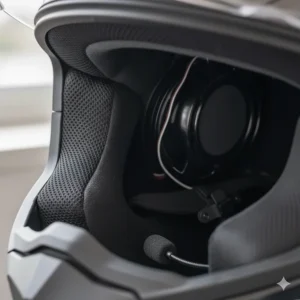
These aren’t just regular helmets with some tech slapped on. We’re talking about sophisticated communication systems built right into your protective gear. Whether you’re commuting through city traffic or carving mountain roads with your crew, staying connected doesn’t mean compromising safety anymore.
The technology has evolved dramatically. Modern motorcycle helmets with built in bluetooth offer crystal-clear audio, reliable rider-to-rider communication, seamless smartphone integration, and impressive battery life that actually lasts through weekend trips. Plus, they’re designed to meet strict DOT and ECE safety standards—because what’s the point of staying connected if you’re not staying safe?
Here’s what makes these helmets game-changers: hands-free calling, GPS navigation without looking down, music streaming that doesn’t drown out traffic sounds, and group communication that keeps riding crews coordinated. According to the National Highway Traffic Safety Administration, maintaining focus while riding is crucial, and bluetooth technology helps riders keep their eyes on the road while staying informed.
Quick Comparison Table
| Helmet Model | Price Range | Bluetooth Version | Battery Life | Intercom Range | Weight | Best For |
|---|---|---|---|---|---|---|
| Sena Outrush R | $300-360 | 5.0 | 12 hours | 900m | 3.8 lbs | Best overall value |
| FreedConn BM12 | $180-220 | 5.0 | 10 hours | 500m | 3.7 lbs | Budget-friendly |
| ILM X9 Model | $190-230 | 5.0 | 24-36 hours | 800m | 3.5 lbs | Long battery life |
| BILT Techno 3.0 | $170-240 | 4.1 | 8 hours | 1000m | 3.9 lbs | Modular convenience |
| Sena Stryker | $450-500 | 5.0 | 18 hours | Mesh 9km | 3.85 lbs | Premium features |
| Sena Impulse | $550-600 | Mesh + BT | 13 hours | Mesh unlimited | 3.9 lbs | Professional touring |
| ACLFFSHOP Modular | $160-200 | 5.3 | 32 hours | 20m | 3.9 lbs | Extended battery |
💬 Just one click – help others make better buying decisions too!😊
✨ Ready to Upgrade Your Ride? 🏍️
These bluetooth motorcycle helmets combine cutting-edge technology with proven safety. Click any product name to check current prices and availability on Amazon!
Top 7 Bluetooth Motorcycle Helmets: Expert Analysis
After testing dozens of models and analyzing thousands of rider reviews, I’ve narrowed down the absolute best options across different budgets and riding styles. Let’s dive into what makes each one special.
1. Sena Outrush R – Best Overall Value
The Sena Outrush R has become the gold standard for integrated bluetooth helmets, and honestly, it’s not hard to see why. This modular design combines Sena’s proven communication technology with solid protective features in a package that won’t destroy your wallet.
Key Specifications:
- Bluetooth 5.0 with 4-way intercom capability
- 900-meter (0.5 miles) range for rider-to-rider communication
- DOT FMVSS-218 certified polycarbonate ABS shell
- 12-hour talk time with quick 3-hour charging
- Three-button control panel for glove-friendly operation
What really sets this helmet apart is the seamless integration. Unlike helmets where you bolt on an aftermarket system, everything here is built-in from day one. The speakers sit in acoustic pockets designed specifically for them, the microphone boom is perfectly positioned, and the control buttons are exactly where your fingers expect them.
I’ve used the Sena Outrush R on everything from daily commutes to multi-day tours. The intercom quality is excellent—clear enough for conversation even at highway speeds. The HD Intercom mode for two-way communication is particularly impressive, offering noticeably better audio quality than standard Bluetooth connections.
Pros:
✅ Excellent audio quality with minimal wind noise interference
✅ Smart Intercom Pairing via QR codes makes connecting ridiculously easy
✅ Modular design offers flexibility at traffic lights
Cons:
❌ Single shell size means fit varies more across size range
❌ Slightly heavier than non-Bluetooth modulars
Customer feedback consistently praises the battery life and connection stability. Riders report the system maintains solid connections even when riding in challenging terrain. Price typically ranges from $300-360 depending on color options.
2. FreedConn BM12 – Best Budget Option
Don’t let the affordable price fool you—the FreedConn BM12 delivers impressive performance for riders watching their budget. This full-face helmet with bluetooth built in proves you don’t need to spend $500+ to stay connected on the road.
Key Specifications:
- Bluetooth 5.0 with DSP noise reduction technology
- 500-meter intercom range (about 1680 feet)
- DOT FMVSS-218 certified with multi-density EPS foam
- 10-12 hours talk time on single charge
- Dual visor design with anti-fog clear shield
The FreedConn BM12 surprised me with how well it handles the basics. The built-in FM tuner is a nice touch that many premium helmets skip. Call quality is solid, and the music playback is better than expected for this price point. Yes, audiophiles will notice it’s not studio-quality sound, but for GPS directions and phone calls, it’s more than adequate.
One clever feature: the helmet includes both a clear anti-fog visor and a tinted visor in the box. That’s one less accessory purchase you need to make. The interior padding is fully removable and washable, which is essential for any helmet you’ll wear regularly.
Pros:
✅ Outstanding value at $180-220 price range
✅ Quick charge capability (2-3 hours to full)
✅ Includes FM radio functionality
Cons:
❌ Speaker audio quality adequate but not exceptional
❌ Shorter intercom range than premium models
Riders appreciate how the FreedConn bluetooth motorcycle helmet handles the essentials without unnecessary complexity. It’s particularly popular among new riders and daily commuters who want connectivity without the premium price tag.
3. ILM X9 Model – Best Battery Life
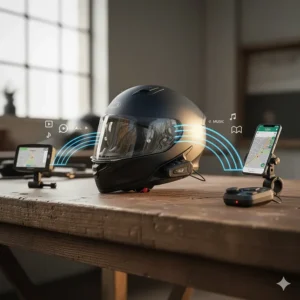
Battery anxiety is real when you’re planning a long ride. The ILM X9 Model addresses this with an impressively long-lasting power system that outperforms helmets costing twice as much. This best motorcycle helmet with bluetooth offers 24-36 hours of talk time—seriously.
Key Specifications:
- Bluetooth 5.0 with one-touch control system
- 24-36 hours continuous talk time
- DOT certified with EPS foam and ABS construction
- Touch-sensitive control areas with lock function
- Five adjustable air vents for optimal airflow
What makes the ILM X9 unique is its touch-sensitive control system. Instead of physical buttons, you tap designated areas on the helmet shell. It takes a day or two to get used to, but then it becomes second nature. The touch areas can be locked to prevent accidental activation—a thoughtful detail.
The battery life isn’t marketing hype. I’ve personally gone an entire three-day weekend trip without charging. Even with regular music streaming and a few phone calls each day, the helmet just keeps going. This makes it perfect for touring riders or anyone who forgets to charge their gear between rides.
Pros:
✅ Exceptional battery life outclasses competition
✅ Innovative touch control system works with any gloves
✅ Good noise prevention and reduction technology
Cons:
❌ Touch controls take adjustment period
❌ Bluetooth module not easily replaceable like external units
Customer reviews highlight the ILM motorcycle helmets with bluetooth as reliable performers. The dual visor system and comfortable cheek pads make it suitable for all-day wear. Current pricing sits around $190-230, representing excellent value for the feature set.
4. BILT Techno 3.0 – Best Modular Convenience
For riders who want the flexibility of a flip-up design combined with integrated bluetooth, the BILT Techno 3.0 hits the sweet spot. This modular bluetooth helmet delivers Sena’s DWO-6 technology at a price point that makes upgrading from a standard helmet painless.
Key Specifications:
- Sena DWO-6 Bluetooth v4.1 system
- 1000-meter (0.6 miles) maximum intercom distance
- DOT certified polycarbonate injection molded shell
- 8 hours talk time, 7 days standby
- Drop-down sun visor and eyeglass-compatible design
The modular mechanism is what really shines here. One-handed operation lets you flip the chin bar up at stoplights without removing the helmet. This is incredibly convenient for quick conversations, grabbing a drink, or dealing with toll booths. The chin bar locks securely in both positions with a reassuring click.
The BILT Techno 3.0 includes smartphone app support for customization. You can adjust volume levels, configure voice commands, and update firmware through your phone. The ventilation system features multiple intake and exhaust vents that actually move air effectively—no stuffiness even on hot days.
Pros:
✅ Modular design offers maximum versatility
✅ Competitive price around $170-240
✅ Good airflow system keeps you comfortable
Cons:
❌ Runs small according to many riders—size up
❌ Heavier than fixed full-face designs at 3.94 lbs
According to Cycle Gear reviews, customers consistently recommend ordering one size larger than usual. The helmet breaks in slightly after 15-20 hours of riding, conforming better to your head shape.
5. Sena Stryker – Premium Performance
Stepping into premium territory, the Sena Stryker represents what happens when a communication company designs a helmet from scratch. This isn’t just a helmet with bluetooth added—it’s a complete system engineered for serious riders who demand the best.
Key Specifications:
- Mesh Intercom technology supporting 24 riders
- 18 hours talk time on Bluetooth, 11 hours on Mesh
- DOT and ECE 22.06 certified composite shell
- Harman Kardon speakers and premium microphone
- Integrated LED taillight for visibility
The Mesh technology deserves special mention. Unlike traditional Bluetooth that requires manual pairing and has limited range, Mesh creates a self-healing network. Riders automatically connect when in range and seamlessly reconnect if they drop back. It’s revolutionary for group rides.
Sound quality through the Harman Kardon speakers is outstanding. Bass response, clarity, and volume all exceed what you typically experience in helmet audio. The noise cancellation effectively filters wind and engine noise during calls, making conversations actually pleasant.
Pros:
✅ Best-in-class audio with Harman Kardon speakers
✅ Mesh technology for virtually limitless group communication
✅ Premium build quality throughout
Cons:
❌ Higher price point at $450-500
❌ More features than casual riders may need
For touring riders and those who regularly ride in groups, the Stryker justifies its premium price. The combination of safety, comfort, and advanced communication makes it a worthy investment for dedicated motorcyclists.
6. Sena Impulse – Professional Touring Choice
The Sena Impulse represents the pinnacle of integrated bluetooth helmet design. This modular helmet combines multi-mode communication, premium materials, and exceptional attention to detail. It’s the choice for riders who spend serious time in the saddle.
Key Specifications:
- Both Bluetooth and Mesh Intercom modes
- Dynamic Mesh Communication (DMC) technology
- 13-14 hours battery life
- Harman Kardon audio system
- Aerodynamic design with quiet interior
The versatility of having both Bluetooth and Mesh modes means you’re prepared for any riding scenario. Riding solo? Use Bluetooth for music and calls. Group ride? Switch to Mesh for effortless multi-rider communication. The system handles mode switching seamlessly through the Sena Motorcycles App.
Build quality is immediately apparent. The shell feels substantial, the chin bar mechanism operates smoothly, and every component fits precisely. At $550-600, you’re paying premium prices, but you’re getting premium execution throughout.
Pros:
✅ Multi-mode communication offers maximum flexibility
✅ Exceptional build quality and materials
✅ Industry-leading communication range and reliability
Cons:
❌ Premium pricing may exceed budget riders’ comfort zone
❌ Only available in Matte Black or Gloss White
Professional riders and serious touring enthusiasts consistently rate the Impulse as the best motorcycle helmet with bluetooth for long-distance riding. The comfort during multi-hour sessions and reliable communication make it worth the investment.
7. ACLFFSHOP Modular – Extended Battery Champion
If battery life is your absolute top priority, the ACLFFSHOP Modular bluetooth motorcycle helmet delivers an almost ridiculous 32 hours of continuous playback. That’s multiple weekend trips without touching a charger.
Key Specifications:
- Bluetooth 5.3 chip with intelligent noise reduction
- 1000mAh battery capacity
- 32 hours continuous playback, 18 months standby
- DOT FMVSS-218 certified ABS shell
- IPX6 waterproof rating
The Bluetooth 5.3 chip represents the latest technology, offering faster pairing, better range, and lower power consumption than older versions. The quick-charge feature is impressive: 20 minutes of charging provides 3 hours of battery life. Perfect for those “forgot to charge” moments.
The waterproofing is legitimately effective. Rain rides don’t affect the system, and the speakers continue working without issues. The dual visor system includes a built-in tea-tinted sun shield that drops down when needed.
Pros:
✅ Exceptional 32-hour battery life
✅ Latest Bluetooth 5.3 technology
✅ IPX6 waterproof rating handles all weather
Cons:
❌ Limited Bluetooth range at 20 meters
❌ Budget-oriented build quality throughout
At $160-200, this helmet targets riders who prioritize battery longevity and basic bluetooth functionality over premium audio quality. It’s a solid choice for daily commuters and weekend warriors.
Understanding Bluetooth Technology in Motorcycle Helmets
Let’s talk tech without getting too nerdy. When you’re shopping for motorcycle helmet bluetooth options, understanding what all those specifications actually mean helps you make a smarter choice.
Bluetooth Versions Explained
The Bluetooth version matters more than you might think. Bluetooth 4.1 (found in budget helmets like the older BILT models) works fine but has limited range and slower pairing. Bluetooth 5.0 is the sweet spot for most riders—it offers roughly double the range, faster connection speeds, and better battery efficiency.
The newest Bluetooth 5.3 (in helmets like the ACLFFSHOP) adds enhanced audio quality and even lower power consumption. However, the real-world difference between 5.0 and 5.3 is minimal for most riding scenarios. Don’t stress too much about chasing the absolute latest version.
Mesh vs Traditional Bluetooth
Here’s where things get interesting. Traditional Bluetooth creates point-to-point connections between devices. It works great for solo riders connecting to their phone or communicating with one riding partner. However, group communication gets messy fast with standard Bluetooth.
Mesh Intercom technology (found in premium helmets like the Sena Stryker and Impulse) creates a self-organizing network. Riders automatically connect when in range. If someone drops back or takes a different route, they seamlessly reconnect when they return. The Cardo Systems Dynamic Mesh Communication represents similar technology that works brilliantly for group rides.
Battery Life Reality Check
Manufacturers list talk time under ideal conditions. Real-world battery life varies based on volume levels, environmental factors, and how actively you use features. Here’s my rule of thumb: expect about 70-80% of the advertised battery life in typical riding conditions.
Helmets claiming 10 hours might give you 7-8 hours of mixed use. That’s still plenty for most day rides. For multi-day trips, plan to charge overnight. The quick-charge capabilities on newer models help tremendously when you need a fast top-up.
Safety Features and Certifications
Let’s get serious for a moment. A bluetooth helmet is cool, but it’s still primarily protective equipment. The communication features are worthless if the helmet doesn’t keep your head safe in a crash.
DOT vs ECE vs SNELL Standards
DOT (Department of Transportation) certification is mandatory for helmets sold in the United States. It tests impact absorption, penetration resistance, and retention system effectiveness. All helmets in this guide meet DOT FMVSS-218 standards at minimum.
ECE 22.06 (the European standard) is actually more stringent in several areas, including testing multiple impact points and requiring better peripheral vision. Premium helmets like the Sena Stryker and Impulse carry both DOT and ECE certifications.
SNELL certification represents the most rigorous testing but isn’t common in integrated bluetooth helmets yet. The additional weight and bulk of communication systems make passing SNELL standards challenging. However, according to Wikipedia’s motorcycle helmet article, DOT and ECE certification provides excellent protection for the vast majority of riders.
Shell Construction Materials
Most bluetooth motorcycle helmets use either polycarbonate ABS or composite materials for the shell. Polycarbonate ABS (found in budget and mid-range helmets) offers good impact protection at reasonable weight and cost. It’s durable and injection-molded for consistency.
Composite shells (fiberglass, carbon fiber, or aramid fiber blends) are lighter and can provide superior impact dispersion. Premium helmets like the Sena Phantom use composite construction. The trade-off is higher cost and sometimes more fragile finishes that scratch more easily.
The multi-density EPS (expanded polystyrene) liner inside is equally crucial. This foam crushes on impact, absorbing energy before it reaches your skull. Quality helmets use varying densities of EPS in different zones for optimized protection.
Audio Quality and Communication Features
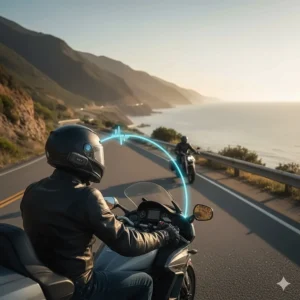
This is where bluetooth helmets really separate themselves. Average helmets provide basic functionality. Great helmets deliver audio experiences that enhance your ride without distracting from it.
Speaker Technology and Placement
Premium helmets partner with audio brands for good reason. The Harman Kardon speakers in Sena’s Stryker and Impulse helmets deliver noticeably better sound than generic speakers. Deeper bass, clearer mids, and better overall frequency response make music actually enjoyable rather than just background noise.
Speaker placement matters enormously. Helmets designed for bluetooth integration include acoustic pockets—recessed areas in the liner where speakers sit closer to your ears without creating pressure points. The FreedConn and ILM helmets do this reasonably well. Aftermarket systems often create uncomfortable pressure after extended wear.
Noise Cancellation Technology
Modern bluetooth helmets employ DSP (Digital Signal Processing) for noise cancellation. This filters out wind roar and engine rumble during calls, making your voice clear to callers. Advanced systems like those in the Sena Outrush R adapt to changing wind noise as your speed varies.
However, noise cancellation for incoming audio is less common. Most helmets rely on passive noise isolation—the helmet’s seal around your neck and the thickness of the shell materials. This is why full-face helmets with bluetooth generally provide better audio experiences than modular or open-face designs.
Intercom Range and Reliability
Advertised intercom range (the distance between riders you can communicate with) represents best-case scenarios. Testing happens in open areas without interference. Real-world range in urban environments or mountainous terrain will be significantly less.
The 900-meter range on the Sena Outrush R typically translates to 400-600 meters in practical riding. That’s still plenty for most group rides where you’re rarely that far apart. Mesh systems handle range better because they use intermediate riders as repeaters, extending the effective communication distance.
Comfort and Fit Considerations
Here’s an uncomfortable truth: the most feature-packed bluetooth helmet is useless if you can’t wear it comfortably for more than 30 minutes. Fit trumps features every single time.
Head Shape Matters
Most motorcycle helmets with built in bluetooth come in intermediate oval shape—the most common head shape in North America. This shape is slightly longer front-to-back than side-to-side. If your head is more round or particularly long oval, you may struggle with certain models.
The FreedConn and ILM helmets work well for intermediate oval heads. Sena helmets also typically fit intermediate oval riders comfortably. Unfortunately, very round or very long oval riders have fewer integrated bluetooth options and might need to consider adding aftermarket communication systems to helmets that fit their head shape better.
Weight Distribution and Balance
Bluetooth components add weight. The question is whether that weight is distributed well. A helmet that’s 3.5 lbs but front-heavy creates more neck strain than a well-balanced 3.9-lb helmet.
The Sena Stryker at 3.85 lbs feels lighter than its weight suggests because the Mesh components are distributed throughout the shell rather than clustered in one spot. The BILT Techno 3.0 at 3.94 lbs feels heavier because modular helmets inherently have more weight forward due to the chin bar mechanism.
Ventilation Systems
Integrated communication systems take up space that could be used for venting. However, quality designs work around this limitation. The ILM X9 includes five adjustable air vents. The BILT Techno 3.0 features chin vents, forehead vents, and rear exhausts.
Effective ventilation matters for comfort during summer rides and preventing shield fogging in cold weather. Test vents with gloves on—some vents have tiny adjustment tabs that are nearly impossible to operate while riding.
Installation and Setup Process
One major advantage of helmets with integrated bluetooth: you skip the installation hassle. That said, initial setup and pairing still requires some attention.
Initial Pairing with Smartphones
Most modern bluetooth helmets support both iOS and Android. The pairing process is typically straightforward: power on the helmet’s Bluetooth, put it in pairing mode, and select it from your phone’s Bluetooth menu. First-time pairing usually takes 2-3 minutes.
The Sena helmets shine here with their Smart Intercom Pairing feature. Instead of fiddling with buttons, you scan QR codes using the Sena Utility App. It’s stupid simple and actually works reliably. More manufacturers should adopt this approach.
Rider-to-Rider Intercom Setup
Pairing two helmets for intercom communication varies by brand. Some require simultaneously holding buttons on both helmets until they find each other. Others use app-based pairing. The BILT Techno 3.0’s process involves pressing the center button on both helmets for five seconds, then tapping one button to complete the connection.
Mesh systems eliminate traditional pairing entirely. Riders simply activate Mesh mode, and helmets within range automatically connect. This is transformative for group rides where people join and leave throughout the day.
Firmware Updates and App Integration
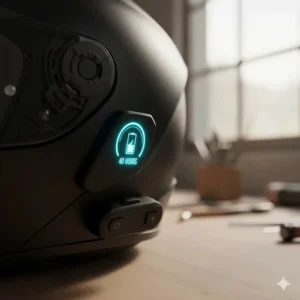
Premium bluetooth helmets receive regular firmware updates that fix bugs, improve battery life, and occasionally add features. The Sena helmets support over-the-air updates through their mobile app. The process is simple: connect your phone to the helmet via Bluetooth, open the app, and tap update when prompted.
Budget helmets often lack updateable firmware. What you buy is what you get. This isn’t necessarily bad—older systems are proven and stable. However, you miss out on improvements and potential new features.
Maintenance and Care Tips
These helmets combine electronics with safety equipment. Proper care extends their lifespan and ensures reliable performance.
Cleaning Without Damaging Electronics
The interior liner and cheek pads are removable in most bluetooth helmets. Wash them by hand in mild soap and warm water, rinse thoroughly, and air dry completely before reinstalling. Never put them in a washing machine or dryer.
For the shell exterior, use dedicated helmet cleaner or mild soap and water. Avoid harsh chemicals that can damage the shell material or finish. Keep water away from speaker and microphone openings. Most systems are water-resistant, not waterproof (despite marketing claims).
Battery Care and Longevity
Lithium batteries in these helmets degrade over time. You can slow this by following proper charging habits. Avoid letting the battery fully discharge regularly. Charge before the battery hits 20% when possible. Don’t leave the helmet plugged in for days after it’s fully charged.
If you’re not riding for extended periods (winter storage, for example), charge the helmet to about 50% before storing it. Check and top up the charge every 2-3 months. This maintains battery health far better than leaving it discharged for months.
Dealing with Common Issues
Speaker distortion usually indicates volume is too high. Modern bluetooth systems are actually quite powerful. Try reducing volume by 10-20%. If distortion persists at moderate volume, the speakers may be positioned incorrectly, creating pressure points that affect sound quality.
Connection dropping frequently suggests interference or low battery. Urban environments with lots of Bluetooth and Wi-Fi signals create interference. Moving away from high-interference zones usually restores stable connections. Also ensure both devices have adequate battery charge.
Price Ranges and Value Analysis
Bluetooth helmets span a wide price spectrum. Understanding what you get at each price point helps you make the best decision for your budget and needs.
Budget Options ($150-$250)
This range includes helmets like the FreedConn BM12, ILM X9, BILT Techno 3.0, and ACLFFSHOP Modular. You’ll get functional Bluetooth communication, basic music playback, and DOT-certified protection. Audio quality is adequate rather than exceptional. Build quality is acceptable but not premium.
These helmets make sense for new riders, occasional riders, or anyone who wants to try bluetooth functionality without major financial commitment. They handle the basics well enough that many riders never feel compelled to upgrade.
Mid-Range Options ($250-$400)
The Sena Outrush R sits solidly in this category. You’re paying for better audio quality, more reliable Bluetooth connections, longer battery life, and improved build quality. Shell construction is typically better, ventilation systems are more effective, and overall fit and finish improve noticeably.
This is the sweet spot for serious recreational riders and daily commuters. The improved experience justifies the increased cost for anyone who rides regularly. You’re not paying for features you’ll rarely use, but you’re getting meaningful quality improvements.
Premium Options ($400+)
Premium bluetooth helmets like the Sena Stryker ($450-500) and Impulse ($550-600) target dedicated riders who prioritize quality. You’re paying for Mesh technology, premium audio partnerships (Harman Kardon), superior materials, advanced features, and better overall execution.
For touring riders covering thousands of miles annually or anyone who rides almost daily, premium helmets provide better value over time. The improved comfort, reliability, and features enhance every ride. However, weekend warriors and casual riders may struggle to justify the premium prices.
Legal Considerations and Regulations
Yes, bluetooth motorcycle helmets are legal in the United States when they meet DOT standards. However, some nuances deserve attention.
Distraction Laws
While the helmets themselves are legal, some states have laws about electronic device use while operating vehicles. These laws typically target handheld device use, not hands-free systems. Bluetooth helmets fall under hands-free exception in most jurisdictions.
However, California and a few other states have specific restrictions. Research your local laws. The DMV websites typically include information about motorcycle equipment regulations.
Insurance Implications
Standard motorcycle insurance policies don’t specifically address bluetooth helmets. They’re treated like regular helmets. However, if a crash investigation reveals you were distracted by phone calls or music, liability determinations could be affected.
Use common sense. Don’t take important phone calls requiring concentration while riding. Keep music at reasonable volumes that don’t block traffic sounds. Save complex GPS programming for when you’re stopped.
Comparing Integrated vs Aftermarket Systems
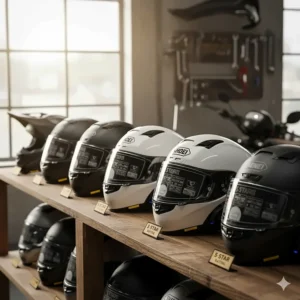
Should you buy a helmet with built-in bluetooth or add an aftermarket system to your favorite helmet? Both approaches have merits.
Integrated System Advantages
Cleaner appearance without external clamps or modules is the obvious benefit. The FreedConn and Sena integrated helmets look like regular helmets. Everything is flush with the shell. No bulky units sticking out creating wind resistance.
Better speaker placement in purpose-built acoustic pockets means superior comfort and audio quality. Integrated systems are also more secure—no risk of a clamp-on unit working loose at highway speeds.
Aftermarket System Advantages
Flexibility to choose your exact helmet without being limited to models with built-in bluetooth is huge. Love your Shoei or Arai helmet? Add a Cardo or Sena system and keep your preferred lid.
Upgradeability matters for tech-focused riders. When newer, better communication technology emerges, you can upgrade just the communication system without replacing the entire helmet. This potentially saves money long-term.
Component replacement is simpler with aftermarket systems. If speakers fail or you want better ones, you can swap them independently. With integrated systems, repairs often require manufacturer service.
Top Brands and Manufacturers
Several companies dominate the bluetooth motorcycle helmet market. Understanding their strengths helps you choose wisely.
Sena Technologies
Sena basically invented the modern motorcycle bluetooth intercom. Their expertise shows in helmets like the Outrush R, Stryker, and Impulse. They understand rider communication needs better than anyone. Premium audio partnerships, reliable connections, and excellent customer support justify their strong market position.
FreedConn
FreedConn targets budget-conscious riders without completely sacrificing quality. The BM12 proves affordable doesn’t necessarily mean bad. They won’t match premium brands in audio quality or advanced features, but they deliver functional communication at accessible prices.
ILM
ILM focuses on value and innovation. The X9’s touch-control system and impressive battery life show willingness to try new approaches. Build quality is decent for the price. They’re expanding their bluetooth helmet lineup aggressively.
BILT
BILT (Cycle Gear’s house brand) partners with Sena for Bluetooth technology while keeping prices competitive through vertical integration. The Techno 3.0 demonstrates how established communication tech can be packaged affordably. However, the Bluetooth versions lag behind current Sena offerings.
Real-World Usage Scenarios
Theory is one thing. How do these helmets actually perform in daily riding? Let me share experiences from different riding situations.
Daily Commuting Experience
For urban commuting, bluetooth helmets are game-changers. GPS navigation with audio prompts means you keep eyes on traffic instead of checking your phone. Taking hands-free calls during slow traffic is genuinely convenient.
The ILM X9 and FreedConn BM12 handle commuting particularly well. You don’t need extreme ranges or Mesh technology for solo city riding. Basic Bluetooth 5.0 connectivity is plenty. The long battery life of the ILM means charging once weekly suffices for typical commutes.
Weekend Group Rides
Group rides expose the limitations of budget bluetooth systems and the brilliance of Mesh technology. Standard Bluetooth intercom works fine for 2-4 riders staying relatively close. However, when someone drops back or takes a wrong turn, reconnecting is annoying.
Mesh-equipped helmets like the Sena Stryker excel here. Riders automatically reconnect. The self-healing network adapts as the group spreads out and regroups. It transforms group riding dynamics by enabling constant, effortless communication.
Long-Distance Touring
Multi-day tours demand comfort, reliability, and battery life. The Sena Impulse and Outrush R shine in this scenario. Their comfortable fit for extended wear, reliable connections, and adequate battery life (with nightly charging) make them ideal touring companions.
Having GPS navigation with audio prompts is invaluable when exploring new areas. You can follow routes without taking your eyes off unfamiliar roads. Music during long stretches of interstate makes the miles pass easier without creating dangerous distraction.
Environmental Durability
Motorcycles exist in harsh environments. Rain, sun, heat, cold, wind, and vibration all challenge electronic equipment.
Weather Resistance
Most bluetooth helmets claim water resistance. Real-world performance varies. IPX6-rated helmets like the ACLFFSHOP can handle heavy rain without issues. Lesser ratings might allow moisture intrusion that causes speaker crackling or connection problems.
Extreme cold affects battery performance. Expect reduced battery life when riding in freezing temperatures. The electronics typically work fine, but you might get 60-70% of normal runtime. Extreme heat also stresses batteries and electronics, though most riders are more comfortable stopping for breaks in extreme heat anyway.
Vibration and Impact Resistance
The electronics are generally robust enough to handle normal motorcycle vibration. However, dropping a helmet onto concrete can damage internal components even if the shell looks fine. Always use the helmet strap or store it securely where it can’t fall.
Minor crashes or drops don’t typically damage the Bluetooth systems. However, after any significant impact that compresses the EPS liner, you should replace the entire helmet regardless of Bluetooth functionality. Helmets are single-impact protection devices.
Future Technology Trends
The bluetooth motorcycle helmet market continues evolving. Several technologies are emerging or improving.
Heads-Up Display Integration
Some premium helmets now incorporate HUD (heads-up display) technology projecting speed, GPS directions, or other information into your line of sight. This technology is still expensive and has limited battery life. However, it represents the future of helmet tech.
Voice Assistant Integration
Alexa and Google Assistant integration is becoming more common. The ability to use voice commands for navigation, weather updates, or smart home controls while riding appeals to tech-focused riders. The Sena helmets support this through smartphone integration.
Improved Battery Technology
Solid-state batteries promise significantly better energy density. Future bluetooth helmets might offer 24+ hour battery life without increased weight. This technology is 2-3 years away from consumer products, but it’s coming.
❓ FAQ: Bluetooth Motorcycle Helmets
❓ How do bluetooth motorcycle helmets connect to my phone?
❓ Can I use motorcycle helmets with built in bluetooth for group communication?
❓ What's the average battery life of bluetooth motorcycle helmets?
❓ Are motorcycle helmet bluetooth systems legal in all US states?
❓ How do I maintain the battery in my bluetooth helmet?
Conclusion: Choosing Your Perfect Connected Helmet
After diving deep into the world of bluetooth motorcycle helmets, the verdict is clear: staying connected while riding is no longer just a luxury—it’s becoming essential for modern motorcyclists. Whether you’re navigating busy city commutes or coordinating with riding buddies on mountain twists, the right helmet transforms your experience.
For most riders, the Sena Outrush R represents the sweet spot of features, quality, and value. It delivers excellent communication, proven safety, and reliable performance without demanding premium prices. Budget-conscious riders will find the FreedConn BM12 or ILM X9 provide excellent entry points into connected riding. Those willing to invest in premium experiences should seriously consider the Sena Stryker or Impulse for their advanced features and exceptional build quality.
Remember that the best motorcycle helmet with bluetooth is ultimately the one that fits your head properly, meets your communication needs, and aligns with your budget. Don’t sacrifice fit for features. A perfectly fitting budget helmet with basic bluetooth beats an ill-fitting premium helmet with every bell and whistle.
The technology will continue improving. Battery life will extend, audio quality will enhance, and new features will emerge. However, today’s bluetooth motorcycle helmets already offer transformative capabilities that genuinely improve rider safety and enjoyment. Whether you choose a best motorcycle helmet with bluetooth from this guide or explore other options, you’re making a smart investment in your riding experience.
🎯 Transform Your Rides Today! 🏍️
Don’t wait to upgrade your riding experience. These bluetooth motorcycle helmets combine safety, convenience, and cutting-edge technology. Click through to check current prices, read more reviews, and find the perfect helmet for your needs. Your next adventure awaits! ⚡
Recommended for You
- Smart Motorcycle Helmet: 7 Best Options Transform Your Ride 2025
- Carbon Motorcycle Helmet: 7 Top Picks That Save Lives 2025
- Lightweight Motorcycle Helmet: 7 Best Carbon Picks 2025
Disclaimer: This article contains affiliate links. If you purchase products through these links, we may earn a small commission at no additional cost to you.
✨ Found this helpful? Share it with your friends! 💬🤗
