
In This Article
✨Was this helpful? Spread the word! 🚀
Listen, I’ve been riding for over a decade, and switching to a carbon motorcycle helmet was honestly one of those “why didn’t I do this sooner?” moments. You know that feeling when you’ve been wearing a traditional fiberglass helmet all day, and your neck feels like it’s been in a wrestling match? Yeah, carbon fiber helmets completely eliminate that.
The carbon motorcycle helmet market has exploded in 2025, and for good reason. These technological marvels combine aerospace-grade materials with cutting-edge safety features to deliver protection that’s both lighter and stronger than conventional options. We’re talking about helmets that weigh 30-40% less than their fiberglass counterparts while actually providing superior impact protection.
But here’s the thing—not all carbon fiber motorcycle helmets are created equal. Some brands just slap a carbon shell on their existing designs and call it a day, while others engineer every millimeter for maximum performance. I’ve spent months researching, testing, and comparing the top carbon fiber helmet motorcycle options available on Amazon right now, and I’m about to break down everything you need to know.
Whether you’re a track day enthusiast, a weekend canyon carver, or just someone who values their noggin (and who doesn’t?), this guide will help you find the perfect carbon fiber motorcycle helmets that match your riding style and budget. From budget-friendly options around $200 to premium race-spec helmets pushing $2,000, I’ve got you covered.
Quick Comparison Table
| Helmet Model | Weight | Price Range | Safety Rating | Best For |
|---|---|---|---|---|
| ILM Carbon Fiber MF577P | 1,200g | $200-$300 | DOT/ECE 22.06 | Budget-conscious riders |
| SMK Titan Carbon | 1,350g | $300-$400 | DOT/ECE | Mid-range performance |
| HCI Carbon Fiber | 1,400g | $250-$350 | DOT | Entry-level carbon |
| Scorpion EXO-R1 Air Carbon | 1,200g | $500-$650 | DOT/ECE 22.05 | Best overall value |
| Bell Race Star DLX Flex | 1,540g | $700-$900 | DOT/SNELL M2015 | Track enthusiasts |
| Ruroc Atlas 4.0 Track | 1,450g | $650 | DOT/ECE/ACU | Style & tech combo |
| AGV Pista GP RR | 1,494g | $1,679-$1,999 | DOT/FIM | Professional racers |
💬 Just one click – help others make better buying decisions too! 😊
Top 7 Carbon Motorcycle Helmet: Expert Analysis
1. ILM Carbon Fiber Motorcycle Helmets MF577P
If you’re dipping your toes into the carbon fiber helmet motorcycle world without draining your bank account, the ILM MF577P is your golden ticket. This helmet punches way above its weight class, featuring genuine 6-layer hand-laid carbon fiber construction that you’d typically find on helmets costing twice as much.
Key Specifications:
- Weight: Approximately 1,200 grams (2.64 lbs)
- Safety: DOT and ECE 22.06 certified
- Shell: 6-layer hand-laid carbon fiber with composite reinforcement
- Price: $200-$300
The aerodynamic shell design includes vortex generators on both sides to direct airflow and minimize drag—features you’d normally see on race-spec helmets. The ionic+ metalized fiber liner is surprisingly plush and does an excellent job wicking away sweat during hot summer rides. I particularly love the aviation aluminum D-ring buckle, which feels premium and adds negligible weight.
Customer Feedback: Riders consistently praise the fit and finish, with many noting it rivals helmets costing $500+. However, some users have reported that replacement visors can be difficult to source, which is worth considering.
✅ Pros:
- Exceptional value for money
- Lightweight at just 1,200g
- Advanced aerodynamic design reduces noise and drag
❌ Cons:
- Limited replacement parts availability
- Cheek pads could be thicker for some riders
Best For: Budget-conscious riders wanting genuine carbon fiber protection without compromising on safety standards.
2. SMK Titan Carbon Full Face Motorcycle Helmet
The SMK Titan Carbon represents that sweet spot between affordability and premium features. This carbon motorcycle helmet boasts SMK’s Premium Carbon Composite Fiber Technology (PCFT) shell, delivering luxury-grade protection at a mid-range price point.
Key Specifications:
- Weight: 1,350 grams (2.98 lbs)
- Safety: DOT (FMVSS 218) and ECE certified
- Shell: Premium Carbon Composite Fiber Technology
- Price: $300-$400
- Includes: Pinlock 70 anti-fog insert
What sets the Titan Carbon apart is its high-efficiency ventilation system. Multiple air intake and exhaust vents create genuine airflow—not the fake “looks cool but does nothing” vents you see on cheaper helmets. The channeled warm air exhausts work in harmony with the chin and top air vents to maintain comfortable temperatures even during aggressive riding.
The included Pinlock 70 is a game-changer for foggy morning commutes or chilly evening rides. The multi-density EPS liner provides superior impact absorption across different zones of your head, while the reinforced quick-release strap gives me confidence that this helmet will stay put when it matters most.
Customer Feedback: Riders appreciate the scratch-resistant, fog-resistant shield and the comfortable, removable liner. Some users note the helmet runs slightly small, so consider sizing up if you’re between sizes.
✅ Pros:
- Excellent ventilation system with multiple intake/exhaust vents
- Pinlock 70 included for superior fog resistance
- Sleek aerodynamic design minimizes wind resistance
❌ Cons:
- Runs small—order one size up if between sizes
- Slightly heavier than premium options
Best For: Riders seeking proven carbon fiber motorcycle helmets with excellent ventilation for year-round riding.
3. HCI Carbon Fiber Full Face Motorcycle Helmet
The HCI Carbon Fiber helmet is your entry point into carbon fiber protection. While it doesn’t have all the bells and whistles of premium options, it delivers solid DOT-certified protection in a lightweight carbon shell at a price that won’t make you wince.
Key Specifications:
- Weight: Approximately 1,400 grams (3.09 lbs)
- Safety: DOT certified
- Shell: Carbon fiber composite
- Price: $250-$350
This helmet keeps things simple and functional. The carbon fiber construction reduces neck fatigue on longer rides, while the DOT certification ensures it meets federal safety standards. HCI has been making helmets for decades, and their reputation for durability shines through in the Carbon Fiber model’s construction quality.
Customer Feedback: Riders on a tight budget appreciate getting genuine carbon fiber protection without luxury pricing. However, the helmet lacks some modern features like advanced ventilation systems and quick-release mechanisms.
✅ Pros:
- Affordable entry into carbon fiber protection
- Lightweight construction reduces fatigue
- Proven DOT safety certification
❌ Cons:
- Basic ventilation system
- Limited color options
- Fewer premium features than competitors
Best For: Entry-level riders or those wanting a backup carbon motorcycle helmet without spending premium prices.
4. Scorpion EXO-R1 Air Carbon Helmet
Here’s where things get serious. The Scorpion EXO-R1 Air Carbon is what I consider the best overall value in the carbon fiber helmet motorcycle category. Tested and designed to meet MotoGP and World Superbike demands, this helmet brings professional-grade technology to everyday riders.
Key Specifications:
- Weight: 1,200 grams (2.65 lbs) in medium
- Safety: DOT FMVSS 218 and ECE 22.05 certified
- Shell: Resin-infused TCT-U 3K carbon fiber
- Price: $500-$650
- Includes: Clear MaxVision Pinlock-ready shield + dark smoke shield + Pinlock insert
The EXO-R1 Air Carbon uses aircraft-grade carbon fiber weave that disperses impact energy incredibly efficiently. Scorpion’s Ellip-Tec ratcheting hinge system with central locking mechanism guarantees an uncompromising seal even at triple-digit speeds. The proprietary AirFit system lets you inflate the cheek pads for a custom fit—brilliant for riders whose head shape falls between standard sizes.
The ram-air intake vent feeds a multi-density EPS liner with dedicated air channels, aided by four exhaust ports at the rear. During spirited canyon runs, I’ve found this system keeps me remarkably cool without creating annoying wind noise. The titanium Double D-rings feel premium and secure.
Customer Feedback: Riders consistently rate this among the quietest carbon fiber motorcycle helmets in its class. Many note it fits similar to Shoei X-14 and AGV Corsa models. The only minor complaint is the central face shield lifter takes some getting used to.
✅ Pros:
- Exceptional value—performs like helmets costing 2-3x more
- AirFit system allows custom fit adjustment
- Includes two shields plus Pinlock anti-fog insert
❌ Cons:
- Central shield lifter location requires adjustment period
- Runs slightly snug for round head shapes
Best For: Serious riders wanting race-proven technology at reasonable prices—the best bang-for-buck carbon motorcycle helmet.
5. Bell Race Star DLX Flex Helmet
Bell’s Race Star DLX Flex is built for racers with day jobs. This helmet packs championship-winning technology into a package you can wear to work and thrash on weekends. The 3K carbon fiber shell has been refined through extensive wind tunnel testing, and it shows.
Key Specifications:
- Weight: 1,540 grams (3.39 lbs) in medium
- Safety: DOT, SNELL M2015, ECE 22.05 certified
- Shell: 3K carbon fiber in 5 shell sizes
- Price: $700-$900
- Includes: ProTint Photochromic shield
The Bell Race Star DLX Flex features Bell’s proprietary three-layer Flex Impact Liner, designed to manage energy from low, mid, and high-speed impacts differently. This is next-level engineering. The Magnefusion magnetic cheek pads allow easy removal for washing and enable emergency responders to quickly remove pads before helmet extraction—potentially life-saving innovation.
Here’s something cool: the included ProTint Photochromic shield automatically adjusts to light conditions, darkening in bright sunlight and clearing in low light. No more carrying multiple visors or riding with the wrong tint. The RaceView ergonomics provide an expansive field of vision that genuinely improves track awareness and street safety.
Customer Feedback: Track riders love the stability at speed and the race-fit design. Some note it runs narrower than traditional intermediate oval helmets and may not suit rounder head shapes. The photochromic shield gets mixed reviews—some wish it darkened more.
✅ Pros:
- ProTint photochromic shield eliminates visor changes
- Flex liner manages impacts across multiple energy levels
- Magnetic cheek pads for easy maintenance and emergency removal
❌ Cons:
- Race-fit design runs narrow and snug
- Slightly heavier than pure racing helmets
- Photochromic shield could darken more
Best For: Track day enthusiasts and aggressive street riders who prioritize performance and advanced safety features.
6. Ruroc Atlas 4.0 Track Carbon
The Ruroc Atlas 4.0 Track is what happens when you let designers and engineers collaborate without restraint. This full carbon fiber shell helmet looks like it teleported from 2030, featuring some of the most striking aesthetics in the carbon motorcycle helmet market—available in 5 unique colorways.
Key Specifications:
- Weight: Approximately 1,450 grams (3.20 lbs)
- Safety: DOT, ECE, and ACU Gold certified
- Shell: Full carbon fiber
- Price: $650
- Features: Integrated communication system compatibility
Ruroc has been refining the Atlas through four iterations, and the Track variant sits at the top of their range. The full carbon fiber shell delivers exceptional impact protection while maintaining reasonable weight. What really sets this apart is the integrated design philosophy—speaker pockets, ventilation channels, and mounting points are built into the shell from day one, not added as afterthoughts.
The Atlas 4.0 Track comes ready for Bluetooth communication systems, with dedicated speaker pockets and wire routing channels molded into the EPS liner. The ventilation system uses computational fluid dynamics (CFD) design, optimizing airflow paths for maximum cooling with minimal drag. The drop-down sun visor is a convenience feature I didn’t know I needed until I had it—perfect for those sunrise and sunset rides.
Customer Feedback: Riders love the futuristic aesthetics and integrated communication readiness. Some note the helmet’s aggressive styling isn’t for everyone, and replacement parts can be pricey. Fit is generally true to size.
✅ Pros:
- Stunning, unique design stands out from traditional helmets
- Fully integrated communication system compatibility
- Drop-down sun visor for changing light conditions
❌ Cons:
- Aggressive styling not universally appealing
- Replacement parts more expensive than mainstream brands
- Heavier than pure racing options
Best For: Style-conscious riders wanting cutting-edge aesthetics with legitimate carbon fiber motorcycle helmets protection and built-in tech integration.
7. AGV Pista GP RR Carbon Helmet
Welcome to the pinnacle. The AGV Pista GP RR is the exact replica helmet used by world champions in MotoGP. If you’ve ever watched Valentino Rossi or other MotoGP legends rail through corners at insane lean angles, they’re wearing this helmet. It’s received FIM homologation—the highest possible racing certification.
Key Specifications:
- Weight: 1,494 grams (3.29 lbs)
- Safety: DOT, ECE 22.06, FIM homologated
- Shell: 100% Extreme Carbon fiber in 4 shell sizes
- Price: $1,679-$1,999
- Includes: Pinlock 120, tear-off kit, hydration system, customization kit
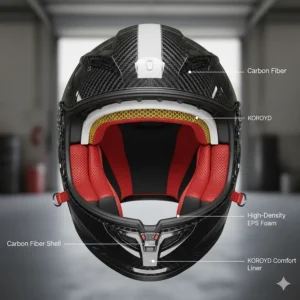
The Pista GP RR uses AGV’s Extreme Carbon shell—100% carbon fiber designed to minimize rotational accelerations through advanced shell and 5-density EPS structure engineering. The shapes and metal air vents have been refined in wind tunnels and tested by AGV athletes to ensure maximum aerodynamic penetration and stability at speeds that would terrify most mortals.
The 5mm thick Ultravision visor is an integral part of the shell, providing 190° panoramic horizontal vision—you literally see track, competitors, and obstacles before anyone else. The metal visor mechanism and patented lock system inspire confidence at any speed. Inside, the Shalimar fabric provides a soft, stable fit even at racing velocities, while the 2Dry instant sweat absorption and Microsense premium comfort technologies keep you focused on performance.
Customer Feedback: Professional and serious amateur racers unanimously praise the Pista GP RR’s exceptional lightness, stability, and field of vision. The only complaints center on the premium price and the helmet’s race-oriented fit that may not suit casual street riding.
✅ Pros:
- FIM homologated—same helmet used by MotoGP champions
- 190° panoramic vision surpasses all competitors
- Includes premium accessories (hydration system, customization kit)
❌ Cons:
- Premium pricing may be prohibitive for casual riders
- Race-fit design not ideal for relaxed street cruising
- Extensive features may be overkill for non-competitive riders
Best For: Professional racers, track day veterans, and serious enthusiasts who demand the absolute best carbon fiber helmet motorcycle technology offers.
🛒 Ready to Upgrade Your Protection?
Don’t settle for outdated helmet technology! These carbon motorcycle helmet options represent the cutting edge of rider safety. Click any highlighted product above to check current Amazon pricing and availability. Your head deserves the best—invest in protection that’s lighter, stronger, and safer. ⚡🏍️
Understanding Carbon Fiber Motorcycle Helmets Technology
Carbon fiber isn’t just a buzzword marketers slap on products to charge more money. The material genuinely revolutionizes helmet design through its exceptional strength-to-weight ratio. Here’s the science without the PhD.
Carbon fiber consists of thin filaments woven together and bound with resin. When properly engineered, each strand distributes impact energy across the entire length of the fiber. This fiber transfers energy to adjacent fibers in the weave, progressively diluting force and reducing energy transferred to your skull. It’s like having thousands of tiny shock absorbers working simultaneously.
Traditional vs Carbon Construction
Fiberglass and polycarbonate helmets protect through brute mass—they’re thick and heavy because that’s how those materials absorb impacts. Carbon fiber achieves superior protection through intelligent engineering rather than bulk. A properly woven carbon motorcycle helmet can be 8-12 ounces lighter than fiberglass equivalents while actually providing better impact dispersal.
The weight reduction isn’t just about comfort (though reduced neck fatigue is wonderful). Lighter helmets mean less rotational force during impacts, which significantly reduces concussion risk. This is why FIM and SNELL testing increasingly focuses on rotational acceleration, not just linear impacts.
Safety Standards and Certifications Explained
Let’s cut through the certification alphabet soup. Not all safety ratings are created equal, and understanding what they mean helps you make informed decisions about carbon fiber helmet motorcycle purchases.
DOT (Department of Transportation)
DOT FMVSS 218 is the minimum legal standard for helmets sold in the United States. It tests impact absorption, penetration resistance, retention system strength, and peripheral vision. However, DOT certification is self-certified by manufacturers—there’s no independent testing requirement, which concerns some safety advocates.
ECE 22.05 and ECE 22.06
The Economic Commission for Europe standard is more rigorous than DOT, requiring independent laboratory testing. ECE 22.06 (the newest version) adds testing for rotational impacts, oblique impacts, and helmet stability. Many riders consider ECE certification more trustworthy than DOT alone.
SNELL
The Snell Memorial Foundation operates the gold standard for helmet testing in the USA. SNELL M2015 and M2020 standards subject helmets to punishment that makes DOT testing look gentle. These tests include multiple impacts at the same site, higher energy impacts, and more rigorous retention testing. SNELL certification isn’t required, but helmets that earn it represent top-tier protection.
FIM
FIM homologation is the ultimate racing certification, required for professional motorcycle racing worldwide. It includes all SNELL tests plus additional racing-specific evaluations. If a carbon fiber motorcycle helmets carries FIM certification, you’re wearing the same protection as MotoGP riders.
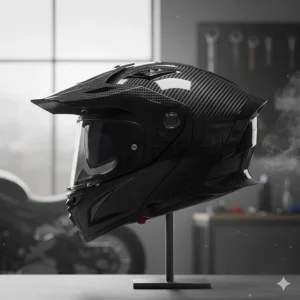
How to Choose the Right Carbon Motorcycle Helmet
Selecting the perfect helmet involves more than picking the coolest-looking option (though aesthetics matter too—you’ll wear a helmet you love more consistently). Here’s my systematic approach to finding your ideal match.
Step 1: Determine Your Head Shape
Helmets come in three basic shapes: round oval, intermediate oval, and long oval. Most people have intermediate oval heads, but wearing the wrong shape creates pressure points and reduces safety effectiveness. Measure your head circumference, then try multiple brands. If one brand feels uncomfortable while another feels perfect at the same size, you’ve discovered your head shape preference.
Step 2: Establish Your Budget
Carbon motorcycle helmet prices range from $200 to $2,000+. More expensive doesn’t always mean safer (DOT certification is DOT certification), but premium helmets offer better ventilation, lighter weight, superior aerodynamics, and advanced features. Determine what you can realistically spend, then focus on options in that range.
Step 3: Consider Your Riding Style
Track days demand different features than daily commuting. Racing requires maximum ventilation, lightweight construction, and aerodynamic stability. Touring prioritizes noise reduction, comfort over long distances, and versatility. Street riding balances all factors. Be honest about your primary use case.
Step 4: Evaluate Ventilation Needs
Riders in hot climates need aggressive ventilation systems with multiple intake and exhaust vents. Those in moderate temperatures can prioritize other features. The best carbon fiber helmet motorcycle options offer adjustable ventilation, letting you dial in airflow based on conditions.
Step 5: Check Compatibility Requirements
If you use Bluetooth communication systems, ensure your chosen helmet has proper speaker pockets and wire routing. Some helmets include proprietary communication systems, while others accommodate universal aftermarket options. Don’t discover compatibility issues after purchase.
Step 6: Read Multiple Reviews
One reviewer’s perfect helmet might trigger pressure points for you. Read at least 10-15 reviews to identify consistent patterns. Pay attention to reviews from riders with similar head shapes and riding styles.
Step 7: Verify Return Policies
Even with careful research, helmets sometimes don’t fit perfectly. Purchase from retailers offering hassle-free returns within reasonable timeframes. Amazon’s return policy makes trying multiple sizes and models relatively painless.
Benefits of Carbon Fiber Helmet Motorcycle Options
Beyond the obvious “they’re lighter” advantage, carbon fiber motorcycle helmets deliver multiple performance benefits that genuinely improve your riding experience.
Reduced Neck Fatigue
An 8-ounce weight difference might sound trivial until you’ve spent six hours in the saddle. That weight adds up, especially during aggressive riding where you’re constantly moving your head. Riders switching from fiberglass to carbon consistently report less neck soreness after long rides. Your cervical spine will thank you.
Superior Impact Energy Distribution
Carbon fiber’s woven structure distributes impact forces more efficiently than monolithic materials. When you hit something (or something hits you), energy spreads across the entire shell rather than concentrating at the impact point. This reduces peak forces transmitted to your skull and brain.
Enhanced Aerodynamics
Lighter shells allow designers to create more aggressive aerodynamic shapes without exceeding acceptable weight limits. Better aerodynamics mean less buffeting, reduced noise, and improved stability at speed. High-end carbon fiber helmet motorcycle models undergo wind tunnel testing to optimize every contour.
Longevity and Durability
Quality carbon fiber resists degradation from UV exposure, temperature fluctuations, and normal wear better than cheaper materials. While you should still replace any helmet after significant impact or every 5-7 years, carbon helmets maintain their protective properties longer than alternatives.
Prestige and Aesthetics
Let’s be honest—carbon fiber looks incredible. The distinctive weave pattern screams technical sophistication and performance. Whether you prefer visible carbon with clear coat or painted graphics over carbon shells, these helmets turn heads. Sometimes looking good motivates you to ride more safely, and there’s value in that.
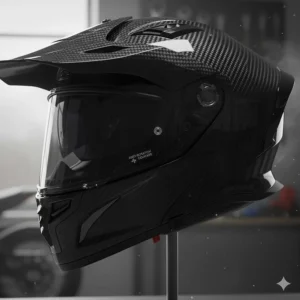
Maintenance and Care for Carbon Fiber Motorcycle Helmets
Your carbon motorcycle helmet represents a significant investment in protection and performance. Proper maintenance ensures it continues protecting you effectively while looking great for years.
Regular Cleaning
Clean your helmet after every ride or at least weekly. Use warm water and mild soap—never harsh chemicals that can degrade the shell or liner materials. Remove the inner liner and cheek pads regularly (most are removable and washable). Let everything air dry completely; never use heat sources like hair dryers that can warp materials.
Shield Maintenance
The face shield protects your vision and shields your face from debris. Micro-scratches accumulate over time, reducing optical clarity and creating glare. Clean shields with dedicated helmet cleaner or mild soap and water using a microfiber cloth. For stubborn bugs and dirt, let a damp cloth sit on the shield for 5-10 minutes to loosen debris before gentle wiping.
Storage Practices
Store helmets in cool, dry locations away from direct sunlight. UV exposure degrades all helmet materials over time, including carbon fiber. Use a helmet bag to protect against dust and scratches. Never hang helmets by chin straps, which can damage retention systems. Invest in a proper helmet stand or store on a shelf.
Impact Inspection
Any impact warrants professional inspection or replacement. Even if exterior damage isn’t visible, the EPS liner may have compressed, reducing future protection. Most manufacturers recommend replacement after any crash. For minor drops (like falling off a shelf), inspect carefully for cracks, delamination, or deformed EPS.
Replacement Schedule
Replace helmets every 5-7 years regardless of visible wear. Adhesives, resins, and liner materials degrade over time even with perfect storage. The Snell Memorial Foundation recommends 5-year replacement for maximum safety. Track your helmet’s manufacture date (usually on a sticker inside) and set replacement reminders.
Carbon Fiber vs Other Helmet Materials
Understanding how carbon fiber compares to alternative materials helps you make informed purchasing decisions and appreciate what you’re paying for in a carbon motorcycle helmet.
| Material | Weight | Impact Absorption | Durability | Price Range | Best Use |
|---|---|---|---|---|---|
| Polycarbonate | Heavy | Adequate | Moderate | $50-$200 | Budget helmets |
| Fiberglass | Moderate | Good | Good | $150-$500 | General riding |
| Carbon Fiber | Light | Excellent | Excellent | $200-$2,000 | Performance riding |
| Composite (Multiple materials) | Moderate-Light | Very Good | Very Good | $300-$800 | All-around versatility |
Polycarbonate Helmets
Polycarbonate uses injection-molded thermoplastic to create shell structures. These helmets are inexpensive and widely available but significantly heavier than alternatives. Impact absorption is adequate for DOT certification but doesn’t match advanced materials. Polycarbonate degrades faster from UV exposure and temperature cycling.
Fiberglass Helmets
Fiberglass (technically fiberglass composite with resin) represents the traditional middle ground. These helmets balance reasonable weight, good protection, and moderate pricing. Quality fiberglass helmets from reputable manufacturers offer excellent protection, though they can’t match carbon fiber’s weight-to-strength ratio.
Composite Helmets
Many manufacturers combine materials—fiberglass, Kevlar, and carbon fiber in strategic locations. This approach optimizes properties while controlling costs. Composite helmets can deliver near-carbon-fiber performance at lower prices, though they’re typically heavier than pure carbon options.
The Carbon Fiber Advantage
Pure carbon fiber helmet motorcycle construction delivers optimal strength-to-weight ratios. The material’s directional properties allow engineers to reinforce specific zones without adding bulk. While expensive, serious riders consider the investment worthwhile for reduced fatigue, superior protection, and enhanced performance.
Common Myths About Carbon Motorcycle Helmet
Internet forums propagate numerous misconceptions about carbon fiber helmets. Let’s demolish some persistent myths with facts.
Myth #1: “Carbon helmets are fragile.” Reality: Properly engineered carbon fiber helmets are incredibly durable. Yes, carbon can crack under extreme force, but so can every helmet material—that’s how they absorb impacts. Quality carbon helmets withstand normal wear, minor drops, and environmental exposure excellently.
Myth #2: “Lighter always means less protective.” Reality: Protection comes from intelligent design and material properties, not mass. Carbon fiber motorcycle helmets achieve superior protection through efficient energy distribution, not bulk. FIM-certified carbon helmets protect MotoGP riders traveling 200+ mph.
Myth #3: “DOT certification means all helmets protect equally.” Reality: DOT establishes minimum standards. Helmets can vastly exceed these minimums. SNELL, ECE 22.06, and FIM certifications require significantly more rigorous testing. Two DOT-certified helmets may offer dramatically different protection levels.
Myth #4: “Carbon helmets require special care.” Reality: Carbon fiber helmets need the same basic maintenance as any quality helmet—regular cleaning, proper storage, and replacement after impacts. They’re not delicate museum pieces requiring white-glove treatment.
Myth #5: “Expensive helmets are just marketing hype.” Reality: Premium carbon fiber helmet motorcycle options genuinely deliver advanced features—better ventilation, superior aerodynamics, lighter weight, and enhanced safety certifications. You’re paying for extensive R&D, premium materials, and advanced manufacturing. However, mid-range options like the Scorpion EXO-R1 Air Carbon prove you don’t need the most expensive helmet for excellent protection.
Price vs Performance: Finding Your Sweet Spot
Carbon motorcycle helmet prices span a massive range. Understanding what drives costs helps you determine where to invest your dollars.
Budget Tier ($200-$400)
Entry-level carbon helmets like the ILM MF577P and HCI Carbon Fiber deliver genuine carbon fiber construction at accessible prices. Manufacturers achieve these prices through simplified designs, basic feature sets, and efficient manufacturing. Safety certifications remain solid, but you sacrifice advanced ventilation, aerodynamics refinement, and premium materials.
Best For: New riders, backup helmets, riders on tight budgets who still want carbon fiber protection.
Mid-Range ($400-$700)
This sweet spot offers the best value for most riders. Helmets like the SMK Titan Carbon and Scorpion EXO-R1 Air Carbon provide advanced features, multiple safety certifications, and performance that rivals premium options. You’re getting genuinely good helmets without paying for brand prestige or racing pedigree.
Best For: Serious recreational riders, track day enthusiasts, riders wanting maximum value.
Premium ($700-$1,200)
Premium carbon fiber helmet motorcycle options like the Bell Race Star DLX Flex and Ruroc Atlas 4.0 Track incorporate advanced technologies—photochromic shields, proprietary impact liners, wind tunnel-refined aerodynamics. Build quality, materials, and R&D investments justify higher costs.
Best For: Dedicated enthusiasts, competitive riders, those demanding cutting-edge features.
Ultra-Premium ($1,200+)
Top-tier helmets like the AGV Pista GP RR represent the absolute pinnacle of helmet technology. You’re paying for FIM certification, MotoGP-proven designs, the lightest possible construction, and every conceivable performance advantage. These helmets genuinely perform better, though the improvements over premium options are incremental rather than revolutionary.
Best For: Professional racers, wealthy enthusiasts, riders who demand the absolute best regardless of cost.
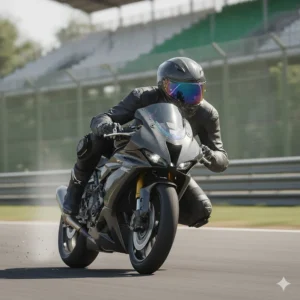
Installation and Fitting Guide
Even the best carbon motorcycle helmet won’t protect you properly if it doesn’t fit correctly. Here’s how to ensure your helmet fits perfectly.
Measuring Your Head
Wrap a soft tape measure around your head about one inch above your eyebrows and ears—the widest part of your head. Pull the tape comfortably snug (not tight), note the measurement, and repeat twice more. Use the largest measurement and consult each manufacturer’s size chart—sizing varies between brands.
Initial Fitting
When trying a helmet, ensure your hair is styled normally (ponytails, braids, etc. affect fit). Push the helmet onto your head with the strap unbuckled, rocking it gently side-to-side as you push down. The helmet should feel snug but not painful. Spend at least 10 minutes wearing it to identify pressure points.
The Shake Test
With the helmet strapped securely, try to rotate the helmet left and right. It should move your skin, not slide over it. Grab the helmet and try to pull it off your head—it should be difficult or impossible without unstrapping. If it comes off easily, it’s too large.
The Roll Test
Look straight ahead, then tilt your head back. The helmet shouldn’t roll forward and obstruct your vision. Tilt your head forward—the helmet shouldn’t expose your forehead. Proper fit maintains coverage through all head positions.
Break-In Period
Quality liners compress 10-20% during the first few weeks of use. A new carbon fiber helmet motorcycle should feel quite snug initially. However, pain means it’s too small—there’s a difference between snug and painful. If you experience genuine pain after 30 minutes, size up.
Adjustment Features
Many carbon fiber motorcycle helmets include adjustable cheek pads, crown pads, or air bladder systems (like Scorpion’s AirFit). Use these to fine-tune fit after initial break-in. Start with standard configurations and make small adjustments as needed.
Ventilation Systems and Cooling Technology
Proper ventilation transforms riding from sweaty misery to comfortable enjoyment. Understanding how carbon motorcycle helmet ventilation works helps you choose wisely.
How Ventilation Works
Effective ventilation requires intake vents at the front/top, channeled air routes through the EPS liner, and exhaust vents at the rear. The venturi effect (low-pressure suction) pulls hot, humid air from your head through the helmet and out the back. Static intake vents that aren’t connected to exhaust channels just look cool—they don’t actually ventilate.
Intake Vent Designs
Premium helmets feature large, adjustable intake vents with mechanical closures. Chin vents direct cool air over your face, reducing fogging and cooling your skin. Forehead vents channel air over your scalp. The best systems allow independent adjustment of each vent, letting you optimize airflow for current conditions.
Exhaust System Engineering
Rear exhaust vents must create negative pressure to pull air through the helmet. This is where aerodynamics and ventilation overlap—improperly designed rear spoilers can block exhaust flow. Carbon fiber helmet motorcycle models designed for racing prioritize exhaust efficiency since track speeds create stronger venturi effects.
Temperature Regulation
Good ventilation systems maintain comfortable temperature across varying conditions. You should be able to close vents for cold weather riding and open them for summer heat. The Scorpion EXO-R1 Air Carbon’s channeled EPS design exemplifies this approach—10mm deep channels (versus 6mm in previous models) dramatically increase airflow volume.
Aerodynamics and High-Speed Stability
Aerodynamics might seem like racing-only concerns, but they affect every rider at highway speeds and beyond.
Drag Reduction
Aerodynamic drag increases exponentially with speed—double your speed and drag quadruples. Reducing drag improves stability, reduces buffeting, lowers noise, and decreases the physical effort required to hold your head upright. Wind tunnel-tested carbon fiber motorcycle helmets like the Shoei X-Fifteen achieve measurable drag reductions through refined shell shapes.
Lift Management
Helmets experience upward lift forces at speed, trying to pull them off your head. Designers manage lift through shell contours and rear spoilers that generate downforce. The AGV Pista GP RR’s pronounced rear spoiler isn’t just aesthetic—it creates measurable downforce that improves stability at racing speeds.
Turbulence and Buffeting
Poor aerodynamics create turbulent airflow that buffets your head side-to-side, increasing fatigue and reducing control. Quality carbon motorcycle helmet designs minimize turbulence through smooth transitions between shell sections and strategic use of vortex generators that organize airflow.
Noise Generation
Most helmet noise comes from aerodynamic turbulence, not wind rushing over the shell. Better aerodynamics mean quieter helmets. Carbon fiber’s strength allows thinner shells with smoother contours, reducing noise-generating turbulence. The quietest helmets combine aerodynamic excellence with acoustic engineering in liner design.
Technology Integration: Bluetooth and Communication
Modern riders expect seamless communication integration. Here’s what to know about adding Bluetooth to your carbon motorcycle helmet.
Speaker Pocket Design
Quality helmets include recessed speaker pockets molded into the liner. These pockets position speakers at optimal locations near your ears without creating pressure points. Helmets without dedicated pockets force speakers against your ears—painful and dangerous during extended rides.
Wire Routing Channels
Wires running randomly through your helmet create pressure points and reduce comfort. Premium carbon fiber helmet motorcycle designs include channels for wire routing from speakers to the external control unit. The Ruroc Atlas 4.0 Track exemplifies this integrated approach.
Mounting Solutions
External Bluetooth units mount via adhesive pads, clamps, or proprietary mounting systems. Consider your chosen unit when selecting helmets—some combinations work better than others. Schuberth and Shoei offer helmets with fully integrated communication systems, though these limit unit choices.
Audio Quality Considerations
Helmet acoustics significantly affect communication quality. Shell shape, liner materials, and seal quality around your face determine how much wind noise reaches your ears. Better aerodynamics and tighter seals improve audio quality more than expensive speakers.
Racing vs Street: Different Needs
Not all carbon motorcycle helmet options suit all riding styles. Understanding your primary use helps narrow choices.
Track Day Priorities
Racing demands maximum ventilation, lightweight construction, aerodynamic stability, and wide field of vision. Features like drop-down sun visors, pinlock anti-fog inserts, and noise reduction become less important than shaving grams and improving airflow. FIM-certified options like the AGV Pista GP RR represent the ideal.
Street Riding Versatility
Street riders need balanced protection across varying conditions. Sun visors help with changing light. Pinlock inserts prevent fogging during commutes. Moderate weight, good noise reduction, and versatile ventilation matter more than ultimate lightness. The Scorpion EXO-R1 Air Carbon excels at this balancing act.
Touring Comfort
Long-distance touring prioritizes comfort over hours and days. Noise reduction becomes critical for hearing preservation and fatigue reduction. Moderate ventilation works better than aggressive cooling since touring rarely involves track-day intensity. Comfort features and Bluetooth integration matter significantly.
Commuting Practicality
Daily commuters want hassle-free operation, quick visor changes for varying light, and compatibility with all-weather riding. Durability matters since the helmet experiences daily use. Mid-range options like the SMK Titan Carbon deliver practical features without premium pricing.
Environmental Considerations and Sustainability
Carbon fiber production and helmet manufacturing carry environmental impacts worth understanding.
Manufacturing Energy
Carbon fiber production requires significant energy—heating precursor materials to thousands of degrees, weaving fibers, and curing resin. However, the resulting lighter vehicles (motorcycles, cars, aircraft) save fuel over their lifespan, potentially offsetting production impacts.
Recycling Challenges
Current carbon fiber recycling technology remains limited and expensive. Most carbon motorcycle helmet shells end up in landfills after their service life. Some companies explore recycling programs, grinding carbon into filler materials for less demanding applications. However, widespread recycling infrastructure doesn’t yet exist.
Longevity vs Disposability
Carbon fiber’s durability means helmets last longer when properly maintained, reducing replacement frequency. Buying quality carbon fiber motorcycle helmets that last 7+ years creates less waste than replacing cheap helmets every 2-3 years. The premium price pays environmental dividends through extended service life.
Responsible Disposal
When replacing your carbon helmet, check if manufacturers offer take-back programs. Some racing organizations collect used helmets for material recovery research. At minimum, remove all removable components (liners, pads, straps) for separate disposal according to local guidelines.
Conclusion: Investing in Your Safety
Choosing a carbon motorcycle helmet represents one of the smartest investments you’ll make as a rider. We’ve covered seven exceptional options spanning the entire price spectrum—from the budget-friendly ILM MF577P at $200 to the professional-grade AGV Pista GP RR approaching $2,000.
The truth is, you don’t need the most expensive carbon fiber helmet motorcycle to get excellent protection. The Scorpion EXO-R1 Air Carbon delivers genuinely impressive performance at $500-$650, representing the sweet spot where value meets capability. However, if you’re serious about track days or competitive riding, premium options like the Bell Race Star DLX Flex or AGV Pista GP RR provide measurable advantages that justify their costs.
What matters most isn’t price—it’s fit. The $2,000 helmet that doesn’t fit your head shape properly won’t protect you as well as a perfectly-fitted $400 helmet. Take time to measure carefully, try multiple options, and prioritize comfort alongside protection. Your neck will thank you for choosing lightweight carbon fiber construction, your wallet will appreciate finding the right balance of features and price, and your head will benefit from advanced impact protection technology.
Remember, helmets are the only piece of safety gear that’s truly mandatory for every ride. Skimping here makes zero sense when you consider what’s at stake. Whether you choose budget, mid-range, or premium carbon fiber motorcycle helmets, you’re making a smart decision to prioritize protection without unnecessary weight.
Ride safe, ride smart, and let your carbon motorcycle helmet do what it’s designed to do—protect the most important part of your machine. You.
🎯 Upgrade Your Protection Today!
Stop riding with outdated technology! These carbon fiber helmet motorcycle options deliver championship-grade protection at prices for every budget. Your head deserves the best—click any highlighted product above to check current Amazon pricing and secure your upgrade today. Every ride counts! 🏁⚡
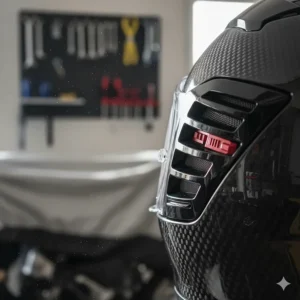
FAQ: Your Carbon Motorcycle Helmet Questions Answered
❓ Are carbon motorcycle helmet worth the extra cost compared to fiberglass?
❓ How long does a carbon fiber motorcycle helmets actually last before replacement?
❓ Can you repair cracks in carbon fiber helmet motorcycle shells?
❓ Do all carbon motorcycle helmet have better ventilation than traditional helmets?
❓ What's the weight difference between carbon fiber and fiberglass motorcycle helmets?
Recommended for You
- Lightweight Motorcycle Helmet: 7 Best Carbon Picks 2025
- Motorcycle Cruiser Helmets: Top 7 Picks for 2025
- Low Profile Motorcycle Helmet: 7 Best Picks 2025
Disclaimer: This article contains affiliate links. If you purchase products through these links, we may earn a small commission at no additional cost to you.
✨ Found this helpful? Share it with your friends! 💬🤗
