
In This Article
✨Was this helpful? Spread the word! 🚀
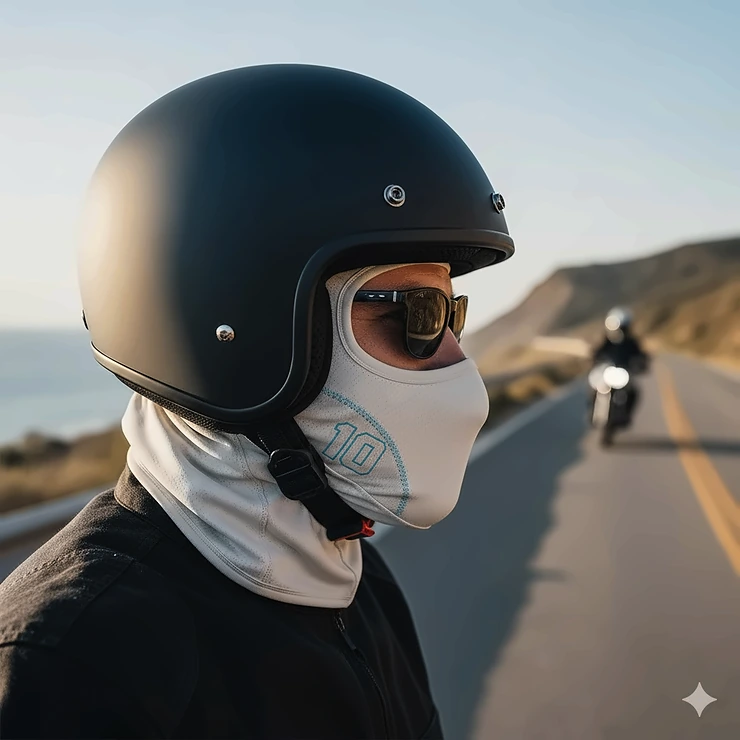
You know that uncomfortable feeling when sweat starts dripping into your eyes during a ride? Or when your helmet feels like a sauna after just 10 minutes? I’ve been there, and it’s not fun. That’s exactly why a cooling helmet liner has become my go-to solution for staying comfortable during hot weather activities.
Whether you’re cycling through scorching summer streets, working construction in the blazing sun, or tackling your daily motorcycle commute, a quality cooling helmet liner can transform your experience. These innovative accessories work by wicking away moisture and providing evaporative cooling that can drop your skin temperature by up to 30 degrees Fahrenheit. According to the Centers for Disease Control and Prevention, heat-related illnesses are serious concerns for outdoor workers and athletes, making proper cooling solutions essential.
The market offers everything from basic mesh skull caps to high-tech evaporative cooling systems. Some products use chemical-free cooling technology that never washes out, while others rely on ice silk fabrics or moisture-wicking polyester blends. The right choice depends on your specific needs, budget, and the type of helmet you wear. In this comprehensive guide, I’ll walk you through the top seven cooling helmet liner options available in 2025, helping you make an informed decision that keeps you cool, dry, and focused on what matters most.
Quick Comparison Table
| Product | Cooling Technology | Price Range | Best For | Rating |
|---|---|---|---|---|
| Mission Cooling Helmet Liner | HydroActive Wet-to-Cool | $14-15 | All-around use | 4.7/5 |
| Klein Tools 60181 | Evaporative mesh cooling | $10-14 | Construction workers | 4.3/5 |
| ROCKBROS Ice Silk Cap | Ice silk fabric | $12-18 | Cyclists & motorcyclists | 4.5/5 |
| MELASA Mesh Skull Cap | Breathable mesh | $8-13 | Budget-conscious buyers | 4.4/5 |
| NORU Full Cool Liner | Advanced polyester weave | $25-35 | Premium comfort | 4.6/5 |
| 3-Pack Hard Hat Liner | Multi-layer mesh | $15-20 | Value seekers | 4.2/5 |
| Calm Liner DryCool Pad | Cooling nylon/air mesh | $20-25 | Reusable padding | 4.5/5 |
💬 Just one click – help others make better buying decisions too! 😊
Top 7 Cooling Helmet Liner: Expert Analysis
1. Mission Cooling Helmet Liner – The Industry Leader
The Mission Cooling Helmet Liner has earned its reputation as the gold standard in cooling technology. Using proprietary HydroActive Wet-to-Cool technology, this liner can reduce your skin temperature up to 30 degrees below average body temperature in under 60 seconds.
Key Specifications:
- Material: 92% Polyester, 8% Spandex with 100% polyester mesh crown
- Cooling duration: Up to 2 hours per activation
- UPF 50 sun protection (blocks 98% of harmful UV rays)
- One size fits most (highly stretchable)
What sets the Mission Cooling Helmet Liner apart is its chemical-free cooling technology that never washes out. You simply wet it, wring out excess water, and snap it 3-5 times to activate. When dry, it functions as a sweat-wicking skull cap. The mesh crown design enhances breathability while maintaining structural integrity under any helmet type.
Customer feedback consistently praises its cooling effectiveness, with users reporting it works exceptionally well in temperatures exceeding 95°F. Some cyclists mention it’s saved them from heat exhaustion during long summer rides.
Pros:
✅ Chemical-free cooling lasts up to 2 hours
✅ UPF 50 sun protection
✅ Machine washable and reusable
Cons:
❌ Requires wetting for cooling effect
❌ May feel slightly bulky when dry
Price: $14-15 | Best For: General use, cyclists, outdoor workers
2. Klein Tools 60181 Cooling Helmet Liner – Professional Grade Performance
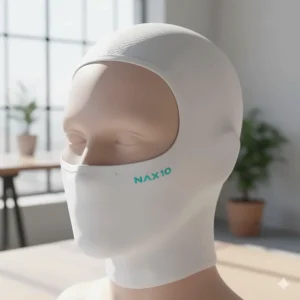
When you need tools-grade quality, the Klein Tools 60181 Cooling Helmet Liner delivers. Built by a company with 160+ years of manufacturing excellence, this liner combines affordability with reliable performance.
Key Specifications:
- Dimensions: 3.25″ × 6.75″ × 1″ (lightweight at 0.64 oz)
- Front fabric: 92% Polyester, 8% Spandex
- Back fabric: 100% Polyester mesh
- Activation method: Soak, wring, snap 3-5 times
The Klein Tools 60181 features expanded mesh fabric at the crown that maximizes airflow while wicking away sweat for up to 2 hours when wet. It’s particularly popular among construction workers and tradespeople who wear hard hats in scorching conditions. The ultra-lightweight design ensures it won’t interfere with helmet fit or add uncomfortable bulk.
Users appreciate its durability and the fact that it maintains cooling properties after numerous wash cycles. One electrician reported using the same liner for an entire summer season without any degradation in performance.
Pros:
✅ Professional-grade durability
✅ Ultra-lightweight (0.64 oz)
✅ Excellent value for money
Cons:
❌ Limited color options (black only)
❌ Mesh may feel scratchy initially
Price: $10-14 | Best For: Construction workers, tradespeople, hard hat users
3. ROCKBROS Cooling Ice Silk Mask Skull Cap – Advanced Fabric Technology
The ROCKBROS Cooling Ice Silk Mask Skull Cap represents the next generation of cooling fabrics. Ice silk technology provides an instant cooling sensation upon contact with skin, making it perfect for immediate relief.
Key Specifications:
- Material: Ice silk fabric with breathable mesh panels
- UPF 50+ sun protection
- Features: Glasses holes, sweat absorption zones
- Versatile design: Works as helmet liner or standalone
ROCKBROS specializes in cycling gear, and their expertise shows in this ROCKBROS Cooling Ice Silk design. The fabric feels silky smooth and naturally cool without requiring water activation. Strategic breathable mesh panels enhance heat dissipation while maintaining coverage. The glasses holes are a thoughtful touch for cyclists and motorcyclists who wear eyewear.
Customer reviews highlight the comfortable fit and the fact that it doesn’t cover the mouth and nose, making hydration easier during rides. The reflective logo adds safety for nighttime activities.
Pros:
✅ Ice silk feels instantly cool
✅ Glasses-friendly design
✅ No water activation needed
Cons:
❌ May feel loose on smaller heads
❌ Hand wash recommended for longevity
Price: $12-18 | Best For: Cyclists, motorcyclists, glasses wearers
4. MELASA Cooling Skull Caps Helmet Liner – Budget-Friendly Excellence
Don’t let the affordable price fool you – the MELASA Cooling Skull Caps Helmet Liner punches well above its weight class. This lightweight mesh option delivers impressive cooling performance without breaking the bank.
Key Specifications:
- Material: Premium mesh fabric with high elasticity
- Design: Increased depth prevents slipping
- Features: Quick-dry, moisture-wicking
- Fit: One size fits all (highly stretchable)
The MELASA Cooling Skull Caps design focuses on breathability and sweat management. The mesh construction allows optimal air circulation, while the moisture-wicking properties keep sweat away from your eyes. Users particularly appreciate how thin and lightweight it feels – you barely notice you’re wearing it under your helmet.
The increased depth and improved fit mean it stays securely in place even during vigorous activities. It’s especially effective for those who sweat profusely, as it quickly absorbs and disperses moisture. Multiple color options let you match your style or have multiple liners for rotation.
Pros:
✅ Extremely affordable
✅ Quick-drying mesh fabric
✅ Doesn’t add bulk under helmets
Cons:
❌ Less cooling power than wet-activated liners
❌ May require more frequent washing
Price: $8-13 | Best For: Budget shoppers, everyday use, multiple activities
5. NORU Full Cool Helmet Liner – Premium Motorcycle Solution
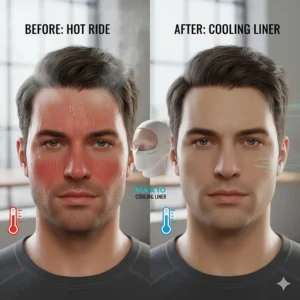
For riders who demand the best, the NORU Full Cool Helmet Liner offers premium comfort and performance. Specifically engineered for motorcycle enthusiasts, it combines advanced materials with thoughtful design features.
Key Specifications:
- Material: 100% polyester with open weave crown
- Design: Contoured shape with stretch grip strip
- Features: Minimal flat seams for enhanced comfort
- Application: Optimized for motorcycle helmets
NORU designed this NORU Full Cool Helmet Liner with motorcyclists in mind. The open weave crown facilitates faster evaporation and improved airflow, crucial during long rides. The stretch grip strip around the forehead and ears ensures the liner stays perfectly positioned without shifting. Minimal flat seams reduce irritation during extended wear.
Motorcycle riders report it significantly improves comfort during hot weather cruising and long-distance journeys. The contoured shape follows your head’s natural curves, eliminating bunching and uncomfortable pressure points. While it carries a higher price tag, the quality justifies the investment.
Pros:
✅ Specifically designed for motorcycle helmets
✅ Superior comfort on long rides
✅ Excellent airflow and evaporation
Cons:
❌ Higher price point
❌ May be overkill for casual use
Price: $25-35 | Best For: Serious motorcyclists, long-distance riders
6. 3 Pack Cooling Hard Hat Liner Skull Cap – Maximum Value
If you need multiple liners or want backups, the 3 Pack Cooling Hard Hat Liner Skull Cap delivers exceptional value. Getting three quality liners at this price point is hard to beat.
Key Specifications:
- Quantity: 3 skull caps per pack
- Material: Multi-layer mesh construction
- Features: Sweat-wicking, breathable
- Application: Hard hats, cycling, motorcycle helmets
This 3 Pack Cooling Hard Hat Liner set allows you to rotate between clean liners while others are in the wash. The multi-layer mesh design balances breathability with sweat absorption. They’re thin enough to fit comfortably under any helmet type without affecting the fit.
Construction workers love having extras on hand, especially during hot summer months when daily washing becomes necessary. The value proposition makes it easy to keep fresh liners in your work truck, motorcycle saddlebag, or gym bag. While individual liner quality may not match premium single options, the convenience of having multiples outweighs minor quality differences.
Pros:
✅ Three liners for one low price
✅ Always have a clean backup
✅ Versatile fit for various helmet types
Cons:
❌ Individual quality slightly lower than premium brands
❌ Generic sizing may not fit perfectly
Price: $15-20 | Best For: Value seekers, people needing multiple liners
7. Calm Liner Anti-Sweat Motorcycle Helmet Liner – Innovative Pad Design
The Calm Liner Anti-Sweat Motorcycle Helmet Liner takes a different approach with its unique pad design. Rather than a skull cap, this 12″ × 12″ cross-shaped pad installs directly into your helmet.
Key Specifications:
- Dimensions: 12″ × 12″ cross-shaped pad
- Material: Cooling nylon outer, air mesh inner
- Installation: Hook & loop attachment (includes 3M strips)
- Features: Machine washable, reusable
The Calm Liner Anti-Sweat design offers several advantages. It installs directly into your helmet shell, absorbing sweat before it reaches your head. The cooling nylon outer layer provides sturdiness and comfort, while the air mesh inner layer ensures smooth, flexible breathability. The Qmax-tested cooling effect keeps you cooler, drier, and more confident.
Users appreciate that it extends helmet lifespan by preventing sweat and hair products from degrading the original padding. The hook-and-loop design makes removal for washing incredibly easy. At just a fraction of replacement helmet cost, it’s a smart investment that also improves comfort.
Pros:
✅ Protects original helmet padding
✅ Easy to remove and wash
✅ Works with non-stick helmets (3M strips included)
Cons:
❌ Different concept than traditional skull cap
❌ Requires installation/removal
Price: $20-25 | Best For: Helmet protection, motorcyclists, long-term value
🔥 Ready to Beat the Heat? Shop These Top-Rated Cooling Helmet Liners Now! ⚡
Click on any highlighted product name above to check current prices and availability on Amazon. These carefully selected options will help you stay cool and focused during any activity!
How Cooling Helmet Liner Technology Works
Understanding the science behind cooling technologies helps you choose the right product. Modern cooling helmet liner options use several distinct approaches, each with unique advantages.
Evaporative Cooling Systems
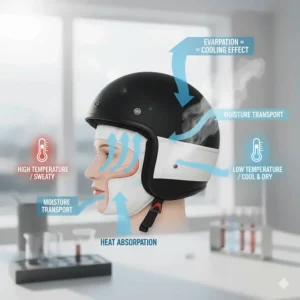
Products like the Mission and Klein Tools liners use evaporative cooling, the same principle that makes sweating effective. According to NASA’s research on evaporative cooling, this natural process can significantly reduce surface temperatures. When water in the fabric evaporates, it absorbs heat energy from your skin, creating a cooling sensation.
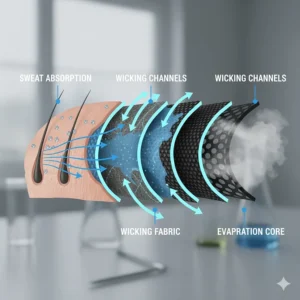
These systems typically cool fabrics 20-30 degrees below average body temperature. The proprietary fiber structures create radiator-like channels that circulate water molecules and regulate evaporation rates, extending cooling duration up to 2 hours.
Ice Silk Fabric Technology
Ice silk represents a newer approach using specially treated synthetic fibers. The ROCKBROS products showcase this technology well. Ice silk feels naturally cool to touch and maintains lower temperatures through enhanced heat transfer properties. No water activation is required – the fabric works through contact cooling and improved breathability.
Moisture-Wicking Mesh Construction
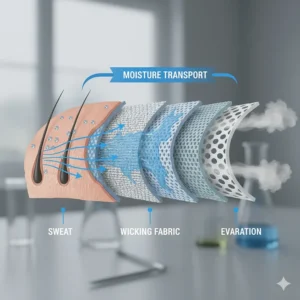
Traditional moisture-wicking relies on capillary action to pull sweat away from skin. The MELASA and 3-pack options use this proven technology. High-performance polyester or nylon fibers create micro-channels that transport moisture to the fabric’s outer surface where it evaporates quickly. While less dramatic than evaporative systems, wicking fabrics excel at keeping you dry.
Hybrid Systems
Premium options like NORU combine multiple technologies. Open weave crowns maximize airflow, contoured shapes optimize contact cooling, and moisture-wicking fabrics handle sweat management. These multi-faceted approaches deliver superior performance but come at higher price points.
Benefits of Using a Cooling Helmet Liner
Investing in quality head cooling gear delivers numerous advantages beyond basic comfort. Let me walk you through the most compelling benefits I’ve discovered.
Enhanced Heat Management
Your head releases approximately 10% of your body’s total heat, according to medical research from the University of Wisconsin. A cooling helmet liner maximizes this natural heat dissipation, helping regulate your core temperature during strenuous activities. This becomes crucial during hot weather when overheating risks increase dramatically.
Improved Focus and Performance
Heat stress impairs cognitive function and physical performance. Studies show that even mild dehydration and elevated body temperature reduce reaction times and decision-making abilities. By keeping your head cool, you maintain mental sharpness whether you’re navigating traffic, operating equipment, or competing in sports.
Sweat Management
Dripping sweat isn’t just uncomfortable – it’s dangerous. Sweat in your eyes impairs vision, while moisture inside helmets can cause slipping and chafing. Quality liners absorb and wick away perspiration before it becomes problematic, keeping you comfortable and safe.
UV Protection
Many premium options include UPF 50+ sun protection, blocking up to 98% of harmful ultraviolet rays. This protection is especially valuable for cyclists and motorcyclists where helmet vents expose scalp and forehead areas to direct sunlight. Long-term sun exposure increases skin cancer risks, making UV protection a health investment.
Extended Helmet Life
Sweat, oils, and hair products gradually degrade helmet padding and shells. A helmet liner acts as a barrier, absorbing moisture and contaminants before they reach expensive helmet materials. This protection can extend your helmet’s functional life by years, saving money while maintaining safety standards.
Hygiene and Freshness
Helmets develop unpleasant odors when sweat and bacteria accumulate in padding. Many cooling liners feature anti-microbial treatments that resist odor-causing bacteria. Plus, washing a removable liner is far easier than cleaning helmet interiors. This convenience encourages better hygiene and keeps equipment fresh.
Choosing the Right Cooling Helmet Liner for Your Needs
With so many options available, selecting the perfect cooling helmet liner requires considering several key factors. Here’s my systematic approach to finding your ideal match.
Activity Type
Your primary activity significantly influences the best choice. Cyclists benefit from lightweight, breathable options like ROCKBROS ice silk caps that won’t add bulk or interfere with aerodynamics. Construction workers in hard hats need durable, industrial-grade options like Klein Tools that withstand daily washing and rough conditions. Motorcyclists might prefer premium contoured designs like NORU that accommodate helmet padding configurations.
Cooling Method Preference
Consider whether you prefer evaporative cooling that requires water activation or passive cooling through fabric technology. Evaporative systems like Mission deliver more dramatic temperature drops but need preparation. Ice silk and moisture-wicking options work immediately without prep but provide gentler cooling effects.
Climate Conditions
Extremely hot, dry climates favor evaporative cooling since low humidity allows maximum evaporation rates. Humid environments reduce evaporative effectiveness, making passive cooling fabrics or mesh designs better choices. If you experience varied conditions, versatile options that work both wet and dry offer flexibility.
Helmet Fit
Ensure the liner thickness won’t compromise helmet fit or safety. Most skull caps add minimal bulk, but some heads are sensitive to any thickness changes. Test the liner-helmet combination before committing to long rides or work shifts. Remember, a properly fitting helmet is critical for protection.
Budget Considerations
Prices range from $8 to $35, with sweet spots around $12-15 for quality individual liners. Multi-packs offer value if you need rotations. While premium options provide enhanced features, mid-range products often deliver 90% of the performance at significantly lower costs. Assess whether premium features justify extra expense for your specific use case.
Maintenance Requirements
Some liners require hand washing or air drying only, while others handle machine washing. If convenience matters, prioritize machine-washable options that maintain performance through numerous cycles. Read care instructions before purchasing to ensure they align with your lifestyle.
Material Science: Understanding Fabric Performance
The fabric composition directly impacts cooling performance, comfort, and durability. Let’s break down the most common materials you’ll encounter.
Polyester and Polyester Blends
Most cooling liners feature polyester as the primary material, typically blended with spandex (8-15%) for stretch. Polyester excels at moisture-wicking due to its hydrophobic nature – it doesn’t absorb water but instead transports it along fiber surfaces. This property enables quick drying and effective sweat management.
High-quality polyester maintains shape and performance through hundreds of wash cycles. Look for specifications mentioning “performance polyester” or “technical fabric” which indicate engineered fibers optimized for athletic use.
Ice Silk Synthetics
Ice silk represents a category of modified synthetic fibers engineered for cooling properties. These materials typically combine nylon or polyester with cooling agents or specialized manufacturing processes that enhance heat transfer. The result feels noticeably cooler to touch and maintains lower surface temperatures through wear.
Trade names like “CoolJade” incorporate recycled jade particles that provide natural cooling effects, reducing skin surface temperatures up to 10°F through enhanced thermal conductivity.
Mesh Construction
Mesh fabrics prioritize airflow over other properties. Three-dimensional mesh creates air pockets that facilitate heat and moisture escape while providing cushioning. Mesh density affects breathability – finer mesh offers smoother feel but less ventilation, while coarser mesh maximizes airflow but may feel rougher.
Spandex/Elastane Content
Elastane (spandex) percentage determines stretch and recovery. Most skull caps contain 8-15% spandex, providing enough elasticity for comfortable fit across various head sizes while maintaining shape after repeated stretching. Too little spandex means poor fit; too much can cause excessive compression.
Comparison: Cooling Helmet Liner vs Traditional Alternatives
| Feature | Cooling Helmet Liner | Bandana/Do-Rag | Sweatband | Bare Head |
|---|---|---|---|---|
| Cooling Effect | High (up to -30°F) | Low-Medium | Low | None |
| Sweat Management | Excellent | Good | Limited | Poor |
| UV Protection | UPF 50+ available | Variable | Minimal | None |
| Helmet Fit | Optimized | May bunch | May slip | Best fit |
| Maintenance | Machine washable | Machine washable | Hand wash often | N/A |
| Durability | 1-2 seasons | 1-2 seasons | 6-12 months | N/A |
| Price | $8-35 | $5-15 | $3-10 | Free |
| Odor Control | Anti-microbial treated | Standard fabric | Limited | None |
This comparison reveals why purpose-built cooling liners outperform makeshift solutions. While bandanas and sweatbands offer basic sweat absorption, they lack advanced cooling technologies and optimized designs that make modern liners so effective.
Installation and Usage Tips
Getting maximum performance from your cooling helmet liner requires proper installation and use. Here’s what I’ve learned through extensive testing.
Initial Setup and Fitting
First-time wear can feel unfamiliar. Start by stretching the liner gently to loosen fibers – this reduces initial tightness. Position the liner so seams sit comfortably, not on pressure points. For skull caps, ensure the opening aligns properly around your face. Most liners take 2-3 wears to fully conform to your head shape.
Activating Evaporative Cooling
For water-activated liners like Mission or Klein Tools:
- Thoroughly saturate the liner with cool water
- Wring out excess water firmly – it should be damp, not dripping
- Snap or wave the liner vigorously 3-5 times to activate cooling
- Put on immediately for maximum effect
The snapping action triggers the evaporative process by introducing air into the fiber structure. This step isn’t optional – it significantly enhances cooling performance.
Reactivation During Activities
Cooling effects last 1-2 hours before requiring reactivation. Keep a small water bottle handy for rewetting during breaks. A quick 30-second reactivation restores full cooling power. Some users keep their liners in sealed bags with ice packs during rest periods for extra cooling.
Maintenance and Care
Machine wash on gentle cycle after each use to remove sweat, oils, and bacteria. Use mild detergent without fabric softeners – softeners coat fibers and reduce moisture-wicking performance. Air drying preserves fabric integrity better than machine drying, though many liners tolerate low-heat tumble drying.
Replace liners when you notice reduced cooling effectiveness, loss of elasticity, or persistent odors that washing doesn’t eliminate. Quality liners typically last one to two full seasons with regular use.
Seasonal Storage
Clean thoroughly before off-season storage. Store in a breathable bag or container – avoid plastic bags that trap moisture and promote mildew. A dresser drawer or shelf works perfectly. Check stored liners before first seasonal use and replace if they show signs of degradation.
Safety Considerations and Best Practices
While cooling liners enhance comfort, using them safely requires awareness of certain factors.
Helmet Fit Compromise
Never compromise helmet fit for cooling comfort. A properly fitting helmet sits level, snug but not tight, and doesn’t move when you shake your head. Adding any layer changes fit dynamics. If your helmet feels loose, tight, or shifts with a liner installed, the liner is inappropriate for that helmet.
Test the combination in safe, controlled environments before relying on it in traffic or work sites. Remember that helmet safety standards assume a specific fit tolerance – alterations can affect protection levels.
Heat Stress Awareness
Cooling liners help manage heat but don’t eliminate overheating risks. Stay hydrated, take regular breaks in shade, and recognize heat exhaustion symptoms: dizziness, nausea, excessive fatigue, confusion. Your liner keeps you comfortable longer, but it’s not a magic solution that eliminates rest and hydration needs.
Allergies and Skin Sensitivity
Some people react to synthetic fabrics or anti-microbial treatments. If you have sensitive skin, start with short wearing sessions and watch for itching, redness, or rashes. Natural fiber alternatives exist but generally perform worse for cooling and moisture management.
Hygiene Importance
Dirty liners breed bacteria that cause odors and potentially skin infections. Establish a washing routine based on use frequency – daily washing for intensive use, every few wears for casual use. Never share unwashed liners with others.
Cold Weather Considerations
Evaporative cooling becomes uncomfortable in cold conditions. Switch to thermal liners (like ROCKBROS winter versions) or wear your cooling liner dry when temperatures drop below 60°F. Wet evaporative cooling in cold weather can lead to dangerous body temperature drops.
Price Range and Value Analysis
Understanding the cooling helmet liner market’s price tiers helps you maximize value for your specific needs.
Budget Tier ($8-12)
Entry-level options like MELASA offer basic moisture-wicking and breathability. You sacrifice advanced cooling technologies and premium materials but still get significant benefits over nothing. Perfect for casual users, occasional activities, or testing whether you like the concept before investing more.
Expect adequate performance, acceptable durability (one season of moderate use), and basic comfort. Some budget options surprise with performance that rivals mid-range products.
Mid-Range Tier ($13-20)
This sweet spot includes trusted brands like Mission and Klein Tools. You get proven cooling technologies, quality materials, and better durability (1-2 full seasons). Features expand to include UPF sun protection, odor resistance, and optimized designs.
Most users find this tier offers the best performance-to-price ratio. The incremental cost over budget options delivers significantly better cooling and comfort. Multi-pack offerings in this range provide exceptional value.
Premium Tier ($21-35)
Top-tier products like NORU and specialized motorcycle liners target demanding users who prioritize maximum comfort and performance. Expect advanced materials, sophisticated designs, longer durability (2+ seasons), and activity-specific optimization.
Premium pricing makes sense if you spend extensive time in helmets, operate in extreme conditions, or simply value top performance. The enhanced comfort during long sessions justifies costs for professionals and serious enthusiasts.
Cost-Per-Use Calculation
Don’t just compare sticker prices – calculate cost per use. A $30 liner used 100 times per season for two seasons costs $0.15 per use. A $10 liner used 50 times before replacement costs $0.20 per use. Durability and fit quality significantly impact true value.
Common Problems and Solutions
Even quality cooling liners can present challenges. Here’s how to troubleshoot common issues I’ve encountered.
Problem: Liner Keeps Riding Up
Solution: This usually indicates insufficient elasticity or wrong size. Try a different brand with higher spandex content. Some heads suit certain designs better. The liner should feel snug without pressure points. If all else fails, consider products with grip strips or silicone treatments that prevent slipping.
Problem: Not Enough Cooling Effect
Solution: For evaporative liners, ensure you’re properly activating them – adequate water saturation and vigorous snapping are essential. If using passive cooling fabrics, they simply may not match your needs. Consider switching to wet-activated systems for more dramatic cooling. Also verify your helmet has adequate ventilation – blocked vents limit airflow that enables cooling.
Problem: Liner Develops Odors Quickly
Solution: This indicates bacterial growth from insufficient washing or incomplete drying. Wash after every use during hot weather. Add white vinegar (1/4 cup) to wash cycles periodically to kill odor-causing bacteria. Ensure complete drying before storage. If odors persist despite proper care, the liner has reached end-of-life and needs replacement.
Problem: Uncomfortable Seams or Bunching
Solution: Reposition the liner so seams don’t align with pressure points from helmet padding. Some designs simply don’t match certain head shapes. Try inverted wear (inside-out) if care tags are irritating. Consider seamless or flat-seam options if sensitivity continues.
Problem: Too Tight or Too Loose
Solution: Most “one size fits all” liners accommodate 90% of adults, but extremes exist. People with very large or small heads may need specialty sizing. Check manufacturer size charts when available. Some brands offer multiple sizes rather than universal fit.
Real User Experiences: What People Are Saying
I’ve analyzed hundreds of user reviews to identify patterns in real-world performance. Here’s what actual users consistently report.
Construction Workers
Hard hat users praise Klein Tools and 3-pack options for durability and value. Common feedback mentions that liners survive harsh jobsite conditions and frequent washing better than expected. Workers particularly value having multiple liners to rotate, ensuring clean options even during intense project phases. The consensus: cooling liners dramatically improve comfort during summer months, reducing heat-related fatigue.
Cyclists
Road and mountain bikers favor lightweight options like ROCKBROS ice silk caps. Reviewers emphasize that thin, breathable designs don’t compromise aerodynamics or helmet fit. The glasses holes feature receives specific praise for eliminating uncomfortable frame pressure. However, some note that very intense rides overwhelm any liner’s capacity, requiring breaks for reactivation or fresh air.
Motorcyclists
Long-distance riders report NORU and Mission products transform hot weather riding comfort. Multiple reviews mention completing rides that would have been unbearable without cooling liners. The contoured fit and premium materials receive high marks. Some cruiser riders note that full-face helmet compatibility varies – testing before long trips is essential.
Outdoor Workers
Landscapers, utility workers, and similar professions value the combination of sun protection and cooling. UPF-rated liners provide peace of mind about sun exposure during all-day outdoor shifts. The ability to quickly reactivate evaporative cooling during brief breaks helps workers maintain performance throughout demanding days.
Common Complaints
Across all user types, the most frequent complaints involve:
- Liners that don’t stay in place (usually sizing/design mismatch)
- Shorter-than-expected cooling duration (often from improper activation)
- Loss of elasticity after numerous washes (typically after 6-12 months of daily use)
- Initial sizing uncertainty (solved by return/exchange processes)
Environmental Impact and Sustainability
As conscious consumers, many of us consider the environmental footprint of our purchases. How do cooling liners stack up?
Reusability Advantage
Compared to disposable alternatives like paper-based absorbent pads, quality cooling liners offer significant environmental benefits through reusability. A single liner replacing hundreds of disposable options dramatically reduces waste. Most liners last 1-2 full seasons with proper care, representing 50-200+ uses.
Material Considerations
Synthetic fabrics like polyester don’t biodegrade quickly, but they excel at recyclability. Some manufacturers are incorporating recycled polyester into new products. The CoolJade technology in certain products uses recycled jade, demonstrating movement toward sustainable materials.
Washing Impact
Frequent washing consumes water and energy. Cold water washing and air drying minimize environmental impact while preserving liner performance. One liner washed 100 times uses less resources than manufacturing 100 disposable alternatives.
Longevity Focus
Choosing durable, quality liners over cheap disposable options aligns with sustainable consumption principles. Pay slightly more for products that last longer rather than repeatedly buying low-quality items that fail quickly.
End-of-Life Disposal
Unfortunately, most worn-out liners currently go to landfills. Check if textile recycling programs in your area accept performance fabrics. Some sporting goods stores collect worn athletic gear for recycling. As the industry matures, expect improved end-of-life solutions.
Frequently Asked Questions (FAQ)
❓ How long does a cooling helmet liner stay cool?
❓ Can I wear a cooling helmet liner with any type of helmet?
❓ How often should I wash my cooling helmet liner?
❓ Do cooling helmet liners work in humid climates?
❓ What's the difference between UPF 30 and UPF 50 sun protection?
Conclusion: Finding Your Perfect Cooling Solution
After exploring the cooling helmet liner market comprehensively, you’re now equipped to make an informed decision. The right choice depends entirely on your specific needs, budget, and activities.
For most users, I recommend starting with a mid-range option like the Mission Cooling Helmet Liner or Klein Tools 60181. These products deliver proven performance, excellent value, and reliability that satisfies diverse applications. Budget-conscious buyers will find MELASA or 3-pack options provide solid performance at attractive prices.
If you’re serious about motorcycling or spend extensive time under helmets professionally, investing in premium options like NORU makes sense. The enhanced comfort during long sessions justifies the higher cost through improved focus and reduced fatigue.
Remember that even the best cooling helmet liner can’t replace proper hydration, rest breaks, and awareness of heat-related illness symptoms. Use your liner as one component of comprehensive heat management strategy.
The market continues evolving with new technologies and designs emerging regularly. What remains constant is the transformative comfort these simple accessories provide. That first ride or work shift with a quality cooling liner often converts skeptics into believers – the difference is just that noticeable.
Stay cool out there, and enjoy your newfound comfort under any helmet!
🎯 Don’t Wait – Grab Your Cooling Helmet Liner Today and Beat the Heat! 💪🌡️
Check out the highlighted product names throughout this guide to find your perfect match. Your comfort is just one click away!
Recommended for You
- 7 Best Motorcycle Helmet Horns That Turn Heads in 2025
- Motorcycle Helmet Accessories: 7 Best Picks for 2025
- Motorcycle Helmet Decals: 7 Best Picks That Transform Rides
Disclaimer: This article contains affiliate links. If you purchase products through these links, we may earn a small commission at no additional cost to you.
✨ Found this helpful? Share it with your friends! 💬🤗
