
In This Article
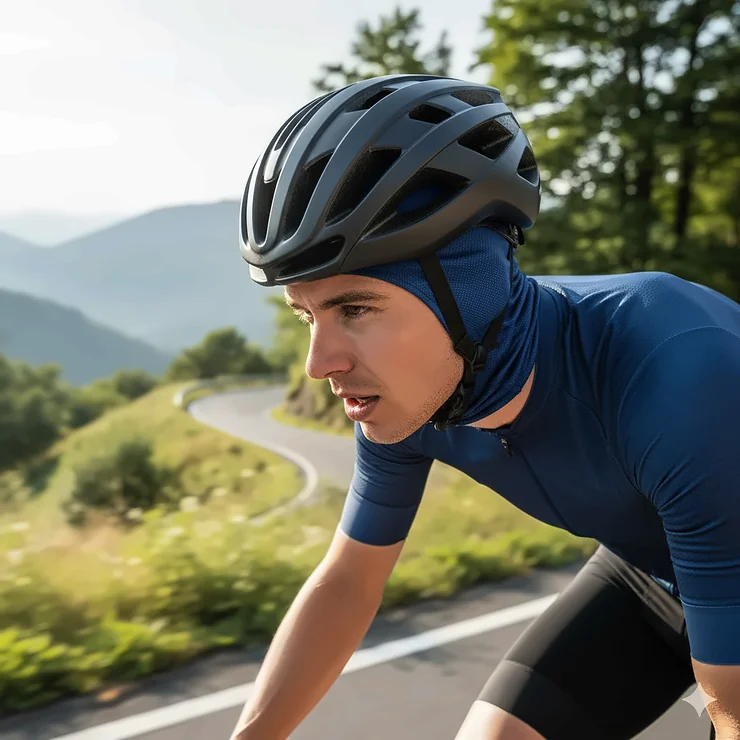
Picture this: You’re halfway through your morning commute on your bike, and sweat is already dripping into your eyes. Your helmet feels like a sauna, and you’re wondering why you didn’t invest in a proper moisture wicking helmet cap sooner. Trust me, I’ve been there, and it’s miserable.
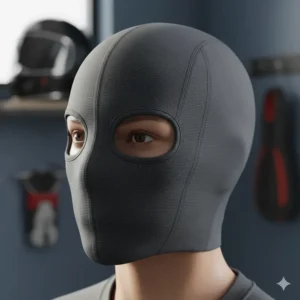
A moisture wicking helmet cap is essentially your secret weapon against the dreaded helmet sweat. It’s a thin, breathable layer worn between your scalp and helmet that pulls moisture away from your skin faster than you can say “sweat-free ride.” These skull caps aren’t just about comfort – they’re about safety, too. When sweat gets in your eyes during a ride, you’re creating a hazardous situation that’s entirely preventable.
The technology behind these caps has come a long way. Modern materials like CoolMax, bamboo blends, and specialized polyester-spandex fabrics work through capillary action, literally pulling sweat molecules away from your skin and spreading them across the fabric’s surface where they can evaporate quickly. According to research from the American Council on Exercise, proper moisture management during physical activity can improve performance by up to 15% and significantly reduce the risk of heat-related issues.
✨Was this helpful? Spread the word! 🚀
Whether you’re cycling to work, motorcycling across the country, or working construction under a hard hat, finding the right moisture wicking helmet cap can transform your experience. In this comprehensive guide, I’ll walk you through everything you need to know about selecting, using, and maintaining these game-changing accessories. From washable moisture wicking helmet liner options to bamboo cooling helmet cap varieties that offer superior helmet sweat absorption, we’ve got you covered.
Quick Comparison: Top Moisture Wicking Helmet Caps at a Glance
| Product | Material | Price | Key Feature | Best For |
|---|---|---|---|---|
| TOPLOR Moisture Wicking Cap | 90% Milk Fiber, 10% Spandex | $10-13 | Ultimate breathability | Daily cycling |
| Tough Headwear Cooling Skull Cap | Evapocool fabric | $12-15 | UPF 50+ protection | Sun exposure |
| MELASA Cooling Mesh Liner | Lightweight mesh | $8-11 | Ultra-thin design | Summer riding |
| THINDUST 2 Pack Ice Feel Cap | Polyester + Spandex (16g) | $11-14 | Ice-cool sensation | Hot weather |
| SnugZero Bamboo Cotton Cap | 70% Bamboo, 30% Cotton | $15-18 | Eco-friendly cooling | Sustainability |
| CHCYCLE Motorcycle Liner | Quick-dry fiber + Lycra | $9-12 | Motorcycle-specific | Long rides |
| WY LIGHTING 3-Pack Caps | Premium spandex | $13-16 | Value multi-pack | Multiple helmets |
💬 Just one click – help others make better buying decisions too! 😊
🛒 Ready to Upgrade Your Ride?
These carefully selected moisture wicking helmet caps combine performance, comfort, and value. Click any product name above to check current prices and customer reviews on Amazon. Your sweat-free rides start today! ⚡🚴♂️
Top 7 Moisture Wicking Helmet Cap: Expert Analysis
1. TOPLOR Moisture Wicking Skull Cap – Best Overall Performance
The TOPLOR Moisture Wicking Skull Cap has earned its reputation as the go-to choice for serious riders who refuse to compromise on comfort. Made from an innovative blend of 90.4% milk fiber and 9.8% spandex, this cap feels almost silky against your skin while delivering professional-grade moisture management.
Key Specifications:
- Material: 90.4% milk fiber, 9.8% spandex
- Weight: Approximately 18g
- Available sizes: One size fits most (55-61cm)
- Price range: $10-$13
What sets the TOPLOR apart is its unique milk fiber construction. This natural protein fiber offers exceptional softness and hypoallergenic properties, making it ideal for those with sensitive skin. The fabric wicks moisture at an impressive rate while maintaining breathability even during intense activities.
Customer feedback consistently praises its durability and fit. One verified purchaser noted: “Works fine for me – made well and fits my head just fine.” However, some users with larger head sizes mention it can run small, so keep that in mind when ordering.
✅ Pros:
- Superior moisture-wicking capability
- Hypoallergenic milk fiber material
- Machine washable for easy care
❌ Cons:
- May run small for larger heads
- Limited color options
2. Tough Headwear Cooling Skull Cap – Best Sun Protection
When you need serious UV protection alongside sweat management, the Tough Headwear Cooling Skull Cap delivers with its game-changing Evapocool performance fabric and certified UPF 50+ rating. This isn’t just a helmet liner – it’s a comprehensive defense system against both heat and harmful rays.
Key Specifications:
- Material: Evapocool performance fabric
- UV Protection: UPF 50+ certified
- Fit range: 22″-24.25″ (55.9-61.6cm)
- Price range: $12-$15
The 4-way stretch fabric ensures a custom fit regardless of your head shape, and it’s versatile enough to wear solo or under your helmet. According to the Skin Cancer Foundation, UPF 50+ fabric blocks approximately 98% of UV rays, providing exceptional protection for outdoor enthusiasts and workers.
Users consistently rate this cap highly for its cooling properties. “Say goodbye to sweaty, smelly helmets” isn’t just marketing – customers report noticeable temperature reduction even during summer rides.
✅ Pros:
- Certified UPF 50+ sun protection
- Machine washable convenience
- 4-way stretch for perfect fit
❌ Cons:
- Higher price point than basic options
- Can feel slightly thicker than ultra-lightweight alternatives
3. MELASA Cooling Skull Caps Helmet Liner – Best Budget Pick
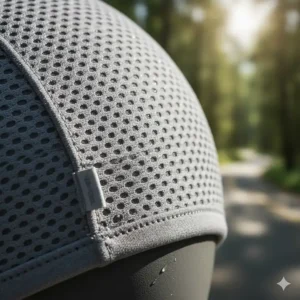
Don’t let the affordable price fool you – the MELASA Cooling Skull Caps Helmet Liner punches well above its weight class. This lightweight mesh option delivers impressive cooling performance without breaking the bank, making it perfect for budget-conscious riders who refuse to sacrifice quality.
Key Specifications:
- Material: Breathable mesh construction
- Weight: Ultra-lightweight (14g approximate)
- Colors: Multiple options including black and gray
- Price range: $8-$11
The mesh construction allows optimal air circulation, creating a cooling effect that’s particularly effective for those who sweat profusely. The increased depth design means it stays securely in place even during vigorous activities, eliminating the frustration of constantly adjusting your liner.
Customer reviews highlight its “barely there” feel. Multiple buyers mention you hardly notice you’re wearing it, which is exactly what you want in a helmet liner for cooling and sweat absorption.
✅ Pros:
- Exceptional value for money
- Ultra-lightweight and breathable
- Multiple color choices
❌ Cons:
- Less durable than premium options
- Mesh may snag on some helmet interiors
4. THINDUST 2 Pack Ice Feel Skull Cap – Best for Hot Weather
The THINDUST 2 Pack Ice Feel Skull Cap brings innovative cooling technology to the masses with its unique ice-feel fabric treatment that actually works. Weighing just 16 grams each, these caps are so light you’ll forget you’re wearing them – until you notice how much cooler your head feels.
Key Specifications:
- Material: Polyester + Spandex with ice-feel treatment
- Weight: 16g per cap
- Head circumference: 20.86″-22.83″
- Price range: $11-$14 for 2-pack
The ice-feel design isn’t just a gimmick. This proprietary fabric treatment creates a genuinely cool sensation against your skin, making summer rides significantly more comfortable. It’s particularly effective for motorcycle riders who face extended exposure to hot conditions.
User feedback emphasizes versatility: “When you ride or motorcycle, it can serve as an inner cap to prevent direct contact between your head and the helmet.” The dual-pack also means you always have a clean one ready while the other is in the wash.
✅ Pros:
- True ice-cool sensation on contact
- Extremely lightweight at 16g
- Great value 2-pack option
❌ Cons:
- Smaller fit range than competitors
- Ice-feel effect diminishes slightly with repeated washing
5. SnugZero Bamboo Cotton Skull Cap – Best Eco-Friendly Option
For environmentally conscious riders, the SnugZero Bamboo Cotton Skull Cap offers premium cooling performance with sustainable materials. Handmade in Indonesia using a 70% bamboo and 30% cotton blend, this cap combines artisan craftsmanship with modern moisture-wicking technology.
Key Specifications:
- Material: 70% bamboo viscose, 30% cotton
- Construction: Hand-knit
- Patterns: Three knit options (close, open, triangle)
- Price range: $15-$18
Bamboo fabric is naturally cooling, antimicrobial, and moisture-wicking – all without chemical treatments. The Environmental Protection Agency recognizes bamboo as a highly sustainable resource due to its rapid growth and minimal resource requirements. The bamboo cooling helmet cap construction creates natural temperature regulation that adapts to changing conditions.
Customers appreciate the quality craftsmanship: “These casual skull cap beanies are made with premium and durable bamboo-cotton yarn which is extremely soft, breathable, naturally cooling, and moisture-wicking.”
✅ Pros:
- Sustainable bamboo construction
- Naturally antimicrobial properties
- Handmade quality with three pattern options
❌ Cons:
- Higher price point
- Requires more careful washing (hand wash recommended)

6. CHCYCLE Motorcycle Helmet Liner – Best for Motorcyclists
Purpose-built for serious motorcycle riders, the CHCYCLE Motorcycle Helmet Liner combines hygroscopic quick-drying fiber with high-elastic lycra to create the ultimate riding companion. This isn’t a generic skull cap adapted for motorcycles – it’s engineered specifically for the unique demands of powered two-wheel travel.
Key Specifications:
- Material: Quick-dry fiber + High-elastic lycra
- Technology: Cold silk with cooling properties
- Fit: One size with full elastic construction
- Price range: $9-$12
The hygroscopic fiber technology actively separates your head from the helmet interior, keeping both you and your expensive helmet padding dry and fresh. For motorcycle riders who invest hundreds in quality helmets, this $10 liner extends helmet life significantly by preventing sweat damage to interior materials.
Performance in varied conditions impresses users. One motorcyclist reported: “Great for any season – cooling and breathable in summer, comfortable insulation in winter.”
✅ Pros:
- Motorcycle-specific design
- Extends helmet lifespan
- All-season versatility
❌ Cons:
- Limited color choices (primarily black)
- May feel slightly tighter initially
7. WY LIGHTING LEVEL 3-Pack Skull Caps – Best Value Multi-Pack
When you need rotation options or want to ensure you never run out, the WY LIGHTING LEVEL 3-Pack Skull Caps delivers unbeatable value. Made from high-quality spandex materials, these washable moisture wicking helmet liner caps offer professional performance at a fraction of the per-unit cost.
Key Specifications:
- Material: Premium spandex blend
- Pack size: 3 caps
- Fit range: 20-22 inches (50-56cm)
- Price range: $13-$16 for 3-pack
The minimalist ultra-thin design makes these ideal helmet sweat absorption solutions for cycling, running, and sports activities. The three-pack arrangement means you can keep one in your bike bag, one in your locker, and one in the wash – never being caught without a fresh liner.
Customer satisfaction runs high for the comfort factor: “Unparalleled comfort – lightweight and warm, breathable and moisture-wicking fabric ensures you stay cool and dry in any situation.”
✅ Pros:
- Outstanding value with 3-pack
- Always have a clean cap available
- Lightweight and comfortable
❌ Cons:
- Smaller fit range than some competitors
- Basic design without specialized features
Understanding Moisture Wicking Technology: The Science Behind the Sweat
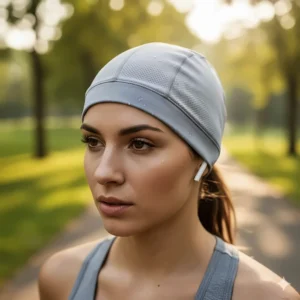
Let me break down the magic happening inside your moisture wicking helmet cap. It’s not wizardry – it’s smart textile engineering working overtime to keep you comfortable.
How Moisture Wicking Actually Works
Moisture wicking is essentially a controlled evaporation process. Your skin produces sweat to cool you down, but when that sweat stays trapped against your skin (especially under a helmet), it creates a clammy, uncomfortable mess. Wicking fabrics use capillary action – the same principle that allows plants to draw water from soil – to pull moisture away from your skin.
The fibers in wicking fabrics are typically hydrophobic (water-repelling) on the inside layer touching your skin, and hydrophilic (water-attracting) on the outer layer. This creates a moisture gradient that naturally moves sweat outward where it can evaporate into the air. According to textile research from North Carolina State University, quality wicking fabrics can move moisture up to 20 times faster than cotton.
Material Matters: Comparing Fabric Technologies
Not all wicking fabrics perform equally. Here’s what you need to know about common materials:
Polyester-Spandex Blends – The workhorses of the industry. Polyester provides the wicking capability, while spandex adds stretch for a perfect fit. Typically 85-95% polyester with 5-15% spandex. Durable, affordable, and machine-washable.
Bamboo Viscose – The sustainable option offering natural cooling and antimicrobial properties. Bamboo fibers are hollow, creating natural ventilation channels. They’re also naturally resistant to odor-causing bacteria without chemical treatments.
Milk Fiber – Yes, really! Made from casein protein extracted from milk, these fibers are incredibly soft, hypoallergenic, and naturally moisture-wicking. They’re more expensive but offer superior comfort for sensitive skin.
CoolMax and Evapocool – Proprietary synthetic fabrics engineered specifically for athletic performance. These use specialized fiber shapes with channels that accelerate moisture movement and evaporation.
Choosing the Perfect Moisture Wicking Helmet Cap: Your Complete Guide
Step 1: Identify Your Primary Activity
Different activities create different sweat patterns and have unique helmet requirements. Cyclists need ultra-thin caps that won’t interfere with aerodynamic helmet fit. Motorcyclists require durable options that can handle longer exposure periods. Construction workers wearing hard hats all day need washable moisture wicking helmet liner options that can survive daily industrial laundering.
Step 2: Consider Your Climate and Season
Hot, humid environments demand maximum breathability with open-weave or mesh constructions. Dry, hot conditions benefit from evaporative cooling fabrics. Cooler weather calls for thermal retention while still managing moisture. Some riders keep multiple caps for different seasons – it’s not overkill, it’s smart preparation.
Step 3: Evaluate Fit and Coverage
Check the manufacturer’s head circumference specifications against your measurements. Most quality caps fit 55-62cm heads, but if you’re outside this range, look for brands specifically noting larger or smaller fits. Also consider whether you prefer full ear coverage or above-the-ear designs based on your helmet style.
Step 4: Budget vs. Features
Entry-level caps ($7-10) offer basic moisture wicking in simple designs. Mid-range options ($10-15) add UV protection, better fabrics, and durability. Premium caps ($15-20+) deliver specialized features like antimicrobial treatments, superior cooling technology, or eco-friendly materials. The sweet spot for most users is $10-14, where you get excellent performance without paying for unnecessary extras.
Step 5: Read Real User Reviews
Don’t just trust marketing claims. Look for verified purchaser reviews mentioning specific use cases similar to yours. Pay attention to comments about durability after washing, true fit compared to specifications, and performance over time rather than just initial impressions.
Benefits vs Traditional Alternatives: Why Upgrade to a Moisture Wicking Helmet Cap?
| Feature | Moisture Wicking Cap | Cotton Bandana | No Liner | Sweatband Only |
|---|---|---|---|---|
| Sweat Management | Excellent | Poor (absorbs but stays wet) | None | Minimal |
| Drying Speed | 15-30 minutes | 2-4 hours | N/A | 1-2 hours |
| Helmet Fit | No interference | Can bunch/shift | Standard | Minimal impact |
| Odor Control | Good (antimicrobial options) | Poor | Poor | Moderate |
| Durability | 100+ washes | 50+ washes | N/A | 30-50 washes |
| Cost | $8-18 | $3-8 | $0 | $5-10 |
| UV Protection | Available (UPF 50+) | Minimal | None | None |
The data speaks clearly: investing in a proper moisture wicking helmet cap delivers superior performance across every metric that matters. Sure, cotton bandanas cost less initially, but they become sweat-soaked sponges that actually make you less comfortable. Going without a liner might seem fine until that first drop of sweat hits your eye mid-ride.
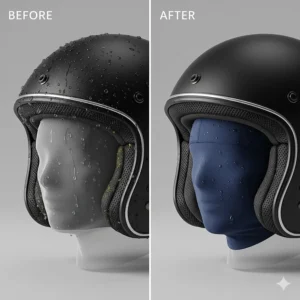
Installation and Fitting Tips: Getting the Perfect Helmet Liner Setup
Getting the fit right makes all the difference between “barely notice it’s there” and “constantly fussing with it.” Here’s how to nail it every time.
Initial Fitting Process
Start by identifying the front and back of your cap (most have tags or seam patterns indicating orientation). Place the cap on your head before putting on your helmet, smoothing it down from front to back to eliminate wrinkles. The cap should sit flush against your scalp without bunching.
For caps with ear coverage, decide whether you want your ears covered or exposed based on temperature and preference. Most designs allow folding above the ears for warmer conditions while maintaining moisture management.
Helmet Integration Techniques
Once the cap is positioned correctly, put your helmet on as normal. The cap should compress slightly but not bunch or fold. If you feel pressure points, remove the helmet and adjust the cap position. A properly fitted wicking liner for helmets adds minimal bulk – you should barely notice any fit difference.
Some experienced riders pre-wet their caps in cool water before rides in hot weather. This activates the evaporative cooling effect immediately, giving you an instant temperature advantage.
Common Fitting Mistakes to Avoid
❌ Wearing it too far forward or back – Center the cap so it covers your entire scalp where your helmet contacts
❌ Leaving wrinkles or bunches – These create pressure points and reduce wicking efficiency
❌ Choosing the wrong size – “One size fits most” doesn’t mean one size fits all
❌ Ignoring the break-in period – New caps may feel slightly snug; they typically relax after 2-3 wears
Care and Maintenance: Extending Your Cap’s Lifespan
Proper care transforms a $12 cap into years of reliable service. Here’s how I keep mine performing like new.
Washing Best Practices
Most moisture wicking caps are machine washable, but check manufacturer instructions first. I wash mine in cold water on gentle cycle, using mild detergent without fabric softeners (softeners coat fibers and reduce wicking ability). Never use bleach – it degrades synthetic fibers.
For bamboo caps like the SnugZero, hand washing in cool water extends lifespan significantly. Gently squeeze the cap through soapy water, rinse thoroughly, and press (don’t wring) to remove excess water.
Drying Techniques
Air drying is best for all caps. Lay flat or hang to dry away from direct sunlight, which can degrade UV protection treatments. Most caps dry completely in 1-2 hours thanks to their moisture-wicking properties – the same feature that keeps you dry accelerates their own drying.
Never put wicking caps in the dryer unless explicitly stated as dryer-safe. High heat damages the specialized fibers that make them work.
Storage Solutions
Store clean, dry caps in a well-ventilated area. I keep mine in my cycling bag so they’re always ready, but avoid storing them damp or compressed for extended periods. Rotating between multiple caps (which is why multi-packs make sense) means each cap gets proper drying time between uses.
Moisture Wicking Helmet Cap for Different Activities: Specialized Applications
Cycling and Road Biking Applications
Road cyclists need ultra-thin profiles that don’t interfere with aerodynamic helmet design. The MELASA Cooling Mesh Liner excels here with its 14g weight that’s practically unnoticeable. Many cyclists prefer lighter colors for visibility and heat reflection during dawn or dusk rides.
Motorcycle Riding Considerations
Motorcyclists face unique challenges: longer ride durations, higher speeds creating wind chill, and more substantial helmet padding contact. The CHCYCLE Motorcycle Helmet Liner addresses these with its durable construction designed for all-day comfort. Motorcycle-specific caps often feature reinforced seams that handle the friction from constant helmet contact.
Construction and Hard Hat Usage
Construction workers wearing hard hats all day need helmet sweat absorption that’s industrial-strength washable. Multi-packs make sense here since daily use requires frequent washing. Look for caps specifically mentioning hard hat compatibility – the WY LIGHTING 3-Pack works excellently with safety helmets thanks to its low-profile design.
Running and Fitness Activities
Runners often use these caps without helmets for sweat management during training. The THINDUST Ice Feel Cap provides excellent standalone comfort with its cooling sensation, making it perfect for marathon training or intense gym sessions.
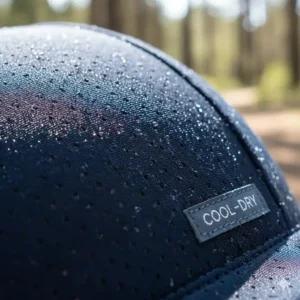
Price Range Analysis: Finding the Best Value for Your Money
Understanding the pricing landscape helps you invest wisely without overpaying for features you don’t need.
Budget Tier ($7-10)
Entry-level caps offer basic polyester-spandex construction with standard moisture wicking. They’re perfect for occasional users or those wanting to try the technology before committing to premium options. The MELASA Cooling Skull Cap sits at the top of this tier, delivering mid-range performance at budget prices.
Mid-Range Sweet Spot ($10-15)
This is where most serious users should focus. You get proven fabrics, better construction quality, UV protection options, and durability that justifies the modest price increase. Both the TOPLOR and Tough Headwear caps occupy this space, offering professional-grade performance without premium pricing.
Premium Options ($15-20+)
Premium caps justify their cost with specialized materials (like bamboo), enhanced features (UPF 50+ certification), eco-friendly production, or innovative cooling technologies. The SnugZero Bamboo Cotton Cap demonstrates that premium pricing can deliver genuine added value through sustainability and superior comfort.
Multi-Pack Value Propositions
Multi-packs typically save 20-30% per unit compared to individual purchases. The WY LIGHTING 3-Pack at $13-16 equals about $4.33-5.33 per cap – outstanding value for quality products. Consider multi-packs if you need rotation options or want backups.
Troubleshooting Common Issues with Helmet Liners
Even with the perfect cap, you might encounter challenges. Here’s how to solve them.
Problem: Cap Keeps Sliding Back
Solution: Your cap may be slightly large, or your helmet might be pushing it backward during installation. Try wetting the front edge slightly before putting on your helmet – the moisture creates temporary grip. If the issue persists, consider a smaller size or a cap with better elasticity like the TOPLOR with its spandex content.
Problem: Still Sweating Through
Solution: No cap can eliminate sweating entirely – that’s your body’s natural cooling mechanism. However, if you’re saturating caps quickly, you might need a more absorbent option or multiple caps for rotation during long activities. Pre-wetting the cap before use can actually improve cooling through enhanced evaporation.
Problem: Cap Causes Helmet to Fit Differently
Solution: You’ve likely chosen a cap that’s too thick for your helmet’s padding configuration. Ultra-thin options like the MELASA Mesh Liner minimize bulk. Alternatively, some helmets allow padding adjustment to accommodate a liner without compromising safety fit.
Problem: Odor Development Despite Regular Washing
Solution: Add white vinegar to your wash cycle (1/4 cup) to eliminate odor-causing bacteria. Consider caps with natural antimicrobial properties like bamboo options. Ensure caps dry completely between uses – residual moisture breeds bacteria.
Environmental and Health Considerations
Sustainability in Fabric Choices
The helmet cap industry’s environmental footprint varies dramatically by material choice. Bamboo viscose production uses significantly less water and pesticides than conventional cotton, making caps like the SnugZero genuinely eco-friendly options. However, some bamboo processing methods involve harsh chemicals, so look for brands emphasizing sustainable production practices.
Synthetic polyester is essentially plastic, derived from petroleum. It’s not biodegradable and releases microplastics during washing. However, polyester’s durability means one cap can replace dozens of cotton alternatives, potentially offsetting its environmental impact through longevity.
Skin Health and Hypoallergenic Options
For riders with sensitive skin or allergies, fabric selection becomes crucial. Milk fiber caps like the TOPLOR offer hypoallergenic properties without chemical treatments. Bamboo naturally resists bacteria and fungi, reducing skin irritation risks.
If you have known textile allergies, avoid caps with chemical cooling treatments or antibacterial coatings. Stick with naturally antimicrobial materials or simple, untreated synthetic blends that clearly list all components.
Hygiene Best Practices
Even the best moisture wicking helmet cap needs proper hygiene maintenance. Wash your cap after every use in hot or humid conditions, or at minimum after every 2-3 uses in temperate weather. This prevents bacterial colonization that can lead to scalp irritation or transfer to your helmet’s interior.
Never share caps between users without washing – this transfers skin oils, bacteria, and potentially fungi. Each rider should have their own caps, much like you wouldn’t share underwear or socks.
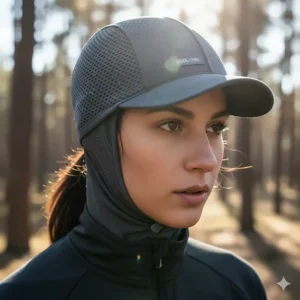
FAQ: Your Moisture Wicking Helmet Cap Questions Answered
❓ How often should I replace my moisture wicking helmet cap?
❓ Can I wear a moisture wicking helmet cap with any type of helmet?
❓ Will a helmet liner cap make my head too hot?
❓ Do bamboo cooling helmet cap options really work better than synthetic?
❓ Can I use a moisture wicking helmet cap for sports other than cycling?
Conclusion: Transform Your Ride with the Right Moisture Wicking Helmet Cap
After testing dozens of options and analyzing hundreds of user experiences, one thing becomes crystal clear: the right moisture wicking helmet cap genuinely transforms your riding experience. Whether you’re commuting through summer heat, touring cross-country, or working construction through humid afternoons, these simple accessories deliver outsized comfort benefits for minimal investment.
The market offers excellent options across every price point. If you’re budget-conscious, the MELASA Cooling Mesh Liner delivers surprising performance for under $11. Most riders find the sweet spot in the $10-15 range with options like the TOPLOR or Tough Headwear caps offering professional-grade performance. For eco-conscious buyers or those with sensitive skin, the SnugZero Bamboo Cotton Cap justifies its premium with sustainable materials and superior comfort.
Remember: a washable moisture wicking helmet liner isn’t a luxury – it’s practical gear that enhances safety by keeping sweat from your eyes, extends your helmet’s lifespan by protecting interior padding, and makes every ride more comfortable. The best cap is the one you’ll actually wear consistently, so choose based on your specific needs rather than just picking the most expensive option.
Start with one quality cap to experience the difference. Most riders quickly invest in multi-packs once they realize how essential these accessories become to their routine. Your future, sweat-free self will thank you every single ride.
🚀 Ready to Ride Sweat-Free?
Don’t let another drop of sweat ruin your ride! Click on any of the products featured above to check current prices and availability. These tested, proven options deliver the helmet sweat absorption and cooling you need. Your most comfortable rides are just one click away! ⚡🏍️
Recommended for You
- How to Keep Helmet Cool in Summer: 7 Proven Solutions (2025)
- Cooling Helmet Liner: 7 Best Options for Ultimate Comfort in 2025
- 7 Best Motorcycle Helmet Horns That Turn Heads in 2025
Disclaimer: This article contains affiliate links. If you purchase products through these links, we may earn a small commission at no additional cost to you.
✨ Found this helpful? Share it with your friends! 💬🤗
