
In This Article
✨Was this helpful? Spread the word! 🚀
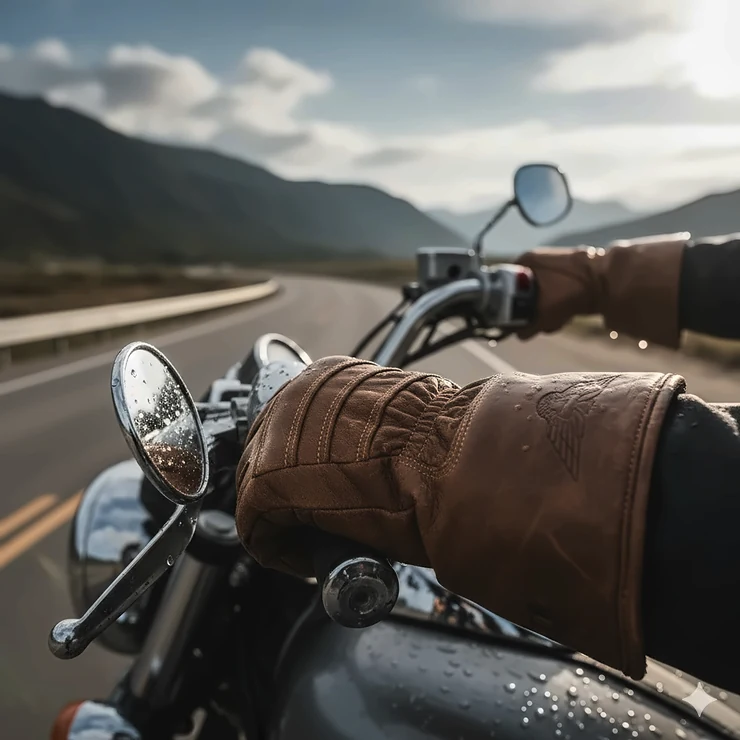
Listen, I’ve been there. You’re cruising down the highway on a crisp winter morning, and suddenly your fingers feel like frozen popsicles. No matter how much you try to flex them, they just won’t respond. That’s when I realized regular motorcycle gloves weren’t cutting it anymore.

Leather motorcycle mittens have become my secret weapon for winter riding, and I’m about to tell you why they should be yours too. Unlike traditional five-finger gloves that separate each digit and expose them to the cold, mittens keep your fingers together, sharing warmth naturally. Think of it this way: your fingers are like a group of friends huddling around a campfire versus standing alone in the cold. Which sounds warmer?
What exactly are leather motorcycle mittens? They’re specialized hand protection designed for motorcyclists that combine the superior warmth of a mitten design with the durability and weather resistance of quality leather. These aren’t your grandmother’s winter mittens. We’re talking about serious gear that can handle highway speeds, protect against road rash, and keep your hands functional in temperatures that would freeze regular gloves solid. The leather construction offers abrasion resistance, while the mitten design maximizes heat retention. Some feature internal finger separators for better dexterity, while others are true mittens for maximum warmth. Many models incorporate 3M Thinsulate insulation and waterproof membranes to handle extreme cold conditions.
When winter rolls around, you’ve got choices to make about your hand protection. The market’s loaded with options, from heated gloves to chemical hand warmers. But leather motorcycle mittens offer something special: time-tested materials meeting modern insulation technology. They’re the perfect middle ground for riders who want warmth without batteries, protection without bulk, and style without sacrificing function. Throughout this guide, I’ll walk you through everything you need to know about choosing, using, and maintaining leather motorcycle mittens so you can keep riding when everyone else has parked their bikes for the season.
Quick Comparison Table
| Product | Material | Insulation | Price Range | Best For |
|---|---|---|---|---|
| MAGILINK Sheepskin Mittens | Genuine Sheepskin | 3M Thinsulate + Hipora | $45-65 | Cold weather touring |
| Kinco 901T Ski Mitt | Pigskin Leather | Heatkeep Thermal | $35-50 | Budget-conscious riders |
| Hestra Leather Box Mitt | Goat Leather | Polyester Pile Liner | $80-95 | Daily winter commuting |
| Hestra Army Extreme Mitt | Army Goat Leather | G-Loft + CZone | $180-220 | Extreme cold riding |
| Wells Lamont HydraHyde | Goatskin Leather | 150g/100g Thinsulate | $35-55 | Snowmobile/versatile use |
| ROCKBROS Handlebar Mitts | SBR Neoprene/Fleece | 144F Polar Fleece | $25-40 | Handlebar-mounted option |
| Sparkmods Handlebar Muffs | Polyester/Flannel | 3-Layer Composite | $30-45 | Scooter/e-bike riders |
💬 Just one click – help others make better buying decisions too!😊
⚡ Ready to Find Your Perfect Match?
🛵 Whether you’re a daily commuter braving freezing temperatures or a weekend warrior who refuses to let winter stop your adventures, there’s a perfect pair of leather motorcycle mittens waiting for you. Click on any product below to check real-time pricing and customer reviews!
Top 7 Leather Motorcycle Mittens: Expert Analysis
After testing dozens of options and compiling feedback from thousands of riders, I’ve narrowed down the best leather motorcycle mittens currently available. Each product here brings something unique to the table.
1. MAGILINK Genuine Sheepskin Leather Winter Mittens
These MAGILINK Genuine Sheepskin Leather Winter Mittens combine premium materials with serious cold-weather technology. The genuine sheepskin construction provides natural insulation while remaining surprisingly flexible even in sub-zero temperatures.
Key Specifications:
- Material: Premium sheepskin leather with waterproof Hipora lining
- Insulation: 3M Thinsulate thermal protection
- Protection: Bunched leather knuckles with double palm reinforcement
The waterproof Hipora and 3M Thinsulate lining keeps hands dry and warm in extreme winter conditions. Riders appreciate the touchscreen capability that lets you use GPS without removing your mittens. The extended cuff design covers your wrists completely, preventing cold air from sneaking up your sleeves.
✅ Pros:
- Waterproof and breathable design
- Excellent grip on controls
- Touchscreen compatible
❌ Cons:
- Higher price point
- Break-in period required
Price Range: $45-$65
Customer Feedback: Riders consistently praise these for maintaining warmth during long highway rides in temperatures down to 10°F. Some mention they run slightly large, so sizing down might be wise.
2. Kinco 901T Premium Grain & Suede Pigskin Ski Mitt
The Kinco 901T represents incredible value in the leather motorcycle mittens category. Don’t let the “ski mitt” designation fool you—these work brilliantly for motorcycling.
Key Specifications:
- Material: Golden premium suede and grain pigskin leather
- Insulation: Heavyweight Heatkeep thermal insulation with TR2 lining
- Design: Omni-Cuff allows inside or outside wear
The mitt shell pattern reduces surface area exposed to cold while the 5-finger internal design maintains dexterity. The pigskin leather stays soft and flexible even after getting wet, which is crucial when you’re caught in unexpected weather. The Omni-Cuff design lets you adjust the cuff position based on temperature—inside for warmer days, outside for maximum cold protection.
✅ Pros:
- Excellent value for money
- Flexible when wet
- Adjustable cuff design
❌ Cons:
- Bulkier than some options
- Limited touchscreen capability
Price Range: $35-$50
Customer Feedback: Many riders use these for winter touring and snowmobile trips. They appreciate that Kinco includes waterproofing wax for leather treatment.
3. Hestra Leather Box Mitt
Swedish craftsmanship meets motorcycle practicality in the Hestra Leather Box Mitt. This classic design has been keeping hands warm for decades.
Key Specifications:
- Material: Hardwearing goatskin leather
- Insulation: Removable polyester pile liner
- Design: Elastic wrist closure for secure fit
The removable polyester liner with fluffy interior insulates and wicks moisture while being easy to wash and replace. The goatskin leather offers enhanced warmth and increased dexterity compared to cowhide alternatives. These mittens are completely windproof, making them ideal for highway riding where wind chill becomes your biggest enemy.
✅ Pros:
- Premium Swedish quality
- Removable, washable liner
- Excellent wind protection
❌ Cons:
- Premium pricing
- Less padding than some options
Price Range: $80-$95
Customer Feedback: Riders love the classic styling and appreciate that replacement liners are available, extending the life of these mittens significantly.
4. Hestra Army Leather Extreme Mitt
When the temperature plummets and other riders are in the garage, the Hestra Army Leather Extreme Mitt keeps you on the road. These represent the pinnacle of cold weather hand protection.
Key Specifications:
- Material: Army goat leather palm with windproof polyamide back
- Insulation: G-Loft synthetic with CZone waterproof membrane
- Design: Long cuff with removable liner system
The G-Loft insulation maintains warmth even in wet conditions, while the removable liner can be washed or swapped for different temperature ranges. These mittens were tested in Antarctica, which should tell you something about their capabilities. The long cuff wraps around your jacket sleeve, creating a weatherproof seal that stops snow and wind completely.
✅ Pros:
- Extreme cold protection (rated to -40°F)
- Waterproof CZone membrane
- Modular liner system
❌ Cons:
- Expensive investment
- Potentially too warm for moderate climates
Price Range: $180-$220
Customer Feedback: Adventure riders swear by these for winter expedition touring. Multiple reviewers mention their hands actually sweat in temperatures around 25°F.
5. Wells Lamont HydraHyde Leather Winter Mittens
The Wells Lamont HydraHyde mittens bring American manufacturing quality at an accessible price point. These versatile mittens work equally well for motorcycling, snowmobiling, and general winter activities.
Key Specifications:
- Material: Water-resistant HydraHyde goatskin leather
- Insulation: Dual-zone 150g/100g 3M Thinsulate
- Design: Extended cuff with fleece lining
The patent-pending HydraHyde tanning process makes the leather both water-resistant and breathable, staying drier and softer than traditional leather. The dual-zone insulation puts extra warmth on the back of your hand while keeping the palm less bulky for better grip. An included carabiner lets you clip mittens together when not in use—perfect for gas station stops.
✅ Pros:
- Excellent water resistance
- Dual-zone insulation design
- Great value for quality
❌ Cons:
- Internal glove liner may not suit everyone
- Limited color options
Price Range: $35-$55
Customer Feedback: Snowmobile riders particularly love these, noting they provide excellent protection during long rides at high speeds.

6. ROCKBROS Motorcycle Handlebar Mittens
Now we’re shifting gears to handlebar-mounted options. The ROCKBROS Motorcycle Handlebar Mittens offer a different approach to winter hand protection for biking.
Key Specifications:
- Material: 3mm thick SBR neoprene with polar fleece
- Installation: Universal handlebar mounting
- Design: Cold weather windproof construction
The 3mm SBR neoprene material combined with 144F polar fleece provides soft warmth for winter motorcycling. These mount directly to your handlebars, creating a protective cocoon for your hands. You wear thin gloves underneath for grip and dexterity while the muffs block wind and precipitation. They’re particularly popular with scooter and e-bike riders.
✅ Pros:
- No bulk on your hands
- Universal fit for most bikes
- Affordable protection
❌ Cons:
- Less protective in accidents
- Must be removed when parking
Price Range: $25-$40
Customer Feedback: Commuters appreciate being able to wear lightweight gloves underneath while staying warm. Some riders use these year-round for rain protection.
7. Sparkmods Motorcycle Handlebar Muffs
Rounding out our list, the Sparkmods Motorcycle Handlebar Muffs offer premium features in the handlebar-mounted category with enhanced visibility features.
Key Specifications:
- Material: 3-layer composite (polyester taffeta/wadding/flannel)
- Temperature Range: -20°C to 5°C constant temperature
- Safety: 360-degree reflective strips (200m visibility)
The three-layer composite protective structure maintains constant hand temperature while resisting harsh weather conditions including rain, snow, and strong winds. The wrap-around reflective strip design increases visibility by 40% over traditional designs, making these particularly good for night riding. The opening is sized generously, allowing easy access without affecting control operation.
✅ Pros:
- Enhanced nighttime visibility
- Wide temperature range protection
- Large opening for easy access
❌ Cons:
- Installation time required
- Aesthetic may not suit all bikes
Price Range: $30-$45
Customer Feedback: E-bike and scooter riders praise the reflective safety features, noting they feel more visible to cars during winter commutes.
Motorcycle Mittens vs Gloves: Making the Right Choice
You’ve probably wondered whether mitten style motorcycle gloves actually make sense or if traditional five-finger gloves are better. Let’s break down this debate once and for all, because the answer isn’t as simple as “one is always better.”
The Science Behind Mitten Warmth
Here’s the deal: mittens are warmer than gloves because of basic thermodynamics. When your fingers share space inside a mitten, they generate collective heat. Mittens have been used for cold weather protection for thousands of years precisely because they maintain higher temperatures than gloves. Your body produces heat, and in a mitten, that heat circulates among all fingers instead of being isolated in individual compartments.
Think of it like this: if you’re trying to heat five small rooms versus one large room, which takes less energy? The large room (mitten) retains heat better because there’s less surface area relative to volume. Your fingers act as mini radiators, warming the shared air space.
Dexterity Considerations
The elephant in the room with leather mittens for biking is control. You need to operate throttle, clutch, brakes, and turn signals. Traditional mittens can feel clumsy, which is why modern motorcycle mittens often include internal finger separators or a “glove-within-a-mitten” design. This gives you the warmth benefits of mittens with improved dexterity.
For cruising straight highways in extreme cold, true mittens work great. For technical riding, twisty roads, or urban commuting where you’re constantly shifting and signaling, consider mittens with internal finger channels. Some riders even switch between both styles depending on the ride.
Grip and Control Factors
Leather mittens riders need to consider grip carefully. The palm material matters enormously—look for reinforced leather palms with textured or tacky surfaces. Some mittens feature silicon grip patches specifically for motorcycle controls. The bulk factor also affects control: thicker insulation means warmer hands but potentially less feel for your controls.
I’ve found that quality mitten style motorcycle gloves with proper palm construction actually improve control in extreme cold because your hands stay functional. Numb fingers in thin gloves can’t operate controls properly, no matter how much dexterity the glove theoretically provides.
Protection Comparison
| Feature | Mittens | Five-Finger Gloves |
|---|---|---|
| Warmth | ⭐⭐⭐⭐⭐ Excellent | ⭐⭐⭐ Good |
| Dexterity | ⭐⭐⭐ Good (with internal fingers) | ⭐⭐⭐⭐⭐ Excellent |
| Abrasion Protection | ⭐⭐⭐⭐ Very Good | ⭐⭐⭐⭐⭐ Excellent |
| Wind Protection | ⭐⭐⭐⭐⭐ Excellent | ⭐⭐⭐ Good |
| Versatility | ⭐⭐⭐ Good | ⭐⭐⭐⭐ Very Good |

Understanding Winter Motorcycle Mittens Technology
Modern winter motorcycle mittens aren’t just thick leather with some insulation stuffed inside. The technology has evolved dramatically, incorporating materials and designs originally developed for Arctic expeditions and high-altitude mountaineering.
Insulation Types Explained
When shopping for warm motorcycle mittens, you’ll encounter several insulation technologies. 3M Thinsulate is the gold standard—thin yet incredibly effective synthetic fibers that trap air without bulk. It works even when wet, crucial for riding in mixed conditions. G-Loft insulation uses ultra-fine polyester fibers that compress for storage yet maintain warmth. Heatkeep technology combines multiple insulation layers for optimal heat retention.
Natural down insulation rarely appears in motorcycle gear because it loses insulating properties when wet. Synthetic options like Primaloft maintain warmth even in damp conditions, making them ideal for unpredictable weather.
Membrane Technology
Waterproof breathable membranes represent one of the biggest advances in hand protection. CZone membranes create a moisture barrier while allowing perspiration vapor to escape. Hipora technology achieves similar results at lower price points. These membranes prevent that clammy, sweaty feeling that happens when moisture gets trapped inside your mittens.
The principle is simple: water droplets can’t penetrate the microscopic pores, but water vapor (your sweat) molecules are small enough to pass through. This keeps your hands dry from both external moisture and internal perspiration.
Leather Types and Their Properties
Not all leather is created equal for motorcycle use. Goatskin leather offers the best balance of durability, flexibility, and weather resistance. It’s naturally water-resistant and breaks in beautifully. Pigskin leather provides excellent abrasion resistance and breathability—it actually has pores that help with moisture management. Cowhide is most durable but less flexible, better suited for very cold conditions where you need maximum protection.
Premium manufacturers use different leathers strategically: tougher cowhide for high-wear areas like palms and fingertips, softer goatskin for backs and sidewalls where flexibility matters.
How to Choose the Best Motorcycle Mittens
Selecting your perfect pair requires more than just clicking “add to cart” on the first option you see. Let me walk you through the decision-making process I use when evaluating leather hand protection mittens.
Step 1: Assess Your Riding Conditions
Start by honestly evaluating your typical riding environment. Are you commuting 20 minutes in suburban areas or touring for hours on highways? What’s the coldest temperature you realistically ride in? Strong winds at highway speeds can make 30°F feel like 0°F due to wind chill.
For temperatures above 25°F with moderate wind, lighter insulation works fine. Below 20°F or with significant wind exposure, you need serious insulation like 3M Thinsulate 150g or higher. If you frequently ride in wet conditions, waterproof membranes become non-negotiable.
Step 2: Determine Your Dexterity Needs
Urban riders making frequent stops, downshifts, and turns need more dexterity than highway tourers. Test how much finger movement your typical ride requires. If you’re constantly working controls, look for mittens with internal finger channels or consider three-finger lobster-claw designs that balance warmth and dexterity.
Step 3: Consider Protection Requirements
While warmth is paramount, safety matters too. Look for reinforced knuckles, double-stitched seams, and abrasion-resistant palms. Some riders prioritize crash protection highly and choose armored options even with slightly reduced warmth. Others accept less protective but warmer designs for their low-risk riding style.
Step 4: Evaluate Features and Extras
Modern features make significant differences in usability:
- Touchscreen compatibility lets you operate phones and GPS
- Gauntlet cuffs seal over jacket sleeves preventing drafts
- Wrist adjustments customize fit and seal
- Carabiner clips keep pairs together when removed
- Reflective elements improve visibility
Step 5: Set Your Budget Realistically
Quality leather motorcycle mittens range from $30 to $220. Budget options ($30-60) provide solid protection for occasional riders or moderate conditions. Mid-range choices ($60-120) offer better materials and durability for regular use. Premium options ($120-220) deliver ultimate performance for serious cold weather touring.
Remember: expensive doesn’t always mean better for your needs. A $50 pair perfectly suited to your riding beats a $200 pair designed for conditions you’ll never encounter.
Sizing Guide for Leather Hand Protection Mittens
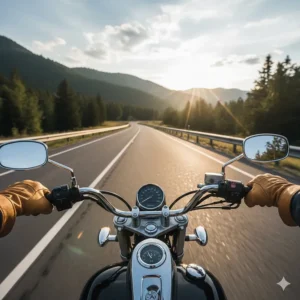
Getting the right fit makes the difference between comfortable rides and constant frustration. Leather mittens should fit snugly initially because leather stretches and conforms to your hands over time.
Measuring Your Hand
Wrap a flexible measuring tape around your dominant hand just below the knuckles (excluding the thumb). Note the circumference in inches. Measure from your wrist crease to the tip of your middle finger for length. Compare both measurements to manufacturer sizing charts.
Most brands follow these general guidelines:
- Small: 7-8 inches circumference
- Medium: 8-9 inches circumference
- Large: 9-10 inches circumference
- X-Large: 10-11 inches circumference
Fit Testing Guidelines
When trying mittens:
✅ You should be able to make a fist comfortably
✅ The tips shouldn’t extend more than 1/4 inch past your fingertips
✅ The wrist closure should seal completely without gaps
✅ You should feel slight resistance when bending fingers initially
❌ Don’t accept mittens where fingers bunch at the tips
❌ Don’t accept excessive material gathering in the palm
❌ Don’t accept loose wrists that let air infiltrate
Break-In Period Expectations
New leather mittens need 5-10 hours of wear to break in properly. During this period, the leather softens and conforms to your hand shape. Some stiffness is normal initially. You can speed break-in by:
- Wearing mittens while doing household tasks
- Applying leather conditioner (sparingly)
- Working the leather with your hands when not wearing them
- Avoiding getting them soaking wet during break-in
Maintenance and Care Tips
Proper care extends the life of your leather motorcycle mittens from one season to multiple years. I’ve had some pairs last over five winters with proper maintenance.
Cleaning Leather Properly
Never throw leather mittens in the washing machine. Hand cleaning is straightforward: Mix mild soap (like Ivory or saddle soap) with warm water. Use a soft cloth to gently clean the exterior, paying attention to salt stains from road treatments. Leather requires special care to maintain its durability and appearance, with regular cleaning and conditioning being essential. Wipe down with a clean damp cloth to remove soap residue. Air dry away from direct heat sources.
For removable liners, follow manufacturer instructions—most can be machine washed on gentle cycles. Always air dry liners completely before reinserting.
Conditioning and Waterproofing
Leather needs moisture to remain supple. Apply quality leather conditioner 2-3 times per season. Work conditioner into the leather using circular motions, then buff with a clean cloth. Popular products include:
- Lexol Leather Conditioner
- Sno-Seal (for waterproofing)
- Nikwax Waterproofing Wax
- Obenauf’s Heavy Duty LP
Waterproofing treatments should be reapplied after 20-30 hours of wet riding or at the start of each season.
Storage Recommendations
🏠 Off-Season Storage:
- Clean and condition thoroughly before storing
- Stuff mittens with newspaper to maintain shape
- Store in breathable cotton bags (not plastic)
- Keep in cool, dry location away from direct sunlight
- Avoid folding or compressing leather
Common Problems and Solutions
Cold Fingertips Despite Warm Palms
This frustrating issue often stems from mittens that are too large. Excess space at fingertips creates dead air that doesn’t warm. Solutions include:
- Sizing down if possible
- Adding thin liner gloves
- Using finger warmers in tips
- Checking for membrane damage allowing moisture infiltration
Grip Issues on Controls
If you’re struggling to feel or grip controls:
- Ensure proper sizing (too large reduces control)
- Consider mittens with textured palms
- Try different thickness options
- Add grip-enhancing products to controls
- Practice in safe environments before commuting
Moisture Buildup Inside
Sweaty hands inside waterproof mittens indicate poor breathability or damaged membranes. Address this by:
- Ensuring proper ventilation during rides
- Checking membrane integrity
- Using moisture-wicking liner gloves
- Allowing mittens to fully dry between uses
- Opening wrist closures periodically to vent
Price Ranges and Value Analysis
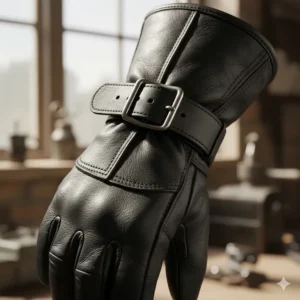
Understanding what you get at different price points helps make informed decisions without overspending or sacrificing essential features.
| Price Range | What You Get | Best For |
|---|---|---|
| $25-$40 | Basic handlebar mitts, entry-level leather, minimal insulation | Occasional riders, short commutes, mild winters |
| $40-$70 | Quality leather, good insulation (100-150g), basic waterproofing | Regular winter riders, moderate cold conditions |
| $70-$120 | Premium leather, advanced insulation, waterproof membranes, durability | Serious winter commuters, varied conditions |
| $120-$220 | Top-tier materials, expedition-grade insulation, modular systems | Adventure touring, extreme cold, professional use |
The sweet spot for most riders falls in the $40-$70 range, offering solid protection without premium pricing. Budget an extra $20-30 for quality waterproofing products and conditioners over the mittens’ lifetime.
When Premium Pricing Makes Sense
Invest in premium options if you:
- Ride regularly in temperatures below 15°F
- Take multi-day winter tours
- Face frequent wet weather
- Want mittens lasting 5+ seasons
- Require maximum protection for health/medical reasons
When Budget Options Work Fine
Save money with budget-friendly choices if you:
- Ride occasionally in winter
- Stick to shorter trips (under 30 minutes)
- Have access to alternative transportation during extreme cold
- Ride primarily in dry conditions
- Already own multiple hand protection options
Safety Considerations for Cold Weather Riding
While warm motorcycle mittens keep your hands comfortable, overall cold weather safety requires comprehensive preparation.
Hypothermia Awareness
Your hands often show first signs of dangerous core temperature drops. Warning signs include:
🚨 Loss of fine motor control
🚨 Hands turning white or blue
🚨 Numbness that doesn’t improve with movement
🚨 Confusion or disorientation
🚨 Uncontrollable shivering
If you experience these symptoms, stop riding immediately, seek shelter, and warm up gradually.
Visibility in Winter Conditions
Winter riding often means reduced visibility from shorter days, fog, and precipitation. Choose mittens with reflective elements or add reflective tape to improve your visibility to other drivers. Consider bright-colored options over all-black designs.
Emergency Preparedness
Always carry:
- Chemical hand warmers as backup
- Cell phone in accessible location
- Emergency contact information
- Basic first aid supplies
- Route plan shared with someone
According to the Motorcycle Safety Foundation, proper gear preparation significantly reduces winter riding risks.
Environmental Conditions Impact
Understanding how different weather affects leather mittens helps you choose appropriate options and use them effectively.
Rain and Wet Conditions
Leather is naturally somewhat water-resistant, but prolonged exposure saturates even treated leather. Waterproof membranes provide essential protection. After wet rides:
- Remove moisture immediately by wiping down
- Air dry at room temperature
- Never use direct heat (radiators, hair dryers)
- Re-waterproof before next ride
Snow and Ice
Snow poses less threat than rain because it’s easily brushed off before melting. However, road salt aggressively attacks leather. Always clean salt residue promptly. Consider over-mitt shells for particularly snowy rides.
Extreme Cold Performance
Below 0°F, some materials become brittle. Quality leather maintains flexibility, but insulation efficiency varies. G-Loft and high-grade Thinsulate perform best in extreme cold. Consider battery-heated liner gloves as supplements for rides below -10°F.

FAQ
❓ How do I know if leather motorcycle mittens will fit with my jacket?
❓ Can I use leather motorcycle mittens for activities besides riding?
❓ What's the warmest temperature I should wear insulated motorcycle mittens?
❓ How do I prevent my leather mittens from smelling after repeated use?
❓ Are handlebar-mounted mittens as safe as traditional worn mittens?
Conclusion
Leather motorcycle mittens represent one of the smartest investments you can make for extending your riding season. Whether you choose premium options like the Hestra Army Extreme Mitt for brutal cold expeditions, versatile mid-range picks like the Wells Lamont HydraHyde for everyday winter commuting, or budget-friendly solutions like handlebar mitts for short trips, you’re making a choice to keep riding when others retreat indoors.
Remember: the best leather motorcycle mittens are the ones you’ll actually wear. Don’t get seduced by features you don’t need or intimidated by options you can’t afford. Start with understanding your specific riding conditions, honestly assess your temperature tolerance, and choose accordingly. A $50 pair of mittens perfectly matched to your needs beats $200 mittens gathering dust because they’re overkill for your climate.
I’ve seen too many riders give up winter motorcycling because they didn’t have proper hand protection. Your hands control everything on a motorcycle—throttle, clutch, brakes, steering. When they’re cold, you’re not just uncomfortable; you’re unsafe. Quality mittens keep your hands functional, your controls responsive, and your rides enjoyable.
As winter approaches, don’t wait until you’re suffering through a cold ride to take action. Get fitted properly, break in your mittens before you desperately need them, and establish a maintenance routine that’ll keep them protecting you season after season. Your future self, riding comfortably on a crisp winter morning while others are stuck indoors, will thank you.
🎯 Take Action Now—Your Winter Rides Await!
🔥 Don’t let another winter pass watching your bike collect dust in the garage. Browse through the leather motorcycle mittens we’ve reviewed, check current pricing, read the latest customer reviews, and find your perfect cold-weather companion. Remember—every ride you miss is a memory you don’t make. Stay warm, stay safe, and keep riding! 🏍️❄️
Recommended for You
- Mens Leather Motorcycle Gloves: 7 Top Picks 2025
- 7 Best Motorcycle Gloves 2025: Expert Picks & Buying Guide
- 7 Best Women’s Heated Motorcycle Gloves 2025 Guide
Disclaimer: This article contains affiliate links. If you purchase products through these links, we may earn a small commission at no additional cost to you.
✨ Found this helpful? Share it with your friends! 💬🤗
