
In This Article
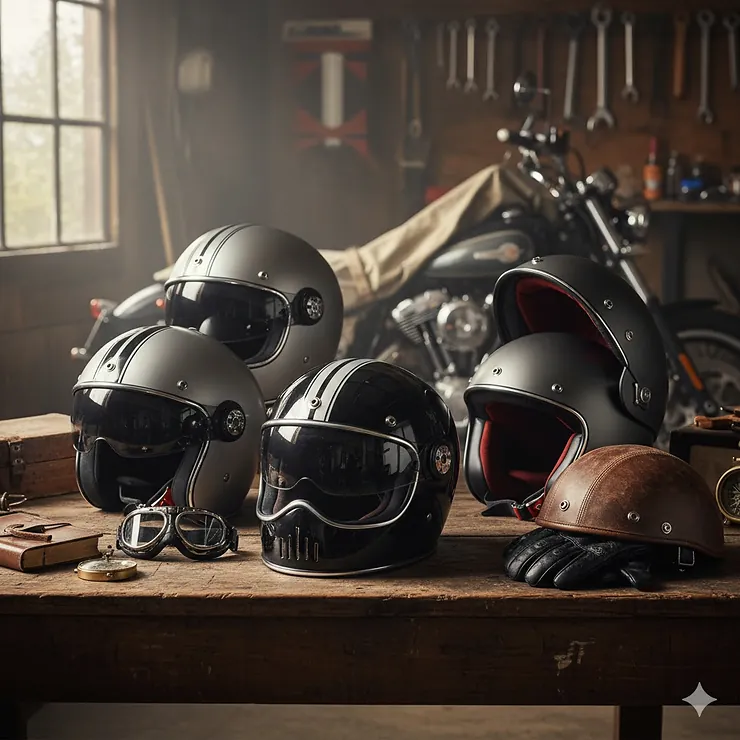
Picture this: you’re cruising down Route 66, wind in your face, engine rumbling beneath you—and your helmet? It’s not just protecting your noggin; it’s completing your whole vibe. Finding the right motorcycle cruiser helmets isn’t just about safety (though that’s huge). It’s about finding that perfect blend of protection, comfort, and classic style that makes every ride feel like freedom.
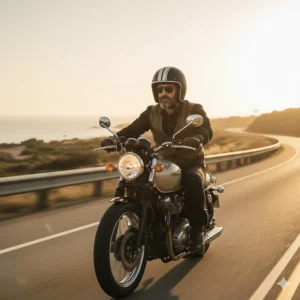
I’ve been riding for over a decade, and I can tell you that choosing motorcycle cruiser helmets is one of those decisions that genuinely impacts your riding experience. Whether you’re piloting a Harley-Davidson Road King or a Yamaha Bolt, the helmet you wear says something about who you are as a rider. But beyond aesthetics, you need something that’ll keep your head intact when Murphy’s Law decides to make an appearance.
✨Was this helpful? Spread the word! 🚀
The world of cruiser helmets for motorcycles has exploded in recent years. We’ve got retro open-face designs that channel Easy Rider nostalgia, full-face options with vintage styling, and everything in between. According to the National Highway Traffic Safety Administration, helmets reduce the risk of death by 37% and head injury by 69%—stats that should matter to every rider out there.
Quick Comparison Table
| Helmet Model | Style | Price Range | Safety Rating | Weight | Best For |
|---|---|---|---|---|---|
| Bell Custom 500 | 3/4 Open Face | $119-$180 | DOT | 2.41 lbs | Vintage enthusiasts |
| HJC IS-Cruiser | 1/2 Shell | $109-$120 | DOT | 2.44-2.64 lbs | Budget-conscious riders |
| Biltwell Gringo SV | Full Face | $200-$280 | DOT/ECE 22.06 | 3 lbs | Retro full-face fans |
| Scorpion EXO Covert | Convertible | $180-$270 | DOT | 2.95 lbs | Versatility seekers |
| ILM Model 726X | 3/4 Open Face | $60-$90 | DOT | 2.8 lbs | Entry-level riders |
| TORC T50 Route 66 | 3/4 Open Face | $80-$120 | DOT | 3.2 lbs | Classic cruiser style |
| Daytona Cruiser | 3/4 Shell | $90-$125 | DOT | 2.9 lbs | Slim-profile seekers |
💬 Just one click – help others make better buying decisions too!😊
🛍️ Ready to Ride Safer?
Explore these top-rated motorcycle cruiser helmets now! Each one has been carefully selected based on real rider reviews, safety certifications, and value for money. Click any helmet name to check current pricing and availability on Amazon. Your perfect helmet is just one click away! ⚡🏍️
Top 7 Motorcycle Cruiser Helmets: Expert Analysis
1. Bell Custom 500 — The Timeless Classic
When someone says “cruiser helmet,” the Bell Custom 500 is probably what pops into most riders’ heads. This iconic 3/4 open face helmet has been around since Bell’s first production run in 1954, and honestly, it still holds up.
The Custom 500 features a fiberglass composite shell across five different shell sizes, which means you’re not getting that dreaded bobblehead look. The oval design and low-profile fit give it that smaller, sleeker appearance that vintage bike enthusiasts absolutely love. Inside, you’ll find a quilted, contrast-stitched plush interior that actually feels premium—not like the scratchy padding in cheaper lids.
Pros:
✅ Five shell sizes for proper fit
✅ Lightweight at only 2.41 lbs
✅ DOT certified with solid protection
Cons:
❌ Runs small (size up recommended)
❌ Limited ventilation for hot weather
Price range sits between $119-$180 depending on the graphic design you choose. Customer reviews consistently praise the quality construction and authentic vintage aesthetic, though some riders note it can feel snug if you’re between sizes.
2. HJC IS-Cruiser — Budget-Friendly Performance
Don’t let the affordable price fool you—the HJC IS-Cruiser punches way above its weight class. This half-helmet combines advanced polycarbonate composite shell construction with HJC’s 50+ years of helmet manufacturing expertise.
What really sets this one apart is the integrated HJ-V4 sun shield system. One quick flip and you’ve got smoke-tinted protection sliding down to shield your eyes from glare. The Nylex interior is moisture-wicking and fully removable, which is clutch for those long summer rides when you’re sweating buckets.
Pros:
✅ Integrated retractable sun visor
✅ Excellent value at $109-$120
✅ Lightweight polycarbonate shell
Cons:
❌ Half-shell offers less protection than 3/4
❌ Basic features compared to premium options
Riders consistently rate this helmet 4.5+ stars, appreciating the no-nonsense design and comfortable all-day wear. It’s perfect for city commuting and casual weekend rides.

3. Biltwell Gringo SV — Retro Meets Modern Safety
The Biltwell Gringo SV is where vintage aesthetics shake hands with contemporary safety standards. This full-face helmet achieves both DOT and the new ECE 22.06 certification, which is a big deal in the helmet world.
Biltwell engineered this bad boy with an injection-molded ABS outer shell featuring front, side, and rear vent ports. The dual-density EPS liner does serious work when it comes to impact absorption. What I really dig is the CE-certified polycarbonate shield with anti-fog and anti-scratch treatments—no more pulling over to wipe down your visor every five minutes.
Pros:
✅ DOT and ECE 22.06 certified
✅ Three shell sizes for better fit
✅ Excellent ventilation system
Cons:
❌ Higher price point ($200-$280)
❌ Some riders find it warm in traffic
Customer feedback highlights the improved shield mechanism that eliminates rattle—a common complaint with older models. The fleece Lycra comfort liner gets specific praise for all-day comfort.
4. Scorpion EXO Covert — The Shape-Shifter
Here’s where things get interesting. The Scorpion EXO Covert earned a U.S. Design Patent for its innovative convertible design. Start with a half helmet, add the rear comfort sleeve for 3/4 coverage, then snap on the magnetic chin guard—boom, you’ve got three helmets in one.
The advanced polycarbonate shell keeps weight down to 2.95 lbs while maintaining strength. The EverClear SpeedView drop-down sun visor deploys with one hand, and you get both smoke-tinted and clear visors in the box.
Pros:
✅ Three helmet configurations in one
✅ Innovative magnetic attachment system
✅ Built-in drop-down sun visor
Cons:
❌ Can be noisy at highway speeds
❌ Magnetic chin guard occasionally loosens
Reviews mention this helmet’s “badass” look and versatility, though some note the ventilation could be better when fully configured.
5. ILM Open Face Model 726X — Best Bang for Your Buck
For riders just getting into the cruiser game, the ILM Model 726X offers incredible value. At $60-$90, you’re getting a DOT-approved helmet with features that used to cost twice as much.
This 3/4 open face design includes a drop-down sun visor, adjustable sun shield, and removable face mask. The ABS shell with high-density EPS liner provides solid impact protection, while the moisture-wicking removable liner keeps you comfortable.
Pros:
✅ Extremely affordable entry point
✅ Includes multiple visors and accessories
✅ Good ventilation system
Cons:
❌ Runs small (order size up)
❌ Build quality not premium-level
Customer reviews average 4.3+ stars, with riders praising it as an excellent starter helmet. Many mention using it for ATVing and casual weekend rides.
6. TORC T50 Route 66 — Classic American Cool
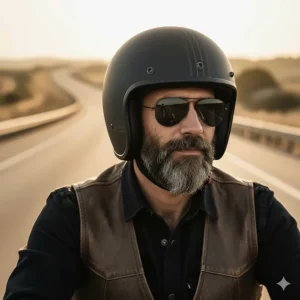
The TORC T50 Route 66 screams vintage Americana. This super-slim open-face design features classic retro paint schemes and custom graphics that look absolutely killer on bobbers, café racers, and classic Harleys.
The Route 66 liner uses “ultra suede”—a technical fabric that looks and feels like real leather while actually wicking moisture better than traditional materials. At 3.2 lbs, it’s slightly heavier than some competitors, but the throwback styling makes up for it.
Pros:
✅ Authentic vintage aesthetic
✅ Ultra-suede moisture-wicking liner
✅ Multiple graphic options
Cons:
❌ Limited protection compared to full-face
❌ Minimal ventilation
Riders love the retro look and build quality for the $80-$120 price range. Many reviewers specifically bought it to match their vintage or custom bikes.
7. Daytona Cruiser — The Slim-Line Champion
The Daytona Cruiser holds the title of smallest DOT-approved 3/4 shell helmet ever made. If you hate the “mushroom head” look, this is your helmet. The slim-line design hugs your head with a custom-formed interior that riders describe as “extreme comfort.”
Daytona’s moisture-wicking fabric keeps your head cooler during warm weather rides. The helmet includes a free head wrap, drawstring bag, and goggle strap—nice touches that add value to the $90-$125 price point.
Pros:
✅ Smallest DOT 3/4 shell available
✅ Eliminates bobblehead appearance
✅ Includes multiple accessories
Cons:
❌ Some riders find fit too snug
❌ Limited color options
Customer feedback emphasizes the comfortable fit and lightweight feel, though a few note it’s best for riders with more oval-shaped heads.
Understanding Motorcycle Cruiser Helmets
What Makes a Helmet “Cruiser-Style”?
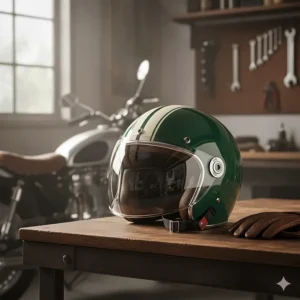
Cruiser style helmets prioritize classic aesthetics and open-air riding experience over full coverage. Unlike sport bike helmets with aggressive aerodynamics, these lids embrace vintage designs from motorcycling’s golden era. You’ll typically find three main types: half helmets (brain buckets), 3/4 open-face designs, and retro-styled full-face options.
The key difference? Cruiser helmets focus on comfort during relaxed riding positions and complement the laid-back cruiser aesthetic. They’re designed for riders who value style and airflow but still want DOT-certified protection. According to research from the Insurance Institute for Highway Safety, full-face helmets provide the best protection, but 3/4 designs offer a middle ground between safety and the open-air experience cruiser riders crave.
Safety Certifications You Need to Know
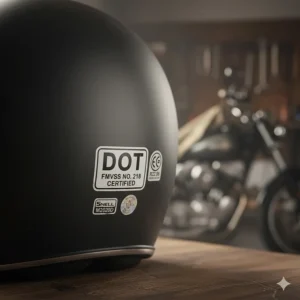
When shopping for motorcycle cruiser helmets, understanding safety ratings is crucial. The DOT (Department of Transportation) certification is the minimum legal standard in the United States. Every helmet sold here must meet FMVSS 218 standards for impact absorption, penetration resistance, and retention system strength.
Beyond DOT, you’ll encounter ECE 22.06 (European standard) and Snell certifications. ECE testing is often considered more rigorous than DOT, while Snell represents the gold standard. However, many excellent cruiser helmets carry only DOT certification due to cost—and that’s perfectly acceptable for most riding scenarios.
The bottom line? Never buy a helmet without DOT certification at minimum. Those novelty “skull caps” might look cool, but they won’t do squat in a crash.
How to Choose the Perfect Cruiser Helmet
Sizing and Fit Guidelines
Getting the right fit is absolutely critical—a helmet that’s too loose can come off in a crash, while one too tight creates pressure points and headaches. Here’s how to nail it:
Step 1: Measure your head circumference about one inch above your eyebrows using a soft measuring tape.
Step 2: Compare your measurement to the manufacturer’s size chart. Remember, sizes vary between brands.
Step 3: When trying on, the helmet should feel snug but not painful. Your cheeks should be slightly compressed.
Step 4: Do the twist test—with the strap fastened, try twisting the helmet side to side. It should move your skin, not slide over it.
Step 5: Wear it for 15-20 minutes. Quality padding will compress slightly, but the helmet shouldn’t create hot spots.
Pro tip: Many cruiser helmets, especially the Bell Custom 500 and ILM 726X, run small. Don’t be shy about sizing up if you’re between measurements.
Essential Features to Consider
Ventilation Systems
Cruiser riding often means lower speeds where airflow matters even more. Look for helmets with strategically placed vents that actually move air. The Biltwell Gringo SV excels here with front, side, and rear ports, while half-shells naturally provide maximum airflow.
Visor and Shield Options
Drop-down sun visors have become standard on better cruiser helmets for motorcycles. They’re game-changers for daytime riding, eliminating glare without carrying separate sunglasses. The HJC IS-Cruiser and Scorpion EXO Covert both feature integrated systems that work brilliantly.
Liner Comfort and Maintenance
Removable, washable liners are non-negotiable for me. After a long ride, you need to wash that sweaty padding. Moisture-wicking materials like those in the TORC T50 help keep you comfortable, but they still need regular cleaning.
Weight Considerations
Every ounce matters on long rides. Lightweight helmets reduce neck fatigue significantly. The Bell Custom 500 at 2.41 lbs feels almost weightless, while heavier options can cause discomfort after a few hours.
Helmet Styles for Different Cruiser Bikes
Half Helmets: Maximum Freedom
Half helmets (often called “brain buckets”) offer the absolute minimum coverage—basically just the top and back of your skull. They’re legal with DOT certification, popular with Harley riders, and provide unmatched airflow. However, they leave your face and chin completely exposed.
The Daytona Cruiser and similar half-shell designs work great for slow-speed cruising and short trips. But let’s be real—in a crash, your face has zero protection. I personally save these for parking lot riding and short neighborhood runs.
3/4 Open Face: The Sweet Spot
Three-quarter helmets protect the top, back, and sides of your head while leaving your face open. They’re the most popular choice among cruiser riders because they balance protection with that open-air feeling. You can easily wear sunglasses, and they pair perfectly with goggles for that classic look.
Models like the Bell Custom 500 and TORC T50 Route 66 represent this category’s best. You get decent protection, excellent visibility, and authentic vintage styling. Just remember—you’ll want a good face shield or goggles for highway speeds.
Full-Face Retro: Best of Both Worlds
Full-face helmets with retro styling give you maximum protection without sacrificing classic aesthetics. The Biltwell Gringo SV proves you can have vintage looks with modern safety standards. These helmets protect your entire head and face—crucial statistics show that 35% of helmet impacts occur on the chin area.
The trade-off? Less airflow and a slightly bulkier profile. But for riders who prioritize safety while maintaining cruiser style, they’re absolutely the way to go.
Materials and Construction Quality
Shell Materials Explained
Polycarbonate Shells
Most budget and mid-range motorcycle cruiser helmets use polycarbonate—a thermoplastic material that’s lightweight, affordable, and reasonably impact-resistant. The HJC IS-Cruiser and Scorpion EXO Covert both feature polycarbonate construction. It’s durable, won’t shatter, and keeps costs down.
Fiberglass Composite
Premium helmets like the Bell Custom 500 use fiberglass composite shells. These offer better impact distribution and tend to be lighter than polycarbonate at equivalent protection levels. They’re also more expensive to manufacture, which explains the higher price point.
ABS Plastic
ABS (Acrylonitrile Butadiene Styrene) is common in entry-level helmets. The ILM 726X and Biltwell Gringo SV use injection-molded ABS. It’s strong, lightweight, and cost-effective—perfect for riders who want solid protection without breaking the bank.
Impact-Absorbing Liners
The EPS (expanded polystyrene) liner does the heavy lifting in crash protection. When you impact something, this foam compresses and crumbles, absorbing energy that would otherwise reach your skull. Quality helmets use multi-density EPS—softer foam for minor impacts, denser material for serious crashes.
The Biltwell Gringo SV features dual-density EPS, while most other cruiser helmets use single-density. Either way, remember: after any impact, replace your helmet. That EPS is designed to crush once and only once.
Price Ranges and Value Analysis
| Price Tier | Price Range | What You Get | Best Examples |
|---|---|---|---|
| Budget | $60-$100 | Basic DOT protection, simple features | ILM 726X, TORC T50 |
| Mid-Range | $100-$180 | Better materials, integrated visors, improved comfort | HJC IS-Cruiser, Bell Custom 500, Daytona Cruiser |
| Premium | $180-$300 | Multiple certifications, advanced features, superior comfort | Biltwell Gringo SV, Scorpion EXO Covert |
Best Budget Options
For riders watching their wallets, the ILM Model 726X delivers shocking value at $60-$90. You’re getting DOT certification, removable liners, and even a drop-down sun visor—features that used to cost $150+. The TORC T50 Route 66 at $80-$120 offers similar value with arguably better styling.
Sure, you’re not getting ECE certification or premium materials. But for weekend warriors and new riders, these helmets provide legitimate protection at accessible prices.
Mid-Range Sweet Spots
This $100-$180 bracket represents the best value for most riders. The Bell Custom 500 and HJC IS-Cruiser both offer proven track records, quality construction, and features that matter. You’re paying for better materials, improved comfort systems, and brands with decades of helmet-making experience.
If I had to pick one helmet in this range, the Bell Custom 500 edges ahead due to its iconic status, five shell sizes, and fiberglass construction.
Premium Investment Pieces
Spending $200+ on a cruiser helmet gets you multi-certification, advanced safety features, and superior comfort. The Biltwell Gringo SV justifies its $200-$280 price tag with both DOT and ECE 22.06 ratings, three shell sizes, and thoughtful details like the anti-rattle shield mechanism.
The Scorpion EXO Covert offers unique versatility with its convertible design. For riders who want one helmet that adapts to different riding situations, the $180-$270 investment makes sense.
Maintenance and Care Tips
Cleaning Your Helmet Properly
Your helmet’s lifespan depends heavily on proper maintenance. Here’s my weekly routine:
Interior: Remove the liner and cheek pads (if removable). Hand wash in lukewarm water with mild soap—never harsh detergents. Air dry completely before reinstalling. For non-removable liners, use helmet-specific cleaning spray and a damp cloth.
Exterior: Wipe the shell with a microfiber cloth and warm water. For stubborn bugs, let wet paper towels sit on them for five minutes before wiping. Never use harsh chemicals or petroleum-based cleaners—they can damage the shell.
Shield/Visor: Clean with warm water and mild soap. Dry with a microfiber cloth to avoid scratches. Anti-fog coatings are delicate, so treat them gently.
Storage Best Practices
Store your motorcycle cruiser helmets in a cool, dry place away from direct sunlight. UV rays degrade the shell materials over time. Use a helmet bag to prevent dust accumulation and scratches. Never hang your helmet on your bike’s mirrors—it can deform the EPS liner.
Avoid leaving helmets in extreme temperatures. Your car’s trunk in summer can exceed 150°F, potentially damaging the adhesives and materials.
When to Replace Your Helmet
Replace your helmet immediately after any significant impact, even if there’s no visible damage. The EPS liner compresses during impact and won’t protect you a second time. Beyond crashes, replace helmets every 3-5 years regardless of condition. UV exposure, sweat, and normal wear all degrade materials over time.
Check the manufacturer’s date stamp (usually inside the helmet). Most helmet makers recommend replacement after five years from the manufacture date, not purchase date.
Common Mistakes to Avoid
Buying Based on Looks Alone
I get it—that gorgeous retro paint job or skull graphic calls to you. But a helmet that doesn’t fit properly won’t protect you, regardless of how cool it looks. Always prioritize fit and safety certification before aesthetics.
Ignoring the Break-In Period
New helmets feel tight—that’s normal. Quality padding compresses about 15-20% during the first few weeks. However, if a helmet causes pain or pressure points immediately, it’s probably the wrong size or shape for your head.
Skipping Safety Certifications
Those $30 “novelty helmets” on Amazon? They’re basically hard hats with motorcycle graphics. They might satisfy helmet laws in some states (barely), but they won’t protect your brain in a crash. Always verify DOT certification at minimum.
Forgetting About Noise
Highway wind noise can cause permanent hearing damage over time. Full-face helmets like the Biltwell Gringo SV offer better noise protection than open designs. Consider earplugs for long highway rides, regardless of helmet style.
Accessories to Enhance Your Helmet
Visors and Shields
Bubble shields give that classic 1970s look and provide more interior room for glasses wearers. Snap-on visors attach via 3-snap or 5-snap systems—check compatibility with your helmet. Tinted shields work great for sunny days, but keep a clear option for night riding.
The Bell Custom 500 features a 5-snap pattern compatible with numerous aftermarket shields. This versatility lets you customize your look and functionality.
Communication Systems
Modern Bluetooth systems have become standard for many riders. Look for helmets with speaker pockets—the Scorpion EXO Covert includes dedicated comm-ready speaker pockets. Budget around $100-$300 for quality systems from Sena or Cardo.
Installing Bluetooth in open-face helmets presents challenges, but it’s doable. The hardest part is getting clear audio at highway speeds without the chin bar to block wind noise.
Helmet Bags and Locks
A quality helmet bag protects your investment during storage and transport. Look for bags with ventilation to prevent moisture buildup. Helmet locks let you secure your lid to your bike when parked—because replacing a stolen $200 helmet sucks.
Real Rider Experiences and Feedback
Long-Distance Touring Perspectives
Touring riders emphasize comfort over everything else. The Bell Custom 500 consistently gets praise for all-day wearability, though riders note the lack of face protection becomes tiresome on 8+ hour days. Wind blast and bug impacts wear you down.
For serious touring on cruisers, many riders reluctantly admit that full-face retro options like the Biltwell Gringo SV offer superior comfort despite sacrificing some of that open-air feeling.
Urban Commuting Insights
City riders love the convenience of open-face designs. Quick on-and-off beats full-face helmets when you’re hitting multiple stops. The HJC IS-Cruiser gets specific mentions for its integrated sun visor—crucial for morning and evening commutes.
However, urban riders note that exhaust fumes and dust make face shields or masks practically mandatory. The ILM 726X includes a removable face mask that several commuters mention using daily.
Weekend Warrior Reviews
Casual riders who log a few hundred miles per year prioritize style and value. The TORC T50 Route 66 dominates this category with its authentic vintage looks and reasonable price. These riders typically accept less protection for better aesthetics and airflow.
Many weekend warriors own multiple helmets—a half-shell for short cruises and a full-face for longer trips or highway riding.
Legal Requirements and Regulations
DOT Standards Explained
The DOT FMVSS 218 standard mandates specific impact attenuation, penetration resistance, chin strap strength, and labeling requirements. Testing involves dropping helmets onto both flat and hemispherical anvils from specific heights.
However, DOT certification relies on manufacturer self-certification. The government spot-checks helmets but doesn’t pre-approve them like ECE or Snell standards. This means quality varies more among DOT-only helmets.
State Helmet Laws
Helmet laws vary wildly by state. Illinois, Iowa, and New Hampshire have no helmet requirements at all. Most states require helmets for riders under 18-21, while some mandate helmets for all riders regardless of age.
Even in states without helmet laws, insurance companies often reduce payouts for unhelmeted crash victims. Your health insurance might also limit coverage. Bottom line: wear a helmet regardless of legal requirements.
International Standards
If you ride internationally or want maximum protection, look for ECE 22.06 certification. The Biltwell Gringo SV carries both DOT and ECE ratings. European testing is generally more rigorous, testing more impact points and requiring stricter performance thresholds.
Snell certification represents the highest standard but is less common on cruiser helmets due to testing costs and the stricter requirements that sometimes conflict with vintage aesthetics.
Conclusion: Making Your Final Decision
Choosing among motorcycle cruiser helmets ultimately comes down to balancing protection, comfort, style, and budget. If I had to make one recommendation for most riders, the Bell Custom 500 offers the best combination of classic looks, proven protection, and reasonable pricing. Its five shell sizes mean better fit options, and that fiberglass composite shell provides quality that’ll last years.
For budget-conscious riders, you can’t beat the ILM Model 726X at $60-$90. It’s not perfect, but it delivers legitimate DOT protection and surprising features for the price. New riders should absolutely start here before investing in premium options.
Safety-minded riders who still want cruiser aesthetics should seriously consider the Biltwell Gringo SV. Yes, it’s more expensive, but dual certification and full-face protection justify the investment. Your brain is worth it.
Whatever you choose, remember that the best helmet is the one you’ll actually wear consistently. A $60 DOT helmet worn every ride beats a $300 premium helmet that stays home because it’s too hot or uncomfortable. Prioritize fit, ensure proper safety certification, and choose a style that makes you want to ride.
🚀 Your Perfect Ride Awaits!
Don’t settle for less than the best protection and style! Click on any of the helmets featured above to check current prices, read more customer reviews, and make your purchase. Your next adventure is calling—answer it with confidence in a quality helmet that fits your style and keeps you safe! 🏍️💨
FAQs
❓ Can I use a cruiser helmet for sport riding?
❓ How tight should a motorcycle cruiser helmet fit?
❓ Are expensive cruiser helmets worth the extra money?
❓ What's the lifespan of a cruiser motorcycle helmet?
❓ Do I need a full-face helmet for cruiser riding?
Recommended for You
- Low Profile Motorcycle Helmet: 7 Best Picks 2025
- Baseball Hat Motorcycle Helmet: 7 Shocking Picks for 2025
- Vintage Style Motorcycle Helmet: 7 Best Retro Picks 2025
Disclaimer: This article contains affiliate links. If you purchase products through these links, we may earn a small commission at no additional cost to you.
✨ Found this helpful? Share it with your friends! 💬🤗
