
In This Article
✨Was this helpful? Spread the word! 🚀
Ever felt like you’re wearing a bowling ball on your head while cruising down the highway? Yeah, I’ve been there. Traditional motorcycle helmets, while protective, can feel bulky and heavy—especially during those long summer rides when you just want to feel the wind and freedom of the open road. That’s where a low profile motorcycle helmet comes in, and trust me, once you go low profile, you never go back.
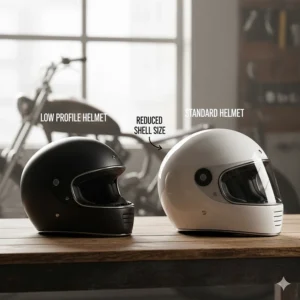
A low profile motorcycle helmet offers the perfect compromise between safety and minimalism. These helmets sit closer to your head, eliminating that dreaded “mushroom head” look while still meeting DOT FMVSS No. 218 safety standards. Whether you’re riding a cruiser, chopper, or touring bike, these sleek helmets provide essential protection without the bulk. They typically weigh between 1-3 pounds compared to the 3-4 pounds of full-face helmets, making them ideal for riders who value comfort on longer trips.
But here’s the thing—not all low profile helmets are created equal. Some barely meet safety standards while others sacrifice comfort for aesthetics. In 2025, the market is flooded with options ranging from budget-friendly beanie-style helmets to premium modular designs with advanced features. The key is finding one that matches your riding style, head shape, and safety requirements. Throughout this guide, I’ll walk you through everything you need to know about these minimalist marvels, from safety certifications to the best products currently dominating Amazon’s bestseller list.
Quick Comparison Table
| Helmet Model | Type | Weight | Price Range | Key Feature | Rating |
|---|---|---|---|---|---|
| Bell Rogue | 3/4 Modular | 3.03 lbs | $200-$280 | Removable muzzle | 4.3/5 |
| Scorpion Covert X | 3-in-1 Convertible | 2.8 lbs | $220-$350 | Ultra-TCT composite | 4.6/5 |
| ILM Half Helmet 883V | Half Shell | 2.07 lbs | $40-$70 | Quick release visor | 4.2/5 |
| Daytona Skull Cap | Beanie Style | 1.5 lbs | $80-$120 | Ultra-low profile | 4.4/5 |
| HJC IS-Cruiser | Half Shell | 2.2 lbs | $85-$135 | Integrated sun shield | 4.5/5 |
| Koliyn Beanie | Skull Cap | 1.8 lbs | $35-$55 | ABS shell | 4.0/5 |
| EMUR German Style | Half Helmet | 1.0 lbs | $30-$50 | Ultra-thin design | 3.9/5 |
💬 Just one click – help others make better buying decisions too!😊
🛒 Ready to Upgrade Your Ride?
✨ These carefully selected helmets combine safety, style, and comfort. Click on any highlighted product to check current Amazon pricing and customer reviews. Your perfect helmet is just one click away! 🏍️
Top 7 Low Profile Motorcycle Helmet: Expert Analysis
1. Bell Rogue – The Street Fighter’s Choice
The Bell Rogue isn’t your ordinary low profile motorcycle helmet—it’s a game-changer for riders who want versatility without compromise. This aggressive-looking helmet features a unique modular design with a removable muzzle that transforms it from a 3/4 helmet into something that looks straight out of a dystopian movie.
Key Specifications:
- Fiberglass composite shell for lightweight durability
- DOT FMVSS 218 certified
- Removable/washable Nylex interior
- Weight: 3.03 pounds
- Five-year manufacturer warranty
Customers consistently praise the Rogue’s unique aesthetic and practical functionality. “It’s like having two helmets in one,” one verified buyer noted. The adjustable muzzle provides protection from road debris and weather while the open-face design offers excellent ventilation. However, some users with larger head sizes mentioned the muzzle straps needed extension.
Pros:
✅ Versatile 2-in-1 design
✅ Excellent ventilation system
✅ Premium build quality with composite shell
Cons:
❌ Heavier than pure beanie helmets
❌ Muzzle may require strap adjustments for larger heads
Price Range: $200-$280
Best For: Urban riders and those seeking aggressive styling with modular flexibility
2. Scorpion Covert X – The Ultimate Transformer
If the Bell Rogue impressed you, wait until you meet the Scorpion Covert X. This revolutionary low profile motorcycle helmet takes versatility to the next level with its 3-in-1 configuration: full mode, 3/4 mode, and 1/2 mode. It’s basically the Swiss Army knife of motorcycle helmets.
Key Specifications:
- Multi-layered TCT-Ultra composite shell (fiberglass, aramid, poly-resin)
- Advanced multi-layer EPS for superior energy absorption
- EverClear SpeedView drop-down sun visor
- Bluetooth-ready speaker pockets
- Weight: Approximately 2.8 pounds
The Scorpion Covert X features injection-molded polycarbonate masks with neodymium magnets for quick attachment/removal. Riders love the integrated cold weather ear covers and the KwikWick III moisture-wicking interior that keeps them comfortable in various conditions. One customer shared: “The ability to switch between configurations mid-ride is incredible—half helmet for city cruising, full mode for highway speeds.”
Pros:
✅ Three distinct riding configurations
✅ Premium composite construction
✅ Bluetooth communication ready
Cons:
❌ Higher price point
❌ More complex than traditional helmets
Price Range: $220-$350
Best For: Long-distance tourers and riders who want maximum adaptability
3. ILM Half Helmet 883V – The Budget Champion
Don’t let the affordable price fool you—the ILM Half Helmet 883V delivers impressive value for riders seeking a reliable low profile motorcycle helmet without breaking the bank. This classic half-shell design proves you don’t need to spend hundreds for DOT-approved protection.
Key Specifications:
- Quality ABS shell with high-density EPS foam
- DOT FMVSS No. 218 certified
- Detachable integrated sun visor
- Quick-release metal buckle
- Weight: 2.07 pounds
ILM has built a reputation for producing affordable yet reliable helmets, and the 883V continues that tradition. The detachable sun visor works effectively for most riders, though some taller individuals note it doesn’t drop quite far enough. The quick-release buckle makes donning and removing the helmet a breeze. Customer feedback highlights the excellent value: “For under $70, this helmet punches way above its weight class.”
Pros:
✅ Exceptional value for money
✅ Lightweight and portable
✅ Simple, functional design
Cons:
❌ Basic foam padding compared to premium options
❌ Visor positioning may not suit all face shapes
Price Range: $40-$70
Best For: Budget-conscious riders, beginners, or those wanting a backup helmet
4. Daytona Skull Cap – The Minimalist’s Dream
The Daytona Skull Cap represents the pinnacle of low profile motorcycle helmet design. Recognized as one of the smallest DOT-approved half-shell helmets available, it eliminates up to 60% of the bulk found in competitor models while maintaining full safety certification.
Key Specifications:
- Ultra-compact DOT FMVSS 218 certified design
- Sleek contoured shell
- Nylon Y-strap retention with sliding adjuster
- Quick-release lock mechanism
- Weight: Approximately 1.5 pounds
Daytona Helmets manufactures directly, cutting out middlemen and passing savings to consumers. Their skull cap features a custom-formed interior for extreme comfort and a slim-line design that truly hugs your head. Riders rave about finally escaping the “mushroom head” curse. One satisfied customer stated: “After years of feeling ridiculous in bulky helmets, the Daytona fits like it was made for my head.” The quick-release system allows one-finger operation for convenience without sacrificing security.
Pros:
✅ Extremely lightweight and low profile
✅ Direct manufacturer pricing
✅ Eliminates mushroom head appearance
Cons:
❌ Minimal coverage compared to 3/4 helmets
❌ No integrated sun visor
Price Range: $80-$120
Best For: Cruiser riders prioritizing style and minimal weight
5. HJC IS-Cruiser – The Comfort King
HJC brings decades of helmet-making expertise to the table with the HJC IS-Cruiser, a low profile motorcycle helmet that balances protection, comfort, and practicality. This South Korean manufacturer has perfected the art of creating helmets that simply work—no gimmicks, just solid engineering.
Key Specifications:
- Advanced polycarbonate composite shell
- DOT FMVSS 218 approved
- Integrated smoke-tinted sun shield (HJ-V4 system)
- Removable/washable Nylex interior
- Weight: 2.2 pounds
The IS-Cruiser’s standout feature is its integrated sun shield that deploys and retracts smoothly to three positions. This eliminates the need for separate sunglasses or goggles. The advanced channeling ventilation system keeps air flowing, making this helmet surprisingly cool even in hot weather. Customer reviews consistently mention the comfortable fit and easy chin strap operation. One reviewer perfectly captured its appeal: “My wife wanted something she could wear with her regular glasses—this was perfect. Happy wife, happy life!”
Pros:
✅ Excellent ventilation system
✅ Integrated sun shield convenience
✅ Accommodates eyeglasses
Cons:
❌ Intermediate oval shape may not fit all head types
❌ Larger profile than beanie-style options
Price Range: $85-$135
Best For: Riders seeking reliable comfort and practical features
6. Koliyn Beanie Helmet – The Lightweight Contender
The Koliyn Beanie Helmet enters the low profile motorcycle helmet arena as a solid mid-range option that delivers DOT certification at an accessible price point. It’s designed for riders who want more protection than novelty helmets offer but prefer the minimalist aesthetic of beanie-style designs.
Key Specifications:
- ABS material construction
- DOT FMVSS No. 218 certified
- Multi-density EPS liner
- Fully vented design
- Weight: Approximately 1.8 pounds
Koliyn emphasizes their ultra-low profile design that sits low and snug on your head, addressing the common complaint of helmets that feel top-heavy. The multi-density liner helps absorb impact effectively while remaining comfortable during extended rides. First-time buyers should note that these helmets fit quite snug initially but relax and mold to your head shape after several rides. The manufacturer recommends using the helmet for three years maximum to ensure optimal protection.
Pros:
✅ True beanie-style low profile
✅ Affordable DOT certification
✅ Fully vented for cooling
Cons:
❌ Very snug initial fit
❌ Limited color options
Price Range: $35-$55
Best For: Riders wanting ultra-low profile with DOT approval on a budget
7. EMUR German Style Helmet – The Featherweight
Rounding out our list is the EMUR German Style Helmet, the lightest option in our low profile motorcycle helmet roundup. Weighing just one pound, this ultra-thin helmet appeals to riders who prioritize absolute minimum weight while maintaining DOT certification.
Key Specifications:
- High-quality ABS material with EPS cushioning
- DOT approved
- Mesh structure breathable lining
- Multi-section safety buckle
- Weight: Approximately 1.0 pound (450 grams)
The EMUR helmet features a designer-crafted shape that follows the natural curve of the human head for comfortable wear. The mesh lining provides breathability and sweat-absorption capabilities, making it ideal for spring and summer riding. At under a pound, it’s barely noticeable on your head—a blessing on long rides. However, this minimal weight comes with trade-offs in protection coverage. As one honest reviewer noted: “It’s DOT approved and comfortable, but remember you’re sacrificing coverage for that featherweight feel.”
Pros:
✅ Ultra-lightweight at just 1 pound
✅ Excellent breathability
✅ Very affordable
Cons:
❌ Minimal protection coverage
❌ Basic construction compared to premium options
Price Range: $30-$50
Best For: Fair-weather cruising and riders prioritizing absolute minimum weight
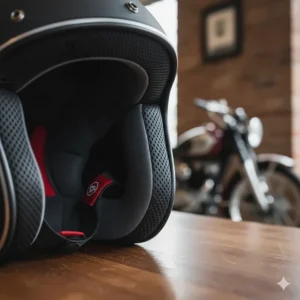
Understanding Low Profile Motorcycle Helmet Safety Standards
Look, I get it—when you’re shopping for a low profile motorcycle helmet, you want something that looks cool and feels comfortable. But here’s the truth: safety comes first, always. Understanding helmet safety standards isn’t just regulatory jargon; it’s literally the difference between walking away from a crash and ending up in an emergency room.
DOT FMVSS No. 218: Your Baseline Protection
Every motorcycle helmet sold in the United States must meet the Department of Transportation’s Federal Motor Vehicle Safety Standard (FMVSS) No. 218. Established in 1974, this standard sets minimum performance requirements for impact absorption, penetration resistance, and retention system strength. According to the National Highway Traffic Safety Administration, DOT testing involves dropping helmets from specific heights onto both flat and hemispherical anvils while measuring the force transmitted to the headform inside.
Here’s what riders need to understand about DOT certification: it operates on a self-certification basis. Manufacturers test their own helmets and certify they meet standards. The NHTSA then randomly tests about 40 helmet models annually to verify compliance. If a helmet fails, it gets recalled and the manufacturer faces penalties. While critics argue DOT standards aren’t as rigorous as European ECE or Snell certifications, they still provide essential baseline protection.
The Reality of “Ultra-Low Profile” Claims
Be suspicious of marketing terms like “thinnest helmet available” or “lightest weight helmet.” The DOT standard requires helmets to have at least one inch of EPS foam for impact absorption. Helmets meeting this requirement typically weigh around 3 pounds for full-face designs and 1.5-2.5 pounds for half helmets. If a helmet weighs significantly less or feels paper-thin, it might be a dangerous “novelty helmet” with fake DOT stickers—yes, those exist and they’re completely illegal.
Unsafe helmets often feature:
- Less than 1 inch of foam liner thickness
- Plastic buckles instead of sturdy metal fasteners
- Suspiciously low weight (under 1 pound for anything larger than a beanie)
- Decorative spikes or extensions beyond 0.2 inches from the helmet surface
Advanced Certifications: ECE 22.06 and Snell
While DOT approval is mandatory in the US, some premium low profile motorcycle helmets also carry European ECE 22.06 or Snell M2025 certifications. The ECE 22.06 standard, introduced in 2024, includes oblique impact testing at 45-degree angles to assess rotational force management—something DOT doesn’t test. Snell Memorial Foundation standards are even more rigorous, often exceeding both DOT and ECE requirements with additional high-velocity impact tests.
However, here’s an important consideration: achieving these higher certifications often requires additional foam thickness and reinforcement, which can conflict with the ultra-low profile aesthetic many riders seek. This is why most beanie-style and skull cap helmets stick with DOT certification alone—it’s the sweet spot between legal protection and minimal design.
How to Choose the Perfect Low Profile Motorcycle Helmet
Selecting the right low profile motorcycle helmet isn’t as simple as picking the coolest-looking option on Amazon. Trust me, I learned this the hard way after ordering three different helmets before finding my perfect match. Here’s how to avoid my mistakes and nail it on your first try.
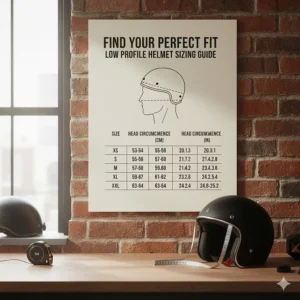
Step 1: Measure Your Head Correctly
Grab a soft measuring tape and wrap it around your head about one inch above your eyebrows, ensuring it’s level all the way around. This measurement in centimeters determines your helmet size. Most manufacturers use this sizing:
- Small: 55-56cm
- Medium: 57-58cm
- Large: 59-60cm
- X-Large: 61-62cm
- XX-Large: 63cm+
Pro tip: Measure at the end of the day when your head is slightly swollen from activity. Helmets should fit snugly but not painfully tight. Remember, most helmets feel uncomfortably snug when brand new but break in after several rides as the liner molds to your head shape.
Step 2: Determine Your Head Shape
Most people don’t realize heads come in three basic shapes: round oval, intermediate oval (most common), and long oval. Helmet manufacturers design shells for specific shapes, which is why a helmet your buddy loves might feel terrible on you. The Motorcycle Safety Foundation recommends trying on multiple brands because each tends to cater to different head shapes. HJC typically fits intermediate oval heads well, while brands like Arai often accommodate rounder heads.
Step 3: Consider Your Riding Style
Your riding style dramatically impacts which low profile motorcycle helmet works best:
Cruiser/Chopper Riders: Beanie-style or skull cap helmets (Daytona, EMUR, Koliyn) offer minimal weight and maximum wind feel. Perfect for relaxed cruising at moderate speeds.
Urban Commuters: Half-shell helmets with integrated sun visors (HJC IS-Cruiser, ILM 883V) provide practical protection and convenience for stop-and-go traffic.
Long-Distance Tourers: Modular options (Bell Rogue, Scorpion Covert X) deliver versatility for varying weather and speed conditions during extended rides.
Sport/Aggressive Riders: Even within the low profile category, lean toward 3/4 coverage designs that offer more protection at higher speeds.
Step 4: Assess Your Budget Realistically
Here’s where I’ll be straight with you: you get what you pay for, but expensive doesn’t always mean better. Budget $30-$70 for entry-level DOT-approved options (ILM, EMUR, Koliyn), $80-$150 for quality mid-range helmets (HJC, Daytona), and $200-$350 for premium features and construction (Bell, Scorpion). Factor in that a helmet should be replaced every 3-5 years or immediately after any impact.
Step 5: Check for Essential Features
Before clicking “add to cart,” verify these must-haves:
- Visible DOT certification sticker on the back
- Removable, washable liner for hygiene
- Secure retention system (metal buckles preferred)
- Adequate ventilation for your climate
- Comfortable cheek pads and interior contact points
Optional features worth considering include integrated sun visors, Bluetooth speaker pockets, quick-release systems, and modular configurations. Each adds cost but might prove invaluable based on your needs.
Step 6: Read Recent Customer Reviews
Amazon reviews tell the real story. Look for verified purchase reviews from the past 6-12 months. Pay attention to comments about sizing accuracy, quality control issues, and long-term durability. Don’t just read five-star reviews—three and four-star reviews often provide the most balanced perspectives.
Step 7: Understand the Break-In Period
New helmets almost always feel too tight initially. This is normal and necessary—helmets that feel perfectly comfortable in the store often become too loose after break-in. Expect 3-5 rides before a helmet truly conforms to your head. During this period, you might experience pressure points or a “vice-like” feeling. If pain persists beyond a week of regular wear, the helmet probably doesn’t match your head shape.
Low Profile Motorcycle Helmet vs Full Face Helmet
The eternal debate among riders: should you rock a low profile motorcycle helmet or stick with a traditional full-face design? I’ve owned both, and honestly, the answer depends entirely on your priorities. Let me break down the real differences beyond just appearance.
Protection Coverage Comparison
| Feature | Low Profile Helmet | Full Face Helmet |
|---|---|---|
| Head Top Protection | ✅ Full | ✅ Full |
| Back of Head | ✅ Full | ✅ Full |
| Chin Protection | ❌ None to Minimal | ✅ Complete |
| Face Protection | ❌ None | ✅ Complete |
| Impact Rating | DOT Approved | DOT + ECE/Snell Often |
| Accident Coverage | ~40-50% of head | ~90-95% of head |
Here’s the uncomfortable truth: according to research from the University of Southern California’s Head Protection Research Laboratory, approximately 35% of motorcycle crash impacts occur in the chin bar area. Full-face helmets protect this vulnerable zone; low profile helmets don’t. However, half helmets still reduce fatal injury risk by approximately 37% compared to riding without a helmet at all.
Comfort and Convenience Factors
Low profile helmets win hands-down for:
- Weight: 1-3 pounds versus 3-4+ pounds for full-face
- Ventilation: Maximum airflow and feeling of freedom
- Field of Vision: Unobstructed peripheral vision
- Communication: Easy conversation at stops without removing helmet
- Storage: Compact size fits under seats or in saddlebags
- Claustrophobia: No confined feeling around face and chin
Full-face helmets excel at:
- Weather Protection: Complete shield from rain, wind, cold, and debris
- Noise Reduction: Significantly quieter at highway speeds
- Bug/Debris Protection: Nothing hits your face
- Visor Systems: Integrated face shields for varying light conditions
- Safety Maximization: Best possible protection in all impact scenarios
Real-World Usage Scenarios
I choose my low profile motorcycle helmet for:
- Short local rides under 30 minutes
- Cruising back roads at moderate speeds (under 50 mph)
- Hot summer days when ventilation is paramount
- Quick errands where convenience matters
- Riding with groups where communication is important
I switch to my full-face for:
- Highway riding above 55 mph
- Long-distance touring
- Cold or rainy weather
- Unknown road conditions with debris risk
- Night riding when bugs are swarming
The Cost-Benefit Analysis
Budget-wise, low profile motorcycle helmets offer better value entry points ($30-$150 for quality options) compared to full-face helmets ($150-$600+ for comparable quality). However, consider this: if you ride frequently in varied conditions, you’ll likely end up owning both types anyway. Many experienced riders maintain a small arsenal of helmets for different riding scenarios.
The real question isn’t which is “better”—it’s which suits your specific riding style and risk tolerance. I won’t judge you for choosing a low profile helmet, but I will strongly encourage you to honestly assess where and how you ride before making that decision. Your brain can’t be replaced, but your helmet can be upgraded anytime.
Benefits of Using a Low Profile Motorcycle Helmet
Let’s talk about why thousands of riders are ditching their bulky helmets for sleeker low profile alternatives. Beyond just looking cooler (which, let’s be honest, totally matters), these minimalist helmets offer legitimate advantages that might surprise you.
Reduced Neck Strain and Fatigue
Here’s something most riders don’t consider until they’ve done a 6-hour ride: helmet weight matters. A lot. Traditional full-face helmets weighing 3.5-4+ pounds create constant downward pressure on your neck muscles. Over time, this leads to soreness, stiffness, and that dreaded “helmet headache.” Low profile motorcycle helmets typically weigh 1-3 pounds, reducing neck strain by 30-60%. The difference might not seem dramatic at first, but after several hours on the road, your neck will thank you profusely.
I remember my first long ride with a Daytona Skull Cap after years of wearing a heavy full-face. The next day, I woke up without my usual neck stiffness—it was genuinely life-changing for my touring comfort.
Enhanced Sensory Experience
There’s a reason cruiser and chopper enthusiasts gravitate toward low profile helmets: the sensory connection to your ride. You feel the wind, smell the environment, hear your engine’s rumble more clearly, and maintain better spatial awareness. For many riders, this enhanced connection represents the essence of motorcycling. You’re not isolated in a bubble; you’re part of the experience.
As one long-time rider told me: “If I wanted to be sealed off from the world, I’d drive a car.” That statement resonates with the low profile helmet philosophy—protection with presence.
Improved Social Interaction
Stopping for coffee? Chatting with fellow riders at a light? Having a conversation with your passenger? Low profile helmets make social interaction infinitely easier. No more shouting through closed face shields or removing your helmet for every brief exchange. You can smile, talk normally, and interact naturally while still wearing protection. This might seem trivial, but it significantly improves the overall riding experience, especially on group rides where communication matters.
Storage and Portability Advantages
Full-face helmets are notoriously difficult to store when not on your head. They don’t fit in saddlebags, they roll around on tables, and carrying them around becomes a hassle. Low profile motorcycle helmets, particularly beanie and skull cap styles, can slip into backpacks, fit under bike seats, or hang easily from handlebars. For riders with limited storage or those who frequently stop at destinations where helmet security is a concern, this convenience factor shouldn’t be underestimated.
Temperature Regulation Excellence
Anyone who’s ridden in 90°F+ heat with a full-face helmet knows the sauna-like misery. Low profile helmets offer superior ventilation through their open design, allowing heat to dissipate naturally. You’re not trapped in a sweatbox, and there’s no visor fogging to deal with. The trade-off? Less protection from cold weather and rain. But for riders in warm climates or fair-weather enthusiasts, this is a massive benefit.
Cost Efficiency Without Compromising Safety
Quality DOT-approved low profile motorcycle helmets cost significantly less than comparable full-face options. You can find excellent half helmets for $40-$150 versus $200-$600 for premium full-face models. This affordability allows riders to own multiple helmets for different occasions or replace helmets more frequently without financial strain. Additionally, lower weight means less material, which paradoxically can result in better value—you’re not paying for excess bulk you don’t want.
Style Versatility and Personal Expression
Low profile helmets offer incredible style variety—from classic beanie aesthetics to aggressive street-fighter looks with modular muzzles. They complement cruiser and chopper designs better than bulky full-face helmets, maintaining the clean lines and attitude of your bike. Many riders appreciate that low profile helmets don’t hide their face or dominate their appearance; they enhance rather than obscure.
Common Mistakes When Buying a Low Profile Motorcycle Helmet
I’ve made plenty of helmet-buying mistakes over the years, and I’ve watched countless other riders make the same errors. Learn from our collective failures so you don’t waste money or compromise your safety.
Mistake #1: Assuming All DOT Stickers Are Legitimate
The harsh reality is that fake DOT stickers flood the market, particularly on ultra-cheap “novelty helmets” that provide zero protection. These dangerous imposters might look like real low profile motorcycle helmets, but they’re essentially decorative skull caps with bogus certifications. The NHTSA reports that dozens of models fail compliance testing annually despite bearing DOT labels.
How to avoid it: Purchase from reputable sellers (Amazon, RevZilla, Cycle Gear) rather than random eBay listings or unknown websites. Check for the manufacturer’s DOT label on the inside of the helmet that includes the manufacturer name, model designation, and “DOT” marking. Legitimate helmets have thick foam liners (at least 1 inch) and sturdy chin straps with solid rivets—not flimsy plastic buckles.
Mistake #2: Ordering Based on Hat Size
I can’t tell you how many times I’ve heard: “I wear a large in baseball caps, so I ordered a large helmet.” Motorcycle helmet sizing bears zero relationship to regular hat sizing. Helmet manufacturers use head circumference in centimeters, and sizing varies between brands. A medium in one brand might fit like a large in another.
How to avoid it: Always measure your head circumference with a soft tape measure about one inch above your eyebrows. Compare your measurement to the manufacturer’s specific size chart—not generic sizing. When between sizes, order the smaller one as helmets break in and loosen over time.
Mistake #3: Prioritizing Style Over Fit
That custom-painted low profile motorcycle helmet looks amazing…but if it doesn’t fit your head shape properly, it’s worthless. Helmets that don’t match your head shape create pressure points, cause headaches, and won’t stay properly positioned during impacts. Looking cool doesn’t matter if you’re uncomfortable or inadequately protected.
How to avoid it: Identify your head shape (round oval, intermediate oval, or long oval) before shopping. Research which brands fit your shape best. Be willing to choose a less stylish helmet that fits perfectly over a gorgeous one that doesn’t. Remember: proper fit determines both comfort and safety effectiveness.
Mistake #4: Ignoring the Break-In Period
New helmets should feel uncomfortably snug—almost too tight. Many riders panic and return perfectly good helmets because they don’t understand the break-in process. The interior padding compresses and molds to your head shape over 3-5 rides. A helmet that feels comfortable immediately in the store will become dangerously loose after break-in.
How to avoid it: Expect initial snugness. Your cheeks should be slightly compressed, the helmet should pull slightly on your skin when you twist it, and you shouldn’t be able to fit more than one finger between the strap and your chin. Give the helmet at least 5 rides before judging fit. If you experience genuine pain (not just pressure) after a week, then consider exchanging it.
Mistake #5: Falling for “Lightest” or “Thinnest” Marketing Claims
Advertisements screaming “world’s lightest helmet!” or “thinnest profile available!” are red flags. DOT standards require minimum foam thickness for impact absorption. Helmets dramatically lighter or thinner than competitors might be cutting corners on safety—literally cutting away protective material.
How to avoid it: Be skeptical of extreme claims. Quality half helmets weigh 1.5-3 pounds; beanie-style caps weigh 1-2 pounds. If a helmet weighs significantly less, question its legitimacy. Focus on certifications and construction materials rather than marketing superlatives.
Mistake #6: Neglecting Ventilation Needs
You live in Phoenix, Arizona, where summer temperatures routinely hit 110°F. Why would you order a low profile motorcycle helmet with minimal ventilation? Many riders fail to consider their climate and typical riding conditions when selecting helmets, leading to unbearably hot (or cold) riding experiences.
How to avoid it: Match helmet features to your environment. Hot climates demand maximum ventilation—look for open-face designs with minimal padding. Cold climates benefit from fuller coverage and removable weather liners. Rainy regions need helmets that won’t channel water onto your face.
Mistake #7: Buying Based Solely on Amazon’s “Best Seller” Badge
Amazon’s bestseller badges indicate sales volume, not necessarily quality or suitability for your needs. The most popular helmet might be cheap and adequate for casual riders, but completely inappropriate for your touring style or head shape.
How to avoid it: Use bestseller lists as starting points for research, not purchase decisions. Read recent verified reviews, check multiple sources for product feedback, and evaluate specs against your specific requirements. The best helmet for you might not be the most popular overall.
Top Features to Look For in Your Low Profile Motorcycle Helmet
Shopping for a low profile motorcycle helmet? Don’t get overwhelmed by marketing fluff and endless options. Focus on these critical features that actually matter for safety, comfort, and value.
Essential Safety Features
1. Genuine DOT FMVSS No. 218 Certification
This is non-negotiable. Every legitimate low profile motorcycle helmet sold in the US must display the DOT label on the exterior back. Look for the internal label showing the manufacturer, model designation, and DOT marking. Bonus points for additional ECE 22.06 or Snell certifications, though these are rare in minimalist designs.
2. Thick EPS Foam Liner
The expanded polystyrene (EPS) liner absorbs impact energy during crashes. It should be at least 1 inch thick across the helmet’s impact zones. Dual-density EPS layers offer even better protection by managing both high and low-speed impacts. Avoid helmets with suspiciously thin liners regardless of their DOT claims.
3. Sturdy Retention System
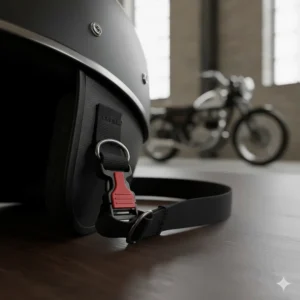
Your helmet retention system (chin strap) keeps the helmet on your head during impact. Quality helmets use metal D-rings, ratcheting systems, or robust quick-release mechanisms with metal components. Plastic buckles that feel flimsy? Walk away. The retention system should hold tight without excessive stretching when pulled.
4. Multi-Layer Shell Construction
Premium low profile helmets use composite materials like fiberglass, aramid (Kevlar), or carbon fiber rather than basic ABS plastic. These advanced materials offer superior strength-to-weight ratios. While ABS plastic helmets can be DOT-approved, composite shells provide better impact dispersion and durability.
Comfort and Fit Features
5. Removable and Washable Interior
After sweaty summer rides, you’ll appreciate being able to remove and wash the interior liner. Look for moisture-wicking materials like Nylex or KwikWick that pull sweat away from your skin. Anti-bacterial treatments help prevent odor buildup. Helmets without removable liners become disgusting fast—trust me on this.
6. Adjustable Ventilation
Even minimalist helmets benefit from strategic ventilation. Forehead vents, side channels, and rear exhaust ports keep air flowing. Some helmets offer closable vents for temperature control. In low profile designs, ventilation matters less than full-face helmets due to the open design, but it still impacts comfort during stationary periods.
7. Custom Fit Systems
Advanced helmets include dial-adjustment systems (similar to bicycle helmets), interchangeable cheek pads in various thicknesses, or inflatable bladders for custom fit. These features allow fine-tuning fit beyond basic sizing, dramatically improving comfort and safety. HJC’s IS-Cruiser and Bell’s higher-end models excel here.
Practical Convenience Features
8. Integrated Sun Visor
Internal drop-down sun visors are game-changers for daytime riding. They deploy instantly when needed and retract when you enter tunnels or shaded areas. The HJC IS-Cruiser and Scorpion Covert X feature excellent sun visor systems. This eliminates the need to wear sunglasses under your helmet or swap face shields.
9. Quick-Release Mechanisms
Taking helmets on and off repeatedly gets tedious with traditional D-ring systems. Quick-release ratchet systems or magnetic buckles (like those on the Scorpion Covert X) make donning and doffing effortless while maintaining security. One-finger release operation is ideal for frequent stops.
10. Bluetooth Communication Readiness
Modern riders want connectivity. Look for helmets with recessed speaker pockets designed for Bluetooth communication systems. These cutouts position speakers optimally near your ears without compromising the helmet’s shape or fit. The Scorpion Covert X and several ILM models include comm-ready designs.
11. Modular Configurations
Versatility matters. The Bell Rogue and Scorpion Covert X offer removable components that transform the helmet between configurations. Removable muzzles, rear comfort sleeves, and magnetic face masks let you adapt your low profile motorcycle helmet to current conditions. One helmet effectively becomes multiple helmets.
Long-Term Value Features
12. Replaceable Parts Availability
Can you order replacement visors, liners, or retention straps? Helmets from established manufacturers like Bell, HJC, and Scorpion typically have extensive replacement parts available. This extends helmet lifespan and maintains performance. Cheap no-name brands often have zero replacement part support.
13. Manufacturer Warranty
Quality helmets include 3-5 year warranties covering manufacturing defects. This demonstrates manufacturer confidence in their product. Bell’s five-year warranty on the Rogue, for example, provides peace of mind for your investment.
14. Anti-Fog and Anti-Scratch Coatings
For helmets with visors or sun shields, anti-fog coating prevents dangerous vision obstruction. Anti-scratch hardened coatings maintain optical clarity over time. The Scorpion EverClear system exemplifies premium visor technology worth seeking.
Features You Can Probably Skip
Decorative Spikes or Extreme Styling Elements:
These might look cool but can violate DOT standards (nothing should protrude more than 0.2 inches from the helmet surface) and create injury risks.
Built-In Cameras or Lights:
These novelties add weight, complexity, and potential failure points. Add accessories separately so you can upgrade or replace them independently.
Extremely Lightweight Claims:
As mentioned earlier, be skeptical of helmets significantly lighter than comparable models—they might be sacrificing essential safety features.
Maintaining Your Low Profile Motorcycle Helmet for Longevity
You just invested in the perfect low profile motorcycle helmet. Now what? Proper maintenance extends your helmet’s life, maintains its protective capabilities, and keeps it comfortable. Neglect these care steps and you’ll be shopping for a replacement much sooner than necessary.
Regular Cleaning Schedule
After Every Ride (Quick Wipe):
Use a microfiber cloth to wipe down the helmet’s exterior, removing bugs, dirt, and road grime before they harden. Pay special attention to the visor or sun shield if equipped. This 30-second habit prevents buildup that becomes difficult to remove later.
Weekly (For Frequent Riders):
Remove the interior liner if possible and hand wash with mild soap and warm water. Air dry completely before reinstalling—never use a dryer or direct heat sources that can degrade the foam and adhesives. Wipe the EPS foam with a damp cloth (never soak it). Clean the retention system straps with mild detergent.
Monthly Deep Clean:
Completely disassemble all removable components. Wash the shell with motorcycle helmet cleaner or very mild dish soap solution. Cotton swabs help clean ventilation channels and small crevices. Inspect all retention system rivets and fasteners for wear or loosening.
Proper Storage Practices
Never Leave in Direct Sunlight:
UV rays degrade helmet materials, particularly EPS foam and polycarbonate visors. Always store your low profile motorcycle helmet in a cool, shaded location. Daytona Helmets specifically warns that prolonged sun exposure shortens helmet lifespan—potentially voiding warranties.
Use a Helmet Bag:
A simple cloth helmet bag protects against dust, scratches, and accidental impacts during storage. Mesh bags allow ventilation, preventing moisture buildup and odors. These cost $10-20 and easily add years to your helmet’s appearance.
Avoid Compression:
Don’t pile heavy items on top of your helmet during storage. Constant compression can deform the EPS liner and affect fit. Store helmets on hooks, stands, or in dedicated storage spaces where they won’t be crushed.
Control Temperature and Humidity:
Extreme temperatures and high humidity accelerate material degradation. Garage storage is fine if temperature-controlled; avoid uninsulated sheds or car trunks during summer. Ideal storage conditions are 60-75°F with moderate humidity.
Inspection and Replacement Guidelines
Replace After Any Impact:
Even if your helmet looks fine after dropping it or experiencing a crash, the EPS foam may have compressed, compromising future protection. Helmets are single-use safety devices—one impact means retirement regardless of visible damage.
Replace Every 3-5 Years:
Manufacturers typically recommend 3-year replacement for optimal protection. Even without impacts, materials degrade over time. Adhesives weaken, foam compresses from regular use, and UV exposure affects shell integrity. As helmets age, factor in technological improvements—newer models often incorporate better safety features.
Watch for These Replacement Signals:
- Loose or rattling interior components
- Retention system stretching or wear
- Visible cracks in the shell
- Compressed foam that doesn’t spring back
- Persistent odors despite cleaning
- Frayed or damaged chin straps
- Visor/sun shield malfunction
What to Avoid
Never use harsh chemicals: Gasoline, paint thinner, or aggressive cleaners damage helmet materials. Stick with products specifically designed for motorcycle helmets or very mild soap.
Don’t paint your helmet: While customization seems tempting, many paints contain solvents that weaken helmet shells. Factory paint is safe; DIY painting risks structural integrity.
Avoid adhesive mounting: GoPro camera mounts, Bluetooth units, or accessories requiring permanent adhesives can compromise shell structure. Use clamp or strap-based mounting systems instead.
Don’t lend your helmet: Beyond hygiene concerns, you can’t monitor how others treat it. An accidental drop you don’t know about compromises protection when you wear it.
Odor Control Strategies
Low profile helmets, with their minimal coverage and maximum ventilation, typically have fewer odor issues than full-face designs. However, sweat happens. Combat odors by:
- Using moisture-wicking skull caps under your helmet
- Spraying interior with helmet-specific deodorizers
- Leaving helmet in well-ventilated areas between rides
- Washing removable liners weekly during heavy use
- Replacing liners annually if odors persist despite cleaning
Visor and Shield Maintenance
For low profile motorcycle helmets with integrated visors or shields:
- Clean with dedicated visor cleaner or mild soap solution
- Use microfiber cloths only—paper towels scratch coatings
- Never use glass cleaner containing ammonia
- Inspect mounting mechanisms monthly for wear
- Replace scratched visors immediately for safety
- Apply anti-fog treatments as needed
Following these maintenance practices ensures your helmet performs as intended throughout its service life and provides the protection you invested in. Remember: a well-maintained $100 helmet outperforms a neglected $300 helmet every time.
Best Low Profile Motorcycle Helmet Brands in 2025
Not all helmet manufacturers are created equal. Some brands have decades of engineering expertise and rigorous quality control; others slap together cheaply made products with questionable certifications. Let me walk you through the brands worth trusting when shopping for a low profile motorcycle helmet.
Premium Tier: Maximum Quality and Innovation
Bell Helmets
With over 65 years of helmet manufacturing experience, Bell represents the gold standard in American motorcycle helmets. Their low profile offering, the Rogue, showcases why riders pay premium prices for Bell products. The company pioneered many safety innovations and maintains strict quality control. Bell helmets consistently earn top marks in independent safety testing. Their five-year warranties demonstrate confidence in longevity and performance.
Scorpion EXO
Scorpion has built a reputation for delivering premium features at mid-range prices. Their low profile motorcycle helmet options, particularly the Covert series, incorporate advanced materials like TCT-Ultra composites (fiberglass, aramid, poly-resin) typically found in racing helmets. Scorpion’s design philosophy balances aggressive styling with practical functionality. Their US-based customer service and readily available replacement parts make them a smart long-term investment.
Mid-Tier: Excellent Value and Reliability
HJC Helmets
This South Korean manufacturer has specialized in helmet production since 1971, earning respect through consistent quality and innovation. HJC applies CAD technology and aerodynamic testing to create helmets that simply work. Their IS-Cruiser demonstrates how thoughtful engineering creates comfortable, practical helmets without gimmicks. HJC’s extensive size range and multiple head shape options ensure better fit for more riders. They’re the go-to choice for riders wanting proven reliability without premium pricing.
Daytona Helmets
As a family-owned, direct manufacturer, Daytona eliminates middlemen and passes savings to consumers. Their 34-year focus on ultra-low profile DOT-certified designs makes them specialists in this category. Daytona’s Skull Cap is widely recognized as one of the smallest DOT-approved helmets available. Their commitment to American manufacturing and direct pricing creates exceptional value. While they don’t offer the feature complexity of modular helmets, their core product excels at what it’s designed to do.
Budget-Friendly: Affordable Quality Options
ILM
ILM has emerged as the budget champion in motorcycle helmet manufacturing. Their low profile motorcycle helmet models deliver DOT certification and essential features at prices that seem almost too good to be true ($40-$70). While they use basic ABS construction rather than advanced composites, their quality control has improved dramatically in recent years. ILM represents the entry point for riders wanting legitimate protection without major investment. Perfect for beginners, backup helmets, or occasional riders.
LS2 Helmets
Spanish manufacturer LS2 offers impressive value with better materials than typical budget brands. They use polycarbonate composite shells and include features like integrated sun visors in surprisingly affordable packages. LS2’s global presence means decent replacement part availability and customer support. Their half helmet offerings compete directly with mid-tier brands at budget-friendly prices.
Specialty Brands Worth Considering
EMUR / Koliyn
These emerging brands focus specifically on ultra-lightweight, minimalist designs. They’re not household names, but they deliver DOT-certified beanie-style helmets at rock-bottom prices ($30-$55). Build quality varies, and they lack the refinement of established manufacturers, but for riders prioritizing weight savings above all else, they’re worth investigating. Just manage expectations regarding longevity and comfort compared to premium options.
Fly Racing / Icon
These brands target younger, style-conscious riders with aggressive aesthetics and urban-focused designs. Their low profile options lean toward fashion-forward styling while maintaining safety certifications. They’re pricier than their build quality might justify, but if appearance matters significantly to you, they deliver the coolest-looking options.
Brands to Approach Cautiously
Unknown Chinese Manufacturers
Amazon hosts dozens of no-name brands selling ultra-cheap helmets with suspiciously light weights and thin profiles. Many feature fake DOT stickers and provide minimal protection. While some legitimate Chinese manufacturers exist, sorting wheat from chaff requires extensive research. Unless you find credible third-party testing verification, stick with established brands.
“Novelty” Helmet Manufacturers
Companies explicitly selling “novelty” helmets aren’t trying to meet safety standards—they’re creating fashion accessories that look like helmets. These include some German-style skullcaps and decorative “beanies” weighing under a pound. If a product description includes phrases like “for show only” or “not intended for highway use,” it’s not a real helmet regardless of any DOT sticker present.
How to Research New Brands
When considering a brand unfamiliar to you:
- Search for the manufacturer’s website and verify they’re a legitimate company with contact information
- Look for third-party testing results (NHTSA compliance testing database)
- Check Reddit r/motorcycles and motorcycle forums for user experiences
- Verify the company has been in business for at least 3-5 years
- Confirm replacement parts and customer service availability
- Read recent Amazon reviews, not just highest-rated ones
- Compare pricing against established brands—if it seems too cheap, investigate why
The low profile motorcycle helmet market rewards brand loyalty and reputation. Stick with manufacturers that have proven track records, transparent safety certifications, and reliable customer support. Your head deserves nothing less.
💡 Time to Make Your Choice!
🏍️ The helmets reviewed in this guide represent the best options available in 2025. Whether you prioritize budget, features, or premium quality, there’s a perfect low profile motorcycle helmet waiting for you. Check current prices and read customer reviews to make your informed decision today! 🛡️
Frequently Asked Questions
❓ What makes a low profile motorcycle helmet different from regular helmets?
❓ Can you wear a low profile motorcycle helmet on highways legally?
❓ How long does a low profile motorcycle helmet last before replacement?
❓ Are beanie style low profile helmets safe enough for daily commuting?
❓ What is the best low profile motorcycle helmet brand for beginners on a budget?
Conclusion: Finding Your Perfect Low Profile Motorcycle Helmet
After exploring everything from safety standards to maintenance tips, one truth remains crystal clear: choosing the right low profile motorcycle helmet is deeply personal. There’s no universally “best” option—only the best option for your specific riding style, head shape, budget, and priorities.
If you’re a cruiser enthusiast who values that pure connection to the road and minimal weight above all else, the Daytona Skull Cap or EMUR German Style deliver unbeatable freedom. Urban commuters benefit from the practical features of the HJC IS-Cruiser or ILM Half Helmet 883V, with integrated sun visors making daily rides more convenient. Long-distance tourers and riders seeking maximum versatility should seriously consider the Bell Rogue or Scorpion Covert X—their modular configurations adapt to changing conditions throughout your journey.
Budget shouldn’t prevent anyone from riding safely. The ILM and Koliyn options prove that legitimate DOT certification doesn’t require hundreds of dollars. However, if you can afford the premium tier, helmets from Bell and Scorpion deliver noticeably better materials, construction quality, and long-term durability that justify their higher prices.
Remember these key takeaways as you make your decision:
- Always verify genuine DOT certification—your life depends on it
- Measure your head properly and understand your head shape before ordering
- Read recent customer reviews focusing on sizing accuracy and quality control
- Expect a break-in period where helmets feel uncomfortably snug initially
- Replace helmets every 3-5 years or immediately after any impact
- Match helmet features to your actual riding conditions and climate
The low profile motorcycle helmet market in 2025 offers incredible options across every price point and style preference. Whether you invest $35 or $350, prioritize proper fit, legitimate safety certification, and honest assessment of your riding needs. Your head deserves protection that works—not just something that looks cool sitting on a shelf.
Now stop overthinking it and make a decision. That perfect ride is waiting, and the right helmet will make every mile more enjoyable. Get out there, stay safe, and enjoy the freedom that brought you to motorcycling in the first place.
🎯 Your Perfect Helmet Awaits!
✨ Ready to upgrade your ride? Click on any of the featured low profile motorcycle helmets in this guide to check current Amazon prices, read verified customer reviews, and make your purchase. Don’t wait—riding season is here, and the open road is calling! 🏍️💨
Recommended for You
- Baseball Hat Motorcycle Helmet: 7 Shocking Picks for 2025
- Vintage Style Motorcycle Helmet: 7 Best Retro Picks 2025
- 7 Best DOT Motorcycle Helmets for 2025: Safe Riding Guide
Disclaimer: This article contains affiliate links. If you purchase products through these links, we may earn a small commission at no additional cost to you.
✨ Found this helpful? Share it with your friends! 💬🤗
