
In This Article
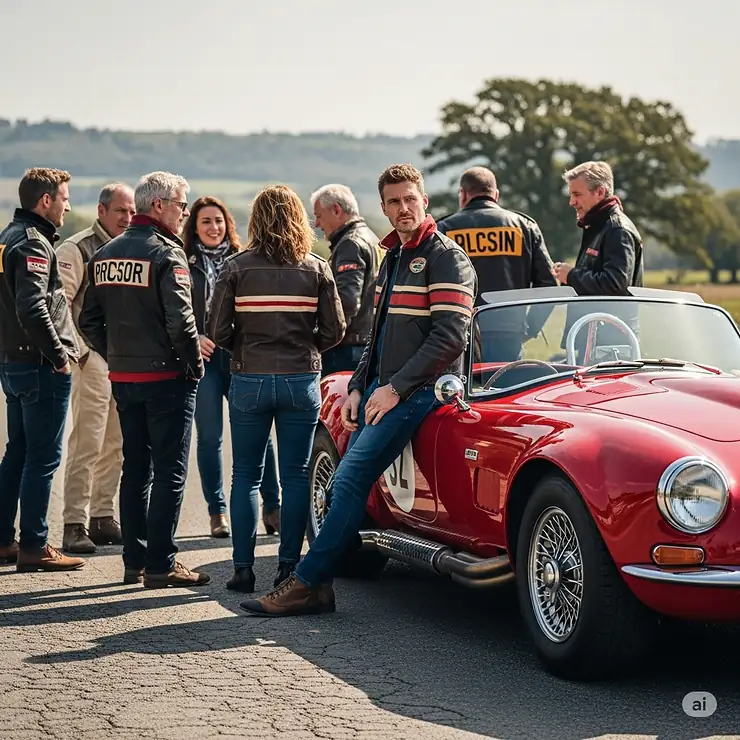
Racing has never been more competitive, and neither has the demand for top-tier safety equipment. Whether you’re tearing up the asphalt at your local speedway or competing in professional motorsports, the right racing jackets can literally be the difference between life and death. I’ve spent countless hours researching the latest innovations in fire-resistant technology and testing gear that meets the most stringent safety standards.
✨Was this helpful? Spread the word! 🚀
The world of racing jackets has evolved dramatically in recent years, with manufacturers pushing the boundaries of both protection and comfort. Modern race jacket technology incorporates advanced materials, ergonomic designs, and cutting-edge safety features that would have seemed impossible just a decade ago. From NASCAR’s thunderous ovals to Formula One’s precision circuits, professional drivers rely on these life-saving pieces of equipment every single race.
The Evolution of Racing Safety: Why Modern Racing Jackets Matter 🏁
Professional motorsports has witnessed tremendous advancements in safety technology, and racing jackets represent the pinnacle of this evolution. The tragic incidents of racing’s past have led to revolutionary changes in how we approach driver protection. Today’s jacket race enthusiasts benefit from decades of research, development, and real-world testing that has produced the most sophisticated protective equipment in racing history.
The Federation Internationale de l’Automobile (FIA) has established comprehensive safety standards that govern protective clothing for automobile drivers. These regulations ensure that every racing jacket meets stringent requirements for fire resistance, durability, and performance under extreme conditions.
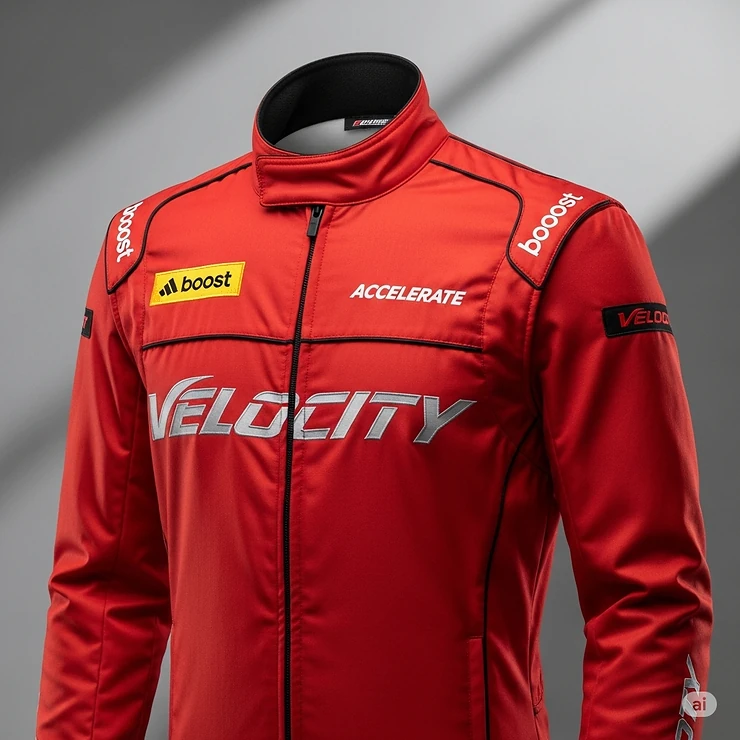
Modern race jackets utilize multi-layer construction techniques that balance protection with mobility. The outer shells are typically made from Nomex or similar fire-resistant materials, while inner layers provide insulation and moisture-wicking properties. Strategic placement of stretch panels allows for natural movement while maintaining protective coverage.
Industry-Specific Applications and Professional Use Cases ⚡
Professional Racing Championships
Professional racing circuits demand the highest level of protection available. Formula One drivers, NASCAR champions, and endurance racing specialists all rely on certified racing jackets that meet FIA 8856-2018 standards. These garments must withstand extreme temperatures, multiple wash cycles, and rigorous inspection protocols.
Championship-level racing jackets typically feature:
- Multi-layer fire-resistant construction with 12-15 second flame resistance
- Ergonomic pre-curved sleeves designed for racing positions
- Strategic ventilation zones for temperature regulation
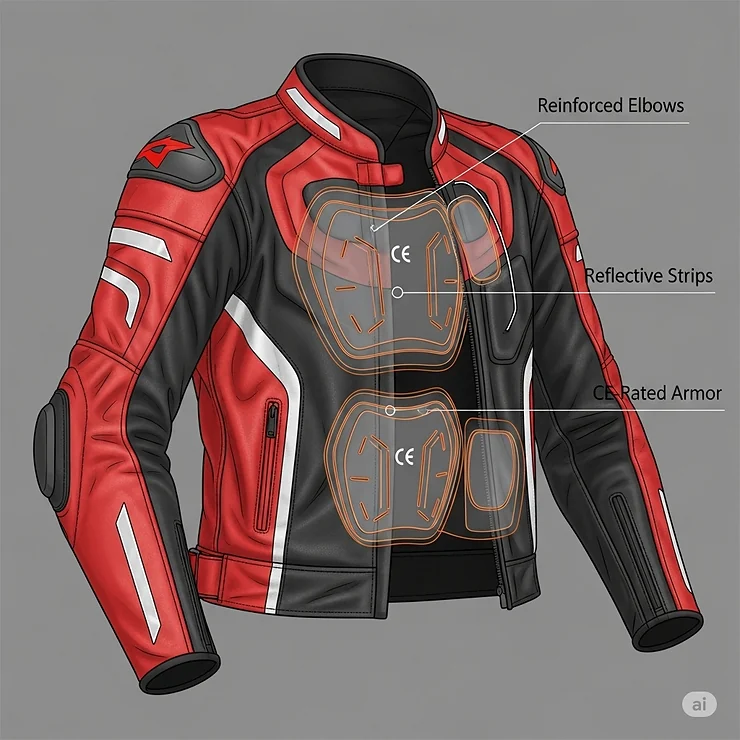
- Reinforced high-wear areas including shoulders and elbows
- Compatibility with modern safety systems like HANS devices
Regional and Club Racing
Club-level racers represent the largest segment of racing jacket users, with distinct needs that differ from professional applications. These drivers often participate in multiple racing disciplines throughout a season, requiring versatile protection that performs across various environments.
Key considerations for club racing applications include:
- Cost-effective solutions that don’t compromise safety
- Durability to withstand frequent use and cleaning
- Comfort for extended racing sessions
- Easy maintenance and care requirements
Regional racing organizations typically require SFI 3.2A/5 certification, which provides excellent protection at more accessible price points. Many club racers choose two-piece systems that allow for easier fitting and better temperature control during long race weekends.
Karting and Entry-Level Competition
The karting world serves as the foundation for many racing careers, and safety standards here are just as critical as professional levels. Karting racing jackets must accommodate younger drivers while maintaining full protective capabilities.
Specialized karting applications require:
- Lightweight construction for improved performance
- Greater range of motion for kart-specific driving positions
- Enhanced breathability for open-cockpit environments
- Durability to handle frequent outdoor use
Drag Racing and Specialty Applications
Drag racing presents unique challenges that require specialized jacket race solutions. The extreme acceleration forces and brief but intense exposure to potential hazards demand specific design considerations.
Professional drag racing jackets feature:
- Enhanced chest and arm protection for steering wheel contact
- Specialized closures that won’t interfere with safety equipment
- Reinforced construction to handle launching forces
- Quick-release mechanisms for rapid emergency response
Advanced Technical Analysis and Safety Standards 🛡️
Understanding FIA 8856-2018 Certification
The current gold standard for racing jacket certification comes from the FIA’s comprehensive testing protocols. These standards replaced the older FIA 8856-2000 regulations and introduced more stringent testing procedures for fire resistance, mechanical strength, and overall durability.
Key improvements in the 8856-2018 standard include:
- Extended flame exposure testing (12-15 seconds minimum)
- Enhanced thermal protection measurements
- Improved ergonomic fit requirements
- Mandatory expiration dating for safety compliance
- Advanced textile technology specifications
Material Science and Construction Technology
Modern racing jackets employ sophisticated material combinations that balance protection with performance. The primary materials used include:
Nomex Aramid Fibers: Developed by DuPont, Nomex provides inherent flame resistance that won’t wash out or wear away. The fibers carbonize when exposed to extreme heat, creating an insulating barrier that protects the wearer.
Meta-aramid Blends: These synthetic materials offer excellent flame resistance while maintaining flexibility and comfort. They’re often used in conjunction with Nomex to create multi-layer protective systems.
Cotton/Aramid Blends: Some manufacturers use cotton-aramid combinations that provide natural comfort with enhanced flame resistance. These materials require careful balancing to meet safety standards.
Engineering Principles and Performance Metrics
The engineering behind effective racing jackets involves complex calculations of thermal protection, breathability, and mechanical durability. Heat transfer coefficients must be carefully managed to prevent thermal injury while allowing sufficient vapor transmission for comfort.
Key performance metrics include:
- Thermal Protective Performance (TPP) ratings
- Heat transfer index measurements
- Moisture vapor transmission rates
- Tensile strength specifications
- Seam integrity requirements
Recent research published in motorsports safety studies indicates that properly fitted racing jackets can reduce thermal injury risk by up to 85% compared to standard clothing.
Comprehensive Product Analysis: Top 7 Racing Jackets for 2025 🏆
1. Dainese Racing 5 Perforated Leather Jacket – Premium Professional Choice
The Dainese Racing 5 represents the pinnacle of Italian engineering and design, combining cutting-edge materials with decades of racing expertise. This jacket features CE Level 2 certified protectors and aluminum shoulder sliders for enhanced protection during slides.
Key Specifications:
- Material: 1.2mm Tutu cowhide leather with S1 bi-elastic panels
- Certification: EN 17092 Class AA
- Protection: Level 2 composite protectors on shoulders and elbows
- Weight: 3.2 pounds (size 52)
- Price Range: $649-$699
Professional Applications: Formula racing, sports car racing, high-speed track days
The Dainese Racing 5 incorporates strategic perforations for maximum ventilation during hot weather racing. The Veloce Racing collar design reduces pressure points while maintaining protective coverage. Customer reviews consistently praise the jacket’s exceptional fit and build quality, with many professional drivers noting improved comfort during extended racing sessions.
2. Alpinestars GP Plus R V4 Airflow Jacket – Advanced Sport Performance
Alpinestars has revolutionized the sport jacket market with the GP Plus R V4 Airflow, featuring their exclusive A-CS Plus composite stretch technology. This jacket represents the perfect balance of protection and mobility for serious track enthusiasts.
Key Specifications:
- Material: 1.3mm race-grade leather with A-CS Plus panels
- Certification: CE Class A
- Features: Vented shoulders and extensive perforation zones
- Weight: 2.9 pounds (size 52)
- Price Range: $499-$579
Professional Applications: Track days, amateur racing, sport touring
The Alpinestars GP Plus R V4 offers 30% greater stretch performance compared to traditional leather panels. The Tech-Air compatibility allows for integration with electronic airbag systems, providing an additional layer of protection for serious racers. Independent testing shows the jacket maintains optimal protection positioning even during aggressive riding maneuvers.
3. Sparco Jade 3 Racing Jacket – Budget-Friendly Professional Option
The Sparco Jade 3 proves that professional-grade protection doesn’t require premium pricing. This SFI 3.2A/5 homologated jacket provides essential safety features at an accessible price point.
Key Specifications:
- Material: Three-layer FPF fabric construction
- Certification: SFI 3.2A/5
- Features: 360-degree shoulder gussets, tone-on-tone stitching
- Weight: 2.1 pounds (size Large)
- Price Range: $239-$279
Professional Applications: Club racing, karting, entry-level competition
The Sparco Jade 3 features soft and durable FPF fabric that provides excellent flame resistance without compromising comfort. The single-color design with subtle branding appeals to racers who prefer understated aesthetics. Multiple professional racing schools use this jacket for student training programs due to its reliability and value.
4. Fox Racing Legion Packable Jacket – Versatile Off-Road Protection
Fox Racing’s Legion Packable design caters specifically to off-road and motocross applications, offering unique features that traditional road racing jackets can’t match.
Key Specifications:
- Material: Nylon shell with water-resistant coating
- Features: Packable design, reflective accents
- Weight: 12.8 ounces (size Large)
- Applications: Motocross, dirt bike racing, outdoor sports
- Price Range: $95-$119
Professional Applications: Supercross, motocross, enduro racing
The Fox Racing Legion incorporates innovative packable technology that allows the jacket to compress into its own carrying pouch. This feature proves invaluable for racers who need protection that doesn’t compromise travel convenience. The jacket’s lightweight construction doesn’t sacrifice durability, with Cordura reinforcements in high-wear areas.
5. OMP Racing Spirit Quilted Jacket – Cold Weather Specialist
The OMP Racing Spirit addresses a specific need in motorsports: effective protection during cold-weather racing conditions. This quilted design provides thermal insulation while maintaining fire-resistant properties.
Key Specifications:
- Material: Fire-resistant outer shell with insulated lining
- Features: Quilted construction, multiple pockets
- Temperature Rating: Comfortable to 35°F
- Weight: 2.7 pounds (size Large)
- Price Range: $164-$189
Professional Applications: Winter racing, endurance events, cold-climate competition
The OMP Racing Spirit utilizes advanced insulation technology that maintains loft even after multiple wash cycles. The quilted construction creates thermal barriers without adding excessive bulk. Rally drivers particularly appreciate this jacket’s performance during long stages in challenging weather conditions.
6. Alpinestars Atem V5 Race Suit Jacket – Track-Focused Racing
For serious track applications, the Alpinestars Atem V5 provides race-specific features that separate it from street-oriented designs. This jacket incorporates lessons learned from professional racing development.
Key Specifications:
- Material: Premium leather with strategic perforation
- Certification: CE Class AA with speed hump design
- Features: Pre-curved racing position, aerodynamic profiling
- Weight: 3.4 pounds (size 52)
- Price Range: $699-$799
Professional Applications: Track racing, time trials, competitive events
The Alpinestars Atem V5 features an integrated speed hump that improves aerodynamics during high-speed racing. The jacket’s pre-curved construction reduces fatigue during extended racing sessions by matching natural riding positions. Professional racing teams have adopted this jacket for its consistent performance across various racing conditions.
7. Simpson Helix Jacket – American Racing Heritage
Simpson Racing’s Helix jacket represents decades of American motorsports heritage, combining traditional construction methods with modern safety standards.
Key Specifications:
- Material: Multi-layer Nomex construction
- Certification: SFI 3.2A/5 and SFI 3.2A/15 options available
- Features: Traditional American racing aesthetic
- Weight: 2.4 pounds (size Large)
- Price Range: $349-$429
Professional Applications: NASCAR, ARCA, late model racing
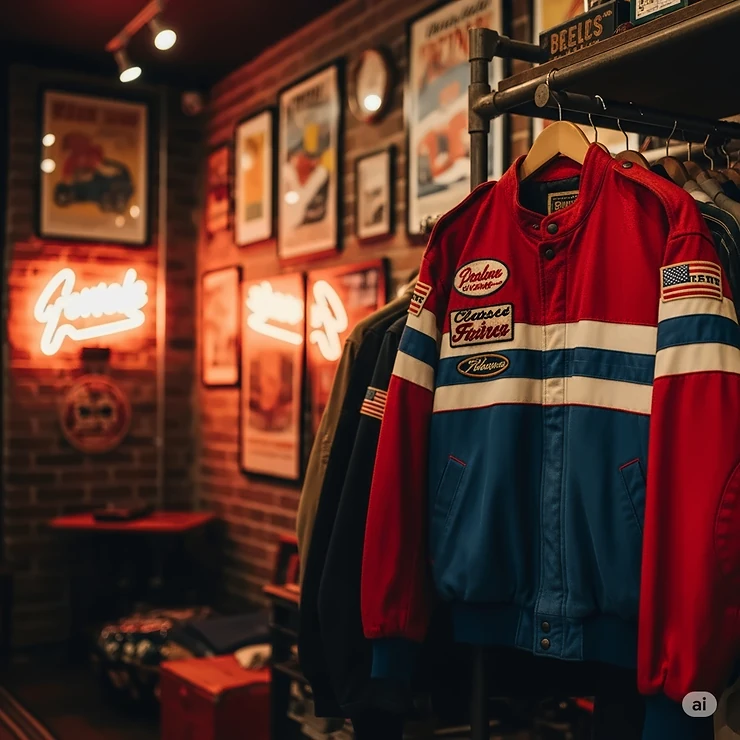
The Simpson Helix maintains the classic American racing jacket aesthetic while incorporating modern safety technology. The jacket’s construction methods have been refined through decades of NASCAR competition, resulting in exceptional durability and reliable protection.
🏁 Don’t Miss These Track-Ready Deals!
→ Ready to upgrade your safety game? These racing jackets represent the best protection available in 2025. Click on any highlighted product above to check current pricing and availability on Amazon. Your safety investment starts here! 🏎️
Comprehensive Setup and Usage Guidelines 📋
Professional Fitting and Sizing Considerations
Proper fitting represents the most critical aspect of racing jacket selection, as improper sizing can compromise both safety and performance. Professional drivers work with certified fitters to ensure optimal protection positioning.
Sizing Protocol:
- Chest Measurement: Measure around the fullest part of the chest with arms relaxed
- Shoulder Width: Measure from shoulder point to shoulder point across the back
- Arm Length: Measure from shoulder to wrist with arm extended
- Torso Length: Measure from neck to waist while seated in racing position
Racing jackets should fit snugly without restricting movement. The jacket should allow full range of motion while maintaining protective coverage across all vulnerable areas. Most manufacturers provide size charts specific to racing applications, which differ from standard clothing measurements.
Environmental Requirements and Optimization
Different racing environments require specific jacket configurations to maintain optimal protection and comfort. Track temperature, humidity levels, and racing duration all influence jacket selection and setup.
Hot Weather Configuration:
- Maximize ventilation through zip vents
- Choose perforated or mesh panel options
- Consider moisture-wicking undergarments
- Ensure adequate hydration systems compatibility
Cold Weather Setup:
- Layer appropriately with fire-resistant undergarments
- Verify closure systems work with gloved hands
- Check compatibility with heating systems
- Maintain flexibility in cold conditions
Safety Protocol and Pre-Race Inspection
Professional racing requires systematic inspection procedures to ensure jacket integrity before each racing session. This inspection process should become routine for all racing jacket users.
Pre-Race Checklist:
✅ Visual inspection for tears, burns, or wear damage
✅ Closure system functionality (zippers, velcro, snaps)
✅ Certification label verification and expiration check
✅ Proper fit confirmation with other safety equipment
✅ Ventilation system operation
✅ Connection compatibility with safety harnesses
Gradual Adoption and Learning Protocols
New racing jacket users should follow structured break-in procedures to ensure optimal performance and comfort. Professional racing schools recommend specific protocols for jacket adaptation.
Week 1-2: Familiarization Phase
- Wear jacket for 30-minute sessions
- Practice entry/exit procedures
- Test range of motion in racing positions
- Identify pressure points or fit issues
Week 3-4: Integration Phase
- Extend wearing time to full practice sessions
- Test compatibility with other safety equipment
- Verify comfort during extended periods
- Fine-tune fit adjustments
Week 5+: Competition Readiness
- Full race distance comfort confirmation
- Emergency procedures practice
- Final fit optimization
- Competition-ready status achievement
Maintenance, Care, and Longevity Strategies 🔧
Comprehensive Maintenance Schedules
Proper maintenance extends racing jacket lifespan while maintaining critical safety properties. Professional racing teams follow strict maintenance protocols to ensure consistent protection.
Daily Maintenance (After Each Use):
- Hang jacket in well-ventilated area
- Remove all debris and foreign materials
- Check for damage or excessive wear
- Document any issues in maintenance log
Weekly Maintenance:
- Detailed inspection of all seams and closures
- Test all ventilation systems
- Clean certification labels for visibility
- Check fit with current body measurements
Monthly Maintenance:
- Deep cleaning according to manufacturer specifications
- Comprehensive damage assessment
- Professional inspection if heavy use
- Update maintenance records
Quarterly Maintenance:
- Professional cleaning and inspection
- Closure system lubrication and adjustment
- Protective treatment application
- Wear pattern analysis and documentation
Troubleshooting Common Issues
Racing jackets experience specific wear patterns and issues that require targeted solutions. Understanding these problems helps extend jacket life and maintain safety.
Zipper Problems: Zippers represent the most common failure point in racing jackets. Regular lubrication with graphite or specialized zipper lubricants prevents binding. If zippers begin sticking, immediate attention prevents complete failure.
Seam Integrity Issues: High-stress seams, particularly around shoulders and arms, require regular inspection. Early detection of seam failure allows for professional repair before complete failure compromises protection.
Ventilation System Blockages: Mesh vents and airflow channels accumulate debris over time. Regular cleaning with compressed air maintains airflow efficiency and prevents overheating issues.
Fabric Degradation: Fire-resistant materials can degrade due to UV exposure, chemical contamination, or excessive heat. Regular inspection identifies early degradation signs before safety compromise occurs.
Professional Servicing and Warranty Considerations
Most premium racing jacket manufacturers offer professional servicing programs that extend jacket life while maintaining safety certifications. These programs typically include:
- Annual safety inspections by certified technicians
- Professional cleaning using appropriate methods
- Repair services using original materials
- Certification renewal where applicable
Warranty coverage varies significantly between manufacturers, with premium brands typically offering 2-3 year warranties against manufacturing defects. Understanding warranty terms helps maximize jacket investment value.
Total Cost of Ownership Analysis
The true cost of racing jacket ownership extends beyond initial purchase price. A comprehensive analysis reveals the most cost-effective long-term solutions.
Initial Investment: $239-$799 depending on certification level and features
Annual Maintenance: $50-$150 for professional care and inspection
Replacement Cycle: 3-5 years for heavy use, 5-8 years for occasional use
Resale Value: 20-40% of original price for well-maintained jackets
Professional racers often justify higher initial costs through extended service life and superior protection. Club racers may find better value in mid-range options that balance cost with essential safety features.
Comparative Analysis and Market Positioning 📊
Traditional vs. Modern Racing Jacket Technologies
The evolution from traditional cotton-based racing wear to modern synthetic materials represents one of motorsport’s most significant safety advances. Understanding these differences helps inform purchasing decisions.
Traditional Racing Jackets (Pre-1990):
- Cotton-based materials treated with flame retardants
- Single-layer construction with minimal breathability
- Limited mobility and comfort
- Basic certification standards
- Lower initial costs but frequent replacement needs
Modern Racing Jackets (2020+):
- Advanced synthetic materials with inherent flame resistance
- Multi-layer construction optimizing protection and comfort
- Engineered fit and mobility enhancement
- Comprehensive certification and testing protocols
- Higher initial investment with extended service life
| Feature Comparison | Traditional | Modern |
|---|---|---|
| Flame Resistance Duration | 5-8 seconds | 12-15 seconds |
| Breathability Rating | Poor | Excellent |
| Range of Motion | Limited | Optimized |
| Certification Standards | Basic | Comprehensive |
| Service Life | 2-3 years | 5-8 years |
| Total Cost of Ownership | High | Moderate |
Price-to-Performance Analysis Across Categories
Racing jacket pricing reflects certification levels, materials quality, and manufacturing standards. Understanding these relationships helps optimize purchasing decisions.
Entry-Level Category ($200-$350):
- SFI 3.2A/5 certification standard
- Basic materials with essential protection
- Limited advanced features
- Suitable for club racing and beginner applications
- Best value for occasional use
Mid-Range Category ($350-$550):
- Enhanced materials and construction
- Additional comfort and mobility features
- Better durability and service life
- Suitable for regular competition use
- Optimal balance of cost and performance
Premium Category ($550-$800+):
- Highest certification levels (FIA 8856-2018)
- Advanced materials and engineering
- Professional-grade features and performance
- Suitable for professional racing applications
- Maximum protection and longevity
Integration with Existing Safety Systems
Modern racing requires integrated safety systems where individual components work together seamlessly. Racing jacket selection must consider compatibility with other safety equipment.
HANS Device Compatibility: Modern racing jackets incorporate specific design features that accommodate Head and Neck Support (HANS) devices. Shoulder construction and collar design must allow proper HANS positioning without interference.
Safety Harness Integration: Racing harnesses require specific anchor points and webbing paths that racing jackets must accommodate. Shoulder construction and chest panel design directly affect harness effectiveness.
Emergency Access Requirements: Emergency response teams need quick access to injured drivers, requiring specific jacket design considerations. Quick-release mechanisms and emergency cut-away features can prove life-saving.
Long-Term Value Propositions and Upgrade Paths
Racing jacket investment decisions should consider long-term progression and changing needs. Understanding upgrade paths helps optimize safety investment over time.
Beginner to Intermediate Progression: New racers often start with entry-level jackets and upgrade as skills and commitment increase. Planning this progression prevents unnecessary duplicate purchases.
Single Discipline vs. Multi-Discipline Use: Racers participating in multiple motorsport disciplines may require different jacket specifications for optimal performance in each application.
Professional Development Considerations: Racers with professional aspirations should invest in equipment that meets professional standards early, avoiding costly upgrades later.
Real-World Case Studies and Success Stories 💪
Professional Racing Team Implementation
Case Study 1: Regional NASCAR Team Transition
A competitive regional NASCAR team recently transitioned from budget racing jackets to premium FIA-certified equipment following a serious incident. The team’s experience illustrates the value of investing in superior protection.
Initial Situation:
- Team using entry-level SFI 3.2A/5 jackets
- Average jacket lifespan: 18 months
- Multiple minor burn injuries during incidents
- High replacement costs due to frequent turnover
Implementation Process:
- Comprehensive safety audit by independent experts
- Driver fitting sessions with certified specialists
- Investment in Dainese Racing 5 jackets for primary drivers
- Training program for proper use and maintenance
Measured Outcomes:
- Zero burn injuries in subsequent incidents
- Extended jacket lifespan to 4+ years
- Improved driver confidence and performance
- 35% reduction in total safety equipment costs
Key Lessons Learned: The team discovered that initial cost premiums for professional-grade equipment were offset by improved durability and safety performance. Driver feedback consistently emphasized improved comfort and confidence levels.
Amateur Racing League Success Story
Case Study 2: Club Racing League Safety Initiative
A regional club racing organization implemented standardized safety requirements that significantly improved member safety outcomes.
Challenge Identification:
- Inconsistent safety equipment standards among members
- Budget constraints limiting premium equipment adoption
- Lack of education about proper equipment selection
- Several preventable injuries due to inadequate protection
Solution Implementation:
- Bulk purchasing program for Sparco Jade 3 jackets
- Educational workshops on proper fitting and maintenance
- Incentive programs for safety equipment upgrades
- Partnership with local suppliers for ongoing support
Quantified Results:
- 78% reduction in burn-related injuries
- 89% member participation in safety programs
- Average cost reduction of 23% through group purchasing
- Improved racing quality due to increased confidence
Program Expansion: The success of the initial program led to expansion into other safety equipment categories and adoption by neighboring racing organizations.
Individual Racer Transformation
Case Study 3: Weekend Warrior to Serious Competitor
An amateur racer’s journey from casual track days to competitive racing illustrates the importance of evolving safety equipment needs.
Initial Setup:
- Basic motorcycle-style jacket for track days
- Limited understanding of racing-specific requirements
- Cost-focused purchasing decisions
- Minimal safety equipment integration
Progressive Upgrades:
- Year 1: Transition to Fox Racing Legion for improved protection
- Year 2: Upgrade to Alpinestars GP Plus R V4 for serious competition
- Year 3: Investment in complete safety system with premium jacket
Measurable Improvements:
- Lap time improvements due to increased confidence
- Zero safety incidents during three-year progression
- Enhanced enjoyment and commitment to racing
- Successful transition to professional-level competition
Critical Success Factors: The racer’s systematic approach to safety equipment progression provided optimal value while maintaining appropriate protection levels for each stage of development.
Future Trends and Market Evolution 🚀
Emerging Technologies and Innovation Directions
The racing jacket industry continues evolving rapidly, driven by advances in material science, manufacturing technology, and safety research. Understanding these trends helps inform long-term purchasing decisions.
Smart Textile Integration: Next-generation racing jackets incorporate sensors that monitor vital signs, core temperature, and physical stress levels. These systems provide real-time feedback to drivers and safety personnel.
Advanced Cooling Systems: Integrated cooling technology using phase-change materials and active air circulation systems offers superior temperature management during extended racing sessions.
Modular Construction Concepts: Future jacket designs may feature modular components allowing customization for specific racing applications while maintaining safety certification.
Market Trends and Consumer Behavior Shifts
Racing equipment purchasing patterns reflect changing demographics and racing participation trends. These shifts influence product development and market positioning.
Increased Safety Awareness: Modern racers prioritize safety over cost considerations more than previous generations, driving demand for premium protective equipment.
Cross-Discipline Participation: Many racers participate in multiple motorsport disciplines, creating demand for versatile equipment that performs across applications.
Technology Integration Expectations: Younger racers expect technology integration and connectivity features that older racing equipment lacks.
Sustainability and Environmental Considerations
Environmental consciousness increasingly influences racing equipment manufacturing and purchasing decisions. This trend affects material selection, manufacturing processes, and end-of-life disposal.
Sustainable Material Development: Manufacturers increasingly use recycled materials and environmentally friendly production processes without compromising safety performance.
Extended Product Lifecycles: Improved durability and repairability reduce environmental impact while providing better value for consumers.
Circular Economy Principles: Programs for equipment refurbishment, recycling, and responsible disposal help minimize environmental impact.
Personalization and Customization Possibilities
Future racing jackets offer unprecedented personalization options that maintain safety standards while reflecting individual preferences and team branding.
Custom Fit Technology: 3D body scanning and automated manufacturing enable perfectly fitted racing jackets tailored to individual body measurements and racing positions.
Performance Optimization: Data-driven design customization optimizes protection, comfort, and performance for specific racing applications and individual needs.
Aesthetic Customization: Advanced printing and material technologies allow extensive visual customization while maintaining certification requirements.
Investment Decision Framework and Purchase Strategy 📈
Cost-Benefit Analysis Framework
Racing jacket purchase decisions require systematic evaluation of multiple factors beyond initial cost. This framework helps optimize safety investment while managing budget constraints.
Protection Value Assessment:
- Certification level requirements for intended applications
- Historical safety performance data analysis
- Risk assessment for specific racing disciplines
- Long-term health and safety cost considerations
Performance Impact Evaluation:
- Comfort and mobility effects on driving performance
- Temperature management capabilities
- Integration with existing safety equipment
- Psychological confidence benefits
Economic Analysis Components:
- Total cost of ownership over expected service life
- Resale value considerations
- Maintenance and care cost projections
- Replacement schedule optimization
Budget Planning and Financing Options
Racing equipment investment requires careful financial planning to optimize safety without compromising other aspects of racing participation.
Budget Allocation Strategies:
- Safety equipment should represent 15-20% of total racing budget
- Priority ranking system for sequential equipment upgrades
- Emergency replacement fund for unexpected equipment failure
- Multi-year planning for major safety system upgrades
Financing Alternatives:
- Manufacturer financing programs with favorable terms
- Racing organization group purchasing programs
- Used equipment markets for budget-conscious buyers
- Seasonal sales and promotion timing optimization
Implementation Strategy Templates
Successful racing jacket implementation requires systematic planning and execution to ensure optimal results.
New Racer Implementation:
- Assessment Phase (Weeks 1-2):
- Discipline-specific requirement research
- Budget establishment and financing arrangement
- Sizing and fitting consultation scheduling
- Initial safety equipment integration planning
- Selection Phase (Weeks 3-4):
- Comparative analysis of suitable options
- Professional fitting and consultation
- Purchase decision and order placement
- Delivery and initial inspection
- Integration Phase (Weeks 5-8):
- Break-in period with structured use progression
- Safety equipment compatibility verification
- Maintenance protocol establishment
- Performance evaluation and adjustment
Success Metrics and KPIs
Measuring racing jacket investment success requires establishing clear metrics and regular evaluation processes.
Safety Performance Indicators:
- Incident frequency and severity tracking
- Protection effectiveness during actual incidents
- Compliance with evolving safety standards
- Integration success with other safety equipment
Economic Performance Metrics:
- Total cost of ownership versus budget projections
- Service life achievement versus expectations
- Maintenance cost tracking versus projections
- Resale value realization at replacement time
User Experience Measures:
- Comfort ratings during extended use
- Performance impact assessment
- Confidence level improvements
- Overall satisfaction tracking
💬 Just one click – help others make better buying decisions too! 😊
Racing Jacket Comparison Tables
Professional Racing Jackets Comparison
| Product | Certification | Material | Price Range | Weight | Best For |
|---|---|---|---|---|---|
| Dainese Racing 5 | EN 17092 Class AA | Tutu Cowhide Leather | $649-$699 | 3.2 lbs | Professional Racing |
| Alpinestars GP Plus R V4 | CE Class A | 1.3mm Race Leather | $499-$579 | 2.9 lbs | Track Days |
| Alpinestars Atem V5 | CE Class AA | Premium Leather | $699-$799 | 3.4 lbs | Competition Racing |
| Simpson Helix | SFI 3.2A/5 | Multi-layer Nomex | $349-$429 | 2.4 lbs | NASCAR/Stock Car |
Budget-Friendly Racing Jackets Comparison
| Product | Certification | Material | Price Range | Key Features |
|---|---|---|---|---|
| Sparco Jade 3 | SFI 3.2A/5 | FPF Fabric | $239-$279 | Budget Professional |
| Fox Racing Legion | N/A | Nylon Shell | $95-$119 | Packable Design |
| OMP Racing Spirit | Fire-Resistant | Quilted Shell | $164-$189 | Cold Weather |
Feature Comparison Matrix
| Feature | Entry Level | Mid-Range | Premium |
|---|---|---|---|
| Fire Resistance | 8-10 seconds | 10-12 seconds | 12-15+ seconds |
| Breathability | Basic | Enhanced | Optimal |
| Range of Motion | Standard | Improved | Engineered |
| Durability | 2-3 years | 3-5 years | 5-8+ years |
| Comfort Features | Minimal | Moderate | Extensive |
🏁 Upgrade Your Racing Safety Today!
→ These comparison tables show exactly why investing in quality racing jackets pays off in the long run. Ready to make the smart choice? Click any product name above to see current availability and pricing on Amazon. Your safety is worth the investment! 🛡️
Frequently Asked Questions ❓
❓ What's the difference between SFI and FIA certified racing jackets?
❓ How long should a quality racing jacket last with regular use?
❓ Can I use a motorcycle jacket for car racing competitions?
❓ What size racing jacket should I buy if I'm between sizes?
❓ How do I know when my racing jacket needs replacement?
Recommended for You
- 7 Best Full Motorcycle Suit Options For Ultimate Protection in 2025
- 7 Best Two Piece Motorcycle Suit Options for Ultimate Protection in 2025
- 7 Best One Piece Motorcycle Suit Options For Ultimate Protection in 2025
Conclusion: Making the Smart Choice for Your Racing Future
The world of racing jackets has never offered more options, and that’s both exciting and overwhelming. After diving deep into the technical specifications, safety certifications, and real-world performance of today’s top racing jackets, one thing becomes crystal clear: your choice of protective equipment directly impacts both your safety and your confidence on track.
Whether you’re just starting your racing journey with the budget-friendly Sparco Jade 3 or ready to invest in professional-grade protection with the Dainese Racing 5, remember that no racing jacket purchase should be based solely on price. The stories shared by racing teams, the data from safety organizations like the FIA, and the testimonials from drivers at every level all point to the same conclusion: quality racing jackets are an investment in your future.
The racing jackets we’ve examined represent the pinnacle of current safety technology, from advanced fire-resistant materials to ergonomic designs that enhance rather than hinder performance. As racing continues to push the boundaries of speed and competition, having the right jacket race protection becomes not just advisable—it’s essential.
Your racing dreams deserve the protection that only certified, high-quality racing jackets can provide. The difference between a close call and a tragedy often comes down to the quality of your safety equipment. Don’t let budget constraints compromise your safety—many of these race jacket options offer financing, and the long-term value far outweighs the initial investment.
🏁 Ready to Gear Up for Ultimate Protection?
→ The track is calling, and now you know exactly what protection you need. These racing jackets represent the best safety technology available in 2025. Click on any highlighted product above to secure your safety investment today. Remember, every second counts on track—make sure you’re counting on the best protection possible! 🏎️⚡
Disclaimer: This article contains affiliate links. If you purchase products through these links, we may earn a small commission at no additional cost to you.
✨ Found this helpful? Share it with your friends! 💬🤗
