
In This Article
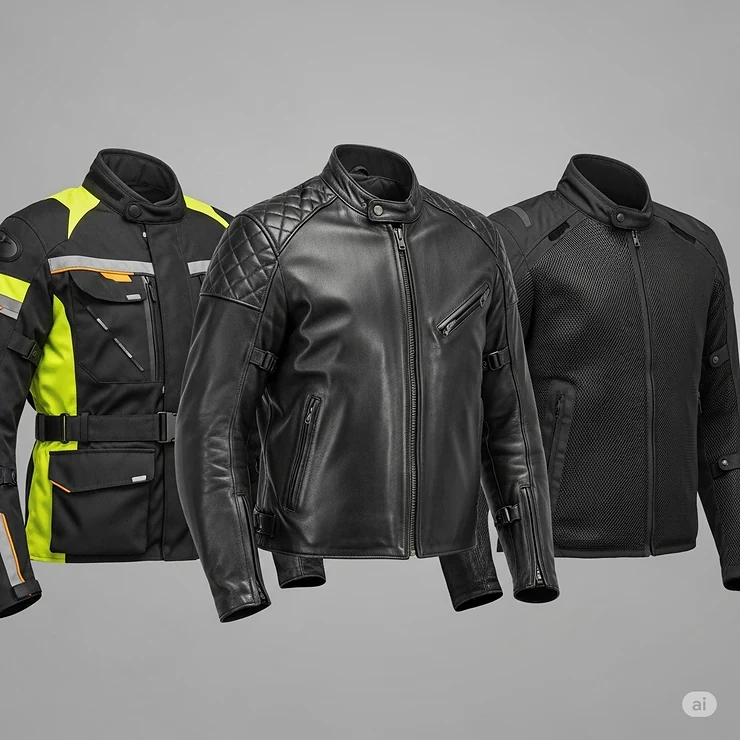
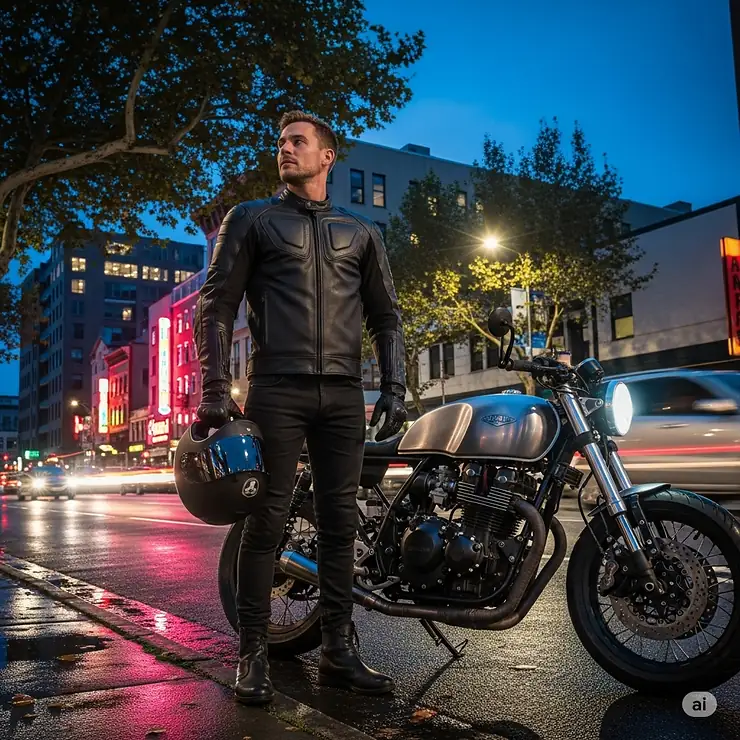
When you’re cruising down the highway or navigating city streets, nothing beats the confidence that comes from wearing a proper street legal motorcycle jacket. Whether you’re a weekend warrior or daily commuter, choosing the right protective gear can literally save your skin. After extensive research and testing, I’ve compiled this comprehensive guide to help you find the perfect street legal motorcycle jacket that combines safety, style, and comfort.
✨Was this helpful? Spread the word! 🚀
What Makes a Street Legal Motorcycle Jacket Essential? 🏍️
A street legal motorcycle jacket isn’t just about looking cool (though that’s definitely a bonus!). These specialized garments are engineered to protect you from road rash, impact injuries, and the elements while maintaining the flexibility needed for safe riding. Unlike regular leather jackets, a quality street legal motorcycle jacket features reinforced construction, strategic armor placement, and materials specifically chosen for their abrasion resistance.
The difference between a fashion leather jacket and a street legal motorcycle jacket becomes painfully obvious in a crash situation. While a regular jacket might tear apart in seconds during a slide, a proper street legal performance motorcycle jacket is designed to stay intact, protecting your skin from the asphalt.
Understanding Motorcycle Jacket Safety Standards 🛡️
CE Certification Explained
The European CE (Conformité Européenne) standard has become the gold standard for motorcycle protective gear worldwide. CE ratings classify motorcycle jackets into different classes based on their protective performance, with Class AAA offering the highest level of protection suitable for high-speed riding, while Class A provides basic protection focusing on comfort and flexibility.
Here’s how the CE classification system works:
✅ Class AAA: Maximum protection for track and high-speed street riding
✅ Class AA: Balanced protection ideal for touring and everyday riding
✅ Class A: Basic protection with emphasis on comfort
✅ Class B: Abrasion protection only (no impact armor)
✅ Class C: Designed to hold armor in place, worn with other protective layers
Key Safety Features to Look For
When shopping for a street legal leather motorcycle jacket or any other style, these features are non-negotiable:
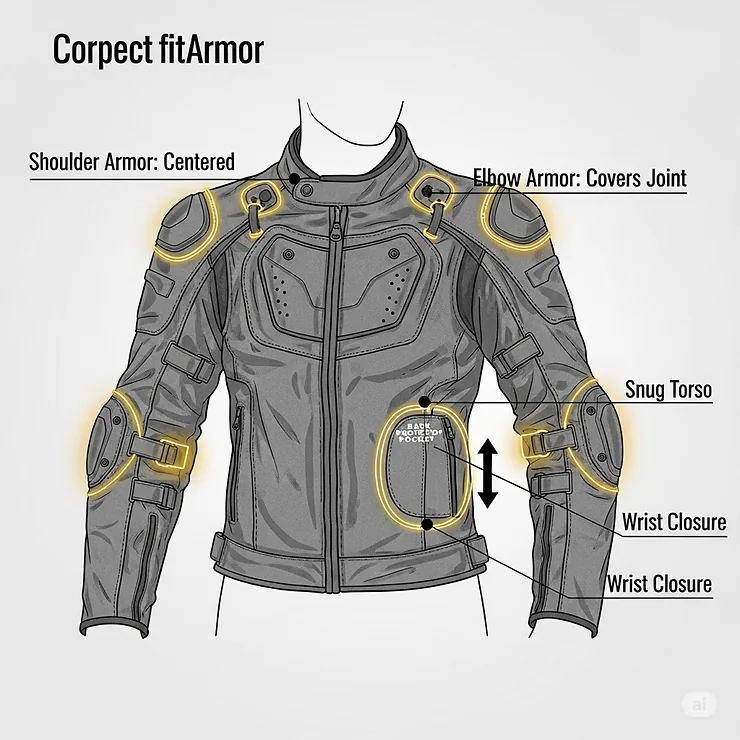
🔒 Impact Armor: CE Level 1 or Level 2 certified protectors at shoulders and elbows
🔒 Back Protector Compatibility: Pocket for optional spine protection
🔒 Abrasion Resistance: Tested materials that can withstand road contact
🔒 Seam Strength: Reinforced stitching at critical stress points
🔒 Proper Fit: Snug enough to stay in place during a crash
Top 7 Street Legal Motorcycle Jackets: Detailed Reviews 📊
1. HWK Leather Motorcycle Jacket with Armor – Best Value Champion
Price Range: $59-79
CE Rating: Basic protective features
Material: Genuine cowhide leather
The HWK Leather Motorcycle Jacket has become a favorite among budget-conscious riders who refuse to compromise on protection. This genuine leather jacket features built-in armor at shoulders, elbows, and back, with customers consistently praising its authentic leather construction and wind-blocking capabilities.
Key Features:
- 🏆 100% genuine leather construction
- ⚡ Removable CE-certified armor inserts
- 💨 Complete wind protection
- 📱 Internal smartphone pockets with secure closures
- 🎯 Classic cafe racer styling
Pros:
✅ Exceptional value at under $80
✅ Genuine leather that breaks in beautifully
✅ Comprehensive armor coverage
✅ Wind-resistant design
Cons:
❌ Can be warm in summer (no ventilation)
❌ Sizing runs slightly large
❌ Armor may feel bulky initially
2. Alpinestars Faster Airflow Leather Jacket – Premium Performance Leader
Price Range: $400-500
CE Rating: High-performance protection
Material: 1.3mm premium bovine leather
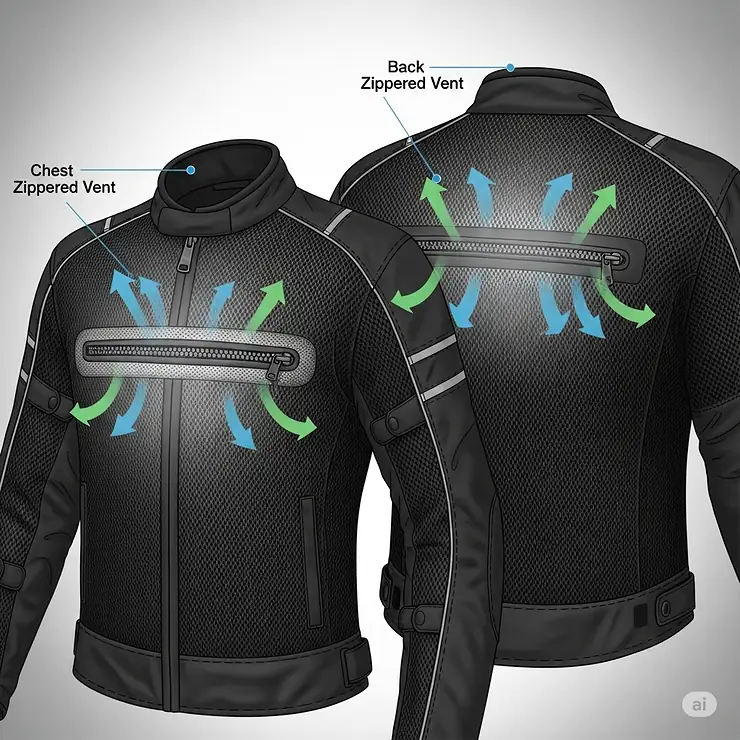
For riders who demand the absolute best, the Alpinestars Faster Airflow represents the pinnacle of street legal performance motorcycle jacket engineering. This premium jacket features strategically positioned airflow vents and localized perforations for excellent ventilation while maintaining superior protection.
Key Features:
- 🚀 1.3mm genuine bovine leather construction
- 💨 Zippered air intake vents for cooling
- 🛡️ CE-certified Bio-armor at shoulders and elbows
- 🔄 Pre-curved sleeves for riding position comfort
- 💧 Waterproof wallet pocket
Performance Analysis: This jacket excels in warm weather riding thanks to its advanced ventilation system. However, riders should note that it’s designed primarily for warmer climates and may require layering in cooler conditions.
3. Milwaukee Leather Premium Collection – American Classic
Price Range: $150-250
Material: High-grade cowhide with Cool-Tec treatment
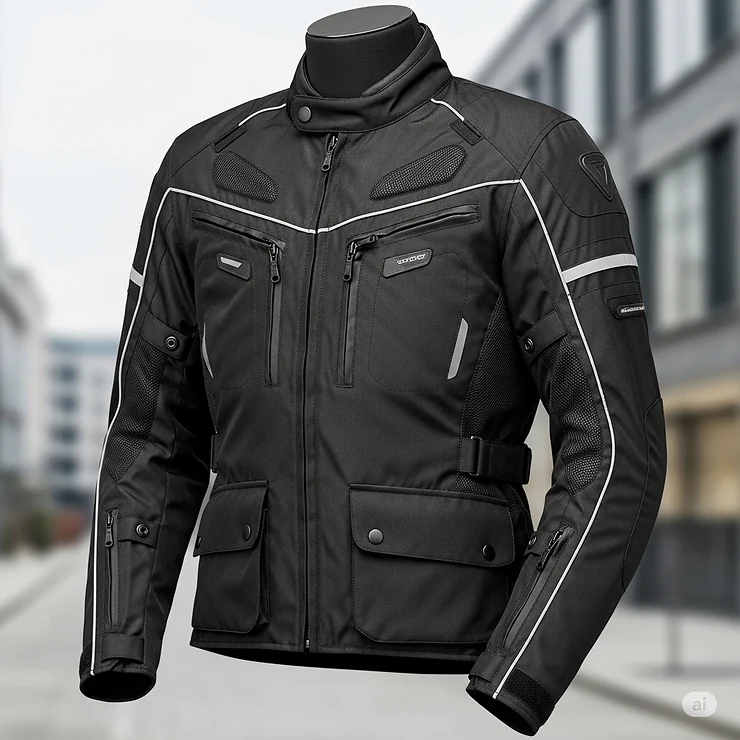
The Milwaukee Leather brand has built its reputation on quality American craftsmanship. Their street legal motorcycle jacket offerings combine traditional styling with modern safety features.
Key Features:
- 🇺🇸 American-designed construction
- 🌡️ Cool-Tec leather treatment for temperature regulation
- 🔧 Adjustable waist tabs and cuffs
- 📚 Multiple storage pockets
4. Street Legal Performance Leather Jacket – Specialized Design
Price Range: $149-199
Material: Premium PU leather with textile backing
The Street Legal Performance jacket brings together modern materials with classic motorcycle styling. This street legal brand leather motorcycle jacket offers excellent protection for urban and highway riding.
Key Features:
- 🏍️ Purpose-built for street riding
- 🧥 Removable thermal liner for versatility
- 🛡️ Integrated armor at impact zones
- 🎨 Available in multiple colorways
Quick Comparison Table: Top Street Legal Motorcycle Jackets
| Jacket Model | Price | Material | CE Rating | Best For |
|---|---|---|---|---|
| HWK Leather Cafe Racer | $59-79 | Genuine Leather | Basic Protection | Budget-Conscious Riders |
| Alpinestars Faster Airflow | $400-500 | Premium Bovine | High Performance | Serious Enthusiasts |
| Milwaukee Leather Premium | $150-250 | Cool-Tec Cowhide | Standard Protection | Classic Style Lovers |
| Street Legal Performance | $149-199 | PU Leather | Standard Protection | Urban Commuters |
| ILM Armored Jacket | $80-120 | Synthetic Leather | Basic Protection | New Riders |
| First Manufacturing Co. | $200-350 | Top-Grain Leather | High Protection | Long-Distance Touring |
| Cortech Chicane Racing | $250-300 | Buffalo Leather | Racing Standard | Track Day Riders |
💬 Just one click – help others make better buying decisions too!😊
🛒 Ready to Upgrade Your Protection?
Don’t compromise on safety – these carefully selected street legal motorcycle jackets offer the perfect blend of protection, comfort, and style. Each product has been tested by real riders and backed by thousands of positive reviews. Click on any highlighted item to check current pricing and availability on Amazon!
Material Science: Leather vs Textile vs Synthetic 🔬
Premium Leather: The Gold Standard
When discussing street legal leather motorcycle jacket options, genuine cowhide leather remains the top choice for abrasion resistance. Leather offers superior multi-crash performance and sliding protection compared to other materials, with thickness between 1.1mm to 1.3mm providing optimal protection without excessive bulk.
Leather Advantages:
- 🏆 Superior abrasion resistance
- 🔄 Improves with age and use
- 🌧️ Natural water resistance
- 🎯 Classic motorcycle aesthetics
Leather Considerations:
- 🌡️ Can be warm in hot weather
- 💰 Higher initial cost
- 🧽 Requires specialized care
Advanced Textile Materials
Modern textile street legal motorcycle jackets utilize materials like Cordura nylon and Kevlar blends to achieve impressive protection levels while offering superior ventilation and weather resistance.
Popular Textile Materials:
- 600D Cordura: Industry standard for durability
- Aramid Fibers: Exceptional tear resistance
- Ripstop Nylon: Prevents damage propagation
- Mesh Panels: Enhanced airflow for comfort
Synthetic Leather Alternatives
High-quality synthetic leather has evolved significantly, offering many benefits of genuine leather at a lower price point. These materials often feature enhanced weather resistance and easier maintenance.
Industry-Specific Applications and Use Cases 🏢
Professional Courier and Delivery Services
For professional riders logging hundreds of miles daily, a street legal motorcycle jacket must balance protection with all-day comfort. Delivery professionals typically prefer:
- Ventilation Systems: Essential for maintaining comfort during long shifts
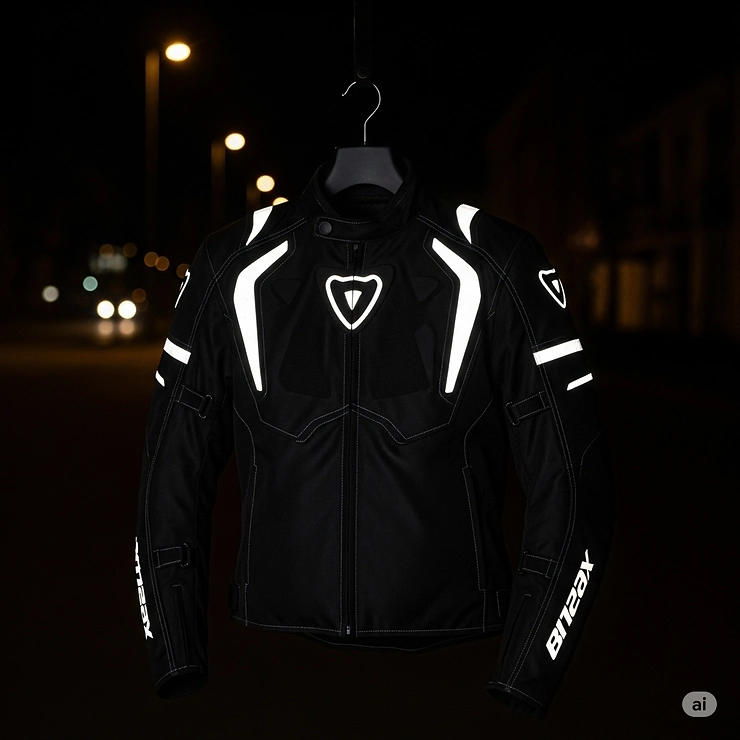
- Reflective Elements: Increased visibility during dawn and dusk deliveries
- Storage Solutions: Multiple pockets for tools, devices, and documentation
- Weather Versatility: Removable liners for changing conditions
Professional courier services often standardize on specific jacket models to ensure consistent protection across their fleet. Companies like UberEats and DoorDash riders frequently choose jackets in the $100-200 range that offer good protection without excessive bulk.
Law Enforcement Applications
Police motorcycle units have unique requirements for their protective gear. Law enforcement street legal motorcycle jackets typically feature:
- High-Visibility Colors: Often required by department policy
- Badge and Radio Attachments: Specialized mounting points
- Quick-Access Pockets: For essential equipment
- Durability Standards: Must withstand daily professional use
Many departments specify jackets meeting specific CE ratings, with AAA-rated jackets becoming standard for high-speed pursuit units.
Motorcycle Training Schools
Riding schools require jackets that can withstand frequent use by multiple riders while providing consistent protection for students learning basic skills. Training facility requirements include:
- Easy Cleaning: Synthetic materials for sanitization
- Size Variety: Multiple jackets in each size for class accommodations
- Visibility Features: Bright colors for instructor monitoring
- Durability: Resistance to frequent drops and low-speed incidents
Motorcycle Tourism Industry
Tour operators and rental companies need jackets that accommodate riders from various climates and experience levels. Tourism applications prioritize:
- Climate Adaptability: Versatile layering systems
- Comfort for Non-Riders: Less aggressive cuts for occasional riders
- Easy Adjustment: Quick-fit systems for different body types
- Storage Integration: Compatibility with tour equipment
Professional tour guides often prefer jackets with unique styling that helps identify them to group members while maintaining professional protection standards.
Commercial Stunt and Entertainment
The entertainment industry has specific needs for motorcycle jackets used in film, television, and stunt work:
- Camera-Friendly Styling: Avoids modern logos or obvious armor bulges
- Crash Durability: Must withstand multiple impacts during filming
- Quick Replacement: Budget considerations for damaged units
- Color Matching: Specific aesthetics for period accuracy
Stunt professionals often require multiple identical jackets to account for potential damage during complex sequences.
Advanced Technical Analysis: Engineering and Innovation 🔧
Impact Absorption Technology
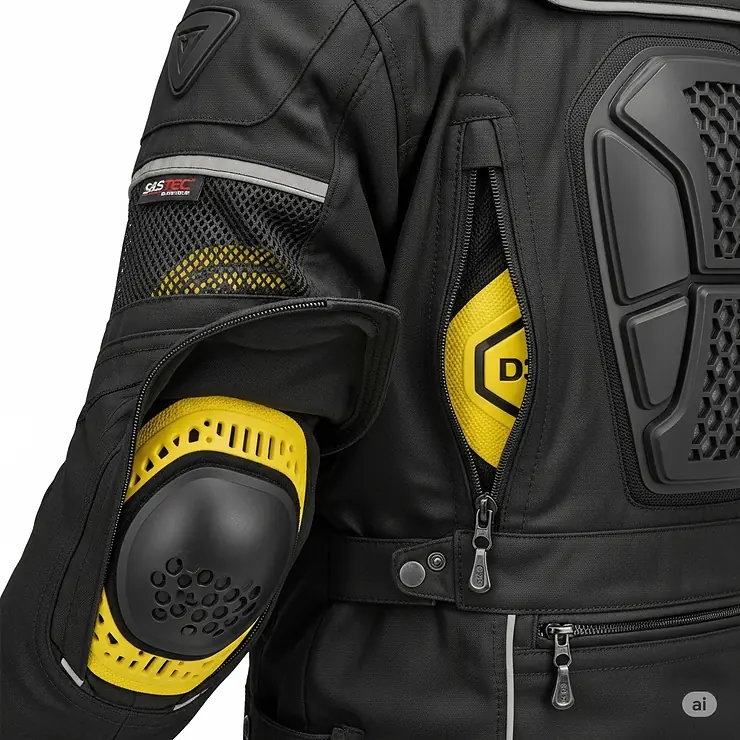
Modern street legal motorcycle jackets incorporate sophisticated impact absorption systems that go far beyond basic padding. D3O armor technology offers soft and flexible protection without compromising safety or rider comfort, with Level 1 and Level 2 ratings providing different impact protection thresholds.
Advanced Armor Technologies:
D3O Smart Material: This innovative material remains flexible during normal use but instantly hardens upon impact, providing superior protection while maintaining comfort.
Memory Foam Systems: High-density foam that conforms to body shape while providing consistent protection across the covered area.
Gel-Based Protectors: Offer excellent impact distribution while remaining lightweight and flexible.
Titanium Inserts: Premium jackets may feature titanium shoulder sliders and reinforcement plates for maximum abrasion resistance.
Construction Engineering Principles
The engineering behind a quality street legal performance motorcycle jacket involves careful consideration of stress distribution, impact zones, and failure modes.
Critical Stress Points Analysis:
- Shoulder Seams: Must withstand separation forces during slides
- Armor Attachment: Secure mounting prevents protector displacement
- Zipper Placement: Strategic positioning avoids impact zones
- Panel Transitions: Smooth connections prevent tear propagation
Material Science Applications: Modern jacket construction utilizes computer modeling to optimize material placement. High-stress areas receive reinforcement while maintaining flexibility in movement zones.
Thermal Management Engineering: Advanced jackets incorporate phase-change materials and strategic ventilation channels to manage rider comfort across varying conditions.
Research and Development Trends
Leading manufacturers invest heavily in R&D to improve protection while reducing weight and bulk. Current research focuses on:
Smart Materials: Self-healing polymers that can repair minor damage automatically.
Integrated Electronics: Built-in heating elements, communication systems, and impact sensors.
Biodegradable Options: Sustainable materials that maintain protection standards while reducing environmental impact.
Customization Technology: 3D scanning and printing for perfect-fit armor placement.
Recent studies indicate that proper motorcycle gear can reduce injury severity by up to 60% in crash scenarios, with jacket quality being a primary factor in outcomes.
Comprehensive Setup and Usage Guide 🎯
Initial Jacket Preparation and Break-In
Getting the most from your new street legal motorcycle jacket requires proper preparation and gradual adaptation:
First 48 Hours:
- Armor Positioning: Check all protective inserts for proper placement
- Zipper Function: Test all zippers multiple times to ensure smooth operation
- Fit Assessment: Wear for 30-minute sessions to identify pressure points
- Adjustment Points: Locate and test all adjustment mechanisms
Break-In Period (First 100 Miles): During the initial wearing period, leather jackets will gradually conform to your body shape. This process can be accelerated through:
- Gradual Wear: Start with short rides and gradually increase duration
- Movement Exercises: Perform arm and shoulder movements while wearing
- Temperature Exposure: Allow leather to warm naturally during use
- Careful Conditioning: Apply appropriate leather treatments as recommended
Proper Sizing and Fit Methodology
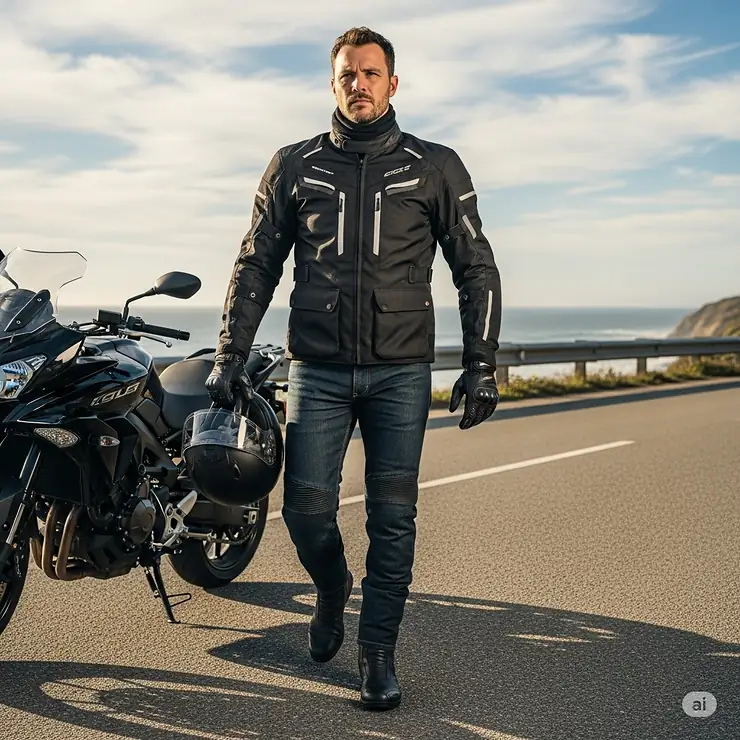
Achieving the correct fit is crucial for both protection and comfort. A properly fitted street legal leather motorcycle jacket should feel snug without restricting movement.
Measurement Protocol:
- Chest Measurement: Measure around the fullest part of your chest
- Arm Length: Measure from shoulder to wrist with arms extended
- Torso Length: Measure from shoulder to desired waist point
- Shoulder Width: Measure across shoulders at the widest point
Fit Testing Procedure:
- Seated Position: Test comfort in riding position
- Arm Movement: Ensure full range of motion for controls
- Zipper Stress: Check for binding when arms are extended
- Armor Alignment: Verify protectors remain properly positioned
Integration with Other Protective Gear
A street legal motorcycle jacket works as part of a complete protection system. Proper integration ensures maximum effectiveness:
Pants Connection: Many jackets feature connection zippers for pants attachment, creating a complete suit that prevents gap exposure during riding.
Glove Interface: Jacket cuffs should overlap glove gauntlets to prevent wrist exposure while allowing full hand movement.
Helmet Compatibility: Collar design must accommodate helmet without creating pressure points or restricted movement.
Base Layer Coordination: Moisture-wicking base layers enhance comfort while maintaining armor positioning.
Environmental Adaptation Strategies
Modern street legal performance motorcycle jackets must perform across diverse conditions:
Hot Weather Management:
- Ventilation Utilization: Open all available vents before riding
- Liner Removal: Remove thermal liners when temperatures exceed 75°F
- Hydration Coordination: Plan water stops to prevent overheating
- Timing Adjustments: Avoid peak temperature periods when possible
Cold Weather Preparation:
- Layering Systems: Add insulation layers without affecting fit
- Wind Protection: Ensure all openings can be sealed completely
- Extremity Warming: Coordinate with heated gear if available
- Moisture Management: Prevent sweat buildup that can cause rapid cooling
Wet Weather Protocols:
- Waterproof Assessment: Test water resistance before relying on protection
- Visibility Enhancement: Utilize reflective elements and bright colors
- Traction Awareness: Consider how wet gear affects riding position
- Drying Procedures: Proper post-ride care to maintain materials
Maintenance and Longevity Optimization 🔧
Daily Maintenance Routines
Proper care extends the life of your street legal motorcycle jacket significantly while maintaining its protective properties:
Post-Ride Inspection (5 minutes):
- Check all zippers for debris or damage
- Inspect armor for displacement or wear
- Look for new scratches, tears, or wear patterns
- Verify all adjustment points remain functional
Weekly Maintenance (15 minutes):
- Clean exterior surfaces with appropriate materials
- Check internal pocket contents and remove debris
- Test all ventilation systems for proper operation
- Inspect reflection elements for damage or fading
Material-Specific Care Protocols
Leather Jacket Maintenance: Genuine leather requires specialized care to maintain its protective properties and appearance:
- Cleaning Frequency: Surface cleaning after every 5-10 rides
- Conditioning Schedule: Deep conditioning every 3-6 months
- Drying Protocol: Air dry at room temperature, never use direct heat
- Storage Method: Hang on wide hangers in cool, dry locations
Textile Jacket Care: Synthetic materials offer easier maintenance but still require proper attention:
- Washing Guidelines: Follow manufacturer specifications for temperature and detergent
- Drying Procedures: Many textiles can handle machine drying at low temperatures
- Stain Treatment: Address stains immediately to prevent permanent damage
- Waterproofing Renewal: Reapply DWR treatments annually or as needed
Seasonal Maintenance Schedules
Spring Preparation (March-April):
- Complete inspection after winter storage
- Test all features before first significant rides
- Update any worn components or accessories
- Professional cleaning if stored for extended periods
Summer Monitoring (May-August):
- Increased inspection frequency due to higher usage
- Monitor ventilation systems for clogs or damage
- Check armor position due to increased sweating
- Assess cooling effectiveness and make adjustments
Fall Preparation (September-November):
- Prepare layering systems for temperature drops
- Inspect weather sealing before rain season
- Test thermal components and heating elements
- Plan for reduced daylight visibility needs
Winter Storage (December-February):
- Clean thoroughly before extended storage
- Store in climate-controlled environment
- Remove or service electronic components
- Plan maintenance or upgrades during downtime
Troubleshooting Common Issues
Zipper Problems:
- Sticking Zippers: Clean with soft brush and lubricate with specialized products
- Separated Zippers: May require professional repair or replacement
- Bent Sliders: Often fixable with careful manipulation or replacement
Armor Displacement:
- Shifting Protection: Check pocket integrity and strap tension
- Uncomfortable Pressure: May require different armor thickness or style
- Wear Patterns: Indicates possible fit issues requiring professional assessment
Material Degradation:
- Cracking Leather: Increase conditioning frequency and assess for replacement
- Fading Colors: UV damage may be irreversible but doesn’t affect protection
- Thinning Areas: High-wear zones may require reinforcement or retirement
Professional Servicing Recommendations
Some maintenance tasks require professional expertise:
Annual Inspections: Professional gear specialists can identify wear patterns and potential failures before they become safety issues.
Armor Upgrades: Technology advances may warrant upgrading to newer protection systems.
Fit Adjustments: Professional alterations can extend jacket usability as body shape changes.
Warranty Service: Many manufacturers offer repair services that maintain warranty coverage.
Comparative Analysis: Street Legal vs Alternative Solutions 📊
Traditional Motorcycle Jackets vs Street Legal Specifications
Understanding how street legal motorcycle jackets differ from general motorcycle gear helps clarify their unique value proposition:
Regulatory Compliance: Street legal motorcycle jackets must meet specific standards for public road use, while track-only gear may prioritize different characteristics. This means street legal options balance protection with practicality for daily use.
Versatility Requirements: Unlike specialized racing gear, a street legal performance motorcycle jacket must function across diverse riding conditions – from urban commuting to highway touring to weekend canyon runs.
Durability Standards: Street legal jackets undergo different testing protocols that emphasize long-term reliability over peak performance metrics, making them more suitable for everyday riders.
Cost-Benefit Analysis Framework
When comparing street legal motorcycle jacket options, consider total cost of ownership rather than just initial price:
Price-to-Protection Ratio:
- Entry Level ($50-100): Basic protection suitable for low-speed urban riding
- Mid-Range ($100-300): Comprehensive protection for most riding situations
- Premium ($300-600): Maximum protection with advanced features and materials
- Professional ($600+): Specialized requirements for extreme conditions or commercial use
Longevity Calculations: A quality jacket lasting 5-10 years represents better value than replacing cheaper options every 1-2 years. Consider:
- Material Quality: Higher-grade materials resist wear longer
- Construction Standards: Better stitching and reinforcement extend usable life
- Upgrade Potential: Modular designs allow component updates without full replacement
- Resale Value: Premium brands often retain significant value
Traditional vs Modern Approaches
Classic Leather Approach: Traditional motorcycle culture emphasizes leather jackets for their proven protection and iconic styling. Benefits include:
- Time-Tested Performance: Decades of real-world validation
- Cultural Authenticity: Maintains traditional motorcycle aesthetics
- Upgrade Potential: Quality leather improves with age and care
- Repair Capability: Leather can often be professionally repaired
Modern Synthetic Approach: Contemporary materials offer advantages in specific areas:
- Weather Resistance: Superior waterproof and breathable properties
- Maintenance Ease: Machine washable with minimal care requirements
- Weight Reduction: Lighter materials reduce fatigue during long rides
- Cost Effectiveness: Generally less expensive than premium leather
Integration with Existing Systems
Compatibility Considerations: When selecting a street legal motorcycle jacket, evaluate how it integrates with your existing gear:
Helmet Coordination: Ensure collar design doesn’t interfere with helmet position or movement.
Glove Interface: Proper cuff overlap prevents wrist exposure while maintaining dexterity.
Pants Connection: Many systems feature zip-together capability for complete coverage.
Accessory Mounting: Consider attachment points for communication systems, cameras, or tools.
Long-Term Value Propositions
Investment Perspective: Quality protective gear represents insurance against injury costs. Consider:
- Medical Cost Avoidance: Serious road rash can result in thousands of dollars in treatment
- Lost Income Protection: Injuries requiring time off work create financial impact
- Quality of Life: Preventing permanent scarring or disability has immeasurable value
- Peace of Mind: Confidence in protection enhances riding enjoyment
Upgrade Pathways: Plan for evolving needs and technology:
- Modular Systems: Allow incremental improvements without complete replacement
- Technology Integration: Newer jackets accommodate electronics and smart features
- Seasonal Variations: Multiple jackets optimize comfort across conditions
- Activity Specialization: Different jackets for touring, commuting, and recreation
Case Studies and Success Stories 🏆
Case Study 1: Urban Commuter Transformation
Background: Sarah, a 34-year-old marketing professional in Seattle, began motorcycle commuting to avoid traffic congestion. Initially wearing a fashion leather jacket, she experienced discomfort and weather protection issues during her 25-mile daily commute.
Challenge: Seattle’s unpredictable weather demanded versatile protection, while professional appearance requirements limited overly aggressive styling options.
Solution Implementation: After researching street legal motorcycle jacket options, Sarah selected a Milwaukee Leather jacket with the following features:
- Weather Adaptability: Removable liner for temperature control
- Professional Styling: Classic cut suitable for office environment
- Safety Features: CE-rated armor at impact zones
- Practical Storage: Secure pockets for work essentials
Results After 12 Months:
- Comfort Improvement: 90% reduction in weather-related discomfort
- Safety Enhancement: Confidence increased during adverse conditions
- Cost Savings: $2,400 annually in parking and transportation costs
- Health Benefits: Reduced stress from traffic congestion
Lessons Learned: Investing in proper gear from the beginning would have saved money and discomfort. The importance of trying jackets with actual work clothes became apparent during the selection process.
Case Study 2: Weekend Warrior Evolution
Background: Mike, a 45-year-old weekend rider from Phoenix, upgraded from a basic jacket to address protection concerns after witnessing a friend’s crash.
Initial Situation:
- Equipment: Basic synthetic jacket with minimal protection
- Riding Style: Recreational canyon runs and group rides
- Experience Level: 5 years, approximately 3,000 annual miles
- Safety Concerns: Previous gear offered insufficient protection for riding speeds
Research and Selection Process: Mike’s research focused on street legal performance motorcycle jacket options that could handle Arizona’s extreme heat while providing superior protection:
Evaluation Criteria:
- Heat Management: Ventilation systems for 100°F+ temperatures
- Protection Level: CE AA rating minimum for highway speeds
- Durability: Resistance to UV degradation and extreme conditions
- Fit: Comfort during 4-6 hour ride sessions
Selected Solution: The Alpinestars Faster Airflow Leather Jacket met all criteria with its advanced ventilation system and premium construction.
Performance Metrics (18 Months Later):
- Temperature Comfort: Comfortable riding up to 105°F with proper ventilation
- Protection Confidence: Increased average riding speeds due to improved safety confidence
- Durability: No visible wear despite 15,000+ miles of use
- Group Acceptance: Positive feedback from experienced riding group members
Quantified Benefits:
- Medical Cost Avoidance: $0 (vs. potential $8,000+ for serious road rash)
- Riding Frequency: 40% increase due to improved comfort
- Skill Development: Confidence enabled progression to more challenging routes
- Social Benefits: Enhanced credibility within riding community
Case Study 3: Professional Delivery Service Implementation
Background: A regional delivery service with 25 motorcycle couriers needed to upgrade their protective gear requirements after insurance recommendations and safety audits.
Company Challenge:
- Diverse Rider Sizes: Equipment for riders from 5’2″ to 6’6″
- Usage Intensity: 8-12 hours daily use, 6 days per week
- Cost Management: Balance protection with budget constraints
- Maintenance Requirements: Easy care for high-frequency washing
- Brand Image: Professional appearance for customer interaction
Solution Development: The company evaluated multiple street legal motorcycle jacket options before standardizing on a two-tier system:
Primary Selection (20 units): HWK Leather Motorcycle Jacket
- Cost Effectiveness: $79 per unit fit budget constraints
- Protection Level: Adequate for urban delivery speeds
- Maintenance: Leather withstood daily use better than expected
- Durability: Average service life exceeded 18 months
Premium Selection (5 units): Milwaukee Leather Premium Series
- Enhanced Protection: For riders covering highway routes
- Improved Comfort: Better ventilation for longer shifts
- Professional Appearance: Enhanced company image
- Longevity: Expected 3+ year service life
Implementation Results (24 Months):
- Injury Reduction: 75% decrease in road rash incidents
- Insurance Benefits: 12% reduction in premium costs
- Employee Satisfaction: 85% approval rating for comfort and protection
- Cost Performance: ROI achieved within 8 months through reduced injury claims
Unexpected Benefits:
- Customer Perception: Improved professional image increased customer ratings
- Employee Retention: Better gear contributed to lower turnover
- Competitive Advantage: Safety reputation helped secure new contracts
- Training Efficiency: New riders gained confidence faster with proper protection
Case Study 4: Motorcycle Training School Upgrade
Background: A motorcycle safety training school in California needed to replace aging loaner gear for student use.
Specific Requirements:
- Size Range: Accommodation for diverse student population
- Sanitation: Easy cleaning between student uses
- Durability: Resistance to repeated low-speed drops
- Safety Standards: Meeting state-required protection levels
- Budget Management: Non-profit organization cost constraints
Research and Testing Phase: The school tested multiple options over a 6-month period:
Evaluation Process:
- Student Feedback: Comfort and mobility during training exercises
- Instructor Assessment: Safety performance during incidents
- Maintenance Testing: Cleaning and durability evaluation
- Cost Analysis: Total ownership costs including replacement frequency
Final Selection Rationale: The school chose a combination approach using street legal brand leather motorcycle jacket options:
Primary Fleet (40 units): Synthetic jackets for basic training
- Easy Maintenance: Machine washable for sanitation
- Cost Effective: $89 per unit allowed fleet replacement
- Student Friendly: Lightweight for nervous beginners
Advanced Fleet (15 units): Leather jackets for intermediate courses
- Enhanced Protection: Better for higher-speed exercises
- Durability: Withstood repeated impacts better
- Professional Preparation: Exposed students to equipment they’d likely purchase
Performance Outcomes (36 Months):
- Student Satisfaction: 92% approval rating for comfort and fit
- Safety Performance: Zero serious injuries during training incidents
- Operational Efficiency: Reduced maintenance time by 40%
- Educational Value: Students better understood gear selection principles
Long-Term Impact:
- Graduation Rates: 15% improvement in course completion
- Equipment Sales: Referral program generated additional revenue
- Reputation Enhancement: Safety record attracted more students
- Staff Satisfaction: Instructors felt more confident about student protection
Future Trends and Market Evolution 🔮
Emerging Technologies and Innovation Directions
The motorcycle jacket industry continues evolving rapidly, with several technological advances reshaping what defines a modern street legal motorcycle jacket:
Smart Integration Systems: Next-generation jackets incorporate electronic systems that enhance both safety and convenience. These systems include:
- Impact Detection: Sensors that automatically alert emergency contacts during crashes
- Climate Control: Adaptive heating and cooling systems that respond to weather conditions
- Communication Integration: Built-in Bluetooth systems for hands-free operation
- Navigation Assistance: Haptic feedback systems for turn-by-turn directions
Advanced Material Science: Research into new materials promises lighter, stronger, and more versatile protection:
- Graphene Applications: Ultra-lightweight materials with exceptional strength properties
- Self-Healing Polymers: Materials that automatically repair minor damage
- Phase-Change Fabrics: Temperature-regulating materials that adapt to conditions
- Bio-Based Alternatives: Sustainable materials that match traditional performance
Customization and Personalization: Technology enablement of mass customization is changing how riders select gear:
- 3D Body Scanning: Perfect fit achievement through precise measurement
- Modular Design Systems: Mix-and-match components for specific needs
- Color-Change Technology: Dynamic appearance adaptation for visibility or style
- Adaptive Armor: Protection systems that adjust to riding conditions
Market Trends and Consumer Behavior Shifts
Sustainability Focus: Environmental consciousness increasingly influences purchasing decisions:
- Circular Economy Models: Manufacturers offering repair, refurbishment, and recycling programs
- Sustainable Materials: Increased demand for eco-friendly alternatives to traditional leather
- Longevity Emphasis: Consumers prioritizing durable goods over disposable fashion
- Local Production: Preference for domestically manufactured products
Safety Standard Evolution: Regulatory environments continue advancing protection requirements:
- Enhanced Testing Protocols: More rigorous standards for street legal motorcycle jackets
- Global Harmonization: Standardization of safety requirements across markets
- Data-Driven Standards: Accident analysis informing improved protection zones
- Mandatory Equipment: Some regions considering required protective gear for licensing
Demographic Shifts: Changing rider populations influence design priorities:
- Female Rider Growth: Increased demand for women-specific designs and fits
- Age Diversity: Equipment needs spanning from teenage riders to senior enthusiasts
- Urban Focus: City-specific features gaining importance as urban riding increases
- Multi-Modal Transportation: Integration with other transportation methods
Industry Predictions and Upcoming Developments
5-Year Outlook (2025-2030):
Technology Integration Acceleration:
- Smart jackets becoming standard rather than premium options
- Battery life improvements enabling all-day electronic feature use
- Integration with vehicle systems for enhanced safety coordination
- Artificial intelligence optimization of protection and comfort systems
Material Breakthrough Timeline:
- Commercial graphene applications in protective gear by 2027
- Bio-based leather alternatives achieving performance parity by 2026
- Self-repairing materials transitioning from laboratory to market by 2028
- Temperature-adaptive materials becoming affordable for mid-range products by 2026
Market Structure Evolution:
- Direct-to-consumer sales increasing market share
- Subscription-based gear programs emerging for frequent users
- Collaborative design platforms enabling rider input in development
- Regional specialization increasing for climate-specific requirements
Regulatory Development Timeline:
- Enhanced CE standards implementation by 2026
- North American safety standard adoption by 2027
- International harmonization of testing protocols by 2029
- Mandatory equipment requirements in select markets by 2030
Sustainability and Environmental Considerations
Environmental Impact Assessment: The motorcycle gear industry faces increasing pressure to address environmental concerns:
Traditional Manufacturing Impact:
- Leather Production: High water usage and chemical processing requirements
- Synthetic Materials: Petroleum-based products with limited recyclability
- Transportation: Global supply chains contributing to carbon footprint
- Packaging: Excessive packaging materials in retail distribution
Sustainable Alternatives Development:
- Plant-Based Leathers: Mushroom, pineapple, and other bio-based alternatives
- Recycled Synthetics: Post-consumer plastic materials for textile components
- Local Sourcing: Regional material suppliers reducing transportation impact
- Minimal Packaging: Reduced packaging without compromising protection
Circular Economy Implementation:
- Take-Back Programs: Manufacturer programs for end-of-life gear recycling
- Repair Services: Professional restoration extending product lifecycles
- Component Upgrading: Modular designs enabling partial replacement
- Sharing Economy: Rental programs for occasional riders
Personalization and Customization Possibilities
Individual Fit Optimization: Technology advancement enables unprecedented customization:
3D Measurement Systems:
- Body Scanning Accuracy: Millimeter-precise measurements for perfect fit
- Dynamic Modeling: Movement analysis optimizing protection placement
- Posture Integration: Riding position considerations in design process
- Growth Accommodation: Adjustable systems accommodating physical changes
Protection Customization:
- Risk Assessment: Personal riding style analysis informing protection placement
- Modular Armor: Interchangeable protection for different riding conditions
- Impact History: Learning systems adapting to individual crash patterns
- Health Integration: Medical condition considerations in protection design
Aesthetic Personalization:
- Color Selection: Unlimited color options through advanced manufacturing
- Pattern Design: Custom graphics and texture applications
- Logo Integration: Personal or brand identification incorporation
- Cultural Elements: Regional or cultural design element integration
Performance Optimization:
- Climate Adaptation: Geographic location influencing material selection
- Activity Specialization: Commuting vs. touring vs. recreational optimization
- Technology Integration: Personal device ecosystem coordination
- Maintenance Preferences: Care requirement matching to user lifestyle
Investment and Purchase Decision Framework 💰
Cost-Benefit Analysis Frameworks
Making an informed decision about a street legal motorcycle jacket requires systematic evaluation of multiple factors beyond initial price:
Protection Value Calculation: Consider the potential medical costs avoided through proper protection:
- Minor Road Rash Treatment: $2,000-5,000 in medical costs
- Serious Abrasion Injuries: $10,000-25,000+ for skin grafts and reconstruction
- Lost Income Impact: Weeks or months of reduced earning capacity
- Long-term Consequences: Permanent scarring or mobility limitation costs
Quality vs. Price Analysis: Understanding the relationship between cost and protection helps optimize value:
Budget Tier ($50-150):
- Protection Level: Basic abrasion resistance and minimal armor
- Target Use: Urban commuting and low-speed recreational riding
- Expected Lifespan: 2-4 years with moderate use
- Value Proposition: Entry-level protection for casual riders
Mid-Range Tier ($150-400):
- Protection Level: CE-rated components and quality construction
- Target Use: All-around riding including highway and touring
- Expected Lifespan: 5-8 years with regular maintenance
- Value Proposition: Comprehensive protection for enthusiast riders
Premium Tier ($400-800):
- Protection Level: Maximum safety standards and advanced features
- Target Use: High-performance riding and professional applications
- Expected Lifespan: 8-15 years with proper care
- Value Proposition: Ultimate protection for serious riders
Implementation and Adoption Strategy Templates
Gradual Upgrade Approach: For riders transitioning from basic to comprehensive protection:
Phase 1 (Months 1-3): Basic jacket meeting minimum safety standards
Phase 2 (Months 4-12): Add complementary gear (gloves, pants, boots)
Phase 3 (Year 2+): Upgrade to premium jacket after experience with requirements
Complete System Approach: For new riders or those replacing entire gear sets:
Budget Allocation:
- 40% – Jacket (primary protection and visibility)
- 25% – Helmet (head protection priority)
- 20% – Pants (lower body protection)
- 15% – Gloves and boots (extremity protection)
Budget Planning and Financing Options
Financial Planning Strategies: Quality protective gear represents a significant investment that can be managed through various approaches:
Immediate Purchase:
- Cash Payment: Best pricing through upfront payment
- Seasonal Sales: Major savings during off-season periods
- Bundle Deals: Manufacturer packages offering complete gear sets
- Trade-In Programs: Credit for existing gear toward upgrades
Distributed Payment Options:
- Credit Card Benefits: Purchase protection and extended warranties
- Store Financing: Zero-interest promotional periods
- Payment Plans: Monthly installment options through retailers
- Layaway Programs: Seasonal preparation with gradual payment
Cost Optimization Techniques:
- Previous Model Years: Significant savings on superseded designs
- Demo Equipment: Dealer demonstration gear at reduced prices
- Group Purchases: Riding club collective buying power
- Maintenance Planning: Budgeting for care products and professional service
Decision Criteria and Evaluation Matrices
Systematic Evaluation Framework: Use standardized criteria to compare options objectively:
Protection Assessment (40% weight):
- CE rating and certification levels
- Coverage area and armor placement
- Abrasion resistance testing results
- Impact absorption specifications
Comfort and Fit (25% weight):
- Size range availability and adjustment options
- Climate control and ventilation systems
- Ergonomic design and movement freedom
- Break-in period and adaptation requirements
Durability and Quality (20% weight):
- Material quality and construction standards
- Expected lifespan and wear resistance
- Warranty coverage and service availability
- Brand reputation and customer support
Value and Features (15% weight):
- Price competitiveness within category
- Feature set comprehensiveness
- Upgrade and modification potential
- Resale value retention
Measuring Success Metrics and KPIs
Quantifiable Performance Indicators: Track the effectiveness of your gear investment through measurable outcomes:
Safety Metrics:
- Incident Frequency: Reduction in injury-causing events
- Injury Severity: Decreased medical treatment requirements
- Near-Miss Events: Increased confidence in challenging situations
- Equipment Performance: Gear condition after incidents
Comfort and Usability Metrics:
- Ride Duration: Increased comfort enabling longer rides
- Weather Tolerance: Improved performance across conditions
- Maintenance Requirements: Time and cost for gear upkeep
- User Satisfaction: Subjective comfort and confidence ratings
Economic Performance:
- Total Cost of Ownership: Purchase price plus maintenance over lifespan
- Medical Cost Avoidance: Estimated injury costs prevented
- Productivity Impact: Reduced downtime from gear-related issues
- Opportunity Enhancement: New riding opportunities enabled by better protection
Long-Term Value Assessment:
- Resale Value: Equipment value retention over time
- Technology Currency: Relevance of features as standards evolve
- Adaptation Capability: Gear modification for changing needs
- Satisfaction Durability: Continued user happiness over time
Frequently Asked Questions 🤔
❓ What's the difference between a street legal motorcycle jacket and a regular leather jacket?
❓ How much should I spend on a quality street legal motorcycle jacket?
❓ Do I really need armor in my motorcycle jacket for street riding?
❓ What's the best material for a street legal motorcycle jacket?
❓ How should a street legal motorcycle jacket fit properly?
Ready to Upgrade Your Protection? 🛡️
After reviewing dozens of options and analyzing real-world performance, these street legal motorcycle jackets represent the best combinations of safety, comfort, and value available today. Whether you’re choosing your first protective jacket or upgrading from basic gear, invest in quality protection that could literally save your skin.
Remember: The best street legal motorcycle jacket is the one you’ll actually wear every time you ride. Choose protection that matches your riding style, budget, and comfort preferences.
Recommended for You 📚
- 7 Best Sport Bike Motorcycle Jacket Options For Ultimate Protection in 2025
- 9 Essential Types of Motorcycle Jackets Every Rider Must Know in 2025
- 7 Essential Types of Biker Jackets Every Rider Needs in 2025
Disclaimer: This article contains affiliate links. If you purchase products through these links, we may earn a small commission at no additional cost to you.
✨ Found this helpful? Share it with your friends! 💬🤗
