
In This Article
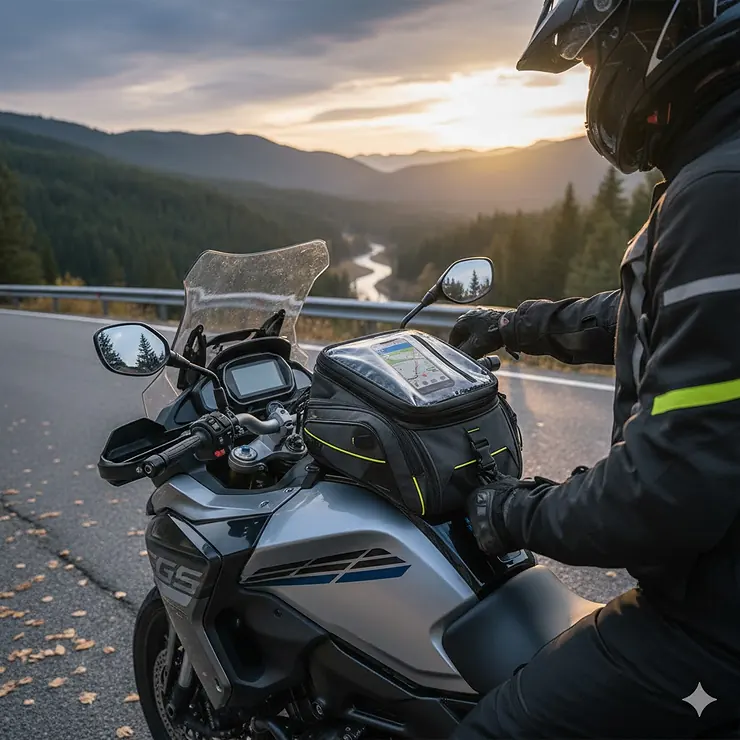
Ever fumbled for your wallet at a gas station while wearing full riding gear? Or desperately needed your phone for GPS but had it buried deep in your jacket pocket? I’ve been there, and that’s exactly why choosing the right tank bag transformed my riding experience completely.
A tank bag isn’t just another accessory—it’s your mobile command center on two wheels. Whether you’re commuting through city traffic or embarking on cross-country adventures, the right bag keeps essentials within arm’s reach without compromising your riding dynamics. But here’s the catch: not all tank bags are created equal, and picking the wrong one can turn into an expensive mistake that’ll haunt every ride.
The motorcycle tank bag market has exploded in recent years, with options ranging from compact magnetic pouches to expandable touring behemoths. Some riders swear by the convenience of magnetic mounting, while others won’t trust anything but straps. Tank capacity varies from barely-hold-your-phone 2-liter models to massive 20-liter touring giants. With prices spanning $25 to $300+, understanding what you actually need versus what looks cool in product photos makes all the difference.
In this comprehensive guide, I’ll walk you through everything you need to make an informed decision—from mounting systems and capacity considerations to weather resistance and smartphone compatibility. We’ll explore seven outstanding products across different price points and use cases, helping you find that perfect balance between functionality, durability, and value. Let’s dive into the world of tank bags and find your ideal riding companion.
Quick Comparison Table
Here’s a snapshot of our top picks to help you quickly identify which bag might suit your needs:
| Product | Capacity | Mounting | Price Range | Best For |
|---|---|---|---|---|
| TUSK Olympus Large | 8L | Strap | $80-$110 | Adventure/Touring |
| Chase Harper USA 450M | 5.4L | Magnetic | $95-$130 | Sportbike/Commuting |
| Nelson-Rigg Commuter Sport | 10L | Dual (Magnetic + Strap) | $85-$115 | Versatile Daily Use |
| REYGEAK Tank Bag | 11.8L | Magnetic + Strap | $35-$50 | Budget-Conscious Riders |
| ILM BT01 | 6L | Magnetic + Strap | $40-$60 | Entry-Level Touring |
| The Nekid Cow | 7.5L | Magnetic | $45-$65 | Cruiser/Universal Fit |
| KEMIMOTO EVA Hard Shell | 12L | Magnetic | $70-$95 | Multi-Purpose/Thigh Bag |
💬 Just one click – help others make better buying decisions too! 😊
Top 7 Motorcycle Tank Bags: Expert Analysis
1. TUSK Olympus Tank Bag Large – Best for Adventure Riders
The TUSK Olympus Large represents exceptional value in the adventure touring segment. With its 8-liter capacity and thoughtful design features, this bag punches well above its price point.
Key Specifications:
- Dimensions: 8″W × 11″L (top) × 12″L (bottom) × 8″H
- Waterproof zippers with included rain cover
- Built-in USB cable routing system
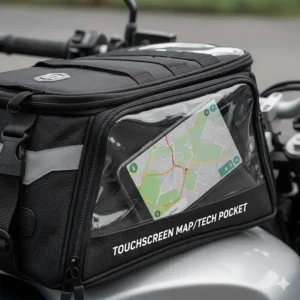
- Touch-friendly transparent phone pocket
What sets this bag apart is its intelligent organization system. You get one exterior mesh pocket, two internal mesh compartments (one zippered, one hook-and-loop), and multiple elastic loops for securing small items. The charging cable port routes from the front through to the phone pocket, keeping your devices powered without messy external wires.
Customer feedback highlights the textured non-slip bottom that prevents sliding across painted tanks—a crucial detail many cheaper bags overlook. The reflective TUSK logos add visibility during night rides, while the comfortable rubber carry handle makes off-bike transport effortless.
✅ Pros:
- Excellent build quality with durable materials
- Smart cable management system
- Universal strap mounting fits most bikes
- Included rain cover stores inside bag
❌ Cons:
- No magnetic option available
- Slightly bulkier than some competitors
Price: $80-$110 | Rating: 4.7/5 | Perfect for riders who prioritize organization and weather protection.
2. Chase Harper USA 450M Magnetic Tank Bag – Premium Sportbike Choice
Chase Harper’s reputation for American-made quality shines through in the Chase Harper 450M. This 5.4-liter bag combines sleek aerodynamics with industrial-grade construction that’ll last for years.
Key Specifications:
- Made from industrial-grade ballistic nylon
- Super-strong neodymium magnets (hidden corners)
- Anti-scratch rubberized polymer bottom
- Multiple full-length storage pockets
The 450M uses hidden corner magnets rather than exposed magnetic wings, creating a cleaner profile and more comfortable backpack conversion. The rubberized bottom protects your tank’s paint job while providing serious grip—these magnets won’t budge at highway speeds.
Riders particularly appreciate the full-length pockets that maximize storage without adding bulk. The streamlined design doesn’t interfere with tank clearance for aggressive cornering, making it ideal for sportbike enthusiasts who occasionally need practical storage.
✅ Pros:
- Premium USA manufacturing
- Incredibly strong magnetic mounting
- Tank-safe protective bottom
- Converts to comfortable backpack
❌ Cons:
- Higher price point
- Smaller capacity than adventure bags
Price: $95-$130 | Rating: 4.6/5 | Worth every penny for riders who demand quality and don’t mind investing in gear that lasts.
3. Nelson-Rigg Commuter Sport Tank Bag – Most Versatile Dual-Mount System
The Nelson-Rigg Commuter Sport solves the eternal magnetic-versus-strap debate by offering both in one package. This 10-liter bag adapts to any motorcycle tank material, making it genuinely universal.
Key Specifications:
- Dual mounting: 4 shielded magnets + 4-point strap system
- Dimensions: 13″L × 8.5″W × 5.5″H (expandable)
- Molded EVA panels maintain shape when empty
- Touch-screen friendly map panel with cable port
The genius here is the tucked-away mounting system. When using straps, the magnets hide in the non-slip base, and vice versa. This prevents unused components from scratching your tank or creating awkward bulk.
Customer reviews consistently praise the expandability feature—the bag grows when you need extra space for that impromptu shopping trip, then compresses back down for daily commuting. The removable internal organizers with self-fastening panels let you customize the interior configuration for your specific gear.
✅ Pros:
- Works on metal, aluminum, and plastic tanks
- Expandable capacity
- Professional UltraMax fade-resistant fabric
- Lifetime warranty from Nelson-Rigg
❌ Cons:
- Slightly heavier than single-mount bags
- Premium pricing
Price: $85-$115 | Rating: 4.5/5 | The Swiss Army knife of tank bags—ready for anything.
4. REYGEAK Motorcycle Tank Bag – Best Budget-Friendly Option
Don’t let the affordable price fool you—the REYGEAK delivers impressive features that rival bags costing twice as much. It’s proof that smart shopping doesn’t mean sacrificing quality.
Key Specifications:
- 11.8″ × 5.9″ × 3.9″ main compartment
- 1680D Oxford cloth and PVC leather construction
- Four super-strong 0.98″ × 0.2″ magnets
- Comes with rain cover and shoulder strap
This bag punches well above its weight class with four separate pockets: a 6.3″ × 3.9″ transparent phone pocket, two small accessory pockets, and a spacious main compartment. The orange zipper pulls are a thoughtful touch—you can operate them easily even with thick riding gloves.
Budget-conscious riders appreciate the included convertible features. The adjustable strap works both as tank security and as a shoulder carry option. While it won’t match premium bags in absolute durability, it represents exceptional value for occasional riders or those trying their first tank bag.
✅ Pros:
- Incredible value for money
- Decent build quality at this price
- Versatile carrying options
- Large transparent phone window
❌ Cons:
- Material quality below premium options
- Magnets may scratch paint without care
Price: $35-$50 | Rating: 4.3/5 | Perfect starter bag or backup option for budget-conscious riders.
5. ILM Motorcycle Tank Bag BT01 – Solid Mid-Range Performer
The ILM BT01 strikes that sweet spot between affordability and quality. With 6 liters of capacity and reinforced mounting, it handles daily commuting and weekend trips with equal competence.
Key Specifications:
- Dual mounting: magnetic base + 4 reinforcement straps
- Waterproof construction with touch-screen phone pouch
- High-strength materials rated for highway speeds
- Multiple interior and exterior pockets
ILM reinforces the magnetic base with four adjustable straps, creating a hybrid mounting system that delivers magnetic convenience with strap security. This redundancy means you won’t worry about your bag launching off at 75 mph.
The waterproof touch-screen pouch accommodates phones up to 6.5 inches, and customers report it actually works—no more removing your phone to check navigation. The bag maintains a low profile that doesn’t interfere with riding position, even on sportier motorcycles.
✅ Pros:
- Reliable dual-security mounting
- True waterproof construction
- Functional touch-screen compatibility
- Good capacity-to-size ratio
❌ Cons:
- Generic styling
- Limited color options
Price: $40-$60 | Rating: 4.4/5 | Dependable performance without breaking the bank.
6. The Nekid Cow Motorcycle Tank Bag – Best for Cruisers
The Nekid Cow bag brings old-school reliability to modern riding. Its conservative 7.5-liter capacity and strong oxford fabric construction appeal to cruiser riders who want simplicity and dependability.
Key Specifications:
- Heavy-duty oxford fabric with PVC compartments
- Powerful magnetic mounting with security belt
- Approximately 10″ × 6″ × 5″ dimensions
- Includes waterproof rain cover
This bag emphasizes fundamentals over flash. The magnets grip metal tanks tenaciously, while the adjustable fastening belt prevents any possibility of displacement. The soft padding on the bottom protects your paint job without adding unnecessary bulk.
Cruiser riders particularly appreciate the “purse size” dimensions that don’t overwhelm classic tank lines. It holds your wallet, phone, and daily essentials without looking like you’re hauling camping gear to the coffee shop.
✅ Pros:
- Strong, reliable mounting system
- Tank-safe padded bottom
- Water-resistant with included cover
- Perfect size for cruiser aesthetics
❌ Cons:
- Limited capacity for touring
- Basic feature set
Price: $45-$65 | Rating: 4.4/5 | Straightforward reliability for riders who value function over features.
7. KEMIMOTO Motorcycle EVA Hard Shell Tank Bag – Most Versatile Multi-Function Design
The KEMIMOTO EVA Hard Shell breaks the mold by functioning as both a tank bag and a thigh/leg bag. This 12-liter beast offers maximum versatility for riders who want options.
Key Specifications:
- EVA hard shell construction for shape retention
- Converts to waist pack or leg bag
- Magnetic mounting plus adjustable leg straps
- Waterproof material with touch-screen protector
The hard shell construction means this bag maintains its shape and protects contents even when full. You can mount it magnetically to your tank, wear it as a thigh bag secured to your leg, or convert it to a waist pack—talk about adaptability.
The 12-liter capacity dwarfs most tank bags, making it ideal for longer rides or riders who like carrying extra gear. The touch-screen protector works well, and the EVA construction provides impact protection for electronics and valuables.
✅ Pros:
- Three mounting options in one bag
- Largest capacity in our roundup
- Hard shell protects contents
- Excellent for multi-day tours
❌ Cons:
- Bulkier than traditional tank bags
- Hard shell adds weight
- May look oversized on smaller bikes
Price: $70-$95 | Rating: 4.5/5 | Ultimate flexibility for adventure riders who need maximum gear options.
Understanding Mounting Systems: Magnetic vs Strap Tank Bags
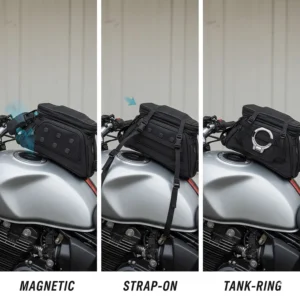
The mounting system debate defines how riders think about tank bags. Your choice here affects daily usability, security, and which bikes you can use the bag with. Let’s break down both systems so you can make an informed decision.
Magnetic Tank Bags: Quick Convenience
Magnetic bags use powerful neodymium magnets to grip your fuel tank. The appeal is immediate: drop the bag on your tank, and you’re ready to ride in seconds. This convenience shines during quick stops—no fumbling with straps at gas stations or convenience stores.
Modern magnetic systems have evolved significantly. Premium bags like the Chase Harper 450M use hidden corner magnets instead of bulky external wings, creating cleaner aesthetics and better backpack conversion. Most manufacturers now include protective rubberized bottoms that prevent magnet-caused scratches.
However, magnets have limitations. They only work on steel tanks, which excludes many modern sportbikes with aluminum or plastic fuel tanks. Some riders worry about magnetic fields affecting electronics, though in practice, this rarely causes problems with properly shielded modern devices.
Strap-Mount Systems: Universal Security
Strap-based bags use adjustable straps with quick-release buckles to secure around your tank. The TUSK Olympus exemplifies this approach with its universal mounting system that adapts to virtually any motorcycle.
Straps work on every tank material—steel, aluminum, plastic, carbon fiber, you name it. They provide absolute security; properly tensioned straps won’t budge even during aggressive riding or off-road adventures. The trade-off? Installation takes longer, and you need to adjust the fit each time you move the bag between different bikes.
Dual-Mount Systems: Best of Both Worlds
Bags like the Nelson-Rigg Commuter Sport offer both systems, letting you choose based on circumstances. Use magnets for quick commuting on your steel-tank bike, then switch to straps when borrowing your friend’s Ducati with its aluminum tank.
Making Your Choice
Choose magnetic if:
- You have a steel tank
- You make frequent stops and value quick-attach convenience
- You regularly convert the bag to backpack mode
- You primarily ride street/pavement
Choose straps if:
- Your tank is aluminum, plastic, or composite
- You do adventure/off-road riding
- You want absolute mounting security
- You rarely remove the bag during rides
Choose dual-mount if:
- You own multiple motorcycles
- You want maximum flexibility
- You don’t mind paying a slight premium
- You ride various terrain types
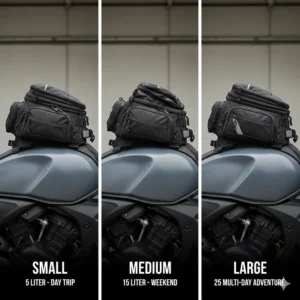
Tank Bag Size Guide: Finding Your Perfect Capacity
Bigger isn’t always better when it comes to tank bags. The right capacity balances storage needs with riding comfort and bike aesthetics. Here’s how to nail that sweet spot.
Small Bags (2-6 Liters): Minimalist Commuters
These compact bags suit sportbike riders and minimalist commuters. They hold your phone, wallet, keys, sunglasses, and maybe a small tool kit—essential daily items without bulk. The Chase Harper 450M at 5.4 liters exemplifies this category.
Small bags maintain low profiles that don’t interfere with aggressive riding positions. They’re ideal for canyon carving or track days when you need a few items but want minimal wind resistance. However, they’re too cramped for day trips or carrying lunch.
Medium Bags (7-10 Liters): The Sweet Spot
Most riders find their goldilocks zone here. Bags like the Nelson-Rigg Commuter Sport (10L) and The Nekid Cow (7.5L) offer enough room for daily essentials plus extras—a light jacket, snacks for a day ride, or small purchases from errands.
Medium bags work across bike styles without overwhelming tank proportions. Many include expansion zippers that boost capacity 30-50% when needed, giving you flexibility for that impromptu grocery run.
Large Bags (11+ Liters): Touring Champions
The KEMIMOTO EVA Hard Shell (12L) and REYGEAK (11.8L) cater to touring riders and adventure seekers. These bags swallow remarkable amounts—change of clothes, rain gear, basic tools, food for day trips, even laptop computers in some cases.
Large bags suit adventure bikes and touring motorcycles with substantial tank real estate. On smaller bikes, they can look disproportionate and may interfere with knee positioning or block instrument visibility.
Expansion Features: Variable Capacity
Many modern bags include expansion systems that increase capacity 40-100% when needed. The Nelson-Rigg Commuter Sport starts at 10L but expands for additional storage. This versatility means you’re not stuck with constant bulk when you only need minimal gear.
Size Selection Tips
Consider your typical ride:
- Daily 30-minute commute: 2-6L sufficient
- Weekend day trips: 7-10L ideal
- Multi-day touring: 11L+ or combine with other luggage
- Mixed use: Look for expandable options
Also factor in your bike’s tank size. A 12L bag on a small dual-sport looks comically large, while that same bag proportions well on a big adventure tourer.
Essential Tank Bag Features: What Actually Matters
Marketing materials bombard you with features, but which ones improve your riding experience versus just sound impressive? Let’s separate the must-haves from the nice-to-haves.
Phone/Map Pocket: The Modern Essential
A clear, touch-compatible top pocket for your phone or GPS has become non-negotiable. All seven bags in our roundup include this feature because modern riders navigate via smartphone. Look for:
- Accommodates your phone size (measure first!)
- Actually works with touchscreens (cheaper materials don’t respond well)
- Weatherproof seal to prevent moisture damage
- Cable routing to keep your device charged
The TUSK Olympus nails this with its transparent pocket and smart internal cable routing. Cheap bags often use plastic that blocks touch sensitivity or doesn’t seal properly, rendering the feature useless.
Weather Resistance: Rain Happens
Weather resistance falls into three tiers:
Water-resistant: Repels light rain but not downpours. Budget bags like the REYGEAK offer this baseline protection.
Waterproof construction: Uses sealed seams and waterproof materials. The ILM BT01 provides genuine waterproof protection for electronics.
Included rain cover: Most bags bundle a separate rain cover for extreme weather. These pack small when not needed but add full protection during storms.
Unless you only ride in guaranteed sunshine (you lucky soul), prioritize waterproofing. Soggy wallets and water-damaged phones ruin rides fast.
Organizational Pockets: Taming the Chaos
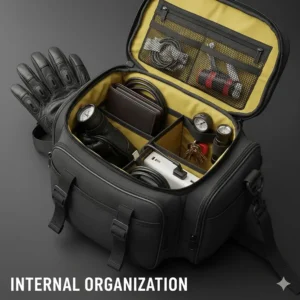
Internal organization separates functional bags from frustrating ones. Multiple compartments prevent the dreaded “dig through everything to find your toll change” scenario.
Look for:
- At least 2-3 separate pockets or compartments
- One small pocket for keys/cards so they don’t sink to the bottom
- Mesh pockets that let you see contents
- Elastic loops for pens, tire gauge, or small tools
The TUSK Olympus excels here with exterior mesh pocket, two internal mesh sections, and elastic organizing loops. Budget bags often skip compartmentalization, creating one big jumbled space.
Reflectivity: Visibility Saves Lives
Reflective elements increase your visibility to other drivers, especially crucial during dusk or dawn rides. Premium bags incorporate:
- Reflective logos or piping on multiple sides
- Strategic placement that catches headlights from various angles
- Durable reflective material that doesn’t wash off or fade
The TUSK Olympus includes reflective logos on both sides. It’s a small detail that costs manufacturers almost nothing but could prevent an accident.
Handle and Carry Options: Off-Bike Usability
Your bag shouldn’t become useless the moment you step off your motorcycle. Quality bags include:
- Comfortable rubber or padded carry handle
- Option to convert to backpack or shoulder bag
- Comfortable straps that don’t dig into shoulders when loaded
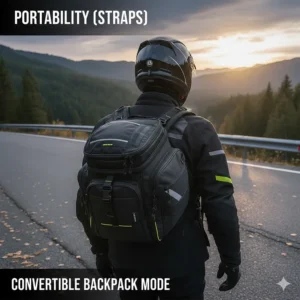
The Chase Harper 450M converts seamlessly to a backpack, perfect for bringing your gear into hotels or restaurants. The KEMIMOTO goes further with multiple carrying configurations.
Scratch Protection: Saving Your Paint
Premium bags include anti-scratch bottoms—rubberized panels, soft backing, or textured materials that grip without damaging paint. This matters enormously if you value your bike’s appearance.
Cheap bags use bare materials that can scratch tanks, especially magnetic models where the magnets themselves can mar finishes. The protective bottom on the Chase Harper line represents the gold standard here.
Universal vs Model-Specific Tank Bags: Which Route to Take?
This decision affects not just your current bike but your flexibility down the road. Let’s explore the pros, cons, and best applications for each approach.
Universal Tank Bags: Maximum Flexibility
Universal bags like our top seven picks use adjustable mounting systems designed to fit the widest possible range of motorcycles. Magnetic bags work on any steel tank, while strap systems adjust to accommodate different tank shapes and sizes.
Advantages:
- Use the same bag across multiple bikes you own
- Keeps working if you change motorcycles
- Usually more affordable than model-specific options
- Readily available for immediate purchase
- Larger selection and competitive pricing
Challenges:
- May not perfectly contour to your specific tank shape
- Adjustment process needed when switching bikes
- Sometimes don’t look as “integrated” as custom-fit options
- May have slight gaps or angles on unusual tank shapes
Universal bags work brilliantly for riders who change bikes frequently, own multiple motorcycles, or want a bag that survives bike upgrades. The Nelson-Rigg Commuter Sport demonstrates how well-designed universal mounting can work on virtually any motorcycle.
Model-Specific Tank Bags: Perfect Fit
Manufacturers like GIVI, SW-MOTECH, and others offer bags specifically engineered for particular motorcycle models. These use proprietary mounting systems that integrate with your bike’s tank cap, mounting points, or dedicated bag mounts.
Advantages:
- Perfect aerodynamic contour to your tank
- Often locks to tank for security
- Usually easiest removal (one-click systems)
- Professional, integrated appearance
- May offer larger capacity by maximizing tank real estate
Challenges:
- Only works on the specific bike model
- Becomes useless if you sell your bike for a different model
- Usually more expensive than universal options
- Limited availability (especially for less common bikes)
- Mounting systems may require installation
Model-specific bags suit riders committed to their current motorcycle long-term, those who value aesthetics highly, or owners of bikes with unusual tank shapes that universal bags don’t fit well.
Quick-Lock/Tank Ring Systems
Some manufacturers offer hybrid approaches. GIVI’s Tanklock system involves a bike-specific tank ring that installs once, then accepts various Tanklock bags. SW-MOTECH’s EVO system works similarly.
This combines model-specific fit with bag flexibility—you can swap between different Tanklock bags (small for commuting, large for touring) while maintaining that custom fit. The catch? Initial investment in the mounting ring plus compatible bags.
Making Your Decision
Choose universal if you:
- Own or plan to own multiple motorcycles
- Want immediate availability and lower cost
- Don’t mind occasional adjustment when switching bikes
- Prioritize practicality over perfect aesthetics
Choose model-specific if you:
- Plan to keep your current bike for years
- Value appearance and integration highly
- Have a bike with unusual tank shape
- Want the easiest possible removal/attachment
- Appreciate security lockability
For most riders, universal bags like those in our top seven offer the best balance of affordability, flexibility, and functionality. Save model-specific systems for your “forever bike” or if you have specific needs those systems address.
Material Quality and Durability: What to Look For
Your tank bag faces harsh conditions—sun, rain, wind, vibration, and temperature extremes. The difference between a bag that lasts five years versus five months comes down to material quality and construction standards.
Fabric Types: Beyond the Marketing Buzz
Ballistic Nylon (1000D-1680D): The gold standard for motorcycle luggage. The Chase Harper bags use industrial-grade ballistic nylon that resists tears, abrasion, and UV degradation. The “D” number indicates denier—higher numbers mean heavier, more durable fabric. Look for at least 1000D for serious use.
Oxford Cloth: A more affordable alternative that still provides decent durability. The REYGEAK uses 1680D Oxford cloth, offering good value. Oxford cloth typically costs less than ballistic nylon but won’t quite match its tear resistance.
PVC/PU Coatings: Many bags add polyvinyl chloride (PVC) or polyurethane (PU) coatings for waterproofing. Quality matters enormously here—cheap coatings crack and peel within months, while premium coatings remain flexible for years.
Ripstop Construction: Some premium bags incorporate ripstop weaving patterns that prevent small tears from expanding. If you snag your bag on a bike part, ripstop fabric contains the damage rather than letting it unzip across the entire panel.
Hardware Components: The Devil in Details
Zippers represent the most common failure point on motorcycle bags. Quality bags use:
- YKK or equivalent brand zippers (not generic no-name sliders)
- Large zipper pulls that work with gloved hands (like the REYGEAK‘s orange pulls)
- Self-healing coil zippers that resist jamming
- Weatherproof zipper design with protective flaps
The TUSK Olympus uses waterproof zippers—a premium feature that costs more but prevents the zipper itself from becoming a leak point.
Buckles and straps matter equally:
- Look for brand-name buckles (Duraflex, ITW Nexus) that snap positively and don’t flex
- UV-resistant webbing that won’t degrade in sunlight
- Adjusters that hold position under vibration
- Reinforced stitching at stress points
Base/Bottom Construction
The bag bottom endures constant friction and pressure. Premium bags include:
- Rubberized or textured panels that grip without scratching
- Reinforced corners where straps attach
- Padding to protect contents from vibration
- Drainage grommets to expel water (less common but valuable)
The anti-scratch bottom on the Chase Harper bags uses a special rubberized polymer that protects your tank while creating friction to prevent sliding. Budget bags often use bare fabric that both risks scratches and lacks grip.
Stitching Quality: Holding It Together
Examine photos carefully (or better yet, see bags in person):
- Double or triple stitching at stress points
- Bar-tack reinforcement where straps attach
- Even, straight stitch lines (sloppy stitching indicates poor quality control)
- Weatherproof thread that resists UV damage and water
Quality stitching costs manufacturers almost nothing extra but dramatically extends bag life. Cheap bags use single stitching and skip reinforcement, leading to torn seams within months of regular use.
Testing Before You Buy
If possible, physically inspect bags before purchasing:
- Feel fabric thickness and firmness
- Test zippers—they should slide smoothly without catching
- Examine stitching closely for any loose threads or skipped stitches
- Check that buckles snap firmly and release positively
- Verify padding presence and thickness on bottom and straps
Online purchases don’t allow this inspection, so rely on reviews from verified purchasers and return policies that let you evaluate quality firsthand.
Worth the Investment?
Premium materials cost more upfront but deliver superior value over time. A $120 Chase Harper that lasts five years costs $24/year. A $35 budget bag that fails after one season costs $35/year—plus the frustration of replacement and risk of lost contents from failure.
Installation and Safety Considerations
Proper installation isn’t just about convenience—it’s a critical safety issue. A poorly secured tank bag can cause serious accidents, as documented in adventure motorcycle safety guides.
Pre-Installation Checklist
Before mounting any bag:
1. Tank Inspection
- Clean your tank thoroughly to remove dirt or debris that could scratch paint
- Check for existing scratches or damage you want to document
- For magnetic bags, ensure magnets are clean and free of metal shavings
2. Bag Preparation
- Verify all zippers function properly
- Check strap adjustments and buckle operation
- Ensure mounting components (magnets, straps) are secure
- Test rain cover fits properly (if included)
3. Content Loading
- Distribute weight evenly—heavy items centered and low
- Secure loose items in pockets to prevent rattling
- Don’t overload—check manufacturer’s weight limits (typically 5-10 lbs max)
- Keep the phone pocket empty except for phone/GPS
Magnetic Bag Installation
Follow these steps for secure magnetic mounting:
Step 1: Position the bag center-mass on your tank, avoiding edges where magnets have less grip. Most bags work best centered front-to-back and side-to-side.
Step 2: Press down firmly on all magnetic points to seat them properly. You should hear or feel each magnet “grab.”
Step 3: If equipped, attach safety straps as redundant security. Never rely solely on magnets for high-speed or off-road riding.
Step 4: Before riding, try to pull the bag sideways and upward—it should resist firmly. If it shifts easily, reposition or add straps.
Warning: Magnetic bags on steel tanks can slide during aggressive cornering or emergency braking. Always use safety straps if included, especially for spirited riding or long distances.
Strap Bag Installation
Strap mounting requires more initial setup but provides superior security:
Step 1: Route straps around or through tank mounting points. Consult your bag’s instructions for your specific motorcycle—strap routing varies by tank design.
Step 2: Adjust strap length to eliminate slack while avoiding overtightening that could stress mounting points or bag attachment.
Step 3: Position buckles and excess strap length where they won’t contact moving parts (steering, tank opening) or rub your legs while riding.
Step 4: Pull the bag firmly in multiple directions to test security. It should feel rock-solid with zero movement.
Pro tip: Take photos of your first installation to remember optimal strap routing and adjustment for future use.
Critical Safety Checks
Before every ride with a mounted bag:
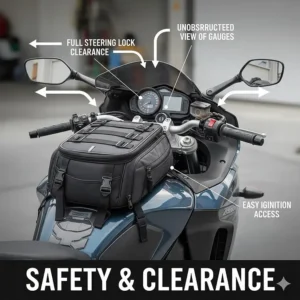
✅ Clearance Check: Ensure the bag doesn’t:
- Block instrument visibility
- Interfere with steering at full lock
- Contact the tank cap (if you need to refuel)
- Rub against cables or controls
✅ Movement Test:
- Pull bag firmly in all directions
- Simulate cornering forces by pushing sideways
- Check that zippers remain closed under tension
- Verify no straps dangle near wheels or exhaust
✅ Content Security:
- Confirm all pockets zip closed
- Ensure nothing can fall out if bag tips
- Verify phone pocket closures if using phone inside
- Check that items won’t shift during acceleration/braking
Common Installation Mistakes
Mistake 1: Overloading Exceeding capacity limits stresses mounting systems and unbalances the bike. If you can’t comfortably lift the loaded bag with two fingers, it’s too heavy.
Mistake 2: Poor Weight Distribution Placing heavy items high or to one side creates instability. Always pack heavy items low and centered.
Mistake 3: Loose Strap Ends Unsecured strap ends can contact wheels, chain, or exhaust. Tuck, tie, or secure all loose webbing. Some riders use velcro straps or zip ties.
Mistake 4: Neglecting Regular Checks Straps loosen and magnets weaken over time. Check security before each ride and re-tension as needed. According to motorcycle luggage safety research, loose luggage causes numerous preventable accidents annually.
Mistake 5: Ignoring Tank Shape Not all bags fit all tanks. Curved tanks may leave gaps with flat-bottom bags. Test fit before purchasing if possible, and read reviews from riders with your specific motorcycle.
Emergency Removal
Know how to remove your bag quickly in emergencies (medical situations, accidents, etc.):
- Magnetic bags: Lift sharply upward from front edge
- Strap bags: Release all buckles first, then lift
- Practice removal at home before you need it on the roadside
Maximum Speed Considerations
Most manufacturers specify maximum safe speeds (typically 80-100 mph). Exceeding these speeds increases:
- Wind resistance stress on mounting
- Vibration that can loosen connections
- Risk of bag becoming airborne if mounting fails
For high-speed riding, choose bags specifically rated for those speeds and consider additional security measures like safety cables.
Waterproofing and Weather Protection
Nothing ruins a ride faster than discovering your wallet, phone, and documents have become soggy messes. Understanding waterproofing helps you choose appropriate protection for your riding conditions.
Waterproofing Terminology Decoded
Manufacturers use confusing terminology to describe water resistance. Here’s what they actually mean:
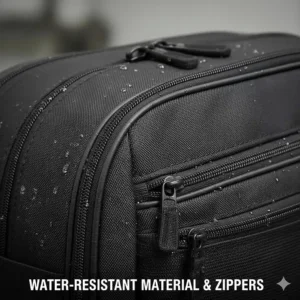
Water-Resistant: Repels light moisture but not heavy rain. Fine for short rides or quick showers. Most budget bags like the REYGEAK and The Nekid Cow fall here.
Water-Repellent: Better than water-resistant but still not suitable for extended wet riding. Coatings cause water to bead rather than soak in, buying you time to seek shelter.
Waterproof: Genuine waterproof construction prevents water penetration even during extended exposure. The ILM BT01 offers true waterproof construction. Look for:
- Sealed or welded seams (not just stitched)
- Waterproof zippers (like YKK Aquaguard)
- Roll-top closures (most waterproof option)
- Thick PVC or TPU-coated materials
Rain Cover Reality Check
Many bags include separate rain covers—simple nylon or polyester shells that slip over the entire bag. These solutions work but have limitations:
Advantages:
- Adds protection to otherwise non-waterproof bags
- Packs small when not needed
- Quick deployment when weather changes
- Inexpensive solution
Disadvantages:
- Can blow off at highway speeds if poorly secured
- Blocks access to bag—you must remove cover to access contents
- Takes time to install (by which point you might be soaked)
- Easily forgotten or lost when removed
The TUSK Olympus includes a rain cover that stores neatly inside the bag—thoughtful design that ensures it’s available when needed. Always practice deploying your rain cover at home so you can do it quickly when clouds threaten.
Phone Pocket Waterproofing
The phone pocket deserves special attention. Even bags with water-resistant bodies often have non-sealed phone pockets that leak. Check for:
- Sealed edges around the transparent window
- Weatherproof zipper or velcro closure
- Drainage holes at the bottom (if water enters, it should drain out)
Test your phone pocket before trusting it in rain:
- Place a paper towel inside the pocket
- Spray the pocket heavily with water
- Check the towel after 5 minutes
If the towel’s damp, your phone will get wet. Consider using a small waterproof pouch for your phone even in “waterproof” pockets.
DIY Waterproofing Improvements
You can enhance any bag’s water resistance:
Waterproofing Sprays: Products like Nikwax or Scotchgard add temporary water-repellent coatings. Reapply every few months or after heavy rain exposure.
Seam Sealing: Brush-on seam sealers (Seam Grip, Aquaseal) waterproof stitched seams. This dramatically improves water resistance of any bag. Apply to all exterior seams and let cure 24 hours.
Dry Bags Inside: Pack critical items (electronics, documents, cash) in small dry bags or heavy zip-lock bags inside your tank bag. This creates redundant protection.
Trash Bag Liner: Simple but effective—line your tank bag’s main compartment with a plastic trash bag. Seal contents inside. Cheap insurance against wet weather.
Testing Waterproofing
Before relying on any bag’s water resistance:
Garden Hose Test:
- Load bag with paper towels
- Spray moderately with garden hose for 2 minutes
- Check towels for dampness
This simulates riding rain but not submersion. If towels stay dry, the bag handles rain well. If they dampen, plan for supplemental protection.
Weather Considerations by Region
Your local climate should influence bag selection:
Desert/Dry Climates: Basic water resistance suffices. Prioritize UV resistance and dust protection instead.
Temperate Regions: Look for good water resistance with rain cover backup. The Nelson-Rigg Commuter Sport works well here.
Pacific Northwest/Rainy Areas: Invest in genuine waterproof construction or plan to use internal dry bags. The ILM BT01 waterproof design suits these conditions.
Tropical/Monsoon Regions: Waterproof materials essential. Consider bags with drainage to expel water that enters during opening.
The Waterproof Trade-Off
Fully waterproof bags often sacrifice breathability and flexibility. Sealed construction prevents moisture escape, so wet items (sweaty gloves, damp towel) won’t dry out in the bag. Rigid waterproof materials also reduce packing flexibility compared to soft fabrics.
Many experienced riders prefer water-resistant bags with good rain covers plus internal waterproof stuff sacks for critical items. This provides flexibility, breathability, and protection where it matters most.
Maintenance and Care Tips
Proper maintenance extends your bag’s life and keeps it looking good. Here’s how to care for your investment.
Regular Cleaning
After Every Ride:
- Empty completely and shake out debris
- Wipe exterior with damp cloth to remove road grime
- Check for and remove any accumulated dirt in mounting straps/magnets
Monthly Deep Clean:
- Remove all contents and turn bag inside-out if possible
- Brush loose dirt from fabric with soft brush
- Mix mild soap (dish soap works) with warm water
- Gently scrub exterior with soft sponge—avoid harsh scrubbing
- Rinse thoroughly with clean water
- Air dry completely before storage (never use machine dryer)
- Clean zippers with old toothbrush to remove grit
Special Attention Areas:
- Phone pocket—clean frequently to remove dirt that scratches screens
- Magnetic mounting surfaces—keep absolutely clean to prevent scratches
- Strap adjusters—remove grit that prevents smooth adjustment
- Reflective elements—gentle cleaning maintains visibility
Storage Best Practices
When not in use:
- Store in cool, dry location away from direct sunlight
- Leave zippers slightly open to allow air circulation
- Don’t store compressed under other gear
- Keep away from petroleum products, solvents, and chemicals
- Stuff lightly with newspaper to maintain shape (optional)
UV damage kills bags faster than wear. Sunlight degrades fabrics, fades colors, and makes materials brittle. Store indoors whenever possible.
Addressing Common Issues
Stuck Zipper:
- Apply zipper lubricant (gear aid zipper cleaner/lubricant)
- Work lubricant into zipper teeth with toothbrush
- Gently work slider back and forth—don’t force
- If still stuck, check for caught fabric
Scratched Tank: Despite careful use, scratches happen. To minimize:
- Always inspect magnet surfaces before mounting
- Clean tank before each use
- Consider clear tank protector film on mounting area
- Immediately repair any tears in protective bottom
Loose Strap Adjusters:
- Replace worn adjusters (hardware stores sell replacements)
- Apply drop of super glue to adjustment point (lets strap move but adds friction)
- Upgrade to higher-quality Duraflex adjusters
Weakened Magnets: Magnets do weaken over time, especially with heat exposure. If your magnetic bag no longer grips firmly:
- Clean magnets thoroughly—dirt reduces magnetic contact
- Consider replacement magnets (some manufacturers sell them)
- Switch to supplemental strap use for safety
- Time for new bag if magnets are integral/non-replaceable
Reproofing Water Resistance
Water-repellent coatings degrade. Restore them:
- Clean bag thoroughly and dry completely
- Apply waterproofing spray (Nikwax, Granger’s, or Scotchgard)
- Follow product instructions for application
- Let cure fully (usually 24 hours) before using
- Reapply every season or after noticeable water resistance loss
Strap and Buckle Maintenance
- Inspect stitching at attachment points for fraying
- Check buckle function—they should snap positively
- Clean buckles and straps to prevent grit buildup
- Replace worn webbing before failure
Long-Term Storage (Off-Season)
If storing your bag for months:
- Clean thoroughly and dry completely
- Check for and repair any damage
- Loosen all straps to prevent material stress
- Store in breathable bag (cotton, not plastic)
- Keep in climate-controlled area if possible
- Place sachets of silica gel inside to absorb moisture
When to Retire a Bag
Replace your bag if you notice:
- Structural damage (broken buckles, torn straps)
- Extensive fabric wear or holes
- Failed waterproofing you can’t restore
- Weakened magnets (magnetic bags)
- Multiple zipper failures
Safety matters more than saving money on worn-out gear. A failed bag at highway speeds creates serious hazards.
FAQ
❓ How much weight can a motorcycle tank bag safely hold?
❓ Will a magnetic tank bag scratch my motorcycle's paint?
❓ Can I use a tank bag on my plastic or aluminum fuel tank?
❓ Do tank bags affect motorcycle aerodynamics and fuel economy?
❓ How do I prevent my tank bag from interfering with steering?
Conclusion: Your Perfect Tank Bag Awaits
Finding the right tank bag transforms your riding experience from fumbling frustration to organized efficiency. Whether you’re a daily commuter tired of stuffing your pockets, a weekend warrior planning epic day trips, or a long-distance tourer covering serious mileage, there’s a perfect bag in our lineup waiting for you.
For budget-conscious riders, the REYGEAK delivers remarkable features at an entry-level price point—you honestly can’t go wrong for $35-50. Those seeking premium quality should seriously consider the Chase Harper 450M, where American manufacturing and industrial-grade materials justify the investment. Adventure riders and touring enthusiasts will find their match in the versatile TUSK Olympus Large or the multi-function KEMIMOTO EVA Hard Shell.
Remember, the “best” bag isn’t the one with the most features or highest price—it’s the one that matches your specific riding style, motorcycle type, and storage needs. A perfectly sized 6-liter bag serves daily commuters better than a massive 12-liter touring bag that blocks their instrument cluster. Similarly, that ultra-compact sportbike bag won’t cut it when you’re packing for a weekend adventure.
Take time to honestly assess what you’ll actually carry, where you ride, and how often you’ll use the bag. Consider your bike’s tank material for mounting compatibility. Factor in your local weather conditions for appropriate waterproofing. Think about whether you want quick-attach magnetic convenience or rock-solid strap security.
Start with one bag that covers your most frequent use case. As your riding evolves, you can always add another bag for different scenarios. Many riders eventually own two or three bags: a compact magnetic option for quick errands, a medium expandable bag for day trips, and perhaps a large touring bag for serious adventures.
Your perfect riding companion is out there. Use this guide to make an informed choice, and soon you’ll wonder how you ever rode without your tank bag. Safe travels, and may your gear always stay dry and organized!
Recommended for You
- 7 Best Motorcycle Bags for Long Rides: 2026 Ultimate Guide
- 7 Best Motorcycle Touring Bags 2026: Ultimate Expert Guide
- 7 Best Motorcycle Backpack for Commuting 2026
Disclaimer: This article contains affiliate links. If you purchase products through these links, we may earn a small commission at no additional cost to you.
✨ Found this helpful? Share it with your friends! 💬🤗
