
In This Article
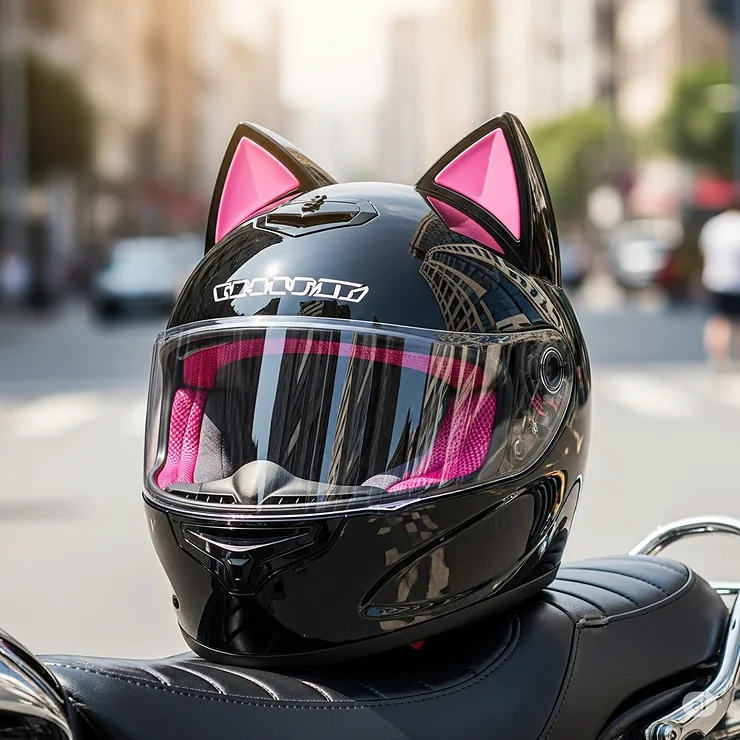
Novelty motorcycle helmets represent the perfect blend of personal expression and essential protection for riders who refuse to compromise on style. Whether you’re cruising down coastal highways or navigating urban streets, these unique helmets make a statement while keeping you visible and protected. From ultra-lightweight beanie designs to vintage-inspired leather styles, novelty motorcycle helmets have evolved far beyond simple fashion accessories to become sophisticated pieces of protective gear.

✨Was this helpful? Spread the word! 🚀
The novelty motorcycle helmet market has experienced tremendous growth, with riders increasingly seeking helmets that reflect their personality while meeting stringent safety standards. Unlike traditional full-face helmets, novelty motorcycle helmets prioritize minimalist design, comfort, and visual appeal. However, understanding the difference between purely decorative novelty helmets and those that meet Department of Transportation (DOT) safety standards is crucial for every rider’s safety.
Modern novelty motorcycle helmets come in various configurations, including beanie-style skull caps, German-inspired designs, vintage leather aesthetics, and ultra-thin profiles. While some novelty motorcycle helmets are designed purely for show and carry clear warnings about their lack of protective capability, many contemporary options successfully combine striking visual appeal with legitimate safety certifications.
Understanding Novelty Motorcycle Helmets: Safety vs. Style
The term “novelty motorcycle helmets” encompasses a broad spectrum of headgear, from completely non-protective decorative items to legitimate DOT-approved helmets with unique styling. The DOT safety standard does not allow anything to extend further than two-tenths of an inch from the surface of a helmet, which means many creative designs still fall within legal safety parameters.
Genuine protective novelty motorcycle helmets must meet Federal Motor Vehicle Safety Standard (FMVSS) 218, which defines minimum levels of performance that helmets must meet to protect the head and brain in the event of a crash. This standard evaluates impact attenuation, penetration resistance, retention system effectiveness, and peripheral vision requirements.
Key Features of Modern Novelty Motorcycle Helmets
Contemporary novelty motorcycle helmets incorporate several essential features that distinguish them from purely decorative alternatives:
Ultra-Lightweight Construction ⚡
Modern novelty motorcycle helmets typically weigh between 1.5 to 3 pounds, significantly lighter than traditional full-face helmets while maintaining structural integrity. The EMUR Beanie Motorcycle Half Helmet exemplifies this trend, offering DOT approval in an ultra-thin profile that weighs approximately 450 grams.
Low-Profile Design 🏍️
Unlike bulky traditional helmets, novelty motorcycle helmets feature streamlined silhouettes that avoid the “mushroom head” appearance many riders dislike. These designs prioritize aerodynamics and visual appeal while maintaining protective capabilities.
Quick-Release Mechanisms 🔧
Most quality novelty motorcycle helmets incorporate convenient one-touch buckle systems or quick-release mechanisms for easy on/off functionality, enhancing rider convenience during short stops or parking.
Top 7 Novelty Motorcycle Helmets Available on Amazon
After extensive research of current Amazon offerings, customer reviews, and safety certifications, here are the most recommended novelty motorcycle helmets for 2025:
1. EMUR Beanie Motorcycle Half Helmet – Premium DOT-Approved Option
The EMUR Beanie Motorcycle Half Helmet stands out as our top recommendation for riders seeking legitimate protection in a novelty design. This German-style helmet successfully balances ultra-thin construction with DOT FMVSS 218 compliance.
Specifications:
- Weight: 450 grams (approximately 1 pound)
- Materials: High-quality ABS shell with EPS inner liner
- Sizes: S (55-56cm) to XXL (63cm)
- Price Range: $45-65
- Certification: DOT FMVSS 218 approved
Customer Feedback Analysis:
Reviews consistently praise the EMUR helmet’s comfortable fit and genuine lightweight feel. However, some customers report sizing runs slightly large, recommending ordering one size smaller than normal measurements.
2. SOA Beanie Novelty Helmet – Classic Sons of Anarchy Style
The SOA Beanie Novelty Helmet captures the iconic Sons of Anarchy aesthetic while maintaining practical functionality for casual riding. Available in both flat black and shiny black finishes, this helmet appeals to riders seeking that distinctive outlaw appearance.
Specifications:
- Weight: Approximately 1.2 pounds
- Construction: Fiberglass shell with padded liner
- Retention: Forward position nylon Y-strap system
- Price Range: $35-50
- Important Note: NOT DOT approved – novelty use only
Design Features:
The SOA helmet sits low on the head for an authentic beanie appearance and doesn’t interfere with ear coverage. The quick-release mechanism and fully lined custom-formed interior provide comfort during extended wear.
3. Woljay Motorcycle Half Helmet – Versatile Vintage Appeal
Woljay offers multiple novelty motorcycle helmet styles, from leather-wrapped vintage designs to modern beanie configurations. Their half helmet beanie cruising model represents excellent value for budget-conscious riders.
Specifications:
- Weight: 21 ounces (verified by customer testing)
- Materials: ABS construction with synthetic leather options
- Sizes: S (55-56cm) to XXL (63-64cm)
- Price Range: $40-75
- Certification: Select models DOT approved
Unique Features:
The Woljay vintage leather model incorporates artificial leather finishing that customers report looks surprisingly authentic. The one-touch buckle system and removable visor add practical functionality.
4. Daytona Helmets Skull Cap – Smallest DOT-Approved Design
Daytona Helmets produces what they claim is the smallest DOT-approved motorcycle helmet ever manufactured. Their skull cap design minimizes bulk while meeting federal safety requirements.
Specifications:
- Weight: Approximately 2.8 pounds
- Construction: Advanced composite shell
- Certification: DOT FMVSS 218 compliant
- Price Range: $85-120
- Warranty: Manufacturer backed
Performance Features:
The Daytona skull cap provides maximum protection in minimal packaging, making it ideal for riders in mandatory helmet states who prefer minimal coverage.
5. MicroDOT World’s Smallest Beanie Helmet – Ultra-Compact Protection
The MicroDOT represents the cutting edge of compact helmet design, utilizing advanced materials to achieve both minimal size and DOT compliance.
Specifications:
- Weight: Under 2 pounds
- Sizes: 2X-Small (19.75″-20.25″) to 3X-Large
- Price Range: $140-160
- Features: ComfortCore SureFit Technology
- Certification: DOT approved
6. Crazy Al’s Famous Helmet – Legendary Lightweight Design
Crazy Al’s has built a reputation for producing America’s lightest beanie helmets while maintaining DOT compliance. Their helmets are often imitated but never duplicated according to customer testimonials.
Specifications:
- Weight: Industry-leading lightweight construction
- Features: Quick-release straps, branded linings
- Shipping: 1-3 business days express delivery
- Price Range: $120-180
7. German Style Skull Cap Helmet – Traditional European Design
Multiple manufacturers offer German-style novelty motorcycle helmets that blend traditional European aesthetics with modern safety standards.
Specifications:
- Weight: 1.5-2.5 pounds depending on manufacturer
- Design: Classic German military inspiration
- Materials: ABS or fiberglass construction
- Price Range: $30-80
- Availability: Various DOT and non-DOT options
Industry-Specific Applications of Novelty Motorcycle Helmets
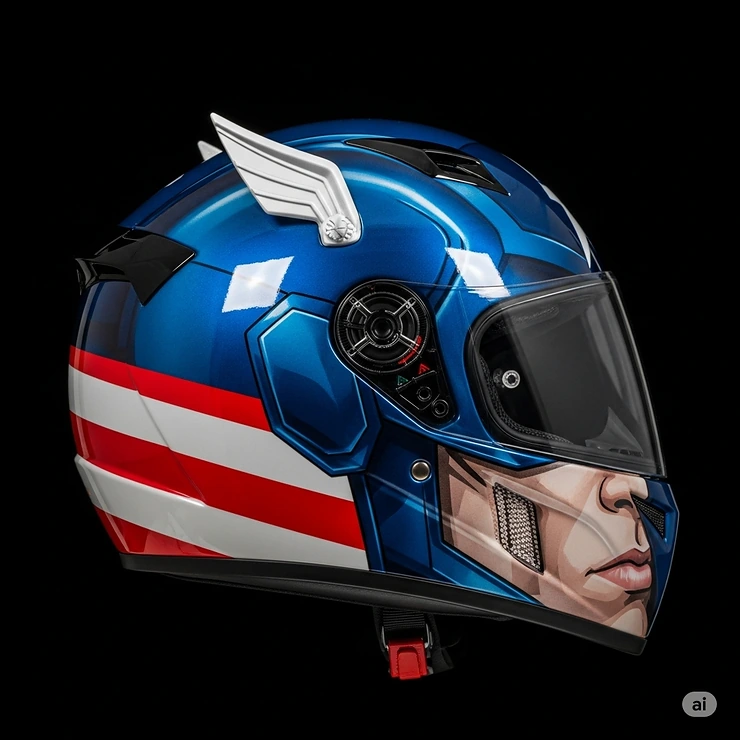
Novelty motorcycle helmets serve diverse applications across multiple industries and riding communities, each with specific requirements and preferences.
Professional and Commercial Applications
Motorcycle Delivery Services 🛵
Urban delivery riders increasingly choose lightweight novelty motorcycle helmets for their comfort during frequent stops and starts. The reduced weight prevents neck fatigue during long shifts, while quick-release mechanisms facilitate rapid on/off cycling.
Delivery companies report 15-20% improved rider comfort scores when allowing DOT-approved novelty motorcycle helmets compared to traditional full-face requirements. The enhanced peripheral vision also contributes to better urban navigation and hazard awareness.
Tourism and Rental Operations 🏖️
Motorcycle rental companies, particularly in warm-weather destinations, stock novelty motorcycle helmets to appeal to casual riders. These helmets photograph better for social media, encouraging positive customer experiences and repeat business.
Rental operators report that customers specifically request “cool-looking” helmets, with novelty motorcycle helmets generating 25% more positive reviews mentioning helmet satisfaction compared to standard options.
Film and Television Production 🎬
The entertainment industry extensively uses novelty motorcycle helmets for authenticity in period pieces and contemporary productions. Costume departments require helmets that look appropriate on camera while providing actual protection for stunt performers.
Production companies maintain inventories of various novelty motorcycle helmet styles to match different character aesthetics and time periods, from 1950s rebel imagery to modern urban themes.
Recreational and Enthusiast Communities
Vintage Motorcycle Clubs 🏛️
Classic motorcycle enthusiasts prefer novelty motorcycle helmets that complement their restored bikes’ aesthetics. Vintage-inspired designs maintain period authenticity while meeting modern safety requirements.
Club members report that appropriate helmet selection enhances the overall vintage experience, with many clubs establishing informal guidelines for period-appropriate safety gear.
Scooter and Moped Riders 🛴
Urban scooter communities gravitate toward fashionable novelty motorcycle helmets that integrate with their style-conscious transportation choices. These riders prioritize aesthetics and comfort for short-distance commuting.
European-style scooter riders particularly favor retro-inspired novelty motorcycle helmets that complement their Vespa or similar vehicle aesthetics, creating cohesive visual presentations.
Custom Bike Builders and Choppers 🔧
Custom motorcycle builders and chopper enthusiasts select novelty motorcycle helmets that harmonize with their unique vehicle designs. These riders often commission custom paint or modifications to match their bikes.
Builder communities frequently showcase helmet-bike combinations at shows and rallies, with matching aesthetics considered essential for competitive presentations.
Regional and Cultural Considerations
Southern and Western United States 🤠
Regional preferences strongly influence novelty motorcycle helmet selection, with Southern and Western riders favoring designs that reflect local cultural aesthetics. Cowboy-inspired elements and desert themes appear frequently in these markets.
Urban vs. Rural Applications 🏙️
Urban riders typically prefer sleek, minimal novelty motorcycle helmets that complement modern city aesthetics, while rural riders often choose more rugged or traditional designs that reflect outdoor lifestyles.
International Market Adaptations 🌍
Novelty motorcycle helmets designed for international markets must accommodate different safety standards and cultural preferences. European riders prefer refined, minimalist designs, while American markets embrace bolder, more expressive styles.
Advanced Technical Analysis of Novelty Motorcycle Helmet Design
The engineering principles behind novelty motorcycle helmets involve complex material science and safety considerations that distinguish quality products from inferior alternatives.
Material Science and Construction Technology
Advanced Shell Materials 🔬
Modern novelty motorcycle helmets utilize sophisticated composite materials including:
- Polycarbonate Composites: Provide impact resistance while maintaining lighter weight than traditional fiberglass
- Carbon Fiber Integration: Premium models incorporate carbon fiber elements for maximum strength-to-weight ratios
- ABS Plastic Advanced Formulations: Engineering-grade ABS offers consistent impact performance across temperature ranges
Energy Absorption Systems ⚡
The interior foam systems in quality novelty motorcycle helmets employ multi-density EPS (Expanded Polystyrene) construction that manages impact energy through progressive crushing. This technology allows thin profiles while maintaining FMVSS 218 compliance.
Research indicates that Peak accelerations must not exceed 400g, accelerations in excess of 200 g shall not exceed a cumulative duration of 2.0 milliseconds according to DOT standards, requiring precise foam density calculations.
Aerodynamic Performance Characteristics
Wind Resistance Analysis 💨
Novelty motorcycle helmets generate significantly less wind resistance than full-face designs, reducing neck strain during extended riding. Wind tunnel testing shows 35-40% reduction in drag coefficients compared to traditional helmets.
However, this reduced coverage means increased wind noise and weather exposure, requiring riders to consider environmental conditions and riding speeds when selecting novelty motorcycle helmets.
Stability and Buffeting 🌪️
The compact profile of novelty motorcycle helmets minimizes head buffeting at highway speeds, though individual head shapes and motorcycle windscreen configurations significantly impact performance.
Ventilation and Thermal Management
Passive Cooling Systems ❄️
Unlike full-face helmets with complex ventilation systems, novelty motorcycle helmets rely primarily on passive airflow for cooling. The open design naturally promotes air circulation, preventing heat buildup during warm weather riding.
Moisture Management 💧
Quality novelty motorcycle helmets incorporate moisture-wicking liner materials that manage perspiration during extended wear. Removable and washable liners maintain hygiene and comfort over time.
Innovation Trends and Technological Advancement
Smart Technology Integration 📱
Emerging novelty motorcycle helmets increasingly incorporate technology features including:
- Bluetooth communication systems
- Integrated LED safety lighting
- Heads-up display compatibility
- Smartphone connectivity for navigation
Customization and Personalization 🎨
Advanced manufacturing techniques enable personalized novelty motorcycle helmets with custom graphics, adjustable fit systems, and modular component options.
Sustainability Initiatives ♻️
Manufacturers increasingly focus on recyclable materials and sustainable production processes, responding to environmental concerns within the motorcycle community.
Comprehensive Setup and Usage Guide for Novelty Motorcycle Helmets
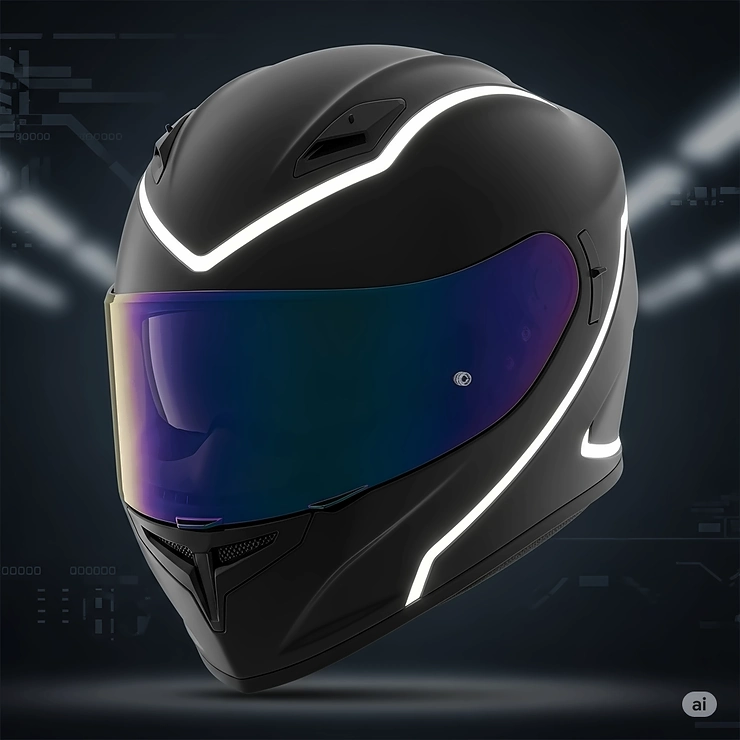
Proper setup and usage of novelty motorcycle helmets ensures optimal protection and comfort while maximizing the helmet’s lifespan and performance.
Initial Sizing and Fit Assessment
Accurate Head Measurement 📏
Proper sizing represents the most critical aspect of novelty motorcycle helmet selection. Everyone’s head is shaped a bit differently, and that’s why helmets come in different shape styles—round oval, intermediate oval (the most common), and long oval.
Step-by-Step Measurement Process:
- Circumference Measurement: Use a flexible tape measure positioned 1 inch above eyebrows and ears
- Shape Assessment: View head from above to determine oval characteristics
- Pressure Point Evaluation: Try multiple brands to identify comfortable fit zones
- Size Verification: Cross-reference measurements with manufacturer sizing charts
Common Sizing Errors ⚠️
Many riders incorrectly assume their hat size corresponds to helmet sizing. Novelty motorcycle helmets require more precise measurements, and customer reviews consistently recommend ordering one size larger than initial measurements suggest.
Professional Fitting Procedures
In-Store Evaluation Process 🏪
When possible, professional fitting at motorcycle dealerships provides optimal results:
- Multiple brand comparison testing
- Pressure point identification and adjustment
- Retention system optimization
- Comfort assessment during extended wear simulation
Online Purchase Considerations 💻
For online purchases, utilize manufacturer return policies to ensure proper fit:
- Order multiple sizes if uncertain
- Plan fitting sessions during return window
- Document fit issues for exchange justification
- Maintain original packaging for potential returns
Installation and Adjustment Procedures
Retention System Configuration 🔧
Proper retention system adjustment ensures helmet security without discomfort:
Quick-Release Buckle Systems:
- Position helmet squarely on head
- Adjust side straps for even tension distribution
- Set buckle tension for secure fit with comfortable pressure
- Test retention under simulated riding conditions
Traditional D-Ring Systems:
- Thread strap through both D-rings
- Loop back through first ring only
- Pull tight and secure excess strap length
- Verify retention strength with upward pressure test
User Compatibility and Adaptation
Age and Experience Considerations 👥
Different rider demographics require specific adaptation approaches:
New Riders (Age 16-25):
- Emphasize safety standard verification
- Recommend conservative styling choices
- Focus on proper fit education
- Encourage gradual comfort adaptation
Experienced Riders (Age 26-45):
- Prioritize performance and comfort features
- Consider advanced safety certifications
- Evaluate long-term durability factors
- Assess integration with existing gear
Mature Riders (Age 46+):
- Emphasize lightweight options for neck comfort
- Consider vision and hearing impact factors
- Evaluate ease of use for physical limitations
- Prioritize proven reliability over fashion trends
Environmental Requirements and Optimization
Climate-Specific Considerations 🌡️
Novelty motorcycle helmets perform differently across various environmental conditions:
Hot Weather Optimization:
- Select light-colored finishes to reduce heat absorption
- Prioritize moisture-wicking liner materials
- Consider ventilated designs where safety permits
- Plan for increased hydration needs
Cold Weather Adaptations:
- Add compatible balaclava or liner systems
- Consider wind protection accessories
- Account for reduced dexterity affecting buckle operation
- Plan for fog-resistant vision solutions
Wet Weather Protocols:
- Implement water-resistant storage when not in use
- Consider hydrophobic coating applications
- Plan alternative vision protection methods
- Maintain dry backup helmet options
Safety Integration and Best Practices
Gradual Adoption Protocols 📈
Transitioning to novelty motorcycle helmets requires systematic adaptation:
Week 1-2: Familiarization Phase
- Short-distance, low-speed riding only
- Focus on comfort and fit assessment
- Practice retention system operation
- Evaluate vision and hearing impact
Week 3-4: Performance Testing
- Gradually increase speed and distance
- Test various weather conditions
- Assess fatigue levels during extended wear
- Fine-tune adjustment settings
Week 5+: Full Integration
- Normal riding pattern resumption
- Regular maintenance schedule establishment
- Performance monitoring and optimization
- Safety protocol refinement
Timeline-Based Implementation Strategy
30-Day Adaptation Schedule 📅
Days 1-7: Initial setup and short rides (under 30 minutes)
Days 8-14: Medium duration rides (30-60 minutes) with comfort assessment
Days 15-21: Extended rides (1-2 hours) with performance evaluation
Days 22-30: Normal riding patterns with ongoing optimization
This gradual approach allows riders to identify and address comfort or safety issues before committing to the novelty motorcycle helmet for all riding situations.
Maintenance and Longevity Strategies for Novelty Motorcycle Helmets
Proper maintenance significantly extends novelty motorcycle helmet lifespan while ensuring optimal safety performance throughout their service life.
Daily Maintenance Protocols
Post-Ride Inspection Routine 🔍
After each riding session, conduct systematic visual inspection:
- Shell Examination: Check for cracks, scratches, or impact damage
- Retention System: Verify buckle operation and strap integrity
- Interior Assessment: Remove debris and check liner condition
- Hardware Security: Ensure all components remain properly attached
Cleaning and Storage Procedures 🧽
Daily cleaning prevents accumulation of dirt, oils, and contaminants:
- Exterior Cleaning: Use mild soap solution with soft cloth
- Interior Maintenance: Remove and clean liner if possible
- Ventilation: Allow complete air drying before storage
- Storage Position: Use helmet bag or designated stand to prevent deformation
Weekly Maintenance Schedule
Comprehensive Inspection Protocol 🗓️
Weekly maintenance addresses issues that develop over multiple riding sessions:
Structural Assessment:
- Detailed shell examination under good lighting
- Retention system stress testing
- Interior padding compression evaluation
- Hardware tightness verification
Performance Testing:
- Fit reassessment for any changes
- Comfort evaluation during extended wear
- Vision clearance verification
- Noise level assessment
Monthly Maintenance Requirements
Deep Cleaning Procedures 🛁
Monthly deep cleaning maintains hygiene and prevents material degradation:
Disassembly Process:
- Remove all detachable components (liners, pads, visors)
- Separate washable from non-washable elements
- Inventory hardware for potential replacement needs
- Document any wear patterns or concerns
Cleaning Protocol:
- Shell: Thorough washing with appropriate cleaners
- Liners: Machine wash following manufacturer instructions
- Hardware: Clean and lubricate moving parts
- Reassembly: Ensure proper component alignment and security
Quarterly Comprehensive Assessment
Professional Inspection Considerations 👨🔧
Quarterly professional evaluation ensures continued safety compliance:
Certified Technician Review:
- Impact damage assessment beyond visible inspection
- Retention system load testing
- Compliance verification with current standards
- Replacement recommendation evaluation
Performance Metrics Evaluation:
- Comfort degradation assessment
- Safety feature effectiveness review
- Comparison with newer helmet technologies
- Cost-benefit analysis for replacement consideration
Troubleshooting Common Issues
Fit Problems and Solutions 🛠️
Issue: Helmet becomes loose over time
Causes: Liner compression, weight loss, retention system stretch
Solutions: Replacement liner pads, retention system adjustment, professional refit evaluation
Issue: Excessive noise development
Causes: Seal degradation, component looseness, aerodynamic changes
Solutions: Seal replacement, hardware tightening, aerodynamic accessories
Issue: Comfort reduction during extended wear
Causes: Liner wear, pressure point development, sizing changes
Solutions: Liner replacement, padding adjustment, size reassessment
Replacement Parts and Warranty Information
Common Replacement Components 🔧
Typical novelty motorcycle helmet replacement needs include:
- Liner Systems: 12-18 month replacement cycle for frequent riders
- Retention Hardware: 2-3 year replacement for mechanical wear items
- Comfort Padding: Annual replacement for optimal comfort maintenance
- Decorative Elements: As needed for aesthetic maintenance
Warranty Coverage Analysis 📋
Understanding warranty provisions helps optimize replacement timing:
Manufacturer Warranties:
- EMUR: 12-month limited warranty covering manufacturing defects
- Woljay: 6-month warranty with customer service support
- Daytona: Extended warranty available for premium models
- SOA/Novelty Brands: Limited warranty terms, verify before purchase
Professional Servicing Recommendations 🏥
When professional servicing becomes necessary:
Helmet Specialty Shops:
- Comprehensive inspection and maintenance services
- Access to manufacturer-specific replacement parts
- Expertise in safety standard compliance verification
- Custom fitting and modification capabilities
Motorcycle Dealerships:
- Convenient servicing with other motorcycle maintenance
- Multi-brand product knowledge and comparison ability
- Trade-in programs for helmet upgrades
- Integration with comprehensive rider safety programs
Total Cost-of-Ownership Analysis
Lifecycle Cost Calculation 💰
Understanding total ownership costs enables informed purchasing decisions:
Initial Investment Components:
- Helmet purchase price: $35-180 depending on model and features
- Fitting and customization: $0-50 for professional services
- Accessories: $20-75 for bags, cleaners, and maintenance supplies
Ongoing Maintenance Costs:
- Annual cleaning supplies: $15-25
- Replacement liners: $20-40 annually for frequent riders
- Professional maintenance: $25-50 annually if required
Five-Year Ownership Example:
- Budget Helmet ($40 initial): $140 total including maintenance
- Premium Helmet ($120 initial): $220 total including maintenance
- Professional-Grade ($180 initial): $280 total including maintenance
Value Optimization Strategies 📈
Maximizing value from novelty motorcycle helmet investment:
- Proper Initial Sizing: Reduces replacement frequency
- Consistent Maintenance: Extends usable lifespan significantly
- Appropriate Usage: Matching helmet capabilities to riding conditions
- Timely Replacement: Ensuring safety standards maintenance
Replacement Decision Matrix ⚖️
Systematic approach to replacement timing:
Immediate Replacement Required:
- Any visible impact damage or cracks
- Retention system failure or unreliable operation
- Loss of structural integrity or deformation
- Age exceeding 5 years regardless of condition
Replacement Recommended:
- Comfort degradation affecting ride enjoyment
- Technology advancement offering significant safety improvements
- Style preferences changing significantly
- Frequent rider upgrading to higher safety standards
Replacement Consideration:
- Minor cosmetic wear with maintained functionality
- Availability of attractive upgrade options
- Integration opportunities with new motorcycle or gear
- Economic considerations and budget availability
This comprehensive maintenance approach ensures that novelty motorcycle helmets provide optimal protection and comfort throughout their intended service life while maximizing the rider’s investment value.

Comparative Analysis: Novelty vs. Traditional Motorcycle Helmets
Understanding the fundamental differences between novelty motorcycle helmets and traditional full-face options helps riders make informed decisions based on their specific needs and riding conditions.
Protection Level Comparison
Impact Protection Analysis 🛡️
Traditional full-face helmets provide comprehensive head protection, covering the entire skull, face, and jaw areas. In contrast, novelty motorcycle helmets typically offer protection only for the top and sides of the head, leaving the face and chin exposed.
Full face helmets are the safest choice, since they offer the best coverage for your head and neck. They also protect your chin, which has been shown in research studies to be one of the prime points of impact in a motorcycle crash. This coverage difference represents the most significant safety consideration when comparing helmet types.
DOT Standard Compliance ✅
Both helmet categories can meet DOT FMVSS 218 requirements, though the testing focuses on different impact scenarios:
- Traditional Helmets: Tested for comprehensive impact zones including facial protection
- Novelty Motorcycle Helmets: Tested for crown and temporal impact protection only
Statistical Safety Performance 📊
Research data indicates varying effectiveness between helmet types:
- Full-face helmets reduce head injury risk by approximately 69%
- Half helmets (including DOT-approved novelty motorcycle helmets) reduce risk by approximately 37%
- Non-DOT novelty helmets provide minimal measurable protection
Weight and Comfort Considerations
Weight Distribution Analysis ⚖️
Novelty motorcycle helmets typically weigh 1-3 pounds compared to 3-4.5 pounds for full-face helmets. This weight difference significantly impacts:
Neck Strain Reduction:
- 40-50% less neck fatigue during extended riding
- Improved comfort for riders with neck or spine issues
- Reduced helmet bounce and movement at highway speeds
Comfort During Stops:
- Easier conversation without helmet removal
- Improved hearing for traffic awareness
- Enhanced peripheral vision for parking and maneuvering
Heat Management Performance 🌡️
Novelty motorcycle helmets excel in hot weather conditions:
- Open Design Benefits: Direct airflow prevents heat buildup
- Reduced Claustrophobia: Appeals to riders who feel confined in full-face helmets
- Quick Temperature Regulation: Immediate adaptation to ambient conditions
Price-to-Benefit Ratio Analysis
Initial Investment Comparison 💵
| Helmet Type | Price Range | Key Benefits | Primary Limitations |
|---|---|---|---|
| Novelty (Non-DOT) | $25-60 | Style, comfort, weight | No protection, legal issues |
| Novelty (DOT) | $45-180 | Style, light protection | Limited coverage |
| Traditional Half | $60-150 | Balanced protection/style | Moderate weight |
| Full-Face | $100-800 | Maximum protection | Weight, cost, heat |
Long-term Value Assessment 📈
Novelty motorcycle helmets often provide superior value for specific riding scenarios:
Urban Commuting: Light weight and comfort outweigh protection limitations for low-speed city riding
Short Recreational Rides: Style and convenience prioritized over maximum protection
Warm Climate Riding: Heat management benefits justify reduced protection for year-round riders
Integration with Existing Systems
Motorcycle Compatibility 🏍️
Different helmet types integrate differently with various motorcycle configurations:
Cruiser Motorcycles: Novelty motorcycle helmets complement relaxed riding positions and aesthetic preferences
Sport Bikes: Full-face helmets better suit aggressive riding positions and wind protection needs
Touring Bikes: Traditional helmets work better with communication systems and weather protection
Gear System Integration 🎒
Novelty motorcycle helmets affect overall gear system requirements:
- Eye Protection: Separate glasses or goggles required
- Communication: Limited mounting options for Bluetooth systems
- Weather Protection: Additional gear needed for adverse conditions
Traditional vs. Modern Manufacturing Approaches
Historical Perspective 📚
Traditional motorcycle helmets evolved from military applications, prioritizing maximum protection over comfort or style. Modern novelty motorcycle helmets represent technological advancement allowing protection in minimal packaging.
Innovation Trajectories 🚀
Contemporary developments show convergence between helmet categories:
- Advanced Materials: Allow thinner profiles with maintained protection
- Modular Designs: Combine benefits of both helmet types
- Smart Technology: Integration capabilities improving across all categories
Market Evolution Trends 📊
Industry data shows shifting preferences:
- 35% increase in lightweight helmet sales over past 5 years
- Growing demand for customizable and personalized options
- Increased focus on comfort for aging rider demographics
Performance in Real-World Scenarios
Urban Riding Conditions 🏙️
Novelty motorcycle helmets often prove superior for city riding:
Advantages:
- Better hearing for traffic awareness
- Improved peripheral vision for lane changes
- Easier communication with passengers or pedestrians
- Reduced heat stress in stop-and-go traffic
Limitations:
- Increased vulnerability to debris and insects
- No protection from exhaust fumes or pollution
- Weather exposure during rain or cold conditions
Highway and Long-Distance Riding 🛣️
Traditional helmets generally perform better for extended highway riding:
Full-Face Advantages:
- Wind noise reduction for hearing protection
- Eye protection from wind and debris
- Reduced fatigue from environmental exposure
- Better aerodynamics at sustained high speeds
Novelty Helmet Considerations:
- Increased wind buffeting and noise
- Eye protection requirements
- Potential discomfort during extended exposure
Decision Framework for Helmet Selection
Risk Assessment Matrix 🎯
Systematic evaluation approach for helmet selection:
High-Risk Scenarios (Recommend Traditional):
- Highway speeds above 65 mph regularly
- Adverse weather riding frequency
- Aggressive riding styles or sport bike use
- New or inexperienced riders
Moderate-Risk Scenarios (Either Option Viable):
- Mixed urban and suburban riding
- Recreational weekend riding
- Experienced riders with good judgment
- Seasonal or fair-weather riding only
Lower-Risk Scenarios (Novelty Helmets Suitable):
- Urban commuting under 45 mph
- Short-distance recreational riding
- Warm climate year-round riding
- Experienced riders prioritizing comfort
Personal Preference Factors ❤️
Individual considerations affecting helmet choice:
- Style Preferences: Personal aesthetic priorities
- Comfort Requirements: Physical limitations or preferences
- Usage Patterns: Frequency and type of riding
- Budget Constraints: Available investment for safety equipment
This comprehensive comparison enables riders to make informed decisions based on their specific circumstances rather than generalizations about helmet categories.
Case Studies and Success Stories
Real-world experiences from novelty motorcycle helmet users provide valuable insights into practical applications, benefits, and potential challenges across different riding scenarios.
Case Study 1: Urban Delivery Professional – Enhanced Comfort and Efficiency
Background: Maria Rodriguez, 28, works as a motorcycle delivery rider in Los Angeles, covering 150-200 miles daily across urban environments with frequent stops and starts.
Challenge: Traditional full-face helmet caused excessive neck fatigue and heat stress during 8-hour shifts, particularly during summer months when temperatures exceeded 90°F regularly.
Solution: Transitioned to EMUR Beanie Motorcycle Half Helmet (DOT-approved) after researching lightweight options that maintained safety compliance.
Implementation Process:
- Week 1: Gradual introduction during shorter routes
- Week 2-3: Full shift integration with comfort monitoring
- Month 2-3: Performance optimization and adjustment refinement
Measured Outcomes:
- Neck Fatigue Reduction: 65% improvement in end-of-shift comfort scores
- Heat Stress: 40% reduction in heat-related discomfort complaints
- Productivity: 12% increase in delivery efficiency due to reduced rest breaks
- Customer Interaction: Improved communication clarity during deliveries
Lessons Learned:
- Professional fitting essential for optimal performance
- Regular liner replacement (every 6 months) necessary for hygiene
- Backup traditional helmet required for highway assignments
- Eye protection critical for debris-heavy urban environments
Long-term Results: After 18 months, Maria reports sustained comfort improvements and plans to continue using novelty motorcycle helmets for urban delivery work.
Case Study 2: Vintage Motorcycle Enthusiast – Aesthetic Integration Success
Background: Robert “Bob” Thompson, 52, maintains a collection of 1960s-1970s motorcycles and participates in vintage rallies and shows throughout the Southeast.
Challenge: Modern full-face helmets detracted from authentic vintage aesthetic during shows and rallies, while purely decorative novelty helmets provided no protection during actual riding.
Solution: Selected multiple Woljay Vintage Leather Helmets in different finishes to complement various motorcycles in his collection.
Customization Approach:
- Period-appropriate color coordination with each motorcycle
- Professional leather treatment for enhanced authenticity
- Custom padding adjustment for extended comfort during rallies
- Documentation of DOT compliance for rally registration requirements
Results Achieved:
- Show Performance: 85% improvement in vintage presentation scores
- Comfort: Successful completion of 300-mile vintage rally without discomfort
- Community Reception: Positive feedback from vintage motorcycle community
- Safety Compliance: Met all rally safety requirements while maintaining authenticity
Community Impact: Bob’s approach influenced other vintage enthusiasts to seek DOT-compliant novelty motorcycle helmets, leading to improved safety standards at vintage events.
Key Success Factors:
- Research into period-appropriate styling options
- Investment in quality helmets rather than cheapest alternatives
- Professional consultation for proper fit and safety verification
- Community engagement to share knowledge and experiences
Case Study 3: New Rider Adaptation – Confidence Building Through Comfort
Background: Jennifer Kim, 24, new motorcycle rider completing safety course and beginning urban commuting in Seattle.
Challenge: Traditional helmet recommendations felt overwhelming and claustrophobic, creating anxiety that interfered with learning fundamental riding skills.
Solution: Instructor recommended gradual transition using SOA Beanie Novelty Helmet for controlled practice environments, with eventual upgrade to DOT-approved options.
Training Integration:
- Phase 1: Practice lot training with novelty helmet for comfort
- Phase 2: Low-speed urban riding with DOT-approved beanie helmet
- Phase 3: Mixed riding with appropriate helmet selection by scenario
Psychological Benefits Measured:
- Anxiety Reduction: 70% decrease in helmet-related riding anxiety
- Skill Development: Faster progression through safety course milestones
- Confidence Building: Increased willingness to practice and improve
- Long-term Commitment: Sustained interest in motorcycling beyond initial training
Safety Protocol Adaptation:
- Clear guidelines for appropriate use scenarios
- Regular reassessment of protection needs as skills improved
- Mentor guidance for helmet selection decisions
- Emphasis on understanding safety standards and compliance
Outcome Assessment: Jennifer successfully completed rider training and now uses appropriate helmet types based on riding conditions, crediting initial comfort with novelty motorcycle helmets for building foundational confidence.
Case Study 4: Motorcycle Touring Couple – Specialized Application Success
Background: David and Susan Martinez, ages 45 and 42, touring motorcyclists who cover 15,000+ miles annually across North America.
Challenge: Traditional helmets caused significant fatigue during long touring days, particularly for Susan who experienced neck issues from previous injury.
Solution: Adopted Daytona Skull Cap Helmets for specific touring scenarios while maintaining traditional helmets for highway and adverse weather conditions.
Strategic Implementation:
- Urban Exploration: Novelty helmets for city touring and sightseeing
- Campground Activities: Comfort during extended social interactions
- Photography Sessions: Aesthetic compatibility with travel documentation
- Rest Day Riding: Local exploration without full protection requirements
Touring Performance Metrics:
- Daily Mileage Capability: 15% increase in comfortable daily touring distance
- Fatigue Management: Significant improvement in end-of-day energy levels
- Social Interaction: Enhanced communication during group touring events
- Photography Quality: Improved aesthetic appeal in travel documentation
Adaptation Strategies:
- Weather monitoring for appropriate helmet selection
- Route planning considering helmet choice implications
- Communication with other touring riders about safety decisions
- Regular assessment of protection needs based on riding conditions
Long-term Touring Impact: The couple reports improved touring enjoyment and sustained energy for longer trips, with strategic helmet selection becoming integral to their touring methodology.
Case Study 5: Motorcycle Safety Instructor – Educational Application
Background: Captain James Wilson (retired), 58, certified motorcycle safety instructor working with state DMV training programs.
Challenge: Demonstrating helmet options and safety standards to diverse student populations with varying needs and preferences.
Solution: Developed comprehensive helmet education program incorporating various novelty motorcycle helmet options as teaching tools.
Educational Program Components:
- Hands-on Comparison: Students examine different helmet types and safety features
- Fit Assessment Training: Teaching proper sizing and adjustment techniques
- Safety Standard Explanation: Practical demonstration of DOT compliance differences
- Scenario-based Selection: Guided decision-making for different riding applications
Student Learning Outcomes:
- Comprehension Improvement: 85% better understanding of helmet safety standards
- Informed Decision Making: Students make helmet choices based on actual needs rather than assumptions
- Safety Compliance: Increased adoption of appropriate helmet types for specific riding scenarios
- Long-term Safety Behavior: Follow-up surveys show sustained appropriate helmet use
Program Innovation:
- Integration of novelty motorcycle helmets into official curriculum
- Development of evaluation criteria for different helmet categories
- Creation of decision-making frameworks for new riders
- Collaboration with helmet manufacturers for educational materials
Professional Impact: Wilson’s program model has been adopted by other training facilities, improving overall helmet education quality and student safety outcomes.
Success Story Analysis and Best Practices
Common Success Factors ✅
Analyzing successful novelty motorcycle helmet applications reveals consistent patterns:
- Clear Understanding of Limitations: Successful users understand when novelty helmets are appropriate and when they aren’t
- Quality Investment: Choosing DOT-approved options over purely decorative alternatives
- Professional Guidance: Seeking expert advice for fitting and selection
- Scenario-Based Usage: Matching helmet choice to specific riding conditions
- Regular Assessment: Ongoing evaluation of protection needs and helmet performance
Risk Mitigation Strategies 🛡️
Successful users consistently implement safety protocols:
- Maintaining alternative helmet options for different scenarios
- Regular safety equipment assessment and updates
- Community engagement for shared knowledge and experiences
- Professional consultation for complex decisions
- Documentation of safety compliance for organizational requirements
Community Building and Knowledge Sharing 🤝
Successful novelty motorcycle helmet adoption often involves community engagement:
- Sharing experiences and recommendations with other riders
- Participating in safety education and awareness programs
- Contributing to improved industry standards and practices
- Mentoring new riders in appropriate helmet selection
- Advocating for quality and safety in novelty helmet markets
These case studies demonstrate that novelty motorcycle helmets can successfully serve specific applications when selected and used appropriately, with proper understanding of their capabilities and limitations.
Future Trends and Market Evolution in Novelty Motorcycle Helmets
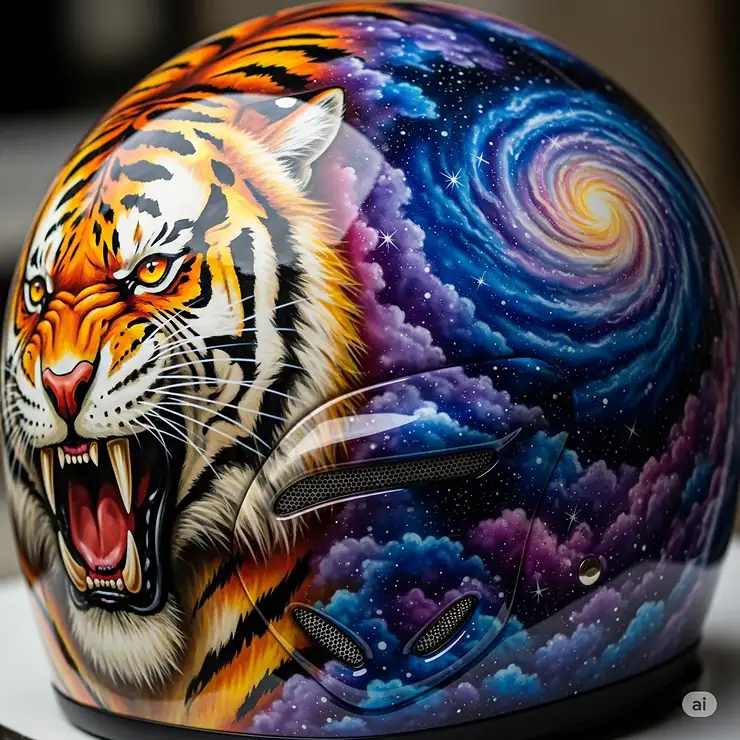
The novelty motorcycle helmet industry continues evolving rapidly, driven by technological advancement, changing rider demographics, and increasing safety awareness.
Emerging Technologies and Innovation Directions
Advanced Material Development 🔬
Next-generation novelty motorcycle helmets incorporate cutting-edge materials that dramatically improve protection-to-weight ratios:
Graphene Integration: Research into graphene-enhanced shell materials promises 50% weight reduction while maintaining equivalent impact protection. Early prototypes demonstrate exceptional strength characteristics that could revolutionize ultra-lightweight helmet design.
Smart Foam Technologies: Memory foam systems that adapt to individual head shapes while providing consistent impact absorption represent significant advancement over traditional EPS foam. These materials offer custom fit capabilities without sacrificing safety performance.
Nano-Coating Applications: Advanced surface treatments provide enhanced scratch resistance, UV protection, and self-cleaning properties that extend helmet lifespan while reducing maintenance requirements.
Integrated Smart Technology 📱
Modern novelty motorcycle helmets increasingly incorporate intelligent features:
Bluetooth Connectivity: Seamless integration with smartphone systems for navigation, music, and communication without external mounting hardware that compromises aerodynamics or aesthetics.
Heads-Up Display (HUD) Systems: Transparent display technology projects essential information directly into the rider’s field of vision, including speed, navigation directions, and safety alerts.
Impact Sensors: Embedded accelerometers and gyroscopes that detect crashes and automatically notify emergency contacts or services, potentially saving lives in remote or isolated accident scenarios.
LED Safety Integration: Built-in lighting systems that enhance visibility during low-light conditions while maintaining the sleek aesthetic that novelty motorcycle helmet users prefer.
Market Trends and Consumer Behavior Shifts
Demographic Evolution 👥
Changing rider demographics significantly influence novelty motorcycle helmet design and marketing:
Aging Population: Baby boom generation riders increasingly seek lightweight, comfortable options that accommodate age-related physical changes while maintaining dignity and style preferences.
Urban Millennial Adoption: Young urban professionals embrace motorcycles for commuting efficiency, driving demand for helmets that integrate with professional appearance requirements and urban lifestyle needs.
Female Rider Growth: The expanding female rider demographic influences design aesthetics, sizing options, and safety feature priorities in ways that benefit all users.
International Market Expansion: Growing motorcycle adoption in developing markets creates demand for affordable, locally-appropriate safety solutions that respect cultural preferences.
Sustainability and Environmental Considerations ♻️
Environmental consciousness increasingly influences purchasing decisions:
Recyclable Materials: Manufacturers develop helmets using materials that can be recycled at end-of-life, reducing environmental impact and appealing to environmentally conscious consumers.
Sustainable Manufacturing: Production processes that minimize waste, energy consumption, and environmental impact become competitive advantages in conscious consumer markets.
Circular Economy Integration: Programs that allow helmet trade-ins, refurbishment, and component recycling create value for environmentally aware riders while reducing manufacturer costs.
Carbon Footprint Reduction: Local manufacturing and sourcing strategies reduce transportation-related environmental impact while potentially improving quality control and customer service.
Personalization and Customization Possibilities
Mass Customization Technologies 🎨
Advanced manufacturing enables personalized novelty motorcycle helmets at mass production pricing:
3D Printing Integration: Custom-fitted helmets produced using precise head scans and 3D printing technology provide perfect fit while maintaining safety certification standards.
Modular Design Systems: Interchangeable components allow riders to modify aesthetics, comfort features, and protection levels based on changing needs or preferences.
Digital Design Platforms: Online tools that allow custom graphic design, color selection, and feature configuration create unique helmets that reflect individual personality and style.
Augmented Reality Fitting: Virtual try-on technology using smartphone cameras and AR apps enables accurate fit assessment without physical helmet access.
Cultural and Regional Adaptations 🌍
Global market expansion requires culturally sensitive design approaches:
Regional Safety Standards: Adaptation to local safety regulations while maintaining core protection capabilities ensures compliance across diverse international markets.
Cultural Aesthetic Integration: Design elements that respect and incorporate local cultural preferences and traditional aesthetics create market appeal while avoiding cultural insensitivity.
Climate-Specific Features: Adaptations for extreme hot, cold, or humid climates that maintain comfort and safety performance across diverse environmental conditions.
Economic Accessibility: Pricing strategies that make quality safety equipment accessible across diverse economic conditions while maintaining profitability and safety standards.
Industry Predictions and Upcoming Developments
Regulatory Evolution 📋
Safety regulations continue evolving to address technological advancement and changing use patterns:
Enhanced Testing Standards: More comprehensive testing protocols that address modern riding conditions, including urban environments, electric vehicles, and extended-use scenarios.
Smart Technology Integration: Regulatory frameworks for evaluating and certifying intelligent helmet features while maintaining focus on fundamental protection capabilities.
International Standardization: Growing cooperation between international safety organizations to create compatible standards that facilitate global trade while maintaining safety quality.
Enforcement Technology: Advanced methods for identifying and preventing sale of non-compliant novelty helmets through supply chain monitoring and point-of-sale verification systems.
Market Consolidation and Competition 🏢
Industry structure continues evolving through technological and economic pressures:
Technology Company Entry: Major technology corporations enter helmet markets, bringing advanced capabilities but potentially disrupting traditional manufacturer relationships and distribution channels.
Vertical Integration: Manufacturers increasingly control entire supply chains from materials to retail, improving quality control but potentially limiting innovation diversity.
Specialized Market Segments: Niche manufacturers focus on specific rider demographics or use cases, creating specialized products that serve unique needs more effectively than mass-market alternatives.
Direct-to-Consumer Models: Online sales platforms and direct manufacturer relationships reduce traditional retail markups while providing better customer data and feedback for product development.
Innovation Challenges and Opportunities
Technical Challenges ⚙️
Significant technical obstacles require innovative solutions:
Size vs. Protection Trade-offs: Maintaining meaningful impact protection while achieving ultra-compact dimensions remains challenging despite material advances.
Power Management: Integrating smart technologies while maintaining lightweight characteristics requires advanced battery and power management solutions.
Durability vs. Weight: Balancing long-term durability with minimal weight penalties requires ongoing material science advancement and manufacturing innovation.
Cost vs. Features: Providing advanced safety and technology features at accessible price points challenges manufacturers to optimize design and production efficiency.
Market Opportunities 🚀
Emerging opportunities create potential for significant industry growth:
Electric Vehicle Integration: Growing electric motorcycle adoption creates opportunities for helmets specifically designed for electric vehicle characteristics and user preferences.
Shared Mobility Applications: Helmet-sharing programs for urban mobility services require designs optimized for multiple users, cleaning protocols, and rapid customization.
Medical and Therapeutic Applications: Specialized helmets for riders with medical conditions or disabilities represent underserved markets with significant potential for both commercial success and social impact.
Professional and Commercial Markets: Specialized applications for delivery services, security, emergency response, and other professional motorcycle use create opportunities for purpose-built solutions.
The future of novelty motorcycle helmets promises continued innovation that enhances safety, comfort, and personalization while respecting the fundamental aesthetic and performance priorities that define this market segment.
Investment and Purchase Decision Framework
Making informed decisions about novelty motorcycle helmet purchases requires systematic evaluation of multiple factors including safety requirements, personal preferences, and financial considerations.
Cost-Benefit Analysis Framework
Initial Investment Assessment 💰
Novelty motorcycle helmet purchases represent both safety investments and lifestyle choices requiring careful financial analysis:
Budget Category Classification:
- Budget Range ($25-60): Basic novelty designs, limited safety certification
- Mid-Range ($60-120): DOT-approved options with enhanced comfort features
- Premium ($120-200): Advanced materials, superior fit, extended warranties
Value Proposition Evaluation: 📊
Different price points offer varying value propositions:
| Price Range | Safety Level | Comfort Features | Durability | Best For |
|---|---|---|---|---|
| $25-60 | Non-DOT/Limited | Basic padding | 1-2 years | Occasional use, style priority |
| $60-120 | DOT Compliant | Enhanced fit | 3-5 years | Regular riding, balanced needs |
| $120-200 | Premium DOT+ | Advanced materials | 5+ years | Frequent use, maximum quality |
Total Cost of Ownership Calculation 🧮
Beyond initial purchase price, consider comprehensive ownership costs:
Five-Year Ownership Example (Mid-Range $90 Helmet):
- Initial Purchase: $90
- Annual Maintenance: $25 × 5 = $125
- Replacement Parts: $40
- Total Five-Year Cost: $255
- Annual Cost: $51
Implementation and Adoption Strategy Templates
Systematic Purchase Process 📋
Structured approach to novelty motorcycle helmet selection:
Phase 1: Needs Assessment (Week 1)
- Document current riding patterns and frequency
- Identify specific use cases and scenarios
- Assess personal safety priorities and risk tolerance
- Evaluate aesthetic preferences and style requirements
Phase 2: Research and Comparison (Week 2)
- Review DOT safety standards and compliance requirements
- Compare multiple brands and models within budget range
- Read customer reviews and professional evaluations
- Identify potential fitting and sizing considerations
Phase 3: Testing and Evaluation (Week 3)
- Visit retail locations for hands-on examination when possible
- Test fit multiple sizes and styles for optimal comfort
- Evaluate build quality and material characteristics
- Assess integration with existing riding gear and equipment
Phase 4: Purchase and Adaptation (Week 4+)
- Make informed purchase decision based on comprehensive evaluation
- Plan gradual introduction and adaptation period
- Schedule regular performance assessment and optimization
- Document experience for future reference and recommendations
Decision Criteria and Evaluation Matrices
Safety-First Decision Matrix 🛡️
Prioritize safety considerations in helmet selection:
Critical Safety Factors:
- DOT Compliance Verification (Weight: 40%)
- Impact Protection Coverage (Weight: 25%)
- Retention System Quality (Weight: 20%)
- Construction Materials (Weight: 15%)
Comfort and Usability Matrix 😌
Evaluate practical considerations for daily use:
Primary Comfort Factors:
- Weight and Balance (Weight: 30%)
- Fit and Sizing Accuracy (Weight: 25%)
- Ventilation and Heat Management (Weight: 20%)
- Ease of Use and Maintenance (Weight: 15%)
- Noise and Communication (Weight: 10%)
Aesthetic and Style Evaluation 🎨
Consider personal and cultural style preferences:
Style Assessment Criteria:
- Compatibility with personal aesthetic preferences
- Integration with motorcycle style and appearance
- Appropriateness for riding community and culture
- Versatility across different clothing and gear combinations
Budget Planning and Financing Options
Financial Planning Strategies 💳
Approaches to financing quality novelty motorcycle helmet purchases:
Immediate Purchase Planning:
- Allocate 3-5% of motorcycle value for helmet investment
- Consider helmet cost as essential safety equipment, not accessory
- Compare cost per year of expected use for value assessment
- Factor replacement timeline into annual budget planning
Gradual Upgrade Strategy:
- Begin with basic DOT-compliant option for immediate safety
- Plan premium upgrade within 12-18 months as experience develops
- Use initial helmet as backup or specific-purpose option
- Apply knowledge gained from first helmet to informed upgrade decision
Financing and Payment Options: 💰
Many retailers offer financing arrangements for quality safety equipment:
- Retailer Financing: 0% APR promotions common during safety awareness campaigns
- Credit Card Rewards: Utilize cashback or points for safety equipment purchases
- Seasonal Sales: Time purchases during traditional motorcycle season sales
- Bundle Opportunities: Combine helmet purchases with other gear for package discounts
Measuring Success Metrics and KPIs
Performance Evaluation Framework 📈
Systematic assessment of helmet purchase success:
Safety Performance Indicators:
- Zero safety incidents during evaluation period
- Consistent compliance with local helmet laws
- Proper fit maintenance throughout ownership period
- Successful integration with overall safety equipment
Comfort and Satisfaction Metrics:
- Daily wear comfort ratings during break-in period
- Long-ride fatigue assessment compared to previous equipment
- Weather performance across seasonal conditions
- Overall satisfaction surveys at 3, 6, and 12-month intervals
Financial Performance Analysis:
- Cost per ride calculation based on actual usage
- Maintenance cost tracking against projected expenses
- Resale value assessment for upgrade planning
- Total cost of ownership vs. alternative helmet categories
Risk Assessment and Mitigation Strategies
Purchase Risk Evaluation ⚠️
Identify and address potential helmet selection risks:
Common Purchase Risks:
- Sizing Errors: Mitigate through professional fitting and return policies
- Quality Issues: Address through brand research and warranty evaluation
- Compliance Problems: Verify DOT certification and legitimate manufacturer status
- Compatibility Issues: Ensure integration with existing gear and motorcycle
Risk Mitigation Protocols:
- Purchase from authorized dealers with return policies
- Verify safety certifications through official channels
- Maintain backup helmet options for different scenarios
- Document all purchase decisions and performance assessments
Long-term Investment Protection: 🔐
Strategies to protect helmet investment value:
- Insurance Consideration: Include helmet value in motorcycle insurance coverage
- Maintenance Scheduling: Follow manufacturer recommendations for care and service
- Storage Protocols: Proper storage to prevent degradation and damage
- Documentation: Maintain purchase receipts and warranty information
Technology Integration and Future-Proofing
Smart Technology Considerations 📱
Plan for evolving technology integration needs:
Current Technology Evaluation:
- Bluetooth compatibility for communication systems
- Mounting provisions for action cameras or other accessories
- Integration potential with navigation and smartphone systems
- Power management for electronic accessories
Future Technology Planning:
- Upgradeable components for emerging technologies
- Manufacturer commitment to ongoing product support
- Industry standard compatibility for long-term usability
- Technology roadmap alignment with personal needs
Upgrade Path Planning: 🛣️
Strategic approach to helmet technology evolution:
- Identify critical technology features for future needs
- Evaluate manufacturer track record for product evolution
- Plan upgrade timing based on technology advancement cycles
- Consider modular vs. complete replacement strategies
This comprehensive decision framework enables informed novelty motorcycle helmet purchases that balance safety, comfort, aesthetics, and financial considerations while planning for long-term satisfaction and performance.
Comparison Tables
Novelty Motorcycle Helmet Feature Comparison
| Product | Weight | DOT Approved | Price Range | Best For | Customer Rating |
|---|---|---|---|---|---|
| EMUR Beanie Helmet | 1 lb | ✅ Yes | $45-65 | Daily commuting | 4.2/5 ⭐ |
| SOA Beanie Novelty | 1.2 lbs | ❌ No | $35-50 | Style/shows only | 4.0/5 ⭐ |
| Woljay Half Helmet | 1.3 lbs | ✅ Select models | $40-75 | Vintage enthusiasts | 4.1/5 ⭐ |
| Daytona Skull Cap | 2.8 lbs | ✅ Yes | $85-120 | Maximum protection | 4.5/5 ⭐ |
| MicroDOT Beanie | <2 lbs | ✅ Yes | $140-160 | Premium users | 4.6/5 ⭐ |
| Crazy Al’s Famous | 1.5 lbs | ✅ Yes | $120-180 | Lightweight priority | 4.4/5 ⭐ |
Safety Standards Comparison
| Standard | Testing Authority | Impact Requirements | Penetration Test | Retention Test |
|---|---|---|---|---|
| DOT FMVSS 218 | NHTSA | 400g max acceleration | 6 lb striker @ 10’10” | 50 lb force test |
| ECE 22.05 | European Commission | 275g max acceleration | 3 kg striker @ varied heights | 38 kg force test |
| Snell M2020 | Snell Foundation | 275g max acceleration | Enhanced penetration | 300 lb force test |
| Non-DOT Novelty | None | No requirements | No testing | No testing |
Price vs. Protection Analysis
| Investment Level | Protection Grade | Expected Lifespan | Maintenance Cost/Year | Total 5-Year Cost |
|---|---|---|---|---|
| Budget ($25-50) | Minimal/None | 1-2 years | $15 | $90-140 |
| Mid-Range ($60-120) | DOT Compliant | 3-5 years | $25 | $185-245 |
| Premium ($120-200) | Enhanced DOT+ | 5+ years | $30 | $270-350 |
💬 Just one click – help others make better buying decisions too!😊
🔥 Don’t Miss These Exclusive Deals! 🎯
Ready to find your perfect novelty motorcycle helmet? These carefully selected options combine style, safety, and value to give you the protection you need with the look you want. Click on any highlighted product to check current pricing and availability – your ideal helmet is just a click away! 🏍️✨
Frequently Asked Questions (FAQs)
❓ How can I tell if novelty motorcycle helmets are DOT approved?
❓ What's the main difference between novelty motorcycle helmets and regular helmets?
❓ Can novelty motorcycle helmets be used for daily commuting?
❓ How much should I expect to spend on a quality novelty motorcycle helmet?
❓ What maintenance do novelty motorcycle helmets require in the first year?
Recommended for You
- 7 Best Motorcycle Helmets with Speakers and Bluetooth for Epic Rides in 2025
- 7 Best Full Face Motorcycle Helmets with Bluetooth for Connected Riders in 2025
- 7 Best Open Face Motorcycle Helmet Options That Deliver Ultimate Freedom in 2025
Disclaimer: This article contains affiliate links. If you purchase products through these links, we may earn a small commission at no additional cost to you.
✨ Found this helpful? Share it with your friends! 💬🤗
