
In This Article
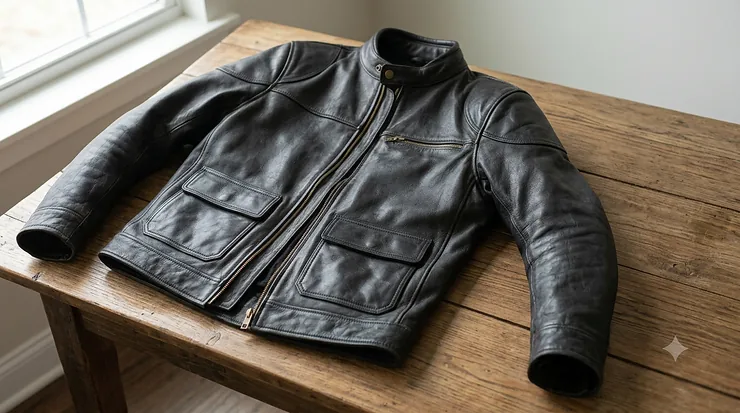
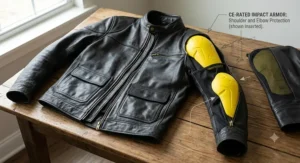
A leather touring motorcycle jacket is a riding jacket built from full-grain cowhide or buffalo hide, fitted with CE-rated armor at the shoulders, elbows, and back, and designed with a removable thermal liner so it works across multiple seasons rather than just one. That last part — the liner — is what separates a touring jacket from a basic cruiser jacket. You’re not buying a leather jacket that happens to have armor; you’re buying a system that adapts from a 40°F morning start to a 90°F afternoon without you needing to pack a second coat.
I’ve spent the last few months pulling apart spec sheets, reading through owner feedback, and comparing real listings to figure out which leather touring jackets actually earn their price tag in 2026. What most buyers overlook is that “touring” on a leather jacket label often means almost nothing without removable liners, underarm gussets, and a genuine ventilation system — plenty of jackets borrow the word without the substance. Below are seven jackets that don’t.
Whether you’re commuting forty miles a day or planning a cross-country trip, the right leather touring motorcycle jacket should disappear into the background of your ride — protecting you without fighting you. Let’s get into the comparison.
Quick Comparison Table
| Jacket | Best For | Price Range |
|---|---|---|
| Jackets4bikes REVOLT | Budget all-rounder | $120–$160 |
| HWK Brando | Vintage café styling | $100–$140 |
| Viking Cycle Bloodaxe | Budget heavy-duty protection | $130–$170 |
| Viking Cycle Skeid | Storage & airflow | $180–$230 |
| First Mfg Co. Crusader | Patina leather lovers | $200–$260 |
| First Mfg Co. Top Performer | Hot-climate touring | $190–$240 |
| Milwaukee Leather LKM1700 | Premium buffalo durability | $250–$320 |
Looking at the spread above, the budget tier isn’t a compromise tier — the REVOLT and Bloodaxe both pack CE armor that you’d expect to pay double for elsewhere. Where the price climbs is mostly leather grade and hardware quality: buffalo hide on the Skeid and LKM1700 resists abrasion noticeably better than the thinner cowhide on entry jackets, which matters most if you’re logging serious touring miles rather than weekend rides. Riders in hot climates should weight the Top Performer higher than its price suggests, since its venting is genuinely class-leading.
💬 Just one click — help others make better buying decisions too!😊
Top 7 Leather Touring Motorcycle Jackets: Expert Analysis
| Jacket | Leather Type | Armor | Liner | Best For |
|---|---|---|---|---|
| REVOLT | 1.2–1.3mm buffalo | 5pc CE removable | Removable thermal | Budget all-season |
| HWK Brando | Cowhide | CE shoulders/elbows/back | Micro-mesh thermal | Café-style touring |
| Bloodaxe | Premium hide | CE elbow/shoulder/spine | Zip-out + mesh dual | Budget protection |
| Skeid | Buffalo leather | CE armored | Removable | Storage & ventilation |
| Crusader | Hand-waxed cowhide | CE armor pockets | Full zip-out thermal | Patina/classic look |
| Top Performer | Diamond Naked cowhide | CE armor pockets | Insulated zip-out | Hot-weather venting |
| LKM1700 | Premium buffalo | CE armor | — | Premium durability |
The pattern worth noticing here: every jacket on this list treats the liner as removable rather than fixed, which is the single biggest tell that a jacket was actually engineered for touring instead of just labeled that way. Armor coverage is fairly consistent across the board, so the real differentiator becomes leather weight and ventilation — buffalo hide jackets like the Skeid and LKM1700 trade a bit of flexibility for meaningfully better long-term abrasion resistance.
1. Jackets4bikes REVOLT Buffalo Leather Motorcycle Jacket
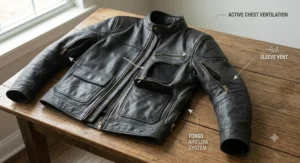
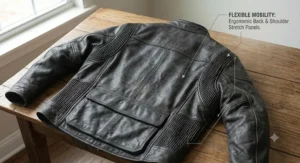
The Jackets4bikes REVOLT stands out for packing five-piece CE armor into a jacket that regularly sells under $160. Built from 1.2–1.3mm natural buffalo leather, the hide is thick enough to genuinely matter in a slide — in my experience, anything under 1.0mm on a “leather” jacket starts to feel more like fashion than protection, and this clears that bar comfortably. The removable thermal liner combined with chest, sleeve, and back ventilation zippers means you can run it bare in summer and insulated in March without owning two jackets.
This is the jacket for a rider who wants real protection without financing a second mortgage. Owner feedback consistently mentions the armor inspiring confidence and the action-back panel allowing a full range of motion on long stretches.
✅ Genuine buffalo hide
✅ full 5pc armor
✅ four-season liner system
❌ Hardware feels basic at this price
❌ break-in period runs longer than premium hides
Price/value verdict: In the $120–$160 range, this is hard to beat for a first leather touring jacket.
2. HWK Brando Motorcycle Leather Jacket
The HWK Brando leans into vintage cafe-racer styling — a snap collar and minimalist branding — while still hiding CE armor at the back, elbows, and shoulders underneath. The micro-mesh thermal lining is a smart touch: instead of a bulky quilted liner, it breathes more during fall riding while still cutting wind at highway speed.
What most buyers overlook is that this jacket’s water-resistant exterior treatment means light rain beads off rather than soaking straight through, which matters more on a touring jacket than people expect. It suits a rider who wants their gear to double as a jacket they’d actually wear off the bike. Reviewers tend to praise the adjustable waist straps for dialing in a snug fit despite the classic, looser silhouette.
✅ Versatile vintage look,
✅ water-resistant shell,
✅ adjustable custom fit.
❌ Pocket count is modest,
❌ sizing runs slightly large.
Price/value verdict: Around $100–$140 — strong pick if style matters as much as spec sheets.
3. Viking Cycle Bloodaxe Leather Motorcycle Jacket
The Viking Cycle Bloodaxe earns its spot through a dual zip-out and mesh liner system, which is a small detail most budget jackets skip — you get a warm liner for winter and a breathable mesh option for shoulder seasons, rather than just “liner in or liner out.”
This is the jacket for a new rider building their first proper touring kit who doesn’t want to choose between armor and a working budget. The reflective shoulder and back patches add real visibility at dusk, something I’d flag as underrated on most leather jackets. Owners frequently mention the snap-button waist adjustment making the fit work across a wider range of builds than expected.
✅ Dual liner system,
✅ reflective night visibility,
✅ four secure exterior pockets.
❌ Leather grade isn’t specified precisely,
❌ zippers can feel stiff out of the box.
Price/value verdict: $130–$170 puts genuine armor and a smart liner system within reach of nearly any budget.
4. Viking Cycle Skeid Premium Buffalo Leather Jacket
The Viking Cycle Skeid consistently gets singled out by owners for ventilation that actually works — not just vent zippers for show, but airflow you notice at 65 mph. Multiple owners specifically mention staying comfortable in 75°F weather, which is the temperature range where a lot of leather jackets start to feel like a sauna.
The spec sheet won’t tell you this, but the pocket sizing here is genuinely generous — large enough for documents, not just a phone and keys — which matters on multi-day trips when you’re not stopping to dig through saddlebags. This is the mid-range pick for a rider who tours often enough that storage and airflow outrank ultra-premium leather grade.
✅ Best-in-class ventilation at this price,
✅ document-sized pockets,
✅ water-resistant treatment.
❌ Runs long in the torso for shorter riders,
❌ armor removal process is fiddly.
Price/value verdict: $180–$230 — the jacket I’d point a frequent weekend tourer toward first.
5. First Mfg Co. Crusader Leather Jacket
The First Mfg Co. Crusader uses a hand-waxed finish that develops a genuine patina over time — the leather darkens and ages with use instead of looking worn out, which is a deliberate design choice rather than a flaw. Underneath that styling sits a full-sleeve zip-out thermal liner and a vented chest pocket alongside the standard armor pockets.
This jacket suits a rider who wants their gear to look more distinguished after five years of riding, not less. The concealed carry pockets with bullet snaps are a thoughtful inclusion for riders who want that option built in rather than retrofitted. First Mfg Co. backs the leather with a lifetime warranty against material defects, which is a meaningful signal of confidence most budget brands don’t offer.
✅ Patina leather that improves with age,
✅ lifetime warranty,
✅ concealed carry pockets.
❌ Armor sold separately,
❌ heavier than the buffalo-leather options.
Price/value verdict: $200–$260 — justified if you want a jacket that ages like a good pair of boots.
6. First Mfg Co. Top Performer Leather Jacket
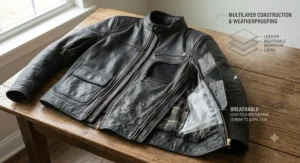
The First Mfg Co. Top Performer is built from Diamond Naked cowhide and prioritizes one thing above all: heat management. Vented zippers across the front pair with an insulated zip-out thermal liner, so the same jacket that keeps you cool through a Texas July can still take the liner back in for a chilly fall ride.
In my experience, most “vented” leather jackets offer token perforation that barely moves air — this one is cut with actual airflow in mind, which makes a real difference on long, hot interstate stretches. It’s the jacket for a touring rider based somewhere that doesn’t see much real cold. Owners highlight the conceal-carry pockets and half-size-large fit as worth knowing before ordering.
✅ Genuinely effective ventilation,
✅ insulated liner for shoulder seasons,
✅ ample storage including conceal-carry.
❌ Runs roughly half a size large,
❌ armor inserts sold separately.
Price/value verdict: $190–$240 — the strongest pick here for hot-weather touring riders.
7. Milwaukee Leather LKM1700 Premium Buffalo Leather Cruiser Jacket
The Milwaukee Leather LKM1700 represents the premium end of this list, built from heavier buffalo hide with CE armor included standard rather than sold as an add-on. Milwaukee Leather has built enough of a reputation in the motorcycle gear space that resale value and parts availability (replacement armor, liners) tend to be easier to source down the line.
This is the jacket for a rider treating gear as a long-term investment rather than a single-season purchase — the thicker buffalo hide costs more upfront but typically outlasts cowhide jackets by years under regular touring use. The trade-off is weight: this jacket sits noticeably heavier on the shoulders than the cowhide options above, which some long-distance riders prefer for stability and others find fatiguing on 8-hour days.
✅ Heavy-duty buffalo hide,
✅ armor included, not sold separately,
✅ strong brand reliability.
❌ Heavier than cowhide alternatives,
❌ premium price for a non-touring-specific cut.
Price/value verdict: $250–$320 — worth it if longevity matters more to you than shaving ounces.
✨ Don’t Miss These Exclusive Deals!
🔍 Take your riding gear to the next level with these carefully selected leather touring jackets. Click on any highlighted product to check current pricing and availability — these picks will help you ride comfortable and protected all season long!
Buyer’s Decision Framework
Before scrolling back up to compare specs line by line, it helps to know which category you actually fall into:
- If you ride under 100 miles a week and want real protection on a budget, choose the REVOLT or Bloodaxe — both deliver CE armor without the premium leather upcharge.
- If you tour in hot climates regularly, prioritize the Top Performer’s ventilation over leather weight; heat exhaustion is a bigger real-world risk than abrasion on most rides.
- If you ride year-round across multiple climates, the Skeid’s combination of storage, airflow, and a removable liner covers the widest range without compromise.
- If you want a jacket that’s still your best jacket in ten years, the Crusader or LKM1700 justify their higher price through leather grade and durability alone.
This kind of self-sorting matters more than people expect — riders who buy based on looks alone are the ones most likely to end up cold, overheated, or under-protected six months later.
Real-World Scenarios: Matching Riders to Jackets
The daily commuter (15–20 miles each way): Needs a jacket that works off the bike too. The HWK Brando’s vintage cut and water resistance make it the easiest of these seven to wear into a coffee shop without looking like you just stepped off a racetrack.
The weekend long-hauler (200+ mile day trips): Ventilation and pocket capacity matter more than style here. The Skeid’s document-sized pockets and proven airflow make it the practical choice for someone stacking multiple riding hours back to back.
The cross-country tourer (multi-week trips, mixed climates): This rider needs four-season versatility above everything else. The REVOLT’s full liner-and-vent system, or the LKM1700’s heavier buffalo hide for serious mileage, both make sense depending on whether budget or longevity is the priority.
Matching your actual riding pattern to a jacket — rather than buying based on which one looks best in photos — is the single biggest lever for getting real value out of a leather touring jacket purchase.
Practical Usage Guide: Break-In, Maintenance, and Common Early Mistakes
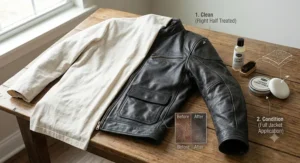
A new leather touring jacket needs roughly 5–10 wears before the hide loosens to your body shape — wearing it around the house in 30-minute stretches speeds this up without risking damage on the road. During that break-in window, avoid sudden hard creasing at the elbows; let the armor pockets do their job rather than forcing extra bend.
Condition the leather every 3–4 months with a leather-specific conditioner (not generic shoe polish), focusing on high-flex zones like the elbows and underarms where cracking starts first. Skipping this is the most common mistake I see — riders treat leather touring jackets as maintenance-free because they’re “tough,” when in reality the hide dries out from UV and wind exposure faster than people expect.
The other early mistake is over-tightening the waist adjusters to compensate for a slightly large size rather than sizing down — this distorts the cut and reduces armor placement accuracy over the shoulders and elbows. If you’re between sizes, sizing down on a leather jacket nearly always beats sizing up, since the hide will stretch slightly with wear but armor pockets won’t relocate themselves.
How to Choose a Leather Touring Motorcycle Jacket
- Confirm CE armor rating first. Look for at least CE Level 1 at the shoulders and elbows; Level 2 offers meaningfully better impact absorption for serious touring mileage.
- Check liner removability, not just presence. A liner that zips out fully — not just unsnaps partially — is what actually delivers four-season use.
- Verify leather thickness. Aim for 1.0mm minimum; 1.2mm+ buffalo or cowhide holds up significantly better over years of riding.
- Count the ventilation zippers, then picture them open at speed. Two chest vents paired with back exhaust vents create real airflow; a single decorative zipper usually doesn’t.
- Match pocket size to what you actually carry. Riders who tour with documents or a tablet need larger zippered pockets than a commuter carrying just a phone and wallet.
- Read the size chart brand-by-brand. Sizing varies enough between these seven jackets that a true chest measurement matters more than relying on your usual jacket size.
Common Mistakes When Buying a Touring Leather Jacket
The biggest mistake is buying for the photo rather than the climate you actually ride in — a heavy buffalo-hide cruiser-style jacket looks great but turns into a liability on a 95°F summer tour. Close behind is skipping armor verification entirely; “padded” and “CE-certified armor” are not the same claim, and only one of them is independently tested.
Riders also commonly underestimate how much a loose, ill-fitting jacket reduces armor effectiveness — shoulder and elbow pads need to sit directly over the joint to work, and a jacket sized too large lets that armor shift during a fall. Finally, plenty of buyers skip checking for a removable liner system entirely, then end up buying a second jacket for the opposite season within a year.
Leather Touring Jacket vs. Textile Touring Jacket
| Factor | Leather Touring Jacket | Textile Touring Jacket |
|---|---|---|
| Abrasion resistance | Excellent, ages well | Good, varies by denier |
| Waterproofing | Needs conditioning/treatment | Often built-in membrane |
| Breathability | Vent-dependent | Generally better airflow |
| Typical lifespan | 15–20+ years with care | 5–10 years |
| Weight | Heavier | Lighter |
The honest takeaway: leather wins decisively on long-term abrasion resistance and looks better doing it, while textile generally wins on rainy-day convenience and weight. Riders who tour primarily in dry, warm-to-mild climates tend to be happiest in leather; riders who regularly get caught in multi-hour rain tend to lean textile or carry a waterproof leather touring jacket overlayer as backup.
What to Expect: Real-World Performance on Long Rides
On paper, every jacket here looks similar — CE armor, removable liner, multiple pockets. In practice, the differences show up after hour four of a ride. Buffalo leather jackets like the Skeid and LKM1700 hold their shape better over a full riding day and resist wind buffeting at highway speed more than thinner cowhide options. Lighter cowhide jackets like the REVOLT and Bloodaxe feel less fatiguing on the shoulders over a long day but show wear slightly sooner.
Ventilation differences are the most noticeable in real-world riding. The Top Performer’s venting genuinely changes the experience of a 90°F afternoon stretch, while jackets with token vent zippers barely move the needle on comfort. If you’re choosing based on a spec sheet alone, weigh ventilation claims against actual owner feedback rather than the marketing copy.
Features That Actually Matter (And Those That Don’t)
Actually matters: CE-rated armor placement (not just presence), liner removability, leather thickness, and zippered ventilation that’s positioned for airflow rather than decoration.
Doesn’t matter nearly as much as marketing suggests: the number of total pockets (most riders use three or four regularly, regardless of how many exist), and cosmetic stitching patterns that add no structural value.
A genuinely useful detail that’s easy to overlook: a dedicated map pocket or document pocket sized for a phone-plus-wallet combination saves more daily frustration than an extra decorative zipper ever will. Reflective piping is a small feature that punches well above its cost in real safety value during dusk or early-morning rides — worth prioritizing over pure styling choices when two jackets are otherwise close in quality.
Long-Term Cost & Maintenance
A $150 leather touring jacket conditioned every few months and stored properly can comfortably outlast three $50 textile jackets bought to replace each other — the cost-per-year math tends to favor leather once you’re past year two of ownership. Budget roughly $15–$25 every few months for leather conditioner and occasional zipper lubrication; that’s a small fraction of replacement cost.
Where the real long-term cost shows up is armor replacement. CE armor degrades with UV and repeated flexing over years, so budget for replacement inserts every 3–5 years of regular riding regardless of how good the leather shell still looks — the armor is the part doing the actual protective work, and it has a shorter functional lifespan than the hide around it.
Safety, Regulations & Compliance Guide
In the United States, motorcycle jackets aren’t legally required to carry CE certification the way they are in the EU, but reputable touring jackets still voluntarily meet CE EN 17092 standards for abrasion and impact resistance — it’s the clearest third-party signal that armor and leather have actually been tested rather than just marketed as protective. According to NHTSA, protective gear remains one of the most effective controllable factors in reducing injury severity in motorcycle crashes, which is worth remembering before prioritizing style over verified armor ratings.
Road rash — the abrasion injury leather jackets are specifically designed to prevent — occurs in a fraction of a second during a slide, which is why armor placement and leather thickness matter more than how reinforced a jacket looks. Organizations like the Motorcycle Safety Foundation also recommend treating armored leather gear as a baseline rather than an upgrade for any rider planning regular touring distances.
FAQ
❓ What is the best leather for a touring motorcycle jacket?
❓ How much does a quality leather touring motorcycle jacket cost?
❓ Can you wear a leather touring jacket in the rain?
❓ What CE armor level should a touring motorcycle jacket have?
❓ How do you size a leather motorcycle jacket for touring?
Conclusion
A genuinely good leather touring motorcycle jacket earns its keep across hundreds of rides, not just one good-looking afternoon. Across these seven options, the pattern holds: budget jackets like the REVOLT and Bloodaxe prove that real CE armor doesn’t require a premium price, mid-range picks like the Skeid and Top Performer solve specific problems (storage, heat) better than anything pricier, and the Crusader and LKM1700 reward riders willing to pay more for leather that improves with age.
The right choice ultimately comes down to your actual riding pattern rather than the spec sheet alone — climate, mileage, and how much you value long-term durability over upfront price should drive the decision more than any single feature. Whichever you choose, prioritize verified CE armor and a genuinely removable liner system over styling, and you’ll end up with a jacket that earns its place in your gear closet for years.
Recommended for You
- Cruiser Motorcycle Leather Jacket: 7 Best Picks for 2026
- Sport Leather Moto Jacket: 7 Best Picks for 2026
- 7 Best Men’s Leather Biker Jackets in 2026: Top Picks That Last
Disclaimer: This article contains affiliate links. As an Amazon Associate, I earn from qualifying purchases. If you purchase products through these links, we may earn a small commission at no additional cost to you.
✨ Found this helpful? Share it with your friends! 💬🤗
