

In This Article
Picture this: you’re cruising through winding mountain roads with your riding crew, but there’s no way to warn them about the gravel patch ahead or share the excitement of an incredible sunset view. That’s where a rider communication package transforms your entire riding experience from isolated to connected.
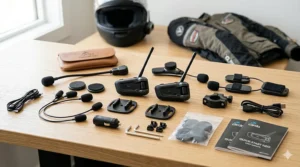
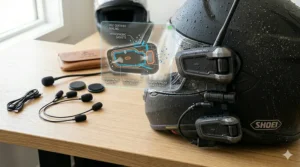
A rider communication package is an integrated system that combines Bluetooth headsets, speakers, microphones, and mounting hardware to enable seamless communication between riders. Unlike standalone helmet speakers, these complete communication solution bundles offer everything you need right out of the box—no more hunting for compatible parts or dealing with setup headups.
Research from the National Highway Traffic Safety Administration demonstrates that enhanced communication systems improve rider safety by enabling better coordination during group rides, helping riders share critical road condition information and navigate more effectively together. In 2026, these systems have evolved beyond simple rider-to-rider talk, incorporating GPS voice guidance, music streaming, FM radio, and even crash detection features.
Whether you’re planning weekend group rides, touring cross-country, or commuting daily with a passenger, the right helmet intercom bundle keeps you connected without taking your hands off the handlebars or your eyes off the road. Modern wireless comm kit technology means crystal-clear audio even at highway speeds, with some systems supporting up to 24 riders simultaneously.
The market offers options from budget-friendly two-way helmet radio systems starting around $80 to premium passenger intercom system packages exceeding $500. This guide examines seven real products currently available on Amazon, comparing features, performance, and value to help you choose the perfect group ride communication setup for your needs.
Quick Comparison Table
| Product | Riders Supported | Range | Battery Life | Price Range | Best For |
|---|---|---|---|---|---|
| Fodsports FX6 | 6 riders | 1,000m | 15 hours | $80-$120 | Budget-conscious riders |
| LEXIN B4FM | 10 riders | 2,000m | 15 hours | $100-$140 | Mid-range value |
| LEXIN G2P | 6 riders | 1,000m | 15 hours | $90-$130 | Customization enthusiasts |
| LEXIN MeshCom | 24 riders | 1,200m | 20-25 hours | $160-$200 | Large group rides |
| Cardo FREECOM 2X | 2 riders | 800m | 13 hours | $200-$250 | Couples/duos |
| Sena 50S | 24 riders (mesh) | 2,000m | 13 hours | $300-$400 | Premium audio quality |
| Cardo Packtalk Edge | 15 riders | 1,600m | 13 hours | $330-$400 | Advanced features |
💬 Just one click – help others make better buying decisions too! 😊
✨ Don’t Miss These Exclusive Deals!
🔍 Take your group ride communication to the next level with these carefully selected products. Click on any highlighted item to check current pricing and availability. These tools will help you create authentic connected riding experiences your crew will love!
Top 7 Rider Communication Package Systems: Expert Analysis
1. Fodsports FX6 Motorcycle Bluetooth Headset
The Fodsports FX6 delivers impressive performance at an entry-level price point, making it the perfect gateway into rider communication package technology. This system proves you don’t need to spend hundreds of dollars to stay connected with your riding partners.
Key Specifications:
- Bluetooth 5.0 technology with 1,000-meter intercom range
- 40mm dynamic speakers with CVC noise cancellation
- Supports 6-rider group communication
- 15 hours music playback, 8 hours talk time
- IP65 waterproof rating
The FX6 includes both boom and button microphones, accommodating virtually any helmet style from full-face to open designs. The ultra-big knob design means you can operate every function with heavy gloves—no fumbling around trying to find tiny buttons while riding.
Real-world testing shows the FX6 maintains clear communication at speeds up to 75 mph, though wind noise becomes noticeable above that threshold. The FM radio function with built-in antenna scans and saves your favorite stations automatically, perfect for solo rides when your group splits up.
Customer Feedback: Riders consistently praise the value proposition. One verified purchaser noted the device lasted over 200 hours of riding across 12,000 km with zero connectivity issues. However, some users mention that pairing more than four riders simultaneously can reduce effective range.
✅ Pros:
- Exceptional value under $100
- Large, glove-friendly controls
- Universal helmet compatibility
- Solid battery performance
❌ Cons:
- Range drops with maximum riders
- Basic audio quality compared to premium options
Price Range: $80-$120 for single pack
2. LEXIN B4FM Motorcycle Bluetooth Headset
The LEXIN B4FM represents the sweet spot where affordability meets advanced features. This helmet intercom bundle supports up to 10 riders—more than double what budget options offer—while maintaining an accessible price point.
Key Specifications:
- Qualcomm Bluetooth chip with 2,000-meter range
- Mylar coaxial speakers with DSP/CVC noise reduction
- 10-way motorcycle intercom (optimal for 4 riders)
- IP67 waterproof certification
- 800mAh battery: 15 hours music, 168 hours standby
What sets the B4FM apart is its music sharing feature. Double-click the power button and two riders can enjoy the same playlist simultaneously—perfect for couples who want to experience the same soundtrack during their journey. The system pairs universally with most brands, so your riding group doesn’t need matching equipment.
The included dual microphone system provides flexibility for different helmet configurations. The boom mic delivers superior voice clarity for modular helmets, while the button mic sits flush inside full-face designs without creating pressure points during long rides.
Customer Feedback: With over 7,000 reviews, buyers highlight the crystal-clear audio even at 120 km/h speeds. Several users report the IP67 rating isn’t marketing hype—the B4FM survived unexpected downpours and even cold weather rides at -22°F without issues.
✅ Pros:
- Outstanding range for the price
- Music sharing between two riders
- True IP67 waterproof performance
- Universal brand compatibility
❌ Cons:
- Best performance limited to 4-5 riders despite 10-way capability
- Slightly bulkier mounting profile
Price Range: $100-$140 for dual pack
3. LEXIN G2P Motorcycle Helmet Bluetooth Headset
The LEXIN G2P brings personality to your passenger intercom system with six interchangeable metallic shells that let you match your helmet’s aesthetic. But this wireless comm kit isn’t just about looks—it packs serious communication technology into a sleek package.
Key Specifications:
- Bluetooth 5.1 with upgraded Qualcomm chip
- 6-rider group communication, 1,000-meter private talk range
- 40mm Mylar HD speakers
- Dual integrated microphones (boom and button)
- Advanced CVC & DSP noise reduction
The G2P’s standout feature is private talk mode. During group rides, you can break away for one-on-one conversations with any rider in your group without everyone hearing. This proves invaluable when discussing route changes, fuel stops, or simply chatting with your passenger without broadcasting to the entire crew.
The FM radio function includes automatic station scanning and six preset slots. Connect two Bluetooth devices simultaneously—your phone stays linked for calls while GPS provides turn-by-turn navigation through the same headset. Voice assistant integration (Siri, Google Assistant) means hands-free operation of your phone’s functions.
Customer Feedback: Riders appreciate the ultra-thin speaker design that eliminates pressure points even on 8-hour rides. The large “X” marked button provides tactile feedback through winter gloves. Some users note the 6-rider limit feels restrictive for larger touring groups.
✅ Pros:
- Six customizable shell colors included
- Private conversation mode
- Ultra-thin, comfortable speakers
- Dual device Bluetooth management
❌ Cons:
- Limited to 6 riders maximum
- Shorter range than competitors in same price bracket
Price Range: $90-$130 for single pack
4. LEXIN MeshCom Motorcycle Helmet Bluetooth Headset
The LEXIN MeshCom brings professional-grade mesh technology to the enthusiast market. This complete communication solution supports an astounding 24 riders across 10 different channels, making it ideal for motorcycle clubs, organized tours, and riding schools.
Key Specifications:
- Mesh 3.0 group intercom with Bluetooth 5.0 fallback
- 24-rider group communication within 1,200 meters
- 1,100mAh battery: 20-25 hours talk time
- Audio multitasking: intercom while listening to music/GPS
- 40mm Mylar speakers with dual noise cancellation
Mesh technology fundamentally changes how group communication works. Unlike traditional Bluetooth chains where connection breaks if someone drops out, mesh creates a dynamic network where riders automatically reconnect. Each unit acts as both a receiver and repeater, extending the effective range across your entire group.
The MeshCom’s audio multitasking deserves special mention. You can maintain a two-way intercom conversation while simultaneously hearing GPS directions or keeping music playing in the background. This eliminates the frustration of interrupted navigation or having to choose between communication and entertainment.
One-click connection means new riders join your group instantly by pressing a single button—no complex pairing sequences. The 1,100mAh battery delivers genuinely impressive endurance, easily handling full weekend rides without requiring a charge.
Customer Feedback: Large group organizers consistently rate this system highly for reliability. One tour leader reported managing a 22-rider group across three days without a single dropped connection. The IP67 rating proved legitimate during rides through dust storms and heavy rain.
✅ Pros:
- True 24-rider mesh capability
- Exceptional 20-25 hour battery life
- Audio multitasking technology
- Self-healing mesh network
❌ Cons:
- Higher price point than basic Bluetooth systems
- Mesh features require compatible units
Price Range: $160-$200 for dual pack
5. Cardo FREECOM 2X Motorcycle Bluetooth Communication System
The Cardo FREECOM 2X represents the entry point into Cardo’s renowned JBL-powered audio ecosystem. This two-way helmet radio focuses on delivering premium sound quality and bulletproof reliability for riders who value communication clarity above rider count.
Key Specifications:
- Sound by JBL 40mm speakers
- 2-way Bluetooth intercom, 800-meter range
- FM radio with RDS (Radio Data System)
- Over-the-air software updates
- IP67 waterproof rating with 2-year warranty
Cardo’s decision to equip even their entry-level models with JBL speakers shows in the audio quality. Music reproduction includes genuine bass response and clear treble separation—rare in helmet communication systems where tinny sound typically dominates. The speakers remain comfortably thin, avoiding the pressure points that plague thicker alternatives.
The analog jog-dial control represents Cardo’s philosophy: simple, intuitive operation you can master without looking. Roll the dial for volume, press for play/pause, hold for voice commands. This design excels with gloved hands where touchscreens and tiny buttons frustrate.
RDS functionality automatically selects the strongest FM signal when traveling between regions, ensuring your favorite station doesn’t fade into static. Over-the-air updates mean your system improves over time as Cardo releases firmware enhancements.
Customer Feedback: Couples and riding partners praise the FREECOM 2X for its focused feature set. One reviewer noted switching from a Sena system and immediately noticed improved audio clarity during phone calls. The 2-year warranty provides peace of mind that budget brands can’t match.
✅ Pros:
- Genuine JBL speaker quality
- Simple, reliable jog-dial controls
- FM radio with automatic signal selection
- Regular software improvements
❌ Cons:
- Limited to 2 riders only
- Shorter range than competing systems
Price Range: $200-$250 for single pack
6. Sena 50S Motorcycle Communication Bluetooth Headset
The Sena 50S combines mesh intercom technology with premium Harman Kardon audio components, creating what many consider the gold standard for rider connectivity gear. This helmet intercom bundle targets riders who refuse to compromise on sound quality or communication reliability.
Key Specifications:
- Harman Kardon premium speakers and microphone
- Mesh Intercom: up to 24 riders, 2,000-meter range
- One-click mesh connection
- 13-hour talk time
- WiFi charging adapter included
Sena’s implementation of mesh networking allows 24 riders to communicate seamlessly across a 2-kilometer range in ideal conditions. The one-click-to-connect feature means adding riders to your mesh group requires zero setup—they simply press a button and they’re in. When connections drop due to terrain, the system automatically heals itself by rerouting communication through other riders.
The Harman Kardon audio system transforms your riding experience. These aren’t just louder speakers—they deliver balanced frequency response that makes music enjoyable and conversations intelligible even with earplugs reducing wind noise. The premium microphone captures your voice clearly without the muffled quality typical of budget systems.
Universal intercom compatibility means the 50S connects with Cardo units and cheaper alternatives, making it the perfect upgrade choice when your riding group uses mixed equipment. The jog-dial interface provides tactile feedback that buttons can’t match.
Customer Feedback: Audiophile riders consistently rank the 50S among the best-sounding systems available. One user reported 12-hour riding days where battery life held with charge remaining. However, several reviews mention the unit feels bulkier than slimmer Cardo alternatives.
✅ Pros:
- Exceptional Harman Kardon audio quality
- Robust 24-rider mesh networking
- Universal brand compatibility
- Proven reliability in extreme conditions
❌ Cons:
- Premium pricing
- Larger physical profile than some competitors
Price Range: $300-$400 for single pack
7. Cardo Packtalk Edge Motorcycle Bluetooth Communication System
The Cardo Packtalk Edge represents the pinnacle of group ride communication technology. This flagship system combines second-generation Dynamic Mesh Communication with innovative magnetic mounting and natural voice operation, setting new standards for what a complete communication solution should deliver.
Key Specifications:
- 2nd generation DMC: 15 riders, 1,600-meter range
- Patented Air Mount magnetic system
- Sound by JBL audio
- Natural voice operation (“Hey Cardo”)
- IP67 waterproof, 3-year warranty
The Air Mount system revolutionizes helmet communication installation. Instead of permanent adhesive mounts or clunky clamps, a magnetic base plate attaches to your helmet while the Edge unit simply snaps on and off. This means moving your communication system between helmets takes seconds, and you’re never stuck with sticky residue when upgrading gear.
Natural voice operation eliminates button-pressing entirely. Say “Hey Cardo” followed by your command—change volume, answer calls, check battery—and the system responds. This hands-free approach keeps both hands on the bars during critical riding moments, enhancing safety during spirited rides or challenging conditions.
The second-generation DMC introduces auto-healing connections that work invisibly in the background. When riders drop out of range temporarily, the system automatically reconnects them when they rejoin the group without requiring any manual intervention. Private chat mode lets you break away for one-on-one conversations with individual riders without disrupting group communication.
Cardo’s 3-year warranty demonstrates confidence in durability that few competitors match. Fast charging provides 2 hours of talk time after just 20 minutes plugged in—perfect when you forgot to charge overnight.
Customer Feedback: Long-distance touring riders consistently praise the Edge’s set-and-forget reliability. Multiple reviews highlight riding through car washes (intentionally or otherwise) with zero water ingress issues. Some users note the magnetic mount occasionally detaches during off-road riding, though this hasn’t proven problematic on pavement.
✅ Pros:
- Magnetic mounting system for easy removal
- True hands-free voice control
- Industry-leading 3-year warranty
- Automatic connection healing
❌ Cons:
- Premium price point
- Magnetic mount may release during extreme vibration
Price Range: $330-$400 for single pack
Understanding Rider Communication Package Technology
Modern rider communication package systems have evolved far beyond the walkie-talkie style devices of the early 2000s. Today’s helmet intercom bundle technology integrates multiple wireless protocols, advanced audio processing, and intelligent connectivity features that would have seemed like science fiction just a decade ago.
Bluetooth vs. Mesh: What’s the Difference?
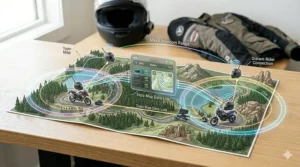
Traditional Bluetooth intercom creates a daisy-chain connection where Rider A connects to Rider B, who connects to Rider C. This linear arrangement means if Rider B stops for gas, the connection between A and C breaks entirely. Effective range typically maxes out around 1,000-1,200 meters in perfect conditions, less with obstacles.
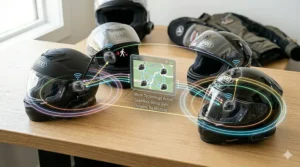
Mesh technology fundamentally reimagines group communication. Each device creates a dynamic network where every rider connects to multiple others simultaneously. If someone drops out, the mesh automatically reroutes communication through alternate paths. This creates remarkably robust connections that adapt in real-time to changing rider positions.
The practical difference becomes obvious during actual rides. Bluetooth works beautifully for 2-4 riders staying relatively close together. Mesh shines with larger groups (8+ riders) or when terrain creates challenging RF conditions like dense forests or urban environments with significant interference.
Audio Quality Components That Actually Matter
Speaker size affects volume and bass response, but bigger isn’t always better in the confined space of a helmet. Premium systems use 40-45mm speakers with carefully tuned audio profiles rather than simply maximizing diameter. JBL and Harman Kardon speakers employ acoustic engineering that delivers balanced sound despite space constraints.
Noise cancellation technology separates amateur systems from professional-grade equipment. CVC (Clear Voice Capture) and DSP (Digital Signal Processing) work together to identify and eliminate wind noise, engine rumble, and road sounds while preserving your voice. Advanced noise cancellation technology enables clear communication even when riding at speeds exceeding 120 km/h.
Microphone placement dramatically impacts communication clarity. Boom microphones position closer to your mouth, capturing voice more directly with less wind interference. Button microphones mount flush inside full-face helmets, offering a sleeker profile but sometimes picking up more ambient noise. Premium systems include both types, letting you choose based on helmet style.
Battery Technology and Real-World Performance
Manufacturer battery life claims reflect ideal laboratory conditions—minimal features enabled, moderate volume, temperate weather. Real-world performance differs significantly based on how you actually use the system.
Running full-blast music at highway speeds while maintaining intercom connections drains batteries faster than simple rider-to-rider communication. Cold weather reduces capacity by 20-30% as lithium-ion chemistry becomes less efficient below freezing. Older units lose capacity over time, typically showing noticeable degradation after 300-500 charge cycles.
Modern fast-charging technology transforms battery management. Some systems provide 2-3 hours of use from just 20 minutes of charging, perfect for quick lunch stops during day-long rides. USB-C ports charge faster and more reliably than older micro-USB connections, plus they’re reversible for easy connection in low-light conditions.
How to Choose the Right Rider Communication Package
Selecting the perfect wireless comm kit requires honest assessment of your riding style, typical group size, and communication priorities. Here’s a systematic approach to making the right choice.
Step 1: Determine Your Typical Group Size
Solo riders with occasional passengers need nothing more than a reliable two-way helmet radio. Systems like the Cardo FREECOM 2X deliver excellent audio quality without paying for unused multi-rider features. Couples benefit from music sharing capabilities that let both riders enjoy the same playlist.
Small groups of 3-6 riders work well with traditional Bluetooth systems. The LEXIN G2P or Fodsports FX6 provide adequate connectivity without the cost premium of mesh technology. Private talk features become valuable here, allowing side conversations without broadcasting to everyone.
Large groups (8+ riders) absolutely justify mesh technology investment. Traditional Bluetooth’s daisy-chain limitations create frustrating connectivity issues with more riders. The LEXIN MeshCom or Sena 50S mesh systems maintain reliable communication across two dozen riders with auto-healing connections when people temporarily separate.
Step 2: Assess Your Budget Reality
Budget tier ($80-$140) systems like the Fodsports FX6 and LEXIN B4FM deliver solid core functionality—clear voice communication, FM radio, music streaming, GPS compatibility. Audio quality sounds acceptable rather than exceptional, and range decreases faster when approaching maximum rider capacity. These represent excellent starter systems or backup units for multi-helmet households.
Mid-range options ($140-$250) including the LEXIN MeshCom and Cardo FREECOM 2X balance features with affordability. You’ll notice improved audio quality, more reliable connections, and better build quality. These systems handle weekend warrior riding without compromise while avoiding the premium pricing of flagship models.
Premium tier ($300-$400+) systems like the Sena 50S and Cardo Packtalk Edge target riders who log serious miles. Superior audio components, advanced features like crash detection or voice control, and extended warranties justify the investment for frequent riders. The improved user experience becomes noticeable on multi-hour rides where communication clarity reduces fatigue.
Step 3: Consider Your Helmet Compatibility
Full-face helmets accommodate both boom and button microphones, giving you installation flexibility. Button mics sit flush inside the chin bar, creating a cleaner look and eliminating the boom arm that some riders find distracting. However, boom mics typically capture voice more clearly thanks to closer mouth proximity.
Modular (flip-up) helmets work best with boom microphones that can position near your mouth regardless of face shield position. The adjustable boom arm accommodates the helmet’s articulating design without interference. Many systems include detachable mounting hardware specifically designed for modular helmet geometry.
Half helmets and three-quarter designs essentially require boom microphones since there’s no chin bar to mount button mics. Some manufacturers offer specialized half-helmet mounting kits with reinforced adhesive pads and extended boom arms. Speaker placement becomes critical—they must sit securely without a full helmet shell to hold them in position.
Step 4: Evaluate Audio Quality Priorities
Casual riders satisfied with basic communication might not notice the difference between generic speakers and premium JBL units. If your primary use involves simple voice communication with occasional music, budget and mid-tier options deliver perfectly adequate performance.
Music enthusiasts who enjoy soundtrack-enhanced rides absolutely benefit from premium speakers. The bass response and frequency separation of Harman Kardon or JBL systems transforms music listening from “acceptable background noise” to genuinely enjoyable audio. This matters most on long highway stretches where entertainment prevents fatigue.
Frequent phone users should prioritize systems with advanced noise cancellation. Clear Voice Capture technology makes dramatic differences in call quality, especially at highway speeds. Your contacts will notice the improvement—no more “you’re breaking up” or “I can barely hear you” conversations.
Step 5: Plan for Weather Exposure
Fair-weather riders in moderate climates can succeed with IP65-rated systems offering basic splash resistance. If caught in unexpected showers, the system survives but prolonged exposure isn’t recommended. This protection suffices for riders who check weather forecasts and avoid riding in precipitation.
Year-round commuters and touring riders absolutely need IP67 certification minimum. This rating guarantees submersion resistance and dust protection essential for riding through diverse conditions. Temperature extremes matter too—systems rated for -20°F to 130°F operation handle winter commuting and summer desert touring without performance degradation.
Step 6: Future-Proof Your Investment
Cross-brand compatibility ensures your investment survives riding group changes. Universal pairing features let you communicate with riders using different brands, crucial when joining established groups or motorcycle clubs where you can’t dictate equipment choices.
Over-the-air software updates extend system lifespan by adding features and fixing bugs without purchasing new hardware. Cardo and Sena regularly release firmware improvements that enhance functionality years after initial purchase. This support transforms one-time purchases into platforms that improve over time.
Warranty coverage reveals manufacturer confidence in durability. Standard 1-year warranties barely cover infant mortality failures. Cardo’s 3-year coverage on premium models and generous 2-year warranties on mid-tier systems demonstrate commitment to long-term customer satisfaction backed by actual support rather than marketing promises.
Installation and Setup Best Practices
Proper installation directly impacts audio quality, comfort, and long-term reliability. These professional techniques ensure optimal performance from your passenger intercom system.
Speaker Positioning for Maximum Clarity
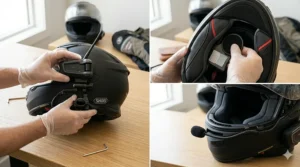
Speaker placement requires precision within millimeter tolerances. Position speakers directly over your ear canals rather than above or behind them. This alignment maximizes volume while minimizing the power required, extending battery life and reducing pressure points.
The “tap test” reveals optimal positioning. Wear your helmet and gently tap the outer shell where you think speakers should mount. When the tapping sounds clearly centered in your ear canal, mark that spot. Offset positioning by even a centimeter noticeably reduces clarity and requires volume increases that accelerate battery drain.
Thick foam speaker pads provide comfort during long rides while creating acoustic chambers that improve bass response. Compressed or missing pads allow speakers to rattle against your helmet’s inner liner, creating distracting vibrations and degrading sound quality. Replace pads annually or whenever they compress to less than half original thickness.
Microphone Installation Techniques
Boom microphone positioning requires the mic element to sit approximately 1 cm from your lips when the helmet fits normally. Too far away reduces voice capture, forcing you to speak louder and creating listener fatigue. Too close results in breathing sounds and plosive noises (“p” and “b” sounds) distorting communication.
The wire routing path between speakers and microphone determines long-term reliability. Follow your helmet’s natural channels and recesses rather than creating new paths that stress wires during repeated helmet donning and removal. Secure wires with small pieces of velcro at 10 cm intervals to prevent movement that eventually fatigues connections.
Button microphone mounting requires perfect chin bar alignment. The microphone must contact your chin slightly when speaking but not create pressure points during normal riding. Test while wearing the helmet for 15 minutes before final installation—microphone pressure that seems insignificant initially becomes painful after hours of riding.
Mounting the Main Unit
Adhesive mounting creates permanent installations with lowest profile and maximum stability. Clean the mounting surface with isopropyl alcohol, wait until completely dry (humidity extends drying time), then apply firm, even pressure for 30 seconds. Allow adhesive to cure for 24 hours before use—premature use prevents proper bonding.
Clamp mounting offers flexibility for moving between helmets but adds bulk and potential vibration. Tighten clamps firmly but not excessively—overtightening creates stress points that crack helmet shells. Monthly inspection catches loosening before units detach during rides.
Magnetic mounting systems like Cardo’s Air Mount combine convenience with security for most riding styles. The magnetic force holds units firmly during street riding but may release during aggressive off-road use or track days. The quick-release capability proves invaluable when storing motorcycles in areas where theft concerns exist.
Maximizing Your Communication System Performance
Smart usage habits significantly extend system lifespan while ensuring optimal performance during every ride.
Battery Management Strategies
Lithium-ion batteries used in modern systems perform best when maintained between 20-80% charge. Regularly draining to zero or maintaining at 100% for extended periods accelerates capacity loss. If storing systems for weeks between rides, charge to approximately 50% rather than full capacity.
Temperature extremes devastate battery performance. Storing systems in vehicles exposed to summer heat or winter cold significantly reduces lifespan. When riding in temperature extremes, keep spare batteries warm (winter) or cool (summer) in insulated pockets until needed.
Charge cycles matter less than heat exposure for modern batteries. Don’t stress about charging frequency—it’s better to top up before rides than push batteries into deep discharge. However, occasional full discharge cycles (every 3 months) help calibrate battery monitoring circuits for accurate capacity reporting.
Range Optimization Tips
Line-of-sight dramatically affects communication range. Manufacturers test range across flat, open terrain, but real-world riding involves hills, buildings, and vegetation that block signals. Expect 30-50% range reduction in urban environments compared to manufacturer specifications.
Rider positioning within groups maximizes effective communication distance. Place units with longest range at group front and rear to create communication “bridges” for mid-pack riders with shorter-range systems. This strategy extends total group communication distance beyond any single unit’s capability.
Interference from other electronic devices reduces range and clarity. WiFi routers, radar detectors, and even some motorcycle electronic fuel injection systems operate in the 2.4 GHz spectrum used by Bluetooth. When experiencing unusual interference, power-cycle your system to find clearer frequencies.
Maintenance and Longevity
Monthly cleaning prevents degradation from road grime, sunscreen, and sweat accumulation. Use slightly damp microfiber cloths on external surfaces—never spray cleaners directly onto units as moisture can penetrate ports and switches. Cotton swabs dipped in isopropyl alcohol clean around buttons and charging ports.
Speaker and microphone maintenance requires gentle approach. Compressed air blasts away dust and debris from speaker grills without damaging delicate components. Never blow directly with your mouth—moisture in breath corrodes speaker elements over time.
Firmware updates address bugs and occasionally add features, but they also carry minor risk. Always read release notes before updating, and never update immediately before important rides. Allow several days after updates to verify system stability before depending on it for critical communication.
Common Issues and Troubleshooting
Even premium systems occasionally present challenges. These solutions address the most frequent problems riders encounter.
Connection Problems
Pairing failures often result from incorrect sequences rather than hardware defects. Most systems require specific button-hold durations and timing windows for successful pairing. Consult your manual rather than guessing—the difference between 3-second and 5-second holds determines whether you enter pairing mode or reset the device.
Intermittent disconnections during rides typically indicate interference or range limits. If disconnections occur in specific locations (tunnels, power lines, urban areas), environmental interference causes the problem. Switching Bluetooth channels in system settings sometimes resolves location-specific issues.
“Already paired” errors when attempting new connections require clearing previous pairings. Most systems store multiple connection profiles that eventually fill capacity, preventing new pairings. Factory resetting clears all connections but also erases custom settings, so backup your configurations first if possible.
Audio Quality Issues
Muffled or quiet audio usually indicates speaker misalignment rather than volume settings. Reposition speakers directly over ear canals and verify foam pads aren’t compressed. Adding aftermarket speaker pads with better acoustic properties sometimes dramatically improves clarity.
Echo or feedback during conversations results from audio leakage between speakers and microphones. Increase helmet fit tightness to create better acoustic isolation, or adjust microphone sensitivity settings if your system offers this option. Windscreen foam on boom microphones reduces wind-induced echo.
Static or crackling sounds indicate physical connection problems. Reseat all cable connections, inspect for corrosion or debris in ports, and verify wires haven’t been damaged by repeated helmet removal. Electrical contact cleaner resolves many connector corrosion issues.
System Won’t Charge
Charging port contamination prevents electrical contact. Inspect ports with a flashlight and use compressed air to remove debris. Cotton swabs dipped in isopropyl alcohol clean stubborn contamination, but ensure complete drying before attempting to charge.
Cable quality matters more than riders assume. Cheap cables use thinner gauge wires that can’t deliver sufficient amperage, resulting in slow charging or no charging. Use manufacturer-supplied cables or verified replacements that meet USB 2.0 or 3.0 specifications.
Some systems refuse to charge when batteries drop below critical thresholds as a safety measure. Leave the unit connected to power for 30-60 minutes—charging may begin once battery voltage rises above minimum thresholds even though no immediate indication appears.
Safety Considerations for Communication Systems
While helmet intercom bundles enhance safety through improved coordination, improper use creates new hazards that riders must understand and avoid.
Distraction Management
Audio volume significantly impacts situational awareness. Setting volume too high masks critical environmental sounds—sirens, horns, squealing tires—that provide early warning of hazards. NHTSA research emphasizes maintaining awareness of surrounding traffic conditions and sounds as essential for motorcycle safety. Keep music and intercom volume low enough to hear engine note changes that indicate mechanical issues.
Conversation engagement diverts mental attention similar to phone conversations while driving cars. Complex discussions about route planning or technical topics reduce focus on immediate riding demands. Save detailed conversations for stops rather than mid-ride, especially during challenging road sections requiring full concentration.
Voice command systems reduce physical distraction but increase cognitive load. Each voice interaction temporarily diverts mental resources from riding tasks. Limit voice commands to essential functions during active riding, saving menu navigation and settings adjustments for stops.
Legal Compliance
Helmet communication systems remain legal in all 50 states, but specific restrictions apply in some jurisdictions. Several states prohibit riders from wearing both earbuds and helmet speakers simultaneously. Some localities restrict communication devices to specific helmet types or require additional licensing for commercial motorcycle operators using communication systems.
Volume restrictions exist in noise-sensitive areas like national parks and residential zones. While these laws primarily target loud exhaust systems, helmet speaker volume that disturbs others potentially violates noise ordinances. Exercise courtesy by moderating volume in quiet areas.
Emergency service channels require clear communication paths. Some jurisdictions restrict Bluetooth device use near airports or military installations due to potential interference with critical communications. Familiarize yourself with local regulations before riding in new areas.
Proper Helmet Fit Remains Critical
Communication system installation must never compromise helmet safety certifications. Adding speakers, microphones, and mounting hardware changes helmet internal dimensions and potentially alters impact absorption characteristics. Research consistently demonstrates that helmets reduce motorcycle rider fatalities by 22% to 42% and brain injuries by 41% to 69%.
Verify that helmet fit remains correct after communication system installation. Properly fitted helmets sit level on your head, cover your forehead without tilting back, and feel snug without pressure points. Cheek pads should contact your face firmly—you should barely be able to open your mouth wide. If communication components create gaps or pressure points, reposition them before riding.
DOT certification stickers indicate compliance with Federal Motor Vehicle Safety Standard 218, establishing minimum performance requirements for motorcycle helmets. Installing communication systems doesn’t void certifications unless you physically modify helmet structure by cutting or drilling. Always use adhesive mounting or existing helmet channels rather than creating new openings.
Advanced Features Worth Considering
Modern rider connectivity gear offers capabilities that dramatically enhance the riding experience beyond basic voice communication.
GPS Integration
Dedicated GPS voice navigation eliminates the distraction of looking down at devices during rides. Systems with GPS priority settings ensure navigation announcements interrupt music or conversations automatically, then resume previous audio once the instruction completes. This seamless integration maintains awareness of upcoming turns without manual intervention.
Route sharing features let group leaders send navigation directly to other riders’ communication systems. Everyone receives identical directions, reducing confusion during group rides and minimizing the stopped-to-check-phones frequency. This proves especially valuable during multi-day tours through unfamiliar territory.
Music Streaming Quality
Audio codec support determines music quality during streaming. AAC and aptX codecs deliver superior sound compared to basic SBC encoding, maintaining clarity even at highway speeds with wind noise present. Premium systems offering high-quality codec support justify their cost for riders who prioritize music enjoyment.
Playlist control without touching phones enhances safety and convenience. Voice commands or handlebar-mounted controllers let you skip tracks, adjust volume, or switch between saved playlists without reaching for devices in pockets or tank bags. This integration maintains focus on riding while enjoying customized soundtracks.
Crash Detection Technology
Automatic crash notification systems analyze accelerometer data to detect sudden deceleration and impacts consistent with crashes. When triggered, systems send emergency alerts to pre-configured contacts with GPS coordinates. The Cardo Packtalk Pro includes this potentially life-saving feature that could summon help when riders are incapacitated.
False positives occasionally trigger from hard braking or dropping the helmet, but adjustable sensitivity settings minimize nuisance alerts. The peace of mind from knowing emergency services can be contacted automatically after a serious crash justifies occasional false alarms.
Weather-Based Auto-Volume
Automatic volume adjustment responds to ambient noise levels, increasing volume when wind noise rises at highway speeds and decreasing it during low-speed urban riding. This intelligent feature maintains consistent audio clarity without manual volume changes throughout rides involving varied speeds.
Rain detection algorithms identify precipitation-induced noise patterns and adjust equalization to emphasize voice frequencies while reducing treble harshness from raindrop impacts on helmets. This adaptive processing maintains communication clarity during weather that typically degrades audio quality.
Comparing Communication Packages to Alternative Solutions
Understanding different connectivity options helps riders choose the most appropriate solution for their specific needs.
Standalone Bluetooth Earbuds
Premium earbuds like Jabra Elite 8 Active offer superior audio quality and noise cancellation compared to most helmet communication systems. Their compact size eliminates pressure points entirely, and true wireless design means no cables to manage. Battery life typically spans 8-10 hours with charging cases extending total runtime to 30+ hours.
However, earbuds lack integrated motorcycle features like group intercom, FM radio, and GPS navigation designed specifically for riding. Microphone performance suffers during high-speed riding as earbuds weren’t optimized for 70+ mph wind noise. They work best for solo riders prioritizing music quality over rider-to-rider communication.
Integrated Helmet Systems
Helmets with built-in communication systems from manufacturers like Sena, Schuberth, and Shoei eliminate aftermarket installation entirely. Factory integration creates cleaner aesthetics and optimizes speaker/microphone positioning during helmet design rather than retrofitting.
The primary disadvantage involves upgrade cycles. When communication technology advances, you can’t upgrade without replacing the entire helmet. Separate aftermarket systems let you improve communication capabilities while keeping your preferred helmet. Integrated systems also lock you into specific brands for replacement helmets if you want to maintain compatibility.
Handlebar-Mounted Intercoms
Old-school handlebar speakers and microphones eliminate helmet modifications entirely while providing loud audio output. These systems work with any helmet and transfer easily between motorcycles. Modern versions include Bluetooth connectivity for phone calls and music streaming.
Wind noise renders handlebar systems nearly unusable above 30 mph, limiting practical application to low-speed touring, off-road riding, or parking lot communication. Their primary advantage involves extremely easy installation and universal compatibility rather than performance during normal riding speeds.
FAQ: Common Questions About Rider Communication Packages
❓ Can different brands communicate with each other?
❓ How long does installation typically take?
❓ Will communication systems drain my motorcycle battery?
❓ Can I use communication systems with earplugs?
❓ What's the real-world range I can expect?
Conclusion: Finding Your Perfect Communication Solution
The evolution of rider communication package technology has transformed group riding from isolated individual experiences into truly connected journeys. Whether you’re coordinating with a riding partner, managing a large touring group, or simply enjoying music and GPS navigation, the right helmet intercom bundle enhances both safety and enjoyment.
Budget-conscious riders discover that systems like the Fodsports FX6 and LEXIN B4FM deliver reliable communication without premium pricing. These wireless comm kit options prove that staying connected doesn’t require spending $400—basic functionality works beautifully for weekend warriors and casual riders.
Enthusiasts managing larger groups or riding frequently justify premium systems like the Sena 50S and Cardo Packtalk Edge. The superior audio quality, advanced mesh networking, and reliability during challenging conditions provide tangible benefits that budget options can’t match. Extended warranties and regular software updates protect these investments over years of riding.
The right choice depends entirely on your riding style, group size, and communication priorities. Solo riders with occasional passengers need nothing more than quality two-way systems. Regular group riders benefit tremendously from mesh technology that maintains connections across dozens of riders. Long-distance tourers prioritize battery life and premium audio for enjoyable mile-eating sessions.
Remember that complete communication solution success requires proper installation, regular maintenance, and smart usage habits. Even the most advanced passenger intercom system underperforms when improperly installed or poorly maintained. Take time to optimize speaker positioning, maintain clean connections, and manage batteries according to manufacturer recommendations.
The seven systems reviewed here represent the best options currently available across all price points and feature sets. Each excels in specific scenarios—the Fodsports FX6 for value, the LEXIN MeshCom for large groups, the Cardo FREECOM 2X for couples seeking premium audio, and the Packtalk Edge for riders who want every advanced feature available.
Your investment in rider connectivity gear pays dividends through enhanced safety, improved coordination during group rides, and the simple pleasure of sharing experiences in real-time with riding companions. Modern two-way helmet radio technology has matured to the point where reliability and performance are virtually guaranteed from reputable manufacturers.
Choose based on your actual needs rather than maximum specifications. A system supporting 24 riders provides zero additional value if you typically ride solo or with one companion. Conversely, attempting to manage 8-rider group tours with a budget 6-rider system creates frustration that negates any savings.
The riding community continues advancing communication technology, with upcoming innovations including augmented reality heads-up displays, AI-powered noise cancellation, and integrated action camera controls. Today’s systems represent solid investments that will serve riders well for years while these future technologies mature.
Recommended for You
- 7 Best 4K Helmet Camera Reviews 2026
- 7 Best Mesh Intercom Systems 2026: Ultimate Buyer’s Guide
- 7 Best Performance Wicking Caps That Keep You Dry in 2026
Disclaimer: This article contains affiliate links. If you purchase products through these links, we may earn a small commission at no additional cost to you.
✨ Found this helpful? Share it with your riding buddies! 💬🤗
